
Review · KYOTO
Kyoto: Japanese Gardens Private Customizable Tour
Kyoto’s gardens reward slow looking, and this private six-hour tour gives you the time and guidance to understand what you are seeing. Instead of following a fixed route, you can request famous Zen sites, imperial gardens, bamboo groves, or quieter temple grounds. Guides such as Kazu, Yuka, and Shoji have earned praise for clear explanations and an easy conversational manner.
I like the custom itinerary, especially for a first visit when Kyoto’s many garden choices can feel overwhelming. I also like that you can meet at your hotel or a train station and use public transportation or a taxi according to your needs. The main drawback is cost control: entrance fees and transportation are not included, and the tour is not fully confirmed until a guide accepts it.
Key points at a glance
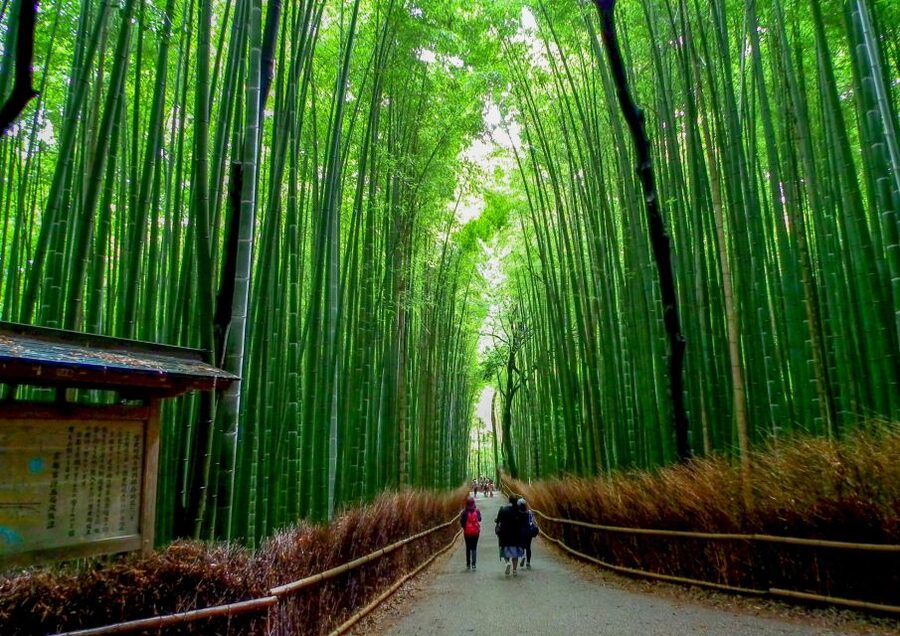
- Choose your garden style: Compare dry Zen gardens, mossy temple grounds, imperial gardens, seasonal plantings, and the Arashiyama Bamboo Forest.
- A truly private format: You have a private guide and group, so the route can reflect your pace and interests.
- Strong guide-led interpretation: Kazu, Yuka, and Shoji are praised for clear explanations of gardens, Japanese customs, and Kyoto beyond the usual sightseeing script.
- Six hours gives you options: You can focus on several nearby sights or spend more time understanding fewer gardens.
- Budget for extras: Admission fees, meals, drinks, and transport during the day come separately from the $151 price.
- Rain or shine: Wear practical shoes and be ready for outdoor walking in changing weather.
Why a private garden tour works well in Kyoto
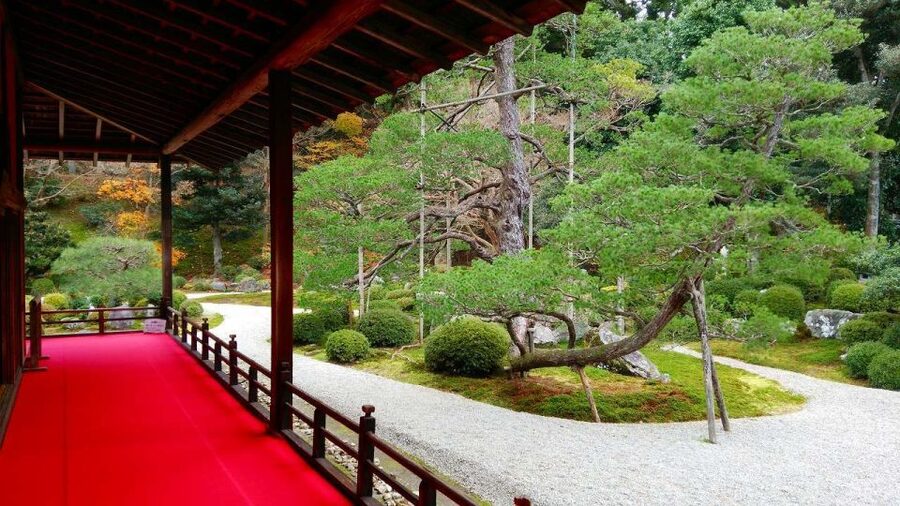
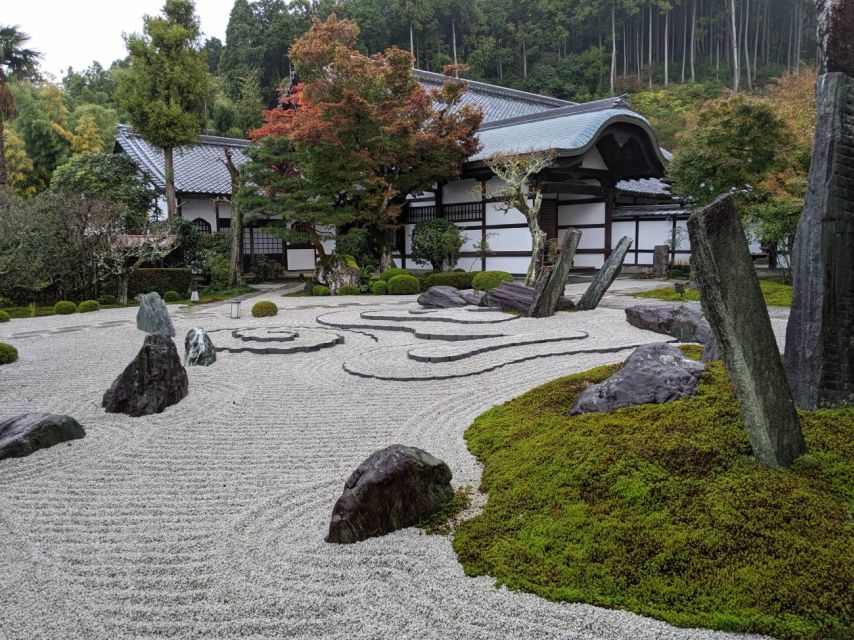
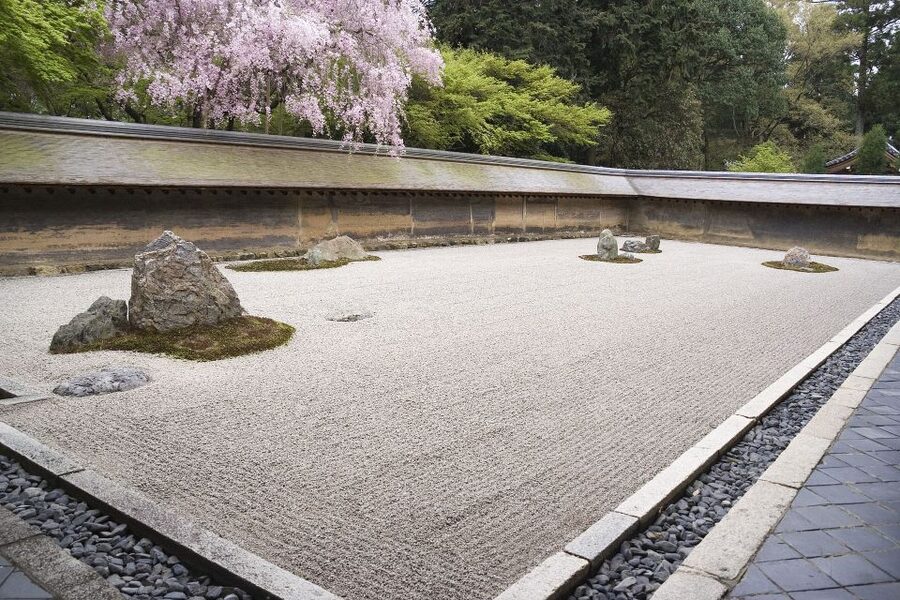
Kyoto has no shortage of famous sights, but gardens are easy to misread if you rush through them. A dry garden can look like gravel and a few rocks. A moss garden may seem simply green. A guide helps you notice how rocks, plants, water, empty space, pathways, and borrowed views fit together.
This tour is useful because it treats the gardens as more than photo stops. You can ask why a composition is arranged in a certain way, how Zen temple grounds differ from imperial gardens, or what Japanese ideas are expressed through plants and stones. The focus is not just on seeing more. It is on seeing better.
The private format also matters in Kyoto. You do not have to follow a group’s fixed speed or wait while everyone takes photographs. If a garden interests you, you can spend more time there. If a busy location is not appealing, you can ask your guide to adjust the plan, provided the route and timing allow it.
The six-hour length is long enough for a serious garden day, but Kyoto is spread out. You will not see every place on the list in one outing. A good guide will help you choose a sensible cluster rather than sending you across the city in a race.
More Japanese Gardens in Kyoto:
- Kyoto Japanese Garden Lover’s Private Tour with Government-Licensed Guide
★ 4.5 · 10 reviews - Lafcadio Hearn Japanese Gardens Admission Adult Ticket
★ 4.5 · 64 reviews - Tokyo Japanese Garden Lover’s Private Tour with Government-Licensed Guide
★ 5.0 · 27 reviews
Choosing between Kyoto’s major garden areas
Your guide can build the day around your interests. Here is what the main choices offer and what to consider before you select them.
Ryoanji and Kinkakuji for first-time Kyoto highlights
Ryoanji is the classic choice for a dry Zen garden. Its famous arrangement of rocks set in pale gravel invites quiet observation, but it is also one of Kyoto’s most visited temple sites. Go here if you want to understand the garden style most often associated with Zen temples.
Kinkakuji, the Golden Pavilion, offers a different kind of beauty. The shining pavilion and its garden pond create a dramatic view, with reflections and carefully framed paths doing much of the visual work. It is a strong choice for a first visit because it combines a famous building with a formal garden setting.
The tradeoff is time and crowd pressure. These sites are popular, and the experience can feel less quiet than the garden itself suggests. A private guide cannot remove the crowds, but can explain what you are looking at and help you make better use of your visit.
Ginkakuji and the eastern temple route
Ginkakuji, often called the Silver Pavilion, is especially useful if you want to compare different garden ideas. Its grounds include carefully shaped gravel, planted areas, and paths that lead you through changing views. The name suggests silver, but the garden experience is more important than expecting a glittering counterpart to Kinkakuji.
The eastern side of Kyoto also puts you near other temple areas, including Honen-in and Nanzenji. Honen-in can suit you if you prefer a more restrained temple setting. Nanzenji offers broad temple grounds and a different sense of scale, making it a useful stop when you want more than one type of garden in the same part of the city.
This route can make good use of six hours because several choices are found in the eastern part of Kyoto. Even so, your guide will need to balance walking time, opening conditions, and transportation. Ask at the start how many sites are realistic.
More gardens worth a morning in Kyoto:
- Kyoto Zen Meditation & Garden Tour at a Zen Temple with Lunch
★ 5.0 · 441 reviews - Kyoto Arashiyama Bamboo forest & Garden Half-Day Walking Tour
★ 5.0 · 413 reviews - Kyoto Kiyomizu Tea Ceremony with Scenic Garden Views
★ 5.0 · 101 reviews - Kyoto: Private Tea Ceremony with a Garden View
★ 4.9 · 61 reviews
Arashiyama for bamboo and broader scenery
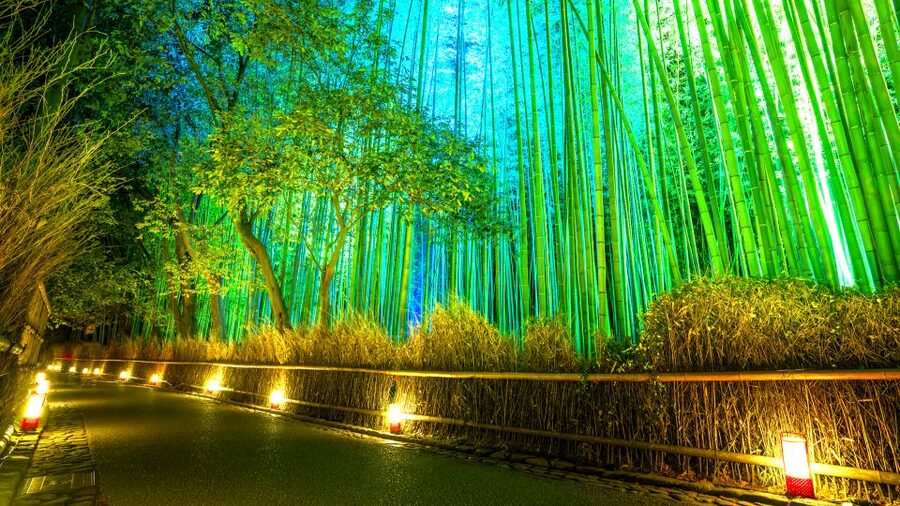
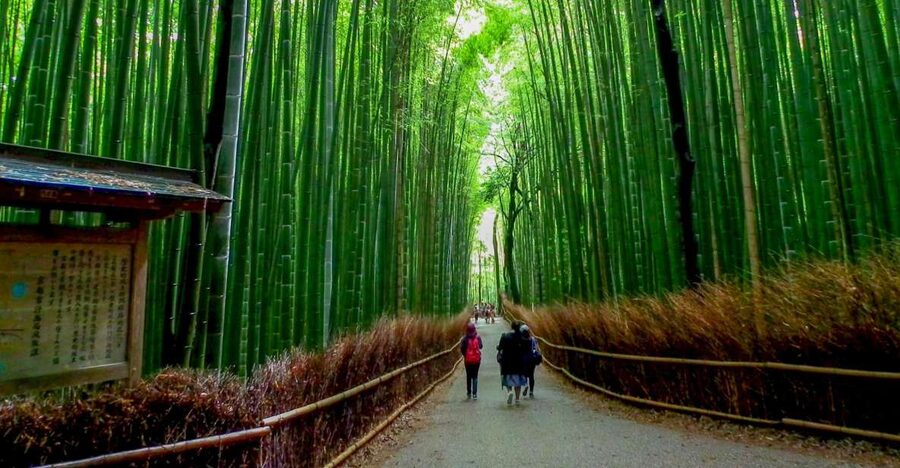
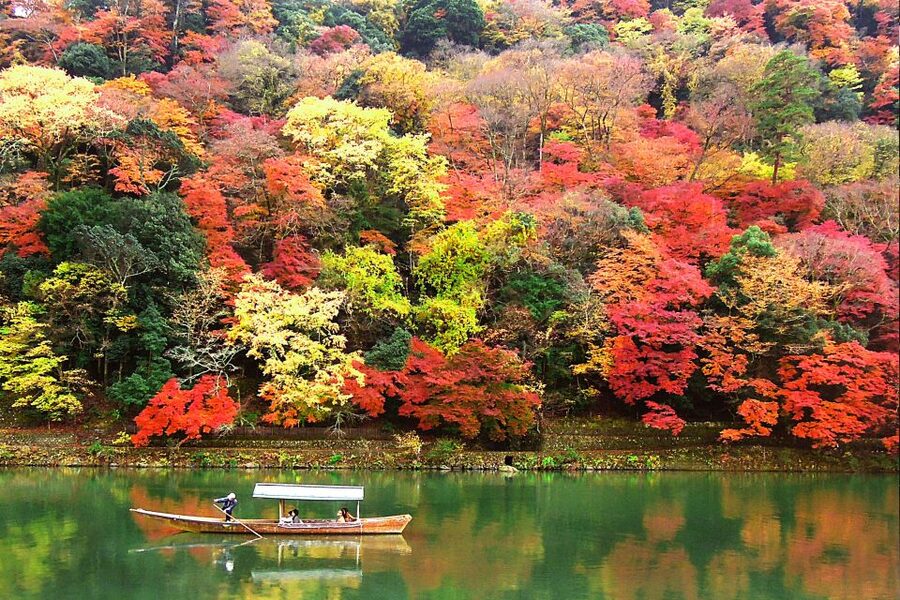
The Arashiyama Bamboo Forest is one of Kyoto’s most recognizable sights. Tall bamboo creates a strong sense of enclosure, and the setting feels different from the carefully arranged gravel gardens at Ryoanji or Ginkakuji.
Arashiyama is a good pick if you want variety in one day. You can pair the bamboo with temple gardens and seasonal plantings in the wider area, depending on the route your guide creates. It gives you a break from the stillness of dry gardens and adds a more natural woodland setting.
The practical concern is distance. Arashiyama is not a quick add-on to every eastern Kyoto route. If you choose it, you may see fewer other gardens. I would select Arashiyama when the bamboo forest is a priority, not when your main goal is to compare many temple gardens.
Tofukuji and Daitokuji for temple garden variety
Tofukuji is another worthwhile option for a garden-focused day. It lets you look at temple grounds in a setting different from the best-known northern and eastern sites. Your guide can explain how the design uses plants, rocks, open areas, and structured views.
Daitokuji is also useful for understanding the range of Zen temple spaces. A stop here may appeal to you if you want a less predictable route than the standard first-day circuit. The appeal is not only one famous view, but the chance to compare several approaches to temple design.
The exact route matters. Some sites may require admission, and the activity price does not cover entrance fees. Ask your guide early which gardens require tickets and how those costs fit your plan.
Imperial gardens and villas for a different idea of beauty
The Kyoto Imperial Palace offers a broader, more formal setting than a compact Zen garden. It can help you see how court life and imperial traditions shaped garden design. The open scale and planned grounds make it a useful contrast with the spare composition of Ryoanji.
Shugakuin Imperial Villa and Katsura Imperial Villa are important choices for readers interested in formal garden design and aristocratic taste. They can offer a very different mood from a temple garden, with more emphasis on planned views, movement through space, and carefully arranged scenery.
You should not assume every named location will fit into one six-hour outing. These sites may require more planning than a simple temple visit, and your guide will need to confirm what is practical for the day. If an imperial villa is your top priority, say so when arranging the tour rather than treating it as a last-minute addition.
Kokedera and the Kyoto Botanical Garden
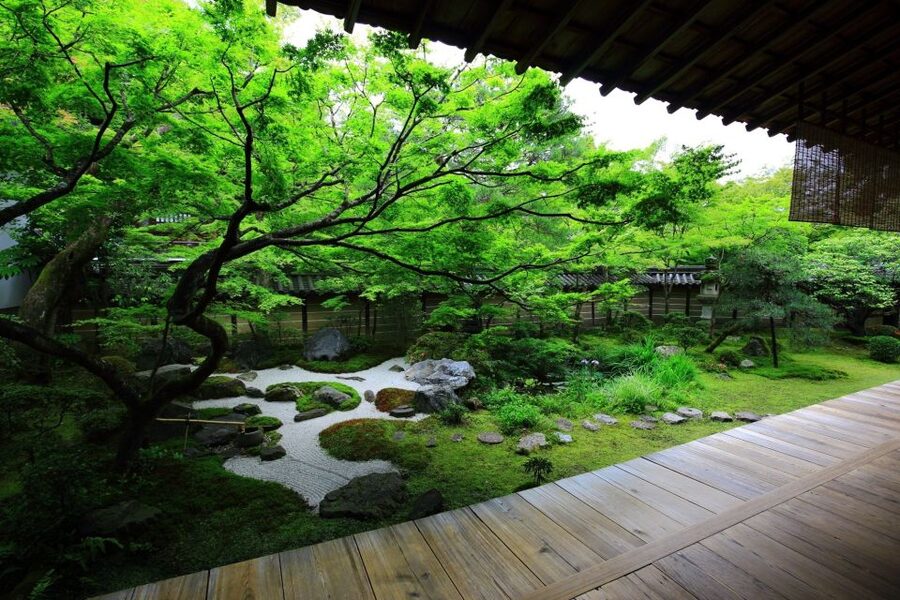
Kokedera, also called Suzumushidera in the supplied options, is suited to you if moss and plant life are central to your interests. It offers a different visual language from the bare gravel of a dry Zen garden. The Kyoto Botanical Garden is another good choice when you want seasonal plants and a wider range of cultivated plantings.
These stops can make the day feel less focused on famous temple architecture. That is a benefit if you have already seen the major temples or want to explore Japanese garden design through plants as well as stones.
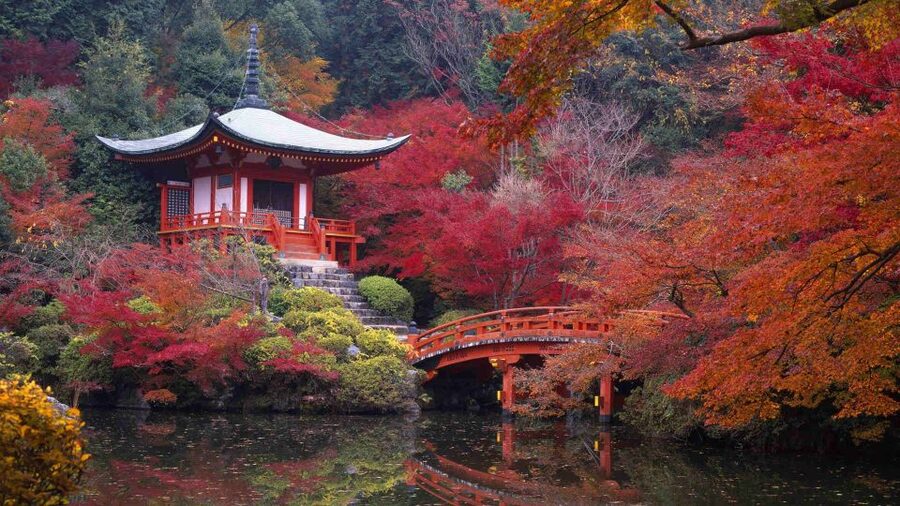
Because garden conditions change with the season, your guide can help you choose based on what you most want to see. The tour description does not promise a particular bloom or foliage display, so treat seasonal color as an added possibility rather than a guarantee.
What your guide adds to the gardens
The best part of this tour is the conversation. A licensed guide can explain the meaning and background of the gardens while you are standing in front of the actual design. That timing is valuable. You can immediately connect an explanation about rocks, plants, empty space, or pathways with what you see.
Shoji was praised for speaking English well, offering an informed view of Japan and other cultures, and giving the right amount of information. That last point matters. Garden tours can become exhausting when every stone receives a long lecture. A guide who can answer questions without filling every quiet moment is a real advantage.
Kazu planned a strong day and explained Kyoto, Japanese customs, and the country more broadly. If you want more than garden facts, ask about etiquette, religious traditions, or how different garden types fit into Japanese culture.
Yuka was described as thoughtful and well informed. That suggests a good fit for travelers who value a considerate pace and personal attention. Your guide is assigned rather than selected by name, so these examples show the level of guide interaction to hope for, not a promise that one particular person will lead your tour.
The available languages are English and Japanese. The tour is private, so you can ask for explanations at your own level and return to a point that was not clear.
Walking, taxis, and the real cost of the day
The price is $151 per person. For a private six-hour tour with a licensed guide, that can be fair value if you want personal planning and cultural explanation rather than simply transport between gardens. It is less attractive if you only want a list of sites and plan to read the signs yourself.
The headline price does not cover food, drinks, entrance fees, or transportation during the tour. It also does not include transportation to or from the meeting point, although pickup is available on foot from your accommodation or a train station. At the start, discuss public transportation versus a taxi and ask what the expected costs will be.
This is where route design affects value. A compact eastern Kyoto day may reduce wasted travel time and transport costs. A plan joining Arashiyama with distant eastern or northern sites may require more time and taxi expense. You should tell the guide your must-see garden before the day begins, then let the guide shape the rest around it.
Meet your guide in the hotel lobby or at a train station, ready 10 minutes before pickup. Wear shoes suitable for walking and remember that gardens can include uneven paths, steps, gravel, and damp ground, although the activity is listed as wheelchair accessible. If you use a wheelchair, confirm the exact route and site access with the provider before the tour.
Rain or shine, with a flexible plan
The tour operates in all weather. Rain can change the feel of a garden, but it also makes practical preparation important. Bring suitable rain protection and avoid planning an outfit built only for photographs.
Because the route is customizable, weather may influence the order of stops. Your guide can discuss the best transportation method and help decide how much outdoor walking makes sense. The tour is not a promise of perfect conditions, so book it only if you are comfortable spending six hours outside in changing weather.
The booking remains flexible in another way. You can cancel up to 24 hours in advance for a full refund, and you can reserve now and pay later. However, the tour is not confirmed until a guide accepts it. Guides usually contact you within seven days, but the provider may continue searching and send updates until 24 hours before the tour if no guide has accepted.
That confirmation process is worth watching closely. If the day is built around a hard-to-replace reservation or a tight departure schedule, keep an eye on your email and make sure the activity provider has your correct contact details.
Who should book this Kyoto garden day
I would recommend this tour to a first-time Kyoto visitor who wants help making choices. The city offers too many gardens for one day, and a private guide can turn that problem into a useful conversation about priorities.
It also suits repeat visitors who have already seen Kinkakuji and Ryoanji and want to focus on imperial villas, Daitokuji, Kokedera, seasonal plants, or a more personal comparison of garden styles. The private format is especially useful for couples, families, or small groups with different interests.
You may want to skip it if you prefer independent wandering, dislike paying extra for admission and transport, or want a fixed itinerary confirmed well in advance. You will also need to accept that the guide, not the booking page alone, finalizes the day’s practical details.
Should you book this private Kyoto garden tour?
Book it if you want interpretation and planning, not just transportation. The strongest reasons are the private format, the chance to shape the route, and the quality of guide interaction shown by Shoji, Kazu, and Yuka.
Before booking, choose one or two top priorities and ask how many additional gardens fit around them. Set aside money for admissions and transport, watch for the guide’s confirmation, and remember that six hours is enough for a thoughtful route, not every garden in Kyoto.
If you want to understand why Kyoto’s gardens look the way they do, this is a practical and flexible choice. If you only want the cheapest way to visit famous sites, public transit and a self-guided plan may serve you better.
FAQ
How long does the Kyoto Japanese gardens tour last?
The tour lasts six hours. Starting times depend on availability.
Is the tour private?
Yes. It is offered for a private group with a private guide.
Which languages are available?
The live guide service is available in English and Japanese.
Can I choose the gardens I visit?
Yes. You can request specific gardens and ask the guide to tailor the itinerary. The listed options include Arashiyama Bamboo Forest, Kinkakuji, Ginkakuji, Ryoanji, Honen-in, Nanzenji, Tofukuji, Kyoto Imperial Palace, Shugakuin Imperial Villa, Daitokuji, Kokedera Suzumusidera, Katsura Imperial Villa, and Kyoto Botanical Garden.
Is transportation included?
Pickup from your accommodation or a train station is included on foot. Transportation during the tour is not included. The tour may use public transportation or a taxi, and you should discuss the method and costs with your guide at the beginning.
Are entrance fees included?
No. Entrance fees, food, and drinks are not included in the tour price.
Is the tour wheelchair accessible and weather dependent?
The activity is listed as wheelchair accessible and operates rain or shine. Confirm the specific route and site access with the provider if you require wheelchair accommodation.
Newly planted garden visits around Kyoto
- Kyoto-Nara Adventures Private Tour With Hotel Pick Up★ 4.0 · 5 reviews
- Stunning Private Tea Ceremony: Camellia Garden Teahouse★ 5.0 · 28 reviews
- Kyoto: Kinkaku-ji Temple & Serene Garden Guided Tour with Tickets★ 5.0 · 9 reviews
- Guided Kyoto City Cherry Blossom One Day Private Tour★ 5.0 · 16 reviews
- Kyoto Hidden Treasures: Special Temple & Garden Access Tour★ 4.5 · 25 reviews
- Kyoto ITALIAN GUIDE Golden Pagoda Bamboo Forest Dry Garden★ 4.0 · 2 reviews
- Kyoto Japanese Garden Lover’s Private Tour with Government-Licensed Guide★ 4.5 · 10 reviews
- The Art of Mindful Living: Tea Ceremony in Kyoto★ 5.0 · 16 reviews
Japanese Gardens, bed by bed.
Lafcadio Hearn Japanese Gardens Admission Adult Ticket
Read our review →
Tokyo Japanese Garden Lover’s Private Tour with Government-Licensed Guide
Read our review →
Experience Crafting a Flower-Adorned Mini Japanese Garden
Read our review →
Tokyo: Full-Day Japanese Garden Private Guided Tour
Read our review →
Fairy Tale Colmar Tropicale, Japanese Garden, Genting Highlands
Read our review →Lists this garden visit belongs to