
Review · TOKYO
Tokyo Japanese Garden Lover’s Private Tour with Government-Licensed Guide
Tokyo’s best gardens offer a welcome change from neon signs and crowded train platforms. This private tour lets you choose three or four from a long list of gardens, shrines, parks, and cultural sites, then explore them with a National Government licensed guide. The point is not to race through ten gardens. It is to understand why a rock, pond, bridge, or carefully placed pine tree matters.
I like the flexible format and the chance to ask real questions as you go. Guides such as Yuki, Minoru, Steve, Keiko, Shuji, and Nobuko have led guests through different garden styles, explained Japanese customs, and helped with Tokyo’s complex rail system. I also like that the tour is private, so you can focus on your own interests. The catch is simple: you pay for transportation and entrance fees separately, and the six-hour schedule cannot cover every garden on the list.
Key points to know before booking
- Choose three or four sites: The long list is a menu, not a promise that you will visit every location.
- Learn the meaning behind the gardens: Your guide can explain how rocks, plants, ponds, and paths express traditional Japanese ideas.
- Expect a walking day: Pickup is on foot, there is no private vehicle, and train or other transport costs are extra.
- Pair major sights with quieter gardens: The Imperial Palace, Meiji Shrine, and Ueno Park give you famous Tokyo; Kiyosumi Teien or Mejiro Garden offer more peace.
- Allow for entrance fees: Several gardens charge admission, while places such as Meiji Shrine, Yoyogi Park, and the Imperial Palace exterior are free.
- Book for personal attention: This is a private activity for your group, with a licensed English-speaking guide and customizable plans.
What this six-hour garden day really offers
At $154.84 per person, this is not a cheap sightseeing walk, especially once you add trains and garden admission. But the price buys private planning, a licensed guide, and a day built around your interests rather than a fixed group route.
That matters in Tokyo. The gardens are spread across different districts, and several are easy to confuse if you are relying only on a map. A guide can help you choose a sensible group of sites and explain what you are seeing instead of leaving you to admire a pond without context.
The schedule is best understood as three or four substantial stops, not a checklist of ten or more places. The description includes short sample visits to many sites, but the included service specifically provides a customizable walking tour of three or four locations. Ask for your preferred gardens when booking and confirm how the guide plans to connect them.
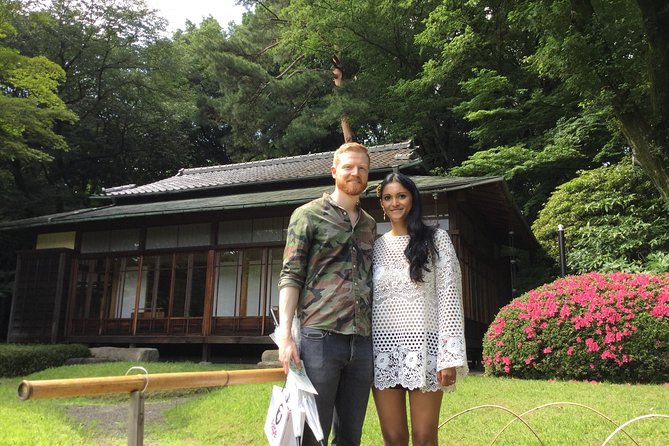
The guides bring different strengths. Yuki has been praised for clear English and for explaining subtle points of Japanese culture. Minoru has arranged garden visits with a lunch stop in the Kagurazaka neighborhood. Steve has tailored the day closely to personal interests. Keiko has helped with Tokyo’s rail system and brought attention to small details such as wet stones and koi in the pond. Nobuko has used educational material and added a calligraphy activity to the cultural side of the day.
You may not receive a particular guide, so treat these names as examples of the available guiding style rather than a guarantee. Still, they show the sort of personal service this experience aims to provide.
More Japanese Gardens in Tokyo:
- Experience Crafting a Flower-Adorned Mini Japanese Garden
★ 4.7 · 15 reviews - Tokyo: Full-Day Japanese Garden Private Guided Tour
★ 4.6 · 13 reviews - Lafcadio Hearn Japanese Gardens Admission Adult Ticket
★ 4.5 · 64 reviews
Imperial Palace and the city’s historic center
The Imperial Palace area is a strong opening choice if you want Tokyo’s past placed beside its modern center. The palace occupies the former site of Edo Castle, with broad grounds, moats, and huge stone walls.
You should know that this tour does not include access to the inside of the Imperial Palace. The visit focuses on the surrounding grounds and the historic setting. That is still worthwhile, especially if you want to understand how Tokyo developed around the old castle town.
The East Gardens can be particularly appealing for a garden-focused day. Ask your guide whether they fit your plan, since the exact route depends on the three or four sites you select. The palace area is a good match for first-time visitors who want a major Tokyo sight without giving up the garden theme.
Shinjuku Gyoen and Meiji Jingu
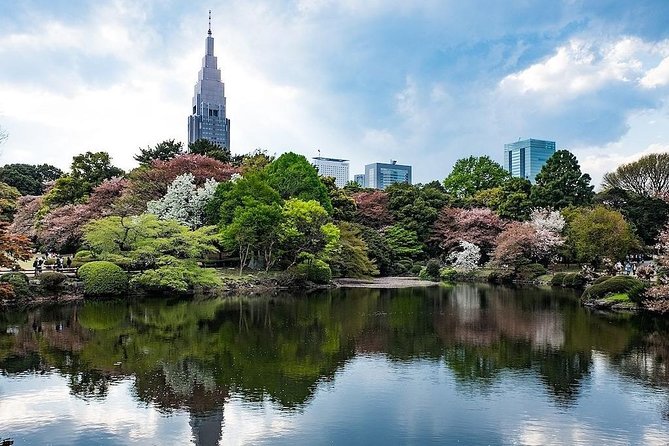
Shinjuku Gyoen National Garden gives you a large green break near one of Tokyo’s busiest commercial areas. It is not only a traditional Japanese garden, and that is part of its appeal. The grounds bring together Japanese, English, and French garden styles, giving you a useful comparison within one stop.
Admission is not included, so budget for the entrance ticket. The garden can take more time than a quick photo stop, especially if you want to compare the formal sections with the Japanese areas. In a six-hour tour, visiting it alongside a nearby site makes more sense than pairing it with gardens on the opposite side of the city.
Meiji Jingu offers a different experience. This shrine is dedicated to Emperor Meiji and Empress Shoken and sits near Harajuku Station, yet its wooded approach feels removed from the surrounding streets. You are visiting a religious site, not simply another park, so your guide can help explain shrine customs and the meaning of the setting.
Meiji Jingu has free admission. Pairing it with Yoyogi Park or Shinjuku Gyoen creates a practical western Tokyo route. You get a shrine, open parkland, and a formal garden without spending the day crossing Tokyo.
Koishikawa Korakuen and Rikugien
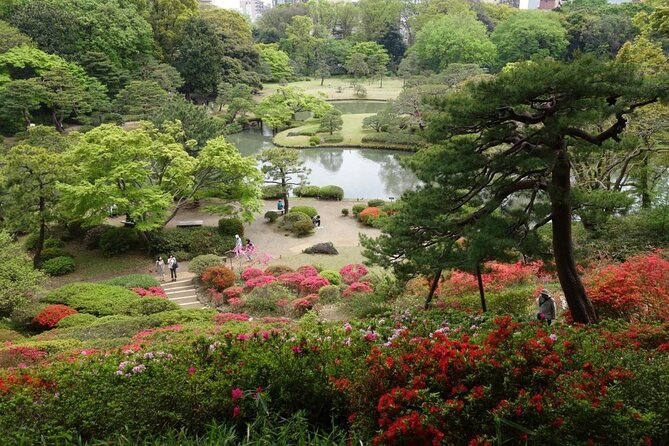
Koishikawa Korakuen is one of Tokyo’s oldest and most carefully designed Japanese gardens. Built in the early Edo period for the Mito branch of the ruling Tokugawa family, it uses miniature versions of famous Japanese and Chinese scenes.
This is the kind of place where a guide adds real value. Rocks, ponds, hills, bridges, and borrowed views are arranged to create changing scenes as you walk. Without explanation, you may see an attractive park. With context, you begin to notice how the route controls what appears in front of you.
Admission is extra, and the garden can be paired with the nearby Koishikawa Botanical Garden if plants are your main interest. The botanical garden is maintained by the University of Tokyo and includes a small Japanese garden of its own. It is especially appealing during cherry blossom season, though the tour information does not promise seasonal access or special viewing conditions.
Rikugien is often placed alongside Koishikawa Korakuen as one of Tokyo’s finest Japanese gardens. It was built around 1700 for the fifth Tokugawa shogun and takes its name from the six forms of poetry.
The garden is a fine choice if you want a quieter, more literary style of Japanese design. A guide can point out how poetic scenes are represented in miniature and why certain views appear at particular points on the walking path. Rikugien charges admission, so include that in your budget.
One useful pairing is Koishikawa Korakuen and Rikugien if gardens are your only priority. The drawback is that these two sites may leave little time for a major shrine or park elsewhere in Tokyo.
More gardens worth a morning in Tokyo:
- Imperial Palace East Garden and Edo Castle Walking Tour in Tokyo
★ 5.0 · 510 reviews - Tokyo: Imperial Palace East Gardens Walking Tour
★ 4.8 · 353 reviews - Mt. Fuji, Cherry Blossom & Shiba Sakura Pvt. Day Tour
★ 5.0 · 326 reviews - Tokyo: Edo Castle & East Garden of the Imperial Palace Tour
★ 4.7 · 112 reviews
Hama Rikyu and Former Shiba Rikyu
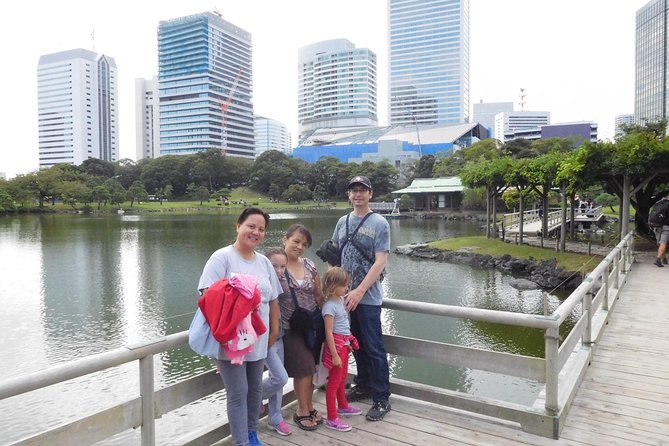
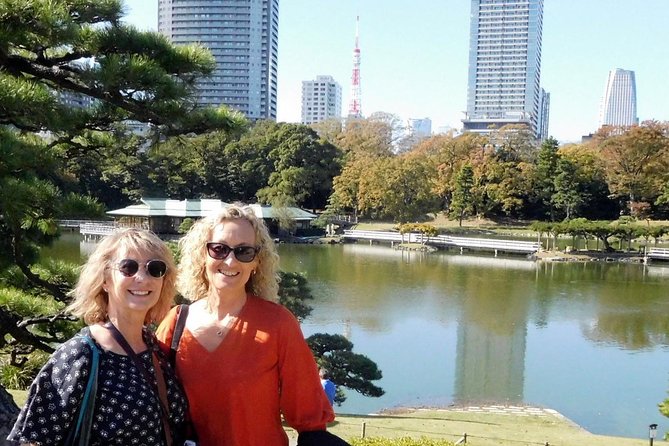
Hama Rikyu gives you a striking contrast between traditional garden design and central Tokyo. This large garden sits beside Tokyo Bay and includes seawater ponds that change with the tide. A teahouse adds another traditional detail.
The tidal ponds make Hama Rikyu different from inland gardens. The water is not simply a still decorative pool, and your guide can explain how the garden relates to the bay. Admission is extra, and the garden takes enough time to reward a proper walk rather than a rushed stop.
Former Shiba Rikyu Garden, also called Kyu Shiba Rikyu, is a smaller green space surrounded by tall buildings. It was once connected to feudal lords and later became an imperial villa. Its pond and man-made hills show how a compact garden can create a sense of distance even in a dense city.
I would choose Former Shiba Rikyu if you want a shorter, calmer garden visit close to central Tokyo. Choose Hama Rikyu if tidal water and a larger setting matter more to you. The two can work together, but the exact transport plan should be settled with your guide before the day begins.
Kiyosumi Teien and Nezu Museum
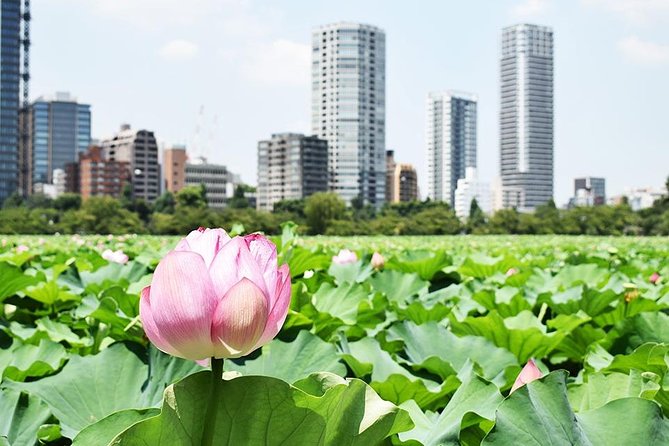
Kiyosumi Teien is a pretty pond garden with walking paths and stones set across the water. Some routes lead directly over those stones, making the act of walking part of the garden experience.
This is a good place to slow down and notice texture. One guide specifically drew attention to how rain can bring out different colors in the stones, along with koi moving through the pond. That sort of observation is easy to miss when you are rushing from one famous sight to the next.
Kiyosumi Teien charges admission. It suits you if you want a classic pond garden with a peaceful mood and a clear walking route. It is less useful if your main goal is to cover famous landmarks in a single day.
The Nezu Museum in Omotesando offers another compact urban retreat. Its garden was part of the former private residence of Nezu Kaichiro and is now connected to the museum. Admission is not included, and you should check how much time you want to give the museum itself before choosing this stop.
The Nezu garden is a smart choice for an art-minded itinerary. You can combine a museum visit with a Japanese garden without traveling to a separate district. It is not the best pick if you want a long, open park walk.
Yoyogi Park, Ueno Park, and Mejiro Garden
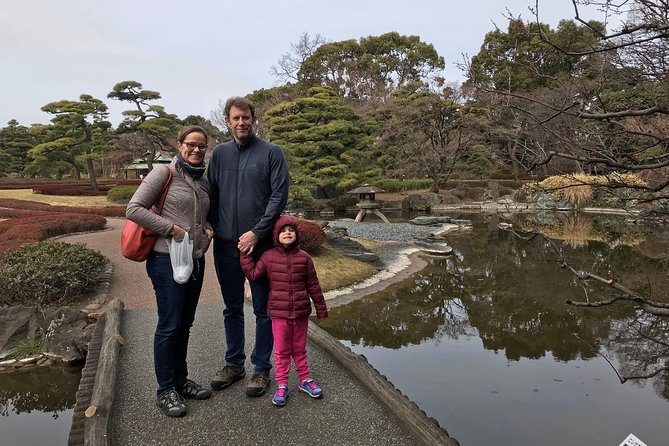
Yoyogi Park is one of Tokyo’s broadest city parks, with lawns, ponds, and wooded areas. It is a Western-style public park rather than a formal daimyo garden, so it helps show how Tokyo residents use open space today.
The park is known for autumn color, including the golden leaves of its ginkgo trees. Admission is free. Pair it with Meiji Jingu for an easy thematic contrast: shrine traditions beside a public park.
Ueno Park offers a different mix of culture and recreation. You will find museums, a zoo, Toshogu Shrine, and Shinobazu Pond within the park. It is also famous for cherry blossom gatherings.
Because Ueno contains so many separate attractions, be clear about your priorities. A short guided walk can introduce the park, but it cannot provide a full museum or zoo visit in the same six-hour garden tour. Ueno is free to enter, though individual attractions charge their own fees.
Mejiro Garden is smaller and quieter. It is near Ikebukuro Station, free to enter, and designed as a peaceful break from the city. Choose it if you prefer a modest neighborhood garden over a major sightseeing complex.
Smaller seasonal and specialty choices
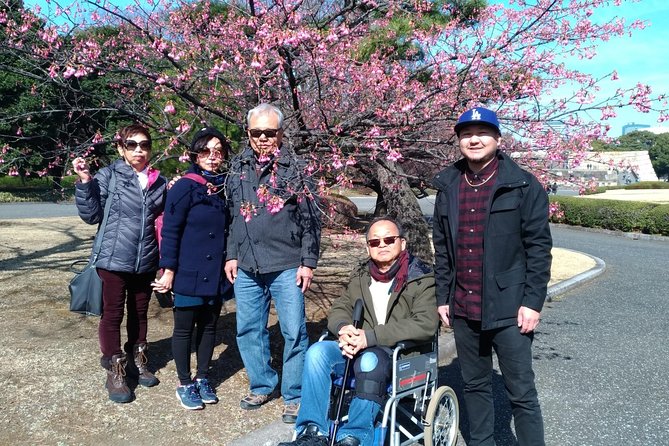
Happo-en means Garden of Eight Views, named for the way it looks from different angles and in different seasons. The grounds are also used as a setting for photographs. Admission is not included, and the tour information does not specify every activity available there, so ask your guide what can be visited during your date.
The Tokyo National Museum Garden opens to the public for only a few weeks during cherry blossom season and again during the autumn leaf season in November. This is a special-purpose option, not a reliable year-round stop. Confirm availability before building your plan around it.
The list also includes duplicate entries for some sites, including Yoyogi Park and Koishikawa Korakuen. Read the choices as a broad collection of possible stops, not as seventeen separate visits. The practical limit remains three or four sites in about six hours.
Walking, trains, costs, and comfort
Pickup is offered on foot within a designated part of Tokyo. There is no private vehicle, and transportation fees are not included. You should expect to walk between stations, entrances, paths, and gardens, then use Tokyo’s public transport when sites are far apart.
A guide can be particularly useful here. Keiko, for example, helped a group manage Tokyo’s complicated transport system while moving between gardens. Still, you should wear comfortable shoes and keep your route realistic. Four sites scattered across Tokyo may create more time underground than in the gardens.
Entrance fees vary. The Imperial Palace exterior, Meiji Jingu, Yoyogi Park, Ueno Park, and Mejiro Garden are listed as free, while Shinjuku Gyoen, Koishikawa Korakuen, Hama Rikyu, Rikugien, Koishikawa Botanical Garden, Kiyosumi Teien, Nezu Museum, Happo-en, and other sites may require payment.
Lunch is also separate. A stop in Kagurazaka worked well for one garden-focused day, but lunch planning is not included in the base price. Ask your guide to recommend a sensible break based on your chosen route.
The activity is private, and only your group participates. Group discounts are offered, which can improve the value for families or friends traveling together. The listed average booking time is 66 days ahead, so early planning is sensible if you want a particular date or need a guide who matches your language needs.
The tour is near public transportation, service animals are allowed, and most people can participate. Confirmation comes at booking. You can cancel for a full refund up to 24 hours before the start time, but later cancellations and changes are not accepted.
Who should book this garden tour?
I recommend it most to couples, families, and small groups who already know they want gardens rather than a general Tokyo highlights tour. It also suits you if you enjoy asking questions about religion, design, poetry, rocks, plants, and Japanese customs.
First-time visitors can make good use of it by choosing one major sight, one shrine or park, and one or two formal gardens. Returning visitors may prefer a quieter plan built around Kiyosumi Teien, Rikugien, Former Shiba Rikyu, or Mejiro Garden.
I would not book it if you want a private car, an all-inclusive price, or a fixed promise to visit every garden named in the description. I would also think twice if you dislike walking or want long visits inside museums and the Imperial Palace.
Should you book it?
Book this experience if personal guidance matters more to you than a low base price. The best value comes from choosing a sensible route and using the guide to understand what you are seeing, not from trying to squeeze in the largest number of stops.
For a strong first plan, consider Meiji Jingu, Yoyogi Park, and Shinjuku Gyoen in western Tokyo. For a serious garden day, choose Koishikawa Korakuen, Rikugien, or Kiyosumi Teien, with a fourth stop only if transport is easy.
The tour gives you flexibility, cultural explanation, and private attention. Just budget for trains, admission, and lunch, then accept that Tokyo’s gardens reward patience more than speed.
FAQ
How long does the tour last?
The tour lasts approximately six hours.
How many sites can I visit?
The included tour is customizable around three or four sites from the provided choices.
Can I visit all ten gardens in one day?
No. The six-hour experience is designed around three or four selected sites, not every garden on the list.
Is the Imperial Palace interior included?
No. The tour does not include access to the inside of the Imperial Palace.
Is transportation included?
No. Transportation fees are separate, and the tour does not include a private vehicle.
Is pickup available?
Yes. Pickup is on foot within a designated area of Tokyo. This is a walking tour, not a vehicle pickup service.
Are entrance fees included?
No. Entrance fees are generally separate. Guide entry fees are covered only for sights listed under the tour’s included expectations.
Is lunch included?
No. Lunch and other personal expenses are not included.
Is this a private tour?
Yes. Only your group participates in the activity, and separate tour groups cannot be combined.
Is the tour conducted in English?
The experience includes a licensed local English-speaking guide. Multilingual guides with interpreter certification are also part of the guiding service.
Can I cancel for a refund?
Yes. You can cancel at least 24 hours before the start time for a full refund. Cancellations or changes made less than 24 hours before the start time are not accepted.
Is the tour suitable for most people?
Most people can participate, and service animals are allowed. You should still expect walking and use of public transportation.
Newly planted garden visits around Tokyo
- Tokyo: Tsukiji Market and Hama-rikyu Gardens Guided Tour★ 4.8 · 73 reviews
- Tokyo Summer: Mt Fuji 5th Station& Kawaguchiko Lavender Trip★ 3.5 · 4 reviews
- Tokyo: Pvt. Tour – Edo Castle & Imperial Palace East Gardens★ 4.8 · 63 reviews
- Tokyo: Mount Fuji Tour and Hakone Sakura Cherry Blossom Trip★ 5.0 · 4 reviews
- Tokyo: Meiji Jingu Shrine & Inner Garden Guided Tour (2h)★ 5.0 · 6 reviews
- Tokyo: Full-Day Japanese Garden Private Guided Tour★ 4.6 · 13 reviews
- Tokyo: Kimono Rental inside Shinjuku Gyoen National Garden★ 4.9 · 39 reviews
- Tokyo: Hama-rikyu Gardens tour with Japanese Tea & Sweets★ 4.7 · 14 reviews
Japanese Gardens, bed by bed.
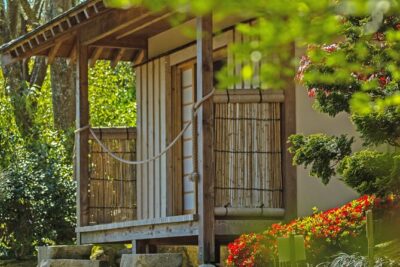
Lafcadio Hearn Japanese Gardens Admission Adult Ticket
Read our review →
Kyoto: Japanese Gardens Private Customizable Tour
Read our review →
Experience Crafting a Flower-Adorned Mini Japanese Garden
Read our review →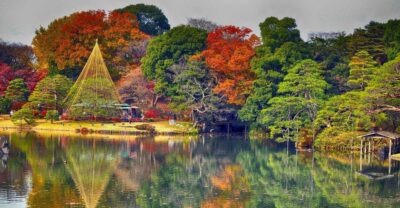
Tokyo: Full-Day Japanese Garden Private Guided Tour
Read our review →
Kyoto Japanese Garden Lover’s Private Tour with Government-Licensed Guide
Read our review →
Fairy Tale Colmar Tropicale, Japanese Garden, Genting Highlands
Read our review →Lists this garden visit belongs to