
Review · TOKYO
Tokyo: Full-Day Japanese Garden Private Guided Tour
Tokyo’s gardens give you a calmer, more thoughtful side of the city. On this private six-hour walk, you can move from the formal grounds near the Imperial Palace to a quiet pond and teahouse, then finish among the mixed garden styles of Shinjuku Gyoen. You choose the route, or let your guide plan it.
I like the one-to-one attention and the chance to shape the day around your interests. I also like the cultural context: a good guide can explain why a garden is arranged as it is, point out seasonal plants, and help you use Tokyo’s trains and taxis without wasting time. The main concern is the amount of transit. One poorly planned day involved two gardens with little appeal and a third that was closed, with much of the time spent on the metro.
- Choose your own garden route: Select from famous sites such as Shinjuku Gyoen, Rikugien, Hama Rikyu, and Koishikawa Korakuen.
- Meet a licensed local guide: English and Japanese tours are available, with guides such as Yoshi, Kumi, Hiro, Tachi, and Yoko assigned according to availability.
- See several garden styles in one day: Shinjuku Gyoen alone includes Japanese, French-style, and English-style sections.
- Use the day for more than sightseeing: Your guide can help with restaurant ideas, transport advice, and other Tokyo suggestions.
- Plan for extra costs: Entrance fees, meals, and public or private transport are not included in the $151 price.
- Expect a walking-heavy outing: Pickup is on foot when practical, and the experience runs in rain or shine.
Why a Private Garden Tour Works Well in Tokyo
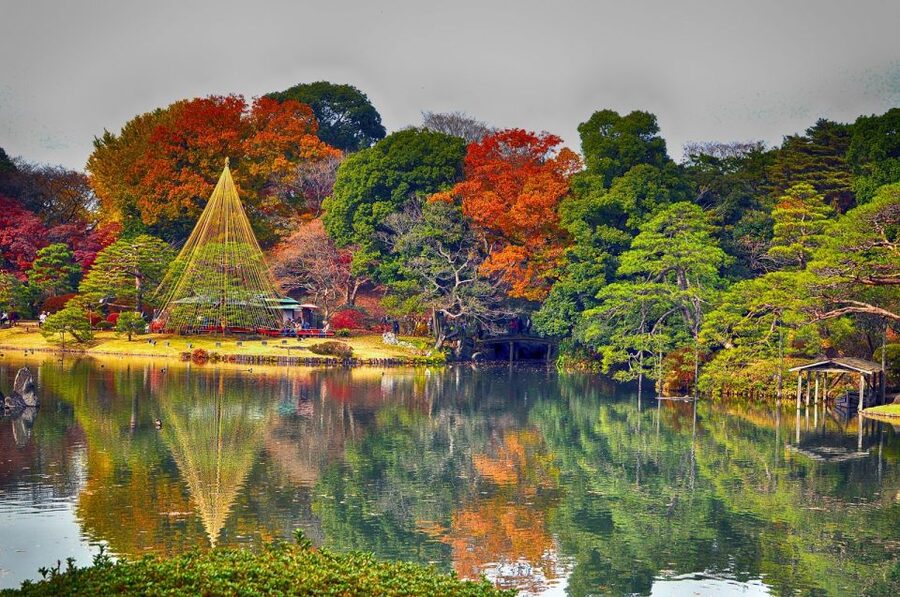
Tokyo is easy to admire from a train window, but its gardens reward a slower look. A shaped pine tree, a borrowed view, a stone bridge, or a pond placed just so can mean more when someone explains the design choices.
This tour gives you a private guide rather than a fixed group. That matters in Tokyo, where one person may want careful plant and design explanations while another mainly wants photographs, quiet paths, or seasonal flowers. You can ask to linger, change the pace, or replace a garden that does not fit your interests.
The guides also add value between the gardens. Yoshi helped one group adjust the timing around its priorities and offered advice on transport and restaurants. Kumi took another group to one of her favorite Roman restaurants. Hiro helped visitors reach the best cherry blossom areas efficiently during a very crowded spring period.
You should not expect a formal garden lecture at every stop. The experience is better understood as a private Tokyo day built around gardens, with walking, trains, possible taxis, cultural conversation, and food decisions along the way.
Starting Near the Imperial Palace
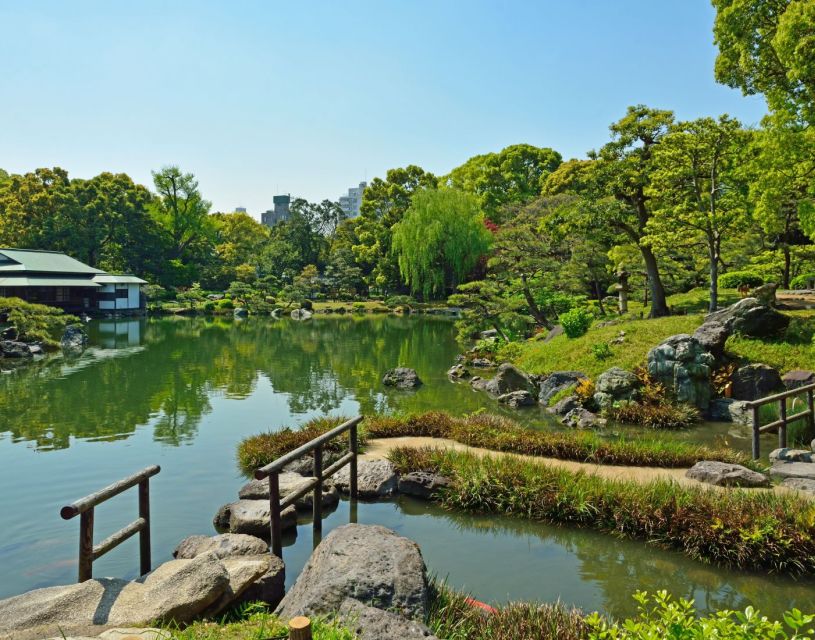
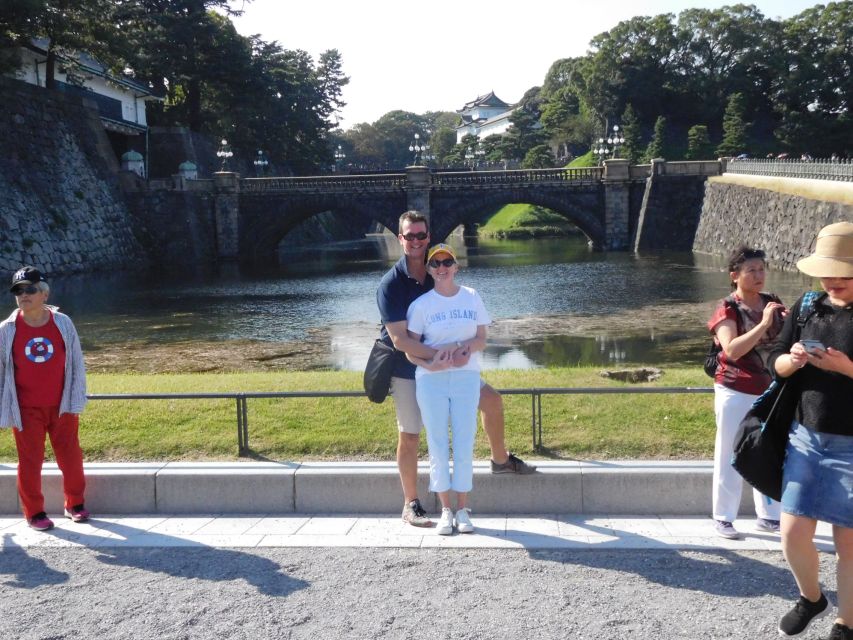
A sample route begins at your hotel and heads to the garden area of the Imperial Palace. This is a strong first stop because it introduces the restrained, formal side of Japanese garden design before the day moves into more varied settings.
Expect broad paths, carefully shaped trees, stone features, and an orderly feel. The setting also gives your guide room to explain how imperial and national spaces fit into Tokyo’s past without turning the entire morning into a history lesson.
The practical point is timing. The Imperial Palace area can work well as an opening stop if you are staying nearby, but it may be less efficient if your next destination lies across the city. Ask your guide to map the route before setting out. A private tour gives you flexibility, but flexibility works best when the day is not overloaded.
Entrance fees are not included, and the exact garden access depends on the route selected. Confirm the day’s planned stops with your guide before you leave the hotel.
More Japanese Gardens in Tokyo:
- Tokyo Japanese Garden Lover’s Private Tour with Government-Licensed Guide
★ 5.0 · 27 reviews - Experience Crafting a Flower-Adorned Mini Japanese Garden
★ 4.7 · 15 reviews - Lafcadio Hearn Japanese Gardens Admission Adult Ticket
★ 4.5 · 64 reviews
Meiji-Jingu Shrine and a Quiet Pond
The sample itinerary then moves to Meiji-Jingu Shrine, followed by a quieter garden with a pond and charming teahouse. This pairing gives you two different experiences: a major religious site with a strong sense of ceremony, then a smaller garden where the pleasure comes from sitting, strolling, and noticing details.
Meiji-Jingu is not technically a garden in the same way as a formal stroll garden, but it belongs naturally in a day focused on Japanese culture and designed green spaces. The approach through trees helps create a break from central Tokyo’s traffic and tall buildings.
The pond garden and teahouse provide a gentler pause. This is the kind of stop where a guide can explain the role of water, viewing points, bridges, and tea culture. You may appreciate this section most if you prefer atmosphere and design over checking off famous places.
The route can become crowded during popular seasons. Spring blossom periods are especially busy, and one guide helped a group see major cherry blossom areas more efficiently than they expected to manage alone. Still, efficiency cannot remove the crowds entirely. If quiet paths matter most, tell your guide before the tour so the itinerary can favor less famous gardens.
Lunch in Harajuku, With Choices Rather Than a Fixed Meal
The example route places lunch in Harajuku, where you have many food options. Food is not included, so you pay for your own meal, but the open choice is useful. You can select something quick to protect garden time, or take a longer break if you need to recharge.
A guide can also help you decide what fits the day. Kumi took one group to a Roman restaurant that became a memorable part of the outing. That detail captures the tour’s flexible character: the day is not limited to a checklist of gardens.
Keep lunch practical. Six hours passes quickly once you add walking and train rides. If you want to visit several gardens, a long restaurant stop may mean dropping one. If you are tired or traveling with someone who needs a break, lunch can be the right point to slow down.
Because the tour is private, you can discuss this tradeoff directly. You are not waiting for a large group to finish eating or rushing to match someone else’s schedule.
Shinjuku Gyoen, The Best All-Round Garden Stop
Shinjuku Gyoen is the strongest anchor in the sample itinerary. It offers several garden styles in one large park, so you can see how different traditions and design ideas share the same grounds.
The Japanese garden section gives you ponds, arranged plants, paths, and views meant to unfold as you walk. The formal French garden brings a more ordered design, with roses planted in broad displays. The English-style garden feels more open and park-like by comparison.
This variety makes Shinjuku Gyoen useful for first-time garden visitors. You do not need to choose between a traditional Japanese setting and a formal European-style park. You can compare them within one visit.
The drawback is scale. A large park takes time, and you may not see every section carefully if the day already includes several other sites. A guide can help you focus on the areas that match your interests, but you should not expect to cover every corner during a tightly packed six-hour route.
Season matters here. Spring blossom can make the park especially attractive, but it also brings crowds. A private guide can adjust the order of the day, although popular dates will still be busy.
Full days in the gardens around Tokyo:
- Versailles Full Day Bike Tour with Palace, Gardens, & Picnic
★ 5.0 · 2,217 reviews - Giverny Monet’s Garden & Auvers-sur-Oise with Van Gogh House Full Day From Paris
★ 5.0 · 369 reviews - From Marseille: Valensole Lavender Full-Day tour
★ 4.7 · 259 reviews - From Aix-en-Provence: Valensole Lavender Full-Day Tour
★ 4.7 · 222 reviews
Other Gardens You Can Request
The available choices cover a wide range of moods and locations. Your guide may recommend one based on the day’s route, your interest in flowers, or the amount of walking you want.
Koishikawa Korakuen Garden offers a traditional setting and is a natural choice for someone who wants classic Japanese garden design. Rikugien Garden is another strong option for carefully arranged scenery and a slower stroll.
Hama Rikyu Gardens gives you a garden experience in a very urban setting. The contrast between greenery and Tokyo’s modern surroundings is part of its appeal. Former Shiba Rikyu Gardens can also suit a route near central Tokyo.
For a more open city park, consider Yoyogi Park or Ueno Park. These are not the same type of formal garden as Rikugien or Koishikawa Korakuen, but they can add variety and may fit well if you want to combine greenery with nearby sights.
Koishikawa Botanical Garden is worth discussing if plants are your main interest. Kiyosumi Teien Garden is another option for a traditional garden setting with water and carefully arranged views.
The Nezu Museum and Happo-en Garden add a different flavor. Ask your guide which sites are open and practical on your chosen date. One disappointing outing included a final garden that was closed, so checking opening conditions before committing to a route is important.
How Much Walking and Transit Should You Expect?
The advertised format is a walking tour, with pickup on foot when your accommodation is within a reasonable distance. Public transport or a taxi can be used during the day, but those costs are extra.
That means the $151 price covers the guide’s private service, not your complete day’s spending. Add entrance fees, food, and train or taxi fares. The exact total depends on how many gardens you visit and how much transport you use.
The transit question deserves attention. Tokyo’s gardens are spread across the city. A route that looks excellent on a map can turn into a long series of station walks and train changes. One poor experience involved spending about half the day in the metro. The guide was courteous, but the route did not deliver enough garden time.
You can reduce this risk by asking for a geographically sensible plan. Pick two or three priority gardens and let the guide build around them. If you want four or five widely scattered sites, accept that some of the six hours will be spent moving between them.
Wear comfortable shoes. Even an efficient route involves walking through gardens, to stations, around stations, and between entrances. During blossom season, crowds can slow progress.
What $151 Per Person Gets You
At $151 per person, this is not a bargain sightseeing walk for someone who simply wants to enter one garden and wander alone. It becomes more attractive when you value private planning, a licensed local guide, cultural explanation, and help with Tokyo transport.
The value also depends on the size of your private group. A couple or family may find the personal attention worthwhile, especially if each person has different interests or mobility needs. A solo visitor pays more for the same private format, but gains a full day of tailored attention.
You still pay for entrance fees, meals, and transport. That is easy to overlook, so build those costs into your budget before booking. Pickup is included on foot when practical, but it is not a private car transfer.
The best financial comparison is not against a basic group walk. Compare it with the time and stress of planning several gardens yourself, finding opening information, working out train connections, and learning what you are seeing. If you already enjoy planning Tokyo routes and want only a quiet stroll, you may prefer to visit independently.
Communication Before the Day Matters
The experience is not fully confirmed until a guide accepts and contacts you. Most guides make contact within seven days, but the operator may continue searching until 24 hours before the scheduled start if no guide has yet accepted.
Once contact is made, use it well. Tell the guide your top garden choices, walking limits, preferred pace, food interests, and appetite for trains. Yoshi’s pre-tour communication helped one group shape the day around its priorities, and similar planning can make a large difference here.
English and Japanese are available. The assigned guide is not guaranteed to be one of the named guides, but Yoshi, Kumi, Hiro, Tachi, and Yoko have all led versions of this experience.
The tour operates in rain or shine. Since the day is outdoors, bring suitable clothing and be ready for wet paths or changing conditions. The tour is wheelchair accessible, but the exact route should still be discussed in advance because gardens, stations, and walking distances differ.
Who Should Book This Garden Day?
I would choose this tour if you want Tokyo’s gardens explained rather than simply photographed. It suits first-time visitors who want a local person to connect garden design, religious sites, food, transport, and city history.
It also fits repeat visitors who have already seen the obvious central sights and want a more personal day. The customizable format is useful for photographers, flower lovers, families, and people who want to move at their own pace.
I would hesitate if you dislike public transport, want a guaranteed fixed itinerary, or hope to see many distant gardens without spending time in transit. I would also avoid booking without a clear garden plan. Flexibility is a strength, but an unplanned route can produce too much metro time and too little garden time.
Should You Book the Tokyo Garden Tour?
Book it if private guidance and route planning matter more to you than keeping the day cheap. Ask for your priority gardens in advance, confirm which sites are open, and limit the route to a sensible part of Tokyo.
The strongest version of this experience includes Shinjuku Gyoen or another major garden, one quieter traditional site, a thoughtful lunch stop, and enough time for your guide to explain what you are seeing. With that plan, $151 can buy a useful and personal introduction to Tokyo’s green spaces.
If you want a simple independent walk, save the money and choose one garden yourself. If you want help making sense of several very different gardens, this private format is worth considering.
FAQ
How long does the tour last?
The tour lasts six hours.
Is the tour private?
Yes. All bookings are private, and the experience is organized for a private group.
Can I choose the gardens I visit?
Yes. The route can be personalized according to your preferences, or you can let the guide plan the itinerary.
Which gardens may be included?
Possible choices include the Imperial Palace garden, Shinjuku Gyoen, Koishikawa Korakuen, Hama Rikyu Gardens, Yoyogi Park, Rikugien, Ueno Park, Koishikawa Botanical Garden, Kiyosumi Teien, Former Shiba Rikyu Gardens, Nezu Museum, and Happo-en Garden.
Are meals included?
No. Food and drinks are not included. The sample route includes lunch in Harajuku, where you choose and pay for your own meal.
Are entrance fees included?
No. Garden and attraction entrance fees are paid separately.
Is transportation included?
No. Public or private transportation during the tour costs extra. The tour can use public transport or a taxi if you wish.
Where does pickup take place?
Your guide can meet you at your accommodation on foot when it is within a reasonable distance. Pickup can also be arranged at a requested train station. The guide waits in the hotel lobby or station 10 minutes before the scheduled pickup time.
What languages are available?
The tour is available with a live guide in English or Japanese.
Is the tour wheelchair accessible?
Yes, the experience is listed as wheelchair accessible. Discuss your preferred route with the guide because garden paths and transport arrangements can vary.
What happens if a guide has not accepted the booking?
The tour is not confirmed until a guide contacts you. Most guides make contact within seven days. If no guide is available, the local team continues searching and sends updates until 24 hours before the tour. If you cancel at least 24 hours before the start because a guide has not been found, no cancellation fee applies.
Does the tour operate in bad weather?
Yes. The experience takes place rain or shine.
Can I cancel after booking?
The activity is generally non-refundable. The specific exception described is cancellation at least 24 hours before the start when a guide has not accepted the tour and the operator has not confirmed the booking.
Newly planted garden visits around Tokyo
- Tokyo Summer: Mt Fuji 5th Station& Kawaguchiko Lavender Trip★ 3.5 · 4 reviews
- Tokyo: Tsukiji Market and Hama-rikyu Gardens Guided Tour★ 4.8 · 73 reviews
- Tokyo: Pvt. Tour – Edo Castle & Imperial Palace East Gardens★ 4.8 · 63 reviews
- Tokyo: Mount Fuji Tour and Hakone Sakura Cherry Blossom Trip★ 5.0 · 4 reviews
- Tokyo: Meiji Jingu Shrine & Inner Garden Guided Tour (2h)★ 5.0 · 6 reviews
- Tokyo: Kimono Rental inside Shinjuku Gyoen National Garden★ 4.9 · 39 reviews
- Tokyo: Hama-rikyu Gardens tour with Japanese Tea & Sweets★ 4.7 · 14 reviews
- Tokyo: Imperial Palace East Gardens and Tokyo Station Tour★ 5.0 · 16 reviews
Japanese Gardens, bed by bed.
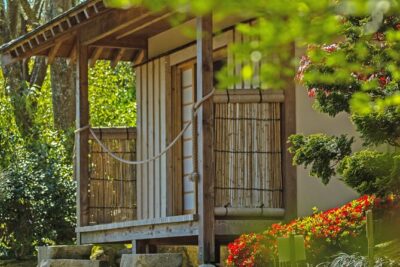
Lafcadio Hearn Japanese Gardens Admission Adult Ticket
Read our review →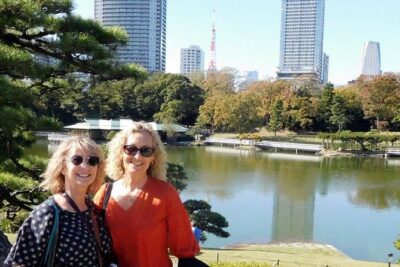
Tokyo Japanese Garden Lover’s Private Tour with Government-Licensed Guide
Read our review →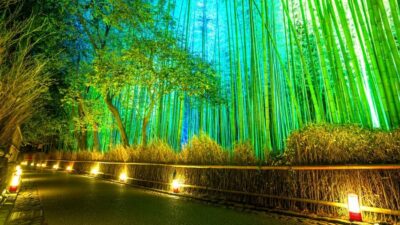
Kyoto: Japanese Gardens Private Customizable Tour
Read our review →
Experience Crafting a Flower-Adorned Mini Japanese Garden
Read our review →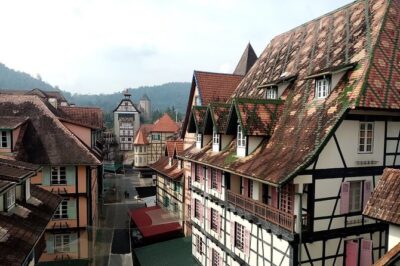
Fairy Tale Colmar Tropicale, Japanese Garden, Genting Highlands
Read our review →Lists this garden visit belongs to