
Review · KYOTO
Kyoto Japanese Garden Lover’s Private Tour with Government-Licensed Guide
Kyoto’s best gardens are not all alike. Kinkakuji glitters beside a pond, Ryoanji reduces beauty to rocks and gravel, and Honen-in uses moss, trees, and silence to create a completely different mood. This private tour lets you choose three or four places instead of racing through a fixed route.
I like the freedom to change your plan during the day, something guides Kaeko and Shun have handled well for past groups. I also like the chance to ask what the rocks, plants, water, and empty spaces mean rather than simply taking photographs. The main drawback is cost: at about $153.11 per person, you still pay for transport, admissions, and lunch.
Key points at a glance
- Choose your own garden style: Combine famous sights such as Kinkakuji and Ryoanji with quieter places including Honen-in, Taizo-in, or Gioji.
- Private guiding: Only your group takes part, so the pace and garden choices can change during the day.
- Six hours on foot: The guide meets you within a designated Kyoto area, but this is not a private-car tour.
- Government-licensed guide: The guide holds Japan’s national certification for interpreting Japanese culture and history.
- Transport costs are extra: Train, bus, taxi, and entrance fees are not included, so budget beyond the tour price.
- Best for garden fans: You get more from this experience if you care about design, seasonal plants, Zen ideas, and quiet details.
Why a private Kyoto garden day works
A standard sightseeing day in Kyoto can turn into a checklist: gold pavilion, bamboo grove, famous rock garden, next stop. This tour takes a better approach for anyone who wants to understand why these places look and feel so different.
You select three or four sites from a long menu. That choice matters because Kyoto’s gardens are spread across the city. A northern route might link Kinkakuji, Ryoanji, Daitokuji, and Taizo-in. An eastern route could pair Ginkakuji, Honen-in, and Nanzenji. Arashiyama and Uji each deserve special planning because they require more travel.
The guide’s job is not only to point out attractive views. A government-licensed guide interpreter must have a good grasp of Japanese culture and history, which is useful when a garden’s meaning is not obvious. You can ask about dry gravel gardens, moss, borrowed scenery, temple architecture, or the role of seasonal trees.
The private format also gives you room to adjust. One past group changed its plan several times with Shun, while Kaeko accommodated a late location change. That does not guarantee every request can be met, but it shows why a private booking can be more useful than a large group schedule.
More Japanese Gardens in Kyoto:
- Kyoto: Japanese Gardens Private Customizable Tour
★ 4.1 · 18 reviews - Lafcadio Hearn Japanese Gardens Admission Adult Ticket
★ 4.5 · 64 reviews - Tokyo Japanese Garden Lover’s Private Tour with Government-Licensed Guide
★ 5.0 · 27 reviews
Choosing between Kyoto’s famous gardens
Kinkakuji and Ginkakuji
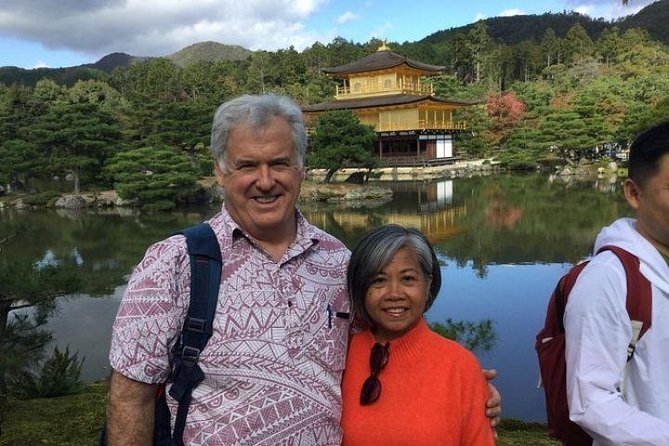
Kinkakuji, the Golden Pavilion, is Kyoto’s most instantly recognizable temple view. The upper two floors are covered in gold leaf, and the building reflects across a pond. It is a strong choice if you want a classic Kyoto image and a guide to explain its connection with the shogun Ashikaga Yoshimitsu and Zen Buddhism.
The drawback is that the pavilion is famous for a reason. It can feel more like a major sightseeing stop than a quiet garden visit, and the tour allows only about 20 minutes at this stop. Entrance is extra.
Ginkakuji, the Silver Pavilion, offers a quieter and more restrained style. Ashikaga Yoshimasa built it as a retirement villa in 1482, modeling it after Kinkakuji. The building was never covered in silver, but its understated design and carefully arranged grounds show a different idea of beauty.
Choose Kinkakuji for visual drama. Choose Ginkakuji if you prefer subtle design and a garden walk with more space for interpretation. Doing both in one short day is possible only if you accept a fast pace and allow for transport time.
Honen-in and Nanzenji Suirokaku
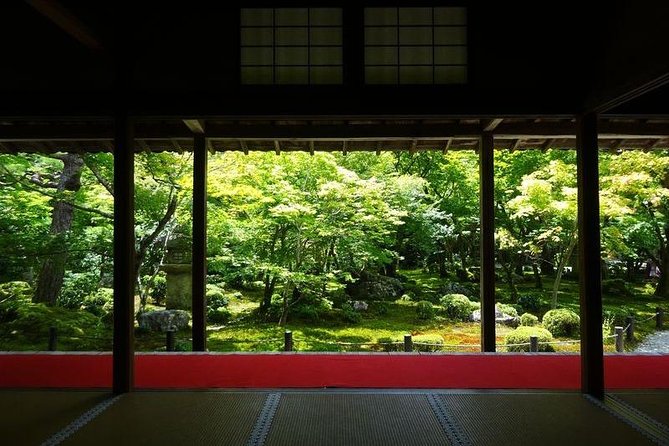
Honen-in begins before you reach the main buildings. The approach leads to a moss-covered gate, then to two sand mounds that add a symbolic touch to the entrance. It is a good pick for a slower, more atmospheric visit, especially if you want a break from Kyoto’s best-known postcard scenes.
Nanzenji is one of Kyoto’s major Zen temple complexes, set near the wooded Higashiyama hills. The Suirokaku aqueduct is a striking brick structure with Roman-style arches, an unusual sight within a traditional temple setting. Nanzenji gives you both open temple grounds and a chance to discuss Zen design in a broader setting.
Honen-in and Nanzenji pair naturally, but they still require time on foot and by public transport. The 20-minute estimates are useful as planning markers, not promises that you will see every corner.
More gardens worth a morning in Kyoto:
- Kyoto Zen Meditation & Garden Tour at a Zen Temple with Lunch
★ 5.0 · 441 reviews - Kyoto Arashiyama Bamboo forest & Garden Half-Day Walking Tour
★ 5.0 · 413 reviews - Kyoto Kiyomizu Tea Ceremony with Scenic Garden Views
★ 5.0 · 101 reviews - Kyoto: Private Tea Ceremony with a Garden View
★ 4.9 · 61 reviews
Ryoanji, Taizo-in, and Daitokuji
Ryoanji contains Japan’s most famous rock garden. Its arrangement of stones on pale gravel is deliberately spare, and part of the experience comes from deciding how much you want to interpret and how much you simply want to observe.
Taizo-in is a subtemple of Myoshinji and is known for its garden in every season. It can be a particularly good choice if you want a more intimate temple setting. One group had the garden to itself briefly before another group arrived, a reminder that timing can shape your experience even at popular sites.
Daitokuji is a large Zen complex made up of temples within a temple precinct. Its many gardens offer different approaches to meditation and design, but not every subtemple is necessarily available at all times. Ask your guide what is open when you visit.
For a garden-focused day, I would give serious thought to Taizo-in or Daitokuji instead of filling every slot with the most famous names. These places can provide more room for thought and conversation.
Imperial villas and major cultural sites
Kyoto Imperial Palace
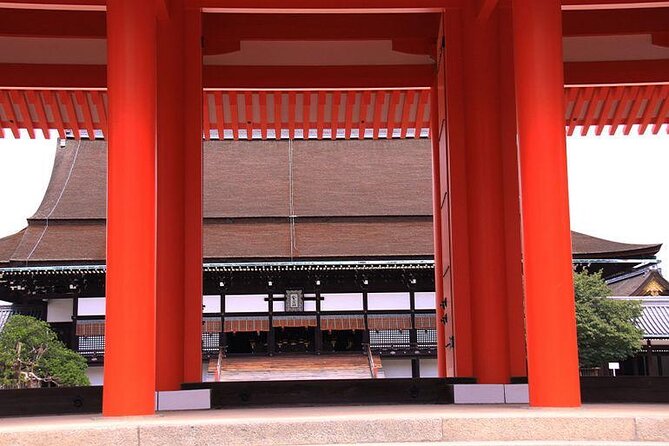
The Kyoto Imperial Palace served as the home of Japan’s Imperial Family until 1868, when the emperor and capital moved to Tokyo. Its spacious grounds offer a change from compact temple compounds and provide context for court life and the city’s long political role.
This is a sensible choice if your interests extend beyond Zen gardens. It may be less satisfying if your only goal is moss, gravel, ponds, and seasonal plants. The listed visit time is about 20 minutes, so tell the guide if you want a fuller palace visit.
Shugakuin Imperial Villa
Shugakuin was built in the 17th century by Emperor Gomizuno and is managed by the Imperial Household Agency. It includes Upper, Middle, and Lower Villas, making it one of the more ambitious choices on the menu.
Its scale and imperial connection make it valuable, but it may require more careful timing and travel than a compact temple. If you choose Shugakuin, avoid cramming in far-flung sites on the same day. Six hours goes quickly.
Katsura Imperial Villa
Katsura is one of Japan’s finest examples of garden and architectural design. Its present form was completed in 1645 as a residence for the imperial family, and the relationship between buildings, paths, water, and views is central to its appeal.
This is a top choice for serious garden enthusiasts. It is less suitable if you want many quick photo stops. You should ask about current access and scheduling when arranging your customized plan, since the tour information does not guarantee a full visit duration here.
Arashiyama’s famous route and quieter corners
Arashiyama offers an easy-to-understand combination of scenery and cultural sights. Togetsukyo Bridge is the district’s signature landmark, with a name meaning Moon Crossing Bridge. The bridge dates back to the Heian Period in its original form and was reconstructed in the 1930s.
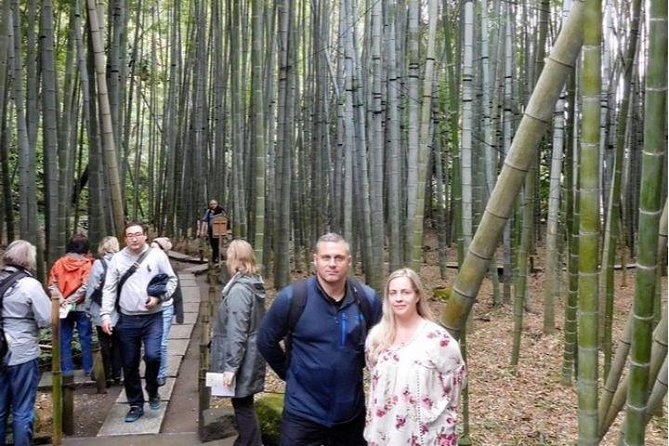
The Bamboo Forest Street is free to enter and makes a pleasant walk when wind moves through the tall stalks. It is also one of Kyoto’s most photographed places, so the setting may feel less peaceful than its photographs suggest. Your guide can help you decide how much time it deserves.
Okochi Sanso Garden sits beyond the bamboo groves and was the former villa of actor Okochi Denjiro. The grounds include several gardens and buildings, and the half-hour visit gives you more time than the standard 20-minute temple stops.
Gioji offers another mood, with a moss garden, tall maple trees, and small thatched structures. It is a strong seasonal choice, though its appeal depends heavily on your interest in moss, shade, and understated temple architecture.
If you want Arashiyama, do not also try to include Kinkakuji, Uji, and several eastern Kyoto temples in the same six-hour plan. Pick three or four sites in one area. You will see less on a map and experience more on the ground.
Kyoto Botanical Garden, Kenninji, and Byodoin
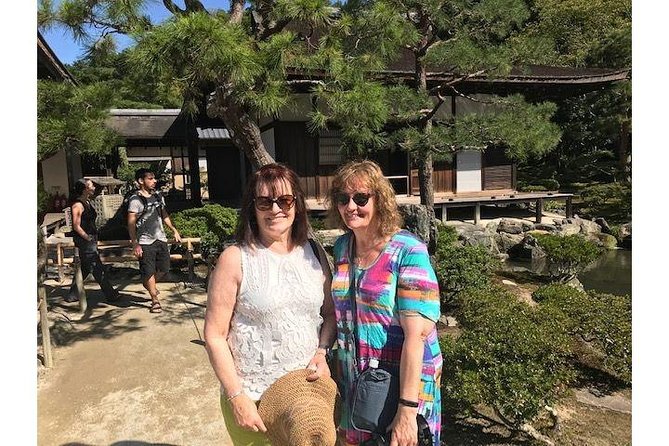
The Kyoto Botanical Garden is a useful change of pace. It is affordable, broad in scope, and not centered on temple architecture. Choose it if you want to see plants in a more straightforward garden setting or need a gentler break from temple visits.
Kenninji is close to Hanamikoji and Shijo streets, but its grounds feel more spacious than the surrounding city. Its two dry gardens offer a compact introduction to karesansui design. The listed visit time is only one minute, which is clearly too short for a meaningful garden visit, so confirm how much time your guide plans to spend there.
Byodoin is in Uji city, outside central Kyoto, and extra travel time is expected. Its Phoenix Hall is a National Treasure and a UNESCO World Heritage Site. This is a worthwhile choice for anyone interested in major religious art and architecture, but combining it with distant northern Kyoto sites will make the day transport-heavy.
What six hours and extra costs really mean
The price is about $153.11 per person. For a private six-hour service with a licensed guide, that can be fair if your group values tailored explanations and flexible planning. It is less attractive if you mainly want transportation or a quick look at famous buildings.
The tour includes the guide and a customized walking plan for three or four selected sites. It does not include public transportation, taxis, entrance fees, lunch, or other personal expenses. There is no private vehicle, so you should expect buses, trains, taxis, and walking to form part of the day.
The phrase pickup offered needs careful reading. The meeting is on foot within a designated Kyoto area, not a door-to-door car pickup. Confirm the meeting point before the day begins and ask the guide to help order the route by geography.
Entrance fees are also separate. Some sites may be free, such as Togetsukyo Bridge and the Bamboo Forest Street, while temple and garden admissions are generally additional. Keep cash or a payment method ready, and remember that guide entry fees are covered only for sights included under the stated tour arrangements.
The experience is private, but you cannot combine multiple tour groups. That is good news for families, couples, or friends who want their own pace. Group discounts may help larger parties, though the exact savings are not specified.
How to plan a garden route that makes sense
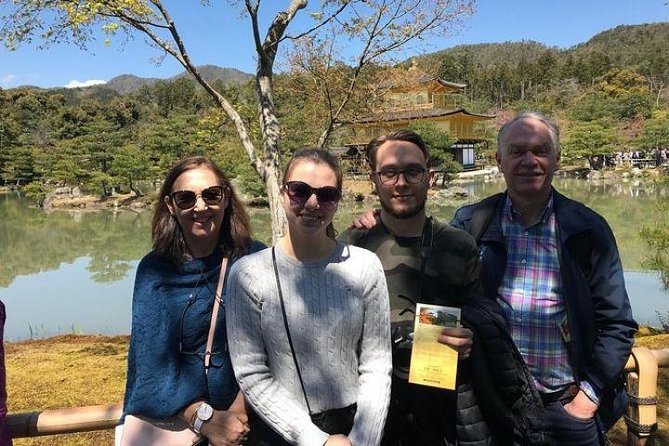
Start with your top two choices, then build around them. If Ryoanji is essential, consider adding Kinkakuji, Daitokuji, or Taizo-in. If Honen-in is the priority, Nanzenji and Ginkakuji create a more logical eastern Kyoto day.
Tell the guide what kind of beauty you prefer:
- Ponds and seasonal plants: Kinkakuji, Ginkakuji, Okochi Sanso, or the Botanical Garden.
- Dry Zen gardens: Ryoanji, Daitokuji, Kenninji, or Nanzenji.
- Moss and quiet paths: Honen-in, Taizo-in, or Gioji.
- Imperial design: Katsura, Shugakuin, or the Kyoto Imperial Palace.
- Major architecture: Byodoin, Kinkakuji, or Nanzenji.
Weather can change the mood. A rainy day may make moss and temple gardens especially atmospheric, as one guide noted after taking a group to Kokedera and Kinkakuji. At the same time, rain can slow walking and make transport less pleasant. Wear shoes you can walk in for several hours and leave room in the plan.
The experience suits adults, families, garden photographers, first-time visitors who want context, and repeat visitors who have already seen Kyoto’s headline temples. It is not ideal for someone who wants a fixed luxury vehicle tour or a long lunch built into the schedule.
Should you book this private garden tour?
Book it if you want to choose your own mix of gardens and have a guide explain the ideas behind what you see. The strongest features are the private format, the ability to adjust plans, and access to places beyond the usual Golden Pavilion and bamboo grove circuit.
Skip it if the extra transport and admission costs will strain your budget, or if you prefer to explore independently with a map and transit pass. The tour price is only part of the day’s expense.
For the best value, choose sites in one part of Kyoto and tell the provider your priorities before arrival. If you are flexible, guides such as Kaeko and Shun have shown they can make the day responsive and personal. This is a good investment for a garden lover, but only if you plan the geography as carefully as the gardens.
FAQ
How long does the tour last?
The tour lasts approximately six hours.
How many sites can I choose?
The included plan covers a customized walking tour of three or four sites from the available choices.
Is transportation included?
No. Transportation fees are not included, and the tour does not provide a private vehicle. You meet the guide on foot within a designated area of Kyoto.
Are entrance fees included?
No. Entrance fees are generally separate. Guide entry fees are covered only for sights listed under the stated tour arrangements.
Is this a private tour?
Yes. Only your group participates, and multiple separate tour groups cannot be combined.
Can I cancel for a full refund?
Yes. You can cancel at least 24 hours before the experience start time for a full refund. Changes or cancellations made less than 24 hours before the start time are not accepted or refunded.
Newly planted garden visits around Kyoto
- Kyoto-Nara Adventures Private Tour With Hotel Pick Up★ 4.0 · 5 reviews
- Stunning Private Tea Ceremony: Camellia Garden Teahouse★ 5.0 · 28 reviews
- Kyoto: Kinkaku-ji Temple & Serene Garden Guided Tour with Tickets★ 5.0 · 9 reviews
- Guided Kyoto City Cherry Blossom One Day Private Tour★ 5.0 · 16 reviews
- Kyoto Hidden Treasures: Special Temple & Garden Access Tour★ 4.5 · 25 reviews
- The Art of Mindful Living: Tea Ceremony in Kyoto★ 5.0 · 16 reviews
- Kyoto ITALIAN GUIDE Golden Pagoda Bamboo Forest Dry Garden★ 4.0 · 2 reviews
- Bamboo Grove Temple and Garden Views Tour★ 5.0 · 41 reviews
Japanese Gardens, bed by bed.
Lafcadio Hearn Japanese Gardens Admission Adult Ticket
Read our review →
Tokyo Japanese Garden Lover’s Private Tour with Government-Licensed Guide
Read our review →
Kyoto: Japanese Gardens Private Customizable Tour
Read our review →
Experience Crafting a Flower-Adorned Mini Japanese Garden
Read our review →
Tokyo: Full-Day Japanese Garden Private Guided Tour
Read our review →
Fairy Tale Colmar Tropicale, Japanese Garden, Genting Highlands
Read our review →Lists this garden visit belongs to