
Review · KYOTO
The Art of Mindful Living: Tea Ceremony in Kyoto
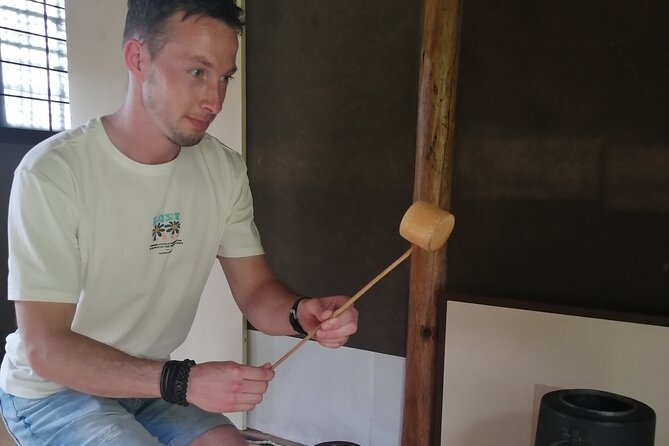
Kyoto’s tea ceremony is often presented as a formal ritual. Here, Naomi makes it feel approachable. In an old house with a garden, she explains the customs, prepares matcha, serves a Japanese sweet, and then lets you make tea yourself. The session is calm, friendly, and practical rather than stiff.
I like the use of organic Uji matcha from Kyoto and the chance to ask questions in English. I also like the garden, which gives you a peaceful place for photos before or after the ceremony. The main drawback is location: the house is in Ukyo Ward, toward Kinkakuji and Arashiyama, so it is not a quick stop from central Kyoto.
Key points at a glance
- A hands-on tea lesson: You watch Naomi prepare matcha, then whisk your own cup.
- A quiet old-house setting: The ceremony room and garden provide a slower setting than a busy downtown attraction.
- Good for mixed groups: Chairs are available, cocoa can replace matcha for children, and food allergies and vegan needs can be accommodated.
- Optional kimono rental: A kimono costs ¥4,000, hakama rental costs ¥8,000, and a baby romper-style kimono costs ¥600.
- Small group feel: Sessions are limited to six people, with larger groups possible by prior arrangement.
- Useful planning detail: The activity lasts about one hour, but the out-of-center location means you should allow extra time around it.
A tea ceremony in a real Kyoto home
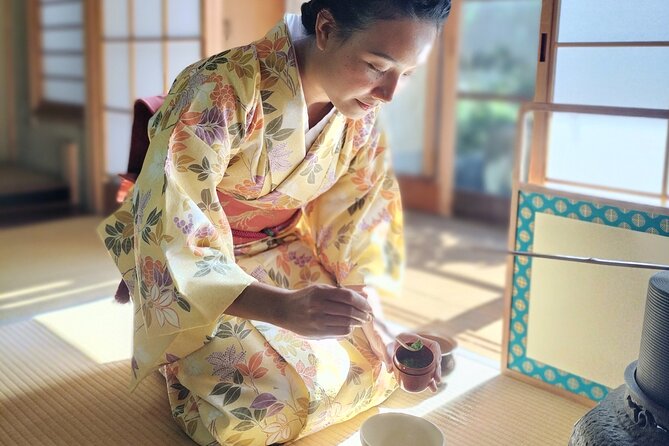
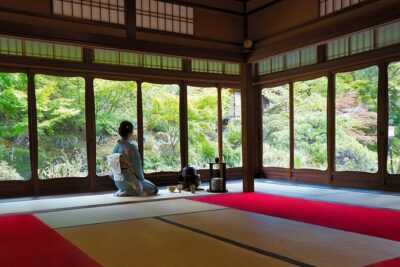
The setting does much of the work here. You enter a Japanese old residence with a room arranged for tea ceremony and a garden at the back. This is not a stage show in a large tourist facility. The smaller setting helps the ceremony feel personal, and the garden gives you a quiet pause before or after the formal part.
The activity lasts about one hour. That is enough time to learn the basic ideas behind tea ceremony without turning the visit into a long lecture. Naomi explains the history of the ceremony, the effects and character of matcha, the main types of Japanese tea, and the correct way to drink it.
I appreciate that the lesson covers both meaning and method. You are not simply handed a bowl and told to copy a movement. You learn why the tea is prepared in a particular way, how to receive it, and how the ceremony fits into Japanese culture.
Naomi is the main host, and her niece may help during some sessions. The tone is warm and conversational. You can ask questions, and the explanations are designed for people who may be completely new to tea ceremony.
More gardens worth a morning in Kyoto:
- Kyoto Zen Meditation & Garden Tour at a Zen Temple with Lunch
★ 5.0 · 441 reviews - Kyoto Arashiyama Bamboo forest & Garden Half-Day Walking Tour
★ 5.0 · 413 reviews - Kyoto Kiyomizu Tea Ceremony with Scenic Garden Views
★ 5.0 · 101 reviews
What happens during the one-hour session
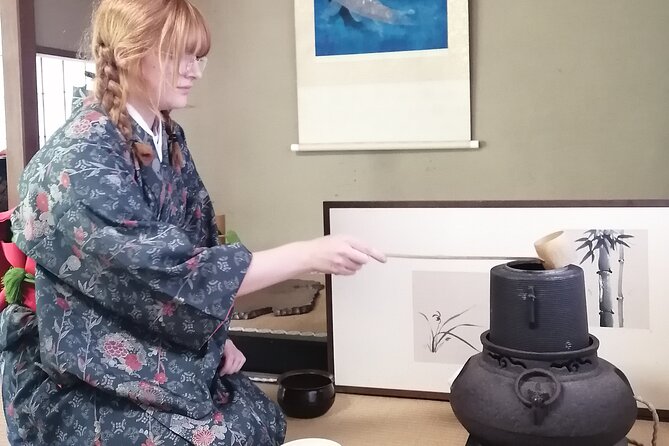
The order is straightforward. First comes the explanation, followed by Naomi’s tea preparation. You then enjoy matcha and a Japanese sweet while watching the ceremony, and finally you try making matcha yourself.
Watching first matters. The movements of tea ceremony can seem precise, but they become easier to follow once you see the sequence. You get a chance to notice how the bowl, whisk, tea, and sweets are handled before you are asked to do anything.
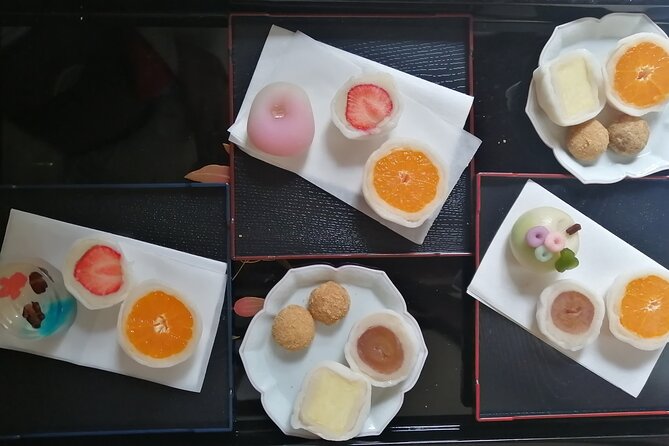
The tasting is a pleasant part of the visit, not just a short sample. One Japanese sweet is included with the price. You can choose a sweet with traditional bean paste or a fresh-fruit daifuku. If you want to try both, the additional charge is ¥500 per person.
The matcha is made with organic Uji tea from Kyoto. The host does not present it as a famous commercial brand, but the focus is on quality and flavor. Matcha has a grassy, slightly bitter taste that can surprise first-time drinkers, and the sweet helps balance it.
Then comes the hands-on part. You make your own matcha under Naomi’s guidance. This gives the session a useful rhythm: learn, watch, taste, and practice. You do not need prior knowledge, and you do not need to worry about getting every movement perfect.
Why the garden changes the mood
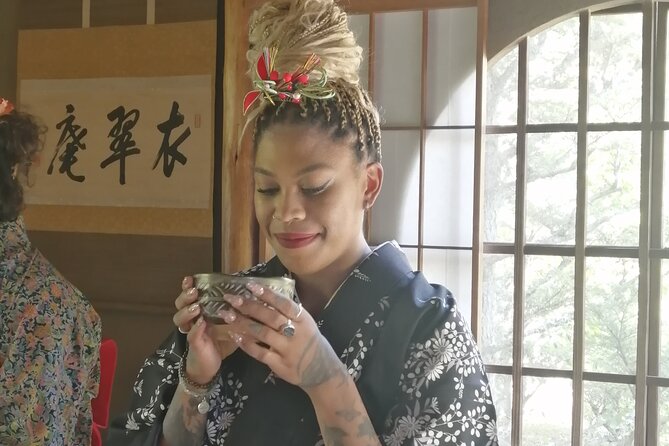
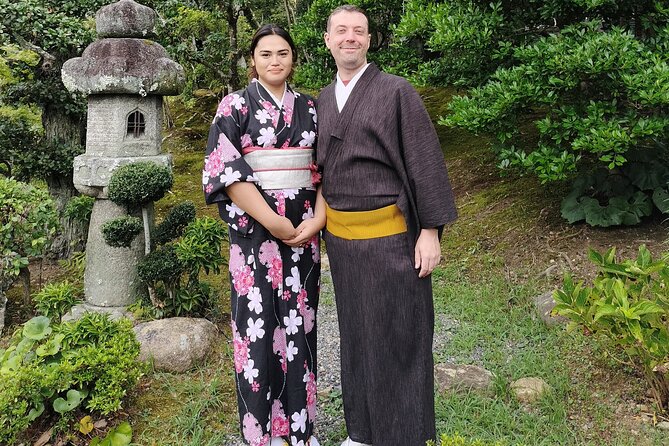
The garden is more than a photo backdrop. It gives the activity a sense of pause, especially if you have spent the day moving between Kyoto’s temples and crowded streets. The space is used for photos before the ceremony, and you can also take pictures during the activity.
I would plan a few extra minutes for the garden if you care about photographs. The setting works especially well with kimono rental, though ordinary clothing is fine if you do not want the added cost or time.
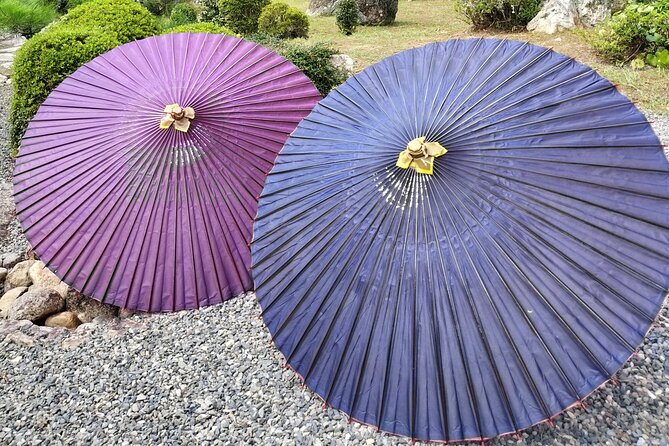
Photography is allowed during the ceremony. That is useful for families and couples who want a record of the occasion, but remember that this remains a tea ceremony, not a dedicated photo shoot. If rain comes, you can take pictures while holding a Japanese umbrella. Photos in a kimono without an umbrella are not possible in wet weather because the clothing must be protected.
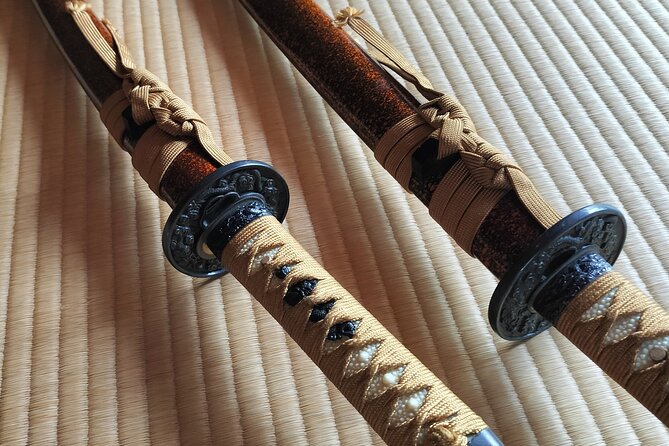
The private-session option includes a special photo feature: you may use a traditional Japanese umbrella and an imitation sword for pictures. The sword is for photography only. You must contact the provider before booking if you want a private ceremony.
Kimono rental and the real cost of dressing up
Kimono rental is available while you take part in the ceremony. The standard kimono option costs ¥4,000, while hakama rental costs ¥8,000. A baby romper-style kimono is ¥600, and an undershirt rental is ¥200.
These additions can make the visit feel more special, particularly for a family or for someone who wants photos in traditional clothing. But they also affect timing. The host notes that it takes time to put on a kimono, and this one-hour tea activity can become a longer part of your day once dressing is included.
Hair styling and makeup are not provided. Hair accessories are available for people renting kimono, so you can make a simple adjustment yourself. I would treat the clothing as an optional add-on, not a necessary part of the ceremony.
The price for the tea activity is $44.42 per person. For that fee, you receive the explanation, matcha, one sweet, the demonstration, and the chance to prepare your own tea. I consider that fair value if you want cultural instruction in a private home rather than a quick matcha tasting.
The value is less clear if you mainly want a photo session or a long formal ceremony. Kimono, hakama, a second sweet, and private arrangements cost extra. Check the cost of any upgrade before agreeing to it, and make sure you understand whether it is included in your original booking.
Same season, a different set of beds:
- Kyoto: Private Tea Ceremony with a Garden View
★ 4.9 · 61 reviews - Bamboo Grove Temple and Garden Views Tour
★ 5.0 · 41 reviews - Stunning Private Tea Ceremony: Camellia Garden Teahouse
★ 5.0 · 28 reviews - Kyoto Hidden Treasures: Special Temple & Garden Access Tour
★ 4.5 · 25 reviews
A good choice for families and special diets
This activity is designed to handle several common travel needs. Chairs are provided, which helps if sitting on the floor is uncomfortable. You can enter the premises with a stroller, but the stroller cannot be brought inside the building.
Children can receive cocoa instead of matcha. That is a thoughtful option for younger participants who may not enjoy the strong taste of green tea. It also lets a family share the ceremony without asking every child to drink matcha.
Food allergies and vegan diets can be accommodated. The included sweet is normally a Japanese confection, with options based on bean paste or fresh fruit daifuku. Tell the provider about dietary needs before the visit so the correct choice can be prepared.
The experience suits a mixed-age group because you can watch, listen, taste, and take part at your own pace. It is also a good fit if one person in your group wants the cultural lesson while another is more interested in photos or sweets.
Getting to Ukyo Ward
The meeting point is Kaze no Wa, at 14 Utanokitanoinchō in Kyoto’s Ukyo Ward. The activity ends at the same location. Public transportation is nearby, but the house is not close to central Kyoto’s main sightseeing streets.
Plan this as part of a day in the northwestern part of the city. It is in the direction of Kinkakuji Temple and Arashiyama, so it can work well alongside other sights in that part of Kyoto. It is less convenient if you are trying to fit it between central Kyoto stops on a tight schedule.
The distance is the main practical weakness. The peaceful setting comes partly from being away from downtown, but that quiet comes with extra travel time. I would not book this immediately before a train departure or another timed activity on the opposite side of the city.
The activity is generally booked around 13 days ahead. Confirmation arrives within 48 hours, subject to availability. A mobile ticket is provided, which keeps check-in simple once you reach the meeting point.
Group size and the feel of the lesson
The normal maximum is six people. That is a useful limit for a ceremony that depends on seeing the host’s movements and having space to prepare your own tea.
Larger groups may be accommodated by arrangement, but you should contact the provider before booking. If your group is bigger than six, do not assume that a standard reservation will work without discussion.
A private session is also available. This is worth considering if you want more control over the pace, need special arrangements, or care about the umbrella and imitation-sword photos. Again, contact the provider before booking rather than waiting for the day of the activity.
The small-group format also makes it easier for Naomi to help with the practical details. You can ask about the tea, the sweets, or the customs without trying to speak over a large crowd.
What the strongest praise points to
The most consistent strengths are Naomi’s warm manner, clear explanations, and the calm setting. The activity is repeatedly described as soothing and educational, which fits the format: the garden is quiet, and the lesson gives you something focused to do with your hands.
The chance to make your own tea is especially important. A demonstration alone can leave you as a spectator. Here, you take part, which makes the process easier to remember and gives children and families a clear activity to share.
The garden also earns its place in the experience. It provides a tranquil setting for pictures and helps the visit feel separate from the city’s busier sightseeing areas. If you enjoy small cultural moments rather than only major attractions, this is the part you will likely value most.
There is one caution to keep in mind. The remote-feeling location is part of the appeal, but it can be inconvenient. One past booking also involved confusion about payment for an upgrade, so ask clearly about private sessions, kimono, and other added fees before you commit.
Who should book this tea ceremony?
I would choose this for a first visit to Kyoto when you want a gentle introduction to matcha and Japanese customs. It also suits couples, families, and small groups who want a personal activity with photos and a garden setting.
It is a strong fit if you value explanation as much as scenery. Naomi covers the background, the types of tea, and the way to drink matcha, then gives you a chance to practice. That makes the hour feel more useful than a simple cup of tea.
I would think twice if you have very little time in Kyoto, dislike travel to outlying districts, or want a full-length formal tea ceremony. The session is short and accessible, but it is an introduction rather than an extended study of tea ceremony.
Cancellation is free up to 24 hours before the start time. Cancellations or changes made later are not refunded or accepted. The activity may also be canceled for poor weather or if the minimum number of participants is not met, with a different date or a full refund offered.
Should you book it?
Book it if you want a calm, hands-on cultural lesson in an old Kyoto home, especially if you like gardens, sweets, and photography. The organic Uji matcha, small group size, clear instruction, and child-friendly alternatives make the $44.42 price reasonable.
Skip it if your schedule is packed around central Kyoto or if you want a major formal performance. For everyone else, allow extra travel time, confirm any paid additions in advance, and enjoy the slower pace. The best part is not simply drinking matcha. It is learning how to prepare it, understanding why the ritual matters, and having a quiet hour away from the city’s main flow.
FAQ
How long does the tea ceremony experience last?
The activity lasts approximately one hour.
Where does the experience begin and end?
It begins at Kaze no Wa, 14 Utanokitanoinchō, Ukyo Ward, Kyoto, 616-8201, Japan, and ends back at the same meeting point.
How many people can join a standard session?
The normal maximum is six participants. Larger groups may be accommodated by prior arrangement.
Is kimono rental available?
Yes. Kimono rental costs ¥4,000, hakama rental costs ¥8,000, baby romper-style kimono rental costs ¥600, and undershirt rental costs ¥200. Hair styling and makeup are not provided.
Can children participate?
Yes. Cocoa can be provided instead of matcha for children, and chairs are available.
Can food allergies and vegan diets be accommodated?
Yes. Food allergies and vegan requirements can be accommodated. One Japanese sweet is included, with a choice of bean-paste sweet or fresh-fruit daifuku.
Can I cancel for a full refund?
Yes, if you cancel at least 24 hours before the experience start time. Later cancellations and changes are not accepted for a refund.
Newly planted garden visits around Kyoto
- Kyoto-Nara Adventures Private Tour With Hotel Pick Up★ 4.0 · 5 reviews
- Stunning Private Tea Ceremony: Camellia Garden Teahouse★ 5.0 · 28 reviews
- Guided Kyoto City Cherry Blossom One Day Private Tour★ 5.0 · 16 reviews
- Kyoto Hidden Treasures: Special Temple & Garden Access Tour★ 4.5 · 25 reviews
- Kyoto: Kinkaku-ji Temple & Serene Garden Guided Tour with Tickets★ 5.0 · 9 reviews
- Kyoto ITALIAN GUIDE Golden Pagoda Bamboo Forest Dry Garden★ 4.0 · 2 reviews
- Kyoto Japanese Garden Lover’s Private Tour with Government-Licensed Guide★ 4.5 · 10 reviews
- Bamboo Grove Temple and Garden Views Tour★ 5.0 · 41 reviews
Japan Garden Tours, bed by bed.

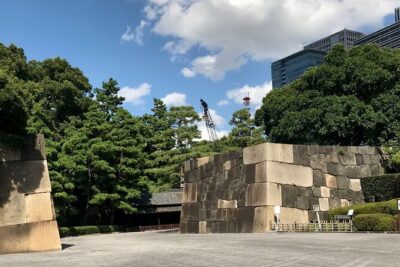
Imperial Palace East Garden and Edo Castle Walking Tour in Tokyo
Read our review →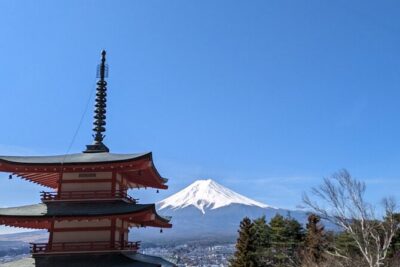
Mt. Fuji Day Trip from Tokyo with English Speaking Driver Guide
Read our review →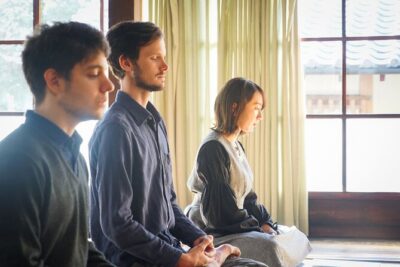
Kyoto Zen Meditation & Garden Tour at a Zen Temple with Lunch
Read our review →
Kyoto Arashiyama Bamboo forest & Garden Half-Day Walking Tour
Read our review →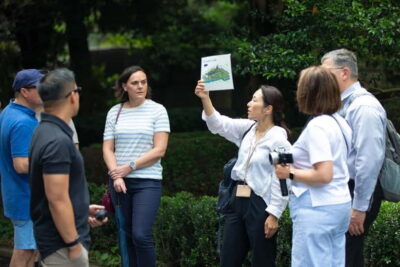
Tokyo: Imperial Palace East Gardens Walking Tour
Read our review →
Kyoto Kiyomizu Tea Ceremony with Scenic Garden Views
Read our review →Lists this garden visit belongs to