
Review · KYOTO
Kyoto: Private Tea Ceremony with a Garden View
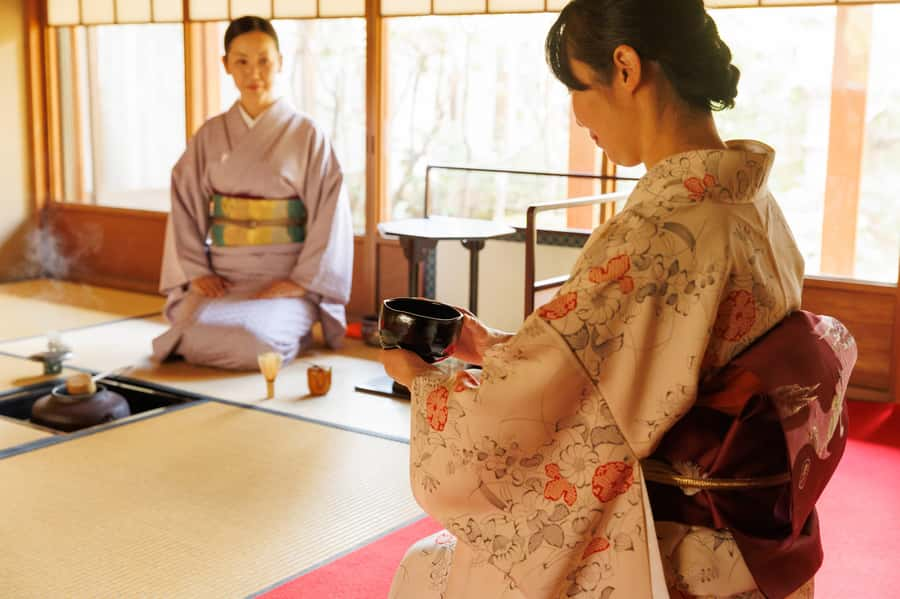
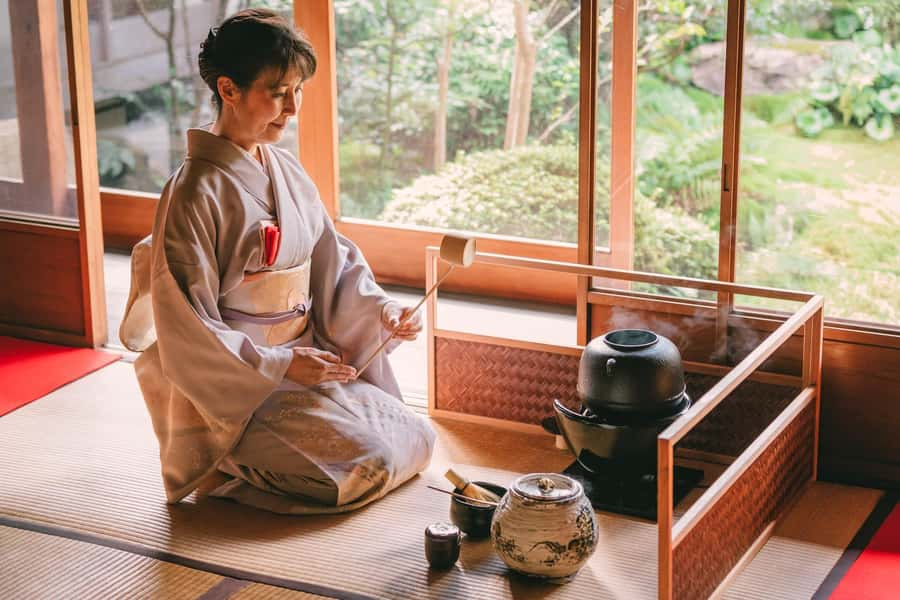
Kyoto’s tea ceremony is at its best when it feels personal, quiet, and rooted in place. At Camellia Tea Ceremony, you enter a 100-year-old house across from Ryoan-ji, leave the city noise behind, and watch matcha being prepared with a Japanese garden as the backdrop.
I like two things right away: the house is reserved entirely for your private group, and you do not just watch the ceremony. You also make your own bowl of matcha. The seasonal sweets, made by one of Kyoto’s respected confectioners, add a thoughtful local touch.
The main consideration is price. At $116 per person for one hour, this is not a cheap introduction to matcha. You are paying for privacy, the setting, a personal instructor, and a carefully presented cultural experience rather than a long tour.
Key points to know before booking
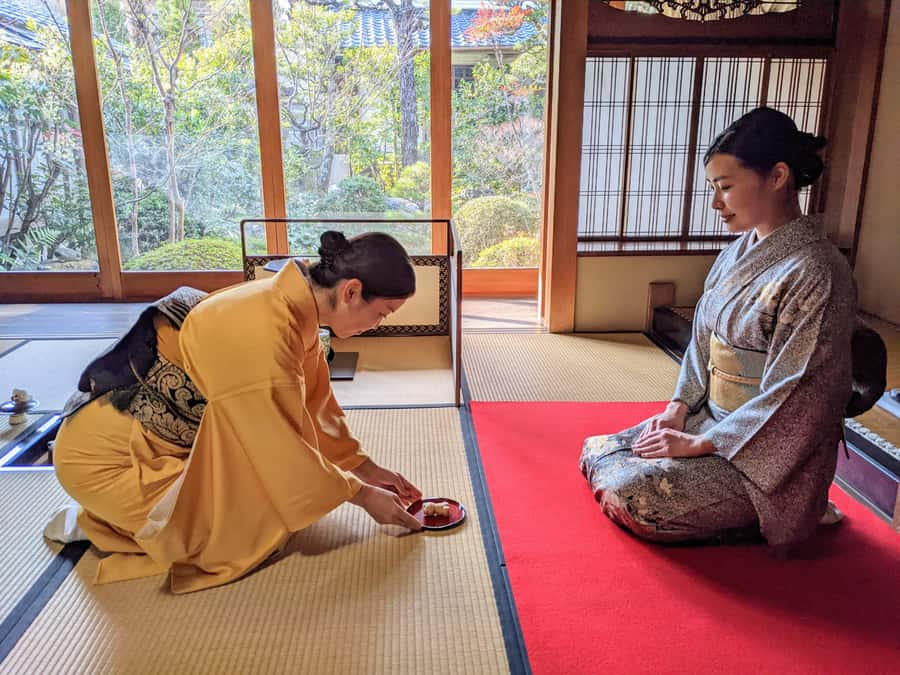
- Private use of the teahouse: During your one-hour visit, the house is yours alone, giving the ceremony a calm, unhurried feel.
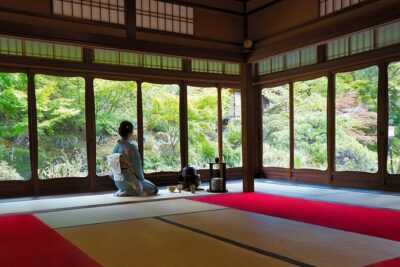
- Garden-facing tea room: You watch the host prepare tea with the main Japanese garden behind the ceremony.
- Hands-on matcha making: After receiving tea, you whisk your own bowl using the provided utensils and ingredients.
- Seasonal sweets included: The sweets are vegan, gluten-free, and nut-free, which makes this a useful choice for several dietary needs.
- Easy temple pairing: Ryoan-ji is across the road, while Ninna-ji, Kinkaku-ji, and Myoshin-ji are nearby.
- Comfortable for different mobility needs: Chairs and tables are available, and the teahouse is wheelchair accessible.
Entering a private house beside Ryoan-ji
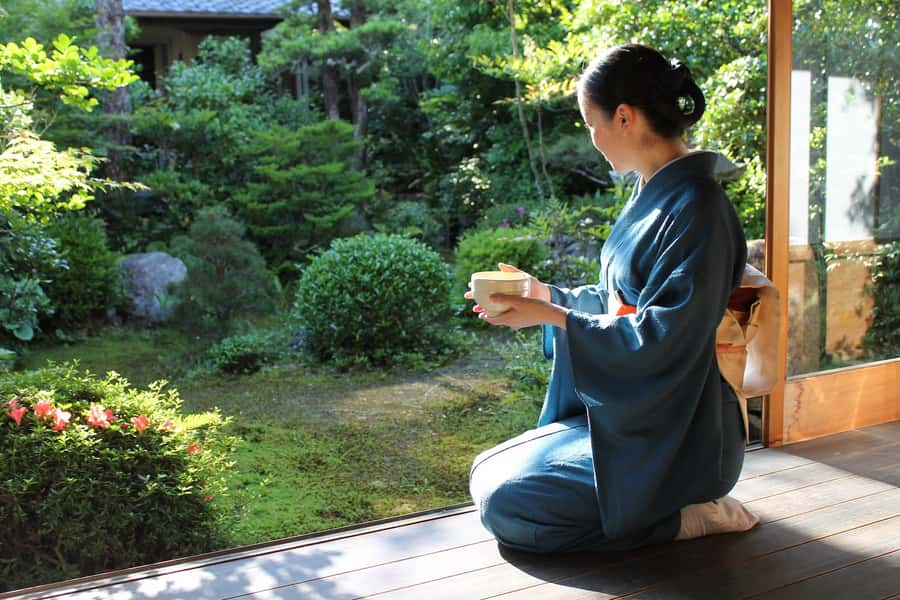
The location is one of the strongest parts of this experience. Camellia Garden sits across the road from Ryoan-ji, Kyoto’s famous Zen temple known for its spare stone garden. The tea house is not inside the temple grounds, but its connection to that setting gives your visit a useful sense of place.
From the Ryoan-ji Mae bus stop, look for the small path leading slightly downhill toward a residential street. The house is the first one on the right, behind a high wall. That detail matters because Kyoto’s quiet residential lanes can be confusing, especially when you are trying to match a traditional entrance with a modern map.
You can also arrive by the Keifuku Randen tram. The teahouse is less than a 10-minute walk from Ryoanji-eki station. The same tram line links with Hakubaicho near Kitano Tenmangu, Arashiyama, and Shijo Omiya near the western side of central Kyoto.
Plan this as part of a western Kyoto sightseeing day. Ryoan-ji, Ninna-ji, and Kinkaku-ji are all within walking distance, and Myoshin-ji is close by as well. The tea ceremony lasts only one hour, so it fits neatly between temple visits. Still, give yourself extra time to find the entrance and settle in. This is not the kind of appointment you want to reach in a hurry.
More gardens worth a morning in Kyoto:
- Kyoto Zen Meditation & Garden Tour at a Zen Temple with Lunch
★ 5.0 · 441 reviews - Kyoto Arashiyama Bamboo forest & Garden Half-Day Walking Tour
★ 5.0 · 413 reviews - Kyoto Kiyomizu Tea Ceremony with Scenic Garden Views
★ 5.0 · 101 reviews
A gentle introduction in the sofa room
The session begins in a sofa room facing the front garden. This first stage is useful because it gives you cultural context before the more formal ceremony begins.
Your English-speaking instructor introduces the history and customs surrounding Japanese tea. You will learn about matcha and the meaning behind the various movements, objects, and acts of hospitality. The session is designed for questions, so you can ask about etiquette, preparation, or anything that seems unfamiliar.
This opening conversation also makes the experience easier for first-time visitors. Japanese tea ceremony can look precise and formal, but you are not expected to know the rules in advance. The instructor guides you through what to observe and how to take part.
The seasonal sweets are served at this point. They come from one of Kyoto’s renowned confectioners and are included in the price. The sweets are vegan, gluten-free, and nut-free. That is a practical advantage for many people, though you should still contact the operator if you have a serious allergy or a special dietary concern.
The front garden gives you something pleasant to look at while you listen. It is a calm beginning, and it prevents the ceremony from feeling like a string of unexplained gestures.
Watching matcha prepared beside the main garden
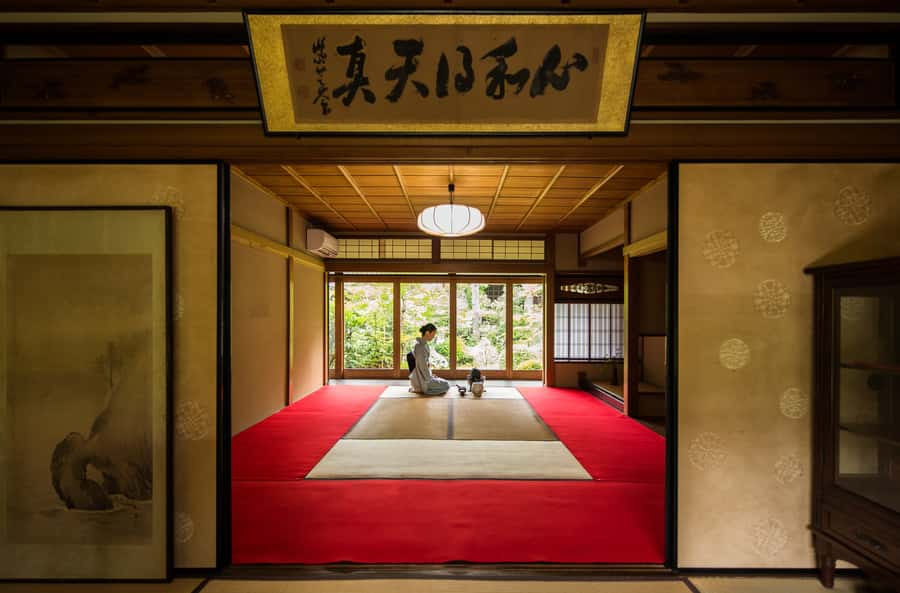
Next, you move into the tearoom. Here, you watch an authentic tea ceremony with the main garden behind the host.
The garden view is not an afterthought. It shapes the whole mood of the room. Instead of staring at a blank wall or a busy group of other visitors, you have a natural setting that changes with the season. The view also helps explain why traditional tea rooms pay such close attention to windows, thresholds, and the arrangement of simple objects.
The ceremony itself is deliberate. The host prepares and serves matcha while your instructor explains what is happening. You are encouraged to ask questions and take photographs, so the experience is not an untouchable performance. It is a cultural lesson that happens to be presented with great care.
You may notice that the ceremony has a formal rhythm. That is part of its appeal, but it may feel slow if you are looking for an active workshop. The hour is focused on tea, gardens, sweets, and conversation. It does not include a full meal or a broad tour of the property.
Photography is allowed throughout the experience, but flash must be turned off. Video recording is not allowed. A phone or camera is fine for quiet photographs, but this is a place where you should keep the act of taking pictures in the background.
Making your own bowl of matcha
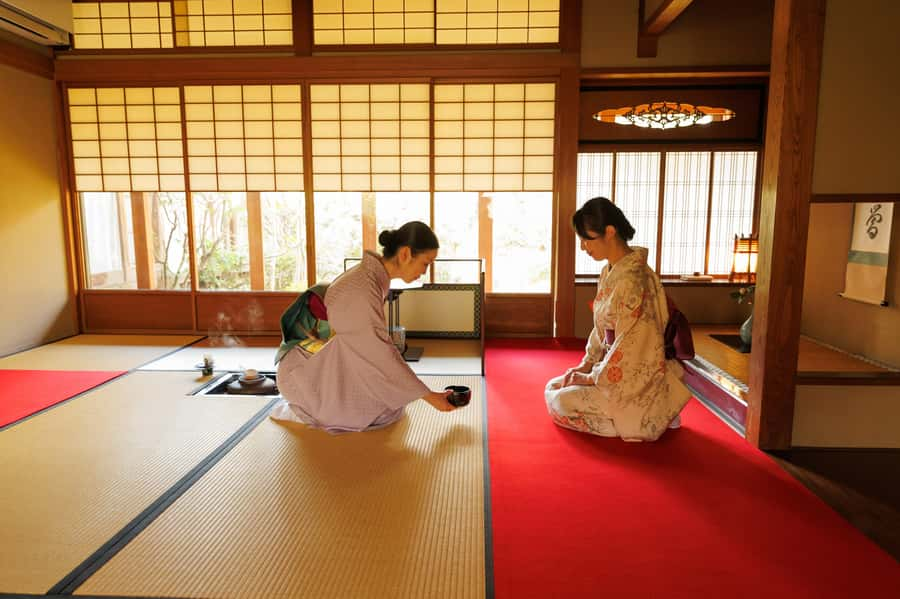
The hands-on section gives the experience its best sense of participation. After you have watched the tea being made and received your own serving, you prepare a bowl yourself.
Everything you need is provided. You learn how to use the bowl, whisk, and other tea-making items, then create your own matcha under the instructor’s guidance. This is not a test of Japanese technique. The point is to understand the process and feel the difference between watching and doing.
I particularly like this feature for couples, families, and small private groups. Everyone has something concrete to remember, and the activity gives you a chance to ask questions while your hands are busy. It also makes matcha less mysterious. You leave with a better sense of how the powder, water, whisk, and movement come together.
The tea can be strong and pleasantly bitter. The seasonal sweet helps balance it. If you usually drink sweetened tea or coffee, do not expect matcha to taste like a dessert. The ceremony presents it in its traditional form, with the confection offering a contrast rather than turning the tea into a sugary drink.
Same season, a different set of beds:
- Bamboo Grove Temple and Garden Views Tour
★ 5.0 · 41 reviews - Stunning Private Tea Ceremony: Camellia Garden Teahouse
★ 5.0 · 28 reviews - Kyoto Hidden Treasures: Special Temple & Garden Access Tour
★ 4.5 · 25 reviews - Kyoto: Japanese Gardens Private Customizable Tour
★ 4.1 · 18 reviews
Why the private format matters
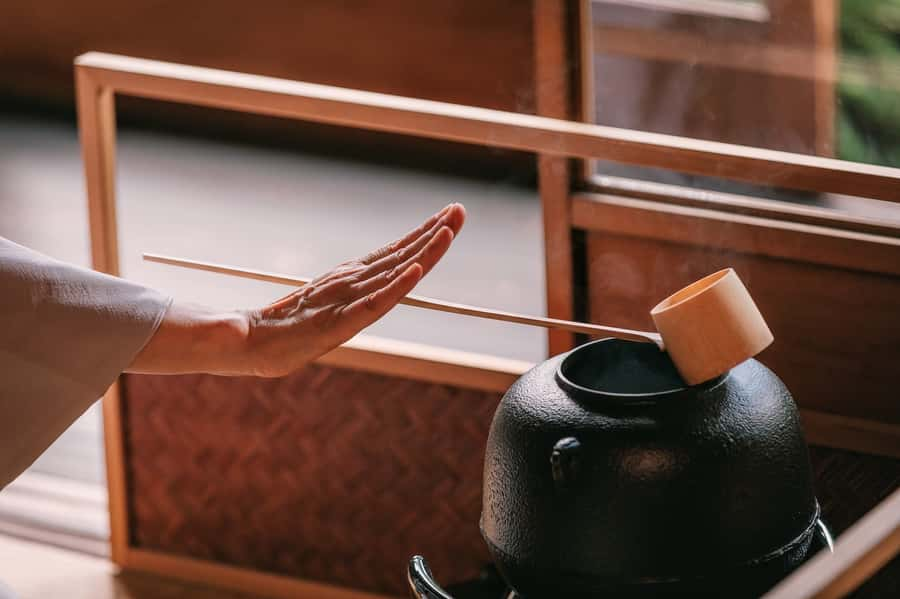
A private group changes the tone of the visit. You have the house completely to yourself during the ceremony, so you do not need to compete with a large audience for the instructor’s attention or the best view of the garden.
Privacy is especially valuable here because tea ceremony depends on quiet observation. You can ask a basic question without feeling self-conscious. You can take a moment to notice the room. You can also move at a comfortable pace during the matcha-making section.
This format is not necessarily the right choice for someone who wants the lowest possible price. A group class could cost less, depending on the alternative you choose. At $116 per person, Camellia is selling a private setting, a historic home, an English-speaking instructor, sweets, equipment, and a personal demonstration in a single one-hour appointment.
That is a fair value if you want a polished cultural experience and have limited time in Kyoto. It is less compelling if you mainly want to try matcha or are happy to sit in a larger class. The price makes most sense when privacy and setting matter as much as the drink itself.
Comfort, access, and practical details
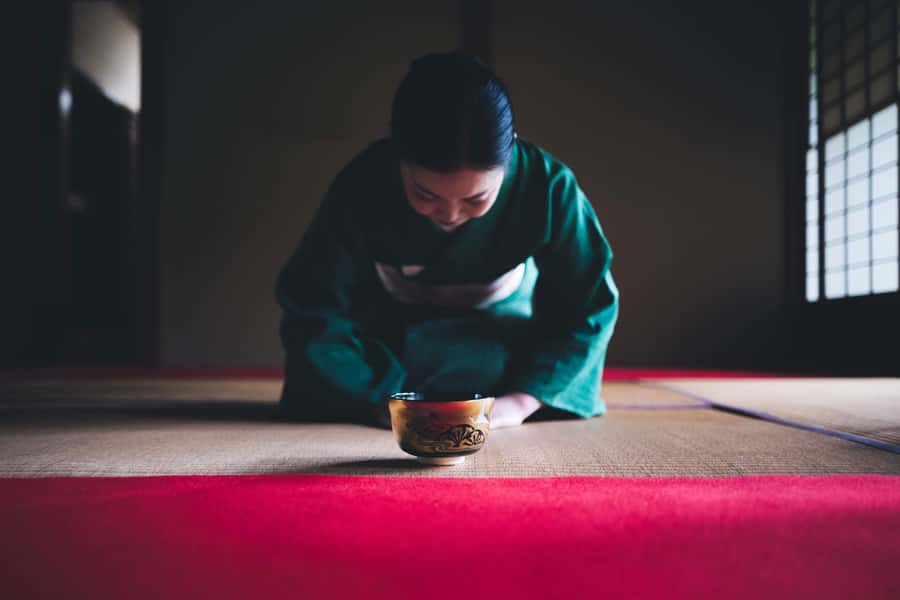
Traditional tea rooms often raise one concern: sitting on the floor. Camellia provides chairs and tables for people who find floor seating difficult. You should mention any special requirements before arrival so the operator can prepare appropriately.
The teahouse is wheelchair accessible, and a toilet is available. Guides and translators may join as an additional person without charge. This is useful if someone in your party needs language support or if you are traveling with a professional guide.
There is one parking space for the duration of the ceremony. Public transportation to central Kyoto is a short walk away, and the operator can arrange a taxi if you ask upon arrival.
The activity is offered in English. No kimono is included, so you should think of this as a tea and architecture experience rather than a costume activity. Meals are not included either. The sweets are substantial enough to accompany the tea, but they do not replace lunch.
The experience offers free cancellation up to 24 hours in advance, and you can reserve now and pay later. Those terms are helpful when your Kyoto schedule depends on weather, temple hours, or changing train plans.
Who will enjoy this most
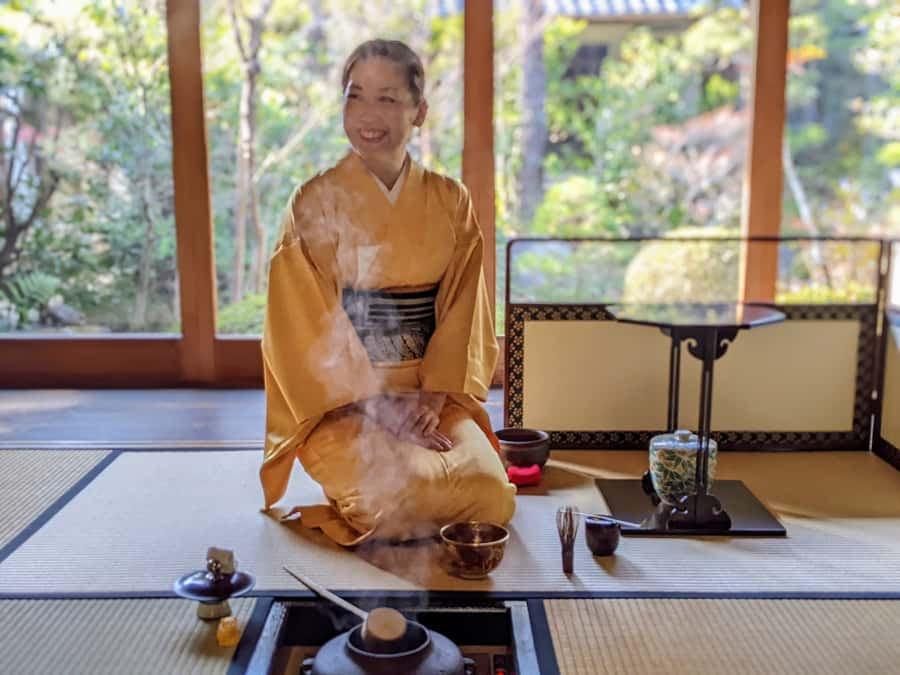
I would recommend this experience to anyone who wants a quiet cultural hour rather than another packed sightseeing stop. It suits first-time visitors who want an understandable introduction to tea ceremony, as well as returning visitors looking for a slower side of Kyoto.
It is a good match for:
- Couples seeking a private activity
- Families who want a hands-on cultural experience
- Visitors staying near western Kyoto
- People combining tea ceremony with Ryoan-ji, Ninna-ji, or Kinkaku-ji
- Anyone who prefers chairs to floor seating
- Visitors with vegan, gluten-free, or nut-free dietary needs
It may not suit you if you want a full kimono experience, a meal, or several hours of instruction. The activity is compact and focused. You will see a ceremony, learn about its background, taste a seasonal sweet, and make matcha yourself. That is enough for a memorable introduction, but not a full course in Japanese tea.
The consistently strong rating of 4.9 from 61 ratings fits the experience’s main strengths: the setting, the calm pace, the personal attention, and the instructor’s clear cultural explanations. The most useful lesson for you is simple: this works because the ceremony feels cared for, not rushed.
Should you book Camellia Tea Ceremony?

Book it if you value privacy, a traditional house, and a garden view more than a bargain price. The setting across from Ryoan-ji makes it easy to combine with several of Kyoto’s best-known temples, while the one-hour length keeps it manageable in a busy itinerary.
You should also book if you want to do more than watch. Making your own bowl of matcha gives the visit a personal finish, and the English instruction helps you understand why the ceremony unfolds as it does.
Skip it if your main aim is simply to drink matcha as cheaply as possible, or if you want kimono rental and a longer cultural program. For everyone else, this is a calm, polished way to spend an hour in Kyoto, with enough explanation to make the ritual meaningful and enough hands-on activity to keep it from feeling like a formal show.
FAQ
How long does the tea ceremony last?
The experience lasts one hour.
Where is Camellia Tea Ceremony located?
It is across the road from Ryoan-ji temple. From the Ryoan-ji Mae Bus Stop, follow the small path slightly downhill to the residential street. The house is the first one on the right, behind a high wall.
Can I reach the teahouse by train?
Yes. The teahouse is less than a 10-minute walk from Ryōanji-eki station on the Keifuku Randen line.
Is the experience private?
Yes. Your private group has the house to itself during the experience.
Is the tea ceremony conducted in English?
Yes. The instructor speaks English.
Can I sit on a chair instead of the floor?
Yes. Chairs and tables are available for people who find floor seating difficult.
Are the sweets suitable for special diets?
The included seasonal sweets are vegan, gluten-free, and nut-free. Contact the operator in advance if you have additional requirements.
Newly planted garden visits around Kyoto
- Kyoto-Nara Adventures Private Tour With Hotel Pick Up★ 4.0 · 5 reviews
- Stunning Private Tea Ceremony: Camellia Garden Teahouse★ 5.0 · 28 reviews
- Kyoto: Kinkaku-ji Temple & Serene Garden Guided Tour with Tickets★ 5.0 · 9 reviews
- Guided Kyoto City Cherry Blossom One Day Private Tour★ 5.0 · 16 reviews
- Kyoto Hidden Treasures: Special Temple & Garden Access Tour★ 4.5 · 25 reviews
- The Art of Mindful Living: Tea Ceremony in Kyoto★ 5.0 · 16 reviews
- Kyoto ITALIAN GUIDE Golden Pagoda Bamboo Forest Dry Garden★ 4.0 · 2 reviews
- Kyoto Japanese Garden Lover’s Private Tour with Government-Licensed Guide★ 4.5 · 10 reviews
Japan Garden Tours, bed by bed.

Imperial Palace East Garden and Edo Castle Walking Tour in Tokyo
Read our review →
Mt. Fuji Day Trip from Tokyo with English Speaking Driver Guide
Read our review →
Kyoto Zen Meditation & Garden Tour at a Zen Temple with Lunch
Read our review →
Kyoto Arashiyama Bamboo forest & Garden Half-Day Walking Tour
Read our review →
Tokyo: Imperial Palace East Gardens Walking Tour
Read our review →
Kyoto Kiyomizu Tea Ceremony with Scenic Garden Views
Read our review →Lists this garden visit belongs to