
Review · TOKYO
Tokyo: Meiji Jingu Shrine & Inner Garden Guided Tour (2h)
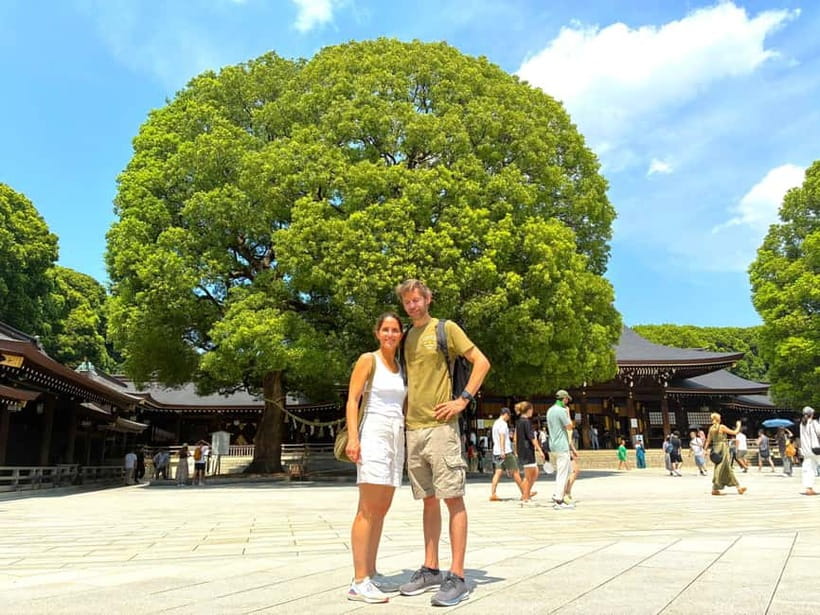
Meiji Jingu is one of Tokyo’s best places to slow down. This two-hour walk leads you from the first torii through the forest to the shrine, then into Shinen Garden for the South Pond and, if time permits, Kiyomasa’s Well. I like the hands-on rituals, especially learning the correct way to wash and pray, and I like that the garden entrance fee, fortune, and other experience costs are already covered.
The main consideration is pace. Two hours is enough for a focused introduction, but not enough for a leisurely look at every corner of the shrine grounds. The garden visit may also be shortened if the first part takes longer than planned, so this tour suits you best if you want guidance and cultural context rather than a completely unhurried solo walk.
Key points to know before you book
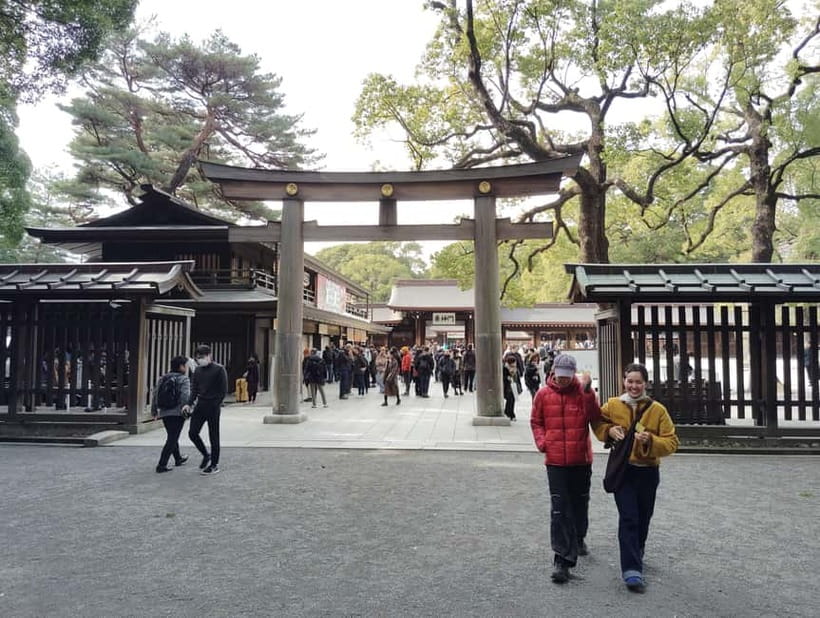
- Start at the first torii: Meet in front of Meiji Jingu’s Ichinotorii, where your guide holds a yellow DeepExperience sign.
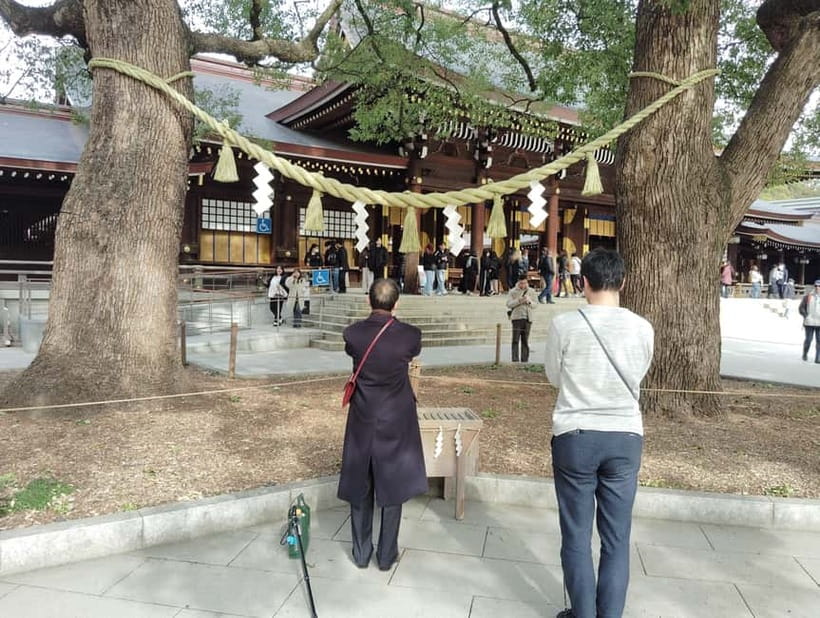
- Learn the ritual, not just the route: You’ll be shown how to wash your hands and how to pray at the shrine.
- Walk through the Eternal Forest: The sake barrel stop adds context and gives you a good early photo pause.
- Garden access is included: Your $48 covers entry to Shinen Garden, the omikuji fortune, and other listed experience fees.
- Guides bring different strengths: Minoru, Kai, Kyo, and Takashi have led recent tours, with an emphasis on culture, history, and easy conversation.
- Small groups or private tours are available: That can make it easier to ask questions and keep the visit at a comfortable pace.
Why Meiji Jingu works so well with a guide
Meiji Jingu gives you two very different impressions of Tokyo at once. You begin near busy Harajuku, then pass under the torii and enter a broad wooded setting where the city noise feels far away. The point is not simply to tick off a famous shrine. It is to notice how the approach, the rituals, the offerings, and the garden fit together.
A guide helps because shrine customs are easy to watch without understanding. You might see people washing their hands, bowing, or placing an offering, but still be unsure what to do yourself. Here, the guide explains the order and meaning of the gestures before you try them.
I especially like the balance between explanation and action. You are not expected to stand still while someone gives a long lecture. You learn a little, walk a little, stop for a ritual or a photo, then continue.
The English-speaking guides named for this experience include Minoru, Kai, Kyo, and Takashi. Their styles may differ, but the strongest thread is personal explanation. Minoru is associated with detailed anecdotes, while Kyo has brought contemporary context to Japanese culture and religious practice. Takashi is noted for historical background, and Kai for a friendly explanation of both the shrine and Japanese culture.
Because this is offered as a private or small-group tour, you can usually expect a more conversational visit than a large coach excursion. The exact group size is not specified, so check the available option before booking if that matters to you.
Two-hour garden walks around Tokyo:
- Bangkok: 2-Hour Dinner & Shows on White Orchid River Cruise
★ 3.9 · 897 reviews - Athens: National Garden 2-Hour Segway Tour
★ 5.0 · 10 reviews - 2-Hour Guided Tour of Alhambra Gardens and Alcazaba in Granada
★ 5.0 · 8 reviews
Starting beneath the first torii
The meeting point is in front of Meiji Jingu’s first torii, called Ichinotorii. Your guide will be holding a yellow sign with the DeepExperience logo. This is a useful arrangement because the first torii is a clear landmark, but you should still allow enough time to reach it and find the correct side of the entrance.
The tour opens with a short introduction to the route. That first briefing matters more than it may seem. Meiji Jingu is large, and the first part of the visit sets up the difference between the approach through the forest, the formal shrine area, and the garden section.
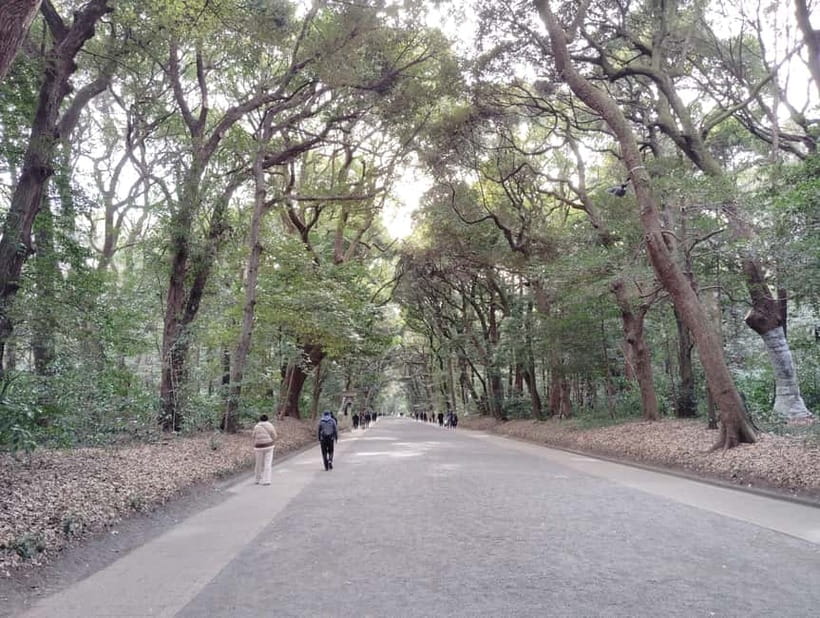
You begin walking beneath tall trees toward the shrine. The forest is one of the experience’s main pleasures, not just a passage between stops. Sunlight filters through the branches, and the pace gives you a clean break from Tokyo’s streets.
This is also the point where you should settle into the walking rhythm. The tour lasts two hours, and there are two main guided sections of about an hour each. Wear comfortable shoes and keep your camera ready, but do not let photography crowd out the quieter parts of the walk.
Sake barrels and the Eternal Forest
One of the first stops is the sake barrel offering area. The barrels make a memorable photo, but the guide adds the useful part: an explanation of the Eternal Forest and the way this wooded setting relates to the shrine.
The stop gives you a visual introduction to the relationship between offerings, place, and ceremony. Instead of seeing the barrels as decorative objects, you get a reason to look at them and understand why they are displayed here.
There is time for photos, so this is a good place to take a few before the more formal shrine visit. You may also find that the guide’s explanation gives you a better eye for details you would otherwise pass without noticing.
I like this early stop because it eases you into the experience. You are not rushed straight toward the main building. You first learn to pay attention to the setting and the objects connected with the shrine.
The phrase Eternal Forest also helps explain the feeling of the walk. The tour presents Meiji Jingu as a wooded place with a calm atmosphere, not merely a religious building surrounded by Tokyo. That change in mood is one of the reasons the visit works well early in a sightseeing day.
The handwashing ritual at the grand torii
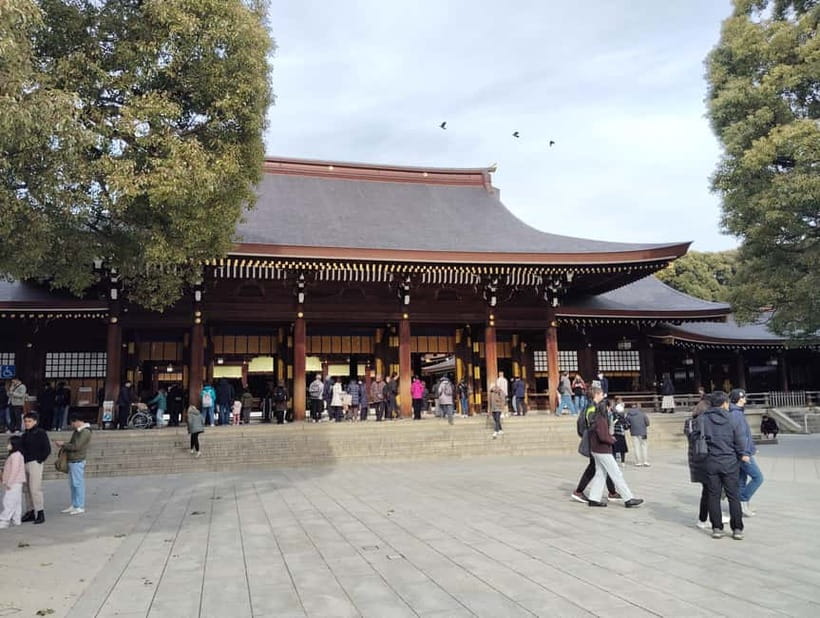
From the sake barrels, you continue to the grand torii and then toward Meiji Jingu Shrine. Before entering the shrine area, you have the chance to take part in the traditional handwashing ritual.
For many people, this is the most useful part of the tour. You receive direct instruction rather than trying to copy strangers from a distance. The guide shows you the proper sequence and explains how the ritual prepares you to enter the sacred space.
The pace here should feel deliberate. This is not a performance or a quick photo opportunity. It is a small act that asks you to pause, clean your hands, and shift your attention before praying.
If you have visited shrines on your own, you may already know some of the basic steps. Even then, a guide can help you feel more at ease and avoid the uncertainty that comes with an unfamiliar custom.
The tour also gives you time to take in the grand torii and the wooded approach. That combination is important. The gate marks a change in setting, while the forest keeps the shrine visit from feeling like a single building stop.
More gardens worth a morning in Tokyo:
- Imperial Palace East Garden and Edo Castle Walking Tour in Tokyo
★ 5.0 · 510 reviews - Tokyo: Imperial Palace East Gardens Walking Tour
★ 4.8 · 353 reviews - Mt. Fuji, Cherry Blossom & Shiba Sakura Pvt. Day Tour
★ 5.0 · 326 reviews - Tokyo: Edo Castle & East Garden of the Imperial Palace Tour
★ 4.7 · 112 reviews
Learning how to pray at Meiji Jingu
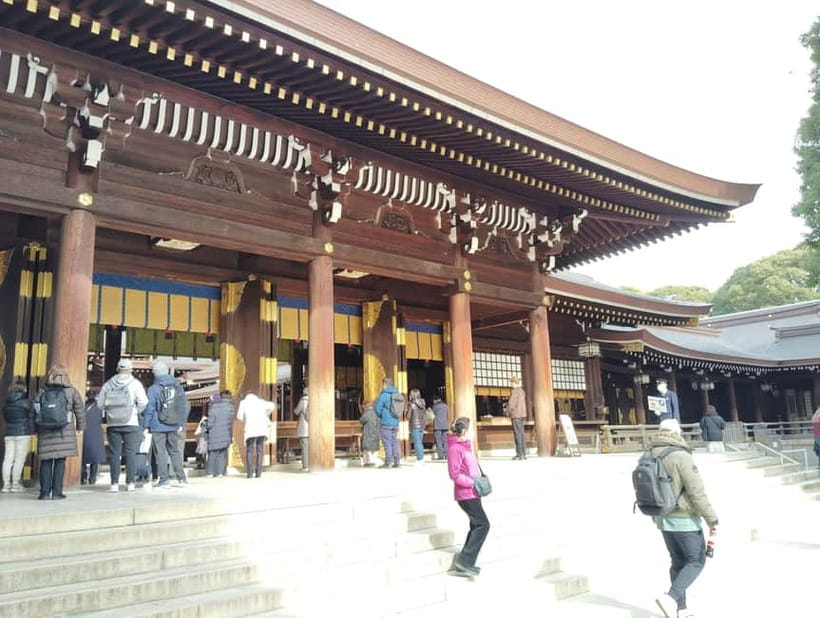
At the shrine, your guide explains how to pray. You can then try the process yourself and take a quiet moment for reflection.
I value this part because it gives structure to the visit without telling you what to feel. You are shown what to do, then given room to have your own response. Some people will approach the ritual as a religious act, while others will see it as a respectful cultural experience. The tour allows for both approaches.
The guide also provides historical and cultural background. This is where the different guide styles can make a difference. Takashi, for example, is associated with detailed historical explanation, while Kyo has connected shrine customs with contemporary Japanese life. A guide who can move between those two angles helps the visit feel relevant rather than frozen in the past.
The shrine stop takes about an hour as part of the overall route, including the approach and nearby experiences. Do not expect a long private meditation. The value is in learning the custom, understanding the setting, and having enough time to look carefully before the tour moves on.
Omikuji, charms, and a little good fortune
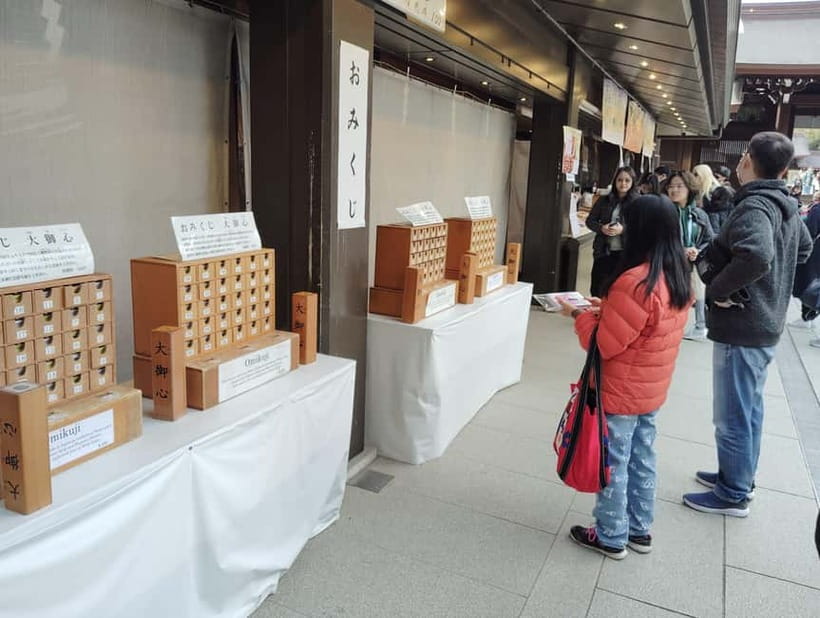
After the prayer experience, the tour includes a fun fortune-telling activity through omikuji. This is one of the lighter moments in the program and provides a change of mood after the more reflective shrine visit.
The omikuji experience is included in the price. If you would like, you can also receive a protective charm, though the details of any additional purchase are not specified. The important point is that the tour gives you a chance to take part rather than simply watch others.
Your guide can help explain what the fortune means and how it fits into the wider shrine experience. That makes the activity more useful than drawing a paper slip without context.
Still, keep your expectations sensible. This is a cultural encounter and a bit of fun, not a personal prediction service. The charm is optional, and you should feel no pressure to buy anything beyond what is included.
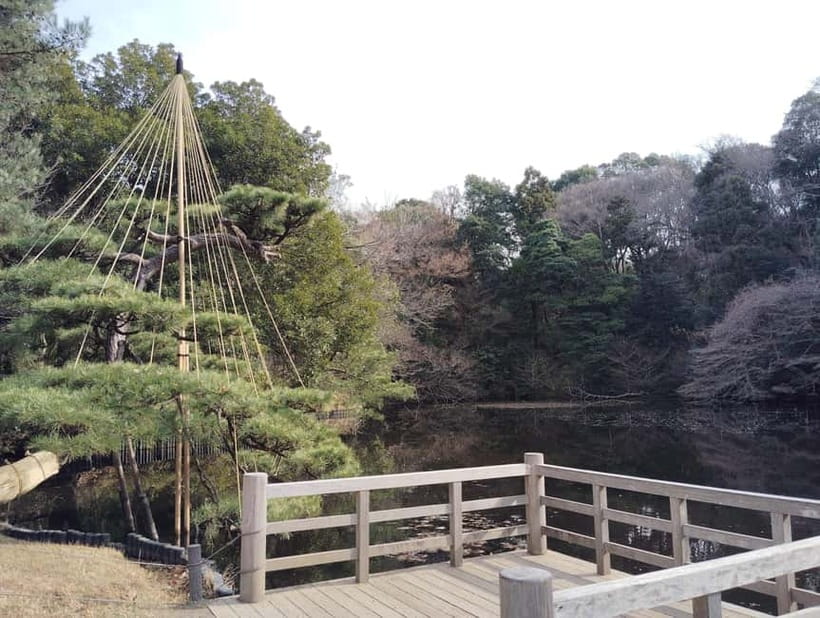
Shinen Garden and the South Pond
The final major section leads into Meiji Jingu Garden, also called Shinen Garden. Entry is included, which improves the value of the $48 price because you are not paying separately for the garden after booking the tour.
The garden changes the mood again. The shrine area gives you formal architecture and ritual, while the garden offers a slower look at water, trees, and paths. The tour focuses on the South Pond, a peaceful place to pause and take in the natural setting.
The guide keeps the visit tied to the larger theme of Japanese spirituality. You are not simply walking through a park after the shrine. The garden gives you another way to notice quiet, seasonal atmosphere, and the connection between religious places and nature.
Time is the key limitation here. The advertised route allows roughly one hour for the garden and related stops, but the exact time at the South Pond depends on how the earlier part goes. If you take many photos, ask detailed questions, or move slowly through the shrine area, the garden portion may feel more compact.
That is not a reason to avoid the tour. It simply means you should decide what matters most before you start. If Kiyomasa’s Well is a priority, tell your guide early and keep the first stops moving at a comfortable pace.
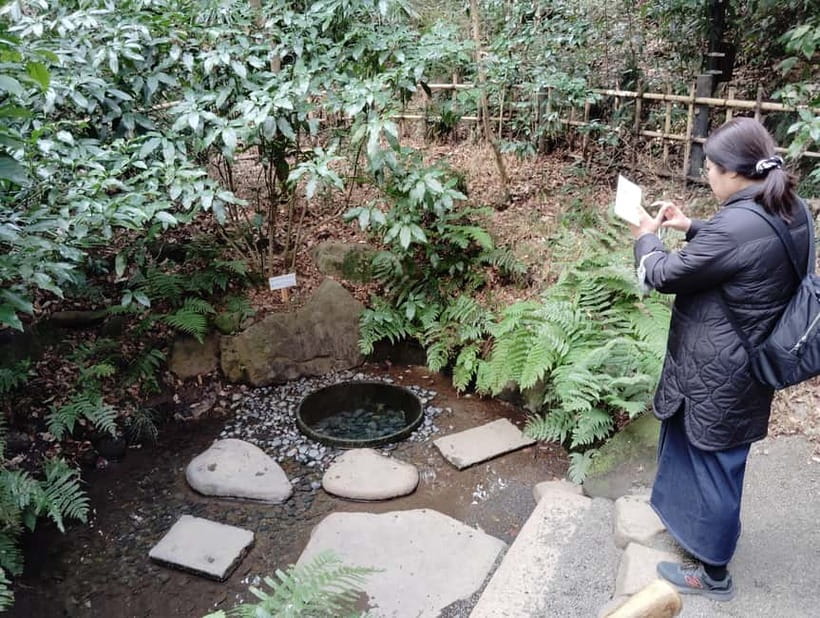
Kiyomasa’s Well, if time allows
Kiyomasa’s Well is an optional final stop, dependent on time. The tour description does not promise a visit on every departure, so treat it as a bonus rather than the central reason to book.
This is one place where a small group or private format may help. A guide can explain the timing and adjust the route when possible. You should still avoid assuming that the well will be reached, especially if the group spends longer at the shrine, fortune-telling activity, or South Pond.
The uncertainty is worth noting because some visitors prefer a fixed checklist. This tour has a planned shape, but it also leaves room for the actual pace of the group. If you want every stop at full length, an independent visit with more time may suit you better.
What $48 includes and what it leaves out
At $48 per person, the tour is priced as a guided cultural visit rather than a basic walk around a shrine. The fee includes the guide, entrance to Meiji Jingu Garden, omikuji, and other listed experience fees. That matters because the garden and hands-on elements are part of what makes this more than a simple orientation stroll.
You do not have to arrange private transportation. The tour begins and ends at the first torii, so transport between attractions is not part of the package. Food and drinks are also not included.
I consider the price fair if you want help with customs and context. A self-guided visit can show you the same gates and forest, but it may not explain the handwashing ritual, prayer method, sake barrels, Eternal Forest, or the role of the garden in the experience.
The value is less clear if you already know shrine etiquette and mainly want to wander at your own speed. In that case, the two-hour structure may feel restrictive, and you would be paying for interpretation you may not need.
Who will get the most from this walk
I would recommend this tour to first-time visitors to Meiji Jingu, especially anyone unsure about shrine etiquette. It is also a good fit if you want a calm break from Tokyo’s denser streets without giving up a guided cultural experience.
Families and mixed-age groups may appreciate the variety. There is a forest walk, photo stop, ritual, prayer lesson, fortune-telling, and garden visit. The program does not depend on a long lecture, so it gives you several ways to stay engaged.
The tour also suits solo visitors who want someone to explain what they are seeing. Guides such as Kyo have brought a contemporary view of Japanese culture, which can help connect the shrine visit with the rest of your time in Japan.
I would be more cautious about booking if you need a completely private pace but are considering a standard small-group option. Confirm the group format before paying. I would also think twice if the garden and Kiyomasa’s Well are your only goals, since the route begins with a substantial shrine visit and the well is not guaranteed.
Free cancellation up to 24 hours before the start and reserve-now, pay-later booking make the activity easier to fit into a changing Tokyo schedule. Starting times vary, so check availability for the day you want.
Should you book Meiji Jingu with a guide?
Book it if you want to understand what you are doing, not just see where you are walking. The handwashing ritual, prayer lesson, omikuji, sake barrel stop, and South Pond give the visit a good mix of meaning and light activity.
The strongest reason to choose it is the human explanation. Minoru, Kai, Kyo, and Takashi have each brought a friendly, personal approach, with cultural background, anecdotes, and contemporary connections. Your exact guide will shape the experience, but the format is built for questions and conversation.
Skip it if you prefer a loose solo stroll or already feel comfortable with shrine customs. For everyone else, $48 is a reasonable price for a focused two-hour introduction to one of Tokyo’s most peaceful places, with garden admission and the key hands-on experiences already covered.
FAQ
How long does the Meiji Jingu guided tour last?
The tour lasts two hours.
Where does the tour begin?
It begins in front of Ichinotorii, the first torii of Meiji Jingu Shrine.
How do I find the guide?
The guide will be holding a yellow sign with the DeepExperience logo.
Where does the tour finish?
The tour returns to the first torii, Ichinotorii.
Is the tour offered in English?
Yes. An in-person English-speaking guide is included. Japanese is also listed among the guide languages.
Is the Meiji Jingu Garden entrance fee included?
Yes. Entrance to Meiji Jingu Garden is included in the tour price.
Is the omikuji fortune included?
Yes. The omikuji and other listed experience fees are included.
Will I learn how to pray at Meiji Jingu?
Yes. The guide explains the proper way to pray and gives you time for reflection.
Is Kiyomasa’s Well guaranteed?
No. The visit to Kiyomasa’s Well depends on available time.
Can I cancel for a full refund?
Yes. You can cancel up to 24 hours in advance for a full refund.
Can I reserve now and pay later?
Yes. The activity offers reserve-now, pay-later booking.
Newly planted garden visits around Tokyo
- Tokyo Summer: Mt Fuji 5th Station& Kawaguchiko Lavender Trip★ 3.5 · 4 reviews
- Tokyo: Tsukiji Market and Hama-rikyu Gardens Guided Tour★ 4.8 · 73 reviews
- Tokyo: Pvt. Tour – Edo Castle & Imperial Palace East Gardens★ 4.8 · 63 reviews
- Tokyo: Mount Fuji Tour and Hakone Sakura Cherry Blossom Trip★ 5.0 · 4 reviews
- Tokyo: Full-Day Japanese Garden Private Guided Tour★ 4.6 · 13 reviews
- Tokyo: Kimono Rental inside Shinjuku Gyoen National Garden★ 4.9 · 39 reviews
- Tokyo: Hama-rikyu Gardens tour with Japanese Tea & Sweets★ 4.7 · 14 reviews
- Tokyo: Izu Scenic Train, Volcano, Ocean&Capybara Cuddle Trip★ 3.2 · 6 reviews
Japan Garden Tours, bed by bed.

Imperial Palace East Garden and Edo Castle Walking Tour in Tokyo
Read our review →
Mt. Fuji Day Trip from Tokyo with English Speaking Driver Guide
Read our review →
Kyoto Zen Meditation & Garden Tour at a Zen Temple with Lunch
Read our review →
Kyoto Arashiyama Bamboo forest & Garden Half-Day Walking Tour
Read our review →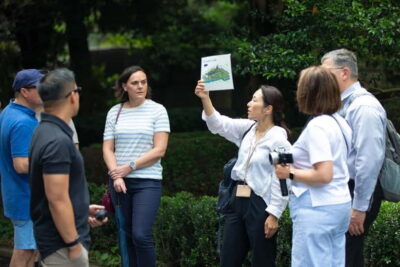
Tokyo: Imperial Palace East Gardens Walking Tour
Read our review →
Kyoto Kiyomizu Tea Ceremony with Scenic Garden Views
Read our review →Lists this garden visit belongs to