
Review · TOKYO
Tokyo: Edo Castle Ruins & Imperial Palace East Garden Tour
Tokyo’s Imperial Palace hides a surprising amount of samurai history in plain sight. On this two-hour walk, you pass through the old gates of Edo Castle, trace the defenses that once protected the shogun, and finish among carefully kept gardens and koi ponds. The palace still serves as the Imperial Family’s home, so the public route focuses on the former castle grounds rather than the inner palace.
I like the way the tour connects small surviving structures with the larger story of Edo Castle. I also like the modest price of $37, especially when an English-speaking guide helps you understand places that could otherwise look like stone walls, gates, and lawns. The main caution is that the quality depends on your guide: Isao and Mari have been praised for warmth and patient answers, but one quiet tour felt little more than a park walk.
Key points to know before you go
- Start at Wadakura Free Rest Area: Meet outside the entrance, where your guide will hold a yellow sign.
- Follow the samurai route: Otemon Gate, the Ote-San’no Gate Ruins, Doshin Bansho, and Hyakunin Bansho show how castle security worked.
- See the old castle center: The Honmaru site, Tenshu-dai, and keep restoration model explain the scale of Edo Castle.
- Enjoy Ninomaru Garden: The garden offers a quieter finish, with a pond where you can see koi fish.
- Expect gardens, not palace rooms: You cannot enter the Imperial Palace’s inner grounds or palace buildings.
- Plan for a walking tour: Wear comfortable shoes, bring water and a camera, and note that the route is not suitable for wheelchair users or people with mobility impairments.
Why Edo Castle ruins matter in modern Tokyo
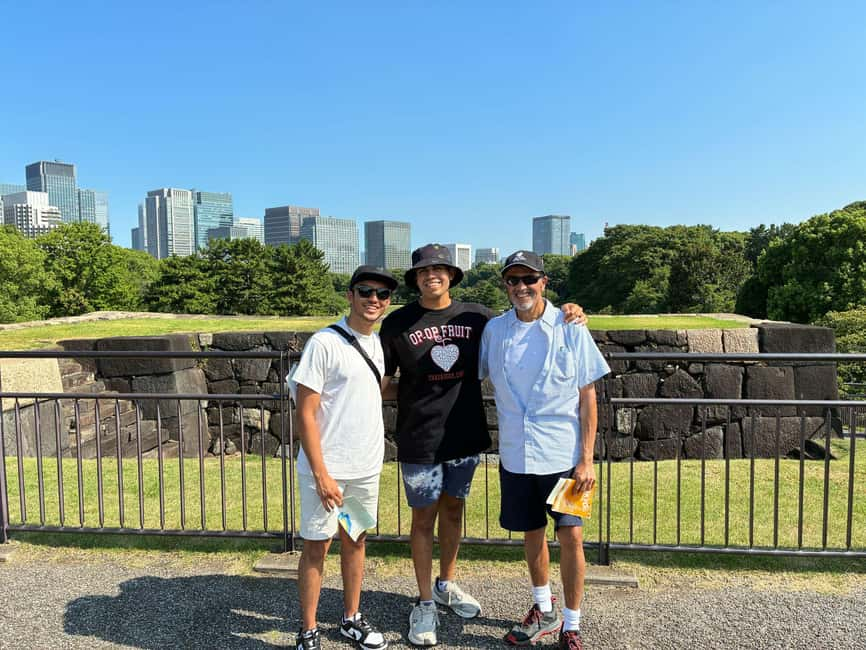
Today, Tokyo’s Imperial Palace grounds can feel calm and formal. But under those broad paths and clipped gardens lies the heart of old Edo, the city ruled by the shoguns for more than two centuries. Edo Castle was not simply a residence. It was a fortified political center, surrounded by moats, guarded gates, military posts, and layers of restricted access.
That context is the main reason to take this tour with a guide. A casual walk can show you a moat and a stone wall. A good guide explains why the gates were arranged as they were, who passed through them, and how the castle’s defenses controlled movement.
The tour also helps you separate two eras that are easy to blur together. Edo Castle belonged to the shoguns. The Imperial Palace represents Japan’s imperial household. The grounds overlap, but the story changed when the shogunate ended and the emperor moved into the former castle site.
You will not enter the private palace buildings. That is important to understand before booking. This is an outdoor history walk through the former castle grounds, with gardens, ruins, gates, and models doing the explaining.
More gardens worth a morning in Tokyo:
- Imperial Palace East Garden and Edo Castle Walking Tour in Tokyo
★ 5.0 · 510 reviews - Tokyo: Imperial Palace East Gardens Walking Tour
★ 4.8 · 353 reviews - Mt. Fuji, Cherry Blossom & Shiba Sakura Pvt. Day Tour
★ 5.0 · 326 reviews
Meeting at Wadakura Fountain and Moat
Your meeting point is outside the Wadakura Free Rest Area. Look for the guide holding a yellow sign. Starting indoors or beside an indoor rest area is useful in a city where meeting points can otherwise be hard to spot, though you should still allow enough time to identify the correct entrance.
The first stop is Wadakura Fountain National Park. The fountain was built to commemorate a royal wedding, giving your guide a natural way to introduce the modern Imperial family and the ceremonial role of the surrounding grounds. It is a short stop, about ten minutes, but it helps set the tone before the tour turns toward older castle history.
The route then passes the Wadakura Moat. This is a brief five-minute explanation, yet the moat makes the defensive plan easier to picture. Edo Castle was protected by water, stone, gates, and controlled passage. The moat is not just scenery. It is part of the reason the castle was so difficult to approach.
This opening section is also a practical test of your guide. The strongest guides, including Mari and Isao according to the information available, use these early stops to answer questions and build a clear story. If you prefer a fast-moving walk with little commentary, you may find the short explanations enough. If you want a detailed account of palace politics, ask questions early.
Otemon Gate and the layered castle defenses
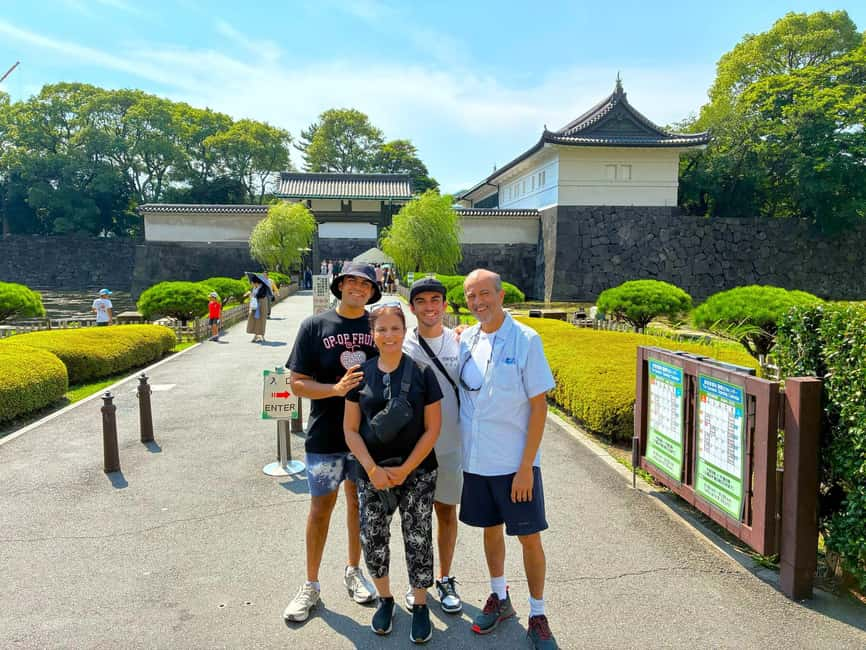
Otemon Gate is one of the tour’s most impressive first sights. It was the main entrance to Edo Castle, and its scale helps you picture a place designed for control and ceremony. The approach was not a simple walk from street to residence. Visitors moved through a series of barriers, checkpoints, and guard posts.
From Otemon, the tour continues to the Ote-San’no Gate Ruins. The remains are less visually complete than a standing gate, but they help explain how the castle’s entrance system worked. A guide can point out the sequence of gates and the strategic logic behind them.
Doshin Bansho and Hyakunin Bansho bring the samurai story down to human scale. These guardhouses were part of the system that watched movement through the castle. The names may sound technical, but the basic idea is easy to grasp: officers and guards were stationed at key points, and entry was carefully controlled.
Hyakunin Bansho is especially useful for imagining the number of people required to protect a castle of this size. Rather than thinking only about famous shoguns, you get a glimpse of the working military machine beneath them. The tour does not just point at architecture. It shows how power was enforced through gates, guards, and restricted access.
The drawback is that some of these stops are ruins or modest structures. If you expect restored interiors, displays, or a large museum-style presentation, you may find the experience spare. Its value comes from explanation and setting, not from a long list of objects behind glass.
Edo Castle’s Honmaru and the missing main hall
The central section reaches the Edo Castle ruins and the site of the Honmaru, or main hall area. The Honmaru was the castle’s principal inner compound, where major political and residential functions were concentrated.
Much of the original castle is gone. That absence is part of the experience, but it can also leave you wondering what you are looking at. The guide’s role matters here. With good commentary, the open ground becomes a place where you can picture the castle’s former size and importance. Without it, the area may feel like a broad park with scattered traces.
This is where the tour’s historical focus either works for you or does not. Some people want a straightforward walk through attractive grounds. Others want dates, architecture, and stories about shoguns and emperors. The available feedback includes both reactions: Isao was praised for answering questions, and another guide was described as passionate and willing to spend extra time on palace and national history. A separate experience was criticized for having almost no explanation.
That variation is worth taking seriously. A private or small-group option gives you a better chance to ask for more detail, but it cannot guarantee the same guide style. If Edo-period politics is a major reason you are booking, prepare a few questions about the Honmaru, castle defenses, and the transition from shogun rule to imperial rule.
Same season, a different set of beds:
- Mt. Fuji Day Trip from Tokyo with English Speaking Driver Guide
★ 5.0 · 443 reviews - Tokyo: Edo Castle & East Garden of the Imperial Palace Tour
★ 4.7 · 112 reviews - Tokyo: Rainbow Bridge Day Cruise Show and Only Soft Drinks
★ 4.5 · 75 reviews - Tokyo: Tsukiji Market and Hama-rikyu Gardens Guided Tour
★ 4.8 · 73 reviews
The Tenshu-dai and the castle keep model
The Tenshu-dai is the former base of Edo Castle’s main keep. The keep itself no longer survives, but the stone platform offers a useful sense of its former presence and provides panoramic views over the surrounding area.
Do not expect a tall observation tower. The view is valuable because it places the old castle within present-day Tokyo. From here, you can see how the former stronghold sits beside the modern capital, with formal gardens and city structures sharing the same horizon.
The nearby castle keep restoration model fills in what the ruins cannot. A model gives you the vertical scale and rooflines that are missing from the site itself. It is one of the more useful stops for anyone who struggles to reconstruct large buildings from foundations alone.
I find this pairing effective: first you see the physical base, then you see an idea of the completed keep. The model is not the castle, and the tour does not present it as one. It is a visual aid that helps you understand why Edo Castle was such a major symbol of authority.
Trees, Suwa-no-Chaya, and a slower garden pace
The route includes a stop identified as the prefectural trees, followed by Suwa-no-Chaya. These quieter points break up the heavier military and political material.
The prefectural trees give the tour a modern, nationwide angle. You are no longer looking only at the former seat of the shogun. The gardens also represent a broader picture of Japan, with plantings and public spaces that connect the palace grounds to the country as a whole.
Suwa-no-Chaya offers a traditional garden feature within the route. It is a good place to slow down and notice the difference between castle defenses and palace garden design. The tour includes many short stops, so these smaller pauses help keep the two-hour walk from becoming a nonstop sequence of stone walls and historical names.
Still, do not expect a tea ceremony or food stop. Food and drinks are not included, and this is a walking tour rather than a dining experience. Bring your own water, especially if the weather is warm.
Imperial Palace East Gardens and Ninomaru Pond
The Imperial Palace East Gardens are the tour’s most peaceful section. After the gates, guardhouses, and castle foundations, the garden gives you room to breathe. The setting is carefully maintained, but the historical ground beneath it remains central to the experience.
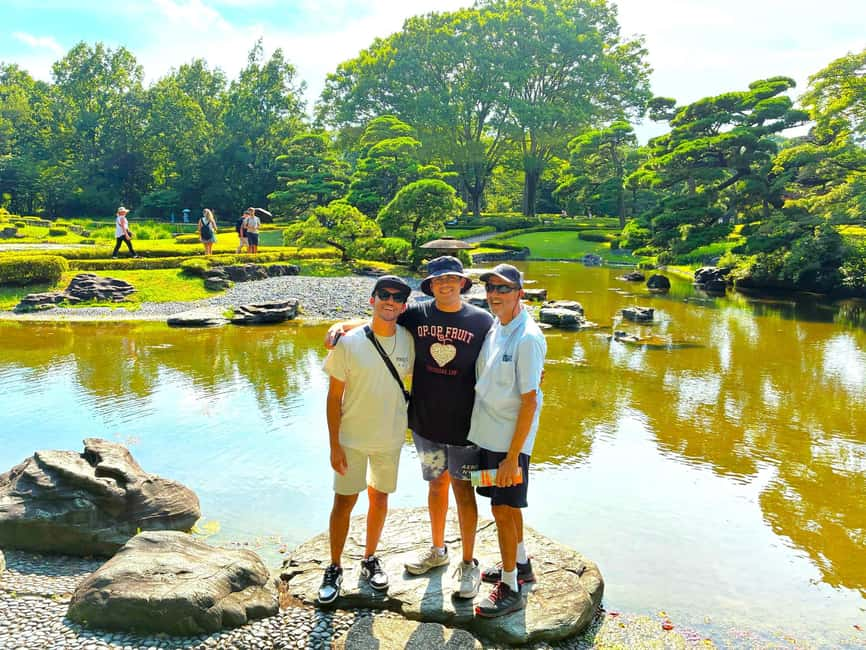
Ninomaru Garden is the highlight for many people who enjoy Japanese garden design. Its pond, koi fish, paths, and planted areas provide a gentle contrast to the hard defensive lines of Edo Castle. I like this part because it lets you enjoy the grounds without needing to identify every stone or date.
Your guide continues walking and explaining, but the mood becomes less military. You can pay attention to small details, take photographs, and enjoy the pond. Flash photography is not allowed, so use natural light and be considerate with your camera.
The garden section lasts about fifteen minutes, which is enough for a taste rather than a long private stroll. If you want extended time for photography or quiet sitting, you may wish to return independently after the tour, subject to garden access and opening conditions. The guided route itself eventually returns to the Wadakura Free Rest Area.
What $37 buys you in two hours
At $37 per person, this tour sits in a reasonable range for a two-hour guided walk in central Tokyo. You are paying for an English-speaking guide, admission to the Edo Castle and Imperial Palace grounds covered by the tour, and a structured route through a major historical site.
The strongest value comes from interpretation. The gates and gardens are available to see, but the guide explains why they matter. If your guide, such as Mari or Isao, gives detailed answers and adds context, the fee can save you from piecing together the site on your own.
The value is less clear if you are comfortable reading signs and exploring independently. One assessment of the experience found that the route could be done alone, and that criticism is fair. The grounds are open, attractive, and not packed with indoor exhibits that require a guide to access.
A private or small-group format may make the price more worthwhile for couples, families with older children, or people who want to ask many questions. The tour is not suitable for children under six, and the route is not suitable for wheelchair users or people with mobility impairments. Comfortable shoes are essential because the experience involves walking between numerous outdoor stops.
The tour lasts two hours, so it works well as a focused morning or afternoon activity. It does not take over your day, and the return to the same meeting area makes it easier to continue sightseeing afterward.
How the guide can shape the experience
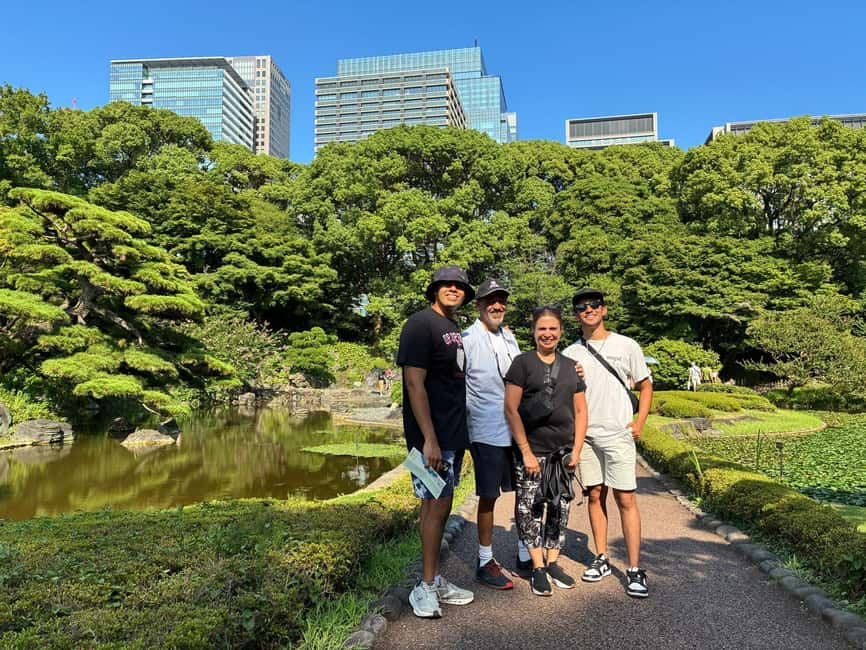
Guide quality is the biggest variable here. Several guide styles are represented in the available feedback. Mari was praised for teaching plenty of information, while Isao was described as friendly, patient, and willing to answer questions. Another guide was praised for passion and for taking extra time with the history of the palace and Japan.
At the same time, one quiet guide offered so little explanation that the experience felt like an ordinary park walk. That does not mean every booking will be the same, but it does tell you how much the tour depends on the person leading it.
You can improve your chances of getting more from the walk by asking direct questions. Ask about the difference between the shogun’s castle and the emperor’s palace. Ask how the gates controlled entry. Ask what happened to the castle keep. A responsive guide has clear openings to build on.
If you prefer complete control over pace, photography, and time in the garden, go independently. If you want a human explanation of the ruins and enjoy a small-group conversation, the tour is the better choice.
Practical details that affect your day
Meet outside the Wadakura Free Rest Area, in front of the entrance, and look for the yellow sign. There is no hotel pickup or drop-off, so you need to make your own way to the meeting point.
Wear comfortable walking shoes and bring water. The route is outdoors, and the experience includes moats, gates, ruins, open grounds, and gardens. Bring a camera, but remember that flash photography and smoking are not allowed.
The tour is conducted in English. Private or small-group options are available. You can cancel up to 24 hours in advance for a full refund, and the reserve-now, pay-later option allows you to hold a place without paying at the time of booking.
The Imperial Palace buildings are not part of the visit. The inner palace grounds are closed to the public because the Imperial Family still resides there. You are visiting the East Gardens and the former Edo Castle area, not the private residence.
Should you book this Edo Castle tour?
Book it if you want a short, guided introduction to Tokyo’s shogun-era center, especially if gates, castle defenses, gardens, and political history interest you. The route covers a lot in two hours, and a strong guide can turn plain ruins into a readable story.
Choose another plan if you mainly want to enter palace rooms, see grand castle interiors, or spend a long time taking photographs in the garden. Those experiences are not offered here. Also think twice if you dislike walking or prefer to explore at your own pace.
For most first-time visitors who want historical context without giving up half a day, $37 is a fair price. Go in expecting an outdoor walk through ruins and gardens, not a palace tour. Ask questions, wear good shoes, and you will give the experience its best chance to deliver.
FAQ
Where does the Edo Castle and Imperial Palace tour start?
The tour starts outside the Wadakura Free Rest Area, in front of the entrance. The guide will be holding a yellow sign.
How long does the tour last?
The guided experience lasts two hours and returns to the Wadakura Free Rest Area.
What language is the tour offered in?
The live tour guide service is offered in English.
Does the tour enter the Imperial Palace buildings?
No. The Imperial Palace’s palace buildings and inner grounds are not open to the public. The tour focuses on the East Gardens and the former Edo Castle ruins.
Is admission included in the price?
Yes. Admission to Edo Castle and the Imperial Palace grounds covered by the tour is included.
Is hotel pickup included?
No. Hotel pickup and drop-off are not included. You must reach the Wadakura Free Rest Area yourself.
What should I bring?
Bring comfortable shoes, water, and a camera. Flash photography and smoking are not allowed.
Is the tour suitable for wheelchair users or young children?
The tour is not suitable for wheelchair users, people with mobility impairments, or children under six years old.
Newly planted garden visits around Tokyo
- Tokyo Summer: Mt Fuji 5th Station& Kawaguchiko Lavender Trip★ 3.5 · 4 reviews
- Tokyo: Tsukiji Market and Hama-rikyu Gardens Guided Tour★ 4.8 · 73 reviews
- Tokyo: Pvt. Tour – Edo Castle & Imperial Palace East Gardens★ 4.8 · 63 reviews
- Tokyo: Mount Fuji Tour and Hakone Sakura Cherry Blossom Trip★ 5.0 · 4 reviews
- Tokyo: Meiji Jingu Shrine & Inner Garden Guided Tour (2h)★ 5.0 · 6 reviews
- Tokyo: Full-Day Japanese Garden Private Guided Tour★ 4.6 · 13 reviews
- Tokyo: Kimono Rental inside Shinjuku Gyoen National Garden★ 4.9 · 39 reviews
- Tokyo: Hama-rikyu Gardens tour with Japanese Tea & Sweets★ 4.7 · 14 reviews
Japan Garden Tours, bed by bed.

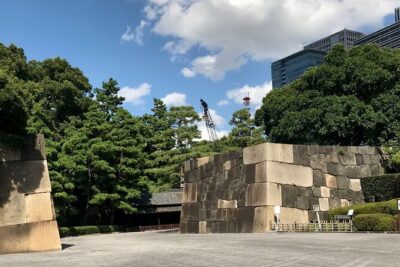
Imperial Palace East Garden and Edo Castle Walking Tour in Tokyo
Read our review →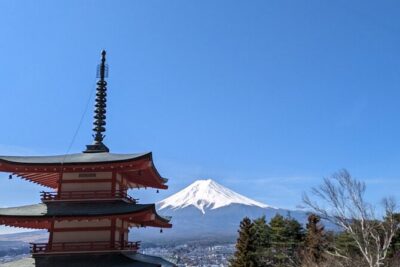
Mt. Fuji Day Trip from Tokyo with English Speaking Driver Guide
Read our review →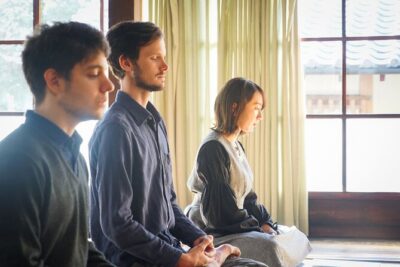
Kyoto Zen Meditation & Garden Tour at a Zen Temple with Lunch
Read our review →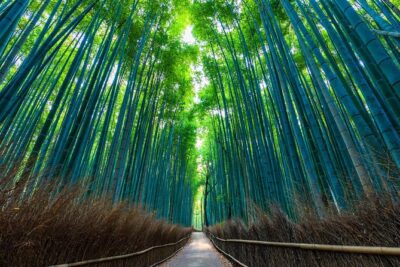
Kyoto Arashiyama Bamboo forest & Garden Half-Day Walking Tour
Read our review →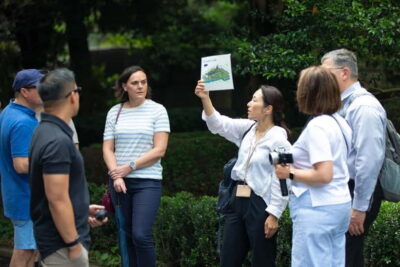
Tokyo: Imperial Palace East Gardens Walking Tour
Read our review →
Kyoto Kiyomizu Tea Ceremony with Scenic Garden Views
Read our review →Lists this garden visit belongs to