
Review · JAPAN
Osaka: teamLab Botanical Garden Entry Ticket
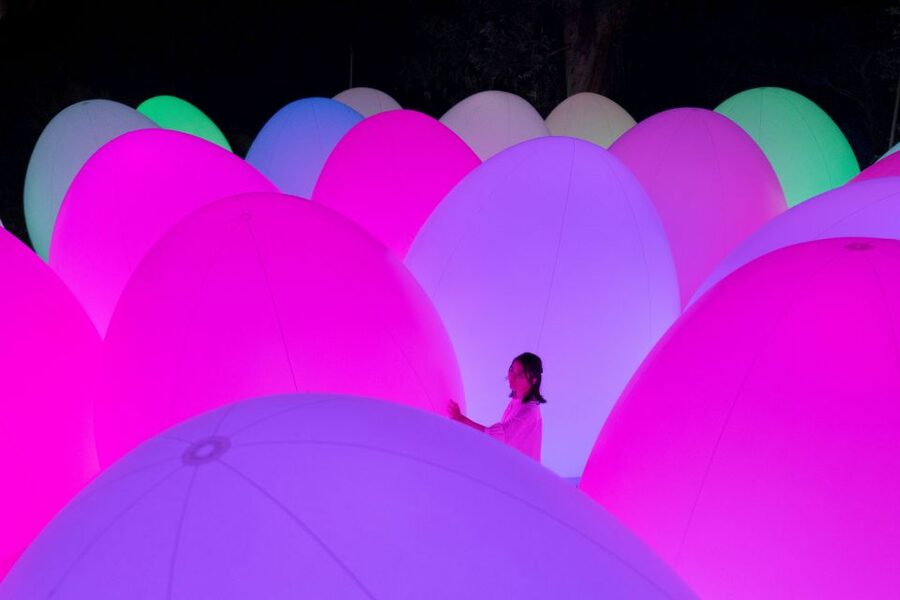
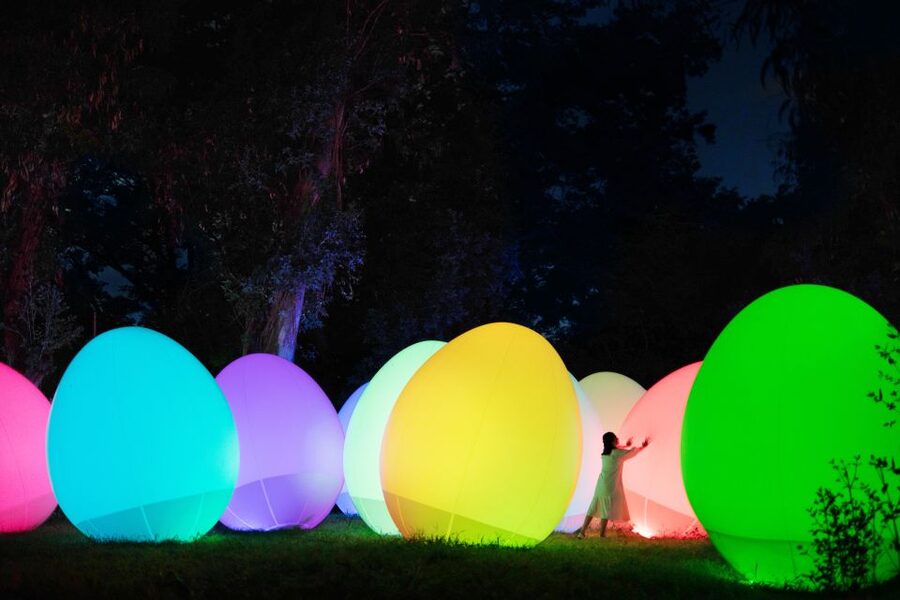
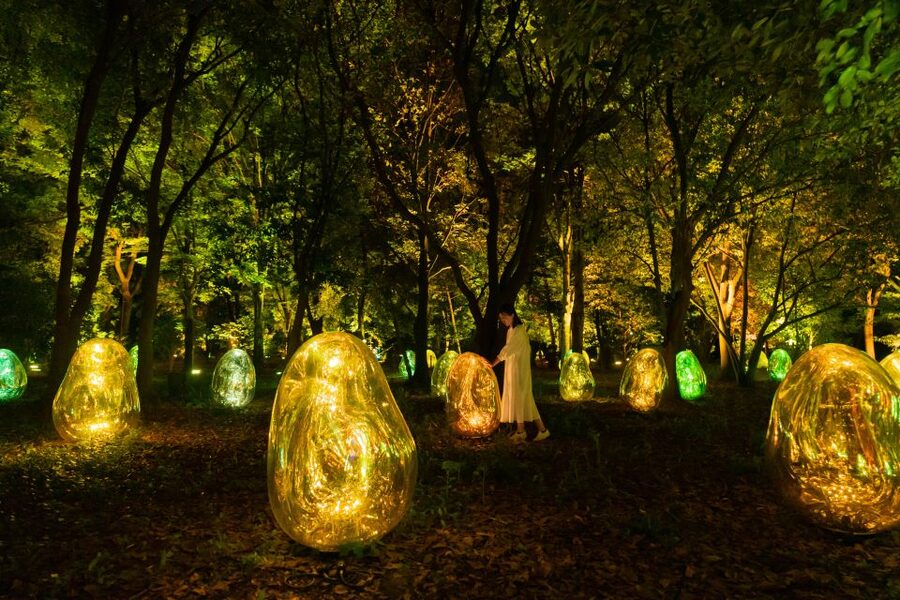
Osaka’s Nagai Botanical Garden changes character after sunset. Among roughly 1,200 plant species, teamLab places glowing eggs, moving lights, projections, and sound installations that react to the garden and to you. I like the contrast between quiet trees and playful digital art, and I like that the $11 ticket gives you an unhurried evening walk rather than a quick indoor exhibit. The central pond is especially peaceful.
The catch is that this is an outdoor experience. Dark paths, tree roots, insects, and weather can affect your evening, and some areas are not brightly lit. There is no café or restaurant inside, re-entry is not allowed, and the walk from the subway can take about 15 minutes. Come prepared, and do not treat this as a direct substitute for teamLab’s larger Tokyo venues.
Key points to know before you go
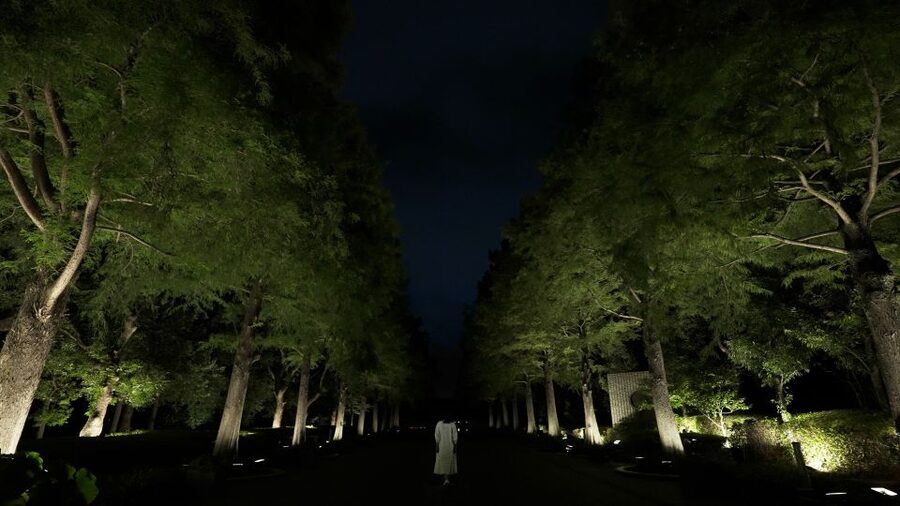
- A 240,000-square-meter night garden: The art is spread through a large botanical garden, so expect plenty of walking rather than a compact gallery visit.
- About 1,200 plant species: You see the garden first as a living collection, then watch light and sound change its mood after dark.
- Interactive outdoor art: Installations respond to people, plants, animals, light, and sound, making your movement part of the display.
- The central pond is a highlight: Reflections, lights, and music give this area a calm, almost dreamlike quality.
- The $11 price is modest: It is good value for an unusual evening in Osaka, especially if you take your time.
- Wear practical clothes: Comfortable shoes, long trousers, a long-sleeved shirt, and insect repellent will make the visit easier.
A botanical garden before it becomes a night artwork
The visit begins at Nagai Botanical Garden, a large public garden in Osaka’s Honshu setting. Its 240,000 square meters give you room to walk among a wide collection of plants, with roughly 1,200 species growing across the grounds.
I like this starting point because the garden is not just a backdrop. You first see it as a place devoted to growing and protecting plant life. That gives the later light displays some context. The digital art is not placed inside a black box, isolated from the natural world. It works around trees, water, flowers, roots, and open paths.
During daylight or the early part of your visit, take time to notice the garden itself. The central pond offers a natural pause, and its calm setting helps you get your bearings before the evening artwork begins. You do not need to rush from one installation to another. The size of the grounds rewards a slower pace.
The garden can feel ordinary in places before full darkness. That is part of the design, but it means the first few displays may seem modest if you expect an instant spectacle. Give the experience time. As the light fades, the installations become easier to read, and the contrast between the dark garden and the glowing artwork grows stronger.
More Botanical Gardens in Japan:
- Blanes: Marimurtra Botanical Garden Entry Ticket
★ 4.7 · 998 reviews - Malta: Mdina, Dingli Cliffs and San Anton Botanical Gardens
★ 4.3 · 991 reviews - Princeville Botanical Gardens Tour and Chocolate Tasting Ticket
★ 5.0 · 774 reviews
How the installations change after sunset
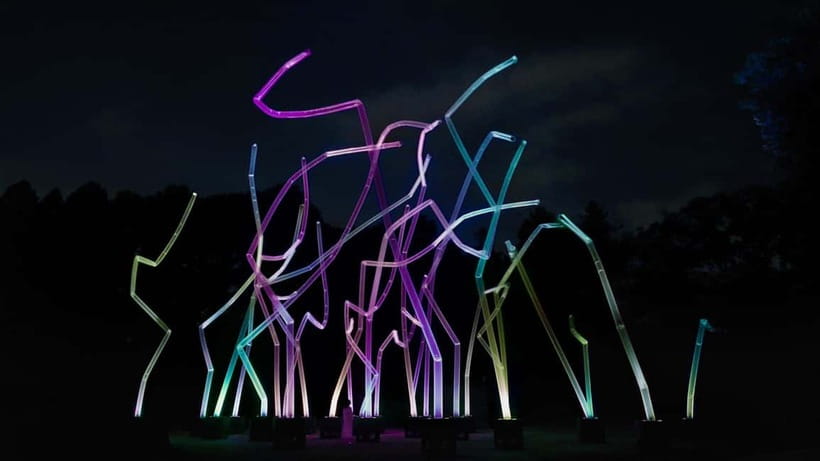
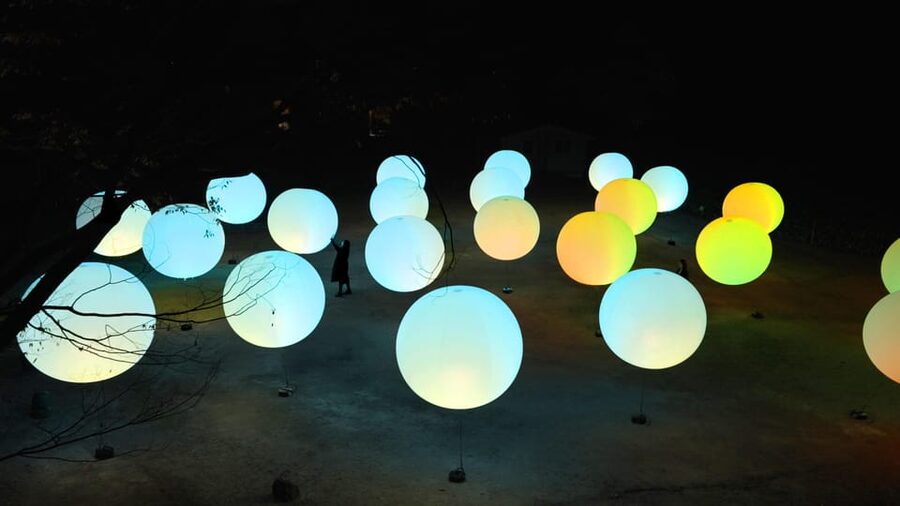
At night, teamLab treats the garden as an active art space. Light projections, glowing forms, sound, and moving color are placed among the plants rather than arranged in a standard exhibition hall.
The concept is simple but effective: digital light can create art around nature without physically altering or damaging the plants. You see technology used as a temporary layer over a living environment. Trees and water remain the main physical features, while light gives them a new mood.
The work also responds to people. Your movement can affect what you see, and some installations invite you to walk around, pass through, or pause nearby. Children often enjoy the large egg-shaped lights, while adults may prefer the pond, trees, and slower sequences of changing color.
The music matters. Several parts of the experience combine sound with the light displays, giving the garden a gentle rhythm. The result is less like watching a fixed light show from one viewpoint and more like moving through a series of changing scenes.
I recommend resisting the urge to photograph every installation immediately. Pictures are allowed, but flash photography, tripods, selfie sticks, drones, and flashlights are prohibited. More importantly, the best moments often come when you stop, listen, and watch how the light changes around other people.
The central pond and the calmer side of teamLab

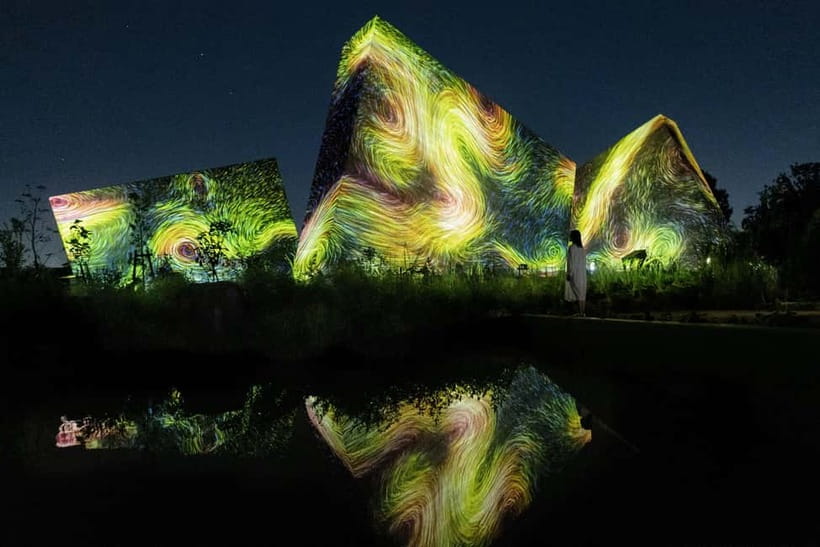
The pond is one of the strongest parts of the experience. Water reflects the lights, and the surrounding darkness gives the display room to breathe. If you want a quieter pause, this is the place to slow down.
The pond also shows why the garden setting matters. A digital display on a plain wall can be attractive, but reflections on water and light passing through trees create something less predictable. Weather, the amount of darkness, and the number of people nearby can all change how the scene feels.
This is not a ride with a fixed sequence or a performance where you must remain in one spot. You are free to walk around the garden and return your attention to areas that appeal to you. That freedom is a strength, especially if you dislike tightly managed attractions.
It also means you should manage your expectations. If you want constant action, loud effects, or a packed program of large-scale projections, parts of the garden may feel quiet. The appeal comes from atmosphere, space, and gradual changes rather than nonstop spectacle.
Why the large glowing forms are popular
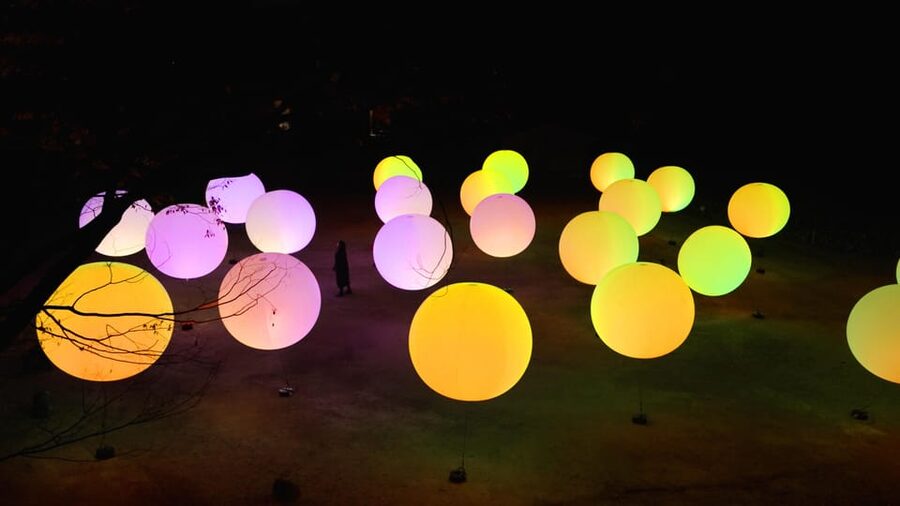
The egg-shaped lights are among the most playful features. They sit within the garden and become visual anchors along the walking route. Their rounded forms are easy to spot in the dark, and children can enjoy moving around them and watching their glow change.
These installations make the visit more participatory. You are not only looking at art from behind a barrier. You occupy the same space as the work, and your presence helps shape the scene around you.
That said, the garden remains an outdoor site, not a fully lit theme park. Roots may protrude along some paths, and the edges of flower beds can be difficult to see in darkness. Walk carefully, especially if you are taking photos or moving with young children.
Comfortable shoes are essential. The grounds are large, and even a relaxed visit involves plenty of walking. Long trousers and a long-sleeved shirt are sensible because the garden can have insects, particularly during warmer months. Insect repellent is specifically recommended.
Garden entry tickets around Japan:
- Kyoto: Kinkaku-ji Temple & Serene Garden Guided Tour with Tickets
★ 5.0 · 9 reviews - Tokyo: Ashikaga Flower Park with Entry Ticket
★ 5.0 · 3 reviews - Tokyo: Hama-rikyu Garden Guided Tour with Entry Ticket
★ 4.6 · 2 reviews - Kyoto: Kinkaku-ji Temple & Serene Garden Tour with Tickets
★ 5.0 · 2 reviews
How long to allow and when to arrive
The ticket is valid for one day, with entry times subject to availability. You must arrive before the final entry time. If you arrive late, you can be refused entry, so do not plan this as a loose stop between several evening activities.
The best timing depends on what you want. Arriving before full darkness lets you see the botanical garden in a more natural state and watch the change into the night exhibition. Arriving around the start of the evening program gives you more darkness for the installations, but less time to appreciate the plants.
A practical plan is to arrive early enough to enter without stress, walk through the garden, and stay as the light fades. One useful tip is to go early within the evening period because the grounds can fill up, especially around popular times such as 6 p.m. The entrance may be staggered, but the garden can still feel busier later.
The attraction has no re-entry. Bring everything you need before entering, and do not count on leaving for food and returning afterward.
Getting there and leaving afterward
The garden is reachable from a subway station, but you should allow roughly 15 minutes for the walk from the station to the venue. That is not a major distance, though it can feel longer after a full day of sightseeing or when you are trying to find the entrance in the dark.
The return journey deserves some planning. The area may have few taxis available after the event, and finding a car can be difficult at that hour. If you plan to use public transportation, check your route before entering so you know which station you need and how late services run.
There are no restaurants or cafés on site. Food is not allowed inside, so eat beforehand and carry only what the venue permits. Vending machines have been available inside, but you should not rely on a full meal or a broad choice of refreshments.
Large bags and luggage are not allowed. Pack lightly, and leave suitcases elsewhere. Smoking, alcohol, drugs, and drones are also prohibited.
Weather, clothing, and practical comfort
This is an open-air experience, so weather can shape the evening. Check the forecast before booking, particularly during rainy or very hot periods. The ticket is non-refundable, which makes weather planning especially important.
Wear shoes that can handle a long walk over garden paths. Long trousers and a long-sleeved shirt help with insects and evening air. Insect repellent is a wise addition, even if you normally do not use it in the city.
A flashlight is not allowed, so do not bring one to help with the paths. The attraction does provide illuminated artworks, but some unlit borders and natural roots can still be hard to see. Keep your pace steady and watch the ground.
Wheelchair users and children in strollers may enter, though not every artwork is accessible. If full access is important to your plans, contact the venue before visiting. Children must be accompanied by an adult aged 18 or older, with one adult required for every three children.
Is the $11 ticket good value?
At $11 per person, this is an affordable Osaka evening activity. You receive access to a very large garden, a collection of outdoor digital artworks, music, and time to explore at your own pace. The price works particularly well if you want something calmer and different from another indoor attraction.
The value depends on your expectations. If you compare it with the largest teamLab venues in Tokyo, this is a smaller and more open-air experience. It is not built around a dense series of rooms filled with constant effects. Some early sections can feel understated, and the garden may seem spacious rather than packed with installations.
I think the ticket is strongest for people who appreciate setting. You are paying for the combination of nature, darkness, sound, water, and light, not only for the individual displays. The pond, trees, and freedom to wander are part of the attraction.
The experience also suits repeat visitors to Osaka who want a restful night away from the city center. After crowded streets and busy shopping areas, the garden provides a slower setting. It is still an art event, but you can take it at your own speed.
Who should book this experience?
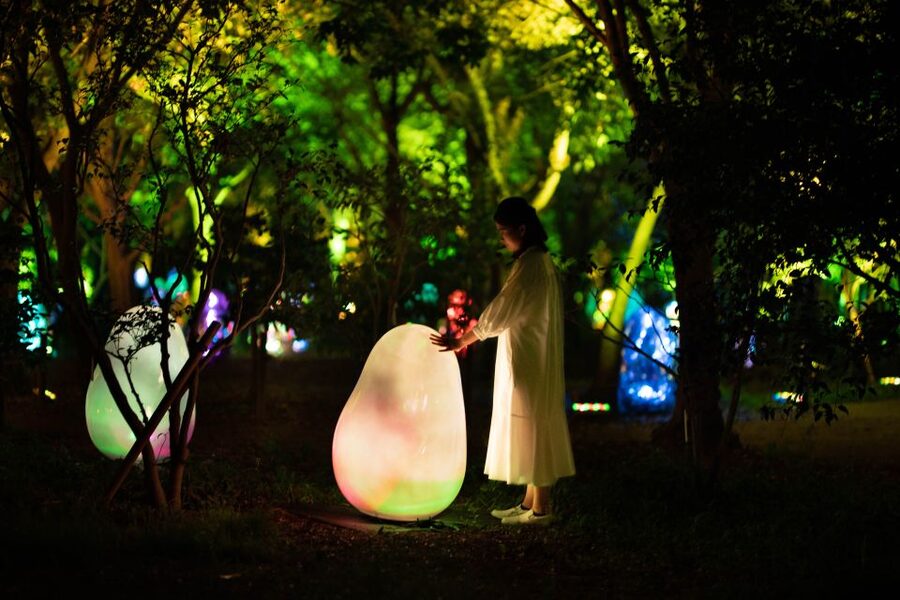
I would choose this for couples, families, photographers who can work without tripods or flash, and anyone curious about outdoor digital art. It also works well as a first-night activity because the walking is gentle in spirit, and the atmosphere is relaxing rather than demanding.
Families should prepare children for a walk, not a short indoor show. The glowing eggs and interactive effects provide playful moments, but the size of the grounds and darkness require supervision.
I would be more cautious if you have limited mobility, strongly dislike insects, or want a guaranteed dry-weather activity. The venue does allow wheelchair users and strollers, but some artworks may not be reachable. Contacting the venue beforehand is sensible.
The attraction is also not ideal if your main goal is a large indoor teamLab-style spectacle. The Osaka botanical garden version has its own appeal, but it is more spacious, natural, and subdued.
Should you book teamLab Botanical Garden Osaka?
Book it if you want a reasonably priced evening that combines plants, water, music, and changing light. Arrive early, allow time for the walk from the station, wear practical clothing, and stay long enough to see the garden change as darkness arrives.
Skip it if you need shelter from bad weather, expect a tightly packed indoor exhibition, or have no room in your schedule for a large outdoor walk. For most visitors who enjoy taking their time, the $11 price makes this an easy addition to an Osaka itinerary, especially when the pond, trees, and glowing forms are given more attention than the camera screen.
FAQ
How much does teamLab Botanical Garden Osaka cost?
The entry ticket costs $11 per person.
How long is the ticket valid?
The ticket is valid for one day. Available starting times depend on the date and booking availability.
Is teamLab Botanical Garden Osaka indoors or outdoors?
It is an outdoor experience in Nagai Botanical Garden. Weather can affect your visit, so check the forecast before booking.
Is there food or a restaurant inside the garden?
There are no restaurants or cafés on site. Food is not allowed inside the venue, though vending machines have been available.
Can I take photographs?
Yes, photography is allowed. Flash photography, drones, tripods, selfie sticks, and flashlights are not allowed.
Can children enter without an adult?
No. Children must be accompanied by an adult aged 18 or older. One accompanying adult is required for every three children.
Is the venue accessible for wheelchairs and strollers?
Wheelchair users and children in strollers may enter, but some artworks may not be accessible. Contact the venue for detailed accessibility information.
Newly planted garden visits around Japan
- Kyoto-Nara Adventures Private Tour With Hotel Pick Up★ 4.0 · 5 reviews
- Stunning Private Tea Ceremony: Camellia Garden Teahouse★ 5.0 · 28 reviews
- Kyoto: Kinkaku-ji Temple & Serene Garden Guided Tour with Tickets★ 5.0 · 9 reviews
- Guided Kyoto City Cherry Blossom One Day Private Tour★ 5.0 · 16 reviews
- Kyoto Hidden Treasures: Special Temple & Garden Access Tour★ 4.5 · 25 reviews
- The Art of Mindful Living: Tea Ceremony in Kyoto★ 5.0 · 16 reviews
- Kyoto ITALIAN GUIDE Golden Pagoda Bamboo Forest Dry Garden★ 4.0 · 2 reviews
- Kyoto Japanese Garden Lover’s Private Tour with Government-Licensed Guide★ 4.5 · 10 reviews
Botanical Gardens, bed by bed.
Blanes: Marimurtra Botanical Garden Entry Ticket
Read our review →
Malta: Mdina, Dingli Cliffs and San Anton Botanical Gardens
Read our review →
Princeville Botanical Gardens Tour and Chocolate Tasting Ticket
Read our review →
Icod de los Vinos: Dragon Tree & Botanical Garden Ticket
Read our review →
Maleny Botanic Gardens Bird Aviary Experience Ticket
Read our review →
Big Island Waterfalls Tour with Swimming and Botanical Garden
Read our review →

Aboriginal Heritage Walk – Royal Botanic Gardens Victoria, Melbourne Gardens
Read our review →Lists this garden visit belongs to