
Review · KYOTO
Kyoto: Kinkaku-ji Temple & Serene Garden Tour with Tickets
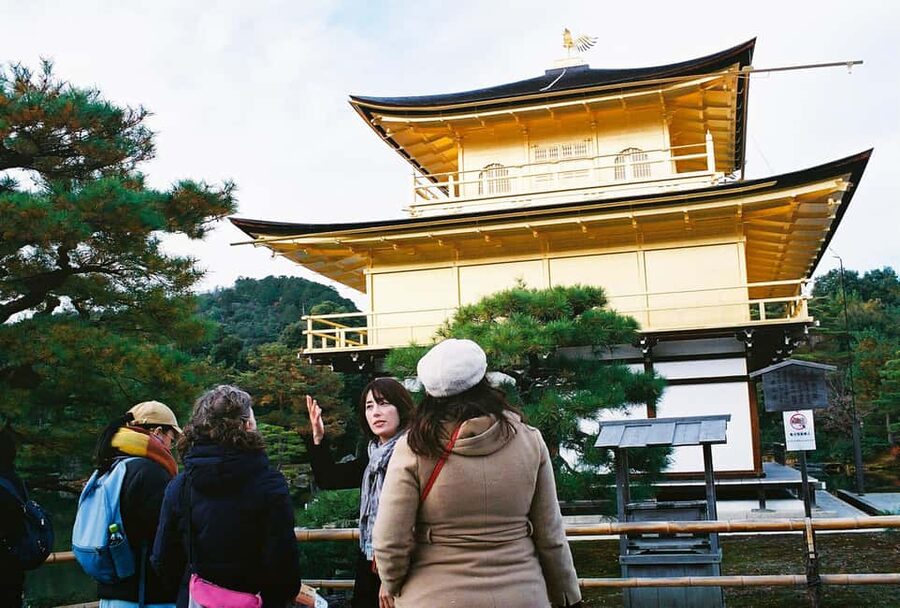
Kyoto’s famous Golden Pavilion is only half the story here. This small-group walk pairs Kinkaku-ji’s glittering showpiece with Ninna-ji, a quieter temple where you can enter spaces many visitors never see, meet a monk, and take part in a chanting session.
I like two things right away: the sharp contrast between a samurai’s display of power and an imperial temple’s calm religious setting, and the chance to ask questions rather than simply follow a guidebook. Satomi and Annie are named as guides who explain history, culture, and architecture clearly. The main drawback is practical: the tour involves walking, stairs or uneven temple paths may be present, and it is not suitable for wheelchair users or baby strollers.
Key points at a glance
- See two very different UNESCO World Heritage temples: Kinkaku-ji offers polished spectacle, while Ninna-ji brings a quieter, more personal look at Buddhist practice.
- Enter the Golden Hall and Sutra Hall: These areas provide access beyond the usual garden walk.
- Join a monk-led chanting session: You can also ask questions and take a photo with the monk.
- Travel between temples by taxi: Transportation from Kinkaku-ji to Ninna-ji is included.
- Keep the group small: No more than seven people allows room for questions and a steadier pace.
- Plan for a flexible visit length: The experience lasts about 150 minutes to three hours, depending on the schedule.
Why this temple pairing works so well
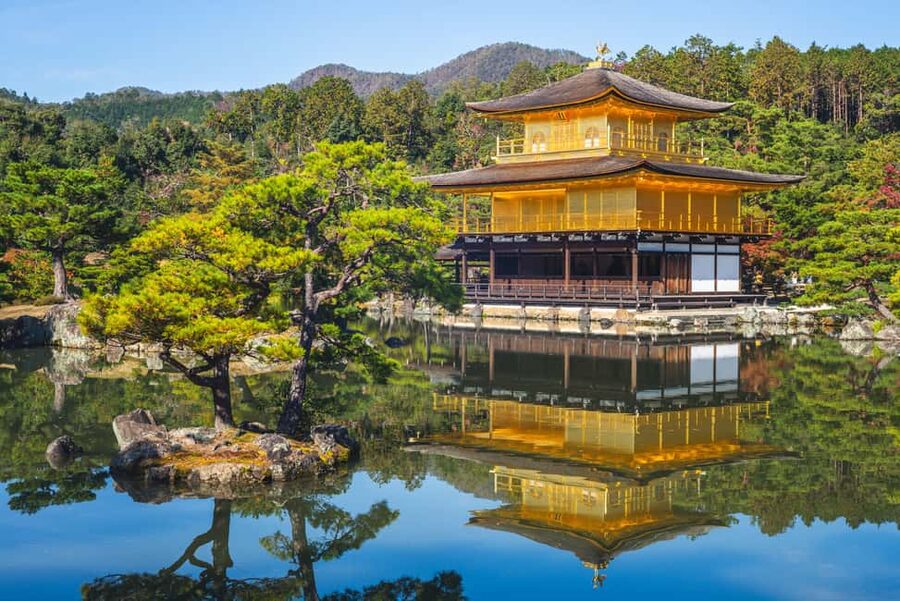
If you have only seen photographs of Kyoto, Kinkaku-ji is probably already familiar. Its upper floors shine with gold leaf beside a reflective pond, framed by carefully arranged trees and water. It is beautiful, but the first view can also feel quick and crowded. A guide helps turn the picture-postcard stop into something more meaningful by explaining why the building was created, who created it, and how its design connects power, prestige, and religious purpose.
Then Ninna-ji changes the mood. Instead of another grand visual hit, you get a temple complex tied to imperial heritage and Buddhist devotion. The two stops complement each other: one is highly polished and dramatic, the other is restrained and contemplative.
I particularly like this pairing for first-time visitors who want more than a photo at Kinkaku-ji. You see Kyoto’s public face at the Golden Pavilion, then get a closer look at the traditions that still shape temple life at Ninna-ji.
Garden entry tickets around Kyoto:
- Kyoto: Kinkaku-ji Temple & Serene Garden Guided Tour with Tickets
★ 5.0 · 9 reviews - Paris: Versailles Palace and Gardens Full Access Ticket
★ 4.6 · 41,579 reviews - Marrakesh: Majorelle Garden Entry Tickets
★ 4.5 · 9,651 reviews
Kinkaku-ji and the hour around the Golden Pavilion
The tour meets in front of Kinkaku-ji Temple. This is important: you are not starting with hotel pickup, and you should arrive with enough time to find the meeting point before the scheduled start.
The Kinkaku-ji portion lasts about an hour. You’ll have time for a photo stop, a guided visit, and a walk through the gardens. The Golden Pavilion itself is the star, with its gleaming façade reflected in the pond. You will want your camera ready, but try not to reduce the stop to a single photograph.
The guide’s role matters here. Kinkaku-ji is easy to admire and easy to misunderstand. Its beauty can overshadow the political and religious ideas behind it. Your guide explains the building’s connection to a samurai and places the architecture within Japan’s broader story of power and devotion.
The grounds also deserve attention. The gardens provide the setting that makes the pavilion work so well. Water, trees, paths, and the bright structure are arranged as one composition. You’ll see why the view has remained one of Kyoto’s most recognized scenes.
There is a tradeoff. Kinkaku-ji is one of the city’s best-known sights, so this is not the place to expect solitude. The guided format helps you use the hour well, but it cannot make a major Kyoto landmark feel private. If you want a slow, silent garden visit, Ninna-ji will likely be the better part of the day.
The taxi ride from Kinkaku-ji to Ninna-ji
Transportation from Kinkaku-ji to Ninna-ji is included by taxi. That small detail makes the tour easier than handling the transfer yourself, especially if you are still learning Kyoto’s streets and transit system.
The taxi also creates a clean break between the two temples. You are not asked to spend precious sightseeing time figuring out the next route. Once you arrive at Ninna-ji, the experience becomes more focused on the temple’s religious and imperial character.
Because the total length can range from 150 minutes to three hours, check the available starting time when you book. The actual rhythm may depend on the scheduled session and the time spent inside Ninna-ji. Comfortable shoes are a must, even though the taxi removes the long connection between sites.
Ninna-ji’s rare access and quiet garden setting
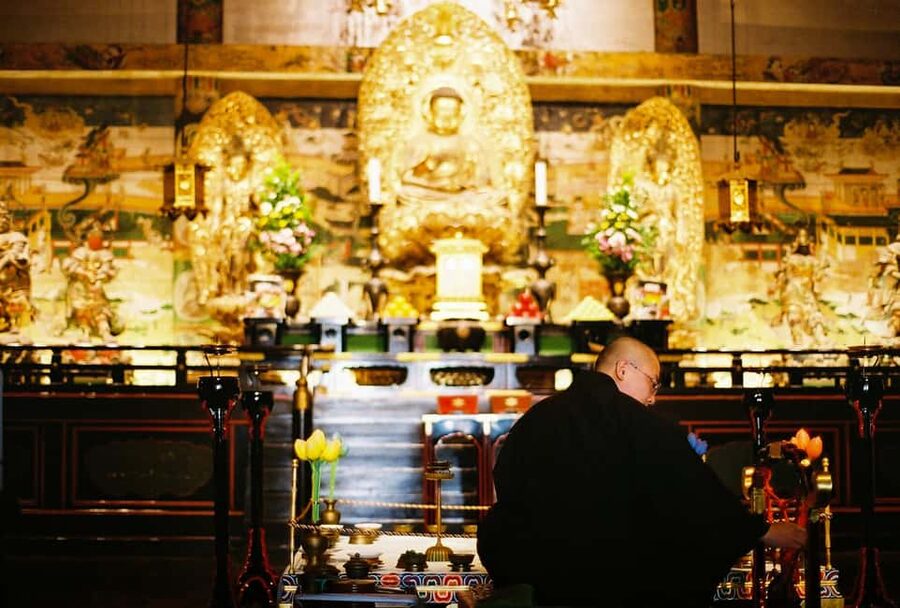
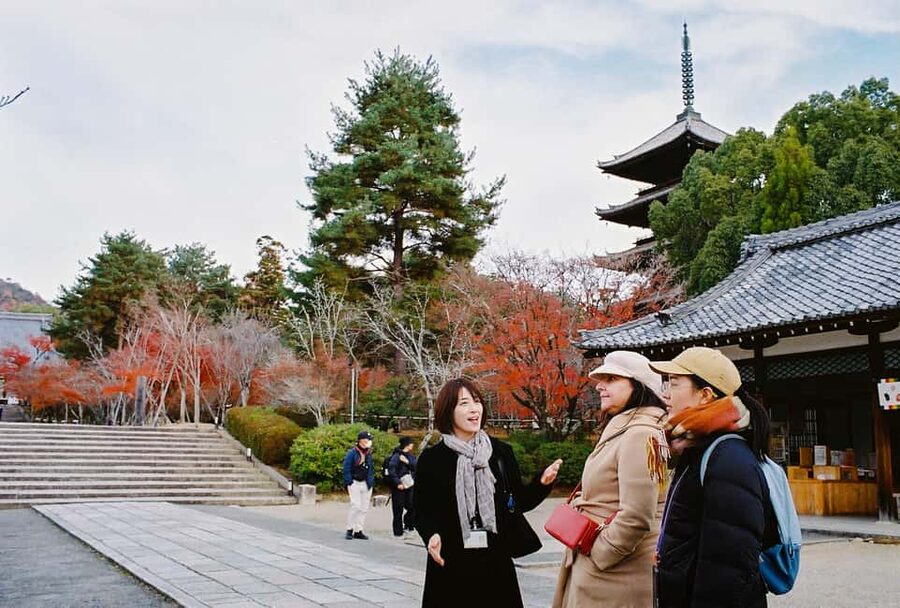
Ninna-ji receives about 105 minutes of the planned visit, making it more than a quick second stop. You’ll have time for a guided visit and photographs, but the real value is access to areas that are not normally open to everyone.
The tour includes entry to the Golden Hall, described as a national treasure, as well as the Sutra Hall. These are not just extra rooms added to the route. They give you a chance to see how Buddhist temples connect architecture, ritual, and sacred objects.
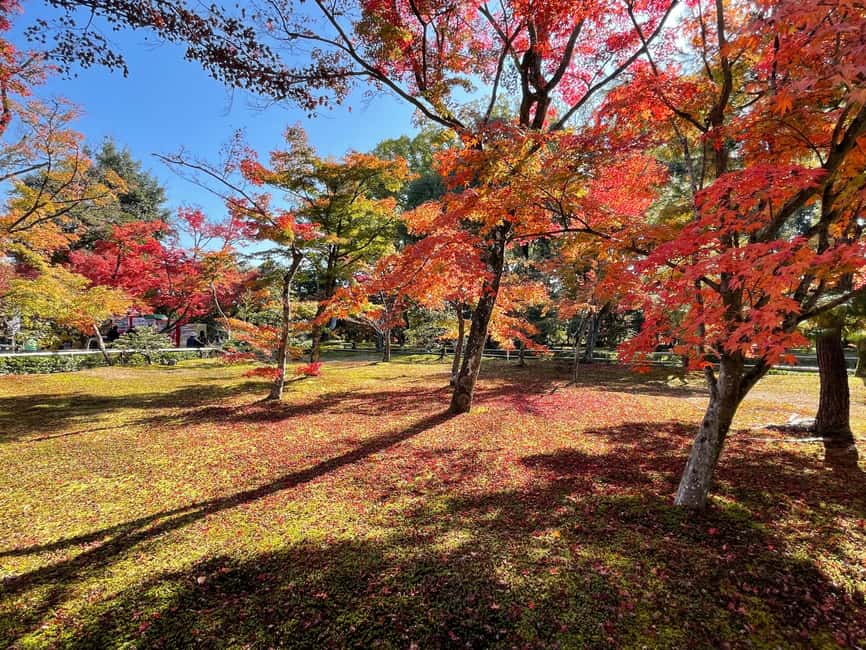
Ninna-ji’s garden spaces offer a welcome change after the strong visual impact of Kinkaku-ji. Here, I would slow down. Look at the relationship between the buildings and the grounds. Notice how the setting encourages quiet attention rather than a quick glance and a phone camera.
The imperial connection adds another layer. You will visit an elegant Imperial Residence before the tour ends. This helps explain why Ninna-ji feels different from a temple known mainly for one famous building. Its story includes religious practice, courtly life, and the long relationship between Buddhism and Japan’s ruling families.
More gardens worth a morning in Kyoto:
- Kyoto Zen Meditation & Garden Tour at a Zen Temple with Lunch
★ 5.0 · 441 reviews - Kyoto Arashiyama Bamboo forest & Garden Half-Day Walking Tour
★ 5.0 · 413 reviews - Kyoto Kiyomizu Tea Ceremony with Scenic Garden Views
★ 5.0 · 101 reviews - Kyoto: Private Tea Ceremony with a Garden View
★ 4.9 · 61 reviews
Chanting, questions, and a meeting with a monk
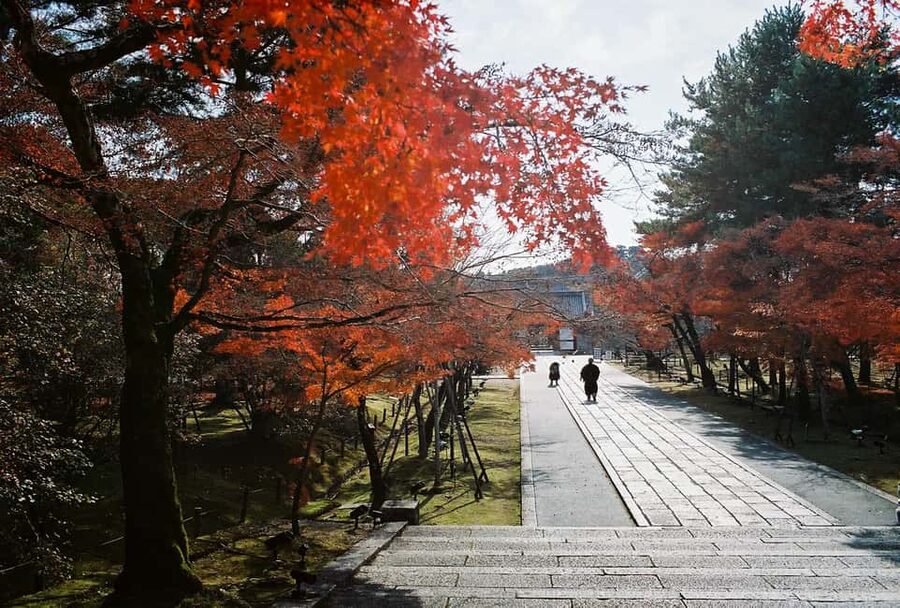
The most unusual feature is the session in Ninna-ji’s Main Hall. A monk leads a sacred chanting session, and you can take part as an observer while learning about the spiritual tradition behind it.
This is where the tour moves beyond ordinary sightseeing. You are not simply looking at an old structure. You are seeing a living practice, hearing the sound of the ritual, and then having the chance to ask questions during a Q&A.
The format should suit you if you are curious about Buddhism but do not have much background. You do not need to arrive as a specialist. The guide helps provide context, while the monk offers a direct connection to the tradition.
You can also take a photo with the monk. That may sound like a small detail, but it gives the visit a personal finish. Treat the moment with respect, follow the instructions of the guide, and remember that the temple is an active religious place, not only a historic attraction.
Turning the sutra shelf at Ninna-ji
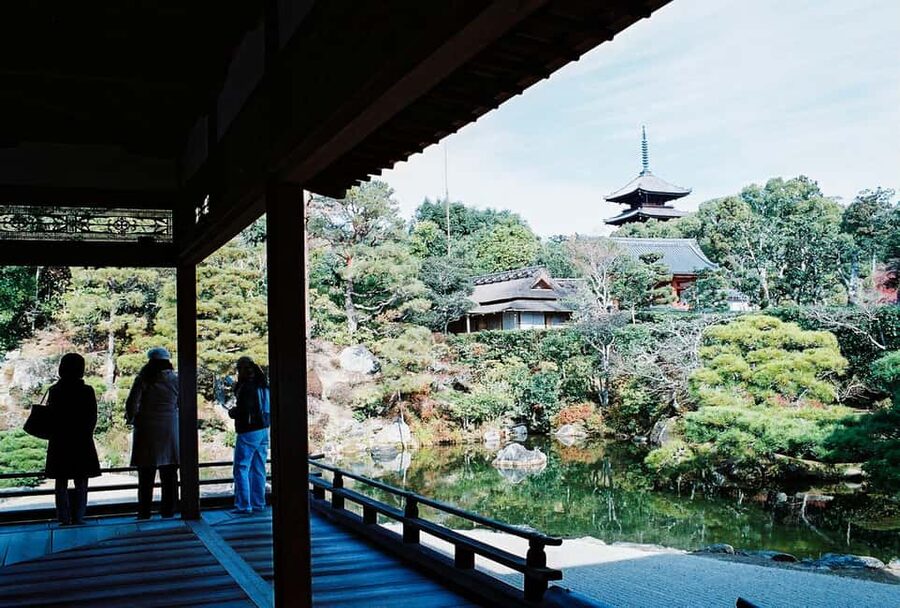
The Sutra Hall brings another hands-on detail. You can see and interact with the rotating sutra shelf, a ritual object with religious meaning.
This is a good example of why a guide adds value. Without explanation, a rotating shelf might look like an unusual piece of temple furniture. With context, it becomes part of the way Buddhist teachings and devotional practice are represented within the temple.
The experience does not promise a long lecture or formal religious instruction. Instead, it gives you a clear window into a tradition that can be difficult to understand from buildings and statues alone. I would pay close attention here and ask the guide to explain the symbolism in plain terms.
What the small group changes
The group is limited to seven people. That is a major advantage at Kinkaku-ji, where a larger group can scatter quickly around the garden or struggle to hear explanations.
A small group also makes the Q&A with the monk more useful. You have a better chance to ask a question, hear the answer, and keep the conversation moving without turning the session into a crowded classroom.
Guides Satomi and Annie are specifically praised for answering questions and explaining Japanese history, culture, and architecture. Satomi is also described as friendly, flexible, and fun, while Annie is praised for helping visitors explore areas not usually viewed. Since guide assignment can vary, you should not assume one particular person will lead your departure, but those names indicate the kind of personal attention the tour aims to provide.
The small group does not mean a private tour. You will still share the experience with other participants, and the tour follows a set route. For most people, seven is a comfortable compromise between individual attention and a lower price than a fully private guide.
Is $48 a fair price?
At $48 per person, the price is reasonable if you plan to visit both temples anyway and want more than admission and a quick walk through the grounds.
Your fee includes admission to Kinkaku-ji and Ninna-ji, an English-speaking guide, the taxi from Kinkaku-ji to Ninna-ji, access to the Golden Hall and Sutra Hall, the monk-led chanting session, the Q&A, and the photo opportunity with the monk. Those inclusions matter because transportation and guide costs can add up when arranged separately.
The strongest value is not simply skipping the work of route planning. It is the access and explanation at Ninna-ji. A basic self-guided visit can show you the buildings, but it may not provide a monk-led session or entry to areas that are not normally open.
The price makes less sense if you want to linger for hours at one garden, take your time with photography, or explore at your own pace. This is a focused experience with a planned sequence. You are paying for interpretation, special access, and a compact visit to two important sites.
Walking, timing, and what to bring
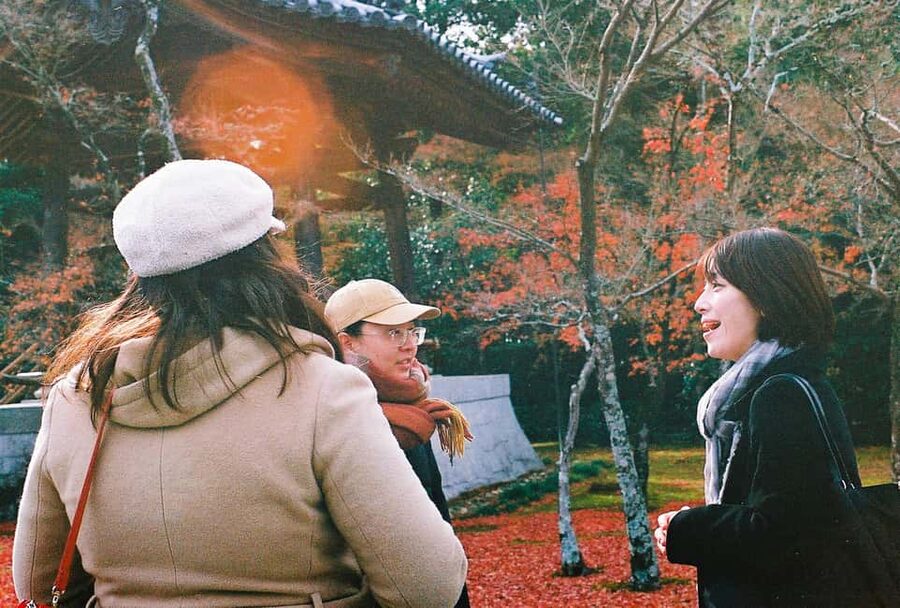
The tour lasts between 150 minutes and three hours. That range is wide enough that you should check the available departure time and plan the rest of your day with some breathing room.
Wear comfortable shoes. You will walk around temple grounds and gardens, and the visit includes more than simply standing in front of the Golden Pavilion. Bring a camera, but keep it ready to put away during religious activities or whenever the guide gives instructions.
Baby strollers are not allowed, and the experience is not suitable for wheelchair users. The information provided does not give a detailed step-free route, so anyone with mobility concerns should treat the walking requirement seriously before booking.
The tour is conducted in English with a live guide. Free cancellation is available up to 24 hours before the experience for a full refund, and you can reserve now and pay later. Those policies help if your Kyoto schedule is still changing, but the practical details of the meeting time remain important.
Who should book this Kyoto temple tour?
I would choose this experience if you want to understand what you are seeing rather than simply collect photographs. It is especially useful for first-time Kyoto visitors who want two major temples but prefer a small group to a large bus tour.
It also suits anyone curious about Buddhist practice. The chanting, monk-led Q&A, Sutra Hall, and photo opportunity provide contact with the living side of temple culture. You get architectural context at Kinkaku-ji and a more personal religious encounter at Ninna-ji.
Families with very young children may find the no-stroller rule difficult. Anyone using a wheelchair should not book this experience based on the stated restrictions. Independent visitors who already know both temples well may prefer to explore alone.
Should you book it?
Book this tour if Kinkaku-ji’s famous view is only the starting point for you. The real reason to choose it is the contrast with Ninna-ji, plus the special access, chanting session, monk Q&A, and small-group guidance.
Skip it if you want a private, unhurried day or dislike following a fixed schedule. For everyone else, $48 buys a useful mix of landmark scenery, cultural explanation, taxi transportation, and access that would be difficult to arrange on your own. Arrive at the Kinkaku-ji meeting point in comfortable shoes, keep your afternoon flexible, and give Ninna-ji the attention it deserves.
FAQ
Where does the tour meet?
The meeting point is in front of Kinkaku-ji Temple.
Which temples are included?
The tour visits Kinkaku-ji, also called the Golden Pavilion, and Ninna-ji Temple.
How long does the experience last?
The stated duration is between 150 minutes and three hours. Available start times can vary, so check the schedule when booking.
Is transportation between the temples included?
Yes. A taxi from Kinkaku-ji to Ninna-ji is included in the experience.
What special access is included?
The tour includes access to the Golden Hall, described as a national treasure, and the Sutra Hall at Ninna-ji.
Will I meet a monk?
Yes. A monk leads a chanting session, takes part in a Q&A, and is available for a photo opportunity.
What language is the tour conducted in?
The live tour guide speaks English.
Is the tour suitable for wheelchair users or baby strollers?
No. The experience is not suitable for wheelchair users, and baby strollers are not allowed.
Newly planted garden visits around Kyoto
- Stunning Private Tea Ceremony: Camellia Garden Teahouse★ 5.0 · 28 reviews
- Kyoto-Nara Adventures Private Tour With Hotel Pick Up★ 4.0 · 5 reviews
- Kyoto: Kinkaku-ji Temple & Serene Garden Guided Tour with Tickets★ 5.0 · 9 reviews
- Guided Kyoto City Cherry Blossom One Day Private Tour★ 5.0 · 16 reviews
- Kyoto Hidden Treasures: Special Temple & Garden Access Tour★ 4.5 · 25 reviews
- The Art of Mindful Living: Tea Ceremony in Kyoto★ 5.0 · 16 reviews
- Kyoto ITALIAN GUIDE Golden Pagoda Bamboo Forest Dry Garden★ 4.0 · 2 reviews
- Kyoto Japanese Garden Lover’s Private Tour with Government-Licensed Guide★ 4.5 · 10 reviews
Japan Garden Tours, bed by bed.
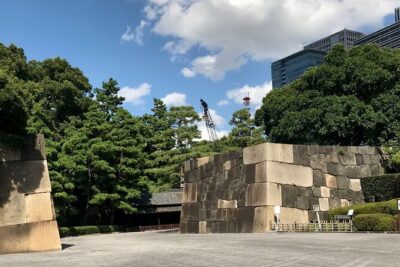
Imperial Palace East Garden and Edo Castle Walking Tour in Tokyo
Read our review →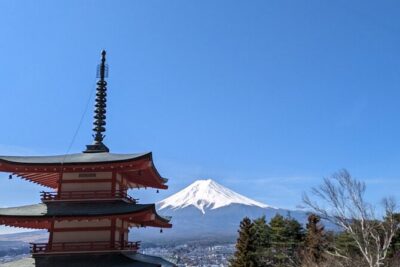
Mt. Fuji Day Trip from Tokyo with English Speaking Driver Guide
Read our review →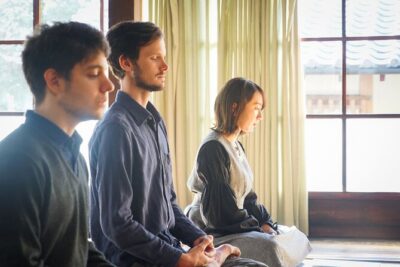
Kyoto Zen Meditation & Garden Tour at a Zen Temple with Lunch
Read our review →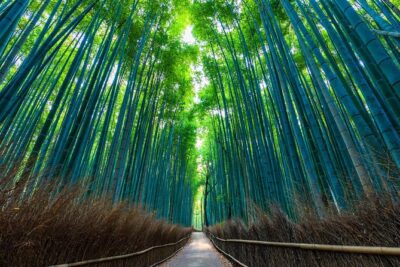
Kyoto Arashiyama Bamboo forest & Garden Half-Day Walking Tour
Read our review →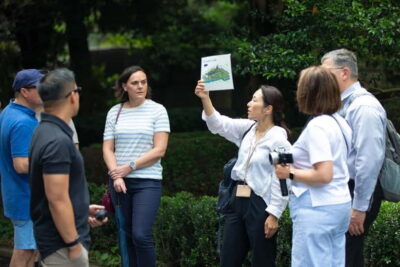
Tokyo: Imperial Palace East Gardens Walking Tour
Read our review →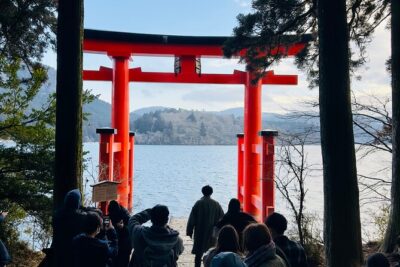
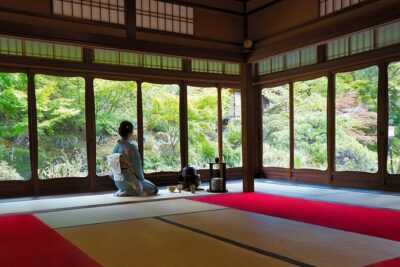
Kyoto Kiyomizu Tea Ceremony with Scenic Garden Views
Read our review →Lists this garden visit belongs to