
Review · KYOTO
Kyoto: Arashiyama Bamboo Forest and Garden Views Tour
Arashiyama gives you Kyoto’s big nature hits in one well-packed morning: a bamboo grove, a monkey park, a famous bridge, and two beautiful gardens. The most unusual opening stop is Kimono Forest, where fabric-wrapped pillars glow beside the railway station.
I like the clear mix of sights. You get the wide river and mountain view from Togetsukyo Bridge, then the quiet stone paths of Tenryu-ji and Okochi Sanso. I also like the guide support, especially for an English-speaking visitor who wants photos taken along the way.
The tradeoff is simple: this is not a gentle stroll. The climb to Iwatayama Monkey Park and the uphill garden paths at Okochi Sanso make comfortable shoes and decent walking ability essential.
Key points to know before you book
- Kimono Forest starts the day with glowing fabric pillars beside Randen Arashiyama Station.
- Iwatayama Monkey Park takes about an hour, including a climb for macaque views and a broad panorama over Kyoto.
- Tenryu-ji and Okochi Sanso provide the calmest garden time after the more active monkey park visit.
- The Bamboo Forest visit lasts about 30 minutes, enough for a focused walk but not a long, wandering stop.
- Your train fare and lunch are separate, so bring an IC card or another way to pay for transport.
- A guide can help with photos and English explanations, but the tour is not designed for wheelchairs, mobility scooters, or strollers.
Why Arashiyama works so well for a half-day tour
Arashiyama sits on Kyoto’s western side, away from the station area and central shopping streets. It is one of the easiest places in Kyoto to feel a change of pace quickly. You leave the city center by train, then spend the rest of the morning among river views, wooded hills, temple gardens, and bamboo.
This tour lasts five hours, which is a useful middle ground. You see far more than you would on a quick self-guided stop, but the schedule does not consume your whole day. You finish at Randen Arashiyama Station Center, where you can buy lunch or browse for souvenirs.
The route is active. You will walk between several stops, climb to the monkey park, and follow stone paths in gardens. If you prefer a slow temple morning with lots of time for sitting, this pace may feel brisk. If you want a first look at Arashiyama without sorting out every turn yourself, the route makes good sense.
More gardens worth a morning in Kyoto:
- Kyoto Zen Meditation & Garden Tour at a Zen Temple with Lunch
★ 5.0 · 441 reviews - Kyoto Arashiyama Bamboo forest & Garden Half-Day Walking Tour
★ 5.0 · 413 reviews - Kyoto Kiyomizu Tea Ceremony with Scenic Garden Views
★ 5.0 · 101 reviews
Meeting at Kyoto Station and riding west
The meeting point is inside the first floor of JR Kyoto Station, at the main entrance, also called the central entrance. Look for the 7-Eleven facing Kyoto Tower and a guide holding a Me Kyoto Walking Tours sign.
The train ride to Arashiyama takes about 30 minutes. Transportation is not included in the price, so you need your own ticket or an IC card such as ICOCA, Suica, or PASMO. This is a small but important detail. Do not arrive assuming the guide will cover the fare.
Meeting at Kyoto Station is practical for visitors staying in different parts of the city, since the station is easy to find. It also means you should allow time to navigate the station before the start. Kyoto Station is large, and a last-minute search for the correct entrance can be stressful.
Kimono Forest, Kyoto’s prettiest railway detour
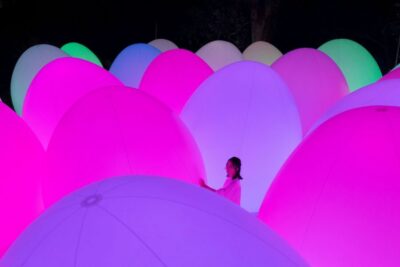
Kimono Forest is a short stop, but it has a look you will not confuse with a normal station walkway. Cylindrical pillars are wrapped in colorful kimono fabric and arranged along the path near the Randen railway station. When lit, they create a row of glowing columns.
The guide spends about 10 minutes here. That is enough for an explanation, a few photos, and a quick sense of the place. It is not a major historical site, but it is a clever introduction to Arashiyama, linking local textile design with modern public space.
You should think of this as a photo stop rather than a full attraction. The short visit works because the day has more substantial sights ahead. Keep your camera ready, but do not expect a long guided talk.
Togetsukyo Bridge and the first open view
From Kimono Forest, the route continues to Togetsukyo Bridge. The bridge crosses the Katsura River and opens up views toward the hills around Arashiyama. After the enclosed feel of the station walkway, the river gives you room to breathe.
The guided stop lasts about 15 minutes. You will have time to look across the water, take photos, and hear why the bridge is one of the area’s best-known landmarks. The view changes with weather and season, so this is one of the stops where light matters more than a checklist.
The bridge itself is not a quiet lookout. It is a working public crossing, so you should expect other people and passing traffic. Still, the river and mountain setting make this one of the most useful short stops on the route. It gives you the basic Arashiyama picture before the tour heads uphill.
Same season, a different set of beds:
- Kyoto: Private Tea Ceremony with a Garden View
★ 4.9 · 61 reviews - Bamboo Grove Temple and Garden Views Tour
★ 5.0 · 41 reviews - Stunning Private Tea Ceremony: Camellia Garden Teahouse
★ 5.0 · 28 reviews - Kyoto Hidden Treasures: Special Temple & Garden Access Tour
★ 4.5 · 25 reviews
The climb to Iwatayama Monkey Park
Iwatayama Monkey Park is the most physically demanding part of the tour. You spend about an hour here, including the walk up to the park. The climb is the reason this tour requires comfortable shoes and a moderate level of fitness.
At the park, you can watch Japanese macaques in their natural setting and take in a panoramic view over Kyoto. The animals are the main attraction, but the view is almost as important. The climb earns you a higher vantage point than the bridge and temple grounds can provide.
Keep a sensible distance from the macaques and follow the guide’s instructions. The tour description calls them snow monkeys or macaques, but the practical point is that they are wild animals in a park setting, not performers in a show.
This stop may be the highlight for you if you like wildlife and wide views. It may be the least appealing part if hills, stairs, or uneven paths are difficult. The tour specifically excludes people with mobility impairments, wheelchair users, and those with serious heart problems, and the monkey park is a major reason why.
Tenryu-ji’s Zen gardens
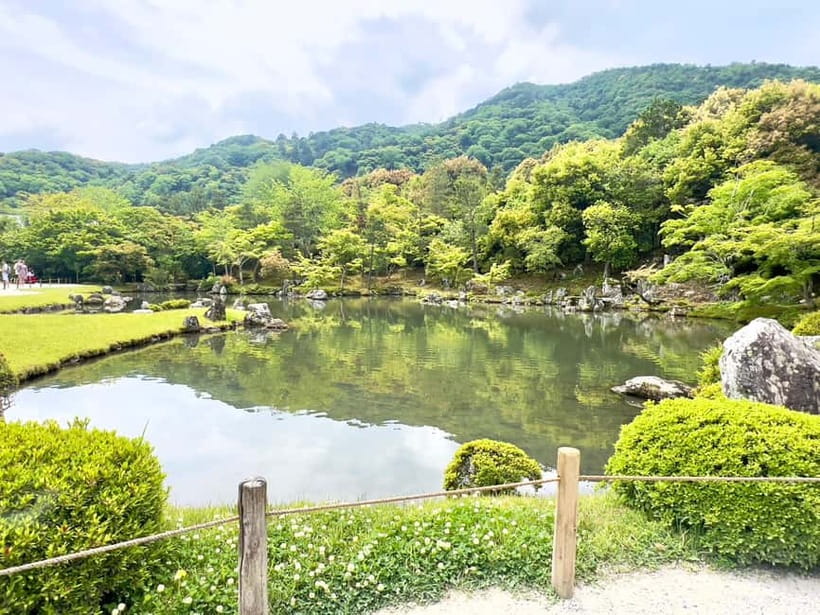
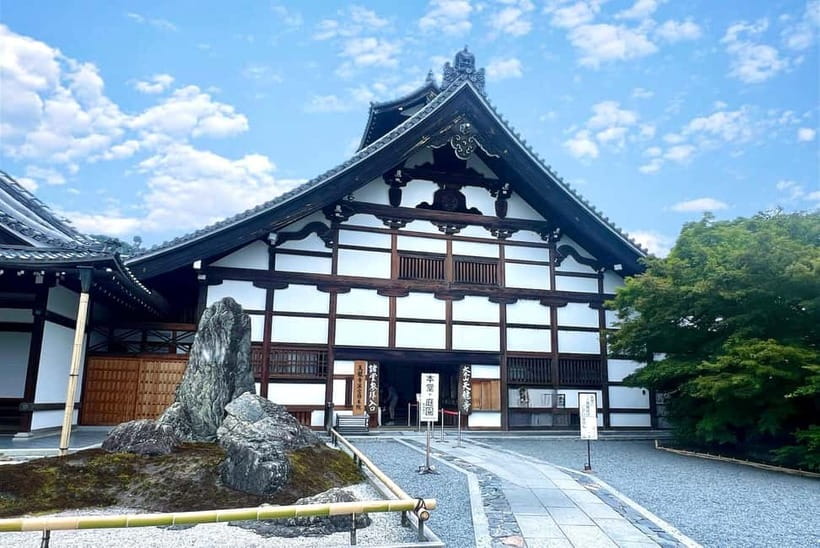
After the monkey park, Tenryu-ji brings the mood back down. This UNESCO-listed temple is known for its Zen gardens, carefully arranged views, and quiet paths. The guided visit lasts about 30 minutes.
The value here is not just the chance to see another temple. Tenryu-ji gives you a clear example of how a Japanese garden directs your attention. You will see designed spaces that frame water, trees, rocks, and distant hills rather than simply filling every corner with decoration.
Thirty minutes is enough for an introduction, but not enough to explore every corner at a slow pace. If garden design interests you, you may wish you had more time. The advantage is that the tour keeps moving and still fits the Bamboo Forest and Okochi Sanso into the same morning.
This is a good place to listen closely to the guide. A few simple explanations can help you notice why the garden feels ordered and calm, instead of seeing it as just a pretty place for photos.
Walking through the Arashiyama Bamboo Forest
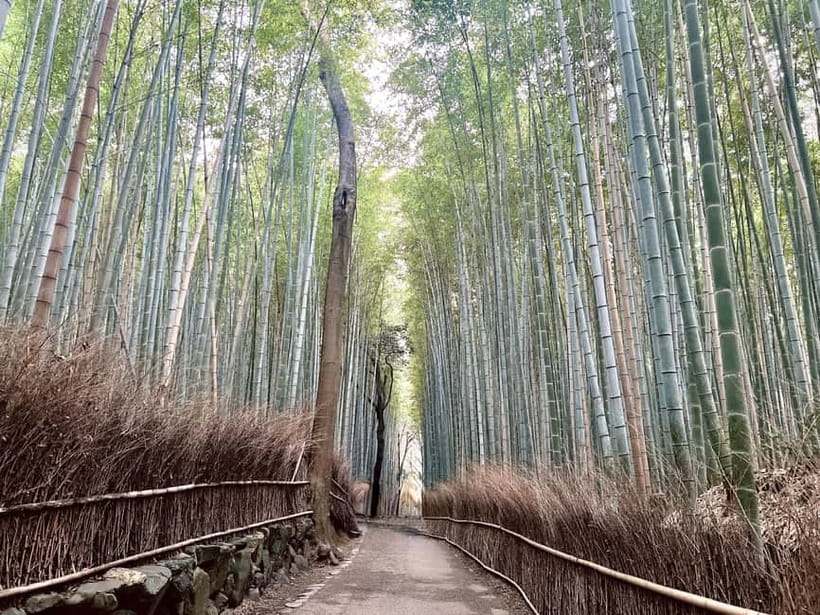
The Bamboo Forest is the image most people associate with Arashiyama. Tall bamboo stalks rise on both sides of the path, creating a narrow corridor of green and filtered light. The scale is striking, even though the main walk is fairly short.
The tour allows about 30 minutes here. That gives you time to walk through the grove with the guide, take photographs, and enjoy the change in sound as the bamboo encloses the path. Do not expect a long wilderness hike. This is a defined route through a famous public area.
The grove can be busy, and the experience depends on the pace of the group and the number of people on the path. A guided visit helps you understand where you are and keeps the stop from becoming a confusing photo hunt, but it cannot make a popular place private.
I like the way the Bamboo Forest fits into the wider route. On its own, it can feel like a quick visit for one famous photograph. Paired with Togetsukyo Bridge, Tenryu-ji, and Okochi Sanso, it becomes part of a fuller picture of Arashiyama.
Okochi Sanso and tea on the uphill path
Okochi Sanso is reached by a stone path that climbs through its garden. This is another reason to treat the tour as a walking experience rather than a bus sightseeing trip. The route is not described as flat, and the combination of the monkey park and garden paths can make the second half feel active.
The garden offers carefully planned views and a quieter setting than the Bamboo Forest. You receive unlimited green tea at the tea house, which gives you a welcome pause after the earlier walking. Food is not included, but the tea is part of the visit.
The 30-minute guided stop is long enough to appreciate the setting and take a breather. The garden’s uphill paths may be a problem for anyone with limited stamina, so be honest with yourself before booking.
Okochi Sanso works best as a slower counterpoint to the Bamboo Forest. The grove gives you height and density. The garden gives you open views, stone paths, and a place to pause with tea.
Nonomiya Shrine and the finish at Randen Station
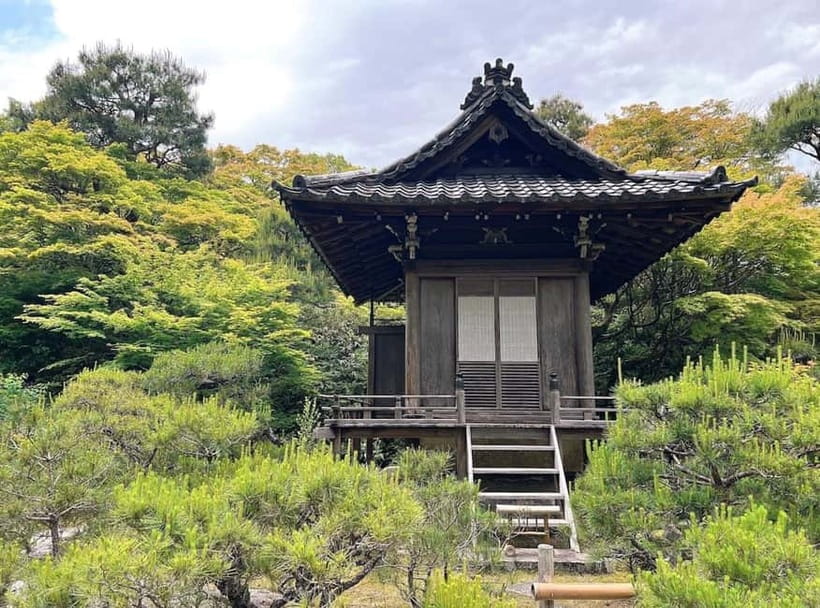
The final sightseeing stop is Nonomiya Shrine, a small sanctuary associated with love. It adds a different note to the route after the larger temple and garden visits.
The visit lasts about 30 minutes. Your guide can explain the shrine’s role and help you understand why it matters to local visitors. This is not a large complex, so the value comes from its atmosphere and meaning rather than the number of buildings.
The tour ends at Randen Arashiyama Station Center. This is convenient because you are released near food and shopping options instead of being led back to Kyoto Station. Lunch is not included, so you can choose what suits your schedule and budget after the walk. You can also browse for souvenirs in the area.
Finishing here gives you flexibility. You might eat nearby, continue exploring Arashiyama on your own, or take transport onward. The tour does not lock you into a return journey with the group.
What the $51 price really covers
At $51 per person, the main value comes from the English-speaking guide and the amount of ground covered in five hours. You receive guided visits to six major stops, including Tenryu-ji, Iwatayama Monkey Park, Okochi Sanso, and the Bamboo Forest.
The price does not include train fare, lunch, food, or drinks outside the included green tea. Those costs are easy to manage, but you should add them when setting your daily budget. The guide also does not remove the need for walking preparation. You are paying for orientation and a structured route, not private transport or a luxury experience.
For a first visit to Kyoto, I find the value strongest if you want context and help with navigation. A confident independent visitor could visit parts of Arashiyama alone for less, but would need to plan the train, route, timing, and entry details personally.
One especially useful touch is the guide’s ability to take photos. A verified booking praised the guide’s very good English, interesting explanations, and the fine photos taken during the day. That makes a difference when you are traveling alone or want pictures that include the whole group.
Who should book this Arashiyama route?
I would recommend this tour to you if you want a concentrated introduction to western Kyoto and are comfortable walking uphill. It suits first-time visitors, solo visitors who want a guide, and anyone who prefers a planned route over a morning of map checking.
It also works well for people who want variety. You see modern textile displays, a historic bridge, wildlife, a UNESCO temple, bamboo, a private garden, tea, and a shrine in one half-day.
I would hesitate to recommend it if you have mobility limits, heart problems, or difficulty with stairs and uneven paths. It is not suitable for wheelchair users, mobility scooter users, or babies under one year. Baby strollers, non-folding wheelchairs, and non-folding strollers are not allowed.
Bring comfortable shoes, water, sunscreen, a camera, and clothing suited to the weather. The tour is conducted in English. Because the route includes outdoor paths and a hill climb, weather can affect your comfort even when the sights remain open.
Should you book it?
Book this tour if you want the main Arashiyama sights explained and organized in one five-hour route. The combination of the monkey park, gardens, bamboo, river, and shrine gives you a strong sample of the area, while the tea stop and photo help add practical comfort.
Skip it if you want a slow, private visit to one garden, or if the climb to Iwatayama sounds tiring. For most reasonably active visitors, $51 is a fair price for the guide, structure, and range of stops, provided you remember to bring your own train fare and budget for lunch afterward.
FAQ
Where does the tour meet?
Meet inside JR Kyoto Station on the first floor at the main entrance, also called the central entrance. The meeting point is at the 7-Eleven facing Kyoto Tower, where the guide will hold a Me Kyoto Walking Tours placard.
How long does the tour last?
The tour lasts five hours, including the train ride from Kyoto Station to Arashiyama and the guided visits.
Is transportation included?
No. Each person must bring their own train ticket or train pass, such as an ICOCA, Suica, or PASMO card.
Is lunch included?
No. Lunch, food, and drinks are not included. The tour does include unlimited green tea at the tea house in Okochi Sanso Garden.
Is the tour suitable for wheelchair users?
No. The tour is not suitable for wheelchair users or people with mobility impairments. It includes moderate walking, a climb to Iwatayama Monkey Park, and an uphill stone path at Okochi Sanso.
What language is the tour conducted in?
The live tour guide speaks English.
Newly planted garden visits around Kyoto
- Kyoto-Nara Adventures Private Tour With Hotel Pick Up★ 4.0 · 5 reviews
- Stunning Private Tea Ceremony: Camellia Garden Teahouse★ 5.0 · 28 reviews
- Guided Kyoto City Cherry Blossom One Day Private Tour★ 5.0 · 16 reviews
- Kyoto Hidden Treasures: Special Temple & Garden Access Tour★ 4.5 · 25 reviews
- Kyoto: Kinkaku-ji Temple & Serene Garden Guided Tour with Tickets★ 5.0 · 9 reviews
- The Art of Mindful Living: Tea Ceremony in Kyoto★ 5.0 · 16 reviews
- Kyoto ITALIAN GUIDE Golden Pagoda Bamboo Forest Dry Garden★ 4.0 · 2 reviews
- Kyoto Japanese Garden Lover’s Private Tour with Government-Licensed Guide★ 4.5 · 10 reviews
Japan Garden Tours, bed by bed.
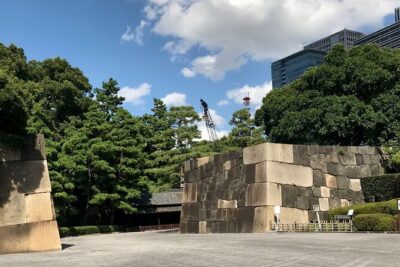
Imperial Palace East Garden and Edo Castle Walking Tour in Tokyo
Read our review →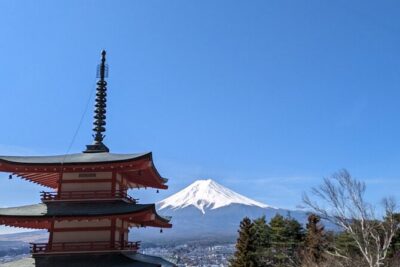
Mt. Fuji Day Trip from Tokyo with English Speaking Driver Guide
Read our review →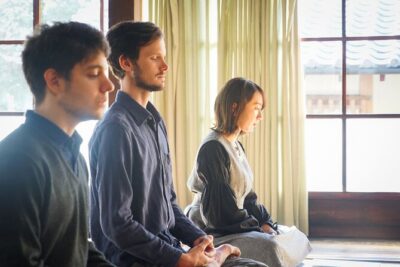
Kyoto Zen Meditation & Garden Tour at a Zen Temple with Lunch
Read our review →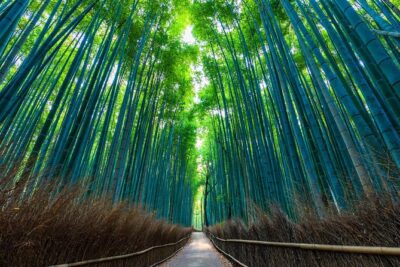
Kyoto Arashiyama Bamboo forest & Garden Half-Day Walking Tour
Read our review →
Tokyo: Imperial Palace East Gardens Walking Tour
Read our review →
Kyoto Kiyomizu Tea Ceremony with Scenic Garden Views
Read our review →Lists this garden visit belongs to