
Review · KYOTO
Kyoto: Shakyo & Matcha in Historic Temple Garden
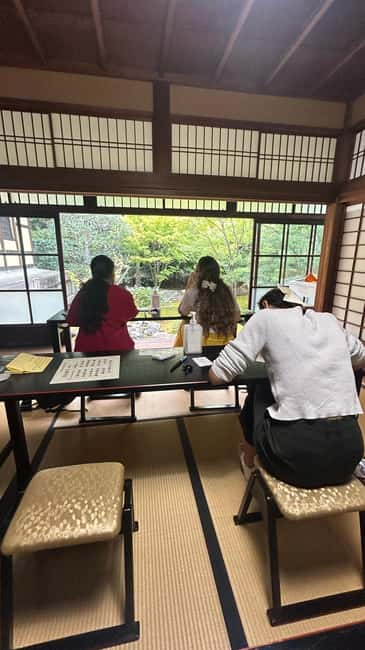
The most memorable part of this Kyoto experience is the shakyo session, a slow, focused act of copying Buddhist scripture by hand inside the peaceful grounds of Sennyu-ji. Incense, birdsong, and a quiet room give you a welcome break from Kyoto’s busy sightseeing streets.
I like two things in particular: you get a real cultural activity rather than a quick temple photo stop, and the matcha and seasonal wagashi are served with time to sit and look at the garden. The main consideration is practical: shakyo can take 60 to 90 minutes, and sitting quietly may not suit young children or anyone with mobility problems.
Key points to know
- A 60 to 90-minute shakyo practice: Copy a Buddhist sutra by hand using the provided brush, paper, and ink.
- Sennyu-ji’s calm temple setting: Walk 15 minutes from Tofukuji Station to a historic temple designated an Important Cultural Property.
- Matcha with seasonal wagashi: Finish the writing session with freshly prepared green tea and a Japanese sweet.
- Small English-speaking group: The group is limited to 10 people, making it easier to follow instructions and ask questions.
- A useful pause in a busy Kyoto schedule: The experience is built around stillness, reflection, and garden views rather than rushing from sight to sight.
- A little planning is needed: Large bags, luggage, strollers, pets, and electric wheelchairs are not allowed.
A quiet Kyoto activity with a purpose
Kyoto offers no shortage of temples, but many visits follow the same pattern: enter, take photographs, read a few signs, and move on. This experience asks you to slow down and take part.
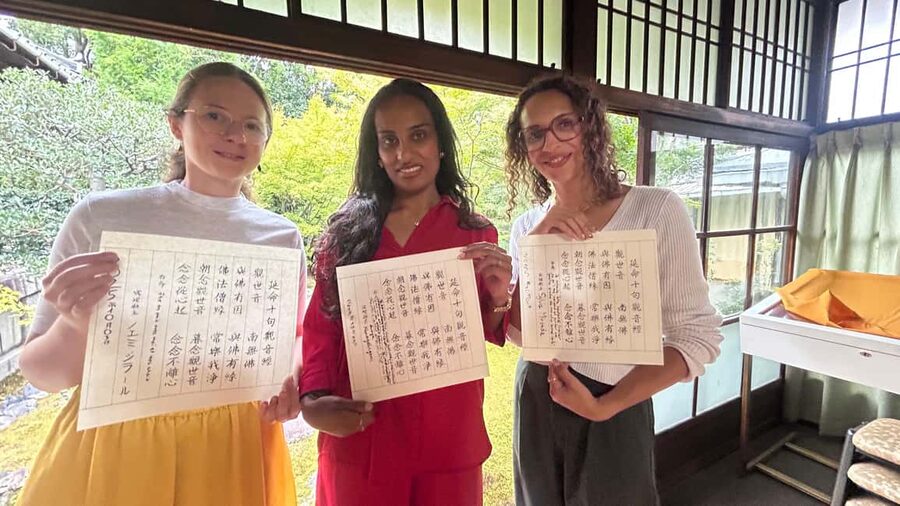
At Sennyu-ji, the central activity is shakyo, the Buddhist practice of copying a sutra. You are not expected to produce perfect calligraphy. The value is in the careful movement of the brush, the repeated characters, and the time spent paying attention to one task.
I find that this makes the temple visit feel more personal. You are not simply looking at an old building or garden. You are using the space in the way it was intended, with quiet concentration and respect.
The English-speaking guide adds context about Kyoto, Buddhism, and the temple’s place in Japanese cultural heritage. The group size is capped at 10, which matters here. A large group would work against the calm mood, while a small group gives you a better chance to hear instructions clearly before the writing begins.
Historic gardens and their stories around Kyoto:
- Aboriginal Heritage Walk – Royal Botanic Gardens Victoria, Melbourne Gardens
★ 5.0 · 314 reviews - Beijing Historical Tour II including Summer Palace, Lama Temple & Panda Garden
★ 4.0 · 187 reviews - Authentic Amalfi Lemon Tour & Tasting in the Historical Garden
★ 5.0 · 52 reviews
Walking from Tofukuji Station to Sennyu-ji
The meeting point is at the East Gate of Keihan Station at Tofukuji Station. Look for the guide with a yellow fluorescent band on their bag. That detail is useful, especially if several people are waiting near the station entrance.
From there, you walk for about 15 minutes to Sennyu-ji. The walk is short enough for most people who are comfortable on foot, but it is still worth wearing sensible shoes. This is not a station-platform activity with the temple immediately outside the exit.
The route helps create a change of pace. You leave the transport hub behind and move toward a historic temple setting. The experience then returns to Tofukuji Station by foot, with another 15-minute walk after the temple visit.
Because the activity lasts 150 minutes in total, allow extra time before and after if you have a train reservation or another timed booking. The stated schedule is fairly compact, so arriving at the meeting point on time is important.
Entering Sennyu-ji, an Important Cultural Property
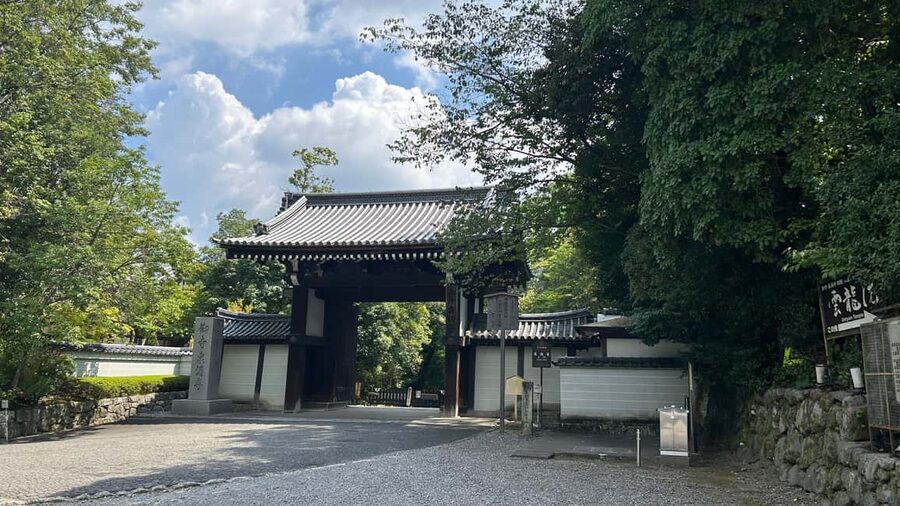
Sennyu-ji is the main setting for the two-hour temple portion of the outing. It is designated an Important Cultural Property, and the guide explains its connection to Kyoto’s religious and cultural past.
The supplied information does not give a detailed architectural tour or name individual buildings, so you should think of this as a focused cultural visit rather than a full temple complex tour. The emphasis is on the shakyo lesson, the garden, the tea service, and the meaning behind the practice.
That focus is a strength if you want a calm, structured experience. You get enough explanation to understand what you are doing, but the visit is not overloaded with dates and names. I would choose this for a day when you want one thoughtful activity, not when you are trying to see as many major sights as possible.
Photography may be limited in some interior areas. This is worth knowing before you arrive. The atmosphere depends on quiet, and a temple may restrict cameras in places where worship or concentration takes priority.
How the shakyo session works
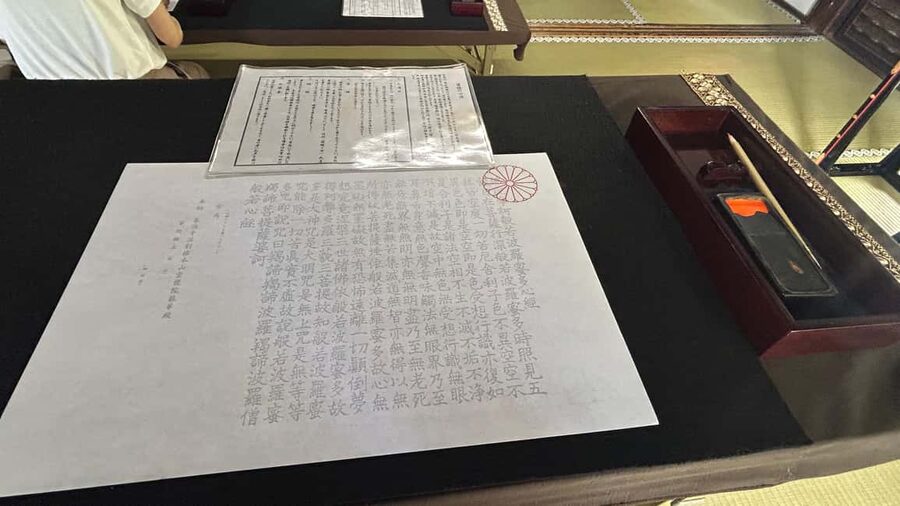
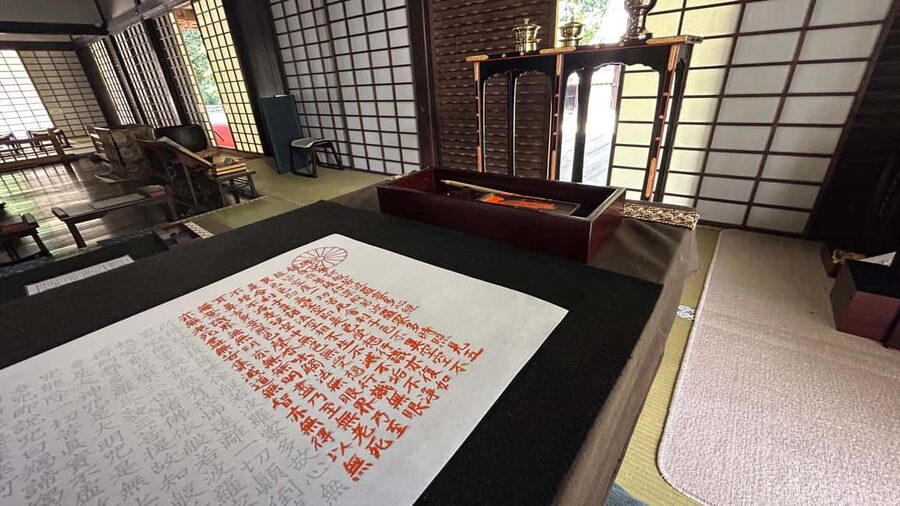
All brushes, paper, and ink are provided, so you do not need to bring special equipment. The guide will explain the process, and you then copy the Buddhist sutra at your own pace.
The session usually takes 60 to 90 minutes. Your writing speed affects the timing, so do not expect every participant to finish at exactly the same moment. If you write slowly, this can be a gentle way to remain focused. If you are eager to move on, the length may feel demanding.
You should wear comfortable clothing suitable for sitting quietly. The information does not specify the exact seating arrangement, so anyone who finds extended sitting difficult should consider that before booking.
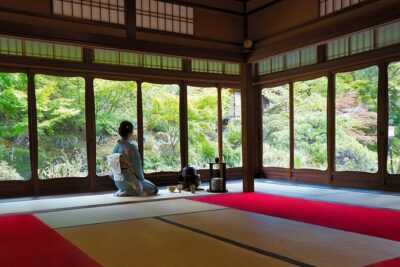
The room is described as cozy and peaceful, with the scent of incense and natural sounds such as birdsong. Those details matter because shakyo is less like a classroom exercise and more like a period of deliberate stillness.
You may find the writing surprisingly absorbing. The characters require attention, and the repeated brush strokes leave little room for checking your phone or planning the next stop. That is precisely the point.
Do not worry about artistic skill. The experience is about the act of copying, not creating a display piece. The guide’s role is to help you understand the practice and its cultural setting, not to judge your handwriting.
More gardens worth a morning in Kyoto:
- Kyoto Zen Meditation & Garden Tour at a Zen Temple with Lunch
★ 5.0 · 441 reviews - Kyoto Arashiyama Bamboo forest & Garden Half-Day Walking Tour
★ 5.0 · 413 reviews - Kyoto Kiyomizu Tea Ceremony with Scenic Garden Views
★ 5.0 · 101 reviews - Kyoto: Private Tea Ceremony with a Garden View
★ 4.9 · 61 reviews
Matcha, wagashi, and the Japanese garden
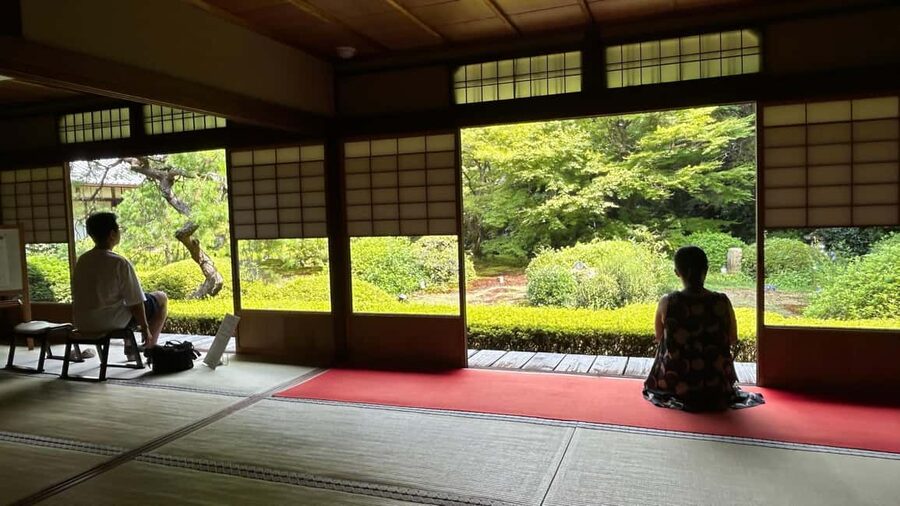
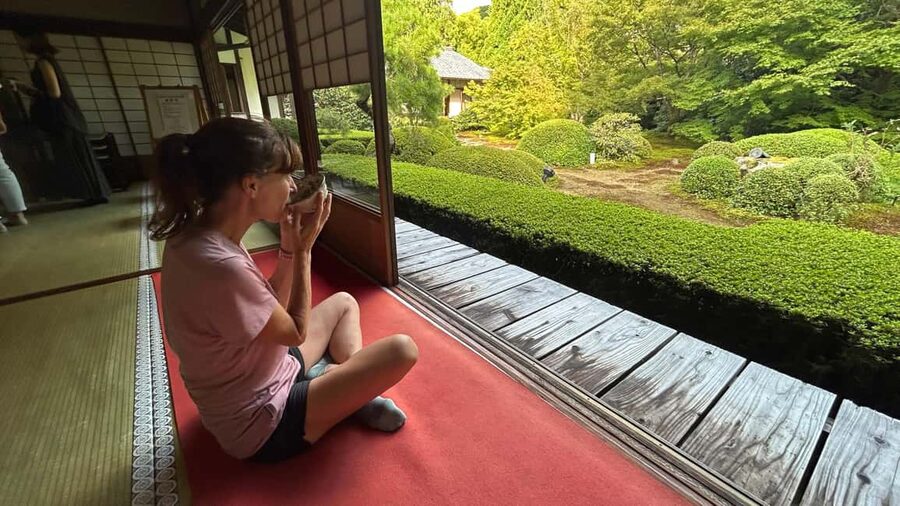
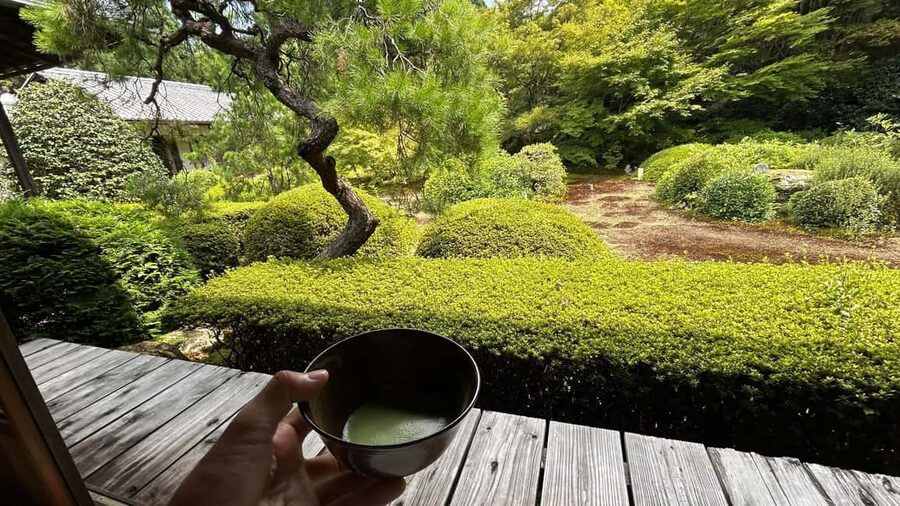
After shakyo, you sit down with a bowl of freshly prepared matcha green tea and seasonal wagashi. Wagashi are Japanese sweets, often made to suit the time of year, so the exact offering can change.
The tea and sweet provide more than a snack. They give you a second way to experience the temple, this time through taste and quiet observation. You can look toward the Japanese garden while drinking the matcha and take in the sense of harmony the setting is designed to create.
If you are new to matcha, expect a strong, earthy green tea rather than a sweet café drink. The wagashi helps balance its bitterness. Since the sweet varies by season, part of the pleasure is seeing what is served on the day of your visit.
This is also a good point in the activity to ask questions. The guide shares information about Kyoto’s history and Buddhist culture, and the smaller group should make conversation easier than it would be on a large coach tour.
The tea service is not presented as a full meal. If you need lunch, plan to eat before or after the activity.
What the guide adds to the experience
An English-speaking guide leads the walk and explains the temple visit, shakyo, and cultural background. The available information does not provide the guide’s name, so there is no named host I can recommend in advance.
What matters more here is the guide’s handling of the quiet portions. The guide needs to explain the writing practice clearly, then give you enough space to concentrate. A good balance is important: too little explanation leaves you unsure, while too much talking would spoil the reflective mood.
The guide also provides useful Kyoto context beyond the mechanics of brush and paper. One strong practical touch is help with planning the rest of the day. If you are building a busy Kyoto schedule, that kind of advice can help you connect this activity with nearby plans without turning the session into a rushed stop.
Since the group is limited to 10 participants, you can expect a more personal format. It is still a group activity, not a private lesson, but the size should keep the instructions manageable.
Is $35 a fair price?
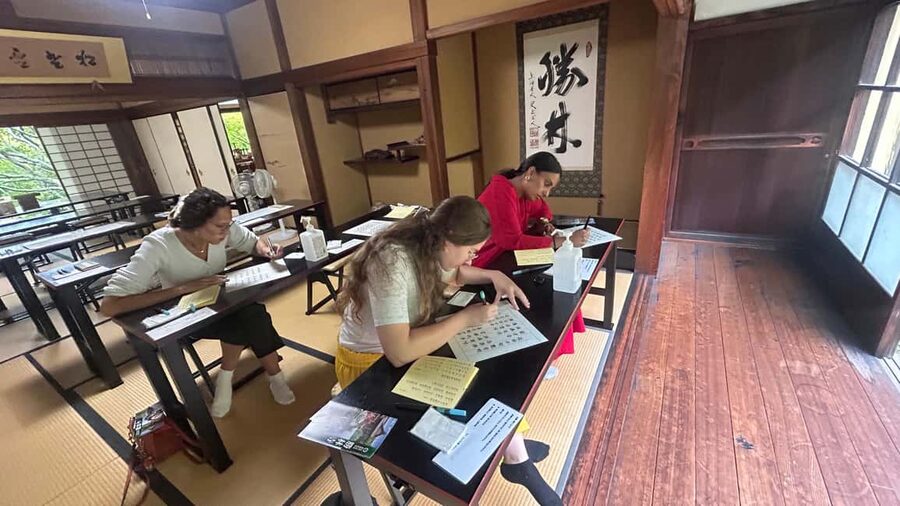
At $35 per person, this is fairly priced for a 150-minute activity that includes temple admission, a guided visit, all shakyo materials, matcha, and seasonal wagashi.
The value comes from the combination. You are not paying only for entry to a temple. You are receiving instruction, a cultural practice that can take up to 90 minutes, tea service, and a guided explanation of the setting.
If you only want to see Sennyu-ji and take photographs, a shorter independent visit may suit you better. This activity earns its price when you want structure and a meaningful way to spend time inside the temple.
The group limit also supports the price. Ten people is small enough for the guide to manage the session without making the writing room feel crowded. The separate entrance for this activity may also help keep the visit moving, though it does not mean every part of the temple will be private.
The reserve-now, pay-later option is useful if your Kyoto plans are still changing. You can also cancel up to 24 hours before the start for a full refund, according to the booking conditions.
Who should book this temple experience?
I would recommend it to adults and older children who enjoy cultural activities, quiet settings, and hands-on traditions. It suits someone who wants to understand more about Buddhism and Kyoto rather than simply collect another temple photograph.
It is especially useful during a packed trip. After several days of transport, queues, major sights, and long walks, a slow brush-writing session can reset your pace.
The minimum age is 10. Younger children are not accepted, and the format requires quiet sitting, so families with small children should choose another activity.
You should also be comfortable walking 15 minutes each way and sitting for an extended period. The experience is not suitable for people with mobility impairments or wheelchair users. Electric wheelchairs are specifically not permitted, and strollers, baby carriages, luggage, large bags, and pets cannot be brought along.
Wear comfortable clothes and keep your belongings light. A small personal bag may still need to meet the site’s restrictions, so check before arriving if you are unsure.
How to fit it into your Kyoto day
The full activity takes 150 minutes, including the walks to and from Tofukuji Station. Plan for more time if you want to linger at the temple or if your group moves slowly.
Because the session is quiet and time-based, I would avoid booking it immediately before a long-distance train or another attraction with a strict entry slot. Give yourself a buffer after returning to Tofukuji Station.
The experience can work well as a morning or afternoon pause, but the provided details do not list fixed daily start times. Check availability for the date you want before arranging the rest of your schedule.
Keep your day flexible after the tea service. The guide may offer suggestions for your remaining plans, and a relaxed temple activity works best when you do not have to hurry away the moment the session ends.
Should you book it?
Book this experience if you want to slow down, learn a Buddhist practice, and enjoy matcha in a historic Japanese garden. Its strongest features are the calm setting, the hands-on shakyo session, the seasonal sweet, and the small English-speaking group.
Skip it if you want a fast sightseeing stop, dislike sitting quietly, or need step-free access. The 60 to 90 minutes of writing is the heart of the activity, not a minor add-on.
For the price, I think it offers good value for a visitor who wants a more thoughtful Kyoto memory. You leave with a better sense of how religious practice, garden design, tea, and attention fit together in Japanese culture. Just arrive ready to put your phone away, keep your belongings light, and give the experience the quiet time it requires.
FAQ
Where does the experience begin?
Meet at the East Gate of Keihan Station at Tofukuji Station. Look for the guide with a yellow fluorescent band on their bag.
How long does the activity last?
The total duration is 150 minutes. This includes a 15-minute walk to Sennyu-ji, about two hours at the temple, and a 15-minute walk back to Tofukuji Station.
What is shakyo?
Shakyo is the Buddhist practice of copying a sutra by hand. The session is intended to encourage calmness, reflection, and concentration.
Are shakyo materials included?
Yes. Brushes, paper, and ink are provided for the session.
How long does the shakyo session take?
The writing usually takes between 60 and 90 minutes, depending on your writing speed.
Is matcha included?
Yes. The experience includes freshly prepared matcha green tea and seasonal wagashi, or Japanese sweets.
What language is the tour conducted in?
The live tour guide speaks English.
How large is the group?
The activity is limited to 10 participants.
Can children or wheelchair users join?
Children under 10 are not accepted. The activity is not suitable for people with mobility impairments or wheelchair users. Pets, strollers, baby carriages, luggage, large bags, and electric wheelchairs are also not allowed.
Newly planted garden visits around Kyoto
- Kyoto-Nara Adventures Private Tour With Hotel Pick Up★ 4.0 · 5 reviews
- Stunning Private Tea Ceremony: Camellia Garden Teahouse★ 5.0 · 28 reviews
- Guided Kyoto City Cherry Blossom One Day Private Tour★ 5.0 · 16 reviews
- Kyoto Hidden Treasures: Special Temple & Garden Access Tour★ 4.5 · 25 reviews
- Kyoto: Kinkaku-ji Temple & Serene Garden Guided Tour with Tickets★ 5.0 · 9 reviews
- The Art of Mindful Living: Tea Ceremony in Kyoto★ 5.0 · 16 reviews
- Kyoto ITALIAN GUIDE Golden Pagoda Bamboo Forest Dry Garden★ 4.0 · 2 reviews
- Kyoto Japanese Garden Lover’s Private Tour with Government-Licensed Guide★ 4.5 · 10 reviews
Japan Garden Tours, bed by bed.
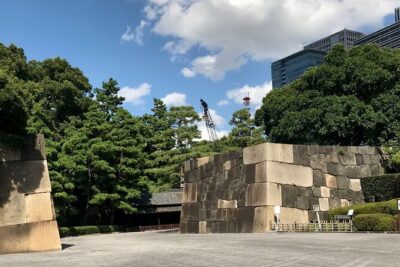
Imperial Palace East Garden and Edo Castle Walking Tour in Tokyo
Read our review →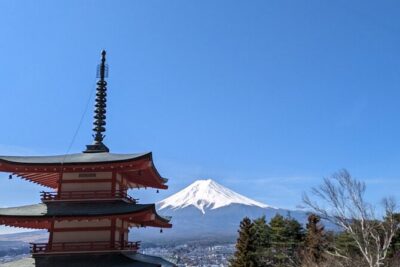
Mt. Fuji Day Trip from Tokyo with English Speaking Driver Guide
Read our review →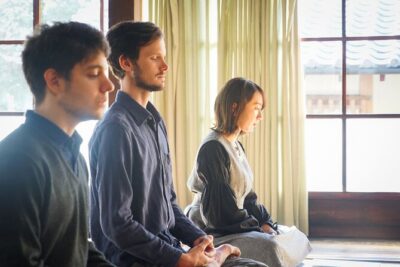
Kyoto Zen Meditation & Garden Tour at a Zen Temple with Lunch
Read our review →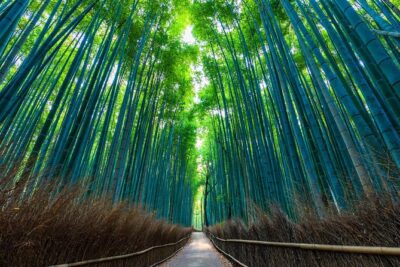
Kyoto Arashiyama Bamboo forest & Garden Half-Day Walking Tour
Read our review →
Tokyo: Imperial Palace East Gardens Walking Tour
Read our review →
Kyoto Kiyomizu Tea Ceremony with Scenic Garden Views
Read our review →Lists this garden visit belongs to