
Review · KANAZAWA
Kanazawa: Samurai, Matcha, Gardens and Geisha Full-Day Tour
Kanazawa packs old Japan into one very walkable day. You move from low-ranking samurai homes to a castle garden, then on to red-fronted tea houses and a preserved geisha house. The route gives you the city’s big sights, but also slips through quiet lanes and temple-lined streets.
I like the matcha stop at Gyokusen-an, where kimono-clad staff serve tea and wagashi beside a garden and castle walls. I also like the human touch from guides such as Mike, Akari, Gareth, Daniel, and Lee, who have been praised for adjusting the pace, answering questions, and helping with practical matters such as train tickets. The catch is simple: this is a serious walking day, often around 12 kilometers and sometimes more than 27,000 steps.
Key points at a glance
- See modest samurai homes: Enter residences that show how lower-ranking warriors lived, rather than only visiting grand ceremonial buildings.
- Pause for matcha at Gyokusen-an: Learn the basic etiquette while enjoying wagashi in a refined tea-house setting.
- Walk through Kenroku-en: Spend about 90 minutes in one of Japan’s best-known traditional gardens.
- Compare Kanazawa’s tea districts: Higashi-chaya has tall wooden tea houses, while nearby Kazue-machi offers quieter backstreets.
- Visit Shima geisha house: The preserved building gives you a closer look at tea-house culture and architecture.
- Plan for weather: Rain, snow, ice, heat, and long stretches on foot can shape your day as much as the sights do.
Why this full-day Kanazawa walk works
Kanazawa is a good city for a guided walk because its attractions are spread across several historic quarters. You could visit each place alone, but the connections between them are easy to miss. A guide explains how samurai power, castle administration, garden design, tea culture, and geisha traditions fit together.
The tour begins at 9:00 AM at Kanazawa Station and returns there at the end of the day. That makes it useful if you are arriving by train, staying near the station, or using Kanazawa as a stop between other Japanese cities. Look for the four large sumo wrestlers near the East Entrance and the Shinkansen ticket gates. Your guide wears a Snow Monkey Resorts tour tag.
The schedule is full, but it is not meant to feel like a forced march from one photo stop to the next. You get free time in several areas, and the guides have been praised for adapting to questions, children, and reasonable requests. Still, the distance matters. Wear shoes with good grip, especially in winter or wet weather.
Full days in the gardens around Japan:
- Full-Day Tour from Kanazawa: Samurai, Matcha, Gardens and Geisha
★ 5.0 · 68 reviews - Private Car Full Day Tour of Osaka Temples, Gardens and Kofun Tombs
★ 5.0 · 24 reviews - Tokyo: Full-Day Japanese Garden Private Guided Tour
★ 4.6 · 13 reviews
From Kanazawa Station to the samurai quarter
The first sight is the Tsuzumi-mon gate, a modern station landmark shaped by traditional Japanese forms. It gives you a quick sense of Kanazawa’s approach: old styles are respected, but the city is not frozen in the past.
From the station, you walk for roughly 30 minutes toward Nagamachi. The route uses side streets rather than sending you straight along the busiest roads. You pass local homes and occasional wooden temples, which helps you see Kanazawa as a living city instead of a collection of restored monuments.
This opening walk is useful for getting your bearings, but it is also when you begin spending energy. If you are not used to full-day walking, take the first stretch at a comfortable pace. There will be more ground to cover later.
Nagamachi and the daily life of samurai
Nagamachi is the tour’s strongest history lesson. Its crooked streets and earthen walls once protected the homes of samurai families attached to the Kaga domain. The district feels more intimate than a large castle complex because you are looking at neighborhood life, not only military power.
A particularly worthwhile part is entering houses associated with lower-ranking samurai. These homes help correct the usual movie version of samurai life. Not every warrior lived in a large estate. Many had modest means, practical rooms, and duties tied to the feudal system.
You have about 110 minutes here, including guided sightseeing and time to explore. That is enough time to listen, look around, and browse local crafts and wares. The guide adds value by explaining details you might otherwise walk past, including the social position of the residents and the purpose of the buildings.
The district is also a good place to ask questions. Guides such as Akari, Mike, Mohammed, and Gareth have been praised for making history easy to follow without turning the day into a lecture. That matters here, where a plain wall or narrow lane can seem unremarkable until you understand why it is there.
Oyama Shrine and the road into the castle grounds
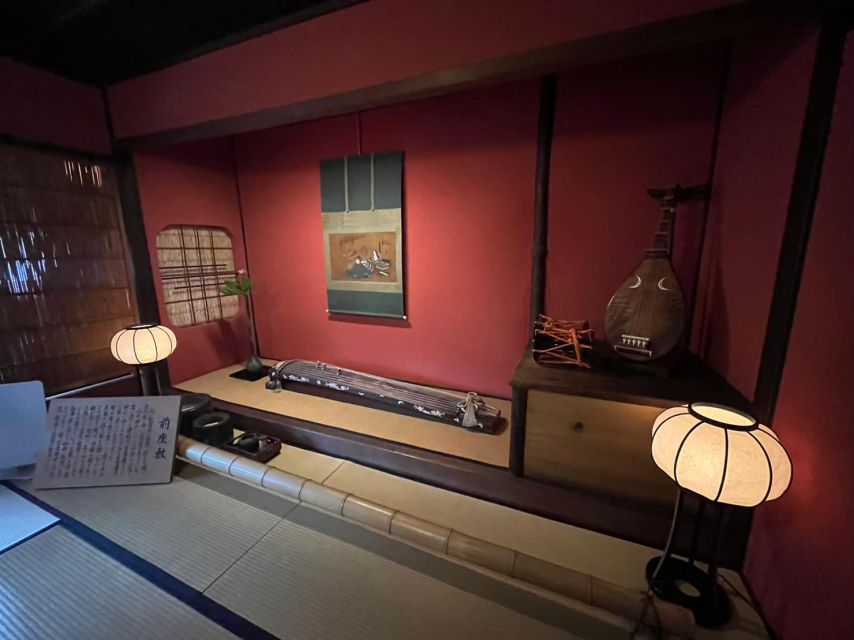
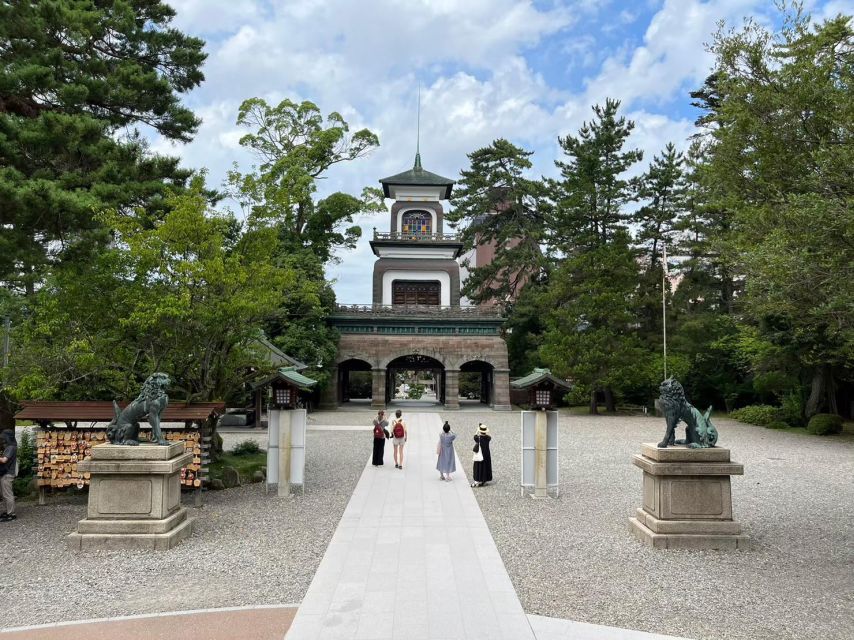
Oyama Shrine makes a sharp visual change. Its gate combines Japanese design with Western stained glass, reflecting the period when Japan was absorbing outside influences in the 19th century. It is an unusual building, and the contrast works best when your guide explains the historical setting rather than treating it as just another shrine.
Allow about 10 minutes for the main visit, then follow the path behind the shrine. There is a koi pond and a small garden, followed by a large wooden bridge and an impressive gate leading toward Kanazawa Castle. This transition is one of the pleasant surprises of the route. The city’s religious, military, and garden spaces connect in a short walk.
The stop is not long, so do not expect an extended shrine visit. Its value comes from the sequence: stained glass, pond, bridge, gate, and castle walls. It gives the day a strong visual rhythm.
More gardens worth a morning in Japan:
- Osaka: teamLab Botanical Garden Entry Ticket
★ 4.5 · 1,710 reviews - Imperial Palace East Garden and Edo Castle Walking Tour in Tokyo
★ 5.0 · 510 reviews - Kyoto Zen Meditation & Garden Tour at a Zen Temple with Lunch
★ 5.0 · 441 reviews - Kyoto Arashiyama Bamboo forest & Garden Half-Day Walking Tour
★ 5.0 · 413 reviews
Matcha beside the castle walls
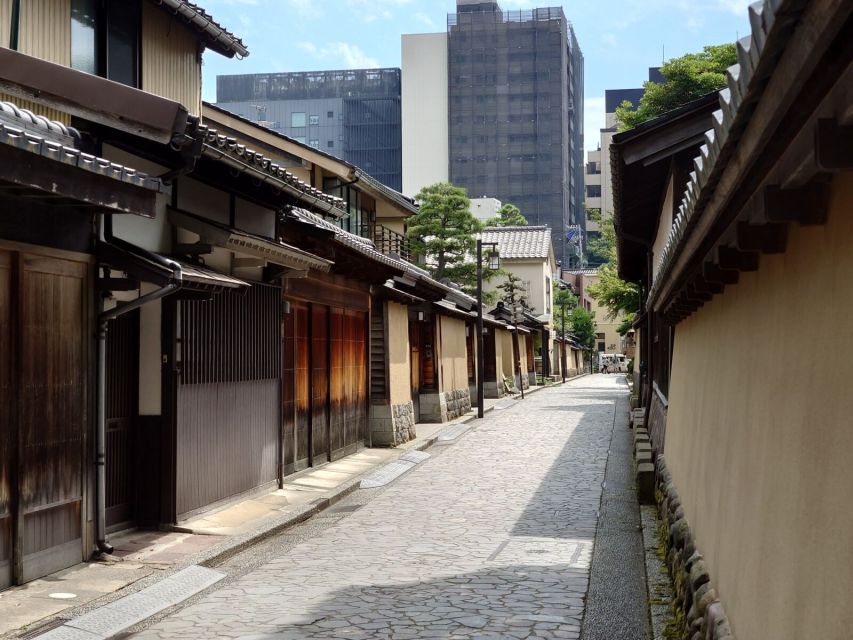
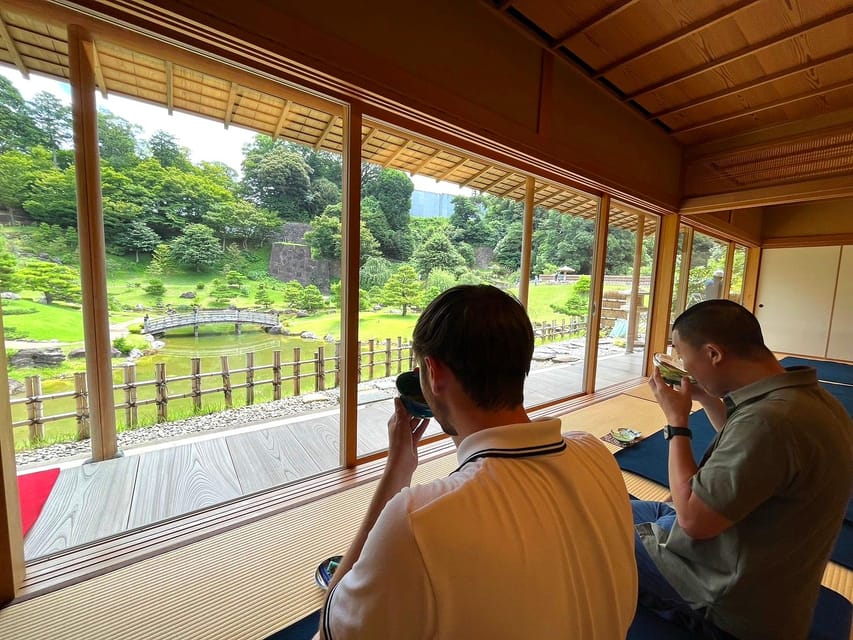
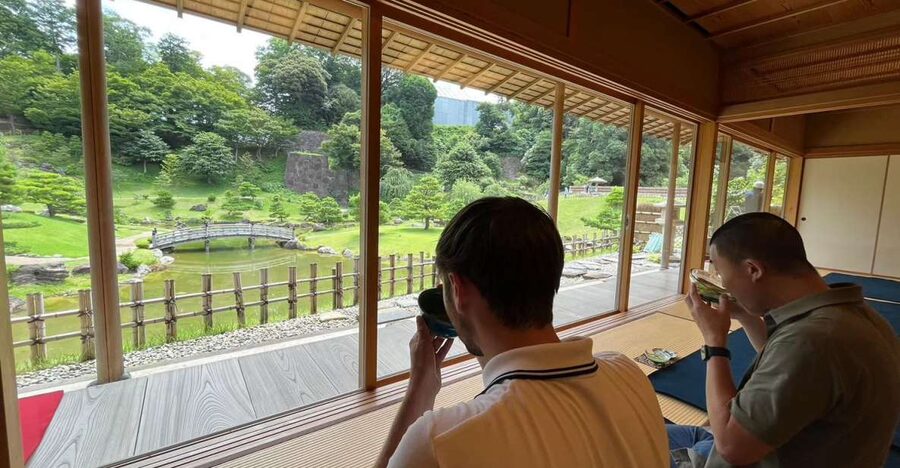
Gyokusen-an is where the tour slows down. You sit in a traditional tea house with views over a carefully arranged garden at the base of the castle’s large stone walls. The interior is deliberately spare and graceful, a useful contrast after the walking and street scenes.
Kimono-clad staff serve matcha with artistic wagashi sweets. Your guide explains the basic way to drink the tea, so you are not left guessing when to bow, how to handle the bowl, or what to do with the sweet. This is a short tea experience rather than a full formal tea ceremony, which makes it approachable if you have never tried matcha before.
I consider this one of the tour’s best-value inclusions. The $156 price is not low for a walking tour, but the matcha stop gives you a cultural activity, an attractive setting, and a chance to rest without adding another admission fee.
Gyokusen-an can occasionally be unavailable because of special events. In that case, the matcha tasting moves to another location. The tea experience remains part of the day, but the castle-wall setting may change.
Lunch is flexible, not included
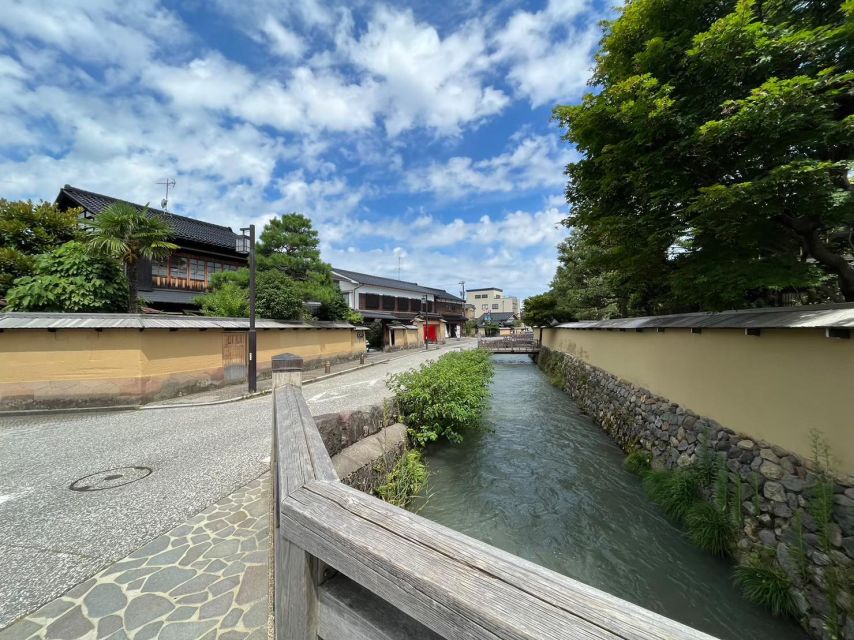
Lunch comes after the matcha stop, near the castle area. It is not included, and you ask your guide for suggestions. That arrangement has advantages. You are not locked into a fixed menu, and you can choose how much time and money to spend.
It also means you should budget for lunch separately. If you want a broader choice, Omicho Market is a useful place to consider, and one particularly positive account described lunch there as a highlight. The supplied schedule does not promise that every group will eat at the market, so treat it as a possible recommendation rather than a guaranteed stop.
Keep lunch sensible. You still have Kenroku-en, Higashi-chaya, Shima, and the walk back to the station ahead of you.
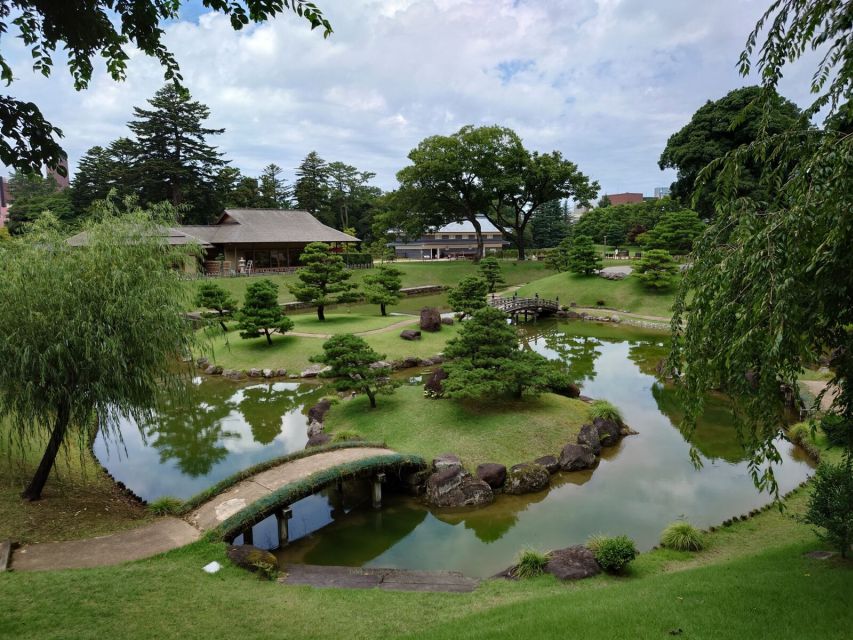
Kenroku-en, Kanazawa’s great garden
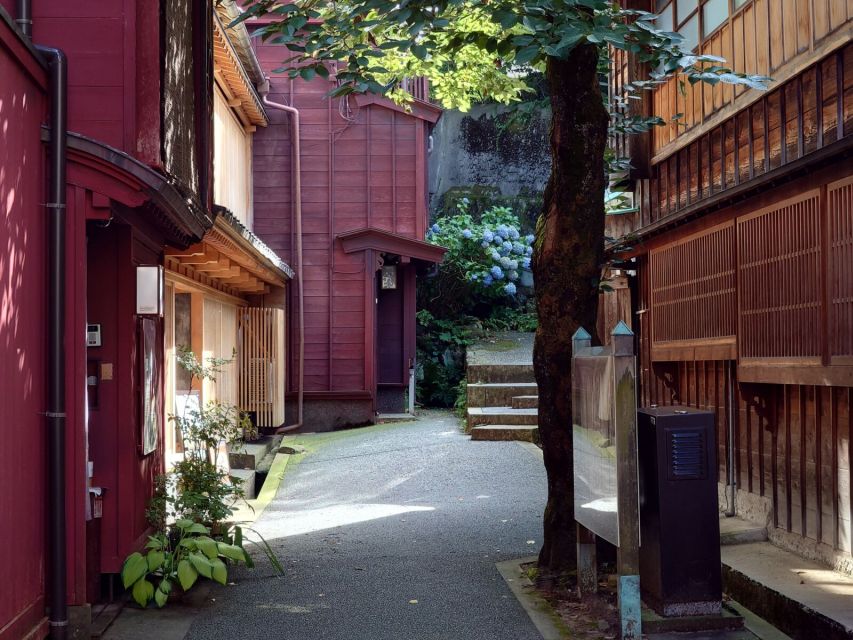
The route continues through Kanazawa Castle and across to Kenroku-en. Entry to the garden is included, and you spend about 90 minutes there with your guide.
Kenroku-en was developed over more than 200 years by the lords of Kanazawa Castle. Its design is based on balancing qualities that traditional Japanese gardens often seek: space, seclusion, water, age, artifice, and broad views. Your guide explains how the garden was formed and why its paths, ponds, bridges, trees, and borrowed scenery are arranged as they are.
The garden changes with weather and season. Rain can soften the castle walls and trees in mist, while winter may bring snow and icy paths. Summer can be warm and humid. The weather is not a minor detail here, since you spend a long time outdoors and much of the day is on foot.
Kenroku-en is also where the guide’s teaching style matters most. Without context, a garden can become a string of pretty views. With explanation, you begin to notice how the path controls what you see and how the garden creates shifts between open and enclosed spaces.
You should expect other visitors, especially at popular viewpoints. The 90-minute visit gives you time to enjoy the place, but it is not enough for every corner at a slow pace. Stay aware of the agreed meeting time if you use free time to take photographs.
Higashi-chaya and Kanazawa’s tea-house culture
Higashi-chaya is one of Kanazawa’s signature districts. Its streets are lined with tall, two-story wooden tea houses, and some have red-painted interiors or exteriors, a design detail strongly associated with Kanazawa.
This is not simply a row of old buildings. Tea houses were places tied to music, hospitality, performance, and social life. The word geisha can lead to shallow assumptions, so the guide’s explanation is valuable. You learn about the setting and traditions rather than just taking pictures of women in costume.
The scheduled guided visit and free time here total about 40 minutes before the separate Shima visit. That is enough to walk the main street and look in a few shops, but not enough for an extended shopping session. If you are keen on crafts or sweets, decide in advance whether browsing or listening should get priority.
Higashi-chaya can feel busier than Nagamachi. That contrast is useful. You see how a preserved historic district functions as a public attraction, while the earlier samurai quarter feels more residential and quiet.
Inside Shima, a preserved geisha house
The visit to Shima gives you a closer look at tea-house architecture. This heritage building preserves the rooms and layout associated with geisha entertainment, allowing you to see more than the outside facades in Higashi-chaya.
You have about an hour here with a guide. Look for the details that make the building work as a tea house: the rooms, thresholds, decorative features, and separation between public and private areas. The tour data does not promise a live geisha performance, so book this for the building and its cultural explanation, not for a show.
For many people, Shima becomes one of the day’s most memorable stops because it turns an abstract idea into a physical place. You can understand the scale of the rooms and how carefully the setting was arranged.
The return through Kazue-machi
After Shima, the group walks back toward the station for about 30 minutes. The route passes through Kazue-machi, a maze of backstreets near the river. It is a quieter ending than returning along a main road, and it gives you one last look at Kanazawa’s wooden architecture.
The day finishes at the same meeting point near the station. That is practical if you have a train to catch, but allow extra time after the official finish if your rail connection is tight. Guides have sometimes helped with train tickets and schedule questions, but that is a kindness, not a guaranteed part of the service.
The walking, weather, and comfort question
This is a walking tour first and a sightseeing tour second. The route covers roughly 12 kilometers according to one detailed account, and another day reached more than 27,000 steps. The exact total will vary with the group and any extra wandering, but you should prepare for a full day on your feet.
Bring or wear:
- Comfortable shoes with non-slip soles
- Warm layers and warm shoes in winter
- An umbrella or rain gear
- Socks suitable for entering traditional buildings
- Weather-appropriate clothing
Winter temperatures can stay below 10°C, with mornings and evenings close to or below freezing. Snow and ice may cover sidewalks. Rain is also possible, and the tour normally continues in wet conditions. On the positive side, the schedule includes pauses at the tea house, lunch, and indoor heritage sites.
Free time is built into the day, but it does not mean you can leave the route for long. Listen carefully for meeting times. If you lose the group, the number on your tour pass can be used to contact staff.
Guide quality and group experience
The guide can make or break a history-heavy walking tour. This experience is offered in English, and the strongest guide names connected with it include Mike, Akari, Gareth, Daniel, Lee, Mohammed, Adeline, Devin, and Garrett.
The praised traits are consistent: clear explanations, humor, patience with children, flexibility, and help with practical questions. One guide adjusted the pace for a family ranging from 11 to 70 years old. Others helped with train arrangements at the station. That suggests a friendly, hands-on style, though the exact guide and group size depend on the date.
Do not expect a private tour unless your booking says so. The experience is designed for a group, and the relaxed pace depends partly on everyone staying together. If you prefer to photograph every garden corner or shop at length, the schedule may feel brisk.
Is $156 a fair price?
At $156 per person, this is a substantial day-tour price. You are paying for a full-day English guide, entry to Kenroku-en, entry to Shima, and the matcha experience. Lunch, transport costs if any are needed, and personal purchases are extra.
The value is strongest if you want context. You could visit many of these places yourself for less, but you would need to plan the route, understand opening arrangements, find each historic quarter, and supply your own explanations. The guide also links the sites into a single story, from samurai society to castle rule, garden design, and tea-house culture.
The price is less attractive if you want a slow, unstructured day or already know Kanazawa well. It is also a poor fit if long walks are difficult. For a first visit, however, the number of major sights covered in one day makes the cost easier to justify.
Who should book this Kanazawa tour?
Book it if you want to see the main historic areas in one day and prefer explanations to simply collecting photographs. It suits first-time visitors, history fans, garden lovers, families who can handle a long walk, and anyone staying briefly in Kanazawa.
You will get the most from it if you arrive rested, wear proper shoes, and accept that the day follows a broad route rather than lingering at one site. It is also a good choice if you are curious about samurai and geisha culture but want the subject treated through buildings, history, and local context.
Skip it if you need a low-walking itinerary, dislike changing weather, or want a long lunch and plenty of independent shopping. You may also prefer separate visits if you want to spend an entire morning in Kenroku-en or a full afternoon in Higashi-chaya.
For most first-time visitors with one free day, I would book it. The mix is unusually complete: modest samurai homes, a strange and beautiful shrine gate, castle grounds, matcha, one of Japan’s best-known gardens, and a preserved geisha house. Just remember that the main admission fee is not the only cost. Your feet will be working hard too.
FAQ
How long is the Kanazawa samurai, matcha, gardens, and geisha tour?
It lasts one full day. The listed schedule begins at 9:00 AM and returns to Kanazawa Station, though you should check the available start time when booking.
Where do I meet the guide?
Meet outside the Shinkansen ticket gates, in front of the station information center. From outside the station, go just inside the East Entrance and look for the four large sumo wrestlers.
How do I identify the guide?
Look for a guide wearing a Snow Monkey Resorts tour tag.
What language is the tour offered in?
The live guided tour is offered in English.
Is lunch included?
No. Lunch is not included, and you can ask the guide for recommendations during the break.
Is the matcha experience included?
Yes. The matcha experience and wagashi sweets are included. It is usually held at Gyokusen-an, though the location can change if a special event is taking place.
Are entrance fees included?
Admission to Kenroku-en and Shima, the geisha house, is included.
How much walking is involved?
Expect several hours of outdoor walking. The route can total about 12 kilometers, and one detailed account recorded more than 27,000 steps.
What happens if it rains or snows?
The tour involves outdoor walking in all seasons, so bring an umbrella or rain gear. In winter, wear warm clothing and non-slip footwear because snow and ice may be present on roads and sidewalks.
Newly planted garden visits around Japan
- Kyoto-Nara Adventures Private Tour With Hotel Pick Up★ 4.0 · 5 reviews
- Stunning Private Tea Ceremony: Camellia Garden Teahouse★ 5.0 · 28 reviews
- Kyoto: Kinkaku-ji Temple & Serene Garden Guided Tour with Tickets★ 5.0 · 9 reviews
- Guided Kyoto City Cherry Blossom One Day Private Tour★ 5.0 · 16 reviews
- Kyoto Hidden Treasures: Special Temple & Garden Access Tour★ 4.5 · 25 reviews
- The Art of Mindful Living: Tea Ceremony in Kyoto★ 5.0 · 16 reviews
- Kyoto ITALIAN GUIDE Golden Pagoda Bamboo Forest Dry Garden★ 4.0 · 2 reviews
- Kyoto Japanese Garden Lover’s Private Tour with Government-Licensed Guide★ 4.5 · 10 reviews
Japan Garden Tours, bed by bed.

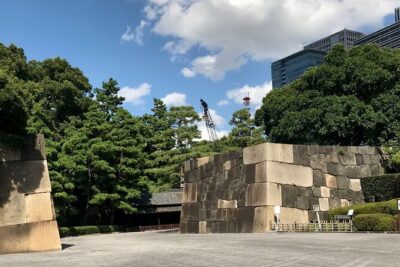
Imperial Palace East Garden and Edo Castle Walking Tour in Tokyo
Read our review →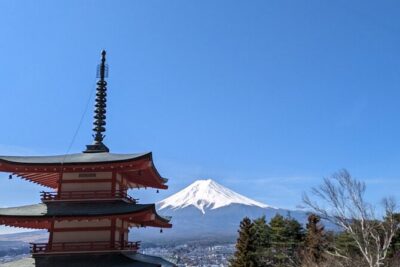
Mt. Fuji Day Trip from Tokyo with English Speaking Driver Guide
Read our review →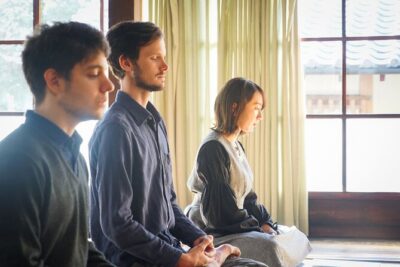
Kyoto Zen Meditation & Garden Tour at a Zen Temple with Lunch
Read our review →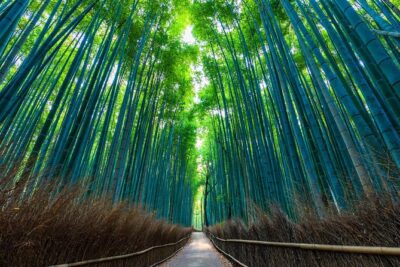
Kyoto Arashiyama Bamboo forest & Garden Half-Day Walking Tour
Read our review →
Tokyo: Imperial Palace East Gardens Walking Tour
Read our review →
Kyoto Kiyomizu Tea Ceremony with Scenic Garden Views
Read our review →Lists this garden visit belongs to