
Review · TOKYO
Tokyo: Hama-rikyu Gardens tour with Japanese Tea & Sweets
Hama-rikyu Gardens gives you a quiet look at Tokyo’s Edo-period past, followed by a very Japanese pleasure: matcha and wagashi in a tea room overlooking the garden. The short guided walk helps you see more than pretty trees and ponds. You learn why the garden was arranged as it was.
I like the small group of four and the clear split between sightseeing and tea. I also like that guides such as Hiro, Ayaku, and Mr. Ito have been praised for making the history easy to follow. The main consideration is the $85 price for 90 minutes, which feels worthwhile if you want context and a planned tea experience, but high if you only want to stroll through the garden.
Key points to know before booking
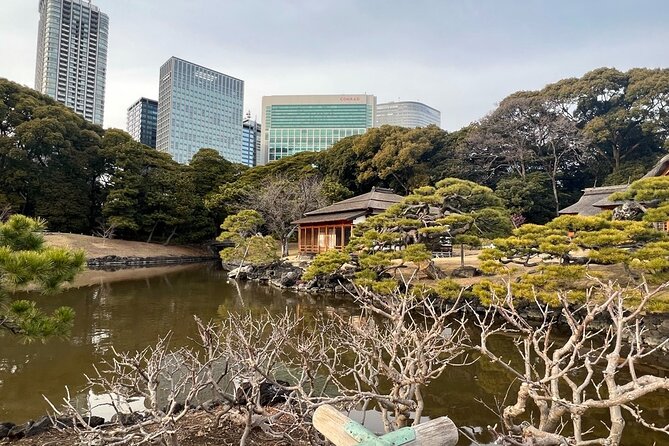
- Edo-period setting: Hama-rikyu Gardens offers a direct connection to Japan’s former ruling era, not just a modern city park.
- Two garden styles: You’ll see a Karesansui dry garden and a Kaiyushiki circular garden, each designed for a different way of viewing nature.
- English guidance: The guide explains the garden’s history and design, with past sessions led by Ayaku, Hiro, and Mr. Ito.
- Matcha and sweets included: Your ticket covers matcha green tea and Japanese sweets in the garden tea room.
- Very small group: With no more than four participants, you can ask questions without trying to compete with a crowd.
- Easy city connection: The walk begins at Otemon Bridge and finishes at Shiodome Station, subject to the option you book.
Why Hama-rikyu Gardens makes a good Tokyo break
Tokyo can feel like an endless wall of buildings, signs, trains, and people. Hama-rikyu Gardens offers a sharp change of pace without asking you to leave the city center. Here, trees, seasonal plants, ponds, and carefully arranged views take the foreground.
The garden began in the Edo period, a time when Japanese rulers and powerful families used formal gardens for relaxation, entertainment, and display. That background matters because the garden is not simply a patch of green space. Its paths, planting, water, and viewing areas were arranged with purpose.
I like guided visits here because Japanese gardens can be hard to read at first. You may see a pond, a cluster of trees, or a patch of stones and think it is attractive without knowing why it was placed there. A guide can explain the ideas behind the design, giving you a better way to look at similar gardens elsewhere in Japan.
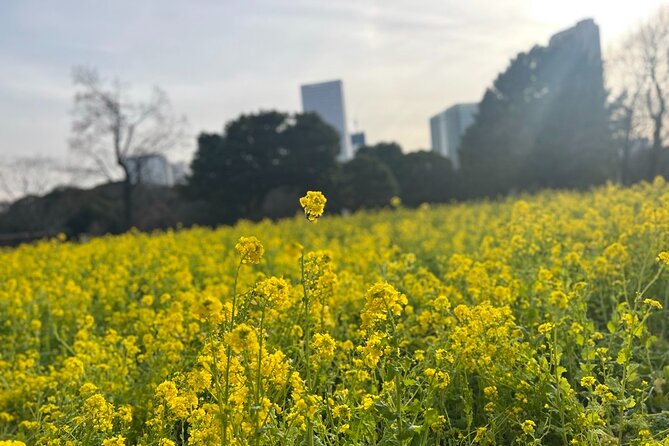
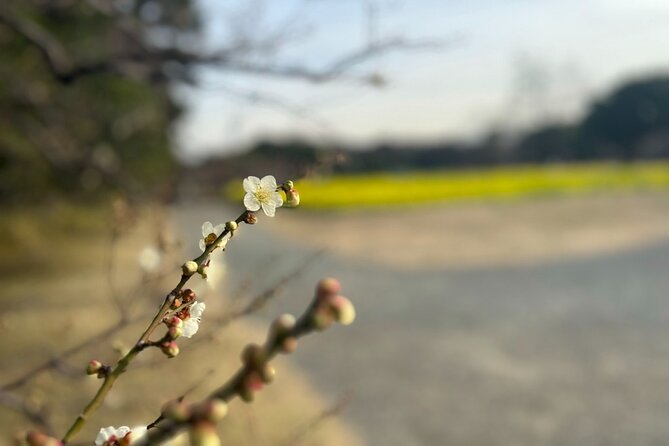
The seasonal angle is another reason to visit. The garden changes as flowers bloom and trees shift through the year. A visit in spring may feel different from one in winter, and one of the strongest comments from the experience came from someone already looking forward to seeing the garden in spring. The tour does not promise a particular flower display, so plan around the garden itself rather than a single seasonal sight.
Sweet stops on garden days around Tokyo:
- Princeville Botanical Gardens Tour and Chocolate Tasting Ticket
★ 5.0 · 774 reviews - Grenada Spice Gardens, Rum & Chocolate Tour (Full/Half Day)
★ 4.5 · 94 reviews
Beginning at Otemon Bridge
The meeting point is at Otemon Bridge, one of the listed starting options. This is a useful place to begin because the bridge gives the visit a clear entrance and helps separate the garden from the surrounding city.
Exact meeting details can vary according to the option you select, so check your booking information carefully. You do not want to arrive at the wrong starting point in a city where a short map distance can still mean a confusing walk.
The experience is built for a small group, with a maximum of four people. That changes the feel of the visit. You are not being pushed along behind a large flag. You can hear the English explanations more easily, ask about details that catch your eye, and keep the pace suited to a short garden walk.
Wear comfortable walking shoes. The tour is not presented as a strenuous hike, but you will be on your feet and moving through the garden. Comfortable shoes also make it easier to pay attention to the views instead of thinking about sore feet.
The 30-minute walk through the Edo-period garden
The guided garden portion lasts about 30 minutes. That is enough time for an introduction to the main sights, but not enough for a slow, unplanned exploration of every path. Think of it as a focused orientation rather than a full afternoon in the garden.
Your guide explains the garden’s history and the thinking behind its design. This is the part that gives the tour its value beyond admission and a cup of tea. Guides named Ayaku, Hiro, and Mr. Ito have led past sessions, and their approach has been described as friendly, clear, and full of useful background.
One focus is the Karesansui, or dry landscape garden. Dry gardens use stones, gravel, and carefully controlled form rather than relying on large bodies of water. The point is not simply to admire a colorful flower bed. You are encouraged to consider how the arrangement creates an image of nature through a limited number of elements.
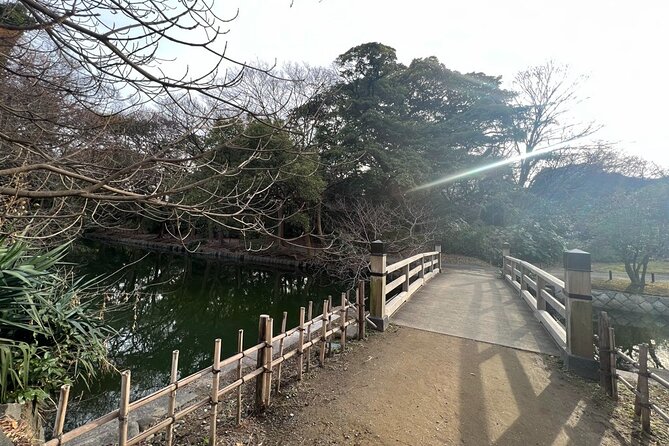
You will also encounter the Kaiyushiki garden, a circular garden designed to be viewed while walking around it. This style lets the scene change as you move. A tree, pond, or open view can take priority for a moment, then give way to another composition a few steps later.
That explanation is useful because the garden is meant to be experienced from several positions. If you rush from one famous point to the next, you can miss the way the views shift. A guide helps you slow down and notice the plan.
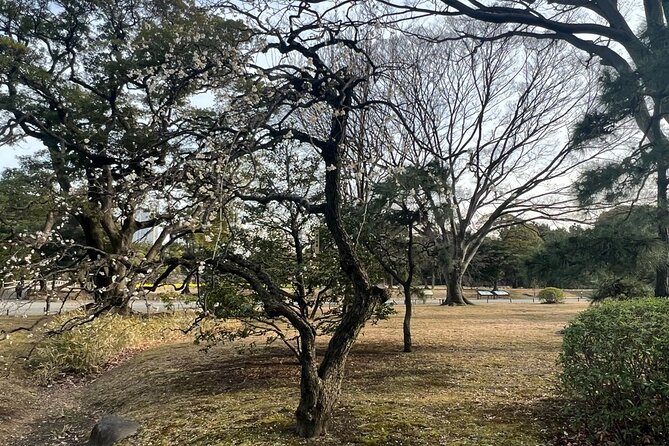
The garden’s plants and trees provide another layer. Their appearance changes with the seasons, so the same route will not look identical throughout the year. The tour works especially well for you if you want to learn how Japanese garden design combines natural growth with close control.
The main limitation is time. Thirty minutes goes quickly, especially if you stop to take pictures. You should enjoy photography, but do not expect a long independent wandering period during the guided section. If you prefer to set your own pace, you may want to allow extra time before or after the tour, if your schedule and admission arrangements permit it.
Matcha, wagashi, and an hour in the tea room
After the garden walk, the experience shifts to the tea room for matcha green tea and Japanese sweets. The tea and sweets are included in the $85 price, so you are not paying extra at the moment they are served.
This is more than a snack stop. The tea room gives you a chance to sit with the garden experience instead of immediately returning to Tokyo’s streets. Matcha has a firm, grassy taste that can surprise people who expect sweet green tea. The Japanese sweets, or wagashi, provide a contrasting sweetness and are part of the presentation.
The tea portion is scheduled for about one hour, which makes it the largest part of the 90-minute experience. That tells you something important about the tour’s character. This is not a quick photo walk with tea tacked on at the end. The tea room is a central part of the visit.
You should book this tour if you enjoy a calm cultural activity with time to listen and look. It is less suitable if you want a fast list of Tokyo sights. The long tea segment may feel too slow to someone who would rather spend the hour exploring more of the city.
The setting adds value. Having matcha within the garden makes the experience feel connected rather than divided into a sightseeing stop and an unrelated café visit. You can reflect on the garden’s design while the details are still fresh.
Past participants have singled out the tea and sweets as especially memorable. One person called the matcha and wagashi at the tea house unforgettable, while another specifically praised the matcha. That fits the structure of the tour: the tea service is not a minor extra, and you should treat it as one of the main reasons to reserve.
More gardens worth a morning in Tokyo:
- Imperial Palace East Garden and Edo Castle Walking Tour in Tokyo
★ 5.0 · 510 reviews - Tokyo: Imperial Palace East Gardens Walking Tour
★ 4.8 · 353 reviews - Mt. Fuji, Cherry Blossom & Shiba Sakura Pvt. Day Tour
★ 5.0 · 326 reviews - Tokyo: Edo Castle & East Garden of the Imperial Palace Tour
★ 4.7 · 112 reviews
What the small group changes
A four-person limit is a real advantage for this type of visit. Gardens are places where questions naturally arise. You may want to ask about a stone arrangement, the seasonal planting, or the difference between the two garden styles. In a larger group, those questions can be harder to fit in.
A small group also makes the tea portion more personal. You are not trying to follow a demonstration from the back of a crowded room. The exact style of tea service is not specified, so you should not assume a full formal tea ceremony with every traditional step. The confirmed elements are the tea room, matcha, Japanese sweets, and time to appreciate the garden.
The English-speaking guide is important if you want historical and design context. The experience is offered in English, and the guide remains with you for the tour. If you prefer to explore silently and independently, the guide’s role may feel like more structure than you need.
The positive guide feedback has been consistent in tone. Ayaku was described as kind and eager to explain, Hiro as an excellent guide who visited several fascinating spots, and Mr. Ito as well informed and helpful with Japanese history. Those details suggest that the human side of the tour matters as much as the route.
Is $85 a fair price?
At $85 per person, this is not the cheapest way to see Hama-rikyu Gardens. You are paying for a 90-minute small-group experience, an English-speaking guide, matcha, and Japanese sweets. The limited group size is part of the cost, too.
The value is strongest for first-time visitors who want help interpreting the garden. You are not just buying access to a green space. You are paying for an explanation of the Edo-period background, the dry garden, the circular garden, and the connection between the garden and tea culture.
The value is weaker if you already know Japanese garden design or mainly want a free hour outdoors. In that case, the guided explanation may not add enough to justify the price. You might prefer to visit the garden independently and spend your money on a separate tea stop.
The one-hour tea experience helps make the price easier to understand. A short walk followed by a simple drink would feel expensive. Here, tea and sweets are included in a dedicated portion of the visit, and the small group gives the activity a more personal feel.
You also receive some booking flexibility. You can cancel up to 24 hours before the activity for a full refund, and you can reserve now and pay later. Those terms do not change the tour’s quality, but they help if your Tokyo schedule is still shifting.
Who will enjoy this experience most
This tour suits you if you want a gentle introduction to Japanese garden culture, especially early in a Tokyo visit. The guide can give you ideas to carry into later visits to temples, shrines, and other gardens.
It is a good choice for couples, solo visitors, and small groups who appreciate quiet conversation and a slower pace. The four-person limit is particularly useful for solo visitors who want interaction without joining a large tour.
It also suits matcha fans and anyone curious about Japanese sweets. The tea room portion is long enough to feel like a proper activity, not a hurried refreshment break.
Families and older visitors should consider the walking element and the 90-minute structure. The information provided does not give detailed accessibility conditions, so you should confirm any specific mobility needs before booking.
You may want a different experience if your priority is Tokyo’s modern architecture, shopping, nightlife, or a packed sightseeing schedule. This tour offers nature, history, and tea. It does not try to cover many unrelated attractions.
Practical timing and the finish at Shiodome Station
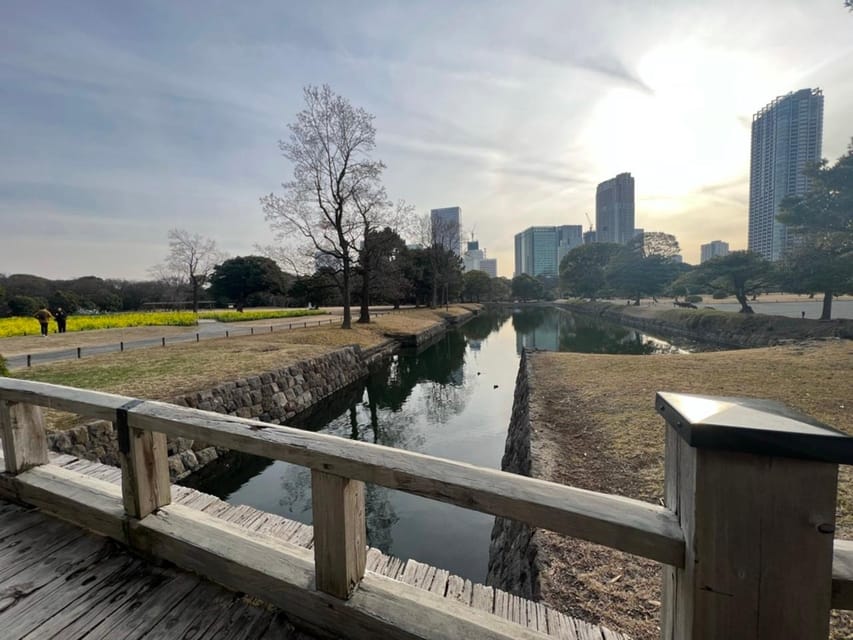
The listed finish is Shiodome Station, making the activity easy to connect with another Tokyo plan. Shiodome is also a practical endpoint if you want to continue sightseeing after the tea room rather than return to the starting point.
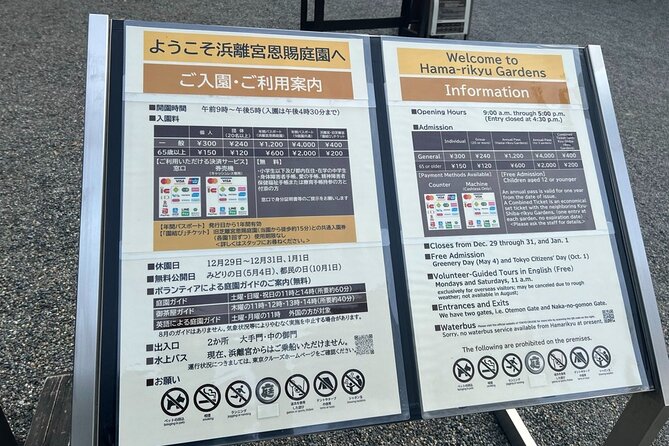
The tour has two starting location options and two drop-off options, so read the selected option closely when you book. The meeting point may vary. Since the activity is only 90 minutes, arriving late could cut into the garden walk or tea time.
Keep your schedule realistic around the tour. The official activity time is 90 minutes, but you should leave a little room for finding Otemon Bridge, entering the garden, and continuing from Shiodome Station afterward. The exact start times depend on availability.
Photography is welcome as part of the experience. Still, this is a guided cultural visit, so listen first and photograph second. The garden’s changing views are best enjoyed when you are not trying to capture every angle.
Should you book the Hama-rikyu Gardens tea tour?
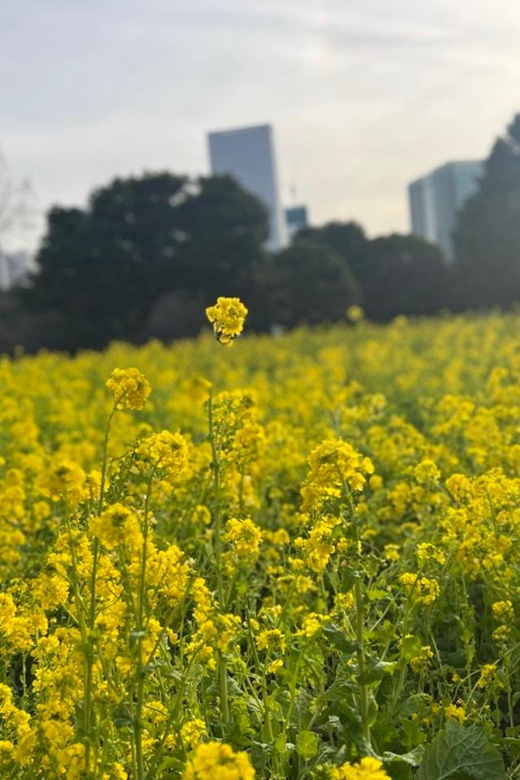
Book it if you want a focused garden lesson followed by matcha and sweets. The small group, English guidance, and tea room make it more personal than a quick self-guided walk. Guides such as Ayaku, Hiro, and Mr. Ito have been praised for making the history approachable, and that human connection is a large part of the appeal.
Think twice if $85 feels high for a 90-minute activity or if you would rather explore at your own pace. The 30-minute walk is compact, and the hour in the tea room may not suit a rushed itinerary.
For the right visitor, this is a pleasant way to see a quieter side of Tokyo. You leave with a better sense of how Japanese gardens are designed, a taste of matcha and wagashi, and a convenient finish near Shiodome Station.
FAQ
How long does the Hama-rikyu Gardens tour last?
The experience lasts 90 minutes. About 30 minutes are devoted to the guided garden walk, followed by about one hour in the tea room.
What is included in the price?
The price includes an English-speaking tour guide, matcha green tea, and Japanese sweets.
Where does the tour begin?
The listed starting location is Otemon Bridge, with two starting options available. Your exact meeting point may depend on the option you book.
Where does the tour finish?
The listed drop-off location is Shiodome Station, with two drop-off options available.
Is the tour offered in English?
Yes. The tour has a live English-speaking guide.
How many people are in the group?
The tour is limited to four participants, making it a small-group experience.
Newly planted garden visits around Tokyo
- Tokyo: Tsukiji Market and Hama-rikyu Gardens Guided Tour★ 4.8 · 73 reviews
- Tokyo Summer: Mt Fuji 5th Station& Kawaguchiko Lavender Trip★ 3.5 · 4 reviews
- Tokyo: Pvt. Tour – Edo Castle & Imperial Palace East Gardens★ 4.8 · 63 reviews
- Tokyo: Mount Fuji Tour and Hakone Sakura Cherry Blossom Trip★ 5.0 · 4 reviews
- Tokyo: Meiji Jingu Shrine & Inner Garden Guided Tour (2h)★ 5.0 · 6 reviews
- Tokyo: Full-Day Japanese Garden Private Guided Tour★ 4.6 · 13 reviews
- Tokyo: Kimono Rental inside Shinjuku Gyoen National Garden★ 4.9 · 39 reviews
- Tokyo: Imperial Palace East Gardens and Tokyo Station Tour★ 5.0 · 16 reviews
Japan Garden Tours, bed by bed.

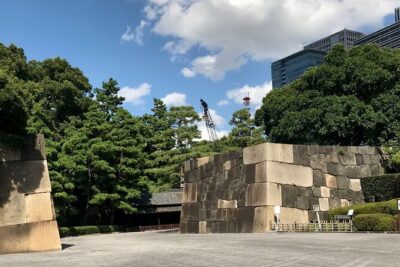
Imperial Palace East Garden and Edo Castle Walking Tour in Tokyo
Read our review →
Mt. Fuji Day Trip from Tokyo with English Speaking Driver Guide
Read our review →
Kyoto Zen Meditation & Garden Tour at a Zen Temple with Lunch
Read our review →
Kyoto Arashiyama Bamboo forest & Garden Half-Day Walking Tour
Read our review →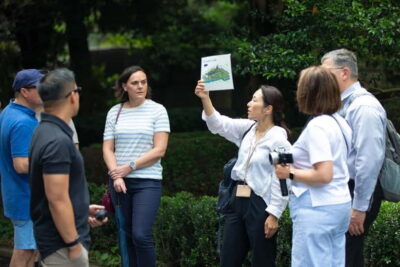
Tokyo: Imperial Palace East Gardens Walking Tour
Read our review →
Kyoto Kiyomizu Tea Ceremony with Scenic Garden Views
Read our review →Lists this garden visit belongs to