
Review · TOKYO
Tokyo: Edo Castle & East Garden of the Imperial Palace Tour
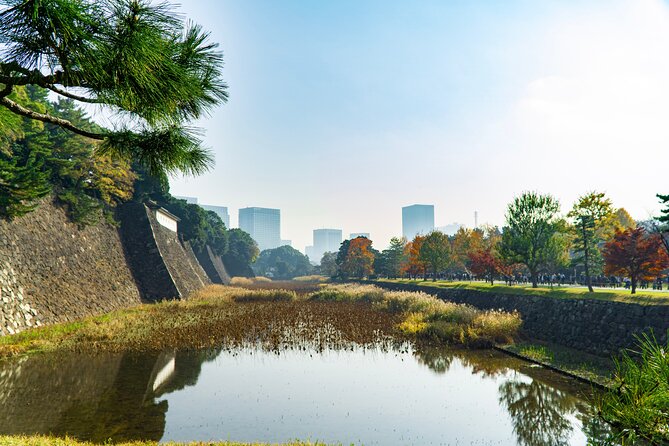
The most rewarding part of this two-hour walk is seeing Tokyo’s imperial center through the old Edo Castle site. Stone walls, former castle foundations, garden paths, and carefully placed trees help you picture the shoguns who once ruled Japan from here. I like the relaxed pace and the way guides such as Hitoshi, Naoko, Shigeru, and Masahito use pictures and stories to make bare ruins easier to understand.
I also like the practical human touch. Guides have helped older visitors walk at a comfortable speed, taken photographs, explained the gardens to children, and even walked people toward the subway afterward. The main drawback is simple: you do not enter the Imperial Palace itself, and the garden is closed on Mondays and Fridays.
Key points to know before you book
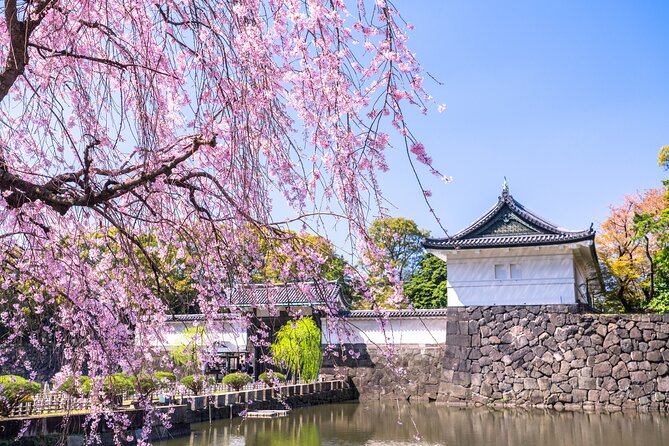
- Edo Castle under your feet: Explore the former shogun’s castle grounds, including old walls, foundations, and historic entrances.
- A calm break in central Tokyo: The East Gardens offer open paths, trees, ponds, flowers, and room to slow down.
- Guides bring the ruins to life: Expect stories about shoguns, daimyo, ninjas, emperors, architecture, and Japanese customs.
- A useful two-hour format: The walk fits neatly into a Tokyo sightseeing day without taking over the schedule.
- Look for the special koi: The tour highlights an unusual and memorable breed of koi fish in the garden.
- Plan around closures: The East Garden is closed Mondays and Fridays, and the Inner Palace is not part of this experience.
What this walk really covers
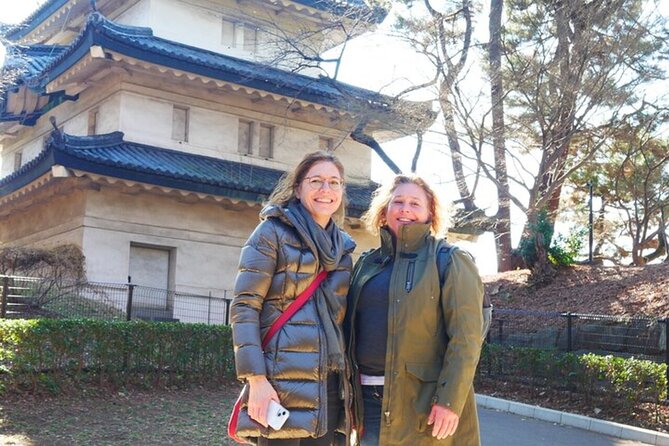
This is not an Imperial Palace interior tour. It is a guided visit to the East Gardens, a large public garden occupying part of the former Edo Castle grounds.
That distinction matters. The modern Imperial Palace sits behind restricted areas, so you cannot expect rooms, ceremonial halls, or a look inside the royal residence. What you do get is a physical sense of the old stronghold that shaped Tokyo. The garden contains traces of castle walls, old foundations, broad entrances, and spaces where power once gathered.
I think the tour works best when you treat it as a history walk with gardens, not as a palace visit with a garden attached. The site itself is pleasant, but the guide supplies the connections. Without explanation, a stone base may look like little more than a stone base. With a guide, it becomes part of a story about shoguns, daimyo, military rule, court life, and the transition to the imperial era.
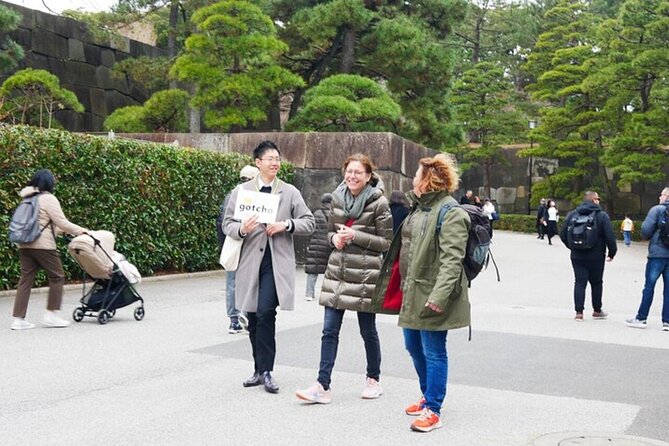
The starting point is Wadakura Fountain Park. Meet in front of the fountain and look for a guide holding a sign marked Gotcha. Clear meeting instructions matter in central Tokyo, where a small mistake can cost time. Arrive with enough margin to find the fountain without rushing.
More gardens worth a morning in Tokyo:
- Imperial Palace East Garden and Edo Castle Walking Tour in Tokyo
★ 5.0 · 510 reviews - Tokyo: Imperial Palace East Gardens Walking Tour
★ 4.8 · 353 reviews - Mt. Fuji, Cherry Blossom & Shiba Sakura Pvt. Day Tour
★ 5.0 · 326 reviews
Starting at Wadakura Fountain Park
Wadakura Fountain Park provides a sensible meeting place because it gives you an open area near the palace grounds rather than a crowded station exit. From there, the walk moves toward the East Gardens and the former castle site.
The route begins gently. You have time to settle into the group, meet the guide, and hear an introduction to Japanese history before entering the garden area. Several guides have used visual material to explain the site, which helps if you are new to the difference between the emperor’s role and the shogun’s rule.
That introduction is one of the tour’s strongest features. The story of Japan can feel crowded with unfamiliar names and periods. A good guide gives you a basic framework first, then adds smaller details as you walk. Shigeru, Masahito, Hitoshi, Naoko, and others have been praised for clear English, patient explanations, and an easy conversational style.
If you have children, this opening can help. A nine-year-old visitor was included in the discussion through accessible explanations, and the guides often add small facts that keep the walk from feeling like a lecture. You can ask questions as you go, rather than trying to absorb a long speech at the start.
Edo Castle’s stone walls and former stronghold
The East Gardens occupy the former main grounds of Edo Castle. During the Edo period, the shogun ruled Japan from this powerful base, while the emperor and imperial court held a different position in Kyoto. The site therefore lets you see two parts of Japanese history in one place: military government and later imperial Tokyo.
The castle buildings are largely gone, so do not arrive expecting a preserved fortress. The interest is in what remains and in how the guide helps you read it. Old stone walls, foundations, entrances, and elevated areas show the scale and defensive purpose of the castle.
Guides often carry pictures or other visual aids showing how the grounds once looked. This is especially useful at places where only a foundation or wall survives. You can compare the present garden with the former castle complex and picture a site filled with buildings, officials, guards, and formal movement.
The walk also explains architecture and design. You may hear how entrances controlled access, how stonework reflected status and security, and how the arrangement of space supported the shogun’s authority. These details turn a pleasant stroll into a lesson in how power was displayed.
The pace is deliberately easy. That is good news if you want time for photographs or need regular pauses. It also means this is not an intense sightseeing sprint. Visitors who prefer to cover several major Tokyo sights in a morning may find the pace too slow, while anyone who wants context and breathing room will likely appreciate it.
The East Garden as a living part of the story
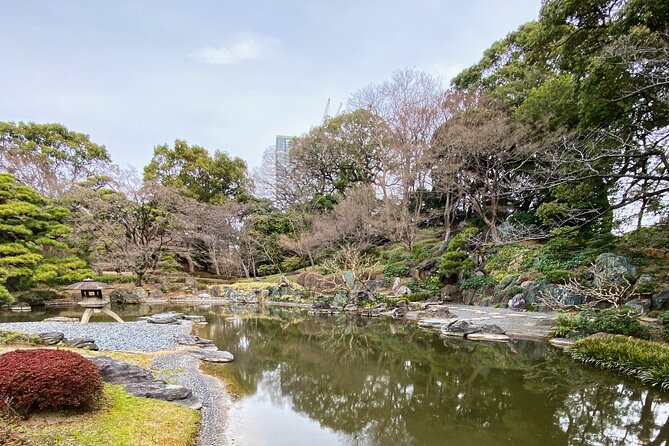
The garden is more than a green pause between historical points. Its trees, ponds, paths, and open spaces show how Japanese garden design can combine nature with careful control.
A guide can point out details you might otherwise pass without noticing, including the meaning of certain plants, the way views are framed, and how modern garden areas sit on former castle ground. Spring can add flowers, including cherry blossoms in nearby areas, but the tour does not depend on one particular season to work.
The garden also provides a welcome change from Tokyo’s hard surfaces and tall buildings. You are still in the center of the capital, yet the walk feels slower and quieter. I would schedule it early in a Tokyo visit if you want a calm introduction to the city’s past, or in the middle of a busy itinerary when you need a break from stations and shopping streets.
The paths are not presented as a strenuous hike. Still, this is a walking tour across an outdoor site, so sensible shoes and weather protection will help. Rain did not prevent some tours from going ahead, but wet weather can affect comfort and photographs. The garden’s beauty is best enjoyed when you are not worrying about soaked shoes or strong sun.
Same season, a different set of beds:
- Mt. Fuji Day Trip from Tokyo with English Speaking Driver Guide
★ 5.0 · 443 reviews - Tokyo: Rainbow Bridge Day Cruise Show and Only Soft Drinks
★ 4.5 · 75 reviews - Tokyo: Tsukiji Market and Hama-rikyu Gardens Guided Tour
★ 4.8 · 73 reviews - Tokyo: Pvt. Tour – Edo Castle & Imperial Palace East Gardens
★ 4.8 · 63 reviews
The koi and smaller details that make the visit memorable
The tour specifically calls attention to a special breed of koi fish, presented as a must-see feature of the garden. It is a small detail, but that is part of the appeal. A visit built only around large historical facts can become blurry after a few hours. A distinctive fish, a particular tree, or a curious garden feature gives you something concrete to remember.
Your guide may also point out details about plants, old buildings, palace entrances, and the daily life of people connected with the castle. Several guides have added cultural facts and local stories rather than sticking to dates alone.
This is where the choice of guide matters most. Shigeru has been praised for clear English, photographs, and friendly help. Naoko has used visual explanations and a patient teaching style. Hitoshi has been especially helpful with slower walkers and people needing extra assistance. Masahito has been noted for good humor, preparation, and practical help beyond the main walk.
The guide assigned to your departure may differ, so you should book for the structure and subject rather than for one guaranteed individual. Still, the repeated pattern is clear: the experience depends heavily on the guide’s ability to turn the site into a story.
A two-hour schedule that fits real Tokyo plans
Two hours is a useful length. It gives you enough time to visit the main areas without turning the tour into an all-day commitment. You return to Wadakura Fountain Park, so you can continue to another part of Tokyo afterward.
You might pair it with Marunouchi, Tokyo Station, Ginza, or another central stop, but the supplied details do not promise a particular route beyond the East Gardens and the return to the fountain. Plan your own onward journey from the meeting area rather than assuming the guide will take you to a specific attraction.
The tour is also useful on a first Tokyo day because the guide can explain terms you will hear elsewhere. Shogun, daimyo, emperor, castle, and garden design all become easier to understand once you have seen the former seat of power.
A guide has sometimes helped visitors reach their next activity or navigate toward the subway after the formal tour. Treat that as friendly assistance, not as a guaranteed part of the program. The official experience ends back at Wadakura Fountain Park.
What you pay for at $42
At $42 per person, this is not the cheapest way to enter the East Gardens. The garden itself is free to enter, so the price is mainly for the English-speaking guide, the historical framework, the route, and the chance to ask questions.
That can be worthwhile if you do not already know much about Edo Castle or Japanese political history. The site is spacious, and the remaining structures do not always explain themselves. A good guide helps you see why a wall, foundation, or entrance matters.
The value is less clear if you are happy to read signs, walk independently, and research the site in advance. You can enter the public garden without paying for a guided visit, so independent visitors should compare the cost with their interest in personal explanation.
I see this as a short, focused cultural tour, not a bargain full-day excursion. One person reasonably noted that the same money can go toward a longer trip to Nikko or Mount Fuji. That comparison is fair. Those outings cover more hours and distance, while this tour gives you a compact introduction to a central Tokyo site.
For many people, the best value comes from avoiding a common problem: spending an hour in an important place and leaving without understanding what they saw. If you want context but do not want a full museum visit or a long bus excursion, the price is easier to justify.
Who will get the most from it
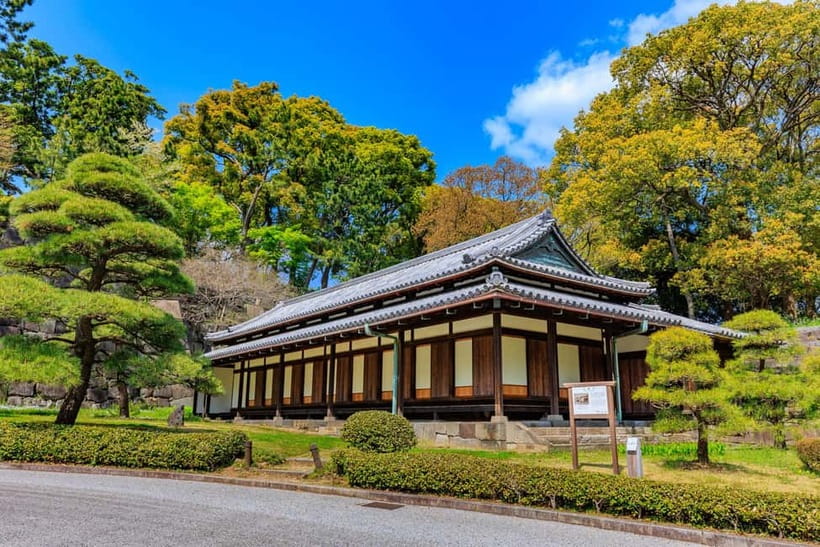
I would recommend this tour to first-time visitors who want a clear introduction to Edo and imperial Tokyo. It also suits anyone who enjoys gardens but wants more than pretty scenery.
Families can benefit from the short format and visual explanations. Children may not retain every date, but stories about shoguns, castle life, ninjas, and unusual koi can hold attention. The walk also works well for older visitors because guides have adjusted the pace, paused often, and helped people with mobility needs.
It is a good choice for solo visitors who prefer not to decode a large historical site alone. It can also suit couples and small groups who want photographs taken without turning the whole visit into a self-guided research project.
You should think twice if your main goal is to enter the Imperial Palace. That is not available here. You should also avoid booking for a Monday or Friday, when the East Gardens are closed.
At the entrance, expect a baggage inspection. If you have bought Japanese knives or another item that could be treated as a weapon at Tsukiji, Asakusa, or elsewhere, place it in a coin locker before meeting the group. This is an easy detail to miss and a good reason not to carry shopping purchases into the grounds.
Free cancellation up to 24 hours before the start and a reserve-now, pay-later option add flexibility. Check the available start times when you book, since the duration is fixed at two hours but the departure schedule can vary.
Should you book the East Gardens tour?
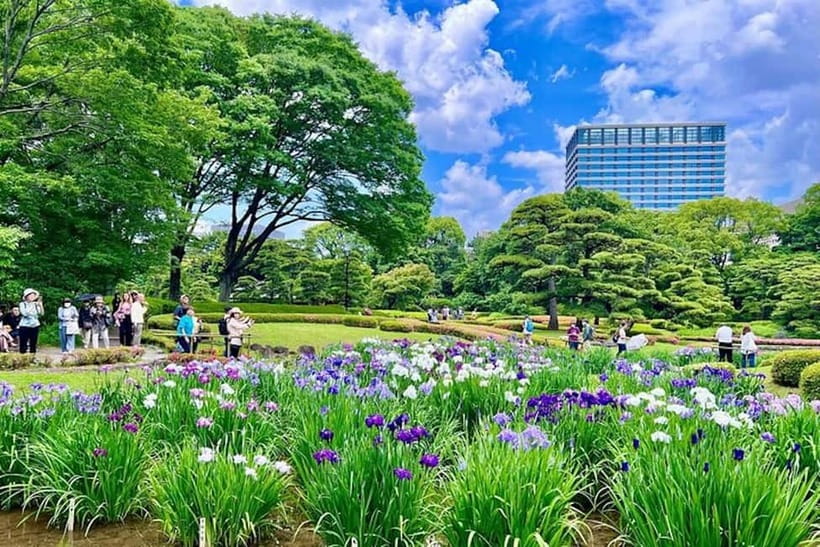
Book it if you want the former Edo Castle grounds explained in plain English, with a gentle pace and room for questions. The strongest part is the guide’s storytelling, especially when old photographs and visual aids help you understand what has disappeared.
Skip it if you want palace interiors, a full-day excursion, or the lowest possible cost. The East Gardens are free, and independent visitors can explore them without a guide.
For most first-time Tokyo visitors with an interest in Japanese history, I think the tour earns its place in the schedule. You see a peaceful side of central Tokyo, learn how shogun and emperor fit into the national story, and finish in two hours with plenty of day left. Just remember that the garden, not the Inner Palace, is the destination.
FAQ
Where does the tour meet?
Meet your guide in front of the fountain at Wadakura Fountain Park. The guide will hold a sign marked Gotcha.
How long does the tour last?
The guided walk lasts two hours and returns to Wadakura Fountain Park.
Is the tour conducted in English?
Yes. The activity includes a live English-speaking guide.
Can I enter the Imperial Palace?
No. The tour visits the East Gardens and does not enter the Inner Palace or the main Imperial Palace interior.
What are the East Gardens?
The East Gardens are public gardens built on the former main grounds of Edo Castle, the seat of shogun rule during the Edo period.
Are the East Gardens open every day?
No. The garden is closed on Mondays and Fridays.
Is there a baggage inspection?
Yes. Visitors may be subject to a baggage inspection when entering the Imperial Palace grounds.
What should I do with Japanese knives before the tour?
Leave Japanese knives or other items that could be used as weapons in a coin locker or similar storage before the meeting. This applies to purchases made at Tsukiji, Asakusa, or elsewhere.
Newly planted garden visits around Tokyo
- Tokyo: Tsukiji Market and Hama-rikyu Gardens Guided Tour★ 4.8 · 73 reviews
- Tokyo Summer: Mt Fuji 5th Station& Kawaguchiko Lavender Trip★ 3.5 · 4 reviews
- Tokyo: Pvt. Tour – Edo Castle & Imperial Palace East Gardens★ 4.8 · 63 reviews
- Tokyo: Mount Fuji Tour and Hakone Sakura Cherry Blossom Trip★ 5.0 · 4 reviews
- Tokyo: Meiji Jingu Shrine & Inner Garden Guided Tour (2h)★ 5.0 · 6 reviews
- Tokyo: Full-Day Japanese Garden Private Guided Tour★ 4.6 · 13 reviews
- Tokyo: Kimono Rental inside Shinjuku Gyoen National Garden★ 4.9 · 39 reviews
- Tokyo: Hama-rikyu Gardens tour with Japanese Tea & Sweets★ 4.7 · 14 reviews
Japan Garden Tours, bed by bed.

Imperial Palace East Garden and Edo Castle Walking Tour in Tokyo
Read our review →
Mt. Fuji Day Trip from Tokyo with English Speaking Driver Guide
Read our review →
Kyoto Zen Meditation & Garden Tour at a Zen Temple with Lunch
Read our review →
Kyoto Arashiyama Bamboo forest & Garden Half-Day Walking Tour
Read our review →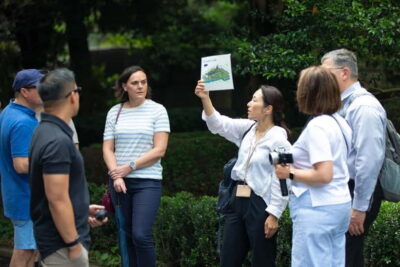
Tokyo: Imperial Palace East Gardens Walking Tour
Read our review →
Kyoto Kiyomizu Tea Ceremony with Scenic Garden Views
Read our review →Lists this garden visit belongs to