
Review · JAPAN
Nara: Yoshikien and Isuien Gardens Tour with Tea Tasting
Nara’s best garden experience is not about checking off a famous temple. It is about noticing small things: a stone placed to slow your eye, water guiding you from one view to the next, and Mount Mikasa appearing beyond the garden as if it belongs there. This private tour pairs quiet Yoshikien Garden with the larger, more formal Isuien Garden, then ends with matcha in a historic tea house.
I like the clear contrast between the two gardens, and I like that a guide explains why the views work instead of leaving you to admire them without context. The borrowed scenery of Todai-ji’s Great South Gate and Mount Mikasa gives Isuien a memorable visual finish.
The main consideration is the price, $83 per person for three hours. That is a fair buy if you want close guidance and cultural context, but less tempting if you prefer to stroll at your own pace or plan to visit both gardens independently.
Key points at a glance
- Three garden styles at Yoshikien: See a pond garden, moss garden, and tea garden in one compact visit.
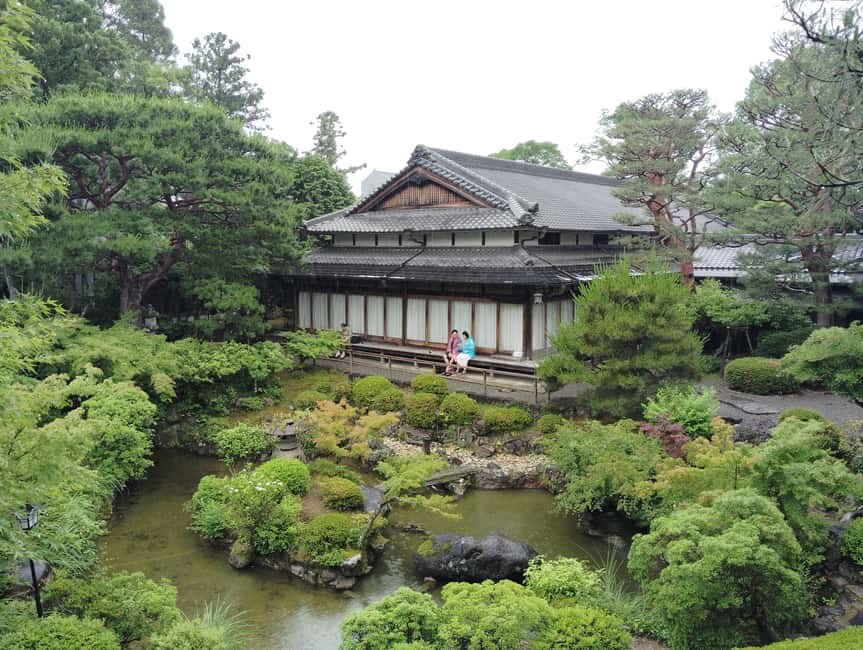
- Two eras at Isuien: The garden joins sections from the Edo and Meiji periods, giving you different designs and moods.
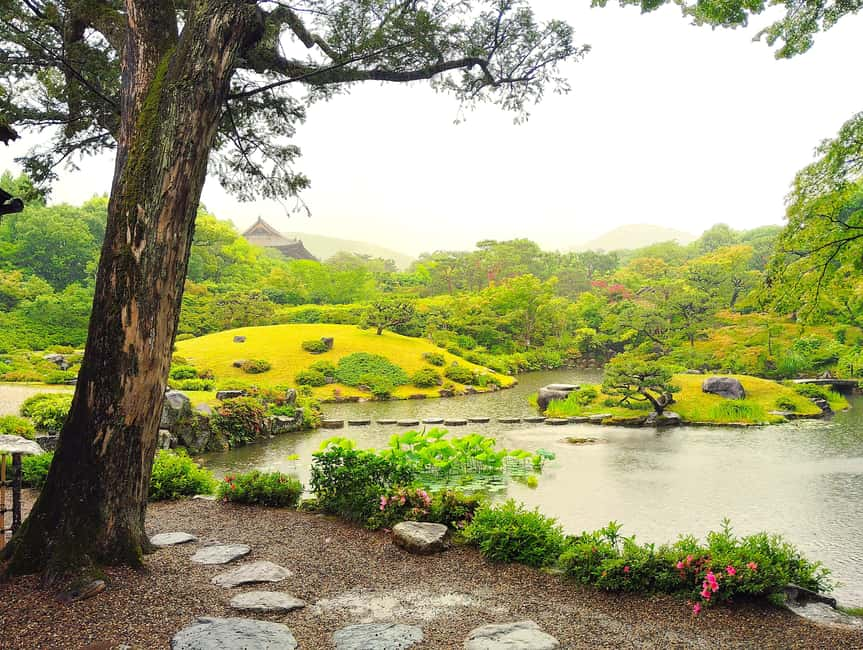
- Borrowed scenery: Todai-ji’s Great South Gate and Mount Mikasa become part of the view from Isuien.
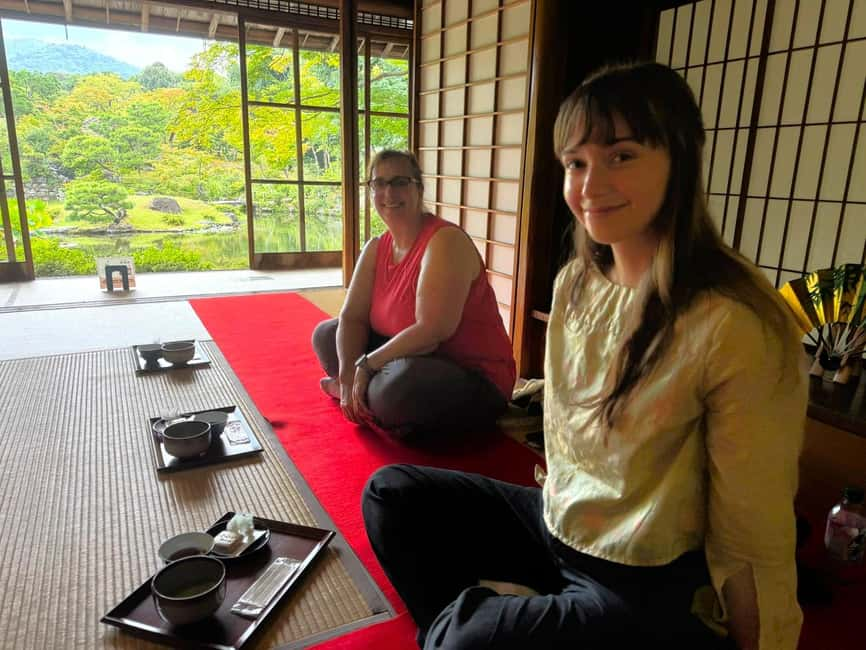
- Matcha in a historic tea house: Finish with freshly whisked green tea while looking across the garden.
- Private three-hour format: You receive direct attention from an English- or Japanese-speaking guide.
- Easy central meeting point: Meet at the torii gate of Himuro Shrine, then finish at Isuien and the Neiraku Museum of Art.
Why these two Nara gardens work so well together
Many Nara visits focus on deer and major temples. Those sights have their place, but gardens offer a slower way to understand Japanese aesthetics. You are asked to watch how a path curves, how a tree frames a roof, and how an open view follows a more enclosed one.
This tour works because Yoshikien and Isuien are close in theme but different in character. Yoshikien feels intimate and inward-looking. Isuien opens out through water, buildings, distant mountains, and the formal view toward Todai-ji.
I find that contrast useful. One garden helps you pay attention to texture and quiet detail. The other shows how a garden can function almost like a carefully arranged painting, with foreground, middle distance, and far-off scenery all working together.
The guide is especially useful if Japanese garden design is new to you. Without explanation, a moss-covered bank can look simply attractive. With context, you begin to see how the garden controls your pace and directs your gaze.
More gardens worth a morning in Japan:
- Osaka: teamLab Botanical Garden Entry Ticket
★ 4.5 · 1,710 reviews - Imperial Palace East Garden and Edo Castle Walking Tour in Tokyo
★ 5.0 · 510 reviews - Kyoto Zen Meditation & Garden Tour at a Zen Temple with Lunch
★ 5.0 · 441 reviews
Meeting at Himuro Shrine beside the torii gate
The tour begins in front of the torii gate of Himuro Shrine. Look for the guide holding a yellow sign marked DeepExperience. This clear meeting point should be easy to identify, but arrive with enough time to get oriented before the walking begins.
Starting beside a shrine suits the mood of the morning or afternoon. You are not being rushed straight into a crowded attraction. Instead, the route leads from a traditional religious setting into two gardens where water, plants, stone, and architecture carry much of the story.
The tour is private, which matters here. Garden visits often raise small questions that are easy to skip in a large group. You can ask why a path takes a certain turn, what a particular feature means, or how the two garden sections differ.
There is no stated transportation during the experience. Plan on walking between the meeting point, Yoshikien, and Isuien, and wear comfortable shoes. The tour lasts three hours, with about one hour listed for Yoshikien and the remaining time devoted to Isuien and the tea experience.
Yoshikien Garden: three moods in one quiet place
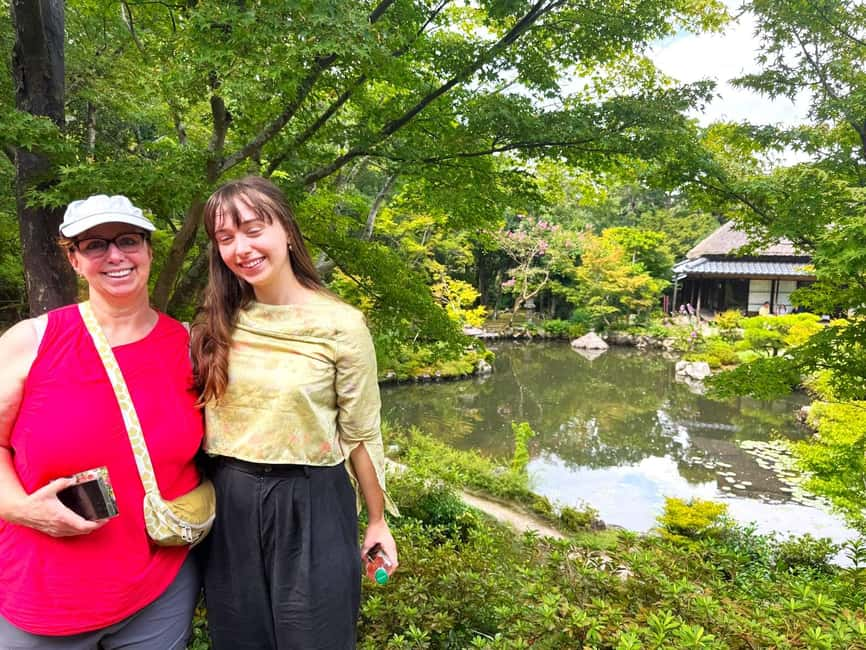
Yoshikien is the softer opening to the tour. It once served as a temple residence, and its setting still feels more private than the grander garden nearby. If you want a break from Nara’s main sights, this is where the experience earns its keep.
The garden has three distinct styles: a pond garden, a moss garden, and a tea garden. They are not simply three decorative zones. Each creates a different rhythm as you walk through it.
The pond garden gives you reflections, open water, and a broader view. Water adds movement to an otherwise still setting, and it helps the garden feel larger than its actual footprint.
The moss garden turns your attention closer to the ground. Moss softens the edges of stones and paths, creating a hushed, almost carpeted effect. This section rewards patience. You will get more from it if you pause rather than hurry toward the next feature.
The tea garden prepares you for the final matcha tasting at Isuien. Its design is tied to the tea tradition, where approach, restraint, and calm matter as much as the drink itself. Your guide can help connect this earlier garden to the tea house later in the visit.
I like Yoshikien because it does not try to overwhelm you. It uses small shifts in height, texture, and enclosure. The possible drawback is that anyone hoping for a single dramatic viewpoint may find it understated. Its appeal builds gradually.
What your guide adds at Yoshikien
A good garden guide does more than name plants. The point is to understand how the space shapes your attention. At Yoshikien, listen for explanations of the three garden types and how their different features change your mood.
Your guide may also point out how the garden’s naturalistic design encourages stillness. That does not mean the garden is untouched wilderness. It is carefully arranged to look relaxed, with paths and views that feel unforced.
Because this is a private group, the pace can include time for photos and questions. You are not tied to a large party moving on every few minutes. That flexibility is useful in a garden, where the best view may be one you notice only after standing quietly for a moment.
The tour information lists live guiding in English and Japanese. A particular guide is not named, so book this for the structure and subject rather than expecting a specific person.
Same season, a different set of beds:
- Mt. Fuji Day Trip from Tokyo with English Speaking Driver Guide
★ 5.0 · 443 reviews - Kyoto Arashiyama Bamboo forest & Garden Half-Day Walking Tour
★ 5.0 · 413 reviews - Tokyo: Imperial Palace East Gardens Walking Tour
★ 4.8 · 353 reviews - Mt. Fuji, Cherry Blossom & Shiba Sakura Pvt. Day Tour
★ 5.0 · 326 reviews
Isuien Garden: a larger design with two historical layers
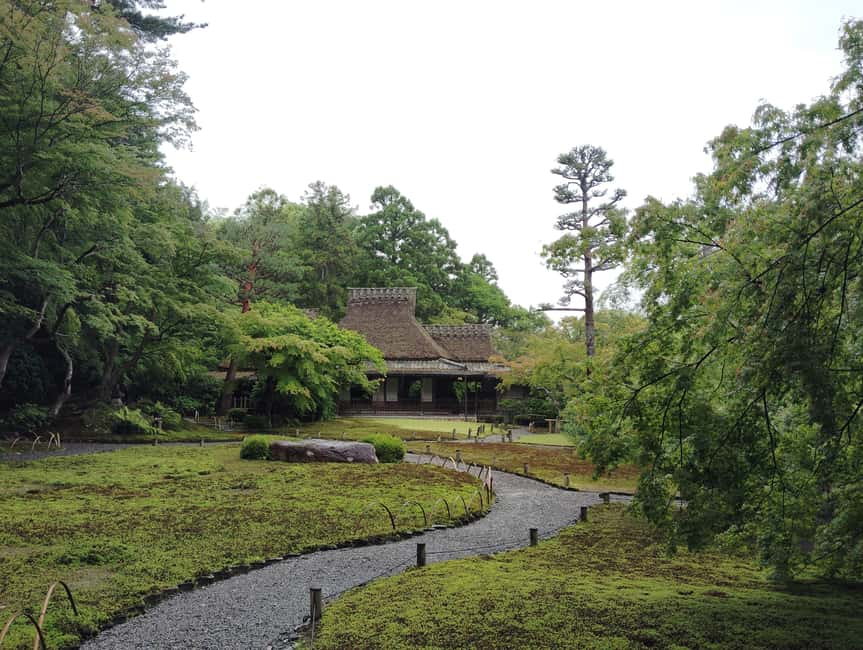
Isuien changes the scale of the experience. It is more expansive and architecturally layered, with two sections connected into one garden. One section dates from the Edo period and the other from the Meiji period.
That combination gives Isuien more variety than Yoshikien. You can compare different approaches to space, water, buildings, and views without leaving the garden. The guide explains how the sections relate and what makes each one distinct.
The transition between open and enclosed space is one of the garden’s important design tools. A narrow or sheltered passage can make the next open view feel bigger. A water feature can pull your eye toward a building or distant mountain.
This is where a guide earns the fee. Japanese gardens can look simple at first glance, yet their placement of rocks, water, trees, and buildings is deliberate. You may notice a handsome view on your own, but the explanation helps you understand why it feels balanced.
Isuien also offers more architectural detail than Yoshikien. The garden is not only about plants. Buildings and framed views help create its character. You will want to keep your attention moving between close details and the wider composition.
The borrowed view of Todai-ji and Mount Mikasa
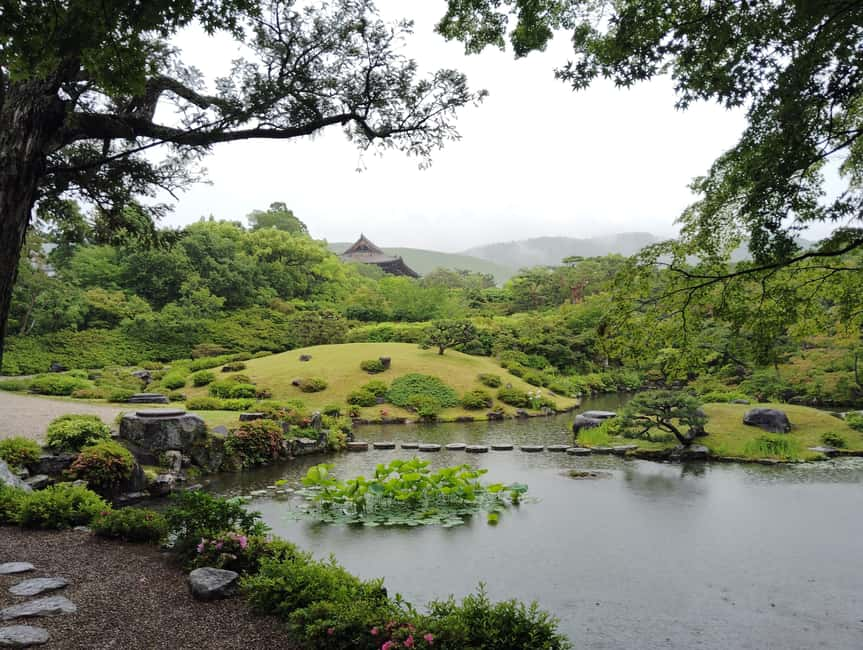
The most memorable view comes from the rear of Isuien, where Todai-ji’s Great South Gate and Mount Mikasa appear beyond the garden. This is an example of shakkei, or borrowed scenery.
The idea is simple but powerful. The garden does not stop at its own fence. Distant features become part of the composition, giving the garden a sense of greater size and depth.
You can appreciate the view without knowing the term, but the explanation makes it more meaningful. The gate provides a strong architectural point, while Mount Mikasa supplies a natural backdrop. Together they create a view that feels both close and far away.
This is also a good place for photos, though a photograph cannot fully show the design logic. The view changes as you move, and a guide can direct you to the position where the framing makes the most sense.
If you are comparing this tour with a simple garden admission visit, this borrowed-scenery explanation is one of the strongest reasons to choose the guided option. You are not just seeing a famous view. You are learning how the garden was designed to use what lies beyond it.
Matcha in a historic tea house
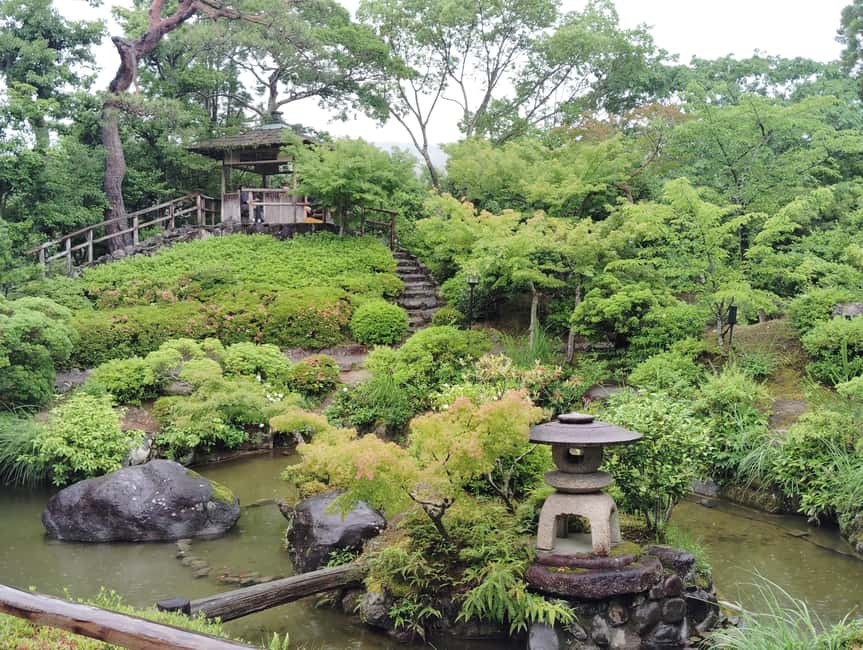
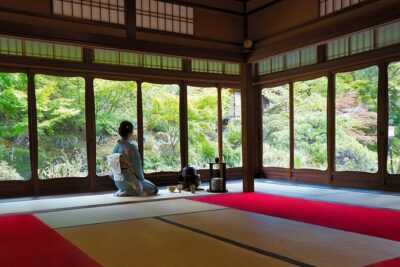
The final part of the tour takes place in a historic tea house within Isuien. You taste freshly whisked matcha while looking across the garden and its surrounding natural beauty.
This is more than a quick drink stop. Matcha brings another sense into an experience that has mainly been visual. You notice the tea’s scent, taste, warmth, and texture. The quiet setting also gives you time to absorb what you have seen.
The tea tasting is a useful finish because the tour has already introduced the tea garden at Yoshikien. By the time you sit down at Isuien, the tea house feels connected to the garden tradition rather than added as a separate activity.
Do not book this expecting a full tea ceremony lesson. The information promises a matcha tasting, not a formal ceremony or hands-on preparation class. That makes it accessible and keeps the visit within the three-hour schedule.
The tea house also gives you a seated pause after walking through both gardens. For some people, this will be the highlight. For others, the garden views will matter more. Either way, it adds a cultural moment that a standard sightseeing walk may not provide.
Is $83 a fair price for three hours?
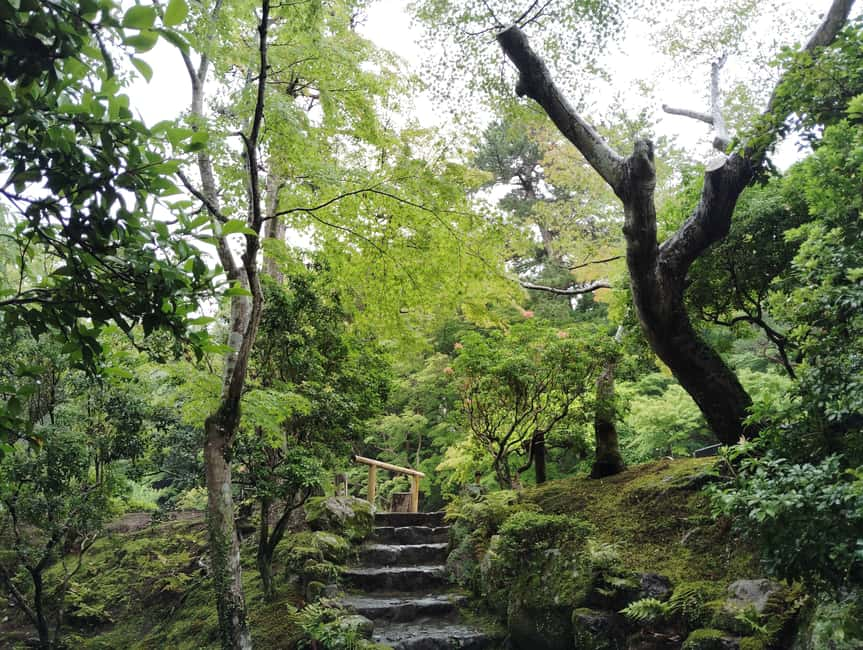
At $83 per person, this is not the cheapest way to see Yoshikien and Isuien. You are paying for a private guide, interpretation in English or Japanese, a three-hour route, and matcha in a historic setting.
The value depends on how you like to visit places. If you enjoy reading signs and making your own way, independent entry may cost less, though no admission prices are provided here for comparison. If you want someone to explain the garden’s design as you walk, the private format makes the higher price easier to justify.
I would especially consider it good value for a first visit to Japanese gardens. The differences between pond, moss, and tea gardens are easier to understand with help. So is the reason for Isuien’s famous distant view.
The price is less compelling for someone who wants a long, unhurried solo meditation. A private guide still follows a three-hour structure, and the experience is designed as a guided tour rather than open-ended wandering.
Reserve now and pay later is available, and cancellation is free up to 24 hours before the start for a full refund. Those terms are useful if your Nara plans are still shifting, but the main value question remains the same: do you want interpretation, or simply garden access?
Who should book this garden tour?
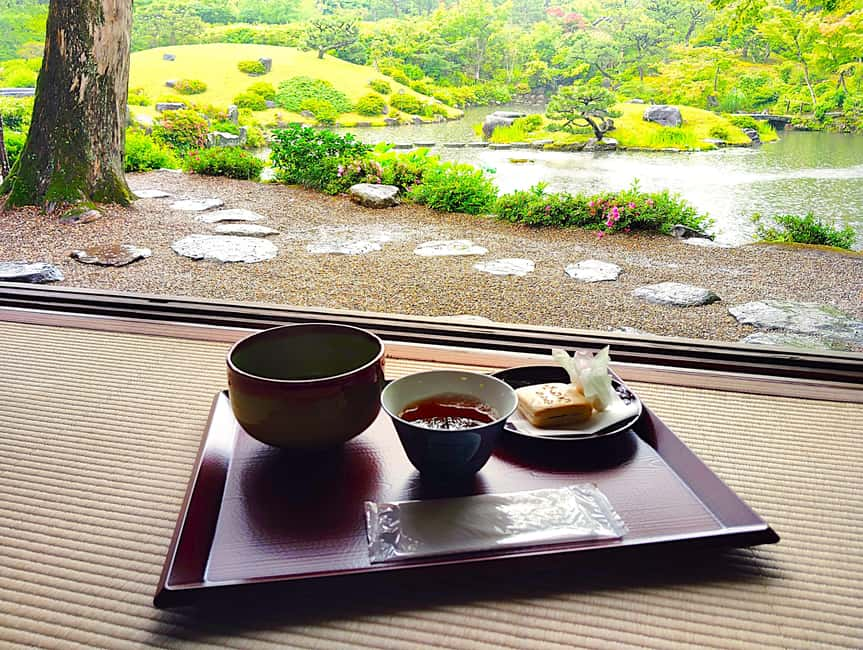
I would recommend it to you if you want a quieter side of Nara and like understanding the reasons behind what you see. It suits couples, solo visitors, and small private groups who prefer direct conversation over a large group format.
It is also a good choice if you are interested in Japanese design, tea culture, photography, or historic settings. The two gardens provide different kinds of beauty, and the guide can connect their features into one clear story.
You should think twice if your schedule is packed with major temples and you have only a short time in Nara. Three hours is a meaningful block of time, and this tour favors careful looking rather than rapid sightseeing.
Comfortable shoes are important. The experience involves walking through gardens, and the route includes two separate sites before the tea tasting. The format is not described as accessible or suitable for guests who cannot comfortably walk through garden paths, so ask the operator directly if that is a concern.
A practical plan for the three hours
Meet at Himuro Shrine’s torii gate and find the yellow DeepExperience sign. From there, expect a guided visit to Yoshikien lasting about one hour.
Use Yoshikien to settle into the slower pace. Pay attention to the change from pond to moss to tea garden, and ask how each style shapes the way you move and look.
The remaining two hours are allocated to Isuien, including the guided visit, photo opportunities, and matcha tasting. Keep some energy for the back of the garden, where Todai-ji’s Great South Gate and Mount Mikasa form the key borrowed view.
The tour finishes at Isuien and the Neiraku Museum of Art. This ending is practical because you can continue exploring the area afterward, although the tour itself does not include a visit to the museum.
Final verdict: book it for insight, not speed
Book this tour if you want Nara to slow down for a few hours. Yoshikien gives you quiet variety, Isuien adds scale and historic layers, and the matcha tasting ties the visit to Japanese tea culture.
The strongest reason to choose it is the guide’s explanation of design, especially the placement of rocks, water, paths, and distant scenery. The main reason to skip it is the $83 price if you are comfortable exploring independently.
For a private, focused introduction to two important Nara gardens, I think the format is persuasive. You will leave with more than pretty photos. You will have a better sense of how Japanese gardens ask you to look.
FAQ
How long does the Nara garden tour last?
The tour lasts three hours. About one hour is allocated to Yoshikien Garden, with the remaining time focused on Isuien Garden, sightseeing, photos, and the matcha tasting.
Where does the tour meet?
Meet in front of the torii gate of Himuro Shrine. The guide will hold a yellow sign with DeepExperience written on it.
Where does the tour finish?
The tour finishes at Isuien Garden and the Neiraku Museum of Art.
Which languages are available?
The tour has a live guide in English or Japanese.
Is the tour private?
Yes. The experience is offered for a private group.
Is matcha included?
Yes. A matcha tea tasting in a historic tea house within Isuien Garden is included.
Newly planted garden visits around Japan
- Kyoto-Nara Adventures Private Tour With Hotel Pick Up★ 4.0 · 5 reviews
- Stunning Private Tea Ceremony: Camellia Garden Teahouse★ 5.0 · 28 reviews
- Kyoto: Kinkaku-ji Temple & Serene Garden Guided Tour with Tickets★ 5.0 · 9 reviews
- Guided Kyoto City Cherry Blossom One Day Private Tour★ 5.0 · 16 reviews
- Kyoto Hidden Treasures: Special Temple & Garden Access Tour★ 4.5 · 25 reviews
- The Art of Mindful Living: Tea Ceremony in Kyoto★ 5.0 · 16 reviews
- Kyoto ITALIAN GUIDE Golden Pagoda Bamboo Forest Dry Garden★ 4.0 · 2 reviews
- Kyoto Japanese Garden Lover’s Private Tour with Government-Licensed Guide★ 4.5 · 10 reviews
Japan Garden Tours, bed by bed.
Imperial Palace East Garden and Edo Castle Walking Tour in Tokyo
Read our review →
Mt. Fuji Day Trip from Tokyo with English Speaking Driver Guide
Read our review →
Kyoto Zen Meditation & Garden Tour at a Zen Temple with Lunch
Read our review →
Kyoto Arashiyama Bamboo forest & Garden Half-Day Walking Tour
Read our review →
Tokyo: Imperial Palace East Gardens Walking Tour
Read our review →
Kyoto Kiyomizu Tea Ceremony with Scenic Garden Views
Read our review →Lists this garden visit belongs to