
Review · JAPAN
Kamakura Zen Temples and Gardens Private Trip with Government-Licensed Guide
Kamakura’s best moments often come in quiet corners: a mossy temple path, a round garden window, or the cool green shade of Hokoku-ji’s bamboo grove. This private tour lets you shape six hours around your interests, with a licensed local guide explaining what you would likely miss on your own. The custom format is the real draw.
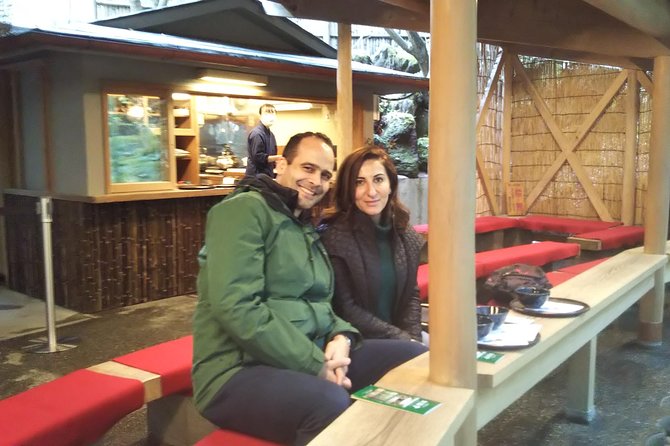
I like the one-to-one attention and the chance to choose only three or four places from a long list. I also like that the guide can help with practical choices, from buses to a traditional meal such as chilled hiyashi udon. The main catch is simple: the $153.11 price covers the guide, not the whole day, so admission, meals, and transport add to the bill.
Key points at a glance
- Choose three or four sites: You do not need to race through all 18 possible stops.
- Meet on foot in Kamakura: Pickup is offered within a designated area, but this is not a private-car tour by default.
- See more than temples: Options include the Great Buddha, Tsurugaoka Hachimangu Shrine, Zeniarai Benten, Enoshima, and forest trails.
- Expect extra costs: Entry fees, buses or trains, lunch, and personal purchases are not included.
- Private attention matters: Your guide can adjust the day to your pace and interests.
- Six hours is useful but limited: Pick a tight group of sights rather than trying to cover the whole city.
What this private Kamakura day really offers
Kamakura is compact enough to visit independently, yet spread out enough that poor planning can waste much of your day. Its temples sit in different valleys and neighborhoods, while the Great Buddha and Hasedera are reached in a separate area from many of the Zen temples.
This tour solves that problem with a guide who can help you build a sensible route. You choose three or four locations from a broad menu, then walk, ride public transport, and pay admissions as needed. It is less a fixed sightseeing circuit than a private day of local guidance.
That distinction matters. The advertised list includes 18 possible stops, but the included service covers a customizable walking tour of only three or four sites. You should discuss your priorities before the day begins. If you want the Great Buddha, Hasedera, Hokoku-ji, and a distant Zen temple, travel time may leave little room for slow visits.
The guide is licensed and English-speaking. Names connected with past outings include Kei, Kappa, and Seky, with Seky once working alongside a driver named Mikami on a separately arranged private-car day. Your guide may be different, so treat those names as examples rather than a promise. What you can count on is a private booking for your own group, not a shared bus tour.
More gardens worth a morning in Japan:
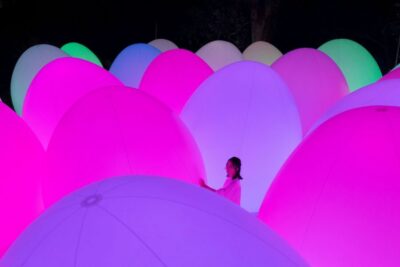
- Osaka: teamLab Botanical Garden Entry Ticket
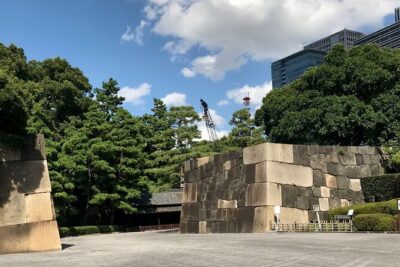
★ 4.5 · 1,710 reviews - Imperial Palace East Garden and Edo Castle Walking Tour in Tokyo
★ 5.0 · 510 reviews - Kyoto Zen Meditation & Garden Tour at a Zen Temple with Lunch
★ 5.0 · 441 reviews
Starting with Kamakura’s five great Zen temples
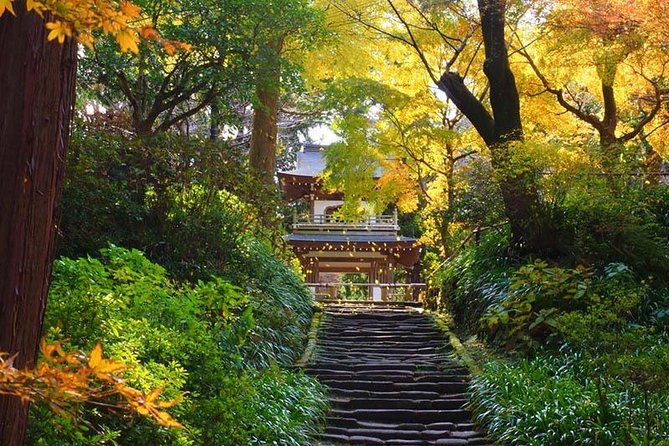
If Zen architecture and temple gardens are your main reason for coming, begin with the northern temple district. Engaku-ji, Kencho-ji, Jochiji, Jufukuji, and Jomyo-ji belong to Kamakura’s famous five great Zen temples, although the tour menu also includes many sites outside that group.
Engaku-ji ranks second among the five. Founded in 1282 by regent Hojo Tokimune, it gives you an early look at Kamakura’s Rinzai Zen tradition. The grounds are suited to a calm, unhurried visit, though the suggested 10-minute stop is too short if you want more than a quick look. Ask your guide to give Engaku-ji more time if its temple setting interests you.
Kencho-ji is ranked first and was founded in 1253 by regent Hojo Tokiyori. It is described as Kamakura’s oldest Zen temple, making it a strong choice for anyone who wants the broadest historical setting among the northern temples. The planned 30-minute visit gives you more breathing room than Engaku-ji, but you will still need to keep moving.
Jochiji, ranked fourth, is a branch temple of the Engaku-ji school. It is a smaller choice that can suit you if you prefer a quieter temple stop over a major landmark. Tokeiji, also near Engaku-ji and part of the same Rinzai network, offers another small temple option.
Jufukuji is ranked third and belongs to the Kencho-ji school. It was established at the order of Minamoto Yoritomo’s wife, Masako. The suggested visit is only 10 minutes, so it works best as a short addition rather than the centerpiece of your day.
Jomyo-ji, ranked fifth, sits in the eastern hills and was founded by the Ashikaga family. It pairs naturally with nearby Hokoku-ji, especially if you want a temple garden and bamboo grove in one part of town. The eastern location makes route planning important. Combining it with northern Kamakura and the Great Buddha may mean more transport and less temple time.
Hokoku-ji’s bamboo and the value of a slower stop
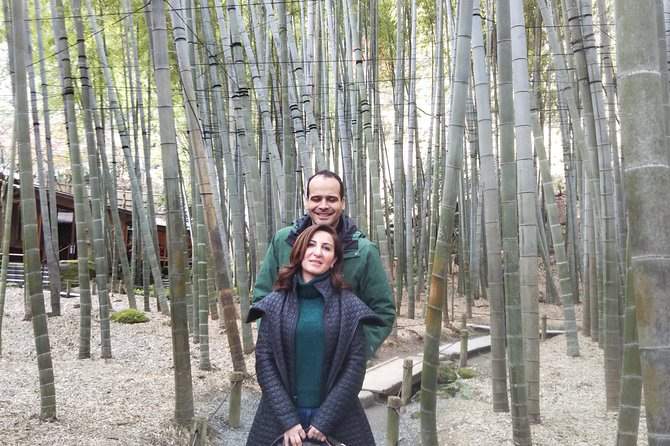
Hokoku-ji is the most visually distinctive choice on the eastern side. More than 2,000 bamboo stalks fill the small grove behind the main hall, with narrow paths leading into the green shade.
The grove is not huge, so do not expect a full morning walk. Its appeal comes from the change in mood: dark bamboo, tight pathways, and a quieter pause after busier sights. The listed visit is 30 minutes, which is enough for a measured look without making the grove carry the whole day.
A past outing included green tea in the bamboo forest, a detail worth asking about when you plan your visit. The supplied information does not say that tea is included, so budget separately and confirm with your guide. Hokoku-ji also has an admission fee, like most of the temples on the route.
Jomyo-ji and Hokoku-ji make a sensible pair. You get a major Zen setting followed by a compact bamboo grove, without trying to cross the entire city between stops. If gardens and atmosphere matter more to you than collecting landmarks, this may be the strongest eastern Kamakura combination.
Meigetsuin and Tokeiji for gardens and seasonal color
Meigetsuin is known as the Hydrangea Temple because hydrangeas bloom in abundance on its grounds. It belongs to the Rinzai Zen sect and was founded in 1160.
This is a good seasonal choice, but the name can create unrealistic expectations. The flowers are a special reason to visit, yet your experience depends on timing. Even outside the bloom period, the temple offers a garden setting and a familiar connection to Kamakura’s seasonal traditions.
Tokeiji provides a smaller companion stop. It is a branch temple of the Engaku-ji school, located only a short distance from Engaku-ji. A 10-minute visit suggests a quick atmospheric pause rather than a full tour.
You should tell the guide if you care about flowers, gardens, or architecture. The private format allows the day to lean toward those interests instead of treating every stop as equally important. That is where this experience earns its keep.
Same season, a different set of beds:
- Mt. Fuji Day Trip from Tokyo with English Speaking Driver Guide
★ 5.0 · 443 reviews - Kyoto Arashiyama Bamboo forest & Garden Half-Day Walking Tour
★ 5.0 · 413 reviews - Tokyo: Imperial Palace East Gardens Walking Tour
★ 4.8 · 353 reviews - Mt. Fuji, Cherry Blossom & Shiba Sakura Pvt. Day Tour
★ 5.0 · 326 reviews
The Great Buddha and Hasedera
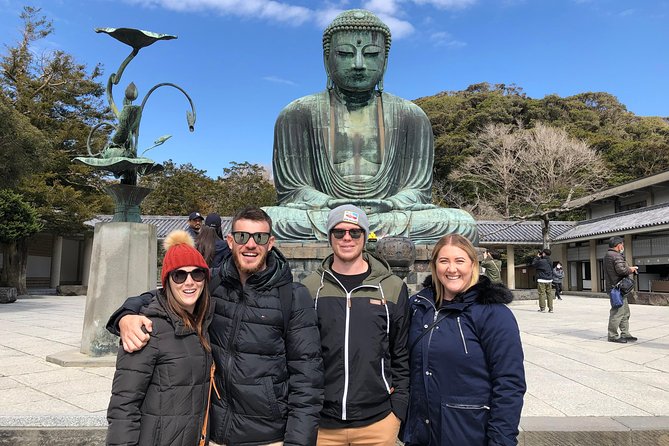
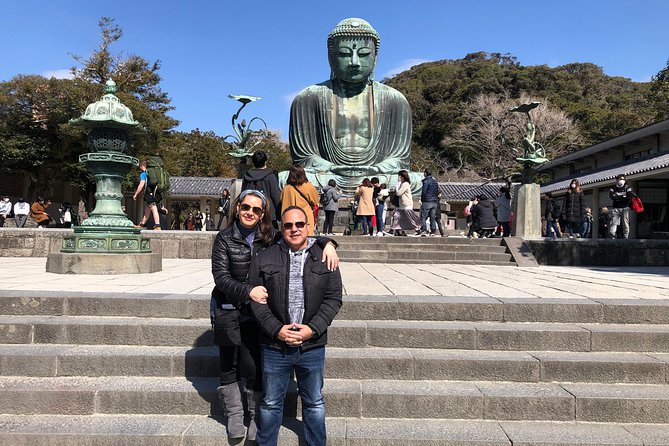
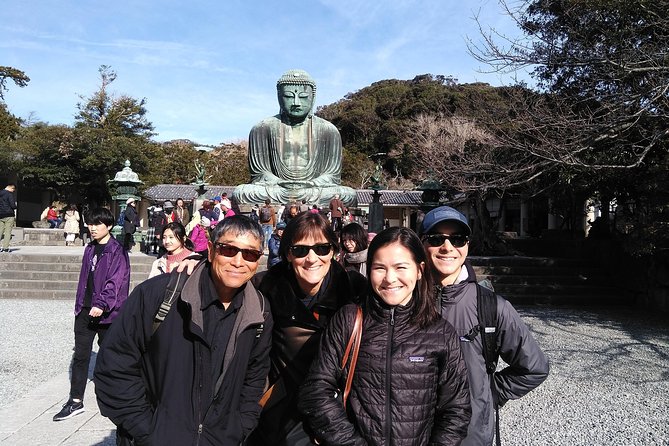
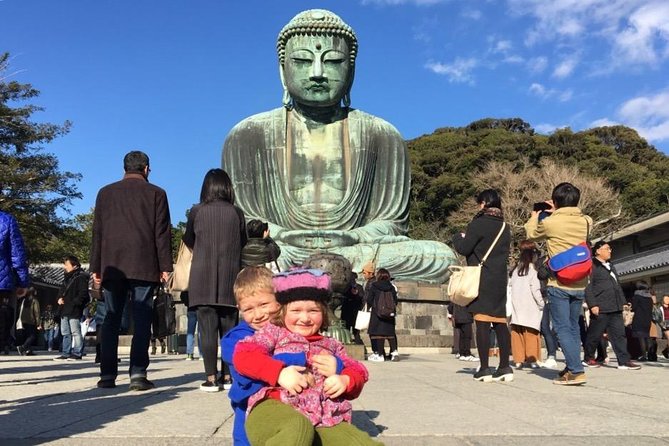
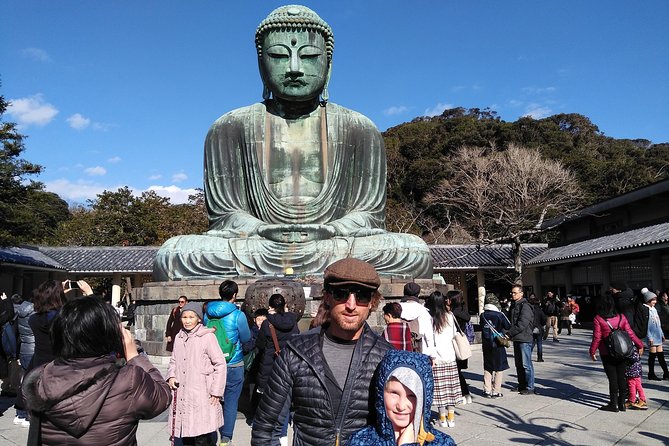
The Great Buddha at Kotoku-in is Kamakura’s most recognizable sight. The bronze Amida Buddha rises 11.4 meters and has long been regarded as the second tallest Buddha statue in Japan.
A 30-minute stop gives you time to take in the scale, walk around the statue, and hear the setting explained. Admission is extra. Because the Great Buddha is a major draw, it may be busy, and a guide is useful for placing the statue within Kamakura’s religious and cultural story.
Nearby Hasedera is famous for its 9.18-meter, eleven-headed wooden Kannon, the Buddhist figure associated with mercy. It is a Jodo sect temple and offers a different experience from the Zen temples. The listed 10-minute stop is quite brief, so ask for more time if you want to appreciate the statue and grounds rather than simply check it off.
One practical point matters here: a past private day began at JR Kamakura Station, then used a bus to Kotoku-in before continuing to Hasedera. The guide can help you manage this sort of local movement, but public transport is not included. If you arrange a private car separately, the cost changes, as shown by an earlier outing that used a driver and an air-conditioned car from Yokohama.
Tsurugaoka Hachimangu and Kamakura’s samurai past
Tsurugaoka Hachimangu is Kamakura’s major shrine, dedicated to Hachiman, the patron deity of the Minamoto family and samurai in general. It gives your day a useful contrast: this is a Shinto shrine tied to warrior culture, not another Buddhist temple.
The suggested stop is only 10 minutes, which is enough for a quick introduction but not a leisurely visit. If this is your first time in Kamakura, you may want to make it one of your three or four main choices instead of treating it as an add-on.
The shrine is a strong pick if you want cultural variety. Pairing it with one Zen temple, the Great Buddha, and Hokoku-ji would give you religious history, a famous statue, a shrine, and a bamboo grove without overloading the day.
Zeniarai Benten and the coin-washing custom
Zeniarai Benten is one of Kamakura’s more unusual shrine visits. The name refers to washing money, and local belief holds that money washed in the shrine’s spring will multiply.
You can expect a short, memorable stop rather than a grand architectural complex. The shrine is listed with free admission, though you should still allow for small personal expenses if you choose to participate in the custom.
This stop suits you if you enjoy local practices and small rituals more than formal temple architecture. It also sits in western Kamakura, so adding it to a northern temple route may be sensible. Ask the guide to place it where it fits rather than assuming every destination can be reached quickly on foot.
Forest trails and the quieter eastern temples
Kamakura is surrounded by wooded hills on all sides except the ocean-facing south. Hiking trails run through these hills and connect several atmospheric temples.
The tour can include a portion of the Kamakura hiking trails, but the suggested 10-minute listing is only a brief introduction. This is not a full hiking excursion as described. If you want a real walk, say so before you start and choose fewer temple interiors.
Zuisen-ji is a fine option for a quieter eastern route. It sits at the end of a narrow valley, surrounded by wooded hills, and belongs to the Engaku-ji branch of Zen Buddhism. The suggested visit is 30 minutes, enough to make it more than a quick photo stop.
Ankokuronji and Myohonji represent the Nichiren tradition rather than Zen. Ankokuronji was founded by Nichiren around 1253, when he first came to Kamakura. Myohonji was founded in 1260 by Hiki Yoshimoto. Both are better for you if you want to compare Buddhist sects rather than focus only on the famous Zen temples.
Eishoji is the only surviving nunnery in Kamakura. Founded in the early Edo period by a woman connected to the Tokugawa family, it offers another change of pace near Tsurugaoka Hachimangu. Its 10-minute slot makes it a short stop unless you arrange otherwise.
Enoshima as an optional change of scene
Enoshima is a small island west of Kamakura, connected to the mainland by a bridge and reached by a short train ride from Kamakura. It has a shrine and other attractions, along with a more developed seaside visitor setting.
I would choose Enoshima only if you want variety and do not mind giving up several temple stops. It is not a minor detour in spirit, even if the train ride is short. Adding it to a day that already includes eastern Kamakura can make the schedule feel rushed.
The island is listed as a 30-minute possibility and free of admission charges for the tour. Individual attractions and transport still cost extra. For a first Kamakura visit focused on Zen, I would usually favor the temples. For a repeat visit or a mixed day of shrine, coast, and town scenery, Enoshima becomes more appealing.
Price, transport, and the six-hour limit
At $153.11 per person, this is not the cheapest way to see Kamakura. The value depends heavily on group size and how much help you want. A private guide costs more than joining a shared walk, but your group gets the guide’s full attention and can avoid places that do not interest you.
The price does not include entrance fees, meals, local trains, buses, private transport, or personal expenses. That makes the final cost higher than the headline figure. On the other hand, you are paying for a licensed English-speaking guide and a flexible six-hour plan rather than a rigid route.
Pickup means meeting on foot within the designated Kamakura area. This is important: private transport is not included. You may use buses or trains during the day, as one outing did when going from JR Kamakura Station to the Great Buddha, but you pay those fares yourself.
The experience is listed as suitable for most people and service animals are allowed. It is still a walking tour, so think carefully about heat, rain, hills, and the amount of time on your feet. One previous day took place in rain, while another happened in late August heat and humidity. Those conditions can change the comfort of a six-hour route.
The experience is commonly booked about 95 days ahead. That does not mean you must book that early, but it is a useful sign that advance planning can help, especially if you need a particular date or guide. Cancellation is free up to 24 hours before the start time. Changes or cancellations inside that window are not accepted for a refund.
How I would build the day
For a first visit, I would choose the Great Buddha, Hasedera, one northern Zen temple, and Hokoku-ji if transport lines up. That gives you Kamakura’s best-known statue, a major Kannon temple, formal Zen architecture, and bamboo.
For a quieter day, choose Engaku-ji, Kencho-ji, Jochiji, and Tokeiji. Keep in mind that four temple stops can begin to feel alike unless your guide explains the differences in sect, founders, design, and setting.
For gardens and seasonal color, consider Meigetsuin, Jomyo-ji, Hokoku-ji, and Zuisen-ji. This is a better plan for you if you prefer slower walks and temple grounds over famous symbols.
For cultural range, combine Tsurugaoka Hachimangu, Zeniarai Benten, the Great Buddha, and one Zen temple. You will compare Shinto and Buddhist traditions while still seeing Kamakura’s signature landmark.
Tell the guide what you want before setting off. If you want lunch, ask for help choosing a local restaurant and remember that food is extra. A previous outing included chilled hiyashi udon, a simple traditional meal that fit naturally into the day.
Who should book this experience?
Book it if you want personal attention, need help sorting Kamakura’s scattered sights, or care about the stories behind temple customs and architecture. It is especially useful for a first visit when you are unsure how to combine the northern temples, Hase area, eastern hills, and shrine district.
It is less suitable if you want a fixed all-inclusive package, private car transport, or a fast checklist of every attraction. The guide cannot turn six hours into a full tour of all 18 options, and the extra costs can add up.
FAQ
How long is the Kamakura private tour?
The tour lasts approximately six hours.
How many sites can I visit?
The customizable walking tour includes your choice of three or four sites from the available list.
Is transportation included?
No. Transportation fees are extra, and private transportation is not included. You meet the guide on foot within the designated Kamakura area.
Are temple admission fees included?
No. Entrance fees are extra. Guide entry fees are covered only for sights listed under What to Expect.
Is lunch included?
No. Lunch and other personal expenses are extra.
Is this a private tour?
Yes. Only your group participates, and multiple tour groups cannot be combined.
Does the tour include an English-speaking guide?
Yes. A licensed local English-speaking guide is included.
Can I visit the Great Buddha or Hasedera?
Yes. Both Kotoku-in, home of the Great Buddha, and Hasedera are among the available site choices. Their entrance fees are not included.
What is the cancellation policy?
You can cancel up to 24 hours before the experience start time for a full refund. Cancellations or changes made less than 24 hours before the start time are not accepted for a refund.
Newly planted garden visits around Japan
- Kyoto-Nara Adventures Private Tour With Hotel Pick Up★ 4.0 · 5 reviews
- Stunning Private Tea Ceremony: Camellia Garden Teahouse★ 5.0 · 28 reviews
- Guided Kyoto City Cherry Blossom One Day Private Tour★ 5.0 · 16 reviews
- Kyoto Hidden Treasures: Special Temple & Garden Access Tour★ 4.5 · 25 reviews
- Kyoto: Kinkaku-ji Temple & Serene Garden Guided Tour with Tickets★ 5.0 · 9 reviews
- The Art of Mindful Living: Tea Ceremony in Kyoto★ 5.0 · 16 reviews
- Kyoto ITALIAN GUIDE Golden Pagoda Bamboo Forest Dry Garden★ 4.0 · 2 reviews
- Kyoto Japanese Garden Lover’s Private Tour with Government-Licensed Guide★ 4.5 · 10 reviews
Japan Garden Tours, bed by bed.
Imperial Palace East Garden and Edo Castle Walking Tour in Tokyo
Read our review →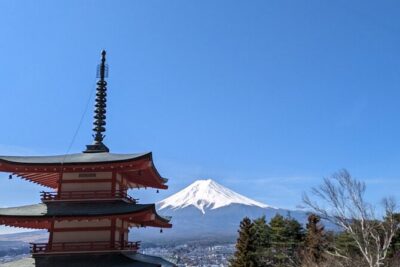
Mt. Fuji Day Trip from Tokyo with English Speaking Driver Guide
Read our review →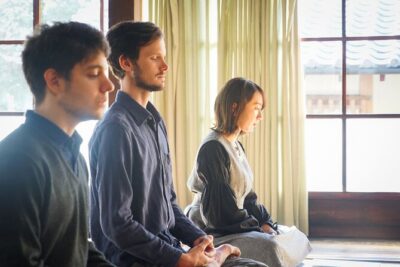
Kyoto Zen Meditation & Garden Tour at a Zen Temple with Lunch
Read our review →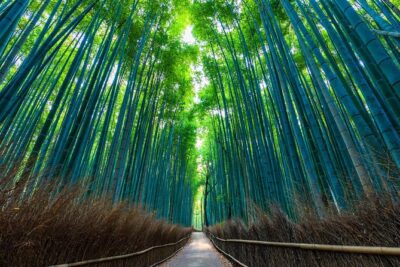
Kyoto Arashiyama Bamboo forest & Garden Half-Day Walking Tour
Read our review →
Tokyo: Imperial Palace East Gardens Walking Tour
Read our review →
Kyoto Kiyomizu Tea Ceremony with Scenic Garden Views
Read our review →Lists this garden visit belongs to