
Review · TOKYO
Tokyo: Mt. Fuji & Hakone Cherry Blossoms Private Day Tour
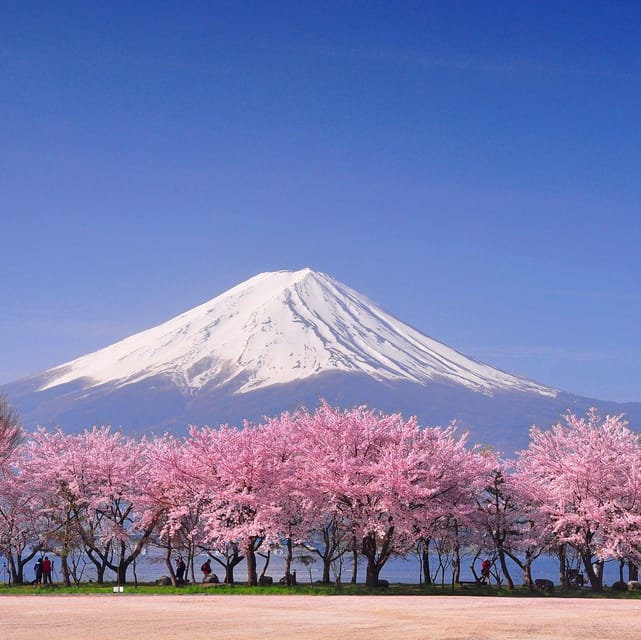
The big draw here is simple: you get Mt. Fuji and Hakone in one long day, with cherry blossoms, lakes, shrines, a volcanic crater, and outlet shopping folded into the route. I like the private van and flexible plan, especially for families or groups of up to six who want hotel pickup instead of wrestling with several train and bus connections.
I also like the range of stops. Chureito Pagoda supplies the classic Fuji photograph, while Oshino Hakkai and Kitaguchi Hongu Fuji Sengen Jinja add quieter, more traditional Japan. The catch is the pace: this is a packed schedule, and clouds can hide Fuji completely. One guest also felt the guide acted more like a driver than a proper guide, so your value depends heavily on the person assigned.
Key points to know before booking
- One very full day: Allow roughly four hours in the van for the Tokyo area return journey alone, before counting the many stops.
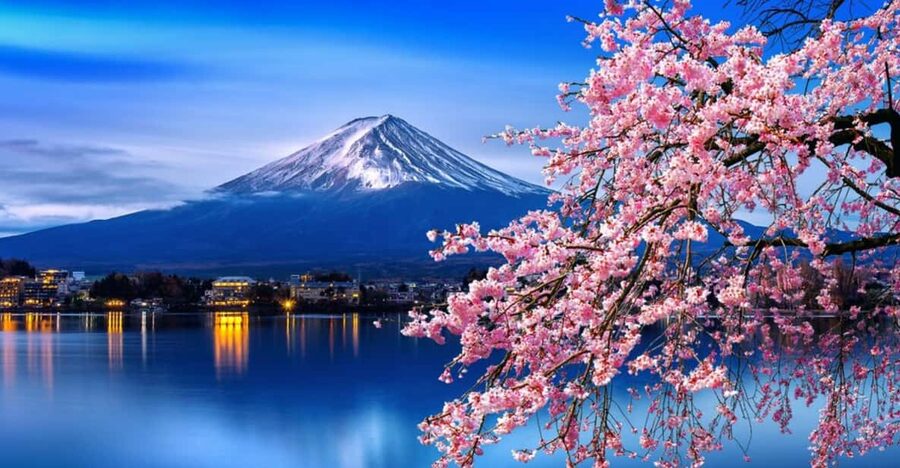
- Classic Fuji views: Chureito Pagoda, the 5th Station, Lake Kawaguchi, Oishi Park, and Lake Ashi all offer different angles on the mountain.
- Private and adjustable: You travel with your own group, and the route can be customized rather than fixed for strangers.
- Cherry blossom timing matters: The pagoda area and Oshino Hakkai are especially appealing in spring, but flowers and Fuji views depend on conditions.
- More than scenery: You visit a cedar-lined shrine, clear spring ponds, a volcanic crater, and a major outlet mall.
- Best value for a group: The $490 price covers up to six people, private transport, tolls, parking, and pickup, but food and entry fees are extra.
What the long day is really like
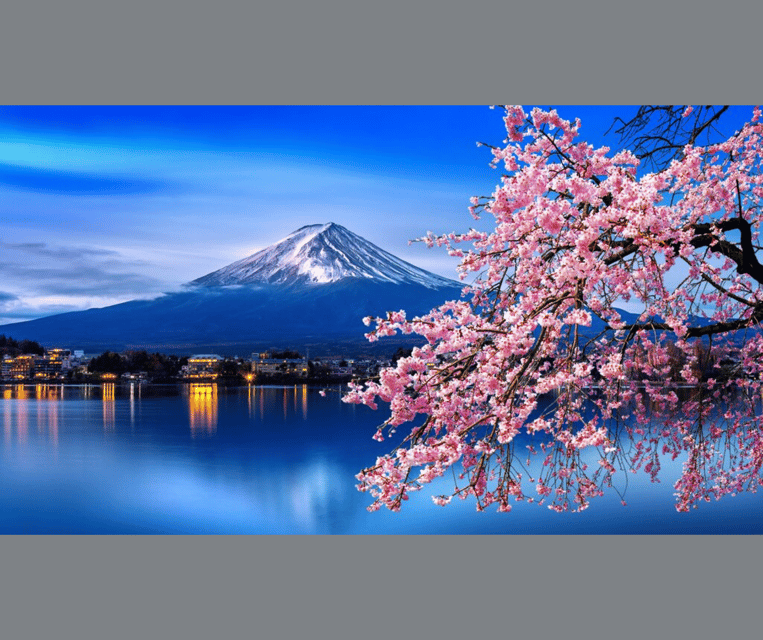
This is not a relaxed country outing with long pauses over tea. It is a sightseeing sweep designed to cover many of the famous places around Fuji and Hakone in one shot. You leave your Tokyo hotel in a private van, spend much of the day moving between viewpoints, and return after another roughly two-hour drive.
That format solves a real problem. Mt. Fuji, the Fuji Five Lakes area, Hakone, and Gotemba are spread out, and public transport between all these stops takes planning. With a private vehicle, you can keep your group together and avoid changing trains or figuring out local buses.
The tradeoff is time. Each stop is generally about 30 minutes to an hour, so you will see a lot but rarely linger. If you prefer one shrine, one lake, and an unhurried lunch, this schedule may feel rushed. If your priority is to collect a broad set of Fuji area sights in one day, it makes much more sense.
Pickup is offered from Tokyo, Chiba, Narita, or Haneda, with matching drop-off options. Traffic can delay pickup by up to 30 minutes, so keep your morning flexible. An early start is useful, and one guide, Addan, reportedly arranged an earlier pickup to account for Tokyo traffic. That is the kind of practical help you want on a day built around distant sights.
More Cherry Blossom Tours in Japan
- Mt. Fuji, Cherry Blossom & Shiba Sakura Pvt. Day Tour
★ 5.0 · 326 reviews - Mt. Fuji & Hakone Cherry Blossom private One Day Tour
★ 4.5 · 35 reviews - Tokyo Cherry Blossoms blooming spots E-bike Tour, 3hrs
★ 5.0 · 27 reviews
Mt. Fuji 5th Station and the first mountain views
The Mt. Fuji Subaru Line 5th Station is your first major stop. At this elevation, you are closer to the mountain than you would be in Tokyo, and you can look down toward the Fuji Five Lakes area below. On a clear day, this is a strong opening view.
The important warning is weather. Fuji is often hidden by cloud, and no private tour can fix that. A poor forecast can turn the day into a series of views of mist and sky, so check the conditions before you commit. One guest had a full day without seeing Fuji at all because of cloud cover, and that is a genuine risk when the mountain is the main reason for booking.
The stop lasts about an hour. That gives you time for sightseeing and photographs, but not a long walk or a mountain excursion. Entry fees for Mt. Fuji are not included, so check the current cost when arranging the tour.
Chureito Pagoda and the famous cherry blossom view
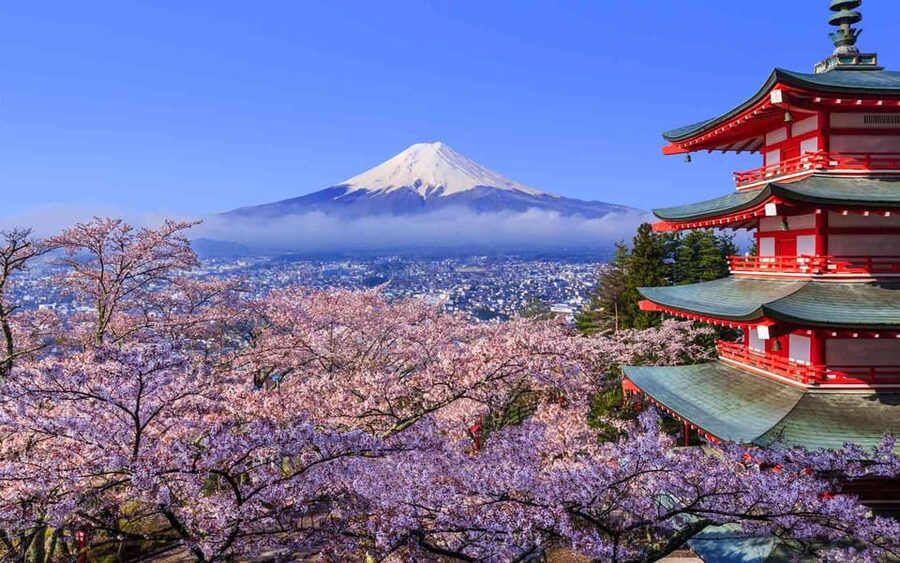
Chureito Pagoda is the photographic star of the day. You walk through the cherry blossoms and climb to the top, where the red pagoda, Mt. Fuji, and the surrounding area line up in the view that appears on countless Japan postcards.
The climb matters. This is not a drive-up viewpoint, and the schedule lists hiking as part of the stop. If stairs are difficult for anyone in your group, ask the provider how much of the ascent is practical before booking. The tour is marked wheelchair accessible, but this particular viewpoint includes an uphill walk, so accessibility across the full route may vary by stop.
Spring gives this place its strongest visual appeal, with blossoms framing the pagoda and mountain. It is also likely to be one of the busier stops on the day. Your guide can help with timing and photographs, but you should not expect solitude around this famous view.
The cedar gate at Kitaguchi Hongu Fuji Sengen Jinja
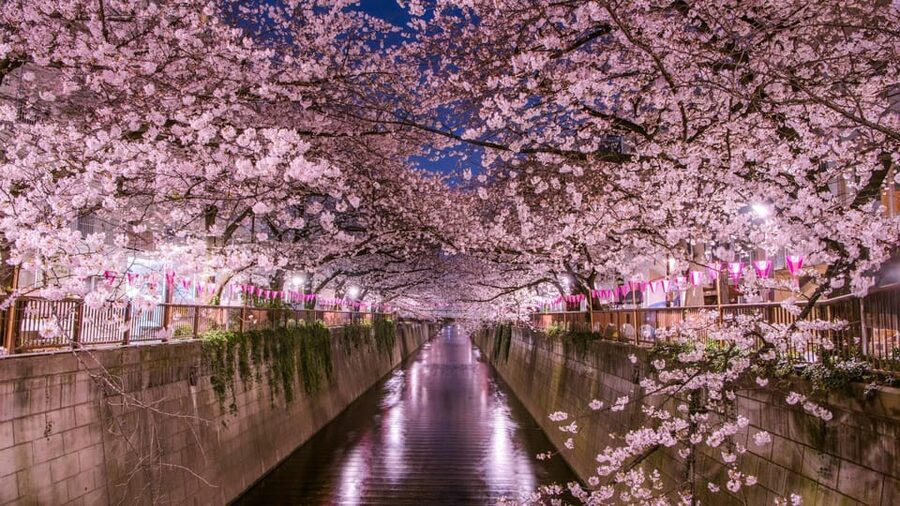
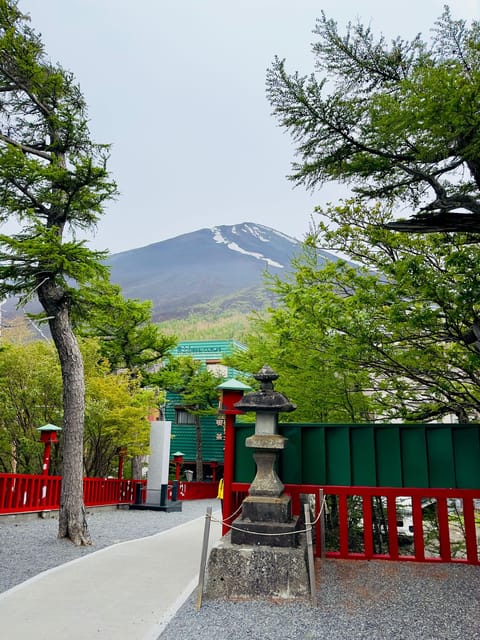
The Kitaguchi Hongu Fuji Sengen Jinja Shrine changes the mood. Instead of another wide view, you walk through old, massive trees toward the shrine’s oldest wooden gate. The setting gives you a better sense of the religious traditions connected with Mt. Fuji.
This is one of the more worthwhile stops for anyone who wants more than photographs. The shrine grounds offer shade, quiet, and a traditional design that contrasts with the outlet mall and crowded viewpoints later in the day. The visit is guided, though the available information does not promise a specialist history lecture. That distinction matters because one person felt the service was mainly driving, with only brief comments at the sites.
A private guide can make a shrine visit much better by explaining what you are looking at. When you meet your guide, tell them how much background you want. The strongest reports name Talal, described as kind and patient, and Addan, praised for professional service, custom planning, and helping with photos. Ask directly for cultural context if that is important to you.
More Cherry Blossom Tours in Tokyo
- Cherry Blossom Private Tour
★ 4.5 · 18 reviews - Tokyo Cherry Blossom Express Tour with Boat Ride
★ 4.3 · 7 reviews - Licensed Guide Tokyo Meguro Cherry Blossom Walking Tour
★ 3.6 · 6 reviews - Tokyo: Mount Fuji Tour and Hakone Sakura Cherry Blossom Trip
★ 5.0 · 4 reviews
Oshino Hakkai, clear springs, and cherry trees
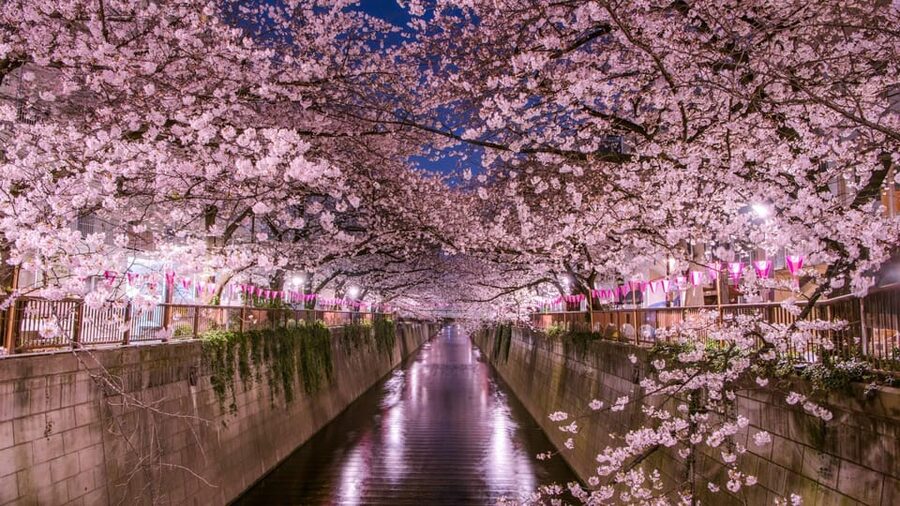
Oshino Hakkai is a World Heritage site known here for clear water, traditional scenery, shops, and roughly 300 cherry trees. It is an easy place to combine a short walk with a look at local food, crafts, and small shops.
The water is the main visual feature. Crystal-clear pools give the stop a different character from the broad lake views, while the cherry trees make spring especially attractive. The arts and crafts market adds something to do if clouds cover Fuji.
This is also a useful lunch stop. Food and drinks are not included, and the schedule allows time for lunch and street food around Lake Kawaguchi. You should plan to pay for your own meal and snacks. Because the day moves quickly, do not assume you will have a long restaurant break. Ask your guide what fits best with the group’s priorities.
Lake Kawaguchi, Kachi Kachi Ropeway, and Oishi Park
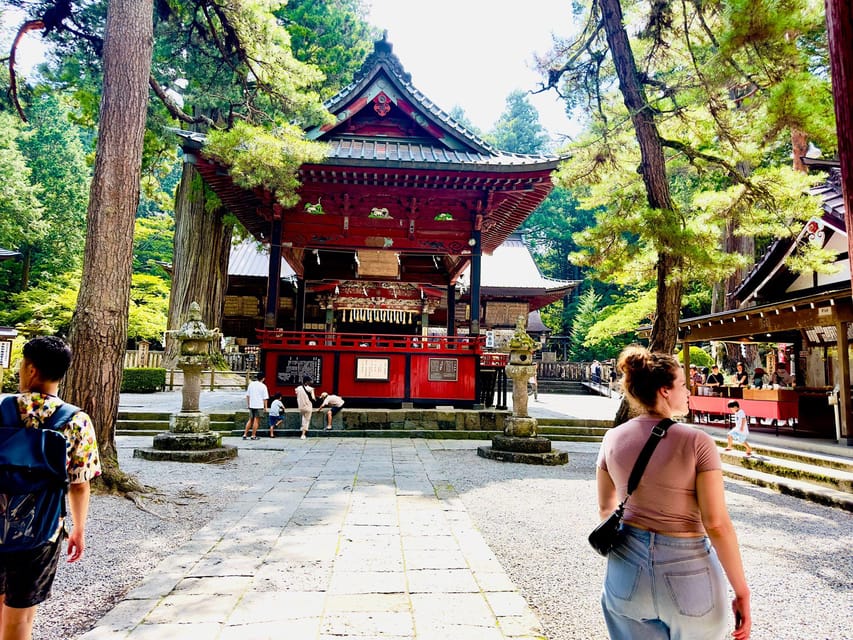
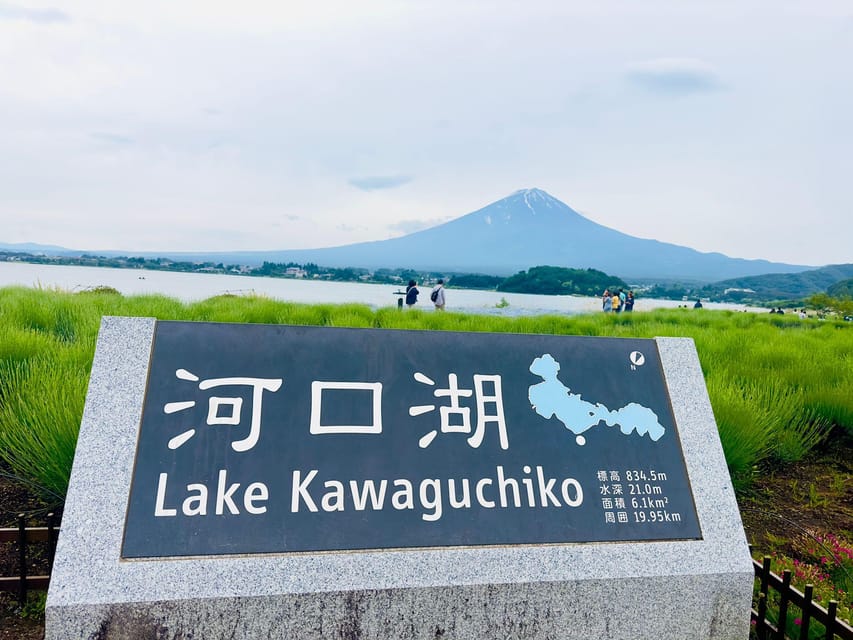
Lake Kawaguchi brings the trip back to broad water views with Mt. Fuji as the backdrop. The plan includes a cruise across the lake, followed by the Kachi Kachi Ropeway for a higher viewpoint. These two activities give you different perspectives without asking you to complete a long hike.
Oishi Park adds another short stop, with open views toward Fuji and a lavender garden. The smell of the flowers is part of the appeal, though the best display depends on the season. In spring, cherry blossoms are the main draw elsewhere on the route, so do not assume every garden will be at peak bloom during your visit.
This section of the day can be rewarding, but it is also where timing becomes important. A cruise, ropeway, park walk, and lunch all compete for the same hour or two. Since the schedule is customizable, decide in advance which matters most. If you want the ropeway and lake cruise, you may need to accept less shopping time or a shorter stop elsewhere.
Lake Ashi and Hakone’s volcanic setting
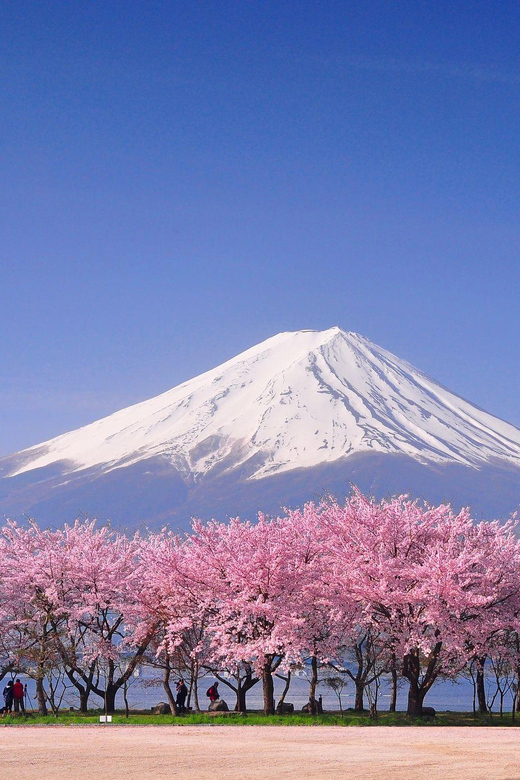
Lake Ashi, also called Ashinoko, occupies the caldera formed by Mount Hakone’s eruption about 3,000 years ago. Today, the lake is one of Hakone’s best-known symbols, especially when Mt. Fuji appears behind it.
The visit is mainly for scenery and orientation. The lake gives you a wider view of Hakone and shows how volcanic activity shaped the area. The plan allows about an hour in the Lake Ashi area, followed by another hour around Hakone, so you have time for sightseeing but not an extended lakeside stay.
As with every Fuji stop, visibility rules the day. Clouds may obscure the mountain while the lake and surrounding hills remain visible. That still makes the area worthwhile, but you should not judge the whole outing only by the perfect postcard view.
Owakudani and the sulfur fumes
Owakudani is the most unusual natural stop. It is a crater created by an ancient eruption, and the area remains volcanically active, with sulfur fumes, hot springs, and hot rivers. You get views of Mt. Fuji from the crater area when conditions allow.
This stop gives the day some geological interest. It is not just another lookout. You can see and smell evidence of the heat below the ground, which makes Hakone feel very different from the lakes and shrines around Fuji.
Conditions at an active volcanic zone can affect access, but no specific closure information is supplied here. Ask your guide about the current situation on the day. Keep in mind that the route may be tiring by this point, especially after the pagoda climb and repeated walks.
Gotemba Premium Outlets at the base of Fuji
Gotemba Premium Outlets is the practical break from temples, lakes, and volcanic scenery. The shopping center sits at the base of Mt. Fuji and includes brands such as Nike, Puma, Coach, Gap, Polo, North Face, Paul Smith, and Bose.
This stop will please shoppers more than sightseers. It can also be useful if your group has mixed interests, since some people can browse stores while others enjoy the mountain setting. The listed schedule gives the outlets about an hour, which is enough for a look around but not a serious shopping expedition.
You should clarify priorities before the day begins. An hour at Gotemba is short if you want to compare several stores, eat, and buy luggage-filling quantities of clothing. It is also an easy stop to shorten if the weather is perfect and you want more time outdoors.
Private transport, guides, and the value of $490
At $490 per group of up to six, the price needs to be judged by group size. Split among six people, the cost is about $82 per person before food and entry fees. For two people, it is $245 each, which is much harder to justify if you mainly need transportation.
The fee includes hotel pickup and drop-off, a private guide, private transport, parking, highway tolls, and an adjustable plan. Those inclusions matter around Fuji, where tolls, parking, distance, and several separate transport legs can add up. You also avoid the stress of driving an unfamiliar route.
Still, you are paying for convenience more than guaranteed guiding depth. One person paid $650 and felt a rental car would have been better value, especially because the day offered little explanation beyond brief comments. That criticism is important. If you have an international driving permit and feel comfortable driving, a car may cost less for a small group, though you would take on the route, traffic, parking, and navigation yourself.
The strongest experiences depend on the assigned guide. Talal received praise for being kind, patient, and making the day feel easy. Addan was praised for an early pickup, custom routing, photographs, and professional service. Sabir also received a positive note for his driving service. By contrast, a German-speaking guest described the experience as acceptable but said it felt like a driver rather than a guide.
When you book, tell the provider that you want more than transport. Ask for explanations at the shrine, Oshino Hakkai, Hakone, and Owakudani. Also confirm the pickup time, desired stops, lunch preference, and how much time you want at the outlets.
Who should book this Fuji and Hakone day?
I would choose this for a family, small group, or first-time visitor who wants a private vehicle and a broad overview. It is especially useful if you are staying in Tokyo and do not want to arrange several separate connections to Fuji and Hakone.
It suits people who value convenience, photographs, and flexibility. It is also a good fit for mixed groups because the route includes nature, culture, food, shopping, and easy sightseeing rather than one single activity.
I would hesitate if you want a slow, deeply explained cultural tour. I would also hesitate for a small group on a tight budget, for anyone who dislikes long drives, or for a visitor whose main goal is one perfect Fuji view. Weather can defeat that goal, and the packed schedule leaves little room to wait for the clouds to move.
The free cancellation deadline is 24 hours before departure, and you can reserve without paying immediately. Those terms offer some flexibility, but they do not solve the weather problem. Check the forecast, ask about the guide’s role, and make sure everyone agrees on the balance between viewpoints, shopping, and shrine visits.
Should you book it?
Book this tour if you want maximum coverage with minimum transport planning, especially with four to six people sharing the cost. The private van, hotel pickup, customizable route, and wide mix of Fuji and Hakone stops are its real strengths.
Skip it if you can rent a car confidently, want expert cultural interpretation, or prefer to spend half a day at one place. If you book, request an early start, ask for a guide who will explain the sites, and protect time for the stops that matter most to you. That preparation can turn a rushed sightseeing sweep into a useful first look at the Fuji region.
FAQ
How much does the private Mt. Fuji and Hakone tour cost?
The price is $490 per group of up to six people. Food, drinks, and Mt. Fuji entry fees are not included.
What does the price include?
The price includes hotel pickup and drop-off, private transportation, a private guide, parking, highway tolls, and a customizable route.
Where can pickup and drop-off take place?
Pickup and drop-off options include Tokyo, Chiba, Narita, and Haneda. Pickup at a Tokyo hotel can be delayed by up to 30 minutes because of traffic.
Is the tour conducted in English?
Yes. The listed live guide language is English.
How long does the tour last?
It is a full one-day experience. The listed driving time is about two hours each way in the van, in addition to the sightseeing stops.
Can I cancel the booking?
You can cancel up to 24 hours in advance for a full refund. You can also reserve now and pay later.
Newly planted garden visits around Tokyo
- Tokyo Summer: Mt Fuji 5th Station& Kawaguchiko Lavender Trip★ 3.5 · 4 reviews
- Tokyo: Tsukiji Market and Hama-rikyu Gardens Guided Tour★ 4.8 · 73 reviews
- Tokyo: Pvt. Tour – Edo Castle & Imperial Palace East Gardens★ 4.8 · 63 reviews
- Tokyo: Mount Fuji Tour and Hakone Sakura Cherry Blossom Trip★ 5.0 · 4 reviews
- Tokyo: Meiji Jingu Shrine & Inner Garden Guided Tour (2h)★ 5.0 · 6 reviews
- Tokyo: Full-Day Japanese Garden Private Guided Tour★ 4.6 · 13 reviews
- Tokyo: Kimono Rental inside Shinjuku Gyoen National Garden★ 4.9 · 39 reviews
- Tokyo: Hama-rikyu Gardens tour with Japanese Tea & Sweets★ 4.7 · 14 reviews
Cherry Blossom Tours, bed by bed.
The DC Cherry Blossom Bus Tour with Tidal Basin Guided Walk
Read our review →National Mall & Cherry Blossoms Tour with Optional Museum Tickets
Read our review →
Nagano: 1-Day Snow Monkey & Cherry Blossom Tour in Spring
Read our review →
Nagano Spring: 1-Day Cherry Blossoms & Snow Monkeys Guided Tour
Read our review →Lists this garden visit belongs to