
Review · JAPAN
Peace Memorial Park, Hiroshima Castle, & Garden Private Tour
Hiroshima’s story is too important for a quick photo stop. This private walking tour connects the Atomic Bomb Dome and Peace Memorial Museum with two very different sides of the city: the feudal world of Hiroshima Castle and the quiet ponds and bridges of Shukkeien Garden. The sharp change in mood gives you a fuller picture of Hiroshima than a Peace Park visit alone.
I like the private format, since your guide can adjust explanations for your group and keep children involved. I also like that entry fees are included for all three paid sights, which keeps the $82 price easier to judge. The main caution is time: the listed stop durations add up to more than the advertised 150 minutes, so you should confirm the exact pace and order before setting tight plans afterward.
Key points to know before booking
- The tour covers three very different settings: a memorial park, a reconstructed castle, and a traditional garden.
- The Peace Memorial Museum is emotionally heavy: plan for a quiet, serious visit rather than a casual sightseeing stop.
- Private guiding helps families: Melanie’s guide adapted explanations to keep children engaged.
- English guidance is included: Preety and Zunera are among the guides named in the booking feedback.
- Entry fees are covered: tickets for the museum, castle, and Shukkeien Garden are included in the $82 cost.
- The timing needs checking: the advertised duration is 150 minutes, while the individual time blocks total about 185 minutes.
Three sides of Hiroshima in 150 minutes
This tour gives you a compact introduction to Hiroshima through three lenses. Shukkeien shows careful garden design and calm water views. Hiroshima Castle brings you into the age of samurai rule. The Peace Park then shifts the focus to the city’s destruction in 1945 and its call for peace.
That variety is the main reason to choose this experience. You are not spending the whole tour at one memorial site, and you are not getting only a polished sightseeing version of Hiroshima. You move between beauty, military history, and painful modern history.
The tour costs $82 per person. For a private group, that is a fair price if you value an English-speaking guide, included admission, and help with orientation. Going alone and visiting the sights independently will likely cost less, but you would need to arrange tickets, find the sites, and supply the historical context yourself.
The time limit is the bigger issue. The advertised duration is two and a half hours, while the listed visits add up to roughly three hours and five minutes. That may reflect approximate times or an itinerary that gets shortened in practice. Ask about the planned route if you have a train, lunch reservation, or ferry to catch.
More gardens worth a morning in Japan:
- Osaka: teamLab Botanical Garden Entry Ticket
★ 4.5 · 1,710 reviews - Imperial Palace East Garden and Edo Castle Walking Tour in Tokyo
★ 5.0 · 510 reviews - Kyoto Zen Meditation & Garden Tour at a Zen Temple with Lunch
★ 5.0 · 441 reviews
Shukkeien Garden begins with a softer mood
Shukkeien Garden is scheduled for about 25 minutes. That is enough for a guided introduction and a short walk, but not enough for a slow, unhurried garden visit.
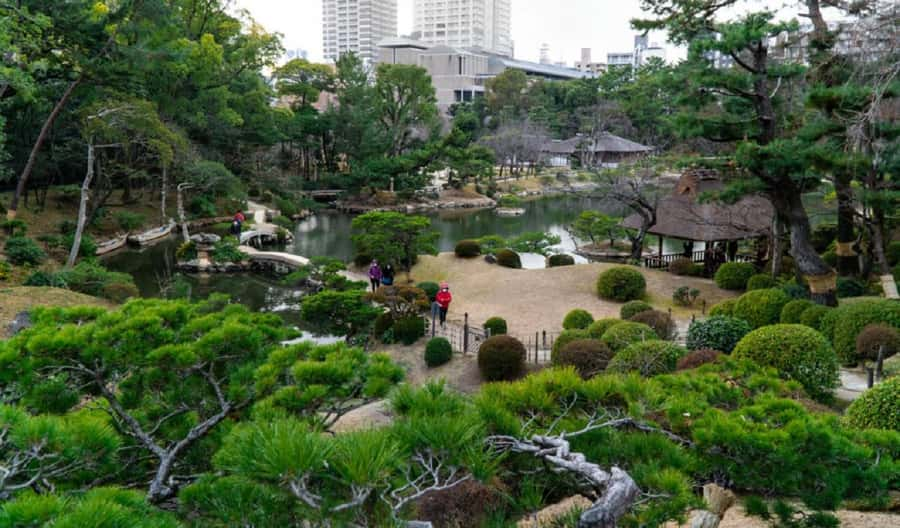
The garden is built around ponds, bridges, shaped planting, and carefully framed views. Your guide can point out details that are easy to miss when you simply follow the path, including how the garden creates changing views as you move. It is a useful first stop because it gives you a calm start before the heavier history later in the tour.
The garden is also close to Hiroshima Station, and one meeting option is at Shukkeien near the station. That makes it practical if you arrive in Hiroshima by train and want to begin sightseeing without first crossing the city.
Bring comfortable shoes. Even a short walking tour is easier when you are not thinking about sore feet, and the operator also recommends a hat, sunglasses, comfortable clothing, and an umbrella. Hiroshima can be hot in summer and chilly in winter, so dress for the season and carry water in warm weather.
If gardens are a major reason for your visit, 25 minutes may feel brief. You may want to return later for a longer stroll, especially since the garden is one of the more peaceful parts of the route.
Hiroshima Castle brings the samurai era into view
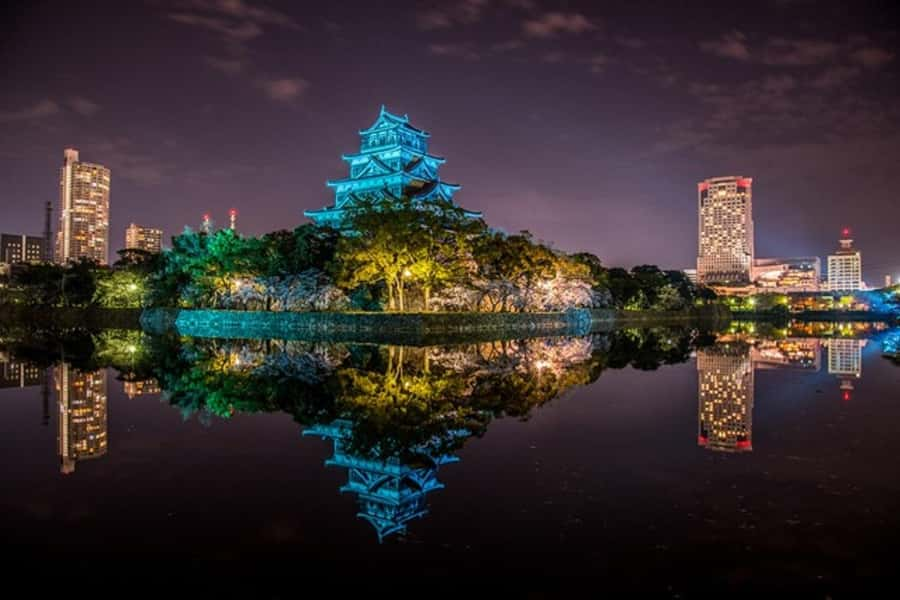
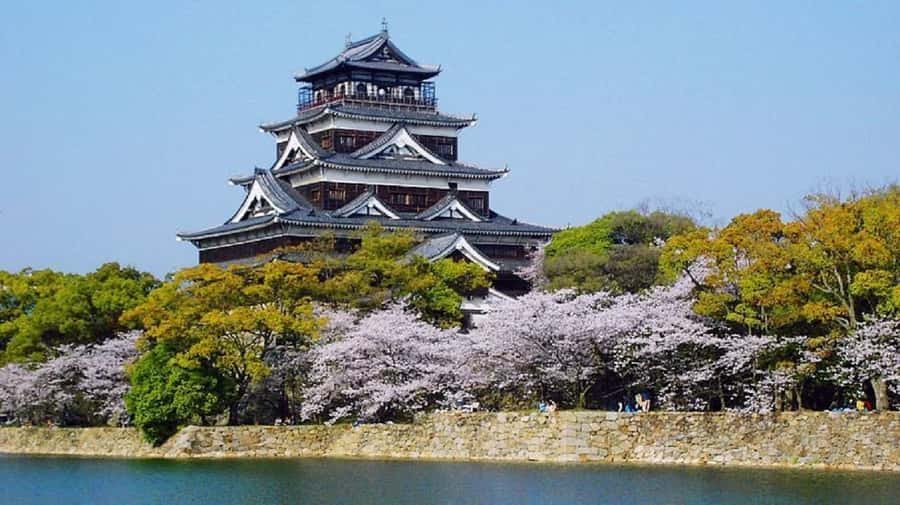
The next planned stop is Hiroshima Castle, with about 30 minutes of guided time. The castle gives the tour a useful historical counterpoint to the Peace Park. Instead of focusing on the twentieth century, you are looking at Hiroshima through the lens of feudal power, fortifications, and samurai-era society.
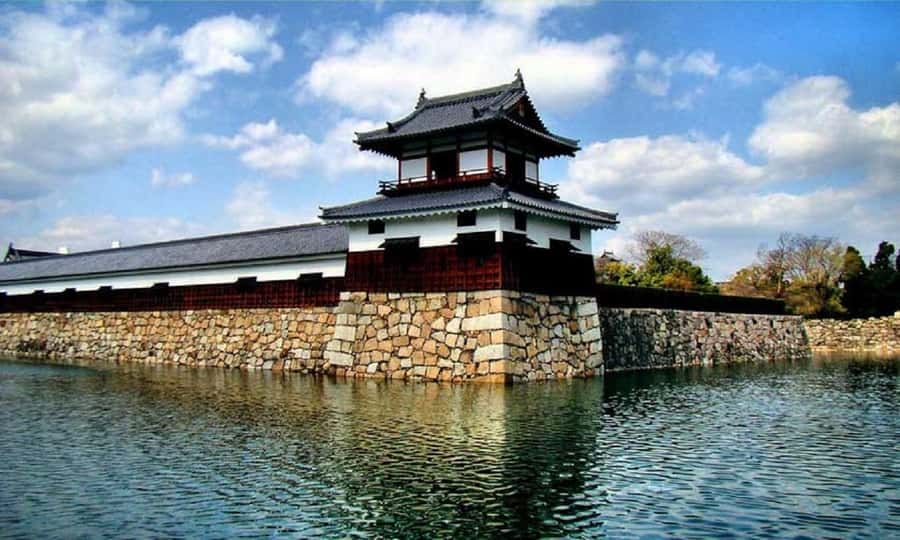
The castle structure you see today is a reconstruction, since the original was destroyed in the atomic bombing. That fact adds another layer to the visit. The building is not simply an old fortress preserved unchanged, but part of Hiroshima’s effort to recover and explain its past.
Your ticket is included, and the guide can help you make sense of the rooms and displays instead of treating the castle as just an attractive wooden building. The itinerary also includes Gokoku Shrine within the castle grounds. This adds a living religious site to the stop and gives you another detail to notice as you walk through the area.
Thirty minutes is enough for a focused visit, but you should not expect every room or display to receive a long explanation. If you are especially interested in castle architecture or military history, you may want extra time here after the guided portion.
The Peace Memorial Museum needs quiet attention
The Peace Memorial Museum receives the longest single block, about one hour. That is appropriate. This is not a place to rush through while trying to collect photographs.
The museum explains the events leading to the atomic bombing and the suffering that followed. Its exhibits are direct and emotionally difficult. You will see personal stories and objects connected with the bombing, and the material asks you to think about individual lives rather than only dates and military decisions.
Speaking is prohibited inside the museum so people can read and reflect in silence. Your guide provides context outside or around the visit, while English information is available for you to read inside. This arrangement suits the subject. You receive explanation, but the museum itself leaves room for private thought.
The museum was described as especially emotional in one booking experience, and that is a fair warning rather than a criticism. The tour is suitable for families, but parents should decide how much detail their children can handle. One family found that the guide adapted the experience well for children, which suggests that a private format can help you set the right tone and pace.
The museum is listed as the final stop in the tour information, although the detailed route also places the Peace Park sites around it. Confirm the exact order when you book. Either way, allow some quiet time afterward before moving straight into a busy meal or tightly timed activity.
Same season, a different set of beds:
- Mt. Fuji Day Trip from Tokyo with English Speaking Driver Guide
★ 5.0 · 443 reviews - Kyoto Arashiyama Bamboo forest & Garden Half-Day Walking Tour
★ 5.0 · 413 reviews - Tokyo: Imperial Palace East Gardens Walking Tour
★ 4.8 · 353 reviews - Mt. Fuji, Cherry Blossom & Shiba Sakura Pvt. Day Tour
★ 5.0 · 326 reviews
The memorial sites make the history personal
The Peace Memorial Park portion includes several short guided stops. Each one adds a different layer, but the times are brief, ranging from five to 25 minutes.
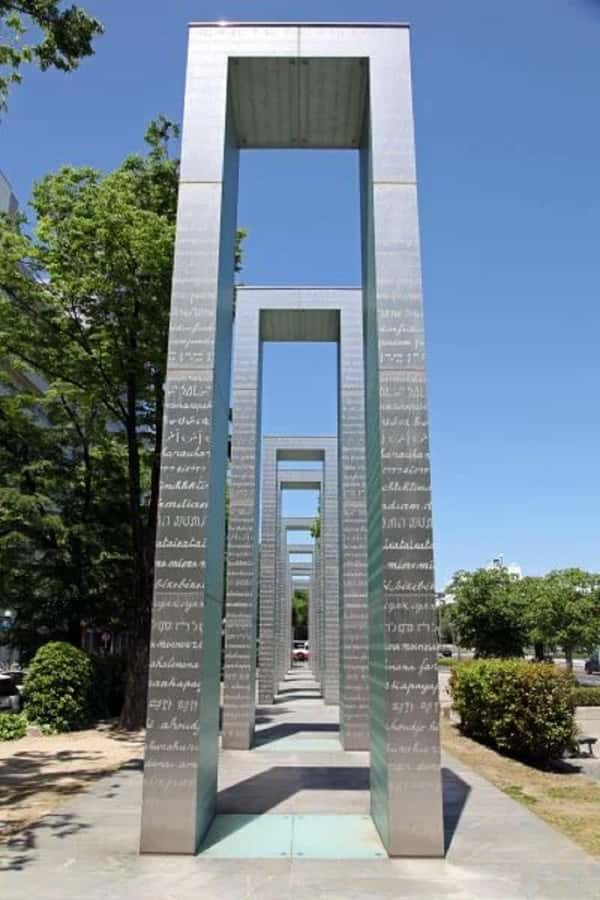
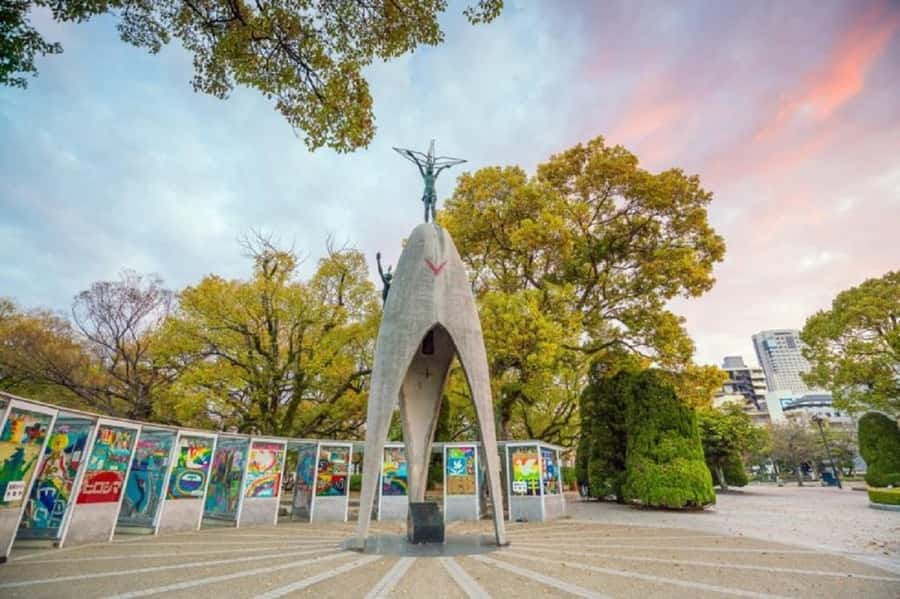
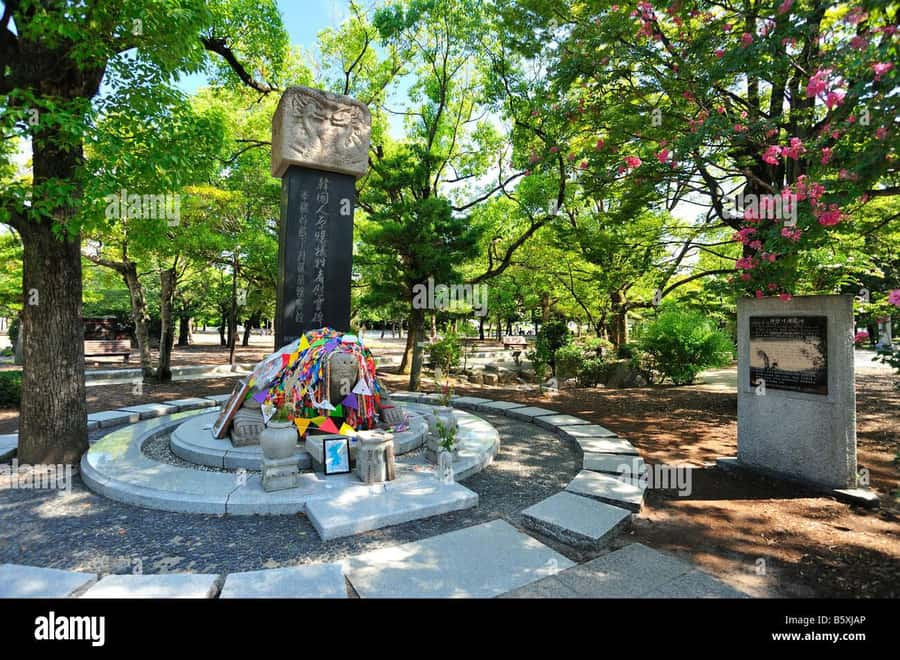
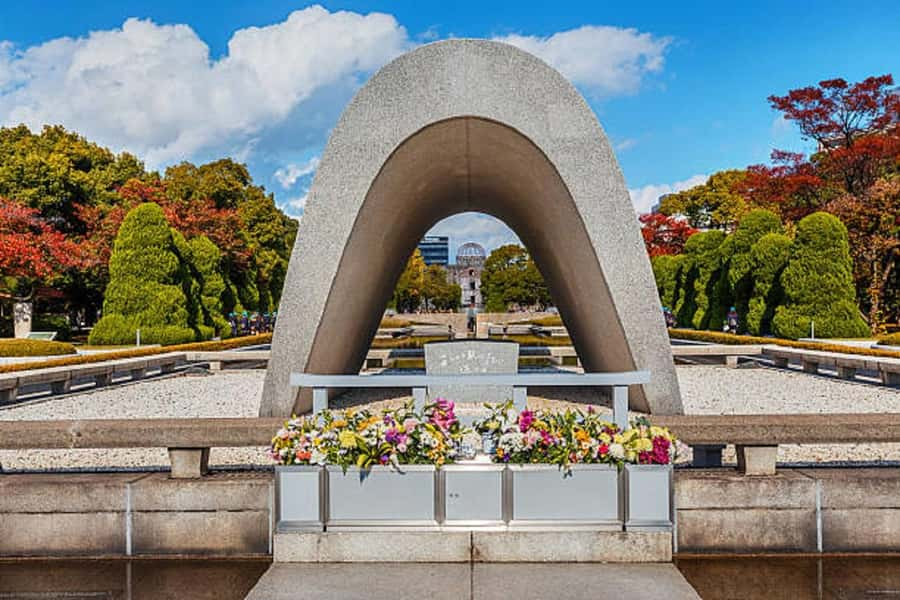
The Victims Memorial Cenotaph is a place to pause and recognize the people who died. The Flame of Peace carries the park’s message of peace, while the Children’s Peace Monument connects the history to the young victims of the bombing and to the continuing wish for a world without nuclear weapons.
The Bell of Peace is given about five minutes. That is a short visit, but your guide can explain its purpose and help you understand how it fits into the larger memorial area.
The Atomic Bomb Dome is one of Hiroshima’s most recognizable sights. Its damaged frame remains a stark reminder of the blast and of the city’s destruction. You will view it as part of the memorial setting, not as an isolated ruin. The contrast between the Dome, the modern city around it, and the peaceful park is one of the most powerful parts of the route.
The Hypocenter receives the longest time among these smaller memorial stops, at about 25 minutes. That stop gives the guide room to explain the location and the scale of what happened. It is likely to be one of the moments when the tour moves from broad historical information to a more immediate sense of place.
The memorial stops are close enough to connect on foot, but the emotional weight can make the route feel longer than its clock time. You may appreciate having a private guide who can pause when needed instead of being tied to a large group.
A private guide changes the feel of the visit
The private format is one of the strongest reasons to consider this tour. You are not sharing the guide’s attention with a coachload of people, and the explanation can respond to your questions, age group, and interests.
Preety is described as friendly and helpful, including practical directions for reaching Miyajima Island after the tour. That is useful if Hiroshima is part of a larger day of sightseeing. Zunera also handled a late arrival during heavy rain, which points to a degree of care when plans do not run perfectly.
The guide may be able to suggest other things to see, places to eat, and ways to continue around Hiroshima. Those recommendations are not a formal part of the sightseeing route, but they can add real value when you have limited time in the city.
The guide speaks English. The experience is offered as a private group, so you get a more personal setting than a standard shared walking tour. Pickup on foot may be possible if your accommodation is within a reasonable distance, but hotel pickup and drop-off are not included as a general service. The stated pickup options include Hiroshima Station and the taxi stand at Peace Memorial Park.
How the $82 price works for you
At $82 per person, this is not the cheapest way to see Hiroshima. It is priced as a guided private experience rather than a simple entrance-ticket bundle.
The cost includes a local guide, walking tour, entry to Shukkeien Garden, entry to Hiroshima Castle, entry to the Peace Memorial Museum, and tour photos. Food is not included, and you should budget separately for meals and drinks.
I think the price makes the most sense for first-time visitors, families, and anyone who wants historical context without spending time planning every stop. It also works well if you have only a short stay and want to connect major sights efficiently.
Independent sightseeing may be better value for solo visitors who enjoy reading displays and navigating on their own. You can also spend longer at the garden or castle that way. The private tour earns its price through explanation, personal attention, included tickets, and the ability to ask questions as you go.
Free cancellation is available up to 24 hours before the start time, and you can reserve now and pay later. Those terms help if your Hiroshima schedule depends on train connections or changing weather.
Who will get the most from this tour
I would choose this tour if you want a strong first look at Hiroshima and prefer a guide to connect the pieces. It suits families particularly well because a private guide can adjust the tone and amount of detail for children.
It is also a good fit if you want both the Peace Park and less solemn sights in one outing. Shukkeien Garden and Hiroshima Castle keep the day from becoming one long memorial visit, while the Peace Park gives the tour its central purpose.
You may want a different plan if you dislike fixed pacing or want extended time inside the museum. The 150-minute duration is tight for nine listed stops, and the total stated stop times do not match the advertised length. Ask for clarification before booking, especially if you need to be back at Hiroshima Station at a precise time.
Wear walking shoes and bring water in summer. Keep your phone and conversation quiet inside the museum, and approach the Peace Park with the seriousness it deserves. This is sightseeing, but it is also a memorial visit.
Should you book the Hiroshima private tour?
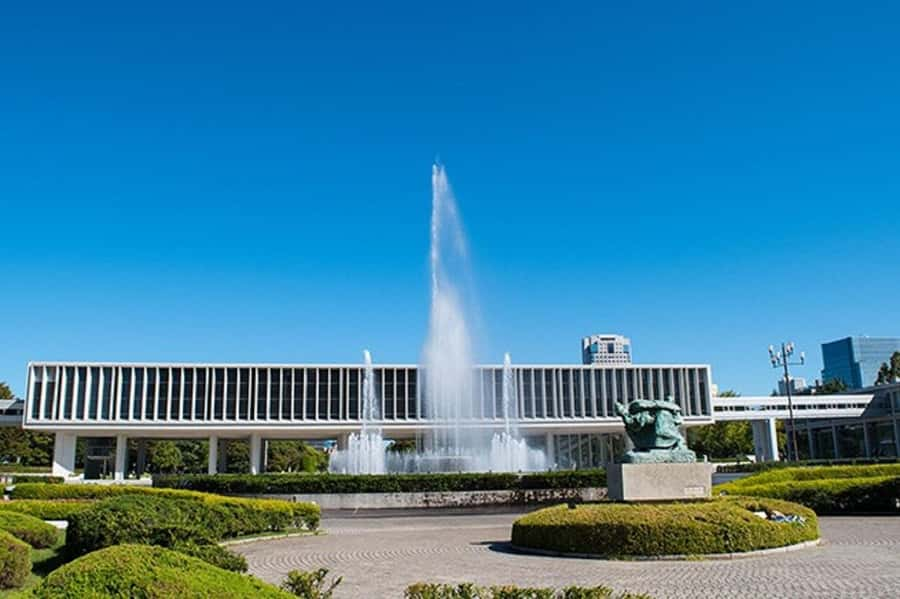
Book it if you want a short, guided introduction that combines Hiroshima’s garden tradition, castle history, and atomic-bomb memorials. The strongest features are the private English guide, included admissions, family-friendly flexibility, and useful local advice from guides such as Preety and Zunera.
Think twice if you want a slow garden visit, a long castle exploration, or plenty of unhurried museum time. Before paying, confirm the exact schedule, since the advertised 150 minutes is shorter than the individual time blocks provided. For most first-time visitors with limited time, the route offers good value, provided you are comfortable with its serious subject and brisk pace.
FAQ
How long does the tour last?
The advertised duration is 150 minutes. The individual time blocks listed for the stops add up to more than that, so confirm the exact pacing and order before booking.
What sights are included?
The tour includes Shukkeien Garden, Hiroshima Castle, Hiroshima Peace Memorial Museum, the Victims Memorial Cenotaph, Flame of Peace, Children’s Peace Monument, Atomic Bomb Dome, Bell of Peace, and the Hypocenter.
Are admission tickets included?
Yes. Entry to Shukkeien Garden, Hiroshima Castle, and the Peace Memorial Museum is included in the price.
Is the tour private?
Yes. This is a private group tour with a live English-speaking guide.
Where can the tour begin?
The stated meeting options are Hiroshima Station and Shukkeien Garden near the station. Pickup may also be available on foot from accommodation within a reasonable distance. Pickup and drop-off at a hotel are not generally included.
Can I speak inside the Peace Memorial Museum?
No. Speaking is prohibited inside the museum so visitors can read and reflect quietly. Detailed information is available in English inside.
What should I bring?
Bring comfortable shoes, comfortable clothing, sunglasses, a hat, an umbrella, and any personal medication. Carry a water bottle during Hiroshima’s hot summer weather, and dress warmly in winter.
Newly planted garden visits around Japan
- Kyoto-Nara Adventures Private Tour With Hotel Pick Up★ 4.0 · 5 reviews
- Stunning Private Tea Ceremony: Camellia Garden Teahouse★ 5.0 · 28 reviews
- Kyoto: Kinkaku-ji Temple & Serene Garden Guided Tour with Tickets★ 5.0 · 9 reviews
- Guided Kyoto City Cherry Blossom One Day Private Tour★ 5.0 · 16 reviews
- Kyoto Hidden Treasures: Special Temple & Garden Access Tour★ 4.5 · 25 reviews
- The Art of Mindful Living: Tea Ceremony in Kyoto★ 5.0 · 16 reviews
- Kyoto ITALIAN GUIDE Golden Pagoda Bamboo Forest Dry Garden★ 4.0 · 2 reviews
- Kyoto Japanese Garden Lover’s Private Tour with Government-Licensed Guide★ 4.5 · 10 reviews
Japan Garden Tours, bed by bed.
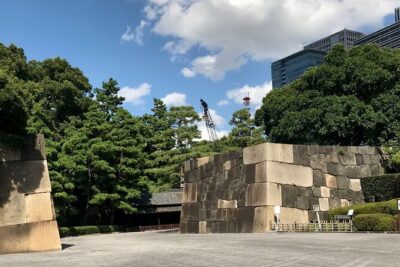
Imperial Palace East Garden and Edo Castle Walking Tour in Tokyo
Read our review →
Mt. Fuji Day Trip from Tokyo with English Speaking Driver Guide
Read our review →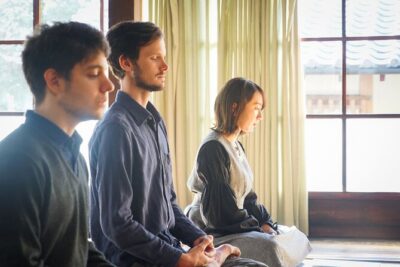
Kyoto Zen Meditation & Garden Tour at a Zen Temple with Lunch
Read our review →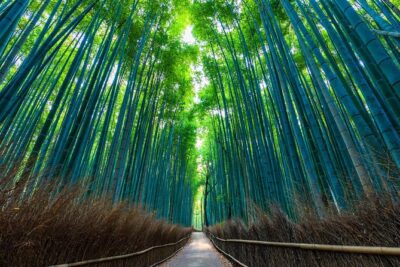
Kyoto Arashiyama Bamboo forest & Garden Half-Day Walking Tour
Read our review →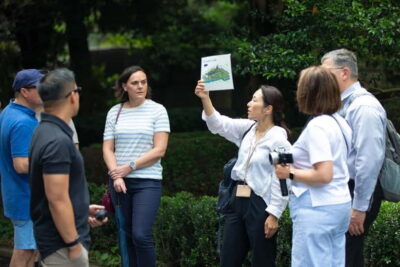
Tokyo: Imperial Palace East Gardens Walking Tour
Read our review →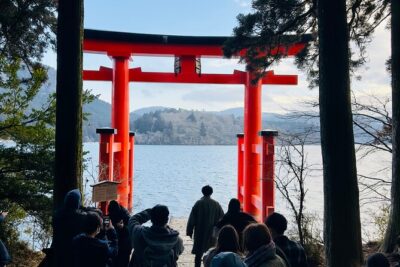
Kyoto Kiyomizu Tea Ceremony with Scenic Garden Views
Read our review →Lists this garden visit belongs to