
Review · JAPAN
Kagoshima Gardens & Shrines — Local Bus Guided Tour (Small-Group)
Kagoshima’s best moments are not always its biggest sights. This small-group tour slips into a former feudal garden, then visits two old shrines where your guide explains how to bow, wash, pass through a torii, and pray. It is a calm way to meet the city’s history without rushing from one photo stop to the next.
I like the use of local buses, since you get a practical look at Kagoshima while your guide handles the route. I also like the tiny group size, capped at five people, and the chance to hear Hitomi explain Japanese customs in clear English. One consideration: the tour runs mainly on Mondays, and the garden visit may change around New Year holidays or in poor weather.
Key points to know before booking
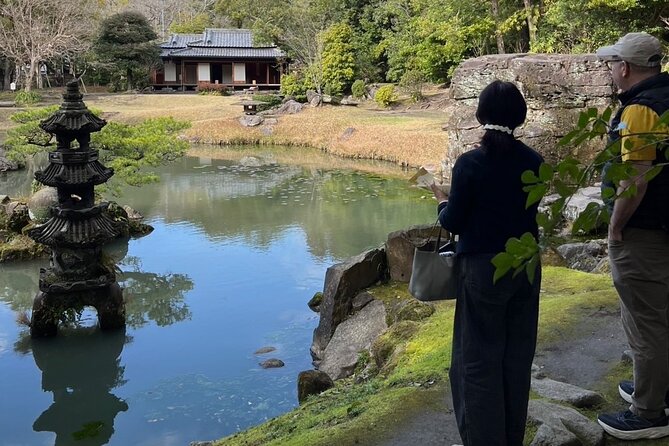
- Tamazato House Garden is the quiet centerpiece, with ponds, bamboo, and traces of its former tea-house grounds.
- Hitomi leads the tour, explaining shrine customs in accessible English and adding cultural context at each stop.
- City bus and tram fares are included, so you do not need to work out each ride during the tour.
- The group is limited to five people, making it easier to ask questions and keep the pace relaxed.
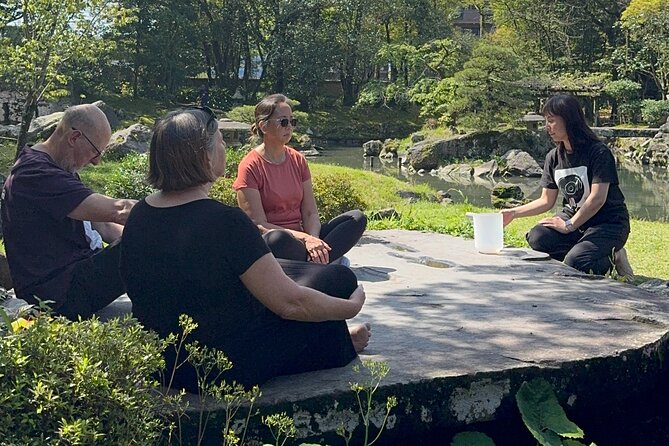
- A short crystal singing bowl meditation may be included in the garden, depending on the departure.
- The normal tour lasts about 2.5 to 3 hours, beginning and ending near the east plaza of Kagoshima Chuo Station.
Why this Kagoshima tour feels different
Many city tours stick to the obvious sights. This one takes a quieter route through Kagoshima’s cultural past. You begin at a busy transport hub, then move by public bus into places where the pace drops quickly.
The main appeal is not a long list of attractions. It is the way the tour connects three types of Japanese experience: a feudal garden, an old local shrine, and a modern memorial shrine tied to Kagoshima’s later history.
I would choose this tour if you want help understanding what you are seeing. A shrine can look simple at first glance. With a guide beside you, the gate, water basin, offering box, bows, and hand gestures become part of a clear sequence rather than a set of mysterious objects.
The group limit matters, too. With no more than five people, you can ask Hitomi about customs, history, or daily life without competing with a large crowd. The small format also suits the peaceful mood of the garden and shrines.
More gardens worth a morning in Japan:
- Osaka: teamLab Botanical Garden Entry Ticket
★ 4.5 · 1,710 reviews - Imperial Palace East Garden and Edo Castle Walking Tour in Tokyo
★ 5.0 · 510 reviews - Kyoto Zen Meditation & Garden Tour at a Zen Temple with Lunch
★ 5.0 · 441 reviews
Starting at the Satsuma samurai statues
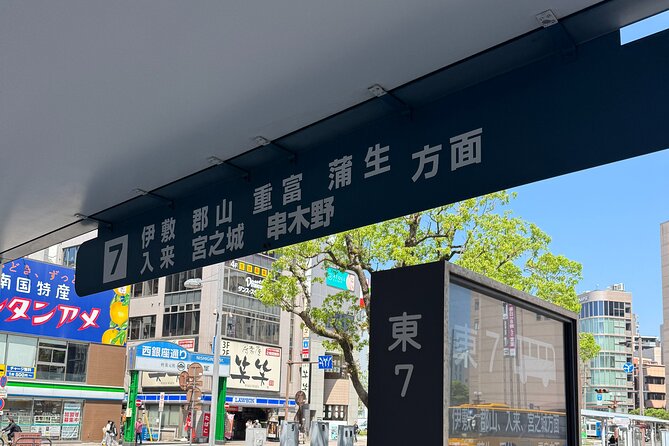
The meeting point is at the statues of Satsuma Domain samurai in the east plaza outside JR Kagoshima Chuo Station. This is a useful place to begin because the station is one of the city’s main transport points, and the statues introduce you to Kagoshima’s samurai-era identity before you leave the plaza.
You will need to arrive ready for public transportation. The tour uses city buses and, depending on the route, city trams. Those fares are included in the tour price, which removes one small but real worry for anyone unfamiliar with Japanese ticketing systems.
The tour ends back at the same meeting point. That makes it easy to continue sightseeing, return to your hotel, or arrange lunch nearby. Lunch is not part of the tour, and there is no meal break during the outing.
The listed operating period runs from May 14, 2025, through December 29, 2026, with Monday departures from 9:00 a.m. to noon and 1:30 p.m. to 4:30 p.m. Check the exact start time when booking, since the schedule shown is limited.
Tamazato House Garden: ponds, bamboo, and a slower pace
The first main stop is Tamazato House Garden, the former garden of the Shimazu family. The Shimazu ruled the Satsuma domain, the historic territory centered on present-day Kagoshima, and the garden reflects the quiet refinement expected of a feudal residence.
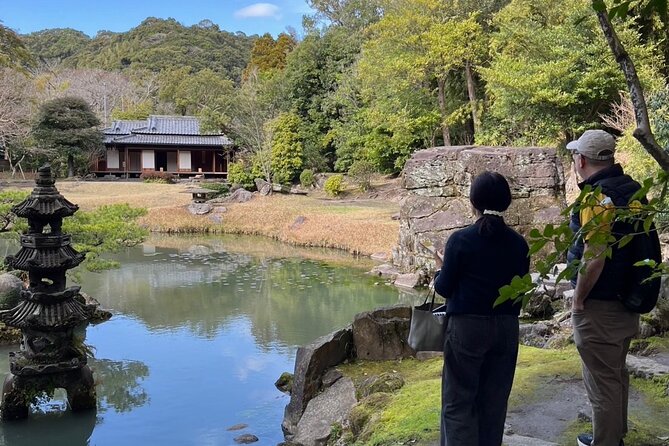
You can expect about 40 minutes here. The garden includes ponds, bamboo, and the remains of a tea-house area. It is not presented as a grand palace complex. Its appeal is more modest and more restful: water, greenery, paths, and the feeling of a private place set apart from the city.
This is where Hitomi’s explanations can add the most value. Without context, you may simply see a pleasant Japanese garden. With an explanation of how a feudal garden was used and what to notice, the layout becomes easier to read.
A short meditation with crystal singing bowls has been part of some departures. If that matters to you, ask Hitomi in advance if it is planned for your date. The garden’s quiet setting suits a brief pause, but you should not book the tour solely for meditation. The core experience is the garden and its history.
The garden closes during the New Year holiday period. When it is unavailable, the tour changes to a southern city route visiting three shrines by tram. That replacement route is about 30 minutes shorter than the normal outing, but it keeps the focus on shrine culture and Japanese worship customs.
Kagoshima Shrine: learning the basic rituals
The next stop is Kagoshima Shrine, also known as Ujise Daimyojin. The shrine is described as one of the oldest in Kagoshima and is dedicated chiefly to Emperor Ojin. For local worshippers, it has long served as a protective shrine for the area.
You spend about 20 minutes here. That is not long enough for an exhaustive historical tour, but it is enough for a focused introduction to shrine behavior.
Hitomi explains how to approach the shrine, how to pass through the torii gate, and how to use the purification basin. You will also learn the basic form of worship at the main hall. These lessons are especially useful if this is your first shrine visit in Japan, or if you have copied other people without knowing what the gestures mean.
The grounds include a large camphor tree, a detail worth noticing because old trees often give Japanese shrines much of their sense of age and place. Do not expect a long free period here. The stop is short and guided, so the value comes from the explanation rather than from wandering alone.
I like this part of the tour because it gives you a skill you can use for the rest of your trip. Afterward, you will be better prepared to visit shrines on your own without treating them as ordinary sightseeing stops.
Same season, a different set of beds:
- Mt. Fuji Day Trip from Tokyo with English Speaking Driver Guide
★ 5.0 · 443 reviews - Kyoto Arashiyama Bamboo forest & Garden Half-Day Walking Tour
★ 5.0 · 413 reviews - Tokyo: Imperial Palace East Gardens Walking Tour
★ 4.8 · 353 reviews - Mt. Fuji, Cherry Blossom & Shiba Sakura Pvt. Day Tour
★ 5.0 · 326 reviews
Kagoshima Gokoku Shrine: a quieter look at modern history
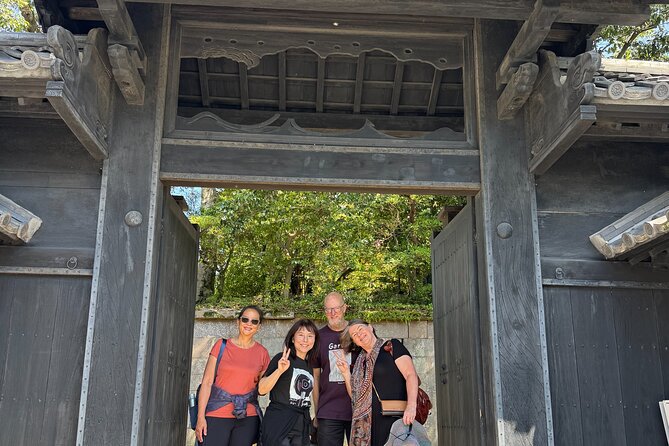
The final shrine is Kagoshima Gokoku Shrine, where about 30 minutes is set aside. It honors people connected with Kagoshima who died in service from the end of the feudal period through the modern era.
That focus gives the stop a different mood from Kagoshima Shrine. The first shrine connects to long-standing local worship. Gokoku Shrine brings in the political and military changes that shaped Kagoshima during the transition from samurai rule to modern Japan.
The grounds are described as quiet and subdued. That makes this a good place to listen rather than rush for photographs. Hitomi explains the shrine’s purpose and points out features of the grounds while again covering the basic customs of worship.
This stop may be less immediately impressive than the garden. If your main goal is grand architecture, you may find the shrine visits understated. If you want to understand how religion, local identity, and Kagoshima’s modern past overlap, it gives the tour a useful final chapter.
Riding Kagoshima’s city buses with a guide
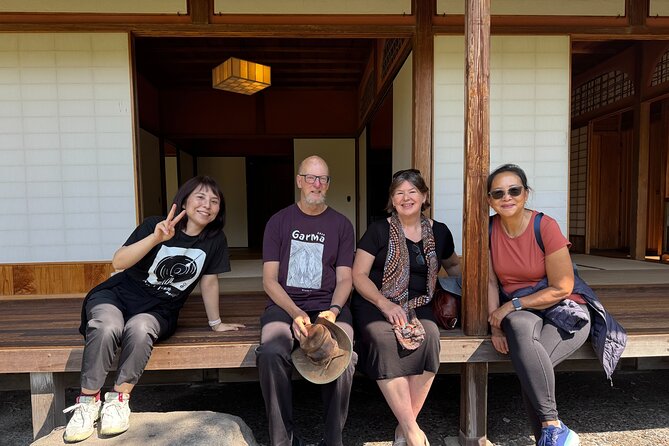
Using public transportation is one of the tour’s strongest practical features. You are not sealed inside a private vehicle. Instead, you move through the city as residents do, with Hitomi helping you manage the route.
That matters in Kagoshima, where a first visit can involve several transport choices. The tour price includes the city bus and tram fares used during the outing. You do not need to budget separately for those rides or work out each payment while trying to keep up with a group.
The tradeoff is that public transportation can involve waiting, walking, and a less controlled schedule than a private car. The tour takes roughly 2.5 to 3 hours, so the total time includes the transfers between the garden and shrines.
I see this as a benefit for most independent visitors. You get a short lesson in using Kagoshima’s transport network, and you can ask Hitomi about continuing by bus or tram afterward. A one-day Kagoshima city bus and tram pass may be arranged if you notify the guide in advance and plan to keep sightseeing after the tour.
What the English guidance adds
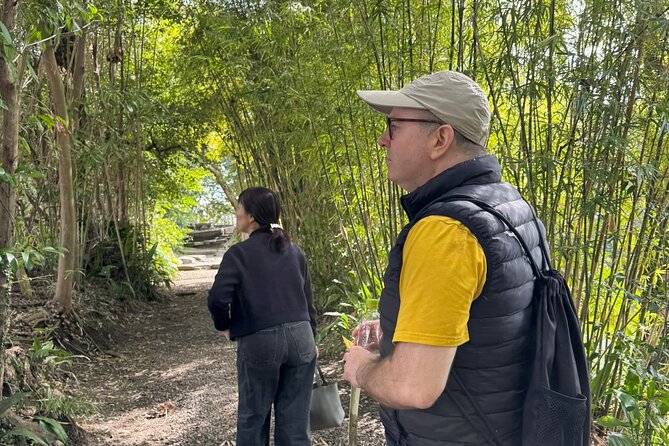
The guide is Hitomi, and the experience depends heavily on her explanations. The tour is not simply a route between three locations. It is a guided introduction to garden design, shrine etiquette, and local history.
The English guidance has been praised for clarity and warmth. Hitomi explains customs with patience, including points that can be easy to miss, such as how to approach a torii and how to use the purification basin. She also connects the physical setting to Kagoshima’s past instead of giving only a list of dates.
You should feel comfortable asking questions. A small group of five or fewer allows for a more personal exchange than a coach tour. It also means the experience may feel less formal and more like a walking conversation, even though buses and trams connect the stops.
The meditation detail adds another possible layer. A short crystal singing bowl session in the garden has been offered on some tours. It is a gentle extra rather than a guaranteed feature, so confirm before booking if it is important to your plans.
Is $71.67 a fair price?
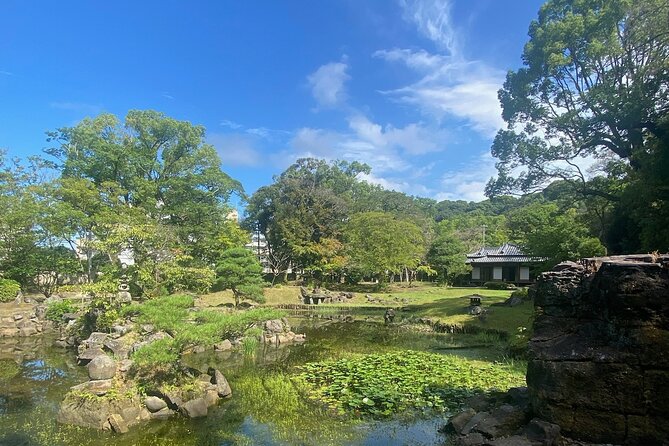
At $71.67 per person, this is not the cheapest way to see a garden and two shrines. You are paying for more than admission, though. The price includes the guide, all city bus and tram fares used during the tour, and a small-group format limited to five people.
The garden and shrine admission fees listed for the stops are free. That means the value rests mainly in the interpretation and the convenience of the route. If you already know Kagoshima well, speak Japanese, and are happy to manage public transportation alone, the price may feel high.
For a first visit, I think the cost is easier to justify. You receive practical help at the transport points, explanations of shrine behavior, and access to quieter places that you might not prioritize on your own. The tour also saves you the time of researching the route between these locations.
The strongest value comes if you ask questions. Treating the tour as a ride between photo stops would waste much of what you are paying for. Ask about the Shimazu family, the role of the garden, the difference between the two shrines, and the customs you will see elsewhere in Japan.
Who should book this experience?
I would recommend it to first-time visitors who want a calm introduction to Kagoshima. It suits people who enjoy gardens, local history, and cultural explanation more than packed sightseeing schedules.
It is also a good match for solo visitors and couples who prefer a small group. The maximum of five people leaves more room for conversation than a large organized tour.
You should be comfortable with public transportation and some walking. Most people can participate, and the meeting point is near public transportation, but the tour is not designed as a private vehicle outing.
Families may appreciate the short duration, though the quiet garden and etiquette lessons will appeal most to children who can enjoy a slower cultural visit. The tour is less suitable if you want shopping, food tastings, major city landmarks, or a full-day excursion.
If you are visiting around New Year, pay close attention to the route change. The Tamazato Garden stop may be replaced by a three-shrine tram tour, with the total time shortened by about 30 minutes.
Booking, cancellation, and weather notes
Confirmation is sent within 48 hours of booking, subject to availability. The tour requires a minimum number of participants, so a departure can be canceled if that number is not reached.
You can cancel for a full refund up to 24 hours before the local start time. Changes or cancellations made within 24 hours are not accepted for a refund.
Poor weather can also affect the tour. If the operator cancels because of weather, you are offered another date or a full refund. Travel insurance is not arranged by the provider, so you need to decide for yourself if you want coverage.
Tips for the guide are optional. Lunch and other food costs are not included, since the tour does not include a meal break.
My recommendation
Book this tour if you want to understand Kagoshima’s quieter side and learn how to visit Japanese shrines with confidence. The combination of Tamazato Garden, two distinct shrines, included public transportation, and Hitomi’s personal explanations gives you more than a simple sightseeing loop.
Skip it if you want a fast, landmark-heavy tour or if the Monday schedule does not fit. Also check the New Year route before booking, since the garden may be replaced.
For the right visitor, the $71.67 price buys useful context, a relaxed pace, and a small group in places that are easy to miss when exploring alone. That is a fair trade for a thoughtful half-day introduction to Kagoshima.
FAQ
How long does the Kagoshima gardens and shrines tour last?
The normal experience lasts approximately 2 hours 30 minutes to 3 hours. The New Year replacement route may be about 30 minutes shorter.
Where does the tour begin?
It begins at the statues of Satsuma Domain samurai in the east plaza outside JR Kagoshima Chuo Station.
Where does the tour end?
The tour ends back at the starting point near JR Kagoshima Chuo Station.
How many people can join the tour?
The group has a maximum of five participants.
Are bus and tram fares included?
Yes. The city bus and city tram fares used during the tour are included in the tour price.
Is lunch included?
No. The tour has no meal break, and any lunch or other food purchased afterward costs extra.
What happens if Tamazato House Garden is closed over New Year?
The route changes to a southern area tour visiting three shrines by city tram. This version is expected to be about 30 minutes shorter while still focusing on Kagoshima’s shrine culture.
Can I cancel for a full refund?
Yes. You can receive a full refund if you cancel at least 24 hours before the experience start time. Cancellations within 24 hours are not refunded.
Newly planted garden visits around Japan
- Kyoto-Nara Adventures Private Tour With Hotel Pick Up★ 4.0 · 5 reviews
- Stunning Private Tea Ceremony: Camellia Garden Teahouse★ 5.0 · 28 reviews
- Kyoto: Kinkaku-ji Temple & Serene Garden Guided Tour with Tickets★ 5.0 · 9 reviews
- Guided Kyoto City Cherry Blossom One Day Private Tour★ 5.0 · 16 reviews
- Kyoto Hidden Treasures: Special Temple & Garden Access Tour★ 4.5 · 25 reviews
- Kyoto ITALIAN GUIDE Golden Pagoda Bamboo Forest Dry Garden★ 4.0 · 2 reviews
- Kyoto Japanese Garden Lover’s Private Tour with Government-Licensed Guide★ 4.5 · 10 reviews
- The Art of Mindful Living: Tea Ceremony in Kyoto★ 5.0 · 16 reviews
Japan Garden Tours, bed by bed.

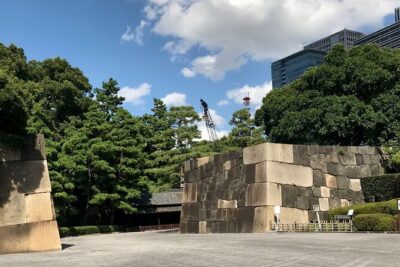
Imperial Palace East Garden and Edo Castle Walking Tour in Tokyo
Read our review →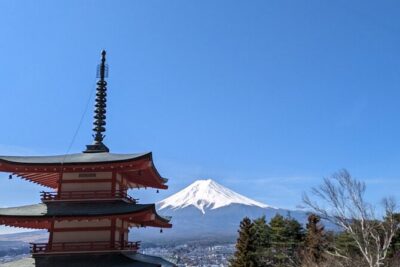
Mt. Fuji Day Trip from Tokyo with English Speaking Driver Guide
Read our review →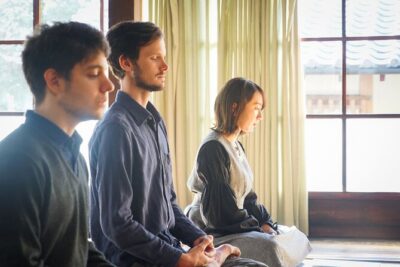
Kyoto Zen Meditation & Garden Tour at a Zen Temple with Lunch
Read our review →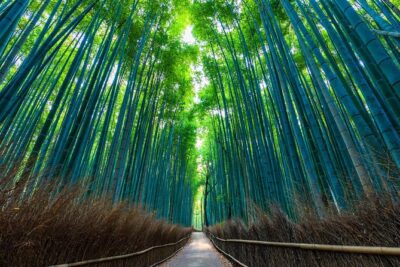
Kyoto Arashiyama Bamboo forest & Garden Half-Day Walking Tour
Read our review →
Tokyo: Imperial Palace East Gardens Walking Tour
Read our review →
Kyoto Kiyomizu Tea Ceremony with Scenic Garden Views
Read our review →Lists this garden visit belongs to