
Review · JAPAN
Walking Tour in Himeji Castle Garden and Aizome Indigo Dyeing
Himeji’s great reward is not just its famous white castle. This tour pairs Himeji Castle and Koko-en Garden with a hands-on Aizome indigo workshop, giving you both Japan’s grand public history and a small-scale craft tradition. I like that the day moves beyond the usual castle visit, and I like that bus tickets, admissions, and the dyeing fee are built into the price. The main drawback is the eight-hour length, with lunch left to you.
The morning is devoted to the castle, its neighboring gardens, and Itatehyōzu Shrine. The afternoon turns practical and personal at Wataya, where the Aizome master leads the dyeing session. Guide Justin has been singled out for keeping the day lively, and the small maximum of 20 people should make the English guidance easier to follow.
Key points to know before booking
- Himeji Castle is the main morning attraction: Spend about two hours at Japan’s largest existing castle, with admission included.
- Koko-en offers nine garden styles: The gardens show different Edo-period designs beside the castle, without another admission charge.
- Itatehyōzu Shrine adds local culture: The shrine is linked to the Ilsan ritual every 60 years and the Samsan ritual every 20 years.
- Aizome is the day’s unusual hands-on activity: You finish with traditional indigo dyeing at Wataya, led by an experienced master.
- The price covers the major extras: At $158.02 per person, the package includes entrance fees, required bus tickets, the workshop, and an English-speaking guide.
- You have a fixed start and a long day: Meet at the Central Gate of JR Himeji Station at 9:30 am and return there at the end.
Why Himeji makes a strong day of sightseeing
Himeji is less familiar to many people than Kyoto, Osaka, or Tokyo, but its castle gives the city a clear reason to visit. Himeji Castle is a World Heritage Site and a National Treasure of Japan. It is also described as the largest existing castle in Japan, so this is not a quick photo stop beside a reconstructed building.
I like the way this tour uses Himeji as more than a single landmark. The castle gives you the grand scale, Koko-en supplies quiet garden scenes, the shrine adds religious history, and the dyeing workshop shows a craft that still depends on human skill. That mix gives the day a better rhythm than eight straight hours of looking at old buildings.
You meet at 9:30 am immediately after leaving the Central Gate of JR Himeji Station. This is useful if you are arriving by train, since the starting point is tied to a clear station landmark rather than an obscure street address. From there, the group takes about 15 minutes to reach the castle.
The tour has a maximum of 20 people. That is not a private outing, but it is also not a huge bus group. You should expect a shared experience with enough room for questions, especially during the guided sections.
More Palace and Castle Gardens in Japan:
- Paris: Versailles Palace and Gardens Full Access Ticket
★ 4.6 · 41,579 reviews - Versailles: Skip-the-Line Tour of Palace and Gardens Access
★ 4.7 · 10,429 reviews - Vienna: Schönbrunn Palace & Gardens Skip-the-Line Tour
★ 4.7 · 7,739 reviews
Himeji Castle, Japan’s great white stronghold
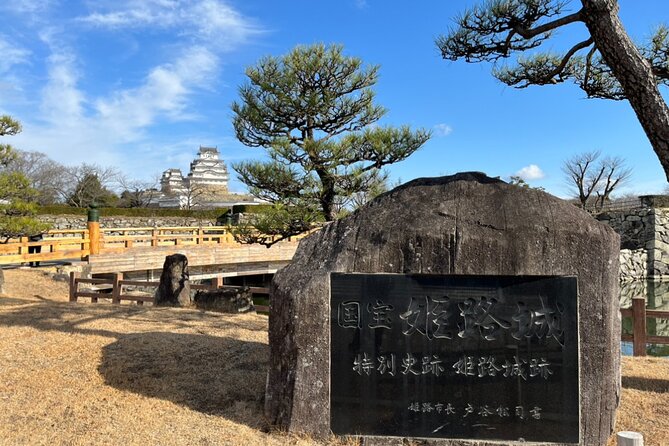
The first stop receives about two hours, and that is sensible. Himeji Castle is large enough to reward a proper visit, with far more to notice than its elegant exterior. Its fame comes partly from its striking white appearance, but its importance also rests on its survival as an original Japanese castle complex.
A guide helps turn the castle from a beautiful object into a place with purpose. You can expect explanations about its history and role rather than simply being pointed toward the best photograph. The tour description does not list every room or route, so the exact path can depend on conditions and the guide’s pacing.
I would give this part your full attention. The castle is the most recognizable stop, and it is the place most likely to fill your camera. It is also the portion of the day where a guide adds real value, since architectural features and castle history can be easy to miss when you explore alone.
The admission fee is included, which keeps the morning straightforward. You do not need to organize a separate castle ticket as part of the tour. Since the castle takes up roughly two hours, you get more than a rushed exterior visit, though you should not expect a full day devoted only to Himeji Castle.
The practical limitation is time. Himeji Castle can easily command your attention for longer than two hours, especially if you read every display or move slowly through the complex. If the castle is your only reason for coming to Himeji, an independent visit might give you more freedom. If you want context and a planned day, the guided format is the better fit.
Koko-en’s nine garden designs beside the castle
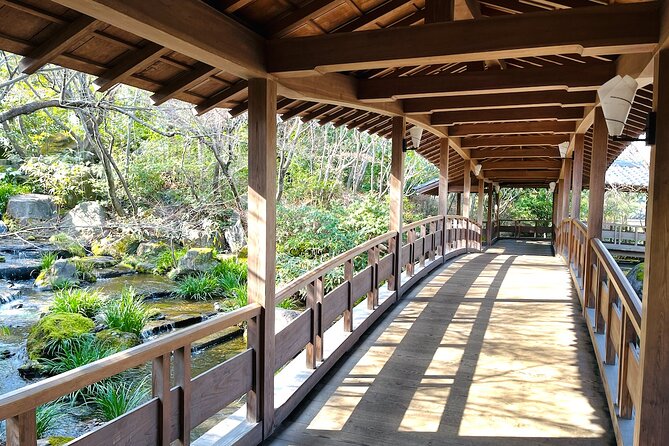
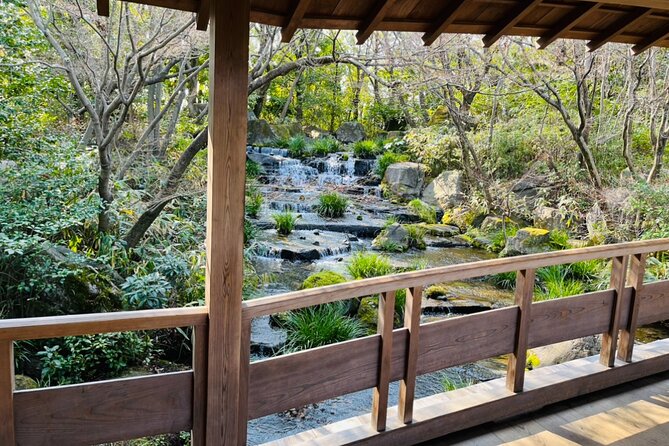
After the castle, the tour moves to Koko-en, an authentic Japanese garden next door. Koko-en consists of nine strolling gardens, each shaped around a different Edo-period style and theme.
That number matters. You are not simply walking through one large park with repeating views. The separate garden areas give you a series of changes in mood and design. I would treat this stop as a visual reset after the scale and defensive purpose of the castle.
The visit is scheduled for about two hours. That gives you time to notice details at a slower pace, and it prevents the garden from becoming a ten-minute add-on. The admission is listed as free for this tour, so you receive a substantial second stop without another ticket charge.
Koko-en is also a good reason to bring a little patience. Gardens are not built for rapid sightseeing. You might find the appeal in the arrangement of plants, paths, water, and viewing points rather than in one dramatic monument. Your guide can add context about the Edo period and the garden styles, while you have space to enjoy the setting.
The main consideration is that garden appreciation is personal. If you prefer constant movement and major landmarks, two hours here may feel slow. If you enjoy carefully planned outdoor spaces, this is one of the most valuable parts of the morning because it balances the castle without taking you far from it.
Itatehyōzu Shrine and Himeji’s older traditions

The third stop is Itatehyōzu Shrine, visited on the way back toward the shopping district. The shrine is known for the Ilsan ritual, held every 60 years, and the Samsan ritual, held every 20 years.
Those long intervals give you a useful sense of the shrine’s ceremonial importance. This is not presented as another giant attraction competing with the castle. It is a shorter cultural stop that shows how local traditions can continue through generations, often on a schedule far removed from ordinary daily life.
The visit is allocated about two hours, although the supplied details do not explain precisely how that time is divided between the shrine, walking, and transport. Your guide provides the thread connecting the shrine to Himeji’s wider past. This is where a good English-speaking guide can help you notice why the place matters instead of treating it as a quick photo stop.
I like the inclusion of Itatehyōzu Shrine because it keeps the tour from becoming a castle-only product. The shrine also gives you a different kind of Japanese culture from what you see at Himeji Castle and Koko-en. The drawback is that the description provides less detail about what you will see on site, so you should choose this tour for the overall combination rather than for the shrine alone.
More gardens worth a morning in Japan:
- Osaka: teamLab Botanical Garden Entry Ticket
★ 4.5 · 1,710 reviews - Imperial Palace East Garden and Edo Castle Walking Tour in Tokyo
★ 5.0 · 510 reviews - Kyoto Zen Meditation & Garden Tour at a Zen Temple with Lunch
★ 5.0 · 441 reviews - Kyoto Arashiyama Bamboo forest & Garden Half-Day Walking Tour
★ 5.0 · 413 reviews
Wataya and the Aizome indigo workshop
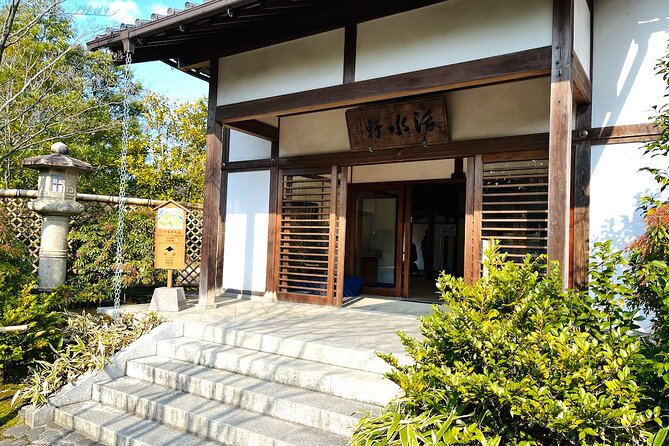
The afternoon begins at Wataya with Aizome, or traditional indigo dyeing. This is the tour’s most distinctive element. Castles and gardens are easy to find in Japan. A guided, hands-on look at an established dyeing tradition is less common.
Indigo is one of the oldest vegetable dyes in existence, with origins reaching back to ancient kingdoms in the Middle East before it arrived in Japan. The workshop connects that broad story to a practical activity. Instead of only hearing about a craft, you take part in the dyeing process.
The session lasts about two hours and the fee is included. You should expect instruction from the Aizome master, with time to work through the activity rather than simply watch a demonstration. The master has been described as charming, funny, and eager to connect with the group. That personal exchange is important here because craft workshops depend as much on the teacher’s manner as on the material itself.
This is also where the tour feels most different from a standard sightseeing route. The castle shows what Japan preserved. The indigo session shows how a traditional skill can remain active and social. You leave with a better understanding of the work behind dyed cloth, not just an image of a finished product.
Guide Justin has been praised for keeping the entire day interesting and fun, and that matters during the workshop as much as during the historical stops. The exact item you dye is not specified, so I would not book this expecting a particular garment, pattern, or finished souvenir. Book it for the process and the chance to try Aizome directly.
What the $158.02 price really covers
At $158.02 per person, this is not a bargain-basement walking tour. It is an eight-hour guided day with several included costs, so the value depends on how much structure and interpretation you want.
The price includes:
- Entrance fees for each stop
- Bus tickets required during the tour
- The Aizome experience fee
- An English-speaking guide
That package removes several small decisions. You do not need to calculate transport between the stops, purchase the castle admission separately, or pay an extra workshop fee when you reach Wataya. The included bus tickets are especially useful because the route is not limited to a single compact area.
Lunch is not included. Plan to buy or bring your own meal, though the supplied details do not specify a restaurant or a formal lunch break. This is the biggest cost detail to keep in mind when comparing the tour with a self-guided day.
I see the strongest value for someone who wants one organized Himeji day and would otherwise need to arrange the castle, garden, shrine, transport, and craft activity separately. If you only want to see Himeji Castle, the price may feel high. If you want the castle plus local culture and a hands-on workshop, the package makes more sense.
Who will get the most from this Himeji day
I would choose this tour if you want an English-speaking guide to connect several different parts of Himeji. It suits first-time visitors who prefer a clear route, a fixed meeting point, and included transport rather than a day of figuring out bus connections.
It is also a good match for anyone who values traditional crafts. The Aizome session is not a filler activity added after the main sights. It is the feature that gives the tour its identity.
History fans will appreciate the castle, shrine rituals, and Edo-period gardens. Couples and families may like the change of pace between walking, sightseeing, and making something. The group limit of 20 keeps the experience from becoming an enormous procession, though anyone seeking a private guide should look elsewhere.
You should think twice if you dislike full-day schedules or want long, unplanned stops. The itinerary is tightly shaped around four locations, and eight hours is a substantial commitment. Lunch is also your responsibility, so the day requires a little planning beyond simply arriving at the station.
Meeting point, timing, and cancellation terms

The start time is 9:30 am at JR Himeji Station, immediately after exiting the Central Gate. The activity ends back at the same meeting point, which makes the return simple if you are continuing by train.
You receive confirmation when booking, and a mobile ticket is available. The tour operates near public transportation, and most people can participate according to the supplied information. No separate accessibility details are provided, so contact the operator if you need specific arrangements.
The experience is provided by Snow Monkey Resorts Tours, operated by Machinovate Japan Ltd. You can cancel for a full refund if you do so at least 24 hours before the start time. Cancellations or changes made within 24 hours are not accepted for a refund, and the cut-off follows local time.
Should you book the Himeji Castle and Aizome tour?
Book it if you want Himeji in layers: the famous castle, nine Edo-style gardens, a shrine tied to rare ceremonies, and a practical indigo workshop. I especially like the balance between major sights and the Aizome session, since the craft gives the day something you are unlikely to duplicate with a standard castle visit.
Skip it if your only goal is to explore Himeji Castle at your own pace, or if you dislike spending a full day with a group. At $158.02, the tour earns its price through included admissions, buses, guiding, and the workshop. For a fuller introduction to Himeji, with Justin or another English-speaking guide helping connect the pieces, it is a strong choice.
FAQ
Where does the tour begin?
The tour begins at JR Himeji Station in Himeji, Japan. Meet immediately after exiting the Central Gate.
What time does the tour start?
The start time is 9:30 am.
Where does the tour end?
The activity ends back at the meeting point at JR Himeji Station.
How long does the tour last?
The tour lasts approximately eight hours.
Is admission to Himeji Castle included?
Yes. Entrance fees for each stop during the tour are included, including Himeji Castle.
Is lunch included?
No. Lunch is not included in the tour price.
Is the Aizome indigo dyeing fee included?
Yes. The Aizome experience fee is included.
How far in advance can I cancel for a full refund?
You must cancel at least 24 hours before the experience start time for a full refund. Changes or cancellations made less than 24 hours before the start time are not accepted for a refund.
Newly planted garden visits around Japan
- Kyoto-Nara Adventures Private Tour With Hotel Pick Up★ 4.0 · 5 reviews
- Stunning Private Tea Ceremony: Camellia Garden Teahouse★ 5.0 · 28 reviews
- Kyoto: Kinkaku-ji Temple & Serene Garden Guided Tour with Tickets★ 5.0 · 9 reviews
- Guided Kyoto City Cherry Blossom One Day Private Tour★ 5.0 · 16 reviews
- Kyoto Hidden Treasures: Special Temple & Garden Access Tour★ 4.5 · 25 reviews
- The Art of Mindful Living: Tea Ceremony in Kyoto★ 5.0 · 16 reviews
- Kyoto ITALIAN GUIDE Golden Pagoda Bamboo Forest Dry Garden★ 4.0 · 2 reviews
- Kyoto Japanese Garden Lover’s Private Tour with Government-Licensed Guide★ 4.5 · 10 reviews
Palace and Castle Gardens, bed by bed.
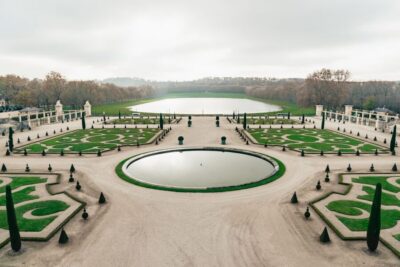
Paris: Versailles Palace and Gardens Full Access Ticket
Read our review →Versailles: Skip-the-Line Tour of Palace and Gardens Access
Read our review →
Vienna: Schönbrunn Palace & Gardens Skip-the-Line Tour
Read our review →
Granada: Alhambra & Gardens Tour w/Nasrid Palaces Option
Read our review →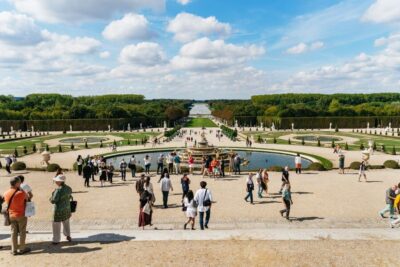
From Paris: Versailles Palace & Gardens with Transportation
Read our review →
Florence: Reserved Entry Ticket to the Boboli Gardens
Read our review →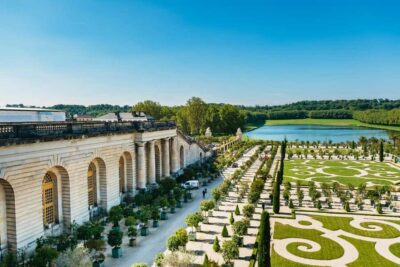
From Paris: Versailles Palace Guided Tour & Gardens Access
Read our review →Versailles Palace and Gardens Tour from Paris
Read our review →Lists this garden visit belongs to