
Review · OSAKA
Osaka: Daytime Hanami (Cherry Blossom) and Food Tour
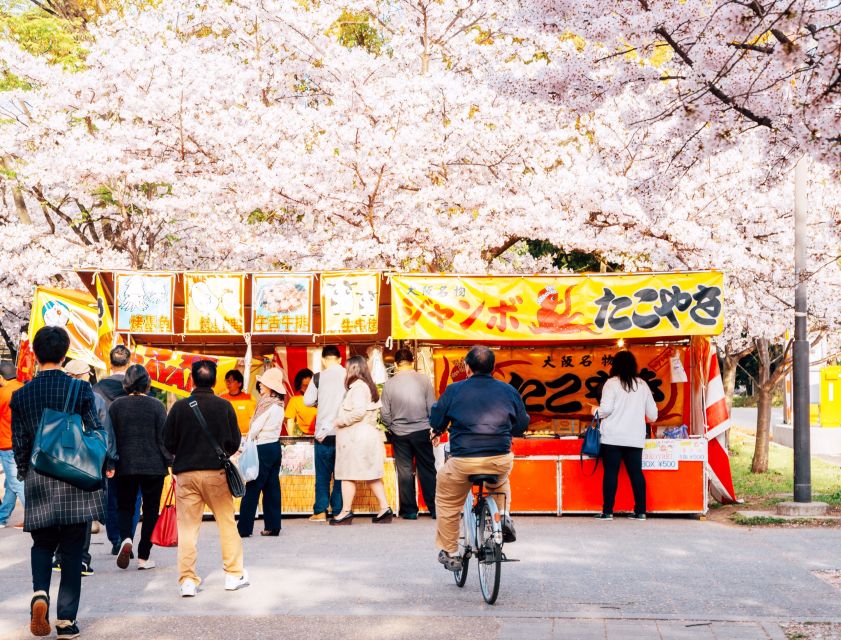
Osaka’s Karahori district gives this three-hour tour its character. You walk through old backstreets, wooden houses, small shops, and shrines instead of spending the whole afternoon in a famous park packed with picnic blankets. Along the way, seasonal snacks, drinks, and local food turn a cherry blossom stroll into a proper taste of old Osaka.
I like the mix of food and neighborhood wandering, since you get more than a quick photo stop under a tree. I also like the small group, limited to 10 people, and the chance to finish in a quiet spot where you can sit with a snack and enjoy the season. The main caution is timing: Sakura can be early, late, sparse, or hidden by rain, so the blossoms may not match your hopes.
Key points at a glance
- Karahori backstreets: Walk through one of Osaka’s older districts, with traditional wooden homes, artisan shops, and narrow lanes.
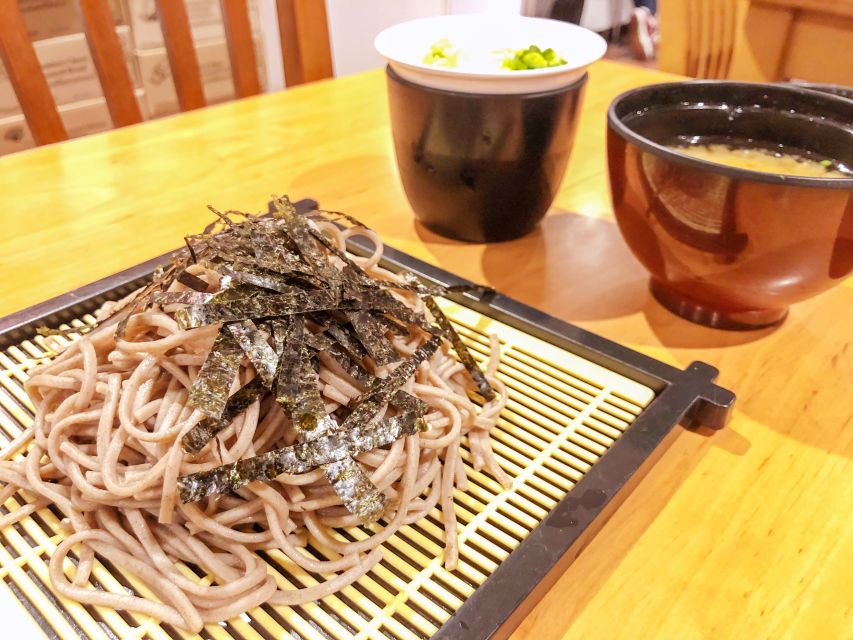
- Seasonal food stops: Try local snacks, several dishes, and drinks such as tea, sake, or beer.
- A quieter hanami setting: Finish near shrines and cherry trees, away from Osaka’s biggest crowds.
- Personal guiding: English-speaking guides such as Miki and Sanae have helped shape the experience around guests’ interests and the weather.
- Three hours on foot: Comfortable shoes matter, and the route is not suitable for wheelchair users.
- Best for flexible spring plans: Free cancellation is available up to 24 hours before the tour, and you can reserve now and pay later.
Why Karahori makes a better hanami walk
Many Osaka cherry blossom plans focus on major parks and well-known viewing spots. This tour takes a different route through the area around Karahori, where the pleasure comes from the setting as much as the flowers.
Karahori is known for its old-fashioned streets and wooden buildings. You pass artisan shops and small local businesses while your guide explains what makes the neighborhood feel different from Osaka’s neon-heavy commercial areas. The route is not just a march from one cherry tree to another. It gives you time to notice doorways, shopfronts, shrines, and the shape of the neighborhood.
I like that approach for first-time visitors who want context with their food. You are not simply told where to stand for a photograph. You get a short view of the daily side of Osaka, then stop to taste something connected to the season.
The walking is part of the price, so this is not the right choice if you want a bus ride between attractions. Three hours is long enough to make the neighborhood feel familiar without taking up your whole day. You finish where you began, making it easy to continue sightseeing elsewhere in Osaka.
More Cherry Blossom Tours in Japan
- Mt. Fuji, Cherry Blossom & Shiba Sakura Pvt. Day Tour
★ 5.0 · 326 reviews - Nagano: 1-Day Snow Monkey & Cherry Blossom Tour in Spring
★ 4.8 · 51 reviews - Mt. Fuji & Hakone Cherry Blossom private One Day Tour
★ 4.5 · 35 reviews
From Matsuyamachi Station into old Osaka
The meeting point is in front of the doll shop Masumuraningyoten Sueyoshibashiten, directly outside Matsuyamachi Station. The easiest route is the Osaka Metro Nagahori Tsurumi Ryokuchi Line to Matsuyamachi Station, followed by Exit 2.
This detail matters. Osaka has many small streets and several station exits, so give yourself enough time to find the correct one. The address is 2-8 Matsuyamachi, Chuo Ward, Osaka, 542-0067. You can also paste the Japanese address into Google Maps: 〒542-0067 大阪府大阪市中央区松屋町2−8.
Once the group gathers, the guide leads you toward the Karahori area. The group size is limited to 10, which should make it easier to ask questions and hear explanations in the narrow lanes. It also gives the guide some room to adjust the pace, food interests, or route when the weather is poor.
Guides named Miki and Sanae have been especially memorable for this experience. Miki has helped guests adapt the tour in the rain and has pointed out food places used by local residents. Sanae has combined the old Osaka walk with a traditional restaurant meal, a tea ceremony, and a stop at a seaweed shop. Your guide may differ, but these examples show the sort of personal touch you can expect.
Seasonal snacks, local drinks, and several food stops
The food is not a single meal dropped into the middle of a sightseeing walk. The experience includes local snacks from seasonal street stalls, a variety of dishes at multiple stops, and one drink such as tea, sake, beer, or another beverage.
That format works well in Osaka. Small portions spread through the walk let you try different tastes without committing to one large dish. You might stop at a food stall, continue through the neighborhood, then sit down for something more substantial later. Exact food choices can change with the season and what is available.
A traditional bar or restaurant meal has been part of the experience, and it can provide a welcome pause after walking. One particularly strong version of the tour included a superb meal in a traditional setting. I would not book this expecting a fixed restaurant menu, though. Seasonal food tours need some flexibility, and the supplied details do not promise particular dishes.
The drink selection is similarly broad. Tea, sake, and beer are included, with other drinks possible at your own cost. If you want extra food or beverages, bring some Japanese yen or a payment method accepted by the shop. Those additions are not covered by the tour price.
A seaweed shop may also be included along the way. That kind of stop is useful because it shows how ordinary ingredients connect to Osaka’s food culture. It is less flashy than a famous market stall, but it can be more revealing. You see the kind of specialist shop that is easy to miss when exploring alone.
The tea ceremony and the slower side of spring
One version of the tour included a tea ceremony, described as a magical part of the day. The details provided do not guarantee that every departure includes the same ceremony, so treat it as a possible feature rather than a fixed promise.
If it is part of your route, the ceremony changes the rhythm of the tour. Hanami is not only about taking pictures beneath flowers. It can also mean sitting still, sharing food and drink, and paying attention to a short season that disappears quickly. A tea stop gives that idea a clear shape.
This slower moment is one reason I see value in the experience. A self-guided walk may take you past the same streets, but a guide can connect the food, the buildings, and the seasonal custom. You have someone to explain what you are seeing and to help the group pause instead of rushing to the next sight.
The tour is in English, and the guides described for this experience have handled conversation, food questions, and changes caused by the weather. That makes the format a good fit if you want more than directions and a list of restaurants.
Same season, a different set of beds:
- Osaka: teamLab Botanical Garden Entry Ticket
★ 4.5 · 1,710 reviews - Imperial Palace East Garden and Edo Castle Walking Tour in Tokyo
★ 5.0 · 510 reviews - Mt. Fuji Day Trip from Tokyo with English Speaking Driver Guide
★ 5.0 · 443 reviews - Kyoto Zen Meditation & Garden Tour at a Zen Temple with Lunch
★ 5.0 · 441 reviews
The final cherry tree stop
The tour ends at a secluded spot where shrines and cherry trees come together. You sit, eat, and take in the setting in the local hanami spirit. This final stop is the emotional center of the experience, especially if the blossoms are open and the weather cooperates.
Do not expect a huge park filled with hundreds of trees. The appeal is quieter: a small place, a snack, a drink, and time to look around. If you have spent the first part of your Osaka visit around major shopping streets, this ending gives you a much calmer view of the city.
The display can be uneven. One departure took place when the cherry trees did not cooperate, with only a few sakura and ume blossoms available. The guide made the best of it and kept the food and neighborhood experience worthwhile. Another departure ended with truly beautiful cherry blossoms.
That contrast is important. A cherry blossom tour is always partly a bet against nature. Peak bloom dates change from year to year, and rain can remove petals quickly. The experience is scheduled for the heart of Sakura season, but no tour operator can guarantee full bloom. If seeing a large number of flowers is your top priority, keep a major public park as a backup plan.
What the three hours feel like
The route involves regular walking through backstreets, with time spent standing at food stops and possibly sitting during the meal or final hanami pause. Wear comfortable shoes. This is simple advice, but it matters more here than it would on a short restaurant visit.
The tour starts and ends at Matsuyamachi Station, so you do not need to arrange hotel pickup. Transportation to the meeting point and any transport after the tour are your responsibility. Since the tour returns to the start, you can plan another Osaka activity nearby without working out a complicated return route.
A small group of up to 10 keeps the day more manageable than a large coach outing. You can ask about ingredients, local customs, and the neighborhood without trying to catch a guide’s voice across a crowd. The tradeoff is that the experience depends on the group’s walking pace and food preferences.
The route is not suitable for wheelchair users. The old streets and walking format may also be tiring for anyone who has difficulty walking, though the supplied information does not give a distance or step count. If you need a fully accessible route, this is not the safest booking.
Is $161 a fair price?
At $161 per person, this is not a cheap way to see cherry blossoms. You are paying for a seasonal experience with a local English-speaking guide, several food stops, included snacks, and one or more drinks, not simply entry to a park.
The value depends on what you want from Osaka. If you only need a place to view flowers, you can visit public spaces for far less. If you want help finding old neighborhood streets, local food, a traditional meal, and a quieter hanami stop during a short visit, the price becomes easier to justify.
I would also factor in the guide’s role. Miki’s flexibility in rainy weather and Sanae’s ability to connect food, tea, and local history show why a guided experience can be useful here. A guide cannot control the blossom forecast, but can adjust the day so that poor weather does not ruin everything.
The included food and drink reduce the need to buy lunch separately, though extra purchases cost more. The small group adds value if you prefer conversation and personal attention over a large organized outing. For a special spring day, the price is reasonable for the right person, but it is too high if your main goal is a guaranteed wall of pink flowers.
Weather, blossom timing, and the practical gamble
The best time for this tour is when you can stay flexible. The experience is limited to Sakura season and aims for peak bloom, but exact dates vary. Spring rain can make the lanes slippery and flowers less impressive, so pack accordingly and wear shoes with a good grip.
The tour can still work in poor weather because food, shops, and conversation form much of the day. A guide may adapt the route and help you focus on the neighborhood rather than spend the whole time searching for perfect trees.
Still, you should set expectations before booking. If the only acceptable outcome is a full bloom photo, no seasonal tour can promise that. If you value the combination of food, old streets, local drinks, and a chance to see flowers, the tour has more protection against disappointment.
Free cancellation up to 24 hours before the start gives you some room to watch the forecast. You can also reserve and pay later, which helps when your spring schedule is still changing.
Who should book this Osaka food tour?
I would choose this tour if you want a small-group introduction to old Osaka and prefer local snacks to a long list of famous sights. It suits first-time visitors who want an English-speaking guide, couples looking for a seasonal outing, and food-focused visitors who enjoy tasting several things instead of sitting through one formal meal.
It is also a good fit for anyone who likes neighborhoods with character. Karahori offers wooden buildings, narrow lanes, specialist shops, and shrines, so you get a sense of Osaka outside its best-known shopping zones.
You may want to skip it if you dislike walking, need wheelchair access, or want a guaranteed large-scale cherry blossom display. You should also look elsewhere if you want complete control over the menu or dislike paying for a guided experience.
For me, the strongest reason to book is the balance between a real neighborhood walk and a seasonal meal. The flowers are the theme, but the food and guiding give the tour a chance to succeed even when spring does not follow the script.
FAQ
Where does the tour start?
It starts in front of Masumuraningyoten Sueyoshibashiten doll shop, outside Matsuyamachi Station.
What is the meeting point address?
The address is 2-8 Matsuyamachi, Chuo Ward, Osaka, 542-0067. The Japanese address is 〒542-0067 大阪府大阪市中央区松屋町2−8.
Which train should I take?
Take the Osaka Metro Nagahori Tsurumi Ryokuchi Line to Matsuyamachi Station and use Exit 2.
Where does the tour finish?
The tour ends back at the meeting point near Matsuyamachi Station.
How long does the experience last?
The tour lasts three hours. Starting times vary, so check availability when booking.
What language is the tour in?
The live tour guide speaks English.
How many people can join?
The experience is limited to 10 participants.
What food and drinks are included?
The tour includes seasonal local snacks, several dishes at multiple food stops, and beverages such as tea, sake, beer, or other drinks.
Are hotel pickup and transportation included?
No. Hotel pickup, transportation costs, additional food, and additional drinks are not included.
Is the tour suitable for wheelchair users?
No. The experience is not suitable for wheelchair users.
What should I wear?
Wear comfortable shoes because the tour includes walking through the Karahori neighborhood.
Can I cancel the booking?
You can cancel up to 24 hours in advance for a full refund. Reserve now and pay later is also available.
Newly planted garden visits around Japan
- Kyoto-Nara Adventures Private Tour With Hotel Pick Up★ 4.0 · 5 reviews
- Stunning Private Tea Ceremony: Camellia Garden Teahouse★ 5.0 · 28 reviews
- Kyoto: Kinkaku-ji Temple & Serene Garden Guided Tour with Tickets★ 5.0 · 9 reviews
- Guided Kyoto City Cherry Blossom One Day Private Tour★ 5.0 · 16 reviews
- Kyoto Hidden Treasures: Special Temple & Garden Access Tour★ 4.5 · 25 reviews
- The Art of Mindful Living: Tea Ceremony in Kyoto★ 5.0 · 16 reviews
- Kyoto ITALIAN GUIDE Golden Pagoda Bamboo Forest Dry Garden★ 4.0 · 2 reviews
- Kyoto Japanese Garden Lover’s Private Tour with Government-Licensed Guide★ 4.5 · 10 reviews
Cherry Blossom Tours, bed by bed.
The DC Cherry Blossom Bus Tour with Tidal Basin Guided Walk
Read our review →National Mall & Cherry Blossoms Tour with Optional Museum Tickets
Read our review →
Nagano: 1-Day Snow Monkey & Cherry Blossom Tour in Spring
Read our review →
Nagano Spring: 1-Day Cherry Blossoms & Snow Monkeys Guided Tour
Read our review →Lists this garden visit belongs to