
Review · JAPAN
Kobe: Guided Tour of Nunobiki Waterfalls and Herb Garden
Kobe puts a surprisingly wild walk right beside JR Shin-Kobe Station. This tour follows the trail to Nunobiki Waterfalls, crosses steep steps and uneven ground, then trades forest shade for a ropeway ride above the city and harbor. It is a neat contrast: quiet water and birdsong first, Kobe’s buildings and sea below later.
I like two things here. First, you get nature without spending half a day reaching it. Second, the private English-speaking guide can adjust the pace and explain the falls, herbs, local customs, and route. Guides named Naoko, Kanako, and Benoit have been especially patient and helpful with slower walkers.
The catch is simple: this is not a gentle stroll. Steep inclines, stairs, and uneven paths make the outing tiring, especially in warm weather. Bring water, wear proper walking shoes, and do not judge the walk by its short distance from the station.
Key points at a glance
- Waterfalls beside the city: Reach Mentaki, Meotodaki, and Ontaki within minutes of Shin-Kobe Station, with a fourth waterfall and dam also possible along the route.
- A real uphill walk: Expect stairs, inclines, and uneven surfaces rather than a flat park path.
- Ropeway scenery: The ride to Kobe Nunobiki Herb Garden gives you mountain, city, and sea views without another long climb.
- One hour in the garden: Take time with the themed gardens, seasonal flowers, herbs, fragrances, and observation points.
- Private English-speaking guide: Your guide can set a manageable pace and offer local background, with past guides including Naoko, Kanako, and Benoit.
- Good use of a short Kobe stop: The three-hour format works well before a train, port departure, or the rest of your day in Kobe.
A city walk that turns into mountain country
The meeting point is in front of the ticket gate at JR Shin-Kobe Station. Look for the guide holding a DeepExperience sign. This is a useful starting place because the station gives you an easy rail connection, yet the trail begins close enough that you quickly leave the traffic behind.
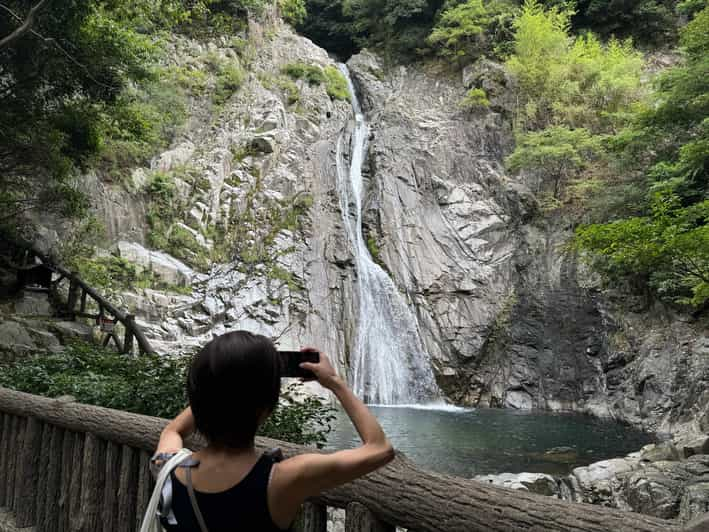
The first part takes you toward the Nunobiki Waterfalls through green surroundings. The route feels far more rural than its location suggests. You are still close to Kobe, but the sound of the city gives way to running water and trees.
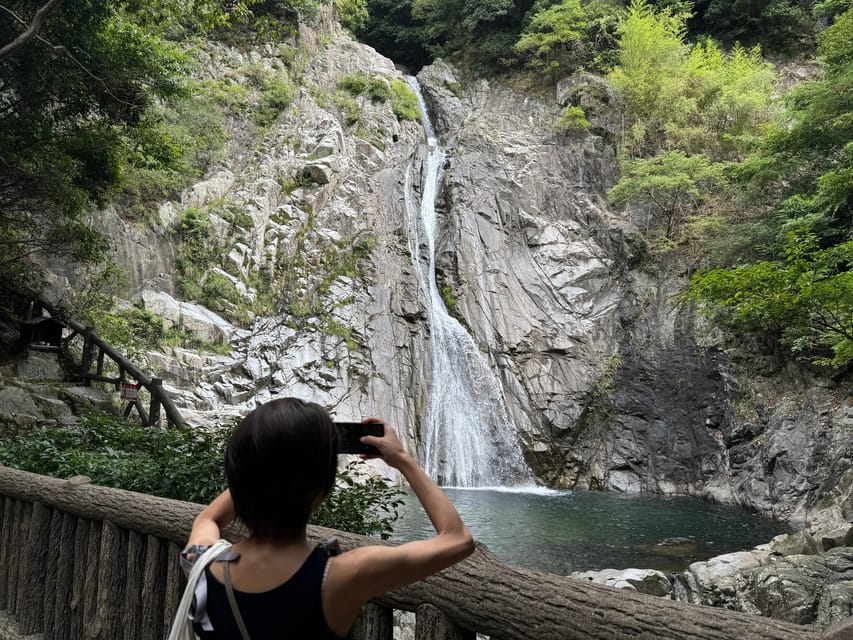
The waterfalls are not one single drop viewed from a fenced platform. You visit several points along the route, including Mentaki, Meotodaki, and Ontaki. Their names and arrangement give your guide something to explain, and the walk between them makes the area feel like a small mountain excursion rather than a quick photo stop.
Some outings also take in a fourth waterfall and the dam. The exact rhythm depends on the guide, the group, and your pace, so do not expect every minute to follow a rigid script. That flexibility is useful here. A fast walker may want to keep moving, while someone unused to hills will need pauses.
More Spice and Herb Gardens in Japan:
- Ella : Cooking class with amazing Spice Garden Tour
★ 5.0 · 239 reviews - Alcamo Farm Animals and Aromatic Garden
★ 4.0 · 45 reviews - Day Tour to Elephant Orphanage / spice garden
★ 5.0 · 20 reviews
The walking is short, but not easy
The advertised duration is three hours, and the walking portion is manageable for an active visitor. Still, the physical demand can catch you off guard. Several people who regularly walk in hilly cities have found the uphill route strenuous, and one participant described needing to pace themselves despite being used to San Francisco hills.
That is the key practical point. The trail may be described as an easier walking route in places, but easier does not mean flat. You will encounter many steps and inclines, along with uneven surfaces. The route is not suitable for wheelchair users or people with mobility impairments.
I would wear hiking shoes or sturdy walking shoes with a reliable sole. Sandals and smooth city shoes are poor choices. Carry water, and bring insect repellent if you are sensitive to bugs. A camera is worthwhile, but keep your hands free when the path becomes steep.
The guide makes a real difference. Benoit has been especially good at waiting while people take photos and helping older walkers find a comfortable rhythm. Naoko has been praised for adjusting to an inexperienced hiker, while Kanako has helped make the climb lively with local stories and humor. The guide names are not guaranteed, but these examples show the kind of personal attention this private format can provide.
Three named falls, plus the wider Nunobiki route
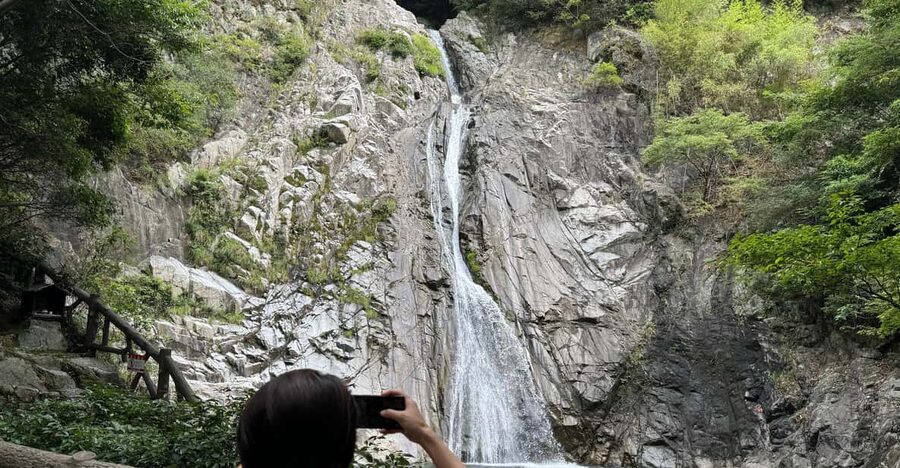
Mentaki, Meotodaki, and Ontaki each offer a different stopping point within the same wooded setting. The appeal is not only the water itself. It is the change in sound, light, and texture as you move through the trees.
Your guide can explain the meaning of the waterfall names and the role of the area in Kobe’s past. This helps turn a series of scenic pauses into a connected walk. You are not simply following a path and hoping to recognize the best viewpoint.
The dam adds another layer to the visit. It is a reminder that the water flowing through this attractive recreation area also has practical importance for the city. A good guide can point out what you are seeing and explain the local setting without turning the outing into a formal lecture.
Take photos, but do not rush. The falls can be shaded, and wet rocks may make the footing awkward. Your guide will likely know where to pause, but you should still stay aware of your steps. The most rewarding part of this section is the feeling that a forest walk is unfolding right beside one of Japan’s major cities.
Miharashi Observation Deck changes the view
The Miharashi Observation Deck provides a useful pause after the waterfall section. Here, the view opens toward Kobe’s skyline and harbor. You have just been looking at trees, rocks, and moving water, so the sight of buildings and the sea feels especially sharp.
This is one of the tour’s best contrasts. You do not need to choose between city sightseeing and a nature outing. The deck lets you see how close the two are. Take a moment to catch your breath, too. The stop is scenic, but it also breaks up the climb before you continue toward the ropeway.
The view depends on weather and visibility. On a clear day, the harbor and city should be the main draw. On a hazier day, the immediate greenery still gives you a pleasant setting. Either way, the deck is more than a quick photo stop because it helps you understand Kobe’s shape.
More gardens worth a morning in Japan:
- Osaka: teamLab Botanical Garden Entry Ticket
★ 4.5 · 1,710 reviews - Imperial Palace East Garden and Edo Castle Walking Tour in Tokyo
★ 5.0 · 510 reviews - Kyoto Zen Meditation & Garden Tour at a Zen Temple with Lunch
★ 5.0 · 441 reviews - Kyoto Arashiyama Bamboo forest & Garden Half-Day Walking Tour
★ 5.0 · 413 reviews
The ropeway is part of the attraction
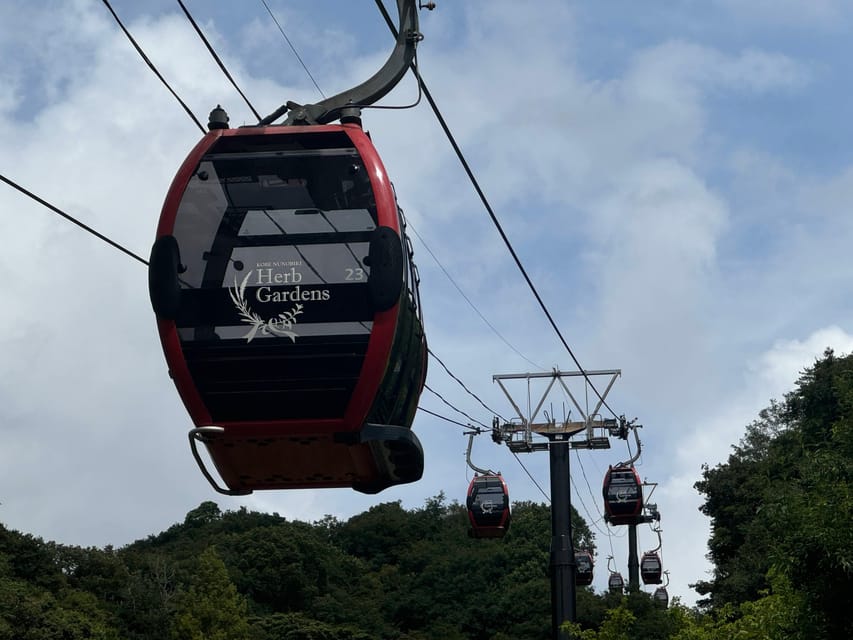
At Kaze no Oka Station, you board the ropeway for the ride to Kobe Nunobiki Herb Garden. This is not merely transport to the next stop. The cabins provide changing views of the mountains, city, and sea, and they give your legs a welcome break after the uphill trail.
The ride also changes the pace of the outing. The waterfall walk asks you to watch your footing and keep a steady rhythm. The ropeway lets you sit back and look outward. For many visitors, that combination is the tour’s smartest feature.
The included ticket covers the ropeway ride to and from the herb garden. One useful detail is that you may be able to ride up and down several times as long as you do not go all the way down to the station. Confirm the arrangement with your guide on the day, since the stated tour route ends at Herb Garden Sanroku Station.
The cabins can be a good choice for anyone who wants mountain views without adding another long hike. You still need to walk around the garden, but the ropeway removes the need to climb the full distance on foot.
An hour among herbs and flowers
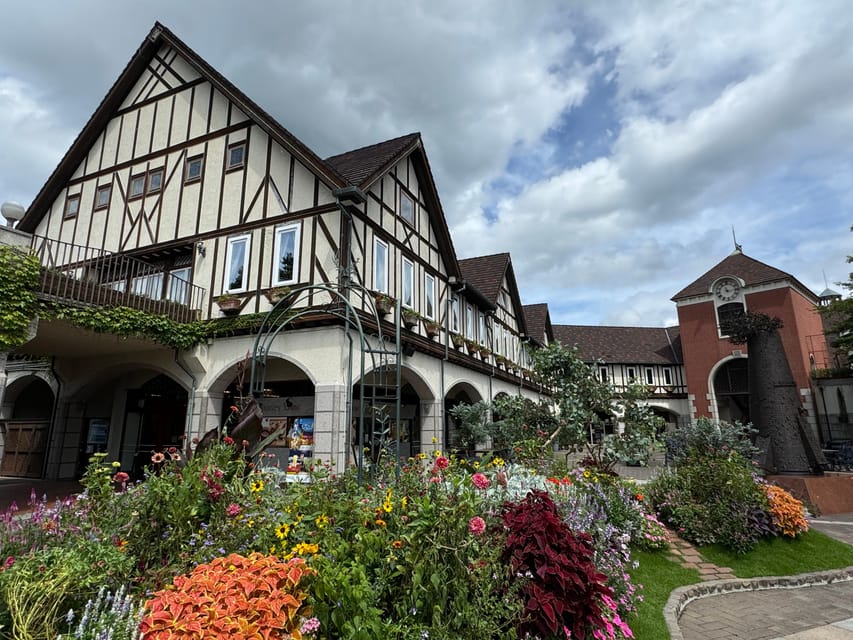
Kobe Nunobiki Herb Garden is one of Japan’s largest herb gardens. The tour gives you about an hour there, enough for a focused visit rather than a rushed pass-through.
The garden is arranged in themed sections, with herb beds, flowers, fragrances, and seasonal color. I would use this time at an easy pace. Smell the plants, look for changes between the different beds, and stop at viewpoints instead of trying to cover every corner.
The garden is a good counterpoint to the waterfall trail. The forest section feels natural and somewhat rugged. The garden is planned, colorful, and easy to explore. Together, they create a fuller outing than either stop would provide alone.
An hour is enough for a pleasant visit, but it is not unlimited. If you enjoy gardens, photography, or plant displays, you may wish the schedule allowed longer. Ask the guide how to use your time, especially if you want to ride the ropeway again or spend extra time at a particular section.
The garden is also where the tour becomes most relaxed. After the stairs and slopes, you can focus on scent, color, and views. This makes the experience a good fit for people who like outdoor sightseeing but do not want a full-day mountain hike.
What the private guide adds
A private group is valuable on a route with changing pace. You are not tied to a large party’s fastest walker, and you do not have to wait for a long line of people at every viewpoint. The guide can pause for photos, answer questions, and adjust the walking speed.
The strongest guide qualities reported for this experience are patience, friendliness, local knowledge, and practical help. Benoit has taken photos, explained the different waterfalls, and even helped people find their way back toward the train station after the tour. Naoko has supported an inexperienced hiker without making the climb feel embarrassing. Kanako has brought humor and historical context to the walk.
Those details matter more here than they would on a simple bus tour. A guide who notices when you need a rest can make the difference between an enjoyable challenge and an unpleasant slog.
The guides may also explain herbs and the area’s history at the garden. The exact depth of commentary depends on who leads your group, but the tour is designed around live English guidance rather than a self-guided walk.
Is $120 a fair price?
At $120 per person, this is not the cheapest way to see Nunobiki. You are paying for a private three-hour outing, an English-speaking guide, admission to Kobe Nunobiki Herb Garden, and ropeway tickets in both directions. Meals, drinks, hotel transfers, and personal purchases are extra.
The value depends on what you need. If you are comfortable reading signs, finding trails, pacing yourself, and arranging tickets, you could spend less by visiting independently. The station access makes a self-guided visit possible.
I think the price is easier to justify if you want context and a flexible pace. The waterfalls are close to the station, but the steep route can be confusing or tiring for someone who has not planned for it. A private guide can help you make good use of three hours, especially if you are visiting Kobe during a short stop.
The tour can also save mental effort. You meet at a clear station location, follow a planned route, and finish at Herb Garden Sanroku Station with time left in your day. That is useful if you have a train, a port departure, or another Kobe activity to catch.
Timing, clothing, and practical planning
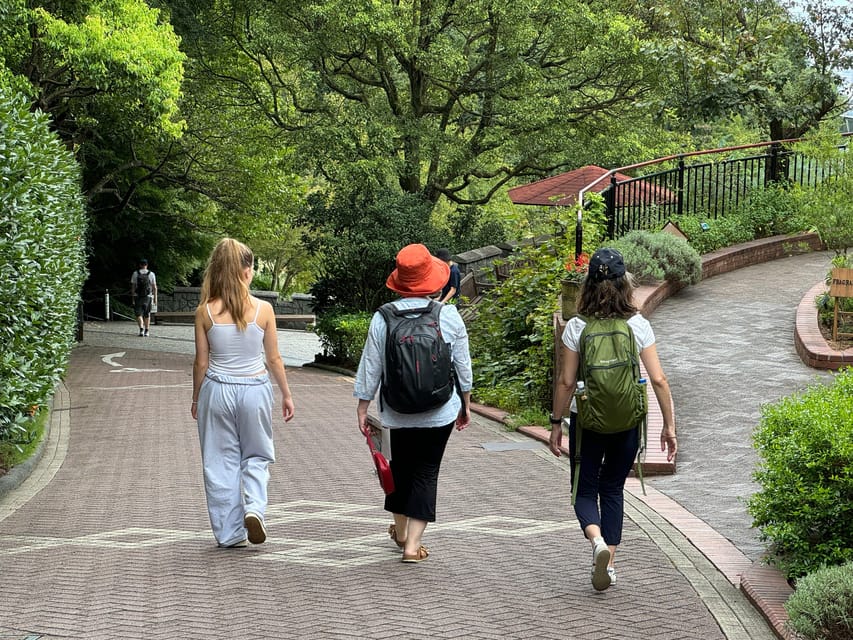
The tour lasts three hours, but starting times vary, so check availability before booking. Meet in front of the JR Shin-Kobe Station ticket gate, not at your hotel. Hotel pickup and drop-off are not included.
Wear shoes made for hills. This is the most important preparation. Bring water, a camera, and insect repellent if you have it. Smoking is not allowed during the activity.
There is no meal or drink included, so eat beforehand or plan for food afterward. The tour ends at Herb Garden Sanroku Station, which leaves you free to continue exploring Kobe. The experience is also a sensible choice before other plans because it does not consume a full day, but allow yourself extra time if you walk slowly or stop often for pictures.
The route is unsuitable for wheelchair users and people with mobility impairments. Older visitors who are comfortable with stairs may still manage it with a patient guide and a slower pace, but you should be honest about your fitness before booking.
Who should book this Kobe outing?
I would recommend it to nature lovers, first-time Kobe visitors, garden fans, and anyone who wants a break from urban sightseeing without a long transfer. It is also a strong option for solo visitors who prefer a guide’s company or couples who want a private outing.
You should book it if you enjoy a moderate physical challenge, want explanations along the way, and value the ease of having ropeway tickets and garden admission handled for you. The private format is particularly useful when two people walk at different speeds.
I would skip it if you want a flat stroll, dislike stairs, or are looking for a slow garden visit with no exertion. The garden is peaceful, but reaching it involves a real walk first. The tour delivers both fresh air and city views, but you must earn part of that combination with your legs.
Should you book it?
Book this tour if you want Kobe in miniature: forest, waterfalls, a dam, harbor views, a ropeway, and a well-kept garden in three hours. The strongest reason to choose it is the guide’s ability to make a steep route manageable and meaningful.
Before paying $120, ask yourself how much you value private guidance. Independent visitors can reach the area for less, but you will be responsible for the pace, route, tickets, and interpretation. For a short Kobe visit, or for anyone who wants local help on an uphill walk, the convenience can make the price worthwhile.
FAQ
Where does the tour meet?
Meet your guide in front of the ticket gate at JR Shin-Kobe Station. The guide will hold a sign with the DeepExperience logo.
How long does the activity last?
The tour lasts three hours. Starting times vary, so check availability for the date you want.
Is the ropeway included?
Yes. Admission to Kobe Nunobiki Herb Garden and the ropeway ride to and from the garden are included.
Is this tour suitable for people with mobility impairments?
No. The route includes a moderate amount of walking, steep steps, inclines, and uneven surfaces. It is not suitable for wheelchair users or people with mobility impairments.
What should I bring?
Bring comfortable walking shoes, water, and a camera. Insect repellent is also a sensible addition for the wooded route.
Can I cancel or pay later?
You can cancel up to 24 hours in advance for a full refund. A reserve-now, pay-later option is available, so you do not have to pay at the time of booking.
Newly planted garden visits around Japan
- Kyoto-Nara Adventures Private Tour With Hotel Pick Up★ 4.0 · 5 reviews
- Stunning Private Tea Ceremony: Camellia Garden Teahouse★ 5.0 · 28 reviews
- Kyoto: Kinkaku-ji Temple & Serene Garden Guided Tour with Tickets★ 5.0 · 9 reviews
- Guided Kyoto City Cherry Blossom One Day Private Tour★ 5.0 · 16 reviews
- Kyoto Hidden Treasures: Special Temple & Garden Access Tour★ 4.5 · 25 reviews
- The Art of Mindful Living: Tea Ceremony in Kyoto★ 5.0 · 16 reviews
- Kyoto ITALIAN GUIDE Golden Pagoda Bamboo Forest Dry Garden★ 4.0 · 2 reviews
- Kyoto Japanese Garden Lover’s Private Tour with Government-Licensed Guide★ 4.5 · 10 reviews
Spice and Herb Gardens, bed by bed.


Penang Round Island Tour With Tropical Spice Garden & Entopia Butterfly Farm
Read our review →
Penang: Tropical Spice Garden Entrance Ticket & Guided Tours
Read our review →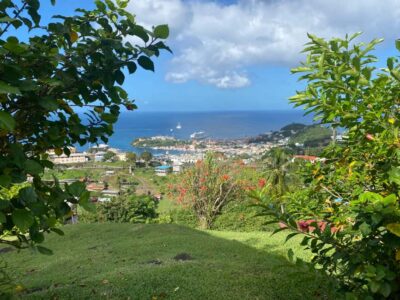
Grenada: Spice and Herb Garden Tour with Beach Visit
Read our review →
Aromatic Experience in the Medicinal Garden in Ibiza
Read our review →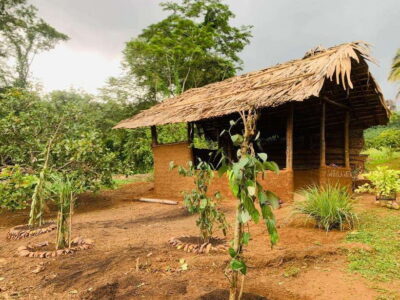
Sri Lanka: Ceylon Cinnamon Experience & Spice Garden Tour
Read our review →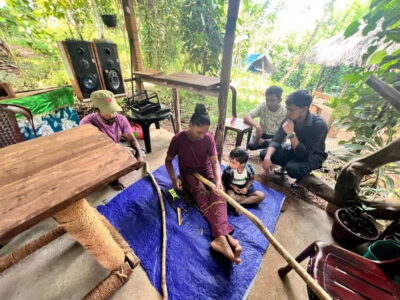
Lists this garden visit belongs to