
Review · INDONESIA
From Garden to Table: Indonesian Cooking Class in Yogyakarta
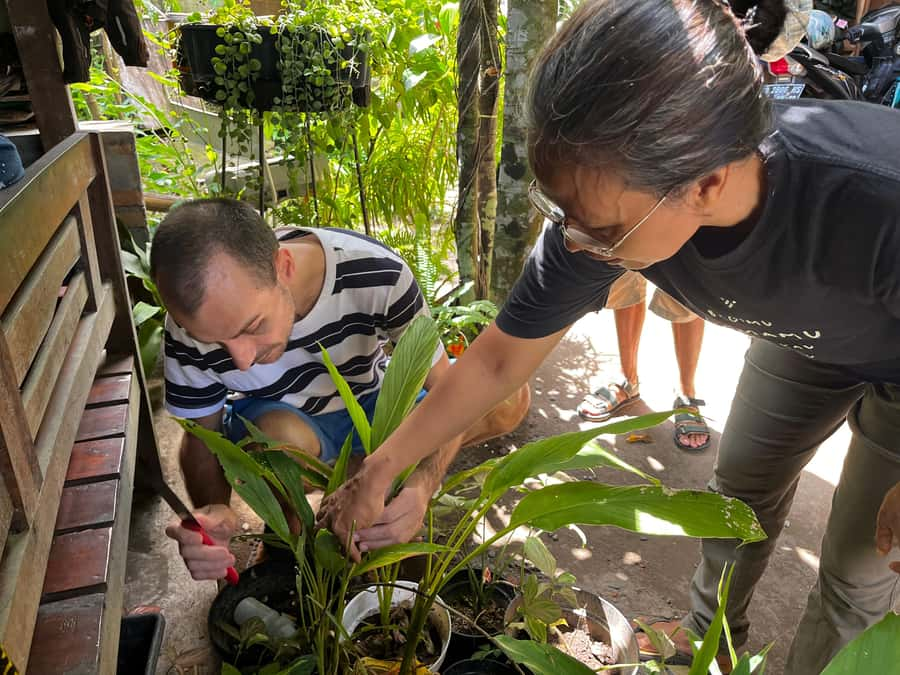
The best part of this Yogyakarta cooking class happens before the stove is lit. You walk into Endah’s garden, pick herbs and flowers, and handle the roots, spices, and raw ingredients that give Javanese food its character. I like that the meal begins at the source, not with a tray of premeasured ingredients.
I also like the private-group format and the warm family setting. Endah adjusts the menu and spice level, and you eat what you prepare. The main consideration is heat: the cooking space is not air-conditioned, so bring a small personal fan or plan for a warm five hours.
Key points to know before booking
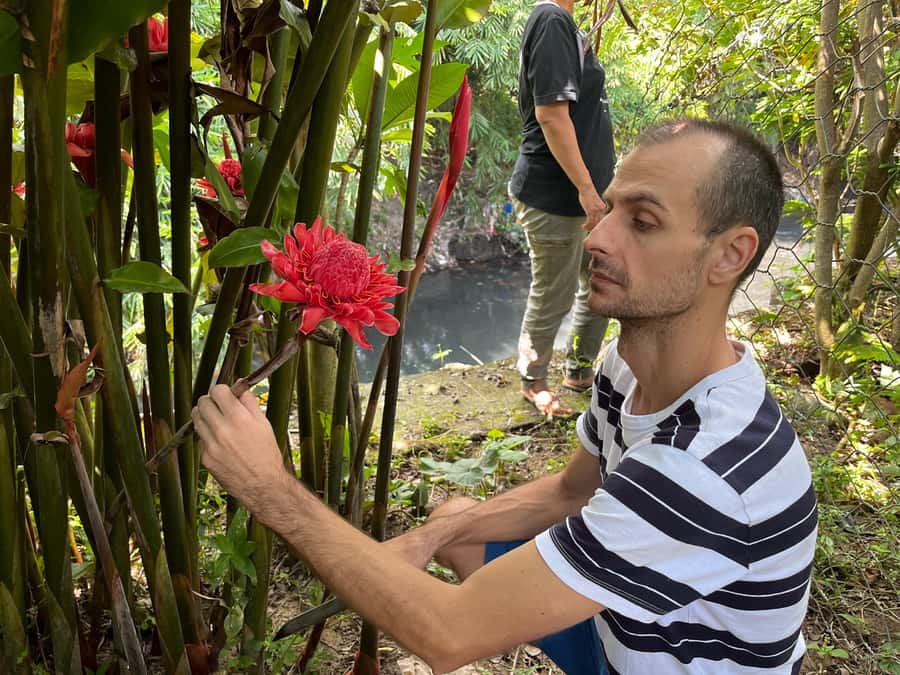
- Garden-to-table cooking: Harvest fresh herbs and other ingredients before preparing the meal.
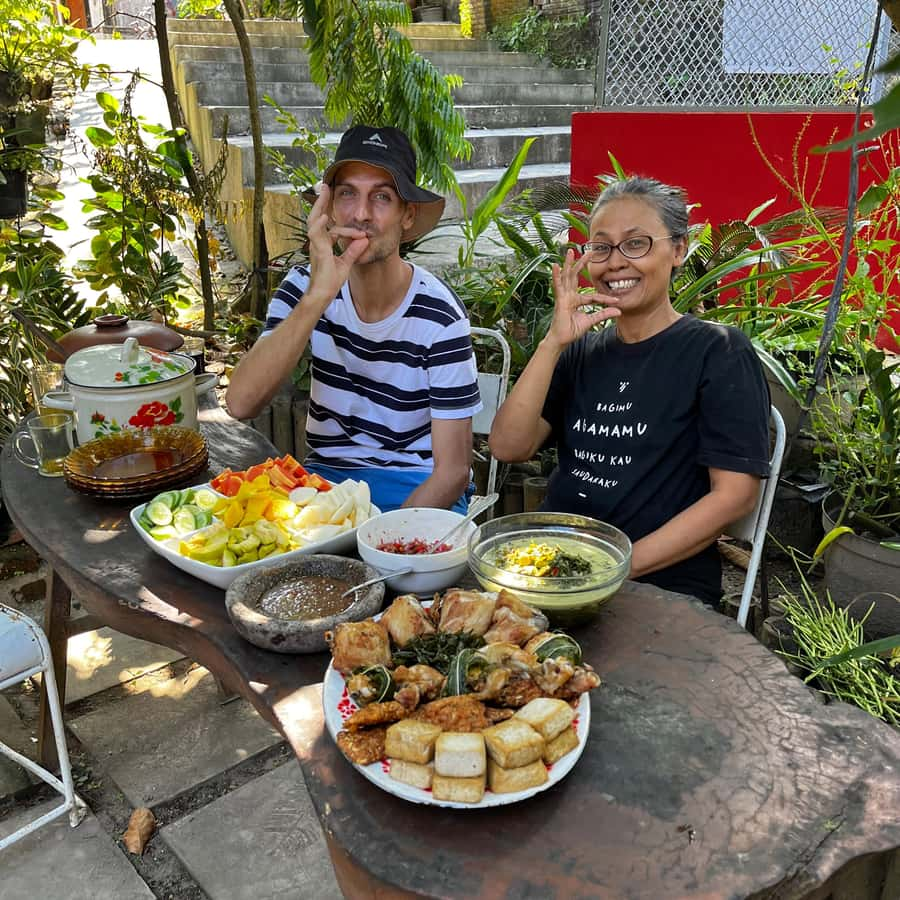
- Six Indonesian dishes: The standard menu includes vegetable rujak, fried chicken with curry leaves, tofu, tempeh, two sambals, and fruit rujak.
- A true family setting: Endah and her family welcome you into their home rather than running a polished restaurant demonstration.
- Menu choice matters: You receive the full menu range after booking and can choose dishes that fit your interests and spice tolerance.
- Five hours for $46: The price includes food, drinks, ingredients, equipment, and the cooking lesson, making it a substantial half-day activity.
- Plan for a warm kitchen: The class is not air-conditioned, and the pace can feel informal rather than tightly choreographed.
What the five-hour class is really about
This is not a quick demonstration followed by a plate of food. You spend about five hours moving through the full path of an Indonesian meal, from garden harvest to chopping, grinding, frying, cooking, and eating.
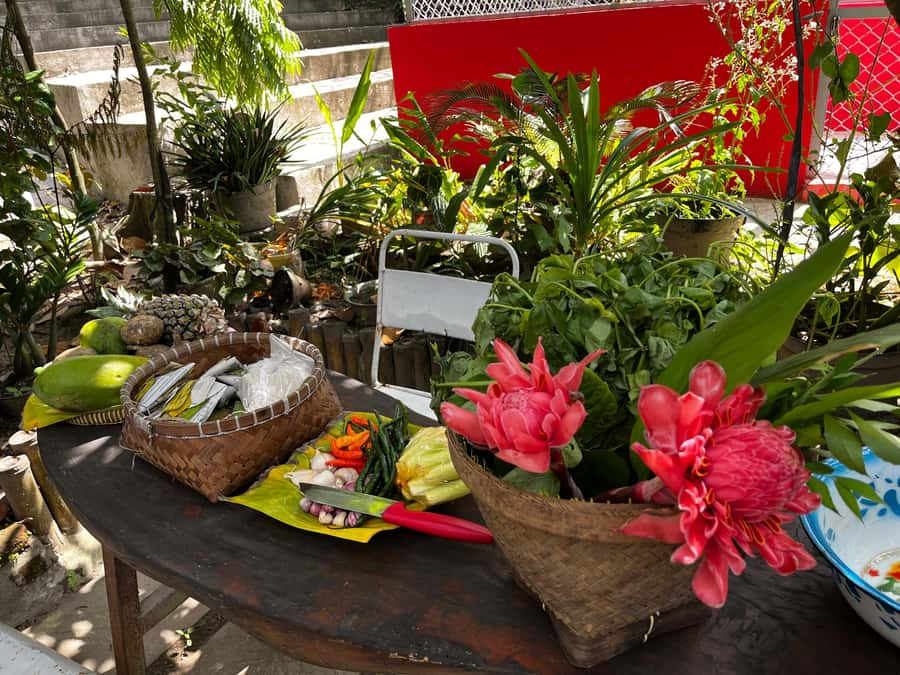
That full process is valuable because Indonesian food can look simple on the plate while using many separate ingredients. You handle rhizomes, herbs, spices, vegetables, tofu, tempeh, and fruit. Smelling and touching these ingredients helps you understand how Indonesian cooks build flavor in layers.
The class also works as a cultural exchange. Endah explains the food as you prepare it, and the private setting gives you time to talk about Indonesian customs, daily cooking, family life, and local ingredients. The tone is relaxed and personal, closer to helping relatives prepare a large meal than attending a formal culinary lecture.
You should not expect a restaurant-style kitchen or a tightly timed professional workshop. One useful point to understand in advance is that several dishes may be in preparation at once. If you prefer each recipe to be completed from beginning to end before starting the next, the informal flow may feel a little scattered.
More Farm and Kitchen Garden Visits in Indonesia:
- Chiang Mai: Half Day Cooking Class at Organic Farm
★ 4.8 · 96 reviews - St Hugo Garden to Table Experience & Lunch
★ 4.5 · 19 reviews - Authentic Garden to Table Cooking Class in Dubrovnik Countryside
★ 5.0 · 17 reviews
Starting with a welcome drink and the garden
Your arrival begins with a welcome drink. Options include tamarind turmeric, tamarind sugar, or lemongrass tea. A small welcome snack may also be served, and the experience can include fresh juice, home-brewed coffee, or bananas from the garden.
The garden visit gives the class its strongest sense of place. Instead of seeing herbs in small bowls, you walk outside with Endah and learn which plants are used in the food. You pick fresh herbs and flowers, and she explains the plants that grow there, including ingredients that are farmed or gathered locally.
This is a useful introduction for anyone who has only encountered Indonesian food in restaurants. You get to compare the smell and texture of fresh ingredients before they are cooked. You also begin to see why two dishes with similar sauces can taste different depending on the herbs, roots, and chilies used.
The garden is part of the experience, not a long sightseeing stop. It is likely to suit you if you enjoy plants, cooking, and everyday local settings more than formal attractions. Cats may be nearby, adding to the home atmosphere. If you prefer a quiet, polished cooking school with no household interruptions, this relaxed setting may not be your style.
Choosing dishes from seven menu options
After the garden visit, you choose what to cook from a broad selection of menus. The standard set includes six local preparations:
- Vegetable rujak with peanut sauce
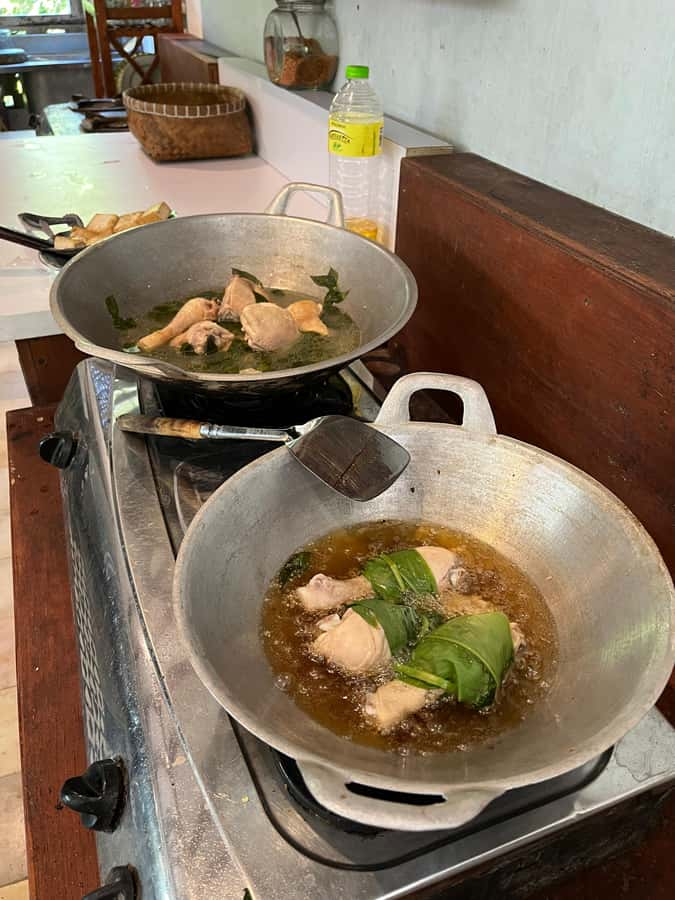
- Fried chicken with curry leaves
- Fried or boiled tofu
- Tempeh
- Balinese lemongrass chili sauce
- Local fruit rujak
The full menu range is sent after booking, so you can study the choices before class. This is important because the menu can be adjusted for private groups. If you have two people with different tastes, Endah can help shape the session around the food you most want to try.
Spice level is also discussed. Indonesian sambal can be mild, sharp, or very hot, and Endah is attentive to personal limits. You can still learn how the sauce is made without turning lunch into a contest of endurance.
The menu gives you a useful spread of Indonesian flavors. Peanut sauce brings roasted, savory sweetness. Curry leaves add fragrance to the chicken. Tofu and tempeh show how everyday plant proteins are prepared, while rujak combines fresh produce with a bold dressing.
Some menu choices may go beyond the standard six dishes. One class included rawon, a beef soup colored dark by keluak, which shows why it is worth reading the full menu before you arrive. If a particular dish matters to you, select it in advance rather than assuming it will appear on the day.
Getting involved with the preparation
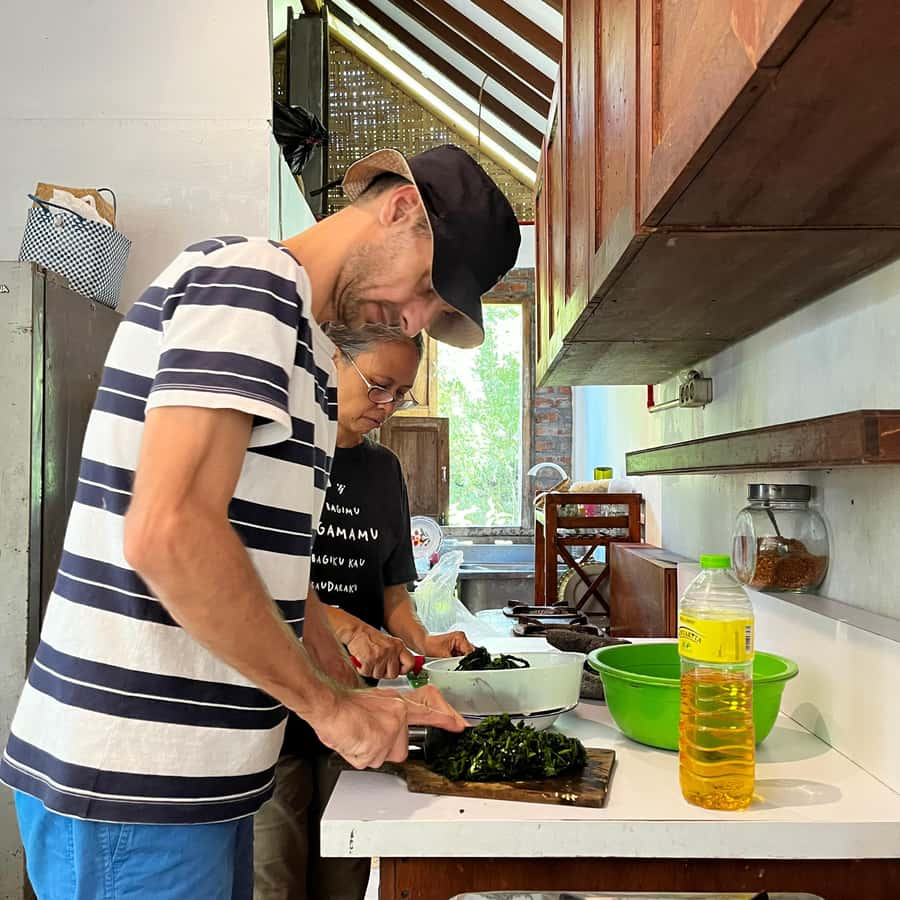
The strongest part of the class is the amount of hands-on work. You do not simply sit at a counter while Endah cooks everything. You help wash, cut, process, season, and prepare the ingredients.
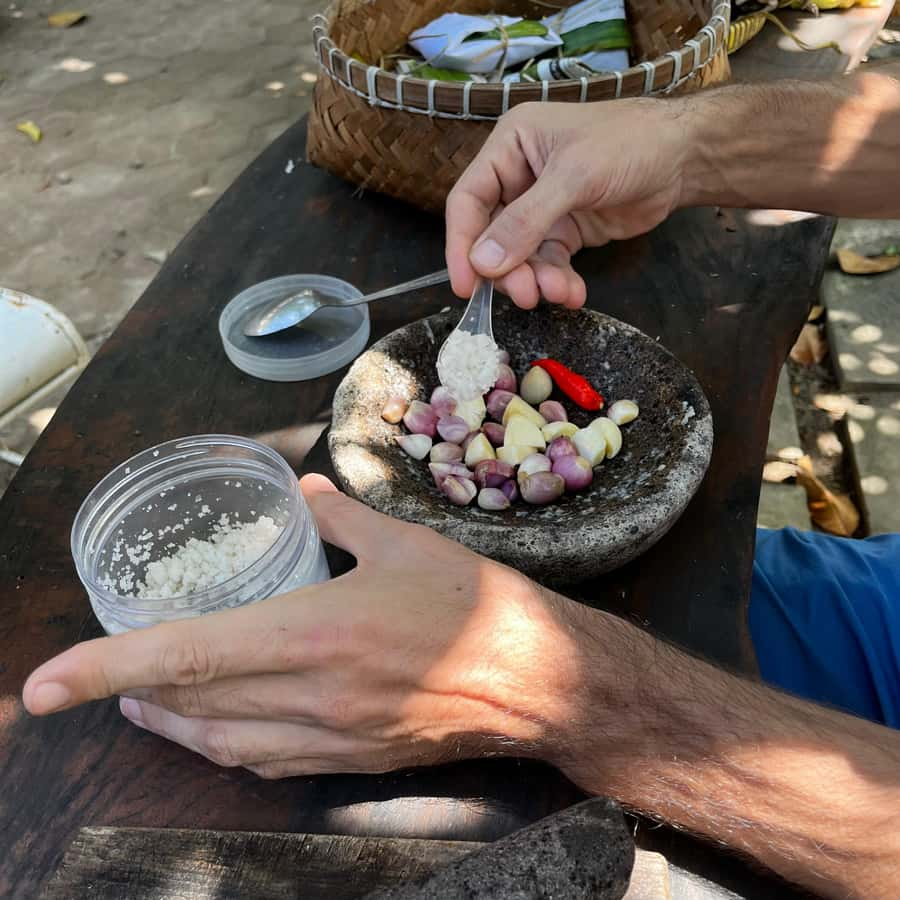
A great deal of Indonesian flavor comes from turning fresh ingredients into pastes and sauces. This is where you get the most practical insight. You work with chilies, herbs, spices, and rhizomes, learning how each one changes the final dish.
You may spend much of your active time on sambals, rujak sauces, and side dishes. You also help prepare fried items such as tofu, tempeh, chicken, and kroepoek. The point is not only to memorize a recipe. You learn the order of work, the feel of the ingredients, and the balance between sweet, sour, salty, hot, and fragrant flavors.
There is one small limitation. Since several foods may be prepared at the same time, you might not always see a clear start-to-finish path for every dish. One practical fix is to ask Endah to identify which ingredients belong to each recipe before you begin. Taking a few notes or photographs of the grouped ingredients can also help when you cook at home.
Cooking classes with a garden harvest around Indonesia:
- Anggrek Putih Lombok Cooking Class
★ 5.0 · 253 reviews - Balinese Vegan Cooking Class with Fresh Harvesting & Garden Tour
★ 5.0 · 86 reviews - Spice Garden, Jamu & Cooking Class in Bali Village
★ 5.0 · 5 reviews - Chiang Mai: Cooking Class, Market & Thai Herbs Garden Tour
★ 4.9 · 4,824 reviews
Eating the meal you prepared
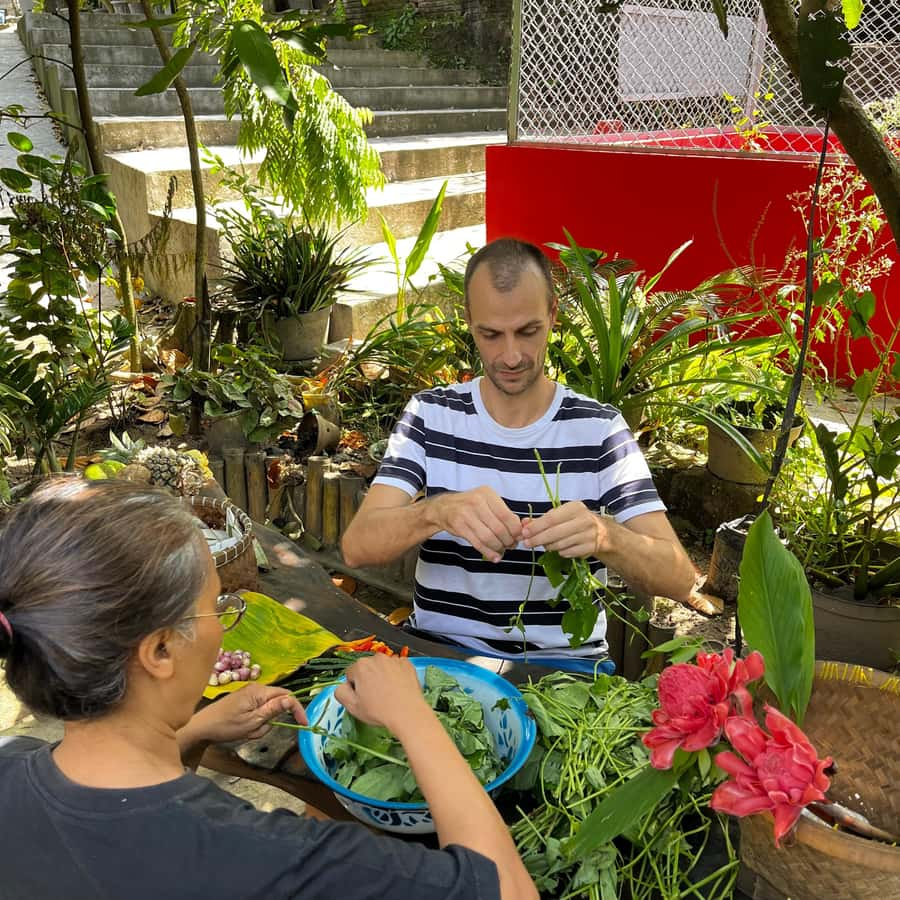
The class ends at the table, with the food you helped make. Lunch is included, as are refreshing drinks, so you should arrive ready for a substantial meal rather than a small tasting.
The portions can be generous. If you are cooking with another person, you may find that you cannot finish everything, especially after five hours of preparation and sampling. That is not a problem, but it is useful to know if you are planning another large meal soon afterward.
Eating together also gives the cultural side of the class room to breathe. You can ask questions about the dishes while they are still fresh in your mind. The meal becomes less about checking off recipes and more about understanding how food fits into a family setting.
The atmosphere is intentionally informal. Endah’s family may join the conversation, and the setting can include jokes, music, and easy conversation. One especially personal detail from the class is the possibility of an Air Supply sing-along, which tells you more about the mood than any formal description could.
If you want a quiet meal with a strict timetable, this may feel loose. If you like meeting the people behind the food, the relaxed rhythm is a major benefit.
What makes Endah’s teaching style useful
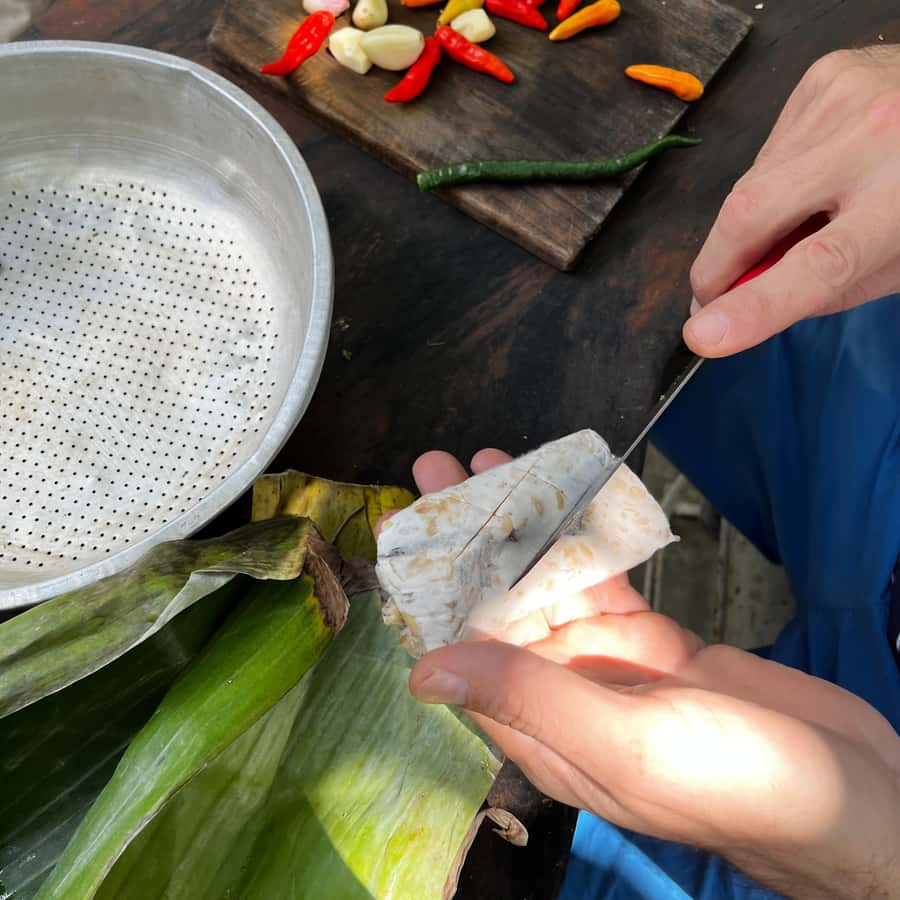
Endah’s teaching is practical and direct. You are put to work, but the tone is welcoming rather than demanding. She explains ingredients as you use them and adjusts the lesson to the people in front of her.
This matters in a private class. A large group lesson can force everyone through the same menu at the same speed. Here, your choices can shape the session, and Endah can spend more time on a spice, technique, or dish that interests you.
English is the teaching language. The class is also designed for people from different cultural backgrounds, so the conversation can go beyond food. You learn how ingredients are used while sharing your own cooking habits and food traditions.
Recipes are sent after the class. That is a practical benefit, since remembering the taste of a sambal is easier than remembering the exact amounts of chilies, sugar, or tamarind. You can try the dishes again at home, though some local ingredients may be harder to find outside Indonesia.
Price, timing, and practical comfort
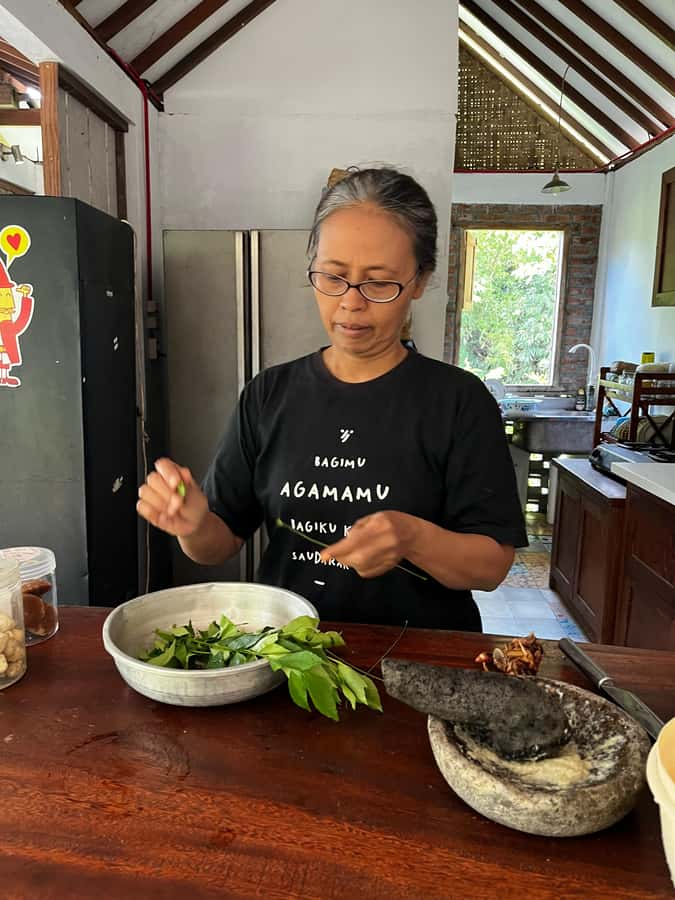
At $46 per person, this is a good value if you want a full half-day activity rather than a short lesson. The fee covers the cooking instruction, all ingredients, equipment, welcome drink, other refreshments, and the meal. You are also paying for personal attention and a local home setting, not just food.
The price does not include hotel transport, personal spending, or a tip. The class lasts five hours, and starting times depend on availability. Since it is private, you should confirm the pickup plan yourself if you need transport from your hotel. A taxi back can sometimes be arranged, but that should not be treated as a guaranteed included service.
Comfort is the main practical issue. The kitchen is not air-conditioned, and Java can be hot. Wear light clothing, bring water if you prefer to have your own supply, and consider a handheld fan. You will be handling food, so comfortable clothing and shoes are sensible.
The experience is listed as wheelchair accessible, but the supplied details do not explain the exact layout or garden access. If you use a wheelchair, ask about the route through the garden and cooking area before booking.
Children under five and people over 70 are not considered suitable for this activity. For older children, the stated restriction does not automatically rule them out, but the five-hour duration and hands-on work may be tiring. Use your judgment based on the child’s interest and stamina.
Who will enjoy this class most
I would recommend this class to you if you want to connect food with daily life in Yogyakarta. It suits curious cooks, couples, solo visitors, and private groups who prefer conversation and participation over a staged show.
It is especially good for anyone who wants to:
- Learn how sambal, rujak, tofu, tempeh, and chicken are prepared
- See local herbs and flowers growing in a home garden
- Adjust a menu to personal taste
- Eat a generous meal after working on it
- Meet an Indonesian family in a relaxed setting
- Take recipes home for another attempt
You may want a different type of class if you need air conditioning, exact professional timing, or a clearly separated station for every recipe. The experience is friendly and hands-on, but it is not built like a commercial cooking studio.
The 4.9 rating from 24 bookings fits the main strengths here: hospitality, fresh garden ingredients, generous food, and personal attention. The one consistent point to weigh is that the class can feel informal in both temperature and organization. For many people, that is precisely the charm. For others, it may be the part that requires patience.
Should you book From Garden to Table?
Book it if you want more than a recipe lesson. The garden harvest, family welcome, private format, flexible menu, and meal at the end give you a genuine connection to Javanese food.
I would choose this class over a standard demonstration if you want to get your hands dirty and understand ingredients by sight, smell, and texture. Bring a fan, arrive hungry, and read the menu options before the day. If those details suit you, $46 buys a generous and unusually personal half-day in Yogyakarta.
FAQ
How long does the Indonesian cooking class last?
The class lasts five hours. Starting times vary, so you need to check availability for the date you want.
What food will I prepare?
The listed menu includes vegetable rujak with peanut sauce, fried chicken with curry leaves, fried or boiled tofu, tempeh, Balinese lemongrass chili sauce, and local fruit rujak. The full menu range is sent after booking for you to choose from.
Is lunch included?
Yes. You eat the dishes you prepare, and drinks are included as well.
What welcome drinks are available?
You can choose tamarind turmeric, tamarind sugar, or lemongrass tea.
Is the class private and taught in English?
Yes. It is a private-group activity, and instruction is provided in English.
Can I cancel or pay later?
You can cancel up to 24 hours in advance for a full refund. The reserve-now, pay-later option lets you book without paying at the time of reservation.
Newly planted garden visits around Indonesia
- Full Day Bogor Botanical Garden And Puncak Highland Tour★ 3.5 · 3 reviews
- Bogor Botanical Garden, City and Miniature Park in Heritage★ 5.0 · 5 reviews
- Bogor Botanical Garden & Rainforest Trekking to Hidden Waterfall★ 5.0 · 58 reviews
- Spice Garden, Jamu & Cooking Class in Bali Village★ 5.0 · 5 reviews
- Mt. Merapi Majesty: Soft Trek and Botanic Village Tour★ 5.0 · 5 reviews
- Jakarta Bogor Botanical Garden, Waterfall and Rice Terrace★ 4.8 · 38 reviews
- Jakarta: Botanical Garden & Rainforest Trekking to Waterfall★ 4.9 · 7 reviews
- From Jakarta: Bogor Botanical Garden, Ricefield, & Waterfall★ 5.0 · 3 reviews
Farm and Kitchen Garden Visits, bed by bed.
Chiang Mai: Half Day Cooking Class at Organic Farm
Read our review →
Queenstown: Walter Peak Garden to Table Experience
Read our review →
Lists this garden visit belongs to