
Review · ITALY
Slowlife Family Farm: From Garden to Table
At Slowlife Family Farm, lunch begins long before anyone sits down. You gather vegetables, learn how wheat becomes pasta, and explore a 2,500-year-old sacred site beside a Sicilian river. I like the garden-to-table cooking and the chance to see rare local plants such as the giant onion of Giarratana. I also like the mix of food, archaeology, nature, and farm life in one small-group visit.
The main drawback is the setting and format. This is not a polished cooking school with easy access for everyone. The farm has uneven outdoor areas, transport is not included, and the calendar may not show the real availability. Contact the farm before booking, especially if you need a particular meeting time or pickup plan.
Key points to know before booking
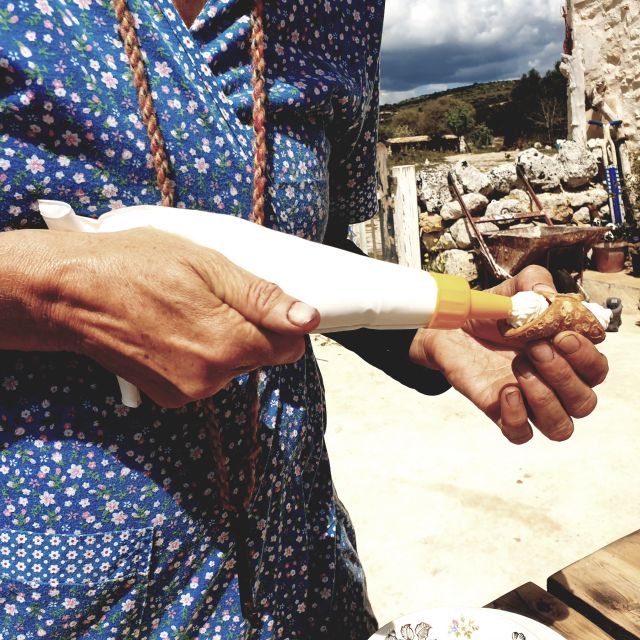
- You make lunch from the ground up: Gather produce, handle wheat, make pasta, and prepare a shared Sicilian meal.
- The farm sits on an ancient sacred site: Greek and Roman altars were found here, and a licensed historical guide leads the archaeology walk.
- Rare Sicilian crops are part of the lesson: You may see or taste Slow Food protected varieties, including the giant onion of Giarratana when in season.
- The setting is beside a river and canyon: There is shade from large trees, a historic water mill under restoration, and an opportunity to swim in the river.
- The group is kept small: A maximum of 10 participants makes it easier to work at the cooking table and ask questions.
- Plan ahead with the local partner: Start times and meeting points can be adjusted, but the advertised calendar is not always current.
A farm where the meal starts in the garden
This four-hour visit gives you a close look at how food is grown, processed, cooked, and served. It is not simply a pasta lesson followed by lunch. The food is tied to the farm, the local crops, the river, and the long human history of the property.
The farm has followed an off-grid, slow-food way of life for 16 years. Its work includes growing older vegetable varieties and supporting local wheat, olive oil, and wine producers. That makes the cooking feel connected to the place rather than arranged as a stand-alone demonstration.
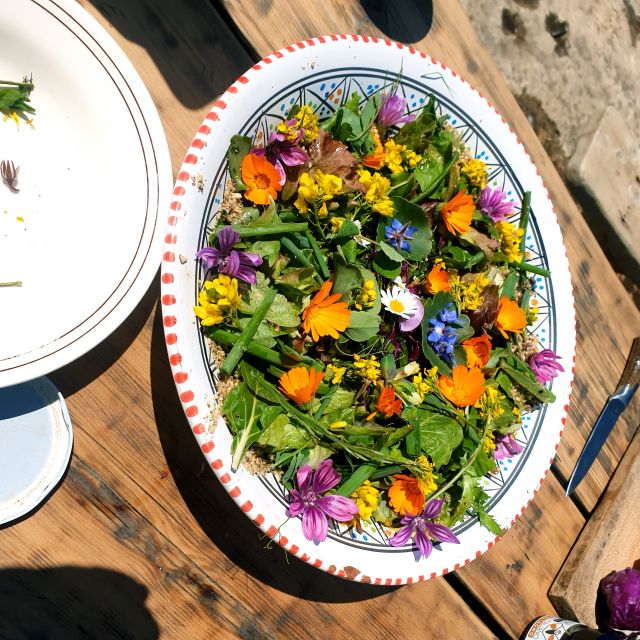
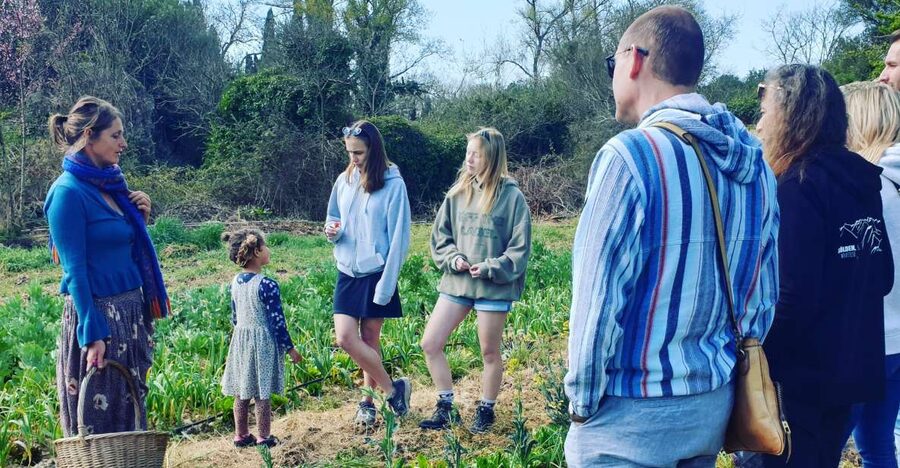
You begin by visiting the organic vegetable garden. The hosts grow rare and protected local varieties, and you can learn how they manage the soil, crops, and seasonal plants. If the timing is right, you may taste some of them straight from the garden.
One especially memorable crop is the giant onion of Giarratana. This local Sicilian variety can weigh more than 2 kilograms and is traditionally baked over an open fire. The tour does not promise that it will be available every time, so think of it as a seasonal bonus rather than a guaranteed dish.
You may also collect wild edible plants with a qualified nature guide. This part requires attention. You are not simply wandering through the property and picking whatever looks familiar. The guide helps identify plants suitable for the meal, giving you a useful lesson in local food traditions and safe gathering.
More Farm and Kitchen Garden Visits in Italy:
- Chiang Mai: Half Day Cooking Class at Organic Farm
★ 4.8 · 96 reviews - From Garden to Table: Indonesian Cooking Class in Yogyakarta
★ 4.9 · 24 reviews - St Hugo Garden to Table Experience & Lunch
★ 4.5 · 19 reviews
Milling wheat and making pasta
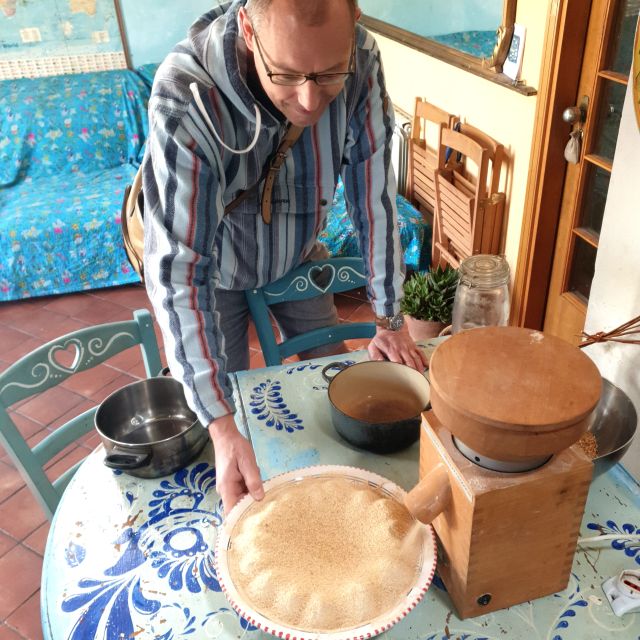
The cooking class focuses on the route from wheat to pasta. You work with modern tools to mill the wheat before making pasta together. This is a more hands-on approach than watching a chef prepare dough while you stand back with a glass of wine.
For many people, this will be the most satisfying part of the visit. You can see how a basic ingredient changes in texture and form, then use it in the meal you prepare. The work also gives the class a clear purpose. You are not making pasta as a quick souvenir activity. You are helping create lunch.
The available information does not specify the exact pasta shape or the full menu. That is useful to know if you have strict dietary needs or are hoping to learn one particular regional recipe. The meal is described as a Sicilian lunch made with ingredients gathered from the organic garden and nearby wild plants, but dishes will depend on the season.
The small group limit of 10 matters here. Pasta making is much more enjoyable when you can reach the work area, see what is happening, and get help without waiting behind a large crowd. It also gives the visit a more relaxed family-farm feel.
Ancient altars beneath the farm
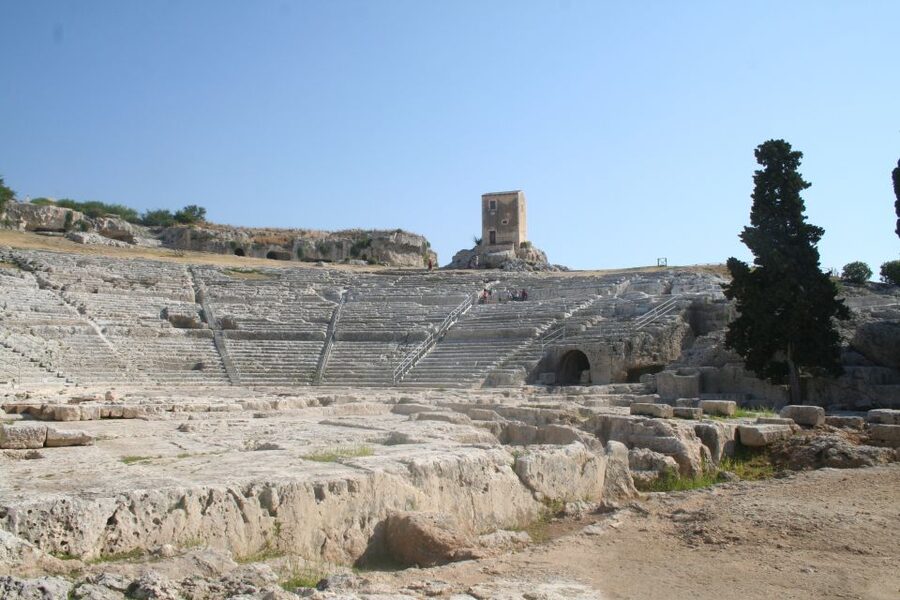
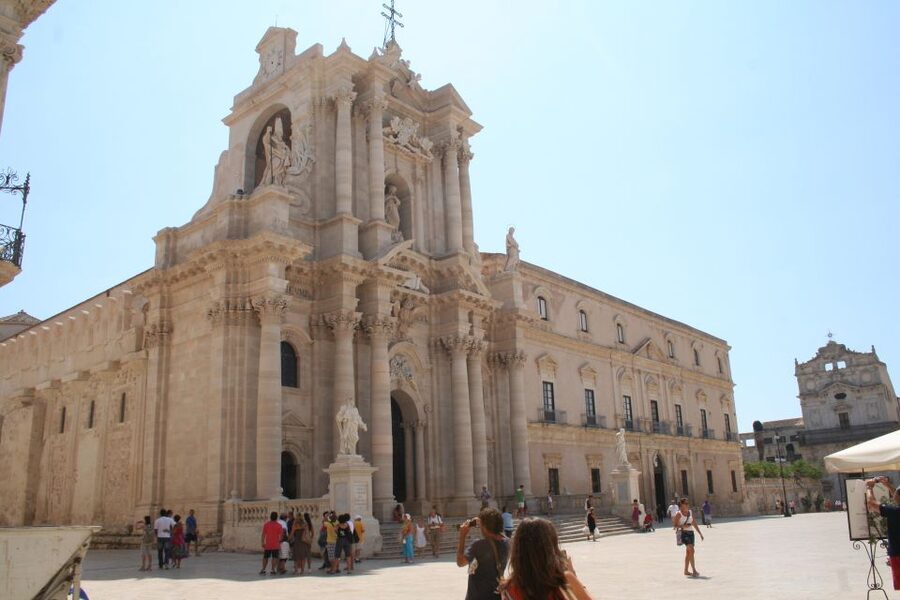
Food is only half the story. Archaeologists found altars used by Greeks and Romans on the property, which has been a sacred site for more than 2,500 years. A licensed historical guide leads the archaeological tour of the farm.
This adds real depth to the visit. You are not just seeing a working farm in the countryside. You are walking through a place that has been valued by different communities for centuries. The ancient remains also help explain why the property is treated as more than farmland by the people who run it.
The exact length and condition of the archaeological stops are not specified, so you should expect an outdoor orientation rather than a museum-style visit with extensive displays. Comfortable shoes are important. The property is not suitable for people with mobility impairments, and the combination of natural paths, garden areas, and archaeological sites may be difficult if walking is a concern.
The hosts, Jess and Carlo, are closely involved with the project. Their welcome is part of the appeal. The farm is presented as a personal way of life, not just a business that happens to offer cooking classes. You can expect the story of the land and the family project to be part of the conversation.
River, canyon, trees, and the old mill
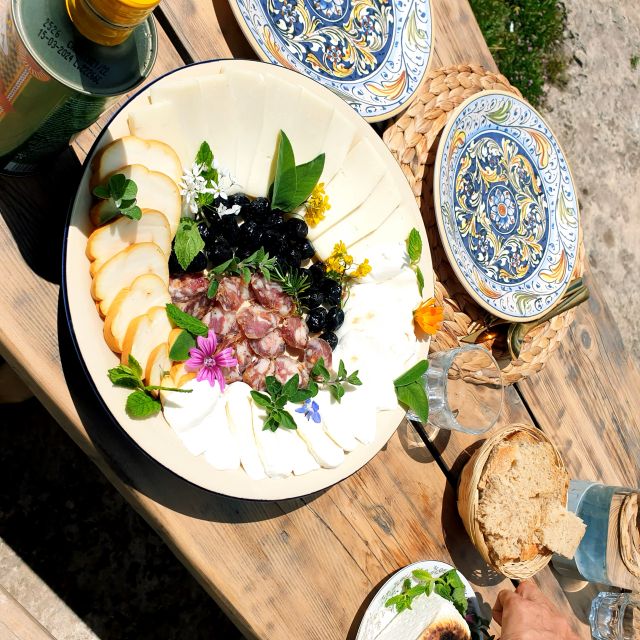
The farm lies inside one of Sicily’s well-known canyons beside a river. Large trees provide shade, and there is an ancient diving lagoon where you may have the opportunity to swim. I would bring a swimsuit only if you are comfortable with the conditions on the day, since the activity is primarily a farm, food, and history visit rather than a dedicated swimming excursion.
The river gives the tour a welcome change of pace. After walking through the garden and archaeological area, you can take in the water and shaded setting before returning to the food. It also makes the farm feel like a place to linger rather than a collection of scheduled stops.
You will also visit an ancient water mill that is currently under restoration. The mill connects the natural power of the river with the wheat used in the cooking class. Since restoration is still underway, do not expect a fully operating attraction or a polished historical exhibit. Its value is in seeing a working piece of the old food system and understanding how the site once handled grain.
Bring water, a sun hat, and shoes that are comfortable for outdoor walking. Sicily can be bright and hot, and shade is not guaranteed at every stop.
More gardens worth a morning in Italy:
- Florence: Reserved Entry Ticket to the Boboli Gardens
★ 4.4 · 5,275 reviews - Rome: Borghese Gallery and Gardens Guided Small-Group Tour
★ 4.6 · 2,783 reviews - Rome: Borghese Gallery & Gardens Small Group Guided Tour
★ 4.5 · 2,190 reviews - Rome: Bioparco di Roma Zoological Garden Entry Ticket
★ 4.6 · 1,414 reviews
Olive oil, wine, and the final Sicilian lunch
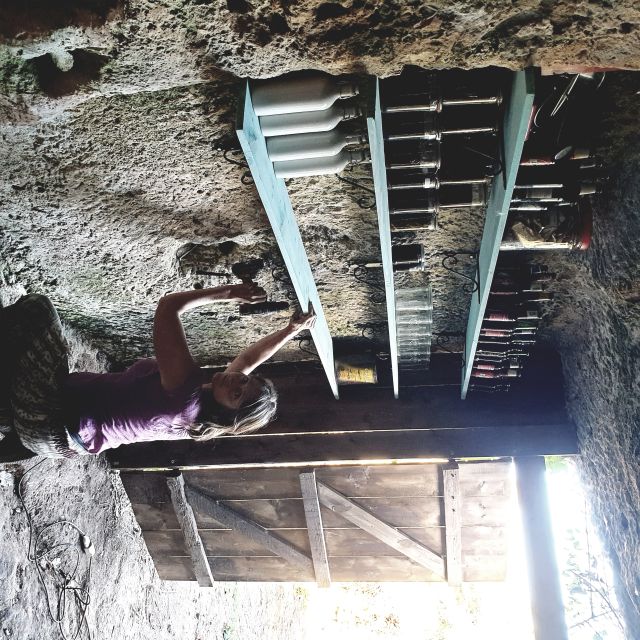
The tasting portion includes local olive oil and local wine, along with a visit to the farm’s historical food and wine pantry. These tastings are not filler between activities. They complete the path from local ingredients to the table.
Olive oil is central to Sicilian cooking, and tasting it on its own helps you notice qualities that can disappear once it is mixed into a dish. The local wine gives you another way to connect the meal with nearby producers. The details of the labels and varieties are not provided, so the focus is on tasting local products rather than taking a formal wine course.
The lunch is prepared by the group using garden produce, edible plants, and the pasta made during the class. That shared work is one of the strongest reasons to consider this tour. You see what goes into the meal, then sit down with a clear sense of how the ingredients arrived on the plate.
One past participant described the food as especially satisfying because the process began with milling wheat and gathering fresh ingredients. That is exactly the point of this activity. The meal is not just a plate served at the end. It is the result of several small tasks you have taken part in.
Because the menu changes with the garden and season, this is not the best choice if you need a fixed menu or want to order individual dishes. It is a better fit if you enjoy local food, shared preparation, and the pleasure of eating something tied to the place where you are sitting.
What the $164.26 price includes
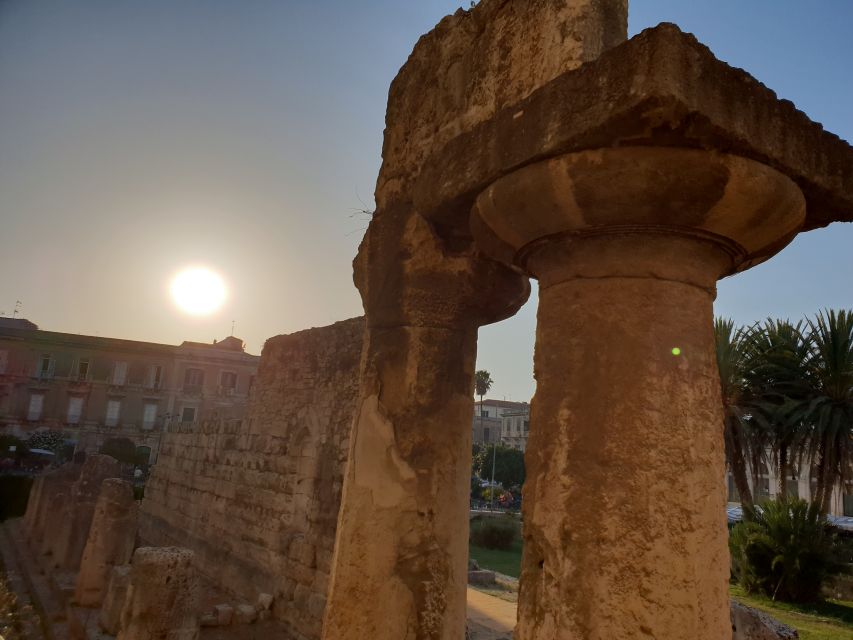
At $164.26 per person, this is not a budget cooking lesson. The value depends on how much of the full visit you plan to use.
You are paying for four hours with a small group, a historical tour, a nature lesson on edible plants, access to an organic vegetable garden, a cooking class, a meal, and olive oil and wine tastings. Transport is not included, and no entrance tickets are included, although the listed activity itself includes the farm visits and guided elements described above.
Compared with a basic pasta class, this offers much more context. Compared with a full-day farm excursion, it is shorter and more focused. I would consider it a fair price for someone who wants food, archaeology, and nature in one outing, especially if you value personal contact with the people running the farm.
The price is harder to justify if you only want to learn pasta making. In that case, a dedicated cooking school may give you more time on recipes and technique. Here, the cooking is part of a wider four-hour visit.
The small group limit helps protect the value. With no more than 10 people, the class should be more practical than a large demonstration. Still, the available information does not promise a private tour, so expect to share the farm and cooking space with other participants.
Meeting in Syracuse and planning the day
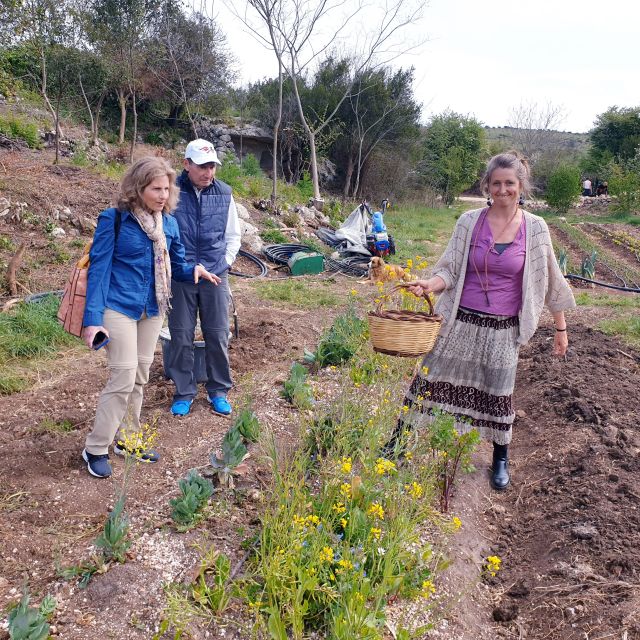
The standard meeting point is Via Malta, 7, 96100 Siracusa. An alternate meeting place may be arranged based on your accommodation, but you must contact the local partner to discuss it.
Transport by taxi or pickup and drop-off is not included. You need to plan your own way to the meeting point or confirm an alternative arrangement before booking. Do not assume that a hotel transfer comes with the price.
The calendar is specifically noted as not always updated. Contact the farm before making firm plans. This is important if you are visiting Syracuse for only a short time, arranging other tours, or trying to coordinate transport.
Start times and dates can be customized, but that flexibility works only if you ask in advance. English and Italian are offered, and the group is limited to 10 people.
Free cancellation is available up to 24 hours before the activity for a full refund. You can also reserve now and pay later. Those policies help if your Sicily plans are still shifting, but they do not remove the need to confirm the actual operating date and start time.
Who will enjoy this farm visit most
I would recommend Slowlife Family Farm to you if you like food with a story. It suits people who want to understand where ingredients come from, work with their hands, and meet the people behind a small agricultural project.
It is also a good match for anyone who wants more than a standard Syracuse sightseeing program. The ancient altars, river setting, old mill, garden, and food pantry give the day several layers without requiring a separate archaeology tour and cooking class.
Families and couples may enjoy the relaxed, shared format, though the mobility warning matters. The property is not suitable for people with mobility impairments, and anyone uncomfortable with outdoor walking should choose with care.
I would hesitate if you need a very structured timetable, guaranteed swimming, a fixed menu, or a fully accessible site. I would also think twice if you are not willing to arrange your own transport or contact the host before booking.
Should you book Slowlife Family Farm?
Book it if you want a personal Sicilian day built around the full food chain: garden, wild plants, wheat, pasta, olive oil, wine, and lunch. The archaeology and river setting make it more varied than a normal cooking class, while the small group keeps the hands-on work manageable.
Skip it if your main goal is advanced pasta instruction or an easy, highly polished attraction with guaranteed access. The farm is a working, evolving place, and the mill is still under restoration. That is part of its character, but it also means you should arrive ready for an outdoor visit rather than a staged culinary show.
Before paying, contact Slowlife Family Farm to confirm the date, start time, meeting point, transport plan, seasonal garden produce, and any dietary needs. If those details fit your plans, the $164.26 price buys a memorable four-hour connection to Sicily’s food, land, and past.
FAQ
How long does the Slowlife Family Farm activity last?
The activity lasts four hours. Starting times are subject to availability and may be customized by contacting the local partner.
Where does the activity meet?
The standard meeting point is Via Malta, 7, 96100 Siracusa. An alternate meeting point may be arranged based on your accommodation.
Is transportation included?
No. Taxi service and pickup or drop-off are not included in the price.
What languages are available?
The activity is offered in English and Italian.
What is included in the price?
The activity includes a licensed historical guide, a qualified nature guide for edible wild plants, the organic vegetable garden visit, the historical food and wine pantry visit, local wine and olive oil tastings, and the wheat-to-pasta cooking class.
Will I make pasta during the visit?
Yes. The cooking class covers the process from milling wheat to making pasta using modern tools.
Can I swim in the river?
You may have the opportunity to swim in the river and ancient lagoon on the farm. Swimming is not described as the main focus of the activity.
Is the farm suitable for people with mobility impairments?
No. The activity is listed as not suitable for people with mobility impairments.
Can I cancel for a refund?
Yes. You can cancel up to 24 hours in advance for a full refund. You can also reserve now and pay later.
Newly planted garden visits around Italy
- Paragliding flight over the Gardens of Ninfa★ 5.0 · 9 reviews
- Print on Lake Como silk & paperXylography + Villa Melzi Gardens★ 5.0 · 2 reviews
- Isola Bella’s palace and gardens with a private local guide★ 5.0 · 6 reviews
- The Renaissance Gardens tour: Palazzo Farnese and more★ 5.0 · 5 reviews
- Private painting class on Lake Como shores Bellagio★ 5.0 · 13 reviews
- Private Clay sculpture class + Villa Melzi Gardens★ 5.0 · 2 reviews
- The place of dreams: the Tarot Garden w/Wine tasting★ 4.0 · 7 reviews
- Timed Entry Ticket to the Boboli Gardens★ 3.5 · 50 reviews
Farm and Kitchen Garden Visits, bed by bed.
Chiang Mai: Half Day Cooking Class at Organic Farm
Read our review →
Queenstown: Walter Peak Garden to Table Experience
Read our review →Lists this garden visit belongs to