
Review · CROATIA
Authentic Garden to Table Cooking Class in Dubrovnik Countryside
The best part of this Dubrovnik cooking class is that you do not simply watch someone prepare Croatian food. You knead your own bread, pick ingredients from the garden, gather eggs, and help make a full meal on a family homestead that has belonged to the Mujo family since the 1500s. The food begins in the soil, not on a supermarket shelf.
I like the personal welcome from hosts such as Ivo and Katarina, and I like the way the class connects cooking with Konavle history. You also get homemade wine, olive oil, cheese, cured meat, and produce grown on the property or by nearby family farms. The main drawback is the $208 price, which is high for a five-hour activity, and the exact dishes change with the season.
Key points at a glance
- A 500-year family home: Learn about 15 generations of the family while eating in a working homestead.
- Hands-on cooking: Knead individual loaves of bread and help prepare soup, pasta, stew, dessert, or meat dishes.
- Garden-to-table ingredients: Pick seasonal vegetables, gather fresh eggs, and see how the family grows food.
- A possible goat-milking moment: If dessert uses milk, you may be invited to milk a goat.
- Small-group setting: The maximum is eight people, with pickup available from Dubrovnik.
- Flexible food needs: Vegetarian, vegan, and gluten-free meals are available, and other dietary restrictions can be discussed.
From Dubrovnik to the Konavle countryside
The class begins at Kameni Dvori, Holiday Village Konavle, in Lovorno near Gruda. It is outside Dubrovnik, so pickup matters. Transfers use vehicles for three, seven, or eight occupants, and the vehicle carries a Cooking class sign.
A pickup can save you the trouble of arranging transport to a rural address. In one account, Ivo used the drive for a short history lesson about the area. Katarina has also driven people from Dubrovnik and explained the family and local history along the way. That early introduction helps the day feel connected to Konavle rather than like a cooking school dropped into the countryside.
The journey is part of the appeal, but allow about five hours for the activity itself, plus the transfer time. If your Dubrovnik schedule is packed with city walls, boat trips, and evening plans, this is not a quick food stop. It is a half-day outing with a slower pace.
The group limit of eight is a real advantage. You should have room to work at the table, ask questions, and take part in the garden visit without being lost in a large class. Still, the experience is family-run, so the rhythm may feel more like being welcomed into a home than moving through a tightly timed professional kitchen.
More Farm and Kitchen Garden Visits in the world:
- From Garden to Table: Indonesian Cooking Class in Yogyakarta
★ 4.9 · 24 reviews - St Hugo Garden to Table Experience & Lunch
★ 4.5 · 19 reviews - Queenstown: Walter Peak Garden to Table Experience
★ 5.0 · 12 reviews
A welcome drink and a family home from the 1500s
On arrival, the host welcomes you with a drink and explains the plan. The homestead has been in the family since the 1500s, and several generations help run the experience. You may meet Ivo, Katarina, one of their daughters, or other relatives involved in the meal.
That family presence is central to the day. This is not just a lesson in how to make pasta or stew. You are seeing how food, land, and family life fit together in the Konavle countryside. The family tree presentation later in the meal adds another layer, with stories reaching back roughly 500 years.
I appreciate that the history is not separated from the cooking. You hear about the family while bread rises, vegetables cook, or wine is poured. It gives the meal a human setting, even if you are more interested in food than genealogy.
The home and grounds are part of what you are paying for. If you want a modern culinary studio, polished demonstrations, and restaurant-style instruction, this may feel informal. If you want a personal introduction to rural Croatian life, that informality is a strength.
Kneading bread the old-fashioned way
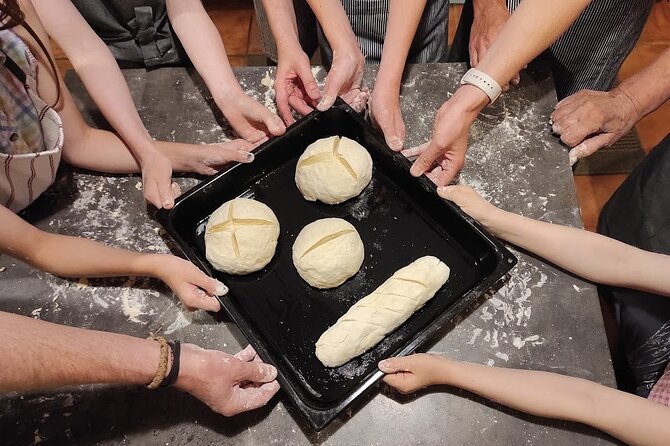
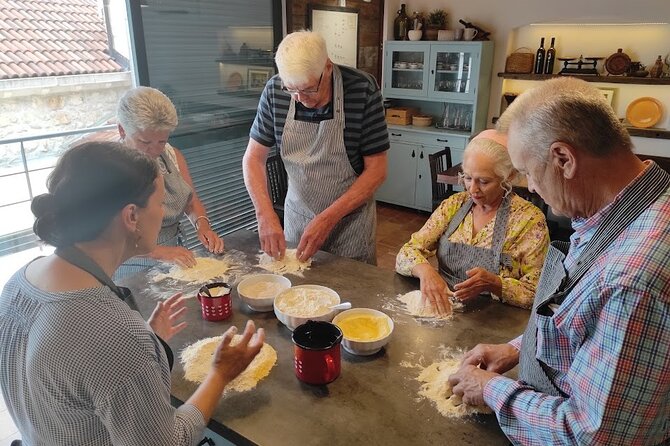
The first cooking task is homemade bread. Each person kneads an individual loaf using a traditional recipe. This is a simple activity, but it sets the tone well. You are not standing behind a counter watching a chef perform. You put your hands into the dough and take part from the first course of the meal.
While the dough rests or rises, the class moves outdoors. Bread also gives the day a useful sense of time. It needs attention, but it does not demand that you rush from one task to the next.
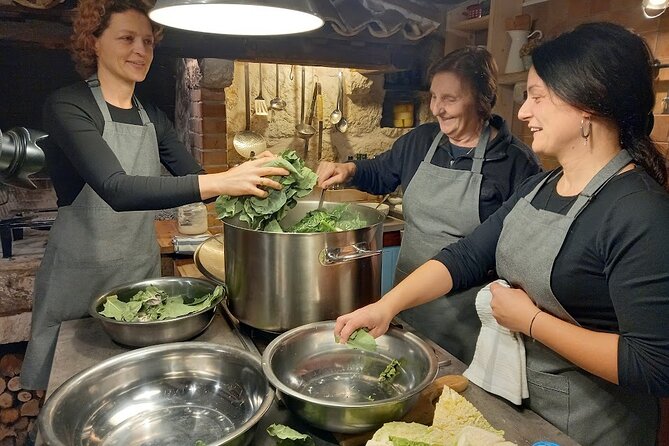
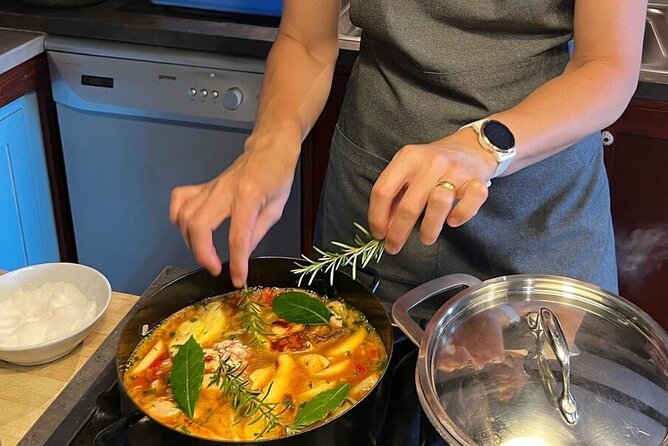
The class may also include making homemade pasta. One meal described by a participant included bread, pasta, chicken stew, and vegetable soup. The published sample menu lists several possible dishes, but the actual meal depends on the season and what is available in the garden.
That variation is important. You should not book this expecting a fixed menu. The food may change from one visit to the next, which is exactly how a real farm kitchen works. It also means the class offers a better lesson in Croatian home cooking than a recipe selected months in advance.
Picking vegetables and gathering eggs
After bread preparation, you visit the garden. The host explains how the crops are grown, then you help collect the ingredients needed for the meal. Fresh eggs are gathered as part of the visit.
This is the point where the garden-to-table idea becomes practical rather than decorative. You see where the vegetables come from, handle what you will cook, and learn about the family’s approach to cultivation. The property also produces olive oil and wine, while other ingredients come from local family farms.
The gardens include fruit trees as well as vegetables. Depending on the season, you might taste fruit or homemade juice before the meal. The setting gives children and adults a clearer sense of how much work sits behind a simple plate of food.
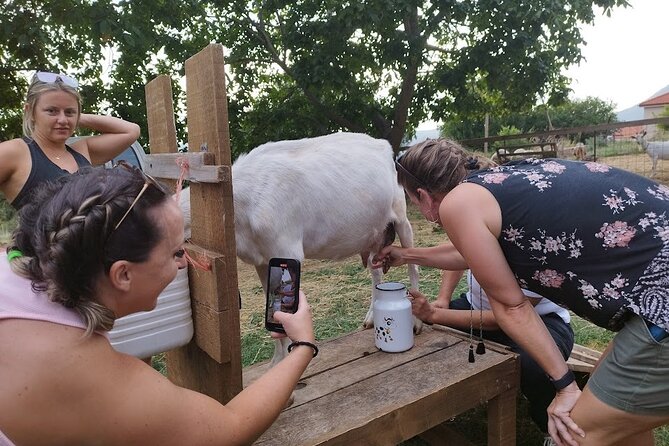
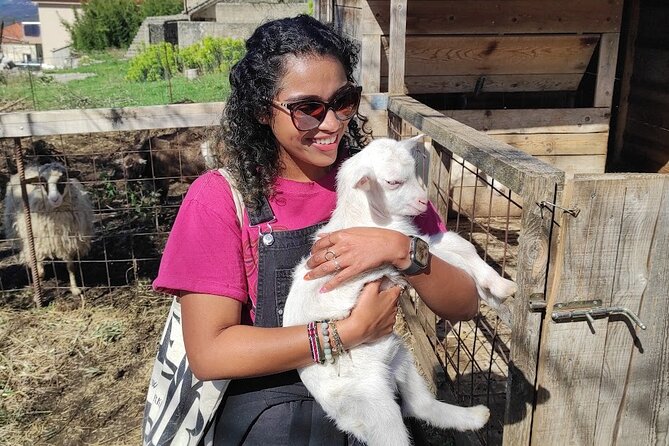
If dessert includes milk, the host may offer the chance to milk a goat. This is not guaranteed, since it depends on the dessert and the day’s program, but it is one of the more unusual details of the class. Ask about it when you arrive if that part matters to you.
The outdoor portion may be less comfortable in hot or unsettled weather, and the schedule changes with the season. That is a normal trade-off for a working garden experience. You gain authenticity, but not the controlled conditions of an indoor demonstration.
Cooking classes with a garden harvest around the world:
- Chiang Mai: Cooking Class, Market & Thai Herbs Garden Tour
★ 4.9 · 4,824 reviews - We Cook Thai Home Garden Cooking School
★ 4.9 · 378 reviews - Thai Cooking Class with Market & Garden Tour
★ 4.9 · 249 reviews - Ella : Cooking class with amazing Spice Garden Tour
★ 5.0 · 239 reviews
Preparing a real Croatian lunch
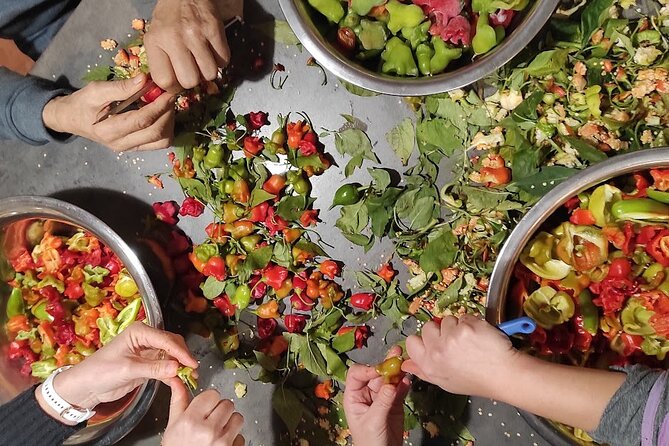
Back in the kitchen, you help turn the gathered ingredients into a meal. The sample menu begins with cured meat and homemade cheese, served with warm bread, pickled vegetables, spreads, and homemade olive oil.
The main course may be a Lovorno skewer: pork cooked on bay leaf branches with country-style potatoes, boiled vegetables, and seasonal salad. Another possible main is farm-grown chicken stew, prepared with fresh vegetables and fruit, cooked with wine, and served with homemade pasta.
These dishes give you a useful taste of Konavle cooking. The food is direct and practical, built around meat, vegetables, bread, olive oil, wine, and preserved ingredients. The bay leaf skewer is especially tied to the local setting, since the cooking method uses branches rather than a standard kitchen skewer.
Dessert is listed as Grandma’s cake, but the precise recipe can change. If milk is part of the dessert, the goat-milking experience may be included. The menu is not designed for fine-dining presentation. It is meant to show how a family meal is made and shared.
The best value comes from the full combination: instruction, ingredients, garden access, the meal itself, wine, transport, and time with the family. You are not paying only for a plate of food. Still, at $208 per person, you should want the setting and personal contact, not just a cooking lesson.
Wine, olive oil, and stories at the table
Once the food is ready, you sit down to eat with homemade red or white wine. The starter of cheese, cured meat, bread, pickles, and spreads makes a generous beginning, while the main course gives you a chance to taste the ingredients you helped collect.
The family produces its own wine and olive oil, and the meal is built around fresh seasonal food. This is a good chance to compare the character of homemade products with the polished versions you may have sampled in Dubrovnik restaurants.
During the meal, the hosts share stories from their family tree. The 500-year history presentation is not a formal museum talk. It is part of the conversation at the table, which makes it easier to connect Croatian heritage with the people sitting beside you.
A few accounts also describe family hospitality that extended beyond the basic cooking class, including countryside cycling and wine tasting at a relative’s vineyard. Those activities should not be treated as guaranteed parts of this five-hour program. If you are interested in adding a bike ride or vineyard visit, ask the provider before booking.
Who gets the most from this experience
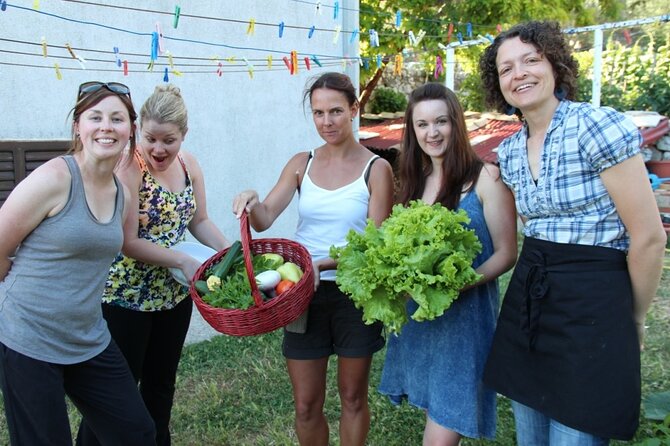
I would choose this for someone who wants a break from Dubrovnik’s stone streets and crowded sights. It suits couples, families, and small groups who enjoy eating as much as cooking. The hands-on tasks are simple enough for beginners, and the family setting gives children something concrete to do.
It is also a good fit if you care about Croatian food beyond restaurant menus. You learn about bread, pasta, seasonal vegetables, eggs, goat’s milk, olive oil, wine, and preserved foods in one outing.
The class works for different diets. Vegan and vegetarian meals are available, gluten-free meals can be arranged, and the provider says flexible dietary restrictions can be accommodated. Contact them in advance with the details rather than assuming every substitute will be ready on arrival.
I would think twice if you want a formal chef-led lesson with exact recipes and advanced techniques. The menu is seasonal, the class is family-run, and some memorable elements, such as goat milking, depend on the day’s food. The price may also feel steep if you mainly want to eat and do not care about the garden or family stories.
Practical details worth knowing before you book
The experience costs $208 per person and is offered in English. Pickup is available, and the activity ends back at the meeting point. The maximum group size is eight, which keeps the class personal.
It is wise to reserve early. The activity is booked an average of 132 days in advance, suggesting that available dates can disappear well before a Dubrovnik visit. Confirmation is normally sent at booking. If you book within two days of departure, confirmation can take up to 48 hours and remains subject to availability.
Service animals are allowed. For a child’s chair or another special request, contact the provider before the day of the class. Free cancellation is available up to 24 hours before the start time. After that point, the payment is not refunded, and late changes are not accepted.
Should you book the Konavle cooking class?
Book it if you want a personal, food-centered day with a Croatian family and enough time to slow down. The strongest reasons are the small group, the garden work, the homemade products, the 500-year family connection, and the fact that you help make the meal rather than simply watch.
The $208 cost is easier to justify when you use the pickup, take part in every stage, enjoy the full lunch and wine, and value the cultural side of the visit. It is harder to justify for a strict budget or for someone seeking a short, technical cooking lesson.
For most people who want an authentic counterpoint to Dubrovnik’s historic center, I would book it. Go expecting a warm family gathering with seasonal food, not a fixed menu or a polished culinary school. That is precisely why the day can feel special.
FAQ
Where does the cooking class take place?
It takes place at Kameni Dvori, Holiday Village Konavle, at Lovorno 11, 20215 Gruda, Croatia.
Is pickup available from Dubrovnik?
Yes. Pickup is offered, and the vehicles display a Cooking class sign. Vehicles are available for groups of three, seven, or eight occupants.
How long does the experience last?
The cooking class lasts approximately five hours. It ends back at the meeting point.
What language is the class offered in?
The experience is offered in English.
What food might be prepared?
The menu changes with the season and available garden ingredients. Possible dishes include homemade bread, vegetable soup, pasta, Lovorno skewer, farm-grown chicken stew, seasonal vegetables, salad, and Grandma’s cake.
Can I request a vegetarian, vegan, or gluten-free meal?
Yes. Vegetarian, vegan, and gluten-free meals are available. The provider also says flexible dietary restrictions can be accommodated.
Is goat milking included?
It may be offered if the dessert includes milk. It is dependent on the menu and the day’s available activities.
What is the cancellation policy?
You can cancel up to 24 hours before the experience for a full refund. Cancellations or changes made less than 24 hours before the start time are not accepted for a refund.
Newly planted garden visits around the world
- Sunday Market and Gardens Tour★ 4.0 · 10 reviews
- Botanical Trails of Madeira. Mountain biking Trail Experience★ 5.0 · 42 reviews
- Monte Tropical Garden & Toboggans private Tuk-Tuk tour★ 5.0 · 25 reviews
- Funchal Old Town & Palheiro Gardens Private Tuk Tuk Tour★ 5.0 · 8 reviews
- Kensington Palace VIP Garden Tour with Royal High Tea★ 4.5 · 71 reviews
- Private Half-Day Tour to Monet’s Garden in Paris★ 5.0 · 3 reviews
- Madeira Botanical Gardens and Old Town Tuk Tuk Tour by MadTuk★ 4.5 · 7 reviews
- Secret Gardens of London Private Tour★ 5.0 · 13 reviews
Farm and Kitchen Garden Visits, bed by bed.
Chiang Mai: Half Day Cooking Class at Organic Farm
Read our review →
Queenstown: Walter Peak Garden to Table Experience
Read our review →
Lists this garden visit belongs to