
Review · ITALY
Palermo: Guided Tour of the Botanical Garden
Palermo’s Botanical Garden is not just a pleasant patch of green. Founded in 1789, it is an open-air museum where plants from across the world meet Sicily’s mild climate. The most memorable sight may be the huge Ficus Macrophylla, but the real pleasure is seeing how the garden connects botany, science, travel, and Palermo’s past.
I like the certified local guide, especially the chance to tour with Luca, whose clear scientific explanations and lively stories have earned strong praise. I also like the focused 90-minute route, which gives you a useful look at the garden without turning a short visit into an all-day plant census.
The main drawback is that the entrance ticket costs extra, so the advertised price is not the full cost of your visit. You also need comfortable shoes, water, and mosquito spray, a small reminder that this is a working garden rather than a polished indoor museum.
Key points to know before you go
- Founded in 1789: This is both a botanical collection and one of Italy’s important academic institutions.
- Luca may lead your tour: He is praised for detailed explanations, scientific facts, and an engaging manner.
- A worldwide plant collection: Sicily’s climate helped unusual species spread from Palermo to other parts of Europe.
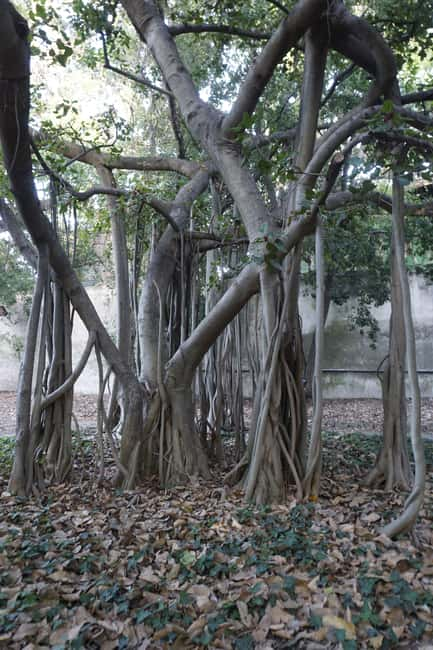
- The Ficus Macrophylla is a major sight: Its scale gives the garden much of its visual drama.
- Historic rooms add context: The Gymnasium and Tineo Room show the garden’s connection to the old Royal School of Botany.
- Budget for the separate admission fee: Your guide can help you buy the garden ticket at the meeting point.
Why Palermo’s botanical garden deserves your time
Palermo can overwhelm you with churches, markets, palaces, and grand streets. The Botanical Garden offers a different way to understand the city. Its importance comes through plants, research, and the movement of species across borders.
The garden was founded in 1789, giving it a long connection with formal botanical study. This matters because you are not simply walking past attractive flowers. You are visiting a place built to observe, classify, grow, and exchange plant life.
Sicily’s climate helped make the garden useful for species that might struggle elsewhere in Europe. As you walk its avenues, you can see why Palermo became a natural meeting point for plants from distant regions. The setting gives the city another kind of grandeur, one based on scale, age, and scientific purpose rather than stonework.
I would not choose this tour only because I need a quiet green break. Choose it if you want the plants to make more sense. A guide can explain why a particular tree matters, how an unusual species reached Sicily, or what makes a plant distinctive. Without that context, some of the garden’s best details could look like attractive greenery and nothing more.
More Botanical Gardens in Italy
- From Florence: Fiesole and Botanical Garden Golf Cart Tour
★ 5.0 · 78 reviews - Palermo: Botanical Garden Entry Ticket and Palermo Audio App
★ 4.3 · 24 reviews - Ventimiglia: check out the Hanbury Botanical Gardens
★ 4.4 · 12 reviews
Starting at the ticket office
The meeting point is the Botanical Garden ticket office. This keeps the beginning simple: you arrive at the garden, meet your certified nature and tourist guide, and deal with admission before the walk begins.
Your tour price includes the guided visit, but not the garden entrance ticket. That distinction is important when you compare the $59 price with other Palermo activities. You are paying for a specialist-led experience, not a bundled admission ticket.
The guide can help you purchase the ticket directly at the office. The activity also includes skip-the-ticket-line access, which can save time if there is a queue. Still, you should arrive prepared to pay the admission separately and allow a little time at the start for that step.
The tour is listed as wheelchair accessible. Since this is an outdoor garden with avenues, planted areas, and changing surfaces, I would still confirm any specific mobility needs before booking if you require detailed route information. The supplied details confirm accessibility, but they do not describe every path or surface.
The Gymnasium and the old Royal School of Botany
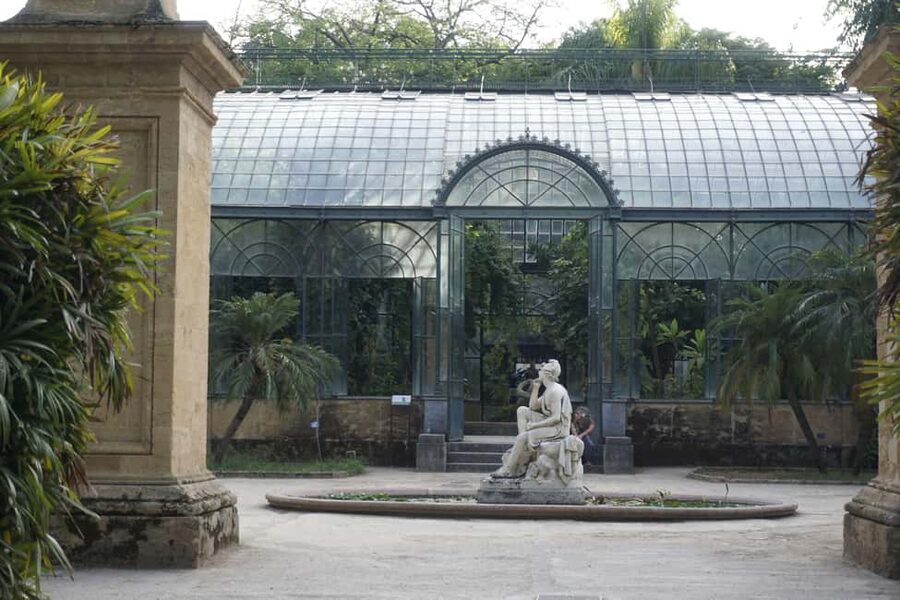
One of the first important stops is the Gymnasium, the former home of the Royal School of Botany. The name may suggest a place for exercise, but here it refers to a historic teaching space connected with the study of plants.
This stop helps you see the garden as an academic institution. The buildings are not just decorative backdrops. They explain why the garden was created and how plant study became part of Palermo’s cultural life.
The route also includes the Tineo Room. The available information does not spell out every feature of this room, so you should expect the guide to provide the context on site rather than arrive with a fixed list of displays. That is one reason a guided visit makes sense here. The value is in the explanation attached to each place.
If you prefer a tour filled with grand interiors and famous paintings, these rooms may feel modest. If you enjoy the link between science and history, they add useful depth to what could otherwise be a simple garden stroll.
Monumental trees and unusual plant stories
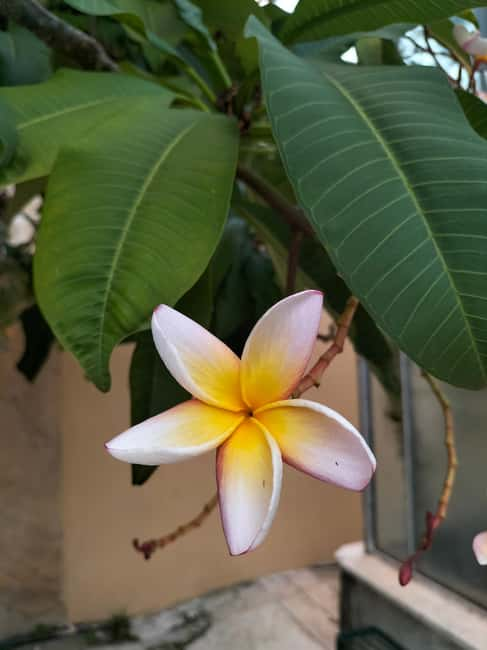
The plant collections are grown in the ground, not arranged only in small pots or indoor cases. That gives the visit a sense of scale. You walk through avenues and see how plants function as living structures, not just specimens on labels.
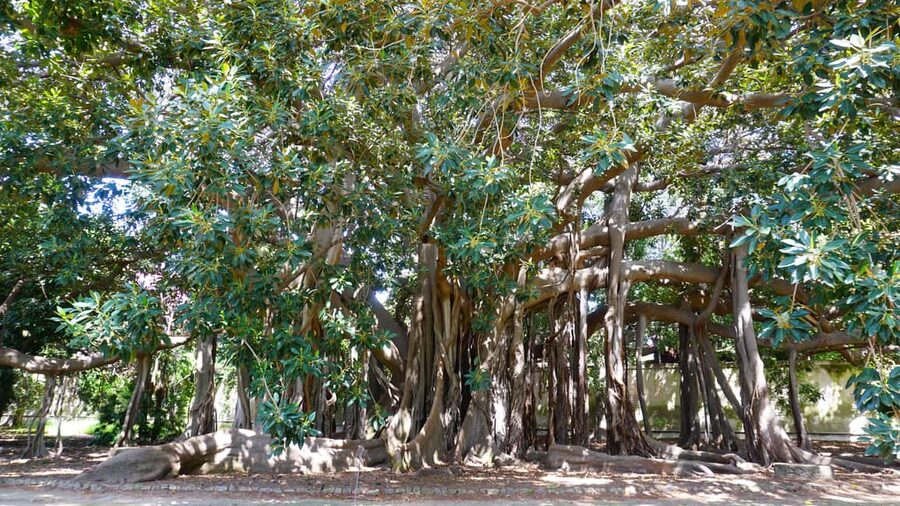
The Ficus Macrophylla is one of the major highlights. It is described as monumental, and its size is a reminder that a botanical garden can contain its own architecture. A tree like this changes the way you move through a place. You look up, measure its spread against nearby buildings, and understand why certain plants become landmarks.
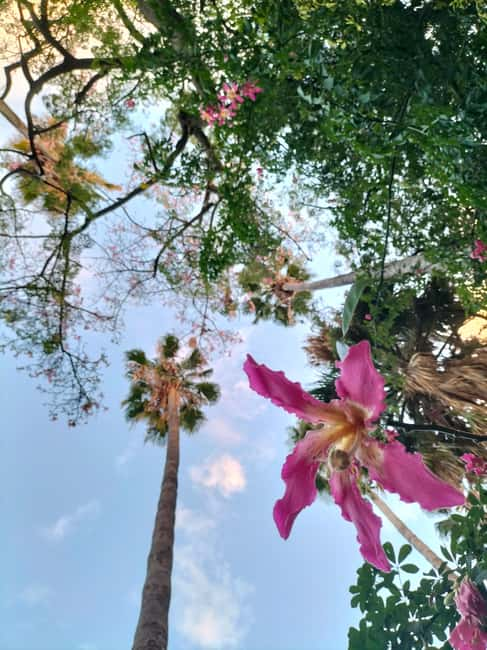
The Ceiba Speciosa brings a different kind of interest. Its colorful flowers add a clear visual contrast to the large green forms around it. The guide can help you connect the plant’s appearance with its place in the wider collection.
You will also see Dracaena draco, known for its characteristic dragon’s blood. That name sounds like folklore, but it points to the plant’s distinctive identity and gives the guide an easy opening for a memorable explanation. This is the kind of small story that makes a walk stick in your mind after you leave.
The Araucaria columnaris is another notable specimen, described as record-breaking. The information does not specify the exact record, so I would not promise a particular height or age. What you can expect is a plant selected for its exceptional size or character, with the guide explaining why it has earned attention.
These stops are where the tour’s scientific side becomes most useful. You do not need a botany background. You only need enough curiosity to notice that every large tree has a story, a route of travel, and a reason for being in Palermo.
Same season, a different set of beds:
- Florence: Reserved Entry Ticket to the Boboli Gardens
★ 4.4 · 5,275 reviews - Rome: Borghese Gallery and Gardens Guided Small-Group Tour
★ 4.6 · 2,783 reviews - Rome: Borghese Gallery & Gardens Small Group Guided Tour
★ 4.5 · 2,190 reviews - Rome: Bioparco di Roma Zoological Garden Entry Ticket
★ 4.6 · 1,414 reviews
The Aquarium tank and bamboo grove
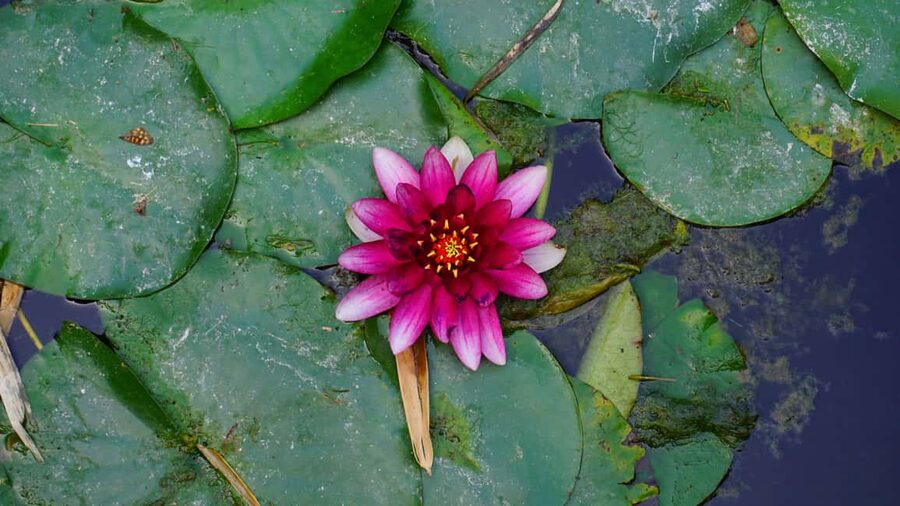
The large Aquarium tank is dedicated to aquatic species and surrounded by bamboo. This section changes the mood of the route. After monumental trees and historic rooms, the water collection gives you a more contained view of plant life.
The bamboo grove provides a strong setting around the tank. It also shows how the garden groups plants to create different environments within the same site. The tour is not simply a march from one famous specimen to the next. You move among different collections and see how the garden uses space.
This stop should appeal to you if you like contrast. The Ficus Macrophylla gives you scale, the Ceiba Speciosa gives you flowers, the dragon tree gives you an unusual name and form, and the Aquarium tank brings attention back to water and aquatic species.
The supplied details do not say whether aquatic animals are included, so you should think of this primarily as a plant collection. The guide will explain what you are seeing, but you should not book it expecting a large public aquarium or an animal-focused visit.
What the guide adds to a 90-minute walk
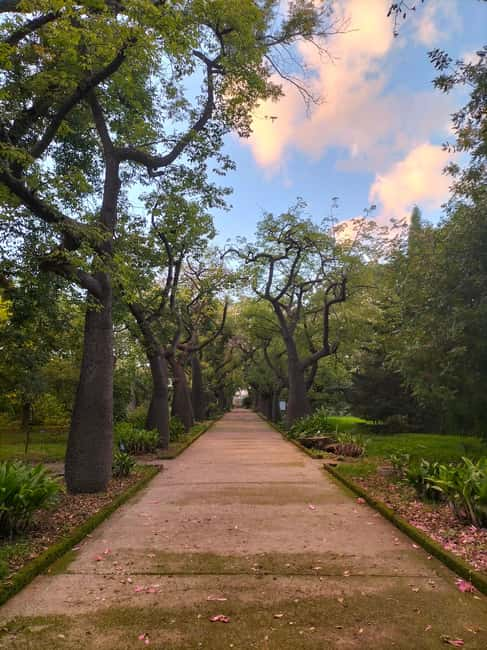
The guide is the central reason to choose this experience instead of entering on your own. A self-guided visit lets you set your pace, but it may leave you with a list of names and no clear sense of why the garden matters.
The tour is available in English, Portuguese, Spanish, and Italian. Some content may be presented in its original language, which is worth noting if you need every explanation translated or simplified. Ask about language support when you book if your needs are specific.
Luca is named in the available feedback and is praised for being prepared, thorough, passionate, and engaging. One description particularly points to the way he combines scientific information with anecdotes. That combination is useful. Facts give the garden substance, while stories help you remember the plants.
The tone appears to be warm and personal rather than purely academic. The guide’s kindness and professionalism are part of the experience, but you should still expect real botanical content. This is not simply a photo walk among flowers.
At 1.5 hours, the tour has enough time for the major sections without asking you to commit half a day. That length suits a first visit to the garden, a warm afternoon when you want a manageable outing, or a Palermo itinerary packed with other sights.
The tradeoff is that a short tour cannot cover every corner in equal detail. If you already know the garden well or want extended time for sketching and photography, you may prefer to stay longer after the guided portion. The supplied details do not state whether you can remain in the garden after the tour, so confirm that point directly if it matters to your plans.
Is $59 a fair price?
At $59 per person, this is not the cheapest way to spend 90 minutes in Palermo. You still pay the entrance fee separately, so the total cost is higher than the headline figure.
The value depends on what you want from the garden. If you only need a peaceful walk and can read signs on your own, a standard admission may suit you better. If you want the garden’s history, plant origins, and scientific details explained in a clear route, the guide fee has a stronger case.
I see the price as reasonable for a focused specialist tour, provided you care about interpretation. A certified nature and tourist guide gives structure to a place that can otherwise be easy to skim. You are paying for time saved, facts selected for you, and access to the stories behind the plants.
The strong rating from the two supplied bookings supports the guide-led format, especially Luca’s role. But two ratings are a small sample, so I would treat them as encouraging rather than final proof of every tour date or guide. The experience may vary depending on who leads your group.
The reserve-now-and-pay-later option also helps if your Palermo plans are still moving. You can reserve without paying immediately, and free cancellation is available up to 24 hours before the tour for a full refund.
Practical tips for a comfortable visit
Wear comfortable shoes. The tour takes place outdoors and involves walking along garden avenues, so sandals with poor support or stiff city shoes could make the visit less pleasant.
Bring water, especially during warmer months. Palermo’s climate can make an outdoor walk feel more demanding than the 90-minute duration suggests.
Mosquito spray is specifically recommended. Do not skip it just because the route is in the city. A botanical garden has plants, shade, and outdoor conditions that can attract insects.
Think about timing when you check availability. The tour lasts 1.5 hours, but the available information does not provide fixed daily start times. Choose a slot that leaves room for your other Palermo plans and gives you enough time to reach the ticket office.
The guide speaks English, Portuguese, Spanish, or Italian. Some material is shown in its original language, so language choice may affect how much detail you absorb. If you are traveling with people who have different language needs, sort that out before booking.
This tour suits plant lovers, families with older children, curious first-time visitors, and anyone who wants a calmer cultural stop. It may be less suitable if you dislike walking, have no interest in plants, or want a fast list of Palermo’s famous buildings.
Who should book this garden tour?
I would book it if you want Palermo explained through nature rather than only through churches and architecture. The garden’s 1789 foundation, former Royal School of Botany, global plant collection, and monumental specimens give the visit more substance than a routine park walk.
I would also book it if a guide named Luca is available and you value detailed scientific stories delivered with energy. His reported mix of facts and anecdotes fits the garden well.
I would skip it if your budget is tight and you are content with an unstructured visit. Since admission is extra, the total can feel high for a 90-minute activity unless the guide’s interpretation is important to you.
For most curious visitors, this is a worthwhile add-on to a Palermo itinerary. Bring water, shoes that can handle a walk, and mosquito spray. Pay attention to the trees, not just the flowers. The garden’s best moments often come from seeing how large, old, and far-traveled its plants are.
FAQ
Is the Botanical Garden entrance ticket included?
No. The entrance ticket is separate from the $59 guided tour price. You can buy it directly at the ticket office, and the guide can help you with the purchase.
Where does the tour meet?
The meeting point is the Botanical Garden ticket office.
How long does the guided tour last?
The tour lasts 1.5 hours.
Which languages are available?
The live tour guide is available in English, Portuguese, Spanish, and Italian. Some content may be shown in its original language.
Is the tour wheelchair accessible?
Yes, the activity is listed as wheelchair accessible.
Can I cancel for a full refund?
Yes. You can cancel up to 24 hours in advance for a full refund. Reserve-now-and-pay-later booking is also available.
Newly planted garden visits around Italy
- Paragliding flight over the Gardens of Ninfa★ 5.0 · 9 reviews
- Print on Lake Como silk & paperXylography + Villa Melzi Gardens★ 5.0 · 2 reviews
- Isola Bella’s palace and gardens with a private local guide★ 5.0 · 6 reviews
- The Renaissance Gardens tour: Palazzo Farnese and more★ 5.0 · 5 reviews
- Private painting class on Lake Como shores Bellagio★ 5.0 · 13 reviews
- Private Clay sculpture class + Villa Melzi Gardens★ 5.0 · 2 reviews
- The place of dreams: the Tarot Garden w/Wine tasting★ 4.0 · 7 reviews
- Timed Entry Ticket to the Boboli Gardens★ 3.5 · 50 reviews
Botanical Gardens, bed by bed.

Blanes: Marimurtra Botanical Garden Entry Ticket
Read our review →
Malta: Mdina, Dingli Cliffs and San Anton Botanical Gardens
Read our review →
Princeville Botanical Gardens Tour and Chocolate Tasting Ticket
Read our review →
Icod de los Vinos: Dragon Tree & Botanical Garden Ticket
Read our review →
Maleny Botanic Gardens Bird Aviary Experience Ticket
Read our review →
Big Island Waterfalls Tour with Swimming and Botanical Garden
Read our review →
Lists this garden visit belongs to