
Review · ROME
Rome: Bioparco di Roma Zoological Garden Entry Ticket
Rome’s Bioparco puts elephants, brown bears, chimpanzees, tigers, lemurs, and an excellent collection of reptiles inside the old Villa Borghese estate. You can see more than 1,200 animals from about 200 species without leaving the city center.
I like the easy-to-follow layout, which lets you walk from one enclosure to the next without much backtracking. I also like the bilingual Italian and English signs, the green setting, and the chance to make this a slower day between Rome’s crowded historic sights.
The main drawback is uneven enclosure quality. Several areas are pleasant and well cared for, but some enclosures, especially those for large animals, may feel smaller or in need of improvement. Food is available, though bringing a picnic is the wiser choice.
Key things to know before visiting
- The Reptile House is a highlight: Expect iguanas, snakes, lizards, and other reptiles in one of the park’s most popular areas.
- Plan on two to four hours: Many people finish in about three hours, but families, photographers, and picnic-goers can easily stay longer.
- Go early for active animals: Morning visits offer better odds of seeing animals awake and moving, especially in warm weather.
- The park sits inside Villa Borghese: You get a leafy break from Rome’s stone streets, with paths, benches, children’s play areas, and peacocks wandering freely.
- Children’s tickets are based on height: Children under one meter enter free. Children over one meter and up to age 10 need the child rate.
- Skip-the-line entry is useful, but queues vary: You use a separate ticket line, though the regular line may be short on quieter weekdays.
A city zoo with room to slow down
Bioparco di Roma occupies about 42 acres within part of the former Villa Borghese estate. That setting changes the mood immediately. You are still in Rome, but the traffic and hard stone give way to shaded paths, open lawns, and a more relaxed walking pace.
I would not treat this as a quick stop squeezed between the Colosseum and the Trevi Fountain. The zoo is large enough to reward a proper visit. One visitor walked roughly six miles in total after starting at Trevi Fountain and walking through the city and park, though most people spend about three hours inside the zoo itself.
The site is also more than a collection of animal displays. Bioparco works in endangered-species conservation, environmental education, and scientific research. That gives the signs and exhibits a useful purpose. You are not simply looking at an animal and moving on. The information panels explain the species, its habits, and the pressures it faces.
Most animal information is written in both Italian and English. That is especially helpful if you want to read beyond the name on the enclosure. The signs are clear enough for older children to follow, too.
Garden entry tickets around Italy:
- Florence: Reserved Entry Ticket to the Boboli Gardens
★ 4.4 · 5,275 reviews - Florence: Pitti Palace and Boboli Gardens Ticket & eBook
★ 4.5 · 835 reviews - Tremezzina: Villa Carlotta Museum and Garden Entry Ticket
★ 4.7 · 556 reviews
Following the park’s simple route
The layout is one of Bioparco’s strongest practical features. You can follow the paths around the grounds without constantly turning back, and the map is easy to use. I appreciate this because a badly arranged zoo can turn a pleasant visit into a tiring hunt for the next exhibit.
You will pass through a broad mix of habitats and animal groups. The exact experience depends on the day and time. Some animals may be asleep, hidden, or receiving care, while others may be active and easy to see. That is normal for a zoo, so do not build your whole visit around one particular animal.
Morning is the safest choice if animal activity matters to you. One especially useful tip is to arrive near opening time, when feeding routines may bring animals into view. In hot weather, an early visit also helps you avoid walking through the park at the most tiring part of the day.
The paths include places to sit, and there are toilets around the grounds. Families can combine the animal exhibits with play areas, while adults may simply enjoy a quiet walk under the trees. The park has enough space that you can pause without feeling pushed along.
Elephants, giraffes, bears, and big cats
The larger mammals provide the main draw for many people. Elephants and giraffes are particularly popular, along with tigers, lions, and brown bears. The brown-bear area can offer good viewing, including a position where you may see the bears near the water and below the path.
The bear enclosure has received especially warm attention for its presentation and viewing angles. It is one of the places where staying a few extra minutes can pay off. Animals may be swimming, playing, or simply resting in a visible spot.
The big-cat areas are more mixed. Some visitors find the tiger and lion enclosures in need of more space or extra enrichment. That is worth keeping in mind if animal welfare standards are a major factor in your decision. The park’s stated conservation work is important, but individual enclosures do not all create the same impression.
You should also allow for the possibility that a favorite animal will be out of sight. A visit in spring or autumn may feel calmer, but no season guarantees constant activity. Patience helps, and an early start gives you the best chance of catching feeding or morning movement.
Lemurs, chimpanzees, and animals from five continents
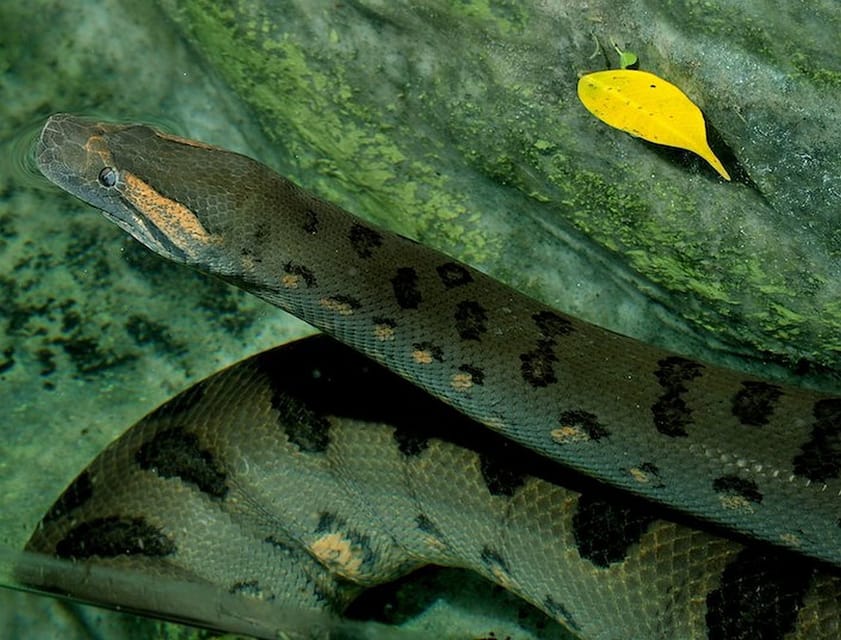
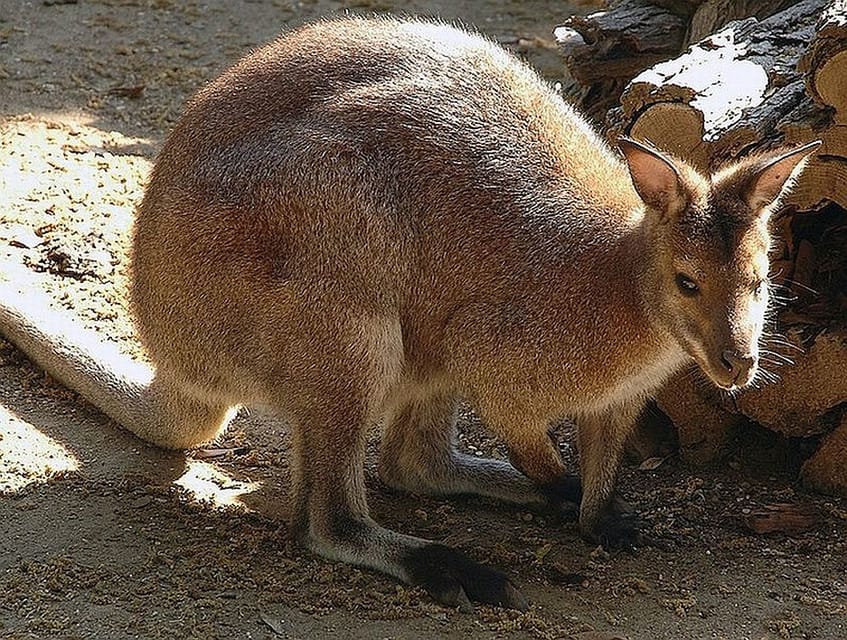
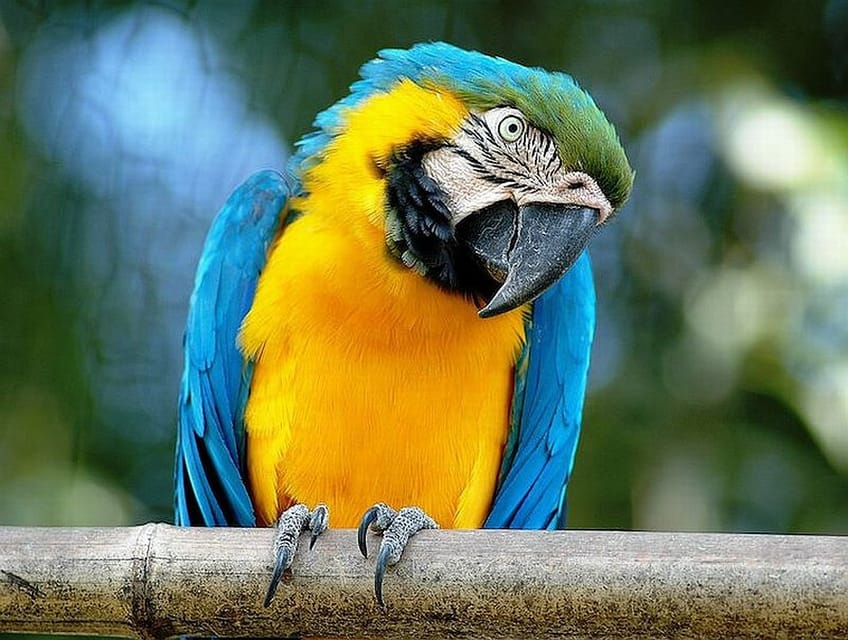
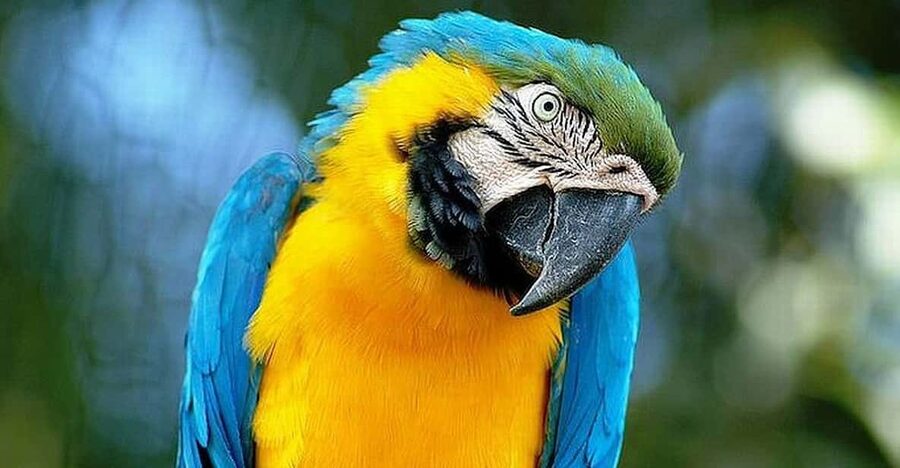
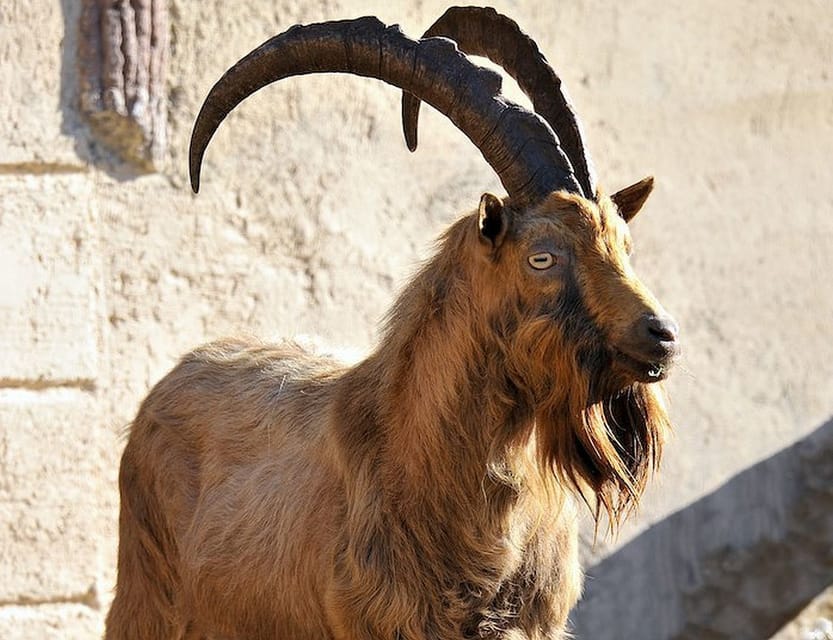
The collection covers mammals, birds, reptiles, and amphibians from five continents. Lemurs and chimpanzees bring a great deal of interest for children, while adults may appreciate seeing species that are uncommon in British or North American zoos.
The variety is a real strength. You can move from familiar animals to species you may never have encountered in person. This makes the visit feel less repetitive than a small city zoo with only a handful of exhibits.
Peacocks roam freely around the grounds, adding a bit of unexpected theater to the walk. They are not a scheduled exhibit, so you may find one near a path or strolling through the green areas. That small detail helps the park feel less like a series of sealed boxes and more like a living garden.
The birds and smaller mammals also deserve attention. If you rush straight to the large animals, you will miss part of what makes the collection broad. I would use the map at the entrance and keep enough time for the smaller exhibits rather than treating them as filler.
More gardens worth a morning in Italy:
- Rome: Borghese Gallery and Gardens Guided Small-Group Tour
★ 4.6 · 2,783 reviews - Rome: Borghese Gallery & Gardens Small Group Guided Tour
★ 4.5 · 2,190 reviews - Caserta Royal Palace & Gardens Small Group Tour with Shuttle
★ 4.9 · 632 reviews - Florence: Pitti Palace, Boboli Garden, Palatine Gallery Tour
★ 4.9 · 558 reviews
Why the Reptile House deserves extra time
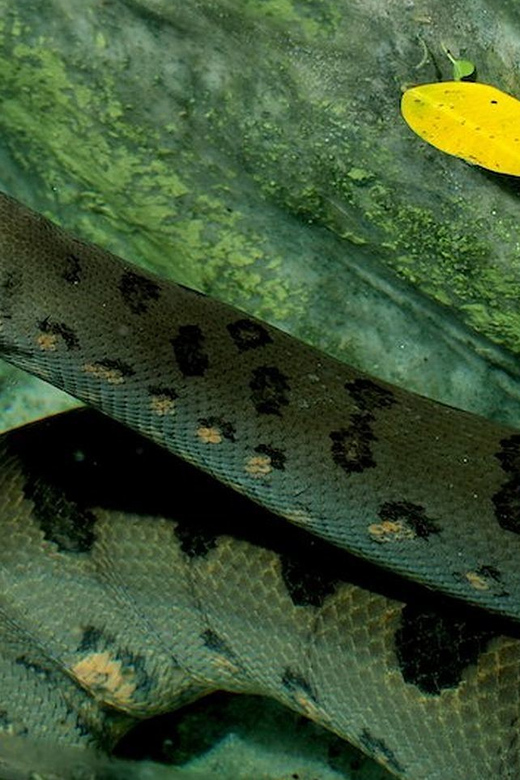
The Reptile House is one of the clearest highlights at Bioparco. It includes iguanas, snakes, lizards, and a wide range of other reptiles. Because reptiles often remain still, the indoor setting gives you a better chance to study them closely than you might have outdoors.
This is a good stop during the hottest part of the day, when you may want a break from the open paths. It also works well for children who enjoy spotting details. Look carefully at the branches, rocks, and corners of each habitat, since a motionless lizard can be easy to overlook.
The Reptile House adds variety to the visit. After large mammals and birds, it offers a different pace and a chance to think about camouflage, body shape, and survival rather than size and movement.
How long should you stay?
Two hours is the minimum I would allow if you want to see the main sections without rushing. Three hours is a more comfortable target, and many people stay four hours or more.
Families with young children may need extra time because of toilet breaks, snacks, play areas, and stops at the exhibits. A couple or solo visitor moving steadily can cover the park more quickly. If you bring food and want to sit in the grounds, this can become a full-day outing.
The zoo’s size can surprise people. It is not enormous by the standards of the world’s largest zoological parks, but it is much bigger than a quick urban attraction. Wear comfortable shoes. The paths are manageable, yet you will be walking for much of the visit.
The park is wheelchair accessible, which is useful information for anyone planning a slower route. You can also build in regular rest stops rather than trying to see every enclosure in one push.
Food, picnics, and the practical details

Food and drinks are sold at several points, including Bar Ninfeo, Ristorante Mascagni, Chiosco Oasi del Lago, and Bar Voliera. The choices include familiar quick meals, snacks, soft drinks, and ice cream.
The food is convenient, but it is not the main reason to visit. Options can be limited, and prices are typical of an attraction rather than a neighborhood café. I would bring a picnic if you want a better lunch or need reliable food for children. There are places to sit, including a picnic area.
Vending machines can be useful for cheaper drinks than the snack counters. Bring water, especially in summer. A hot afternoon can make the walking feel much harder than the map suggests.
The supplied meeting details mention tramezzino pickup from 11:00 AM to 5:00 PM at one of the four food locations. Since the ticket itself lists only Bioparco entry as included, confirm exactly what this arrangement covers before counting on it as part of your meal plan.
Getting there and choosing the right time
The zoo is in Villa Borghese, so it is close to major central Rome sights, but you still need to account for the walk. Bus connections are available outside the zoo, and one route can take you toward Trevi Fountain afterward.
A taxi can also be practical, particularly with young children or during a hot afternoon. Allow roughly €10 to €14 one way from the Best Western Universo, based on one reported journey, but fares vary by starting point and traffic. Use an official taxi or a reputable ride service and check the route and fare details before setting off.
Weekdays are usually the better choice if you want more space around the viewing areas. Early morning is best for cooler temperatures and active animals. Some Sunday opening hours may extend later than weekday hours, but opening times vary, so check the schedule for your date.
The skip-the-line ticket gives you a separate entrance line. That can save time on a busy day, though it is not always a dramatic advantage. On a quiet Monday, the normal queue may be tiny. On weekends or during school holidays, avoiding even a short wait can be welcome.
Is $25 good value?
At $25 per person, the ticket is fair value if you plan to spend at least three hours inside. You are paying for a sizable zoo, a broad species collection, the Villa Borghese setting, and access for the full day rather than a short timed show.
The value improves for families who use the play areas and take a picnic. You can make the visit last most of the day without paying for several separate attractions. It also offers a useful change of pace if you have already spent days moving between churches, ruins, and museums.
The price is harder to justify if you only have one free hour or if you expect every enclosure to feel modern and spacious. Some areas may look dated, and some animals may be hidden when you arrive. I would book it for the time and variety, not for a guarantee of perfect viewing.
The separate entrance line is a modest extra benefit rather than the central reason to buy. Online tickets may also cost less than buying at the gate, according to one visit, but compare the current price before you book.
Who will enjoy Bioparco most?
Families with children are the obvious match. There are animals from around the world, play areas, toilets, places to sit, and food stops. The park is also suitable for older children and teenagers, not just toddlers.
I would also recommend it to adults who want a quieter Rome day. The leafy setting, green surroundings, and slower walking route provide a welcome pause after the city’s main monuments. You do not need to be traveling with children to enjoy the animal collection.
Animal lovers should set realistic expectations. You will see a good range of species, but some enclosures may prompt questions about space and enrichment. If modern habitat design is your top priority, compare Bioparco with the standards you value before booking.
Should you book this Bioparco ticket?
Book it if you want a relaxed half-day or full-day break from Rome’s historic center, especially if you have children or enjoy wildlife. The Reptile House, brown bears, broad species mix, and Villa Borghese setting make the visit more than a quick collection of cages.
Choose a weekday morning, carry water, wear comfortable shoes, and bring a picnic if you want to keep costs down. Allow at least three hours, and accept that some animals may be sleeping or out of view.
I would skip it only if your schedule is very tight, you dislike zoos, or you expect every enclosure to offer a large natural habitat. For most families and animal fans, $25 buys a useful change of pace and a substantial outing in the middle of Rome.
FAQ
How many animals are at Bioparco di Roma?
Bioparco has more than 1,200 animals representing about 200 species from five continents. The collection includes mammals, birds, reptiles, and amphibians.
How long does a visit to Bioparco take?
Plan at least two hours for the main areas. Around three hours is a comfortable visit, while families who use the play areas, eat inside, or bring a picnic can stay much longer.
Does the ticket include skip-the-line entry?
Yes. The ticket provides access through a separate entrance line at the gate. Queue lengths can still vary by day and time.
Are children’s tickets based on age?
No. Children under one meter enter free. Children over one meter and up to 10 years old should use the child rate, and height may be checked at the entrance.
Is Bioparco wheelchair accessible?
Yes, the activity is listed as wheelchair accessible. Visitors with a certified 100 percent disability can collect free admission at the Bioparco ticket office, with free entry also available for one companion.
Is food available inside the zoo?
Yes. Food and drinks are available at Bar Ninfeo, Ristorante Mascagni, Chiosco Oasi del Lago, and Bar Voliera. A picnic is also practical because the park has places to sit and a picnic area.
Newly planted garden visits around Italy
- Paragliding flight over the Gardens of Ninfa★ 5.0 · 9 reviews
- Print on Lake Como silk & paperXylography + Villa Melzi Gardens★ 5.0 · 2 reviews
- Isola Bella’s palace and gardens with a private local guide★ 5.0 · 6 reviews
- The Renaissance Gardens tour: Palazzo Farnese and more★ 5.0 · 5 reviews
- Private painting class on Lake Como shores Bellagio★ 5.0 · 13 reviews
- Private Clay sculpture class + Villa Melzi Gardens★ 5.0 · 2 reviews
- The place of dreams: the Tarot Garden w/Wine tasting★ 4.0 · 7 reviews
- Timed Entry Ticket to the Boboli Gardens★ 3.5 · 50 reviews
Italy Garden Tours, bed by bed.

Florence: Reserved Entry Ticket to the Boboli Gardens
Read our review →
Rome: Borghese Gallery and Gardens Guided Small-Group Tour
Read our review →
Florence: Pitti Palace and Boboli Gardens Ticket & eBook
Read our review →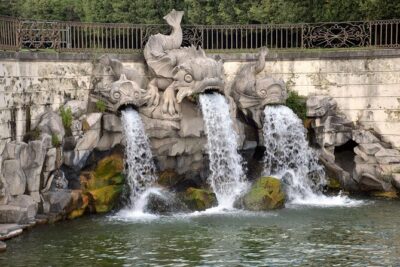
Caserta Royal Palace & Gardens Small Group Tour with Shuttle
Read our review →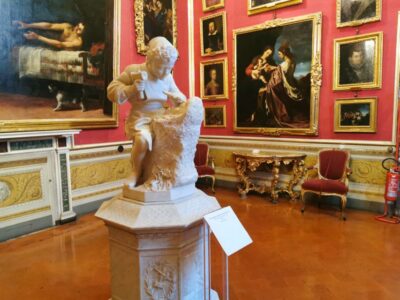
Florence: Pitti Palace, Boboli Garden, Palatine Gallery Tour
Read our review →
Tremezzina: Villa Carlotta Museum and Garden Entry Ticket
Read our review →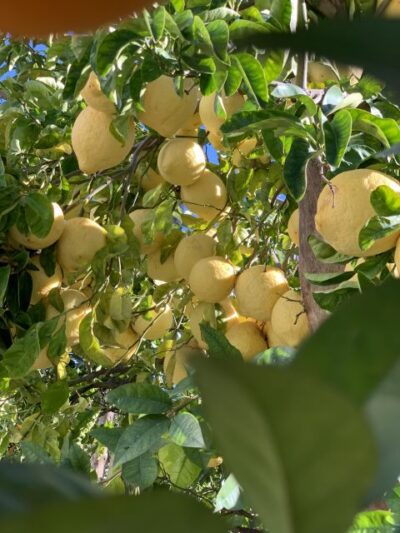
Sorrento: Lemon Garden Tour with Marmalade Tasting
Read our review →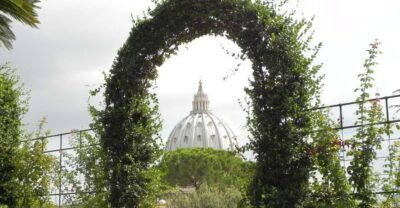
Vatican: Vatican Gardens with Bus Tour & Vatican Museums
Read our review →Lists this garden visit belongs to