
Review · ITALY
Near Cagliari: Wild Herbs and Healing at “In Our Garden”
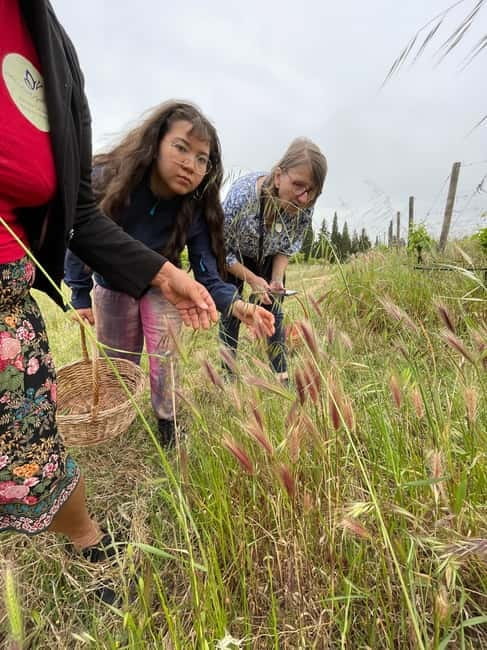
Sardinia’s countryside has more to offer than beaches. At In Our Garden, Ramona leads a gentle walk through vineyards, almond trees, olive groves, and orange orchards, showing you how local plants have been used for food, healing, and ritual. This is a small, personal look at Sardinian country life, not a fast sightseeing stop.
I like the hands-on plant gathering and the chance to learn about infused oils and smudge sticks. I also like the simple ending: herbal tea, homemade merenda, and a fragrant lavender mazzetto to take home. The main consideration is that this is a slow, nature-focused outing, so it may feel too quiet if you want a packed cultural tour or a long list of attractions.
Key points at a glance
- Ramona’s personal approach: A former organizational psychologist, she now shares Sardinian plant traditions, permaculture, slow living, and local culture.
- A gentle two-hour walk: You move at an easy pace through cultivated land and countryside rather than tackling a demanding hike.
- Plants with stories: Learn to identify spontaneous herbs and hear how they have been used in remedies, rituals, and everyday life.
- A real taste of the place: Herbal tea and a traditional Sardinian merenda give the walk a pleasant food-and-drink finish.
- A useful souvenir: You make or receive a handmade bundle of wild lavender, called a mazzetto.
- Easy access from Cagliari: Bus line PF takes about 30 minutes from near Cagliari train station, followed by a short pickup ride.
A different side of Sardinia near Cagliari
I often find that the best local experiences give you a new way to notice a familiar destination. After this walk, a roadside herb or olive grove may no longer look like background scenery. You begin to see food, medicine, scent, and memory in the plants around you.
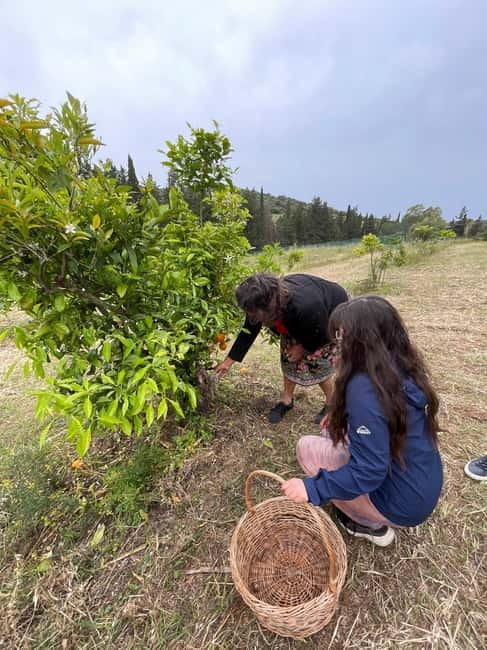
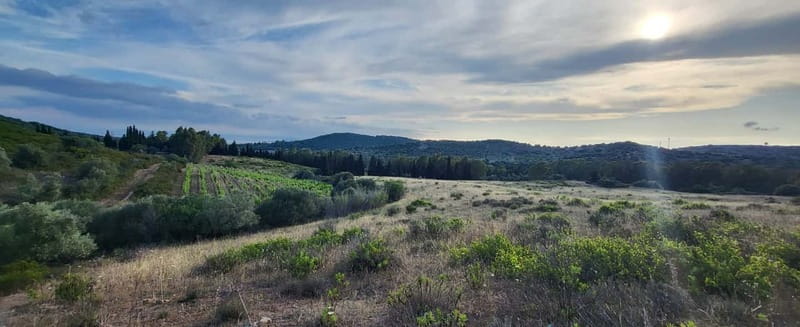
In Our Garden is a bio-agritourism retreat in South Sardinia. The setting includes vineyards, almond trees, olive groves, and orange orchards, with views that connect the inland countryside to Sardinia’s broader mix of sea and mountains. The activity is not built around grand monuments. Its appeal comes from close attention to small things: a leaf, a smell, a plant’s traditional use, or a story passed through families.
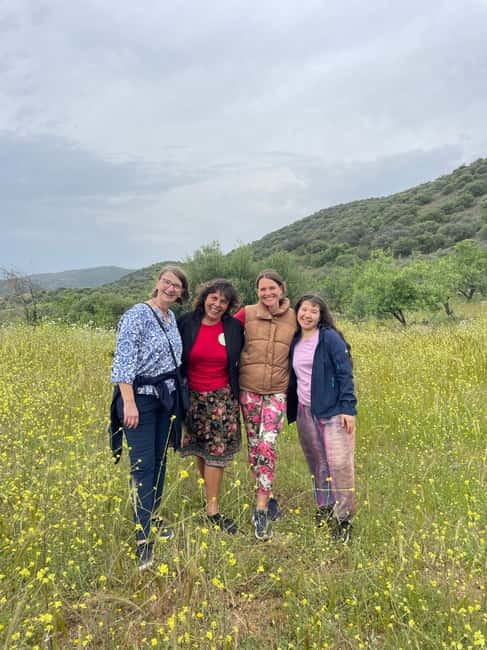
Ramona guides the outing. Her background is unusual for a standard nature walk. She spent more than 30 years working as a freelance organizational psychologist focused on sustainable local human development before turning toward life in Sardinia. She has also worked in many parts of the world, but chose Sardinia as the place to build a more land-centered life.
That background shapes the tone. You are not simply memorizing plant names. Ramona connects herbs with local customs, emotional well-being, social ties, art, culture, and the idea of living at a slower pace. If you enjoy conversations about how people relate to place, you will get more from this than a basic botany lesson.
More gardens worth a morning in Italy:
- Florence: Reserved Entry Ticket to the Boboli Gardens
★ 4.4 · 5,275 reviews - Rome: Borghese Gallery and Gardens Guided Small-Group Tour
★ 4.6 · 2,783 reviews - Rome: Borghese Gallery & Gardens Small Group Guided Tour
★ 4.5 · 2,190 reviews
Walking among vineyards, olives, and orange trees
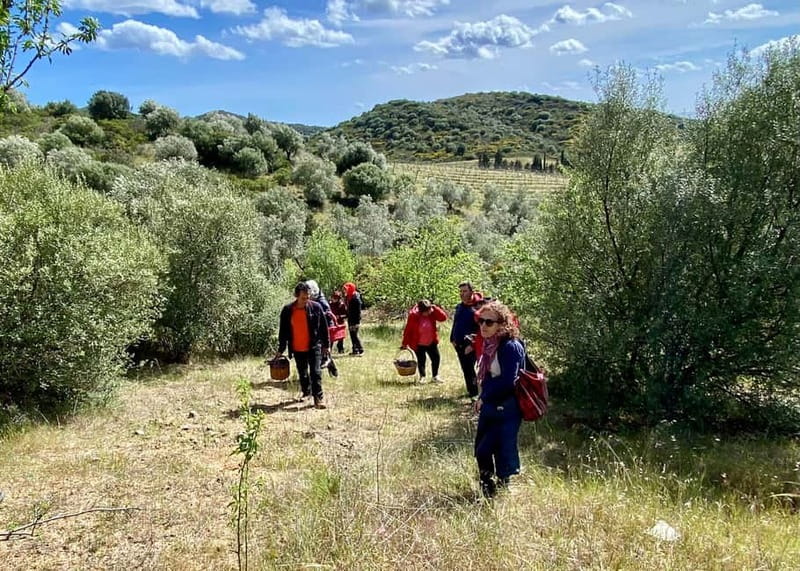
The walk lasts about two hours and is designed to be peaceful and unhurried. You move through the grounds of In Our Garden, looking for spontaneous plants that have traditionally been gathered for food, medicine, and rituals.
The word spontaneous matters here. This is not only a tour of formal garden beds with labeled specimens. The focus is on plants that grow naturally in the countryside and on the ways local people learned to recognize and use them. Ramona helps you notice shape, scent, and practical purpose.
You can expect the walk to include discussion of both edible and medicinal plants. The activity also covers their emotional and physical associations in Sardinian folk medicine. That gives the outing a cultural angle, but you should treat traditional remedies as cultural knowledge, not as a replacement for medical advice.
The pace is one of the experience’s strengths. You have time to stop, look closely, and ask questions. It should suit people who enjoy learning through conversation and observation. It is less suitable for anyone hoping to cover a large area or see many major sights in a short period.
Summer timing matters. Morning or late afternoon is recommended during the warmer months, when the countryside is more comfortable for walking. A hat, water, and sensible shoes are practical choices, even though the route is described as gentle.
Sardinian folk medicine explained through everyday plants
Sardinian folk medicine is presented here as living cultural knowledge. Ramona explains how plants have been used in household remedies, rituals, and practices linked to emotional and physical healing. The value is not just in knowing that a certain herb exists. It is in understanding how people gave plants a role in daily life.
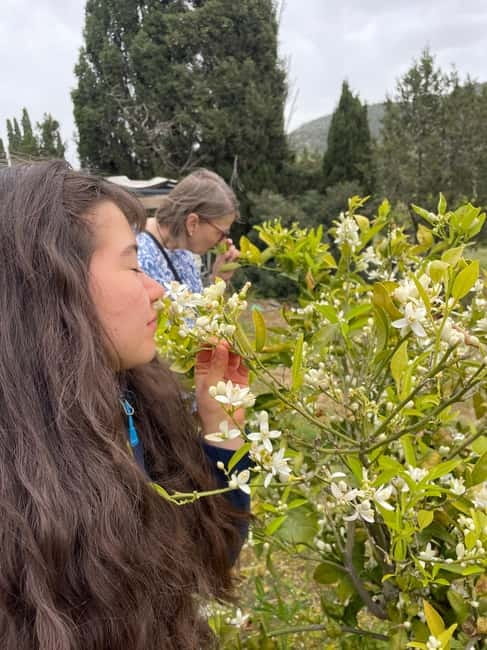
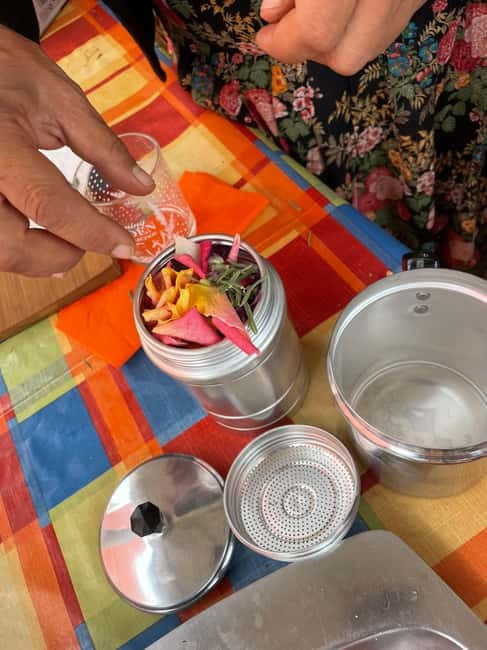
You may learn how to identify herbs by sight and smell, then hear how they were gathered or prepared. The activity includes information about infused oils, which preserve a plant’s scent and properties in oil. You also learn about smudge sticks, adding another practical craft element to the walk.
This is where the private-group format makes a difference. With only your own party, you can ask questions without trying to keep up with a large crowd. Ramona can adjust the conversation to your interests, at least within the two-hour time limit. The listed host languages are Italian, English, Spanish, French, and Portuguese.
I particularly like that the activity does not separate nature from culture. The herbs are not treated as isolated science facts. Their role in rituals, folk beliefs, cooking, and family traditions is part of the story. That makes the outing a good choice if you want contact with Sardinian life beyond the coast.
Still, keep your expectations clear. This is an introduction, not a professional herbalist qualification or a medical workshop. The emphasis is on recognition, tradition, and simple preparations.
Gathering herbs and learning about infused oils
At some point, you have the chance to gather plants from the wild. This gives the outing a tactile quality that a normal garden visit lacks. You are not only listening to a guide. You are using your eyes, nose, and hands to connect with the plants.
The experience includes an introduction to making infused oils. That is a useful detail because it shows how a plant can move from the field into a household preparation. Ramona also discusses smudge sticks, which connect plant gathering with scent and ritual.
You should follow Ramona’s instructions closely when handling or tasting any plant. The activity includes edible plants, but that does not mean you should pick and eat wild herbs on your own elsewhere in Sardinia. Correct identification matters, and local conditions can change.
The short format works well here. Two hours gives you enough time for a walk, discussion, gathering, and a snack without turning the day into a full agricultural course. If you want a long foraging expedition, you may find the outing brief. If you want a manageable introduction during a holiday near Cagliari, the length is sensible.
Same season, a different set of beds:
- Rome: Bioparco di Roma Zoological Garden Entry Ticket
★ 4.6 · 1,414 reviews - Florence: Pitti Palace and Boboli Gardens Ticket & eBook
★ 4.5 · 835 reviews - Caserta Royal Palace & Gardens Small Group Tour with Shuttle
★ 4.9 · 632 reviews - Florence: Pitti Palace, Boboli Garden, Palatine Gallery Tour
★ 4.9 · 558 reviews
Herbal tea, merenda, and a lavender mazzetto
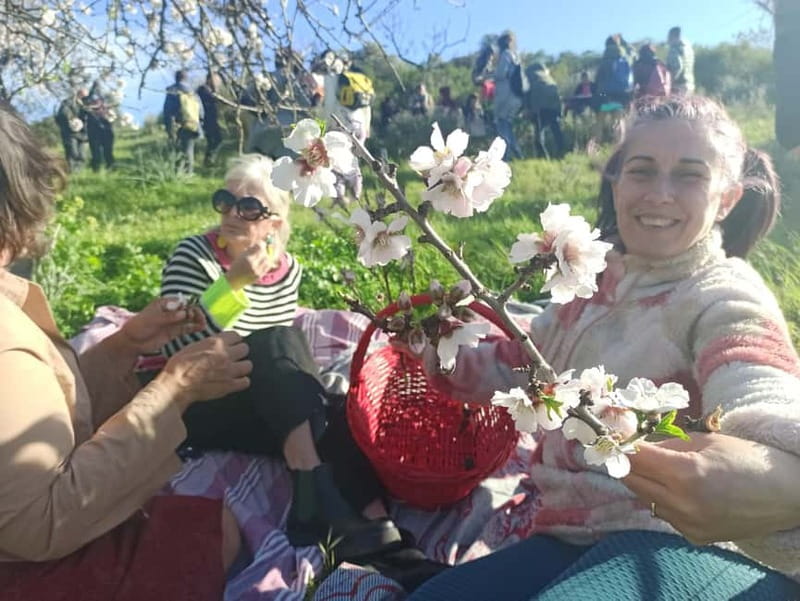
The outing ends with herbal tea and a homemade Sardinian merenda, a traditional snack. This closing moment is more than a refreshment break. It lets you connect the plants discussed during the walk with the simple pleasure of sitting down and sharing food.
The exact menu is not specified, so do not book this expecting a full lunch. The included food is a snack, and that is the right way to plan your day. One visitor was invited to stay for a larger meal made with produce from the property, but that was an extra gesture rather than part of the stated activity. You should not count on dinner being included.
You also take home a handmade bundle of wild lavender called a mazzetto. It is a modest souvenir, but a good one. It carries the scent of the countryside and gives you a physical reminder of what you learned. Unlike a generic shop purchase, it is tied directly to the plants and work at In Our Garden.
The tea, merenda, and lavender bundle also make the experience feel complete. You begin with a walk and end with something to taste and something to keep. That balance is one reason the activity feels more personal than a standard sightseeing excursion.
Getting there from Cagliari without a car
You do not need to rent a car for this outing. From the area in front of Cagliari train station, take bus line PF toward Terra Mala. The ride takes about 30 minutes, with additional stops along the coastal road.
Get off at bus stop number 475 on Via Leonardo da Vinci, near the junction with Via Lago di Varese in Marina Residenza. From there, In Our Garden is reached by a short drive of about five to ten minutes, and the hosts are happy to pick you up.
Allow extra time for finding the correct bus and stop. The transport instructions are useful, but the final pickup means you should stay in contact with the host and confirm the meeting details before setting out. This is still an easy car-free option, just not a completely walk-from-the-bus arrival.
If you have a rental car, the setting may be easier to reach by road, but no private vehicle is required. That is a real advantage for visitors staying in Cagliari without a car. It also fits the activity’s low-key, locally rooted character.
What $53 means for the value
At $53 per person, this is not the cheapest way to spend two hours in Sardinia. You are paying for a private-group setting, a local guide, access to a bio-agritourism property, instruction about plants and folk medicine, tea, merenda, and the lavender bundle.
The value depends on what you want from a holiday. If you measure value by the number of sights seen, this may feel expensive. You will not visit a museum, archaeological site, or string of famous viewpoints. If you value time with a local host, practical knowledge, and a closer look at rural Sardinia, the price makes more sense.
The private format is important. A large group can turn a plant walk into a lecture at the back of a crowd. Here, you can ask questions and keep the pace relaxed. For couples, families, or a small group of friends, that personal attention may justify the cost.
The included tea and snack are pleasant additions, but they are not the main reason to book. The main value is Ramona’s time and the chance to learn how Sardinian people have related to local plants. I would choose this for cultural depth, not for a meal.
Who will enjoy In Our Garden most
You are likely to enjoy this outing if you like:
- Nature walks with plenty of stopping and conversation
- Local food traditions and simple homemade snacks
- Folk medicine, plant uses, and handmade preparations
- Small private activities instead of busy group tours
- Slow travel and rural settings
- Experiences that connect the environment with everyday life
It is also a good fit if you have already seen Cagliari’s main sights and want a quieter half-day addition. The bus ride takes you beyond the city without demanding a full-day excursion.
You may want to skip it if you dislike plants, have little interest in traditional remedies, or want a physically demanding hike. The walk is gentle. Its pleasure comes from attention and conversation, not exertion.
Families may appreciate the hands-on parts, but the information is presented for people interested in herbal traditions and local culture. Since no specific child age guidance is provided, ask the host if you are planning to bring very young children.
Practical details worth knowing before you book
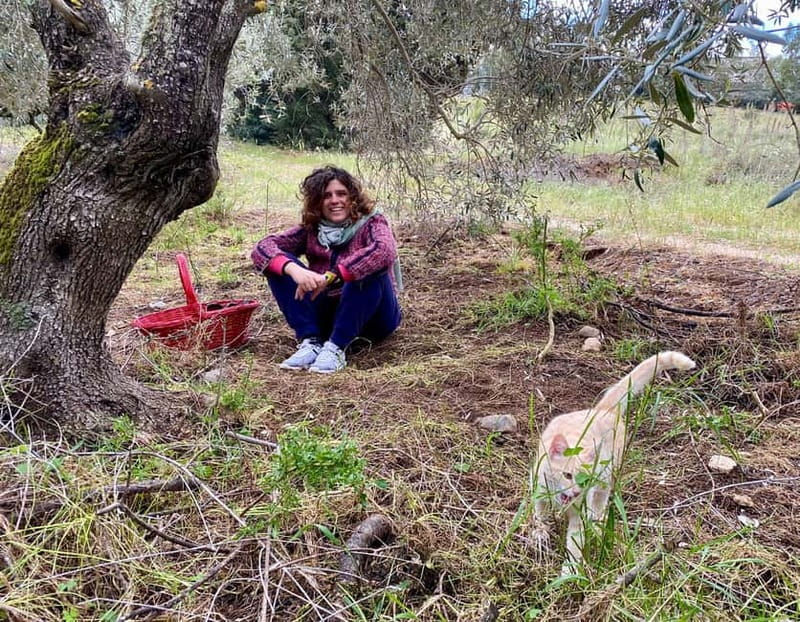
The activity is offered as a private group and lasts two hours. Starting times vary, so check availability before choosing your day. Summer mornings and late afternoons are the most comfortable choices.
The host or greeter can communicate in Italian, English, Spanish, French, or Portuguese. That broad language range makes it easier to discuss plant names and cultural details clearly, which matters in an activity based on careful identification.
Cancellation is free up to 24 hours before the start time, and you can reserve now and pay later. Those terms help if your Cagliari schedule depends on weather, buses, or changing plans.
Pack water and sun protection in summer. Wear shoes suited to an unhurried countryside walk. You should also eat according to the schedule: the included merenda is a snack, not a guaranteed full meal.
Should you book this Sardinian herb walk?
Book it if you want to slow down, meet Ramona, and learn how Sardinian plants fit into food, folk medicine, ritual, and daily life. The private setting, easy pace, herbal tea, and lavender mazzetto give the outing a warm sense of place.
I would especially recommend it to couples and small groups who have already enjoyed the beaches and want a more grounded view of South Sardinia. The $53 price is fair if you value personal guidance and cultural connection, but less compelling if you want major sights or a long hike.
For the best version of the day, take the bus in the morning or late afternoon during summer, confirm the pickup, and arrive ready to look closely. Sardinia’s countryside does not need a grand production to make an impression. Sometimes a plant, a story, and a cup of tea are enough.
FAQ
Where does the herb walk take place?
The activity takes place at In Our Garden, a bio-agritourism retreat in South Sardinia near Cagliari. The grounds include vineyards, almond trees, olive groves, and orange orchards.
How long does the activity last?
The walk and related activities last approximately two hours.
How much does the experience cost?
The listed price is $53 per person.
Is the activity private?
Yes. The experience is offered for a private group.
Who leads the walk?
Ramona leads the activity. She shares her knowledge of wild herbs, traditional Sardinian folk medicine, permaculture, slow living, and local culture.
What languages are available?
The host or greeter can communicate in Italian, English, Spanish, French, and Portuguese.
Can I reach In Our Garden by public transport?
Yes. Take bus line PF toward Terra Mala from near Cagliari train station. The journey takes about 30 minutes. Get off at stop number 475 on Via Leonardo da Vinci, then the host can pick you up for the final five to ten minute drive.
What is included in the experience?
You learn about spontaneous edible and medicinal plants, Sardinian healing traditions, infused oils, and smudge sticks. Herbal tea, homemade merenda, and a handmade wild-lavender mazzetto are also included.
Is this a difficult hike?
No. It is described as a gentle, unhurried nature walk lasting about two hours.
Can I cancel the booking?
You can cancel up to 24 hours in advance for a full refund. You can also reserve now and pay later.
Newly planted garden visits around Italy
- Paragliding flight over the Gardens of Ninfa★ 5.0 · 9 reviews
- Print on Lake Como silk & paperXylography + Villa Melzi Gardens★ 5.0 · 2 reviews
- Isola Bella’s palace and gardens with a private local guide★ 5.0 · 6 reviews
- The Renaissance Gardens tour: Palazzo Farnese and more★ 5.0 · 5 reviews
- Private painting class on Lake Como shores Bellagio★ 5.0 · 13 reviews
- Private Clay sculpture class + Villa Melzi Gardens★ 5.0 · 2 reviews
- The place of dreams: the Tarot Garden w/Wine tasting★ 4.0 · 7 reviews
- Timed Entry Ticket to the Boboli Gardens★ 3.5 · 50 reviews
Italy Garden Tours, bed by bed.

Florence: Reserved Entry Ticket to the Boboli Gardens
Read our review →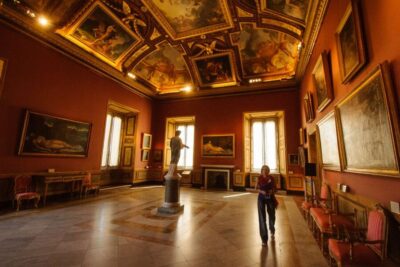
Rome: Borghese Gallery and Gardens Guided Small-Group Tour
Read our review →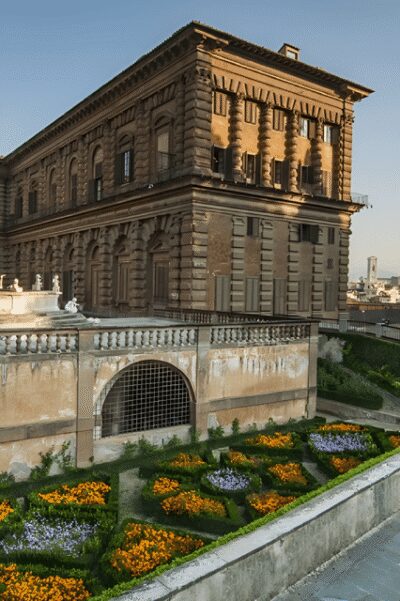
Florence: Pitti Palace and Boboli Gardens Ticket & eBook
Read our review →
Caserta Royal Palace & Gardens Small Group Tour with Shuttle
Read our review →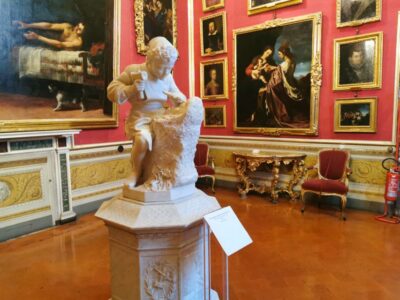
Florence: Pitti Palace, Boboli Garden, Palatine Gallery Tour
Read our review →
Tremezzina: Villa Carlotta Museum and Garden Entry Ticket
Read our review →
Sorrento: Lemon Garden Tour with Marmalade Tasting
Read our review →
Vatican: Vatican Gardens with Bus Tour & Vatican Museums
Read our review →Lists this garden visit belongs to