
Review · ITALY
CASA NEPETA: Botanical Walk, Amari Production, and Tasting
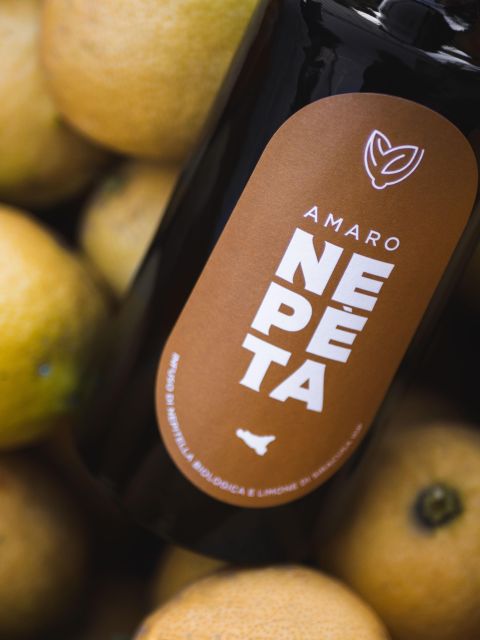
Casa Nepeta turns a small Sicilian liquor factory into a hands-on afternoon of plants, craft, and good drinks. You’ll walk through the herb garden in Testa dell’Acqua, meet the plants behind Nepèta, Majora, and Timous, then see how the amari are made. The botanical walk and the final cocktail tasting are the two best reasons to come.
I like the direct link between field and bottle, and I like that Nicole shares the company’s story with real feeling rather than giving you a dry factory lecture. The main drawback is simple: transport is not included, so you need your own way to Testa dell’Acqua. Two hours also gives you a taste of the work, not a long technical course in distilling.
Key points at a glance
- Meet the plants behind the bottles: Handle and smell nepitella, marjoram, and wild thyme in the herb field.
- Three distinctive amari: Learn how Nepèta, Majora, and the sugar-free Timous are connected to local plants.
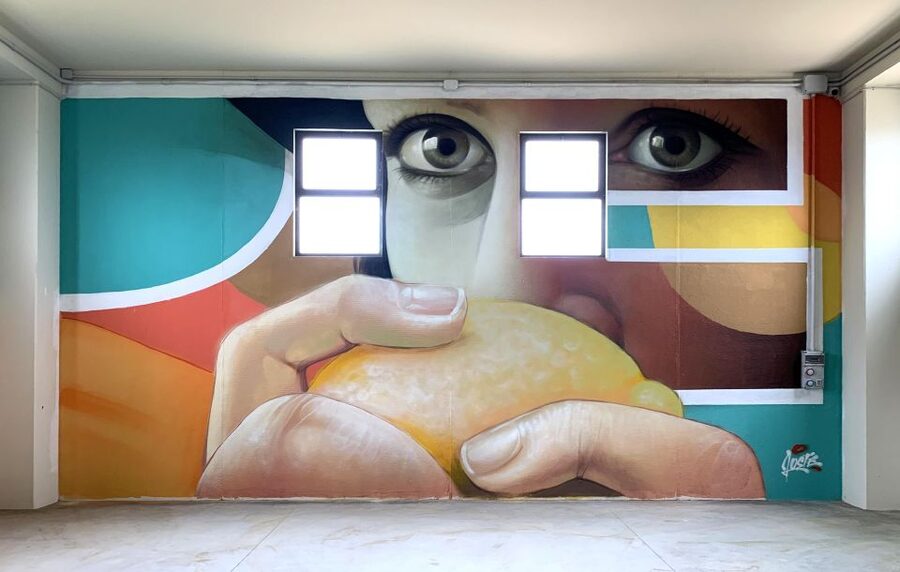
- A factory with personality: The interior walls carry a mural by street artist Loste.
- A relaxed final tasting: Try the liquors neat, on ice, or in botanical cocktails.
- A personal host: Nicole leads the experience in Italian, English, or Spanish.
- A short, focused visit: The two-hour format suits a half-day stop, but you must arrange transportation yourself.
Starting among Sicily’s Iblean herbs
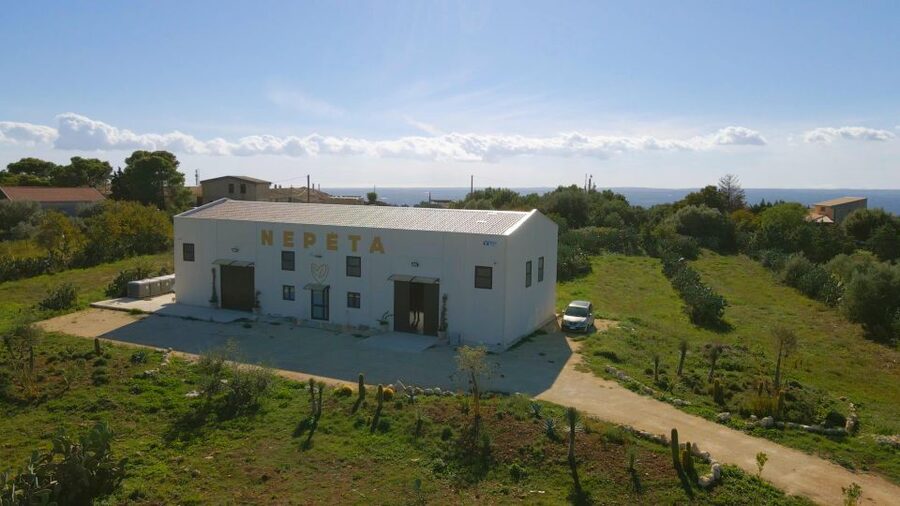
The experience begins outside the Casa Nepeta liquor factory in Testa dell’Acqua, a useful setting for understanding the drinks before you taste them. Instead of meeting a finished bottle first, you start with the raw materials growing in the field.
This matters because herbal liqueurs can seem mysterious when you only encounter them in a glass. Here, you can connect the scent and shape of a plant with the flavor it gives the finished amaro. You’ll walk among aromatic herbs typical of the Iblean territory, then collect, smell, and learn about the plants used in production.
The walk focuses on three plants in particular. Nepitella is used for Nepèta, marjoram gives its character to Majora, and wild thyme is used for Timous, a sugar-free amaro. These names give the tasting a clear structure. You are not simply sampling several anonymous spirits. You are learning what makes each one different.
Bring comfortable walking shoes and clothing suited to the weather. The walk takes place outdoors, and a water bottle is a sensible addition, especially in Sicily’s warmer months. A camera is welcome too, since the setting and the factory mural provide more visual interest than a standard tasting room.
More Botanical Gardens in Italy
- From Florence: Fiesole and Botanical Garden Golf Cart Tour
★ 5.0 · 78 reviews - Palermo: Botanical Garden Entry Ticket and Palermo Audio App
★ 4.3 · 24 reviews - Ventimiglia: check out the Hanbury Botanical Gardens
★ 4.4 · 12 reviews
What the plants add to the experience
The botanical part is more than a quick stroll past garden beds. You get a chance to handle the herbs and notice their aromas before the alcohol changes how you perceive them. That small physical connection helps you pay attention during the tasting later.
You’ll also hear about the properties of the plants. The supplied details do not promise a formal botany lesson, so I would treat this as an introduction rather than a scientific class. Still, it adds useful context. The herbs are not decorative extras placed beside the factory. They are part of the company’s approach to making local, plant-led drinks.
I especially like this part for anyone who enjoys food and drink with a sense of place. The experience shows how a product can reflect its surroundings without turning the visit into a broad lecture about all of Sicily. The focus stays narrow and practical: these plants, these bottles, this factory.
The walk may be less appealing if you want a purely indoor tasting or detailed production statistics. The activity is designed around discovery through scent and touch, with the technical explanation coming after the garden visit.
Three bottles with three different plant stories
Inside the factory, the guide explains how the herbs become bitters and liquors. The information provided does not specify every stage, such as exact steeping times, recipes, or equipment, so you should expect a general production tour rather than a full industrial manual.
That is likely the right level for a two-hour experience. You get enough information to understand the path from aromatic plant to amaro, without spending the entire visit on machinery. The factory visit also gives you a look at the working side of the business, which is more useful than tasting bottles in a room with no connection to production.
Nepèta is tied to nepitella, Majora to marjoram, and Timous to wild thyme. Timous is specifically sugar-free, an important detail if you are comparing the bottles or watching your sugar intake. You can ask the host about the differences as you taste, though the activity details do not list exact ingredients or dietary specifications beyond Timous being sugar-free.
The approach is refreshingly simple. One of the strongest points in the feedback is appreciation for amari that do not rely on an unnecessary mix of too many herbs. That is useful guidance if you prefer clean, distinct flavors over complicated formulas. The tasting is meant to help you notice the main plant character, not lose it under a crowded recipe.
Loste’s mural gives the factory a local character
The factory interior has a mural painted across its internal walls by the street artist Loste. This is not just a plain production room with bottles lined up on shelves. The artwork gives the visit a strong visual element and makes the factory feel connected to Sicily’s contemporary art scene.
Loste is also associated with the Falcone and Borsellino mural in Palermo, a detail that adds context to the artist’s reputation. You do not need to know street art to enjoy this part, but it gives you something specific to look at while the production story unfolds.
The mural also changes the mood of the visit. A factory tour can sometimes feel functional and clinical. Here, the art creates a more informal setting, suited to the personal style of a small producer. Bring your camera, but remember that the main purpose of the stop remains the production explanation and tasting.
Same season, a different set of beds:
- Florence: Reserved Entry Ticket to the Boboli Gardens
★ 4.4 · 5,275 reviews - Rome: Borghese Gallery and Gardens Guided Small-Group Tour
★ 4.6 · 2,783 reviews - Rome: Borghese Gallery & Gardens Small Group Guided Tour
★ 4.5 · 2,190 reviews - Rome: Bioparco di Roma Zoological Garden Entry Ticket
★ 4.6 · 1,414 reviews
The tasting: neat, chilled, or mixed
The final tasting lets you try the liquors neat, on ice, or in botanical cocktails. This is a smart format because each serving shows a different side of the drink.
Neat pours let you focus on the aroma and finish. Ice softens and cools the drink, which may suit you if you find straight amaro too intense. A botanical cocktail shows how the liqueurs work with other flavors and gives the tasting a more social, easygoing finish.
The cocktails are a major part of the appeal. You are not restricted to a tiny sample of each liquor with no way to understand how people might actually drink it. The cocktail gives you a practical use for the amaro, while the neat and iced options let you compare it more carefully.
Food is also associated with the final part of the visit in the available feedback, but the official inclusions list does not specify a meal or menu. Do not book this as lunch. The price includes the tasting and botanical cocktails, while meals and additional beverages are not included.
If you do not usually drink bitters or amari, the cocktail option makes this experience more approachable. If you already enjoy herbal spirits, start with the neat tasting so you can compare the bottles before the mixer changes their character.
How Nicole shapes the visit
Nicole is the named host connected with the experience, and the available feedback describes the hosting as warm, honest, and passionate. That fits the small-producer setting. You are not being moved through a large commercial attraction with a scripted sales pitch.
A good host matters here because the subject can otherwise become technical. The plants have unfamiliar names, and the production process may not mean much until you understand how each herb connects to a bottle. Nicole’s role is to keep the story grounded in the company, the garden, and the drinks.
The experience is offered in Italian, English, or Spanish. That makes it practical for many visitors, though the supplied information does not give a precise language schedule or group size. Check availability for your preferred language when booking.
The two-hour length should suit you if you want one focused activity rather than an all-day excursion. It leaves room for a botanical walk, factory explanation, mural viewing, and tasting without demanding a full day. At the same time, you should not expect a long visit to every cultural attraction in Testa dell’Acqua.
Is $58 a fair price?
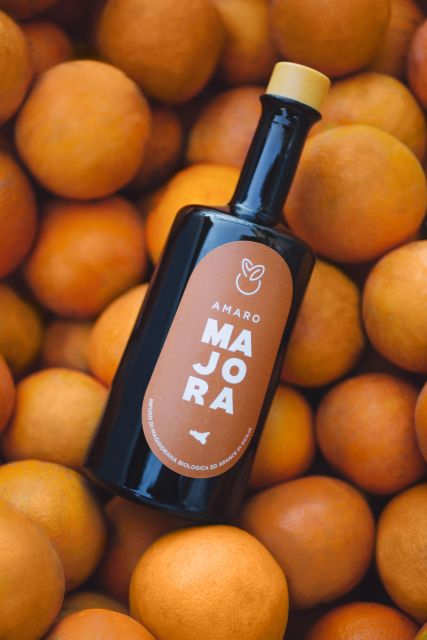
At $58 per person, this is not the cheapest way to have a drink in Sicily. The value depends on whether you want a guided experience around the drink, rather than simply a bottle or bar pour.
The price covers a guided botanical walk, the production tour, and a tasting of bitters and botanical cocktails. You also get the chance to collect and smell the herbs, learn about their properties, and see the Loste mural. Taken together, that is a well-defined two-hour activity with several parts, not only a sample flight.
I consider the price reasonable for visitors who enjoy small-scale food and drink producers. You are paying for access to the growing area, the factory story, and the guided interpretation. The experience also gives you a better basis for deciding which amaro you actually like before buying or ordering one later.
The value is weaker if you are already planning to spend only a few minutes in the area or if you mainly want a full meal. Transportation is not included, and neither are extra drinks, meals, the MAT Museum in Testa dell’Acqua, truffle hunting, or botanical paintings. Those exclusions matter because they prevent confusion about what the $58 covers.
Who will enjoy Casa Nepeta most?
I would recommend this to you if you like regional food traditions, herbal drinks, small producers, or art with a local connection. It also works well for couples and small groups looking for something quieter than a major sightseeing stop.
You do not need to be an amaro expert. The progression from field to factory to glass gives beginners a clear way into the subject. The botanical cocktail is especially useful if straight bitters sound too strong.
It may be less suitable if you dislike walking outdoors, avoid alcohol, or want a large museum-style attraction. The activity centers on plants and liquor, so anyone booking it should be comfortable with both. The available information says the site is wheelchair accessible, but you should still confirm the practical details of the outdoor route if mobility access is important to you.
This is also a good choice for visitors who value a personal account of how a business developed. The company story is part of the tour, and the warm hosting is one of its strongest qualities. You get a sense of the people behind the bottles, not just the products.
Planning your two hours in Testa dell’Acqua
Plan to arrive with transportation already arranged. Getting to and from the activity is not included, and no transfer service is listed. The experience takes place in Testa dell’Acqua, so allow enough time to reach the factory without cutting the two-hour visit close.
Wear comfortable shoes and weather-appropriate clothing. Even though part of the visit happens indoors, the botanical walk is central to the experience. Carry water, bring a camera, and be ready to spend time outside before the tasting.
The activity offers free cancellation up to 24 hours in advance, and you can reserve now and pay later. Starting times depend on availability, so check the schedule before building the rest of your day around it.
Do not assume the visit includes nearby extras. Truffle hunting, a visit to the MAT Museum, and botanical paintings are specifically outside this activity. Those could be separate plans, but they are not part of the two-hour Casa Nepeta visit.
Should you book this amaro experience?
Book it if you want a personal, grounded look at Sicilian botanical drinks. The strongest reasons are the herb field, the clear connection between plants and bottles, Nicole’s friendly hosting, Loste’s mural, and the final cocktail tasting.
Skip it if you are seeking a broad tour of Testa dell’Acqua, a full meal, or a long technical lesson about liquor production. You will need your own transportation, and the visit is deliberately focused.
For most food-minded visitors, $58 is a fair price for two hours of guided access and tasting. I would book Casa Nepeta as a focused stop in a wider Sicilian itinerary, especially if you enjoy trying products that are made close to where their ingredients grow.
FAQ
Where does the Casa Nepeta experience take place?
The experience takes place at a liquor factory in Testa dell’Acqua, Sicily.
How long does the activity last?
The activity lasts two hours.
What is included in the price?
The price includes a guided botanical walk, a tour of the amari production process, a tasting of bitters and botanical cocktails, and the opportunity to collect and learn about aromatic herbs.
How much does the experience cost?
The listed price is $58 per person.
Which plants will I learn about?
You will learn about nepitella, marjoram, and wild thyme, all used in Casa Nepeta’s amari production.
Which liquors are connected with these plants?
Nepèta is made with nepitella, Majora is made with marjoram, and Timous is made with wild thyme. Timous is a sugar-free amaro.
How can I taste the liquors?
You can taste the liquors neat, on ice, or in botanical cocktails.
Is transportation included?
No. Transportation to and from the activity location is not included.
What languages are available?
The host or greeter can provide the experience in Italian, English, or Spanish.
Is the activity wheelchair accessible?
Yes, the activity is listed as wheelchair accessible. You may still want to confirm the practical details of the botanical walking area before booking.
What should I bring?
Bring comfortable walking shoes, weather-appropriate clothing, a camera, and a water bottle.
Can I cancel the booking?
Yes. You can cancel up to 24 hours in advance for a full refund. You can also reserve now and pay later.
Newly planted garden visits around Italy
- Paragliding flight over the Gardens of Ninfa★ 5.0 · 9 reviews
- Print on Lake Como silk & paperXylography + Villa Melzi Gardens★ 5.0 · 2 reviews
- Isola Bella’s palace and gardens with a private local guide★ 5.0 · 6 reviews
- The Renaissance Gardens tour: Palazzo Farnese and more★ 5.0 · 5 reviews
- Private painting class on Lake Como shores Bellagio★ 5.0 · 13 reviews
- Private Clay sculpture class + Villa Melzi Gardens★ 5.0 · 2 reviews
- The place of dreams: the Tarot Garden w/Wine tasting★ 4.0 · 7 reviews
- Timed Entry Ticket to the Boboli Gardens★ 3.5 · 50 reviews
Botanical Gardens, bed by bed.

Blanes: Marimurtra Botanical Garden Entry Ticket
Read our review →
Malta: Mdina, Dingli Cliffs and San Anton Botanical Gardens
Read our review →
Princeville Botanical Gardens Tour and Chocolate Tasting Ticket
Read our review →
Icod de los Vinos: Dragon Tree & Botanical Garden Ticket
Read our review →
Maleny Botanic Gardens Bird Aviary Experience Ticket
Read our review →
Big Island Waterfalls Tour with Swimming and Botanical Garden
Read our review →
Lists this garden visit belongs to