
Review · ITALY
Join us for a Sicilian cooking class in a professional kitchen on Etna, using fresh ingredients from our organic garden
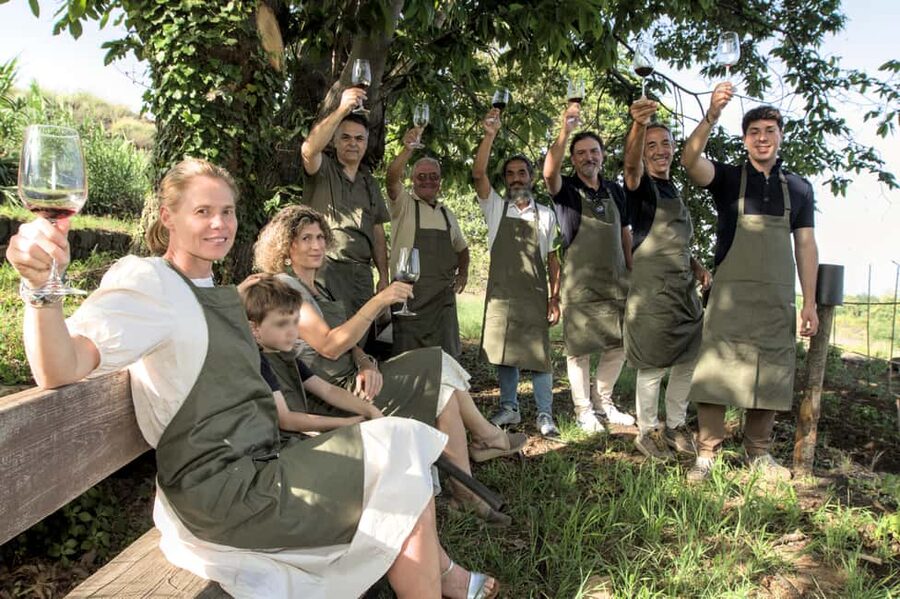
At the foot of Mount Etna, this cooking class turns a garden harvest into a plate of Sicilian pasta. You’ll work in a small professional kitchen, make fresh pasta, and sit down to eat with a glass of Favazza wine. The food is simple, local, and tied to the season.
I like the organic garden connection, since you are not just cooking from a shopping list. I also like the small limit of eight people, which gives the chef room to guide the group. The main catch is timing: although the experience is sold as a two-hour class, some sessions have finished in about 90 minutes, with only the pasta made fully by participants.
Key points
- Fresh ingredients from the Etna garden: Seasonal vegetables and herbs provide the raw material for the meal.
- Pasta alla Norma: The class centers on a classic Sicilian pasta dish, with fresh pasta made by hand.
- A small professional kitchen: The group is limited to eight people, so the setting should feel more personal than a large demonstration.
- A short, hands-on format: You make the pasta, while parts of the sauce may already be prepared or handled mainly by the chef.
- Lunch with Favazza wine: The dish you prepare is served at the end with wine from the winery.
- Useful take-home materials: You receive an apron, dishcloth, pencil, notebook, and handouts.
Cooking from Favazza’s Etna garden
The special feature here is not fancy technique. It is the link between the garden, the kitchen, and the table.
You begin at Favazza Etna Winery on Via Fossapoliti Formazzo 46 in Sant’Alfio. From there, the group takes a short walk through the organic garden to collect ingredients. The garden visit is modest, but it gives the class a clear sense of place. You see the vegetables and herbs before they become lunch, rather than meeting them as anonymous ingredients in a bowl.
That seasonal approach matters in Sicily. A dish such as Pasta alla Norma depends on a few basic ingredients, so freshness makes a real difference. The class also introduces the provider’s zero-waste approach, showing you how to use as much of each ingredient as possible. The available details do not spell out every technique, so do not expect a full lesson in Sicilian food preservation or a long workshop on garden cultivation. Think of the garden as the starting point for the meal.
The setting at the winery adds a food-and-wine element without turning the class into a formal tasting. You are there to cook first, then eat what you have prepared with Favazza wine. If you want an activity that connects food to the local area, this is more meaningful than a generic pasta lesson held in a city kitchen.
Cooking classes with a garden harvest around Italy:
- Shared Cooking Class with Fresh Garden Ingredients in Sorrento
★ 5.0 · 194 reviews - Cooking Class in a Typical Sorrento Garden
★ 5.0 · 100 reviews - Cooking Class with garden visit
★ 5.0 · 57 reviews
What you actually cook in two hours
The class focuses on fresh pasta and a typical Sicilian preparation, specifically Pasta alla Norma. You will get your hands into the dough, work through the pasta-making process, and help bring the dish together.
Making pasta is the most active part of the class. You should expect instruction from the chef, followed by practical work at the counter. The supplied materials include a handout, apron, dishcloth, pencil, and notebook, so you can make notes while you work. That is useful if you want to repeat the recipe at home instead of treating the class as a one-off meal.
The sauce is a different matter. Some participants have found that the vegetables and other sauce components were already prepared, with the chef explaining the process and allowing each person to help with one step. This means the class is not a full start-to-finish cooking session for every component. You will cook, but the chef may take charge of the parts that require more time or coordination.
That division can work well for beginners. You are less likely to feel lost, and the chef can keep the meal moving in a compact kitchen. It can disappoint you if you want every person to chop, sauté, season, and finish a separate dish. At $94 per person, that distinction matters.
The zero-waste theme is another worthwhile detail. It suggests a practical lesson in using ingredients carefully, not just a recipe demonstration. Still, the experience does not promise several courses or a long series of techniques. It is best understood as one focused Sicilian dish, with fresh pasta as the main hands-on task.
The chef’s role in a small kitchen
The class is taught in Italian and English, and the chef stays alongside the group to explain the recipes and local flavors. No chef’s name is provided, so you should not book this expecting a particular named instructor.
A group cap of eight is a real advantage. A pasta lesson can become frustrating when a dozen or more people crowd around one work surface. With fewer participants, you have a better chance of receiving help with dough, seeing what the chef is doing, and asking questions without holding up the room.
The small group does not guarantee that every person will perform every task. The chef still has to control the pace, especially when the meal is prepared for the entire group. You may spend more time watching during the sauce portion than you do handling the ingredients yourself.
I would treat the chef’s role as part teacher and part kitchen manager. The goal is a successful shared lunch, not a private cooking lesson with individual stations. That makes the activity approachable, but it also explains why the hands-on time may feel shorter than the advertised duration.
Sitting down to Pasta alla Norma
At the end, the pasta is served as lunch and paired with Favazza wine. This is a pleasant finish because you eat the result while the method is still fresh in your mind.
Pasta alla Norma is a strong choice for this kind of class. It is recognizably Sicilian and lets local produce carry the dish. You are not spending two hours on an elaborate menu that hides the ingredients behind complicated sauces. The meal gives you a practical taste of the area and a recipe you can understand.
The wine is included, but the available information does not specify how much is served per person. One account describes a bottle shared among four people. If the wine is an important part of your decision, keep your expectations moderate. This is a cooking class with a wine pairing, not a dedicated winery tasting.
The shared meal also gives the activity a social finish. You eat with the other participants and the staff, which can be enjoyable in a small group. If you prefer to finish the recipe and leave immediately, the meal may make the experience feel longer, though the actual cooking can be brief.
More gardens worth a morning in Italy:
- Florence: Reserved Entry Ticket to the Boboli Gardens
★ 4.4 · 5,275 reviews - Rome: Borghese Gallery and Gardens Guided Small-Group Tour
★ 4.6 · 2,783 reviews - Rome: Borghese Gallery & Gardens Small Group Guided Tour
★ 4.5 · 2,190 reviews - Rome: Bioparco di Roma Zoological Garden Entry Ticket
★ 4.6 · 1,414 reviews
Is $94 fair for the experience?
The price is reasonable only if you value the setting, the garden ingredients, the small group, the instruction, the wine, and the lunch as one package. It is harder to justify if you are measuring the cost strictly by active cooking time.
At $94, you might expect more than one dish or a longer period at the work surface. That expectation is especially understandable because the activity is presented as lasting two hours, while some sessions have wrapped up in about 90 minutes and others have lasted close to two hours including the meal and conversation.
The strongest value comes from the complete setting. You are not paying only for a pasta recipe. You are paying for a class at an Etna winery, ingredients from an organic garden, an English or Italian-speaking chef, a prepared lunch, Favazza wine, and a small group. For someone who wants a local food experience in a calm setting, those parts add up.
The weaker value is the amount of cooking you personally do. You make the pasta, but the sauce may be mostly prepared or demonstrated. I would book this at $94 if the garden-to-table setting matters to you and you are happy with one main dish. I would skip it if your priority is a long, intensive workshop with several recipes.
Timing, meeting point, and practical details
The meeting point is Favazza Etna Winery, Via Fossapoliti Formazzo 46, 95010 Sant’Alfio CT, Italy. Check the address carefully before setting out. One participant accidentally went to a nearby house and lost about 30 minutes, so accurate navigation is important.
The advertised duration is two hours, with starting times that vary by availability. Because some sessions begin later than planned and finish early, leave a little flexibility around the booking. Do not build a tightly timed afternoon around the exact minute the class is supposed to end.
The activity is wheelchair accessible. Italian and English are available, and the group is limited to eight participants. You receive the basic working materials, so you do not need to bring an apron or notebook unless you prefer your own.
Cancellation is free up to 24 hours before the start time for a full refund. You can also reserve now and pay later, which helps if your Etna plans are still shifting. Those policies are useful, but the bigger practical issue is arriving at the correct winery with enough time to find the entrance.
Who will enjoy this class most?
I would recommend it to you if you enjoy food as a way to understand a place. The organic garden, seasonal ingredients, local pasta dish, and winery setting give the class a clear Sicilian identity.
It also suits beginners. You do not need to arrive with advanced cooking skills, and the chef handles the pace. The handouts and notebook make it easier to remember the recipe, while the small group should allow for some personal help.
Families and couples may like the relaxed format, provided everyone understands that this is one short class rather than a full-day culinary course. It also works well for people who want an activity near Etna that does not require strenuous walking. Most of the effort is in the kitchen, with only a short garden visit.
I would be more cautious if you are an experienced home cook looking for new methods. You may find the pasta-making worthwhile, but the limited sauce preparation and one-dish format could feel thin for the price. The same applies if you want a formal wine experience, since the included wine appears to accompany lunch rather than anchor the class.
The best reasons to book, and the reasons to pause
The kind staff, attractive setting, fresh garden produce, and flavorful finished dish are the experience’s strongest points. The hospitality can also soften small problems, such as arriving late or needing help to find the meeting place.
The biggest concern is the gap between expectation and delivery. A three-hour description would set one expectation, while the stated duration here is two hours. In practice, you should prepare for around 90 minutes to two hours, including the meal. You may enjoy every minute, but you should not assume you will prepare several dishes.
The experience works best when you see it as a compact Sicilian food encounter: collect ingredients, make pasta, help with a classic sauce, eat lunch, and share wine. It works less well as a serious cooking course.
Should you book the Favazza Etna cooking class?
Book it if you want a small, friendly garden-to-table activity with one classic Sicilian dish and wine at a winery near Etna. The fresh ingredients and personal setting give it more character than a standard pasta demonstration.
Pause before booking if $94 feels high for a short class or if you expect to prepare every part of a multi-course meal. Confirm the meeting address, allow extra time, and arrive expecting hands-on pasta work with some chef-led preparation. With those expectations, this can be a pleasant taste of Sicilian cooking rather than an overstuffed culinary course.
FAQ
Where does the cooking class take place?
The class takes place at Favazza Etna Winery, Via Fossapoliti Formazzo 46, 95010 Sant’Alfio CT, Italy.
How long does the experience last?
The stated duration is two hours. Starting times depend on availability, and some sessions have finished in about 90 minutes, including the meal.
What dish do you make?
You make fresh pasta and prepare Pasta alla Norma, a typical Sicilian pasta dish.
Is lunch included?
Yes. You eat the dish prepared during the class, and Favazza wine is included with lunch.
What language is the class offered in?
The instructor can teach in Italian or English.
How many people can join the class?
The activity is limited to eight participants.
Newly planted garden visits around Italy
- Paragliding flight over the Gardens of Ninfa★ 5.0 · 9 reviews
- Print on Lake Como silk & paperXylography + Villa Melzi Gardens★ 5.0 · 2 reviews
- Isola Bella’s palace and gardens with a private local guide★ 5.0 · 6 reviews
- The Renaissance Gardens tour: Palazzo Farnese and more★ 5.0 · 5 reviews
- Private painting class on Lake Como shores Bellagio★ 5.0 · 13 reviews
- Private Clay sculpture class + Villa Melzi Gardens★ 5.0 · 2 reviews
- The place of dreams: the Tarot Garden w/Wine tasting★ 4.0 · 7 reviews
- Timed Entry Ticket to the Boboli Gardens★ 3.5 · 50 reviews
Italy Garden Tours, bed by bed.
Florence: Reserved Entry Ticket to the Boboli Gardens
Read our review →
Rome: Borghese Gallery and Gardens Guided Small-Group Tour
Read our review →
Florence: Pitti Palace and Boboli Gardens Ticket & eBook
Read our review →
Caserta Royal Palace & Gardens Small Group Tour with Shuttle
Read our review →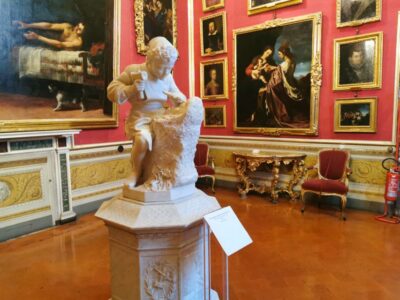
Florence: Pitti Palace, Boboli Garden, Palatine Gallery Tour
Read our review →
Tremezzina: Villa Carlotta Museum and Garden Entry Ticket
Read our review →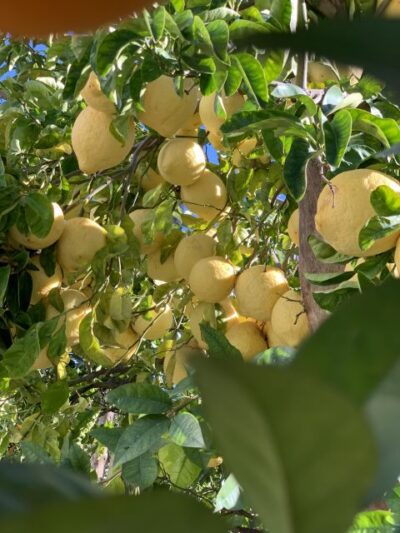
Sorrento: Lemon Garden Tour with Marmalade Tasting
Read our review →
Vatican: Vatican Gardens with Bus Tour & Vatican Museums
Read our review →Lists this garden visit belongs to