
Review · SORRENTO
Sorrento: Walking Tour in Lemon Garden w/ Food Tasting
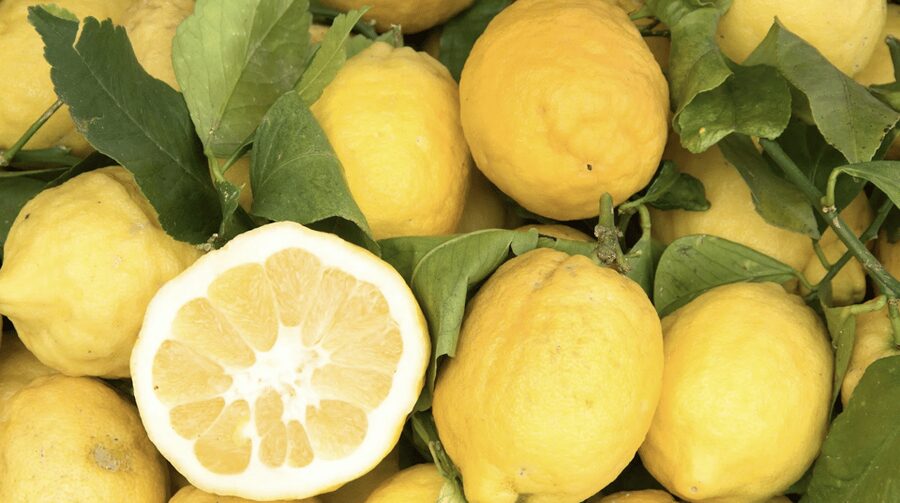
Sorrento’s lemon groves are not just pretty scenery here. They are part of a working, four-generation family farm, where lemons, olives, grapes, cheese, preserves, and liqueurs all connect to daily life. You walk the gardens, see the old olive mill, watch mozzarella being made, then sit down to eat what the family produces.
I like two things especially: the small-scale family welcome, often led by Christian, Lisa, or Miriam, and the generous farm lunch served with wine and homemade products. The views over Sorrento and the Gulf of Naples are another fine reason to go. The main consideration is that the tasting can feel more like a light lunch and cheese demonstration than a focused lemon-and-olive tasting, and the paths may be muddy.
Key points at a glance
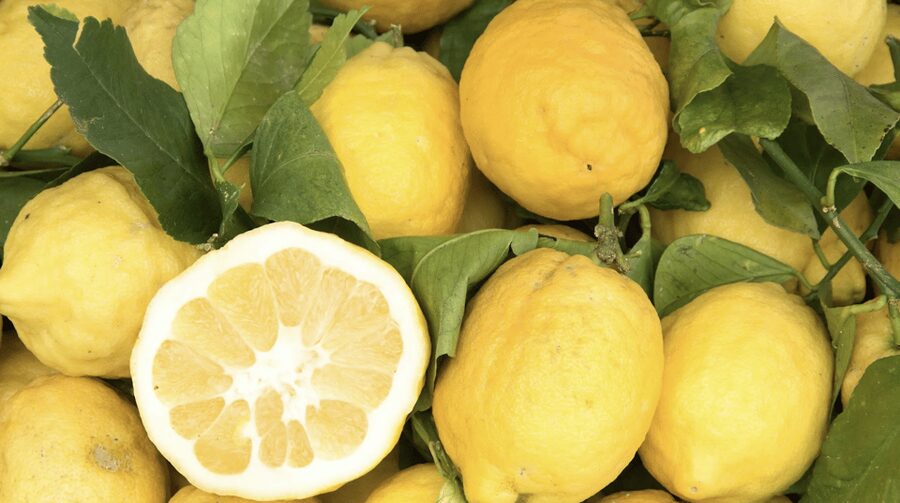
- A real working farm: See lemon trees, olive trees, grapevines, and the old stone olive mill on the Sorrento Hills.
- Mozzarella made before you: A family member, often Rosa, demonstrates the final stages of shaping fresh cheese.
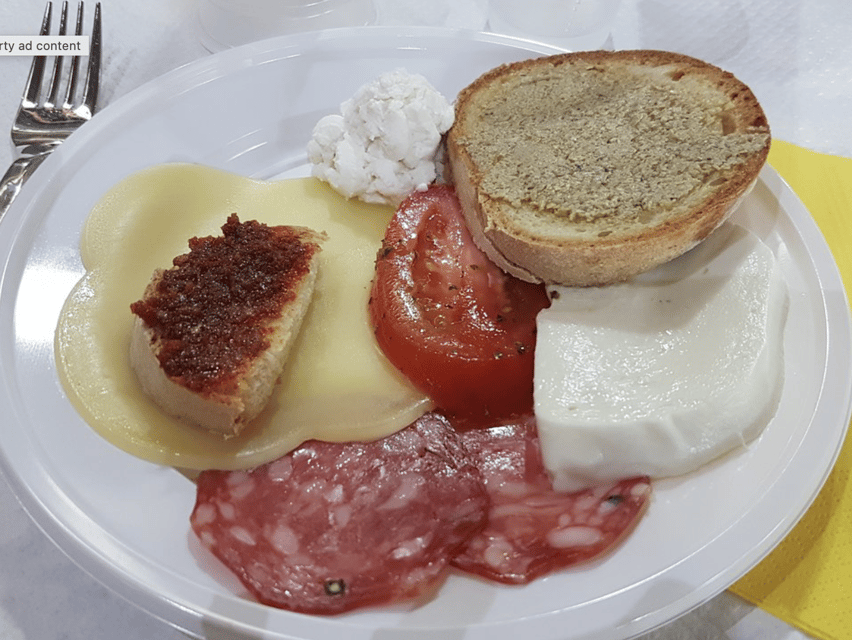
- More than a sample plate: Expect cheeses, tomatoes, bread, bruschetta, spreads, wine, and other farm products.
- Several kinds of limoncello: The final tasting may include lemon, orange, fennel, and liquorice liqueurs.
- Pickup from Vallone dei Mulini: The farm is about five minutes by car from central Sorrento, but you can also drive or take a scooter.
- A few practical cautions: Wear sturdy shoes, and tell the farm about dietary needs before you go.
A family farm above Sorrento, not a staged garden
This experience begins at Vallone dei Mulini, next to Hotel Plaza, where the family collects you for the short drive uphill. If you have a car or scooter, you can meet at the farm instead. The property is close to Sorrento, yet the setting quickly feels quieter and more rural.
That change is the point. You are not walking through a decorative lemon garden built only for visitors. You are visiting a farm that still produces food for its own table, its shop, and its restaurant operation. The family explains how it cares for the trees and how several generations have kept the property going.
The exact route can vary. The advertised walk lasts about 80 minutes within a total experience of roughly 90 minutes, but some small private groups have spent closer to two hours. Group size also varies. Couples have sometimes had a private visit, while larger family groups can be accommodated.
I would choose this tour if you want to understand how Sorrento’s famous products are made. If you only want a quick limoncello sample and a few photographs among lemon trees, this may feel slower and more food-focused than expected.
More gardens worth a morning in Italy:
- Florence: Reserved Entry Ticket to the Boboli Gardens
★ 4.4 · 5,275 reviews - Rome: Borghese Gallery and Gardens Guided Small-Group Tour
★ 4.6 · 2,783 reviews - Rome: Borghese Gallery & Gardens Small Group Guided Tour
★ 4.5 · 2,190 reviews
Walking the lemon gardens and olive grove
The garden walk introduces the crops that shape the family business. You see lemon trees, olive trees, grapevines, and other fruit trees, with the guide explaining how the family works the land. One useful piece of background is that the farm once focused on oranges before becoming better known for lemons and olive oil.
The family connection to the land is part of the tour. The property’s story includes links to the local church, and the guides explain how farming traditions have passed from one generation to the next. This gives the walk more substance than a simple list of plants.
The century-old olive grove is the setting for the olive oil discussion. You learn about cold-pressed extra-virgin olive oil and the stages involved in production. An authentic olive mill is also part of the visit, giving you a physical sense of the work behind the bottle.
Do not expect a large industrial production facility or a technical laboratory tour. This is a family farm, and the appeal is seeing production in its local setting. The explanation is conversational, with time for questions. Christian has been praised for his storytelling and pride in the property, while Lisa and Miriam bring a warm, hands-on approach to the garden walk.
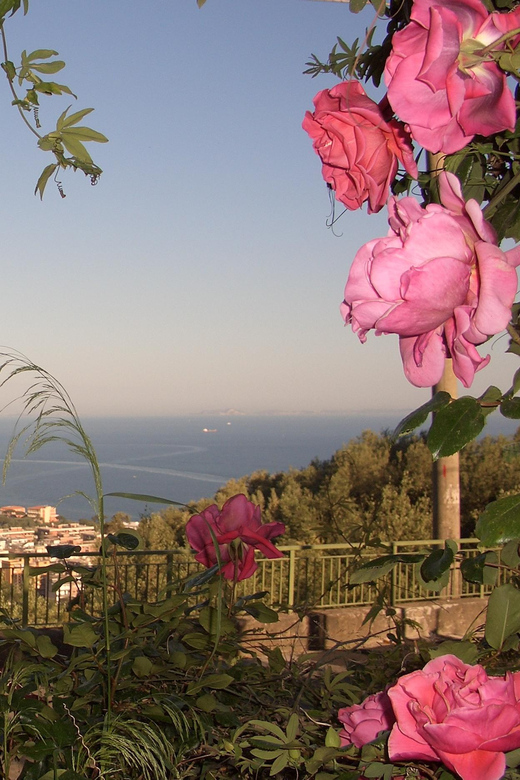
The views are one of the tour’s best extras. From the hillside farm, you can look across Sorrento and toward the Gulf of Naples. The combination of trees, old farm buildings, and open views makes the food taste better, or at least gives lunch a fine setting.
Wear comfortable shoes. The paths can be uneven and muddy, especially after rain. This is a farm walk, not a paved promenade.
The mozzarella demonstration with Rosa and the family
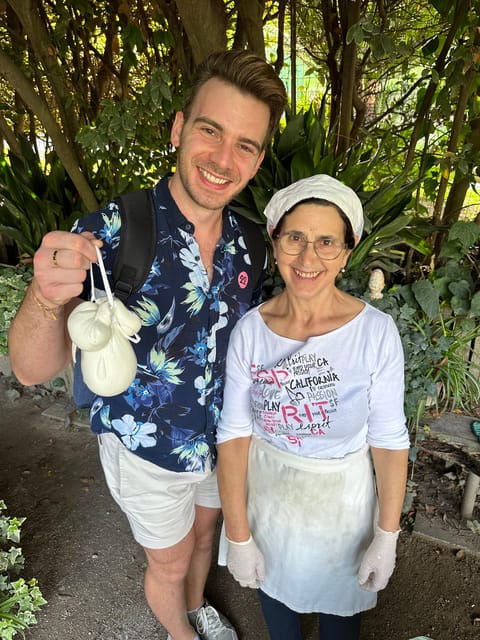
The cheese demonstration is often the most memorable part of the visit. A family member, frequently Rosa, shows how mozzarella is shaped and finished by hand. You get to see the hot cheese being stretched, tossed, wrapped, and formed into its final shape.
This is a short demonstration rather than a full cheesemaking course. You will not leave with a professional certificate or spend the morning making several batches yourself. Still, it adds a useful human detail to the tasting. You are not just eating mozzarella from a plate. You have seen the hands and technique behind it.
The family presentation helps. Rosa is described as lively and entertaining, and the demonstration often includes several types of cheese. In some visits, the cheese served at lunch is the same product made during the demonstration.
For many people, this is more interesting than a formal olive oil lecture. It also explains why the tasting feels like a meal rather than a row of tiny samples. The farm wants you to eat its food in the way the family eats it.
The farm lunch is more substantial than the title suggests

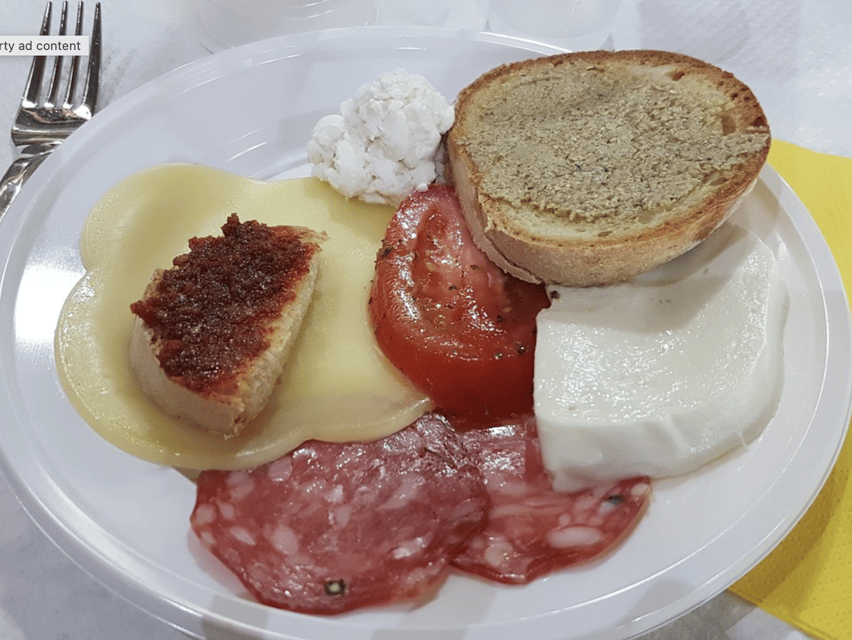
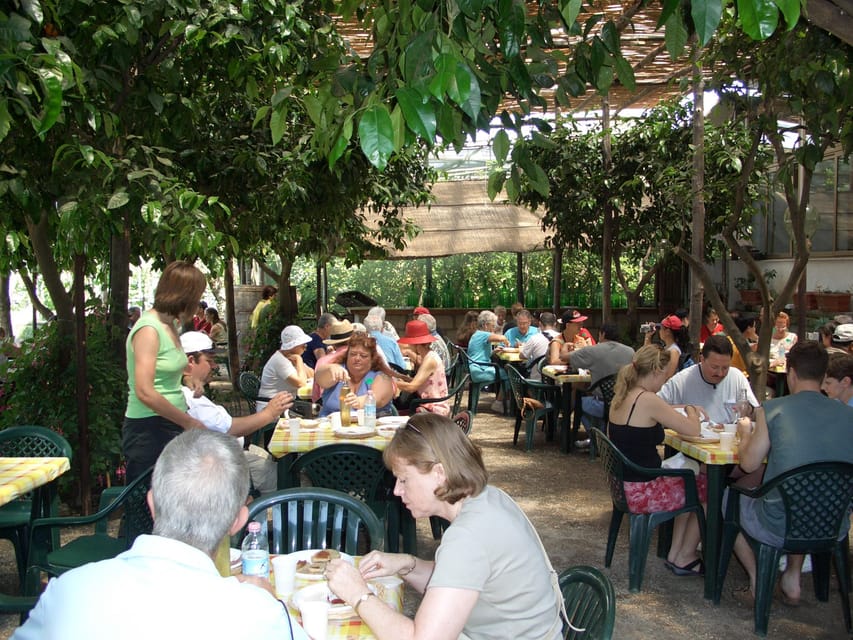
The experience is called a food tasting, but you should plan for a generous light meal. The included plate features selected farm cheeses, tomatoes, bread, bruschetta, and other delicatessen items. Wine and water are included.
Depending on the day and the size of your group, you might also find spreads, tapenade, homemade dishes, lemon cake, or other products from the property. The food is served at a table, often with a view over Sorrento, rather than handed over in small tasting cups.
That distinction matters when judging the $81 price. You are paying for transport from the meeting point, an English-speaking guide, the garden and olive mill visit, a cheese demonstration, a sit-down meal, wine, and several tastings. It is not the cheapest way to sample limoncello in Sorrento, but it offers far more context and food than a quick shop visit.
The meal can also serve as breakfast or lunch depending on your start time. One family group described it as a breakfast, while others received what felt like lunch. Avoid booking it directly before a large restaurant meal.
The setting is informal. The family serves food made from its own produce, and the atmosphere is closer to a welcoming farm table than a formal culinary school. That is a strength if you enjoy personal contact and local food. If you prefer precise measurements, structured instruction, or a polished tasting room, you may find it a little loose.
Same season, a different set of beds:
- Rome: Bioparco di Roma Zoological Garden Entry Ticket
★ 4.6 · 1,414 reviews - Florence: Pitti Palace and Boboli Gardens Ticket & eBook
★ 4.5 · 835 reviews - Caserta Royal Palace & Gardens Small Group Tour with Shuttle
★ 4.9 · 632 reviews - Florence: Pitti Palace, Boboli Garden, Palatine Gallery Tour
★ 4.9 · 558 reviews
Limoncello, marmalade, and olive oil at the finish
After the garden and food, you taste the products that Sorrento is famous for. Limoncello is central, but the family also makes other liqueurs. Depending on the day, you might sample orange, fennel, and liquorice versions alongside the classic lemon drink.
The variety makes this part more fun than a single sweet shot. You can compare the strong citrus aroma of limoncello with the herbal or darker flavors of the other liqueurs. The family also produces marmalades, including different fruit and flavored versions, plus infused olive oils and other preserved goods.
Bread is used with the oils and spreads, which makes the tasting practical. You can understand how the products work at the table instead of tasting them in isolation. The olive oil is presented as a farm product, with explanations of production and flavor.
One important detail: the contents of the tasting may not be identical every time. One visitor expected more olive and olive oil sampling and received mainly tapenade, while the limoncello and marmalade portions remained a highlight. If olive oil is your main reason for booking, ask what will be available on your date.
The farm shop follows the tasting. You can buy olive oil, limoncello, marmalade, soaps, lemon products, chili pepper marmalade, and other goods made by the family. The sales area is there, but the experience is not built around a hard sell. Buy something if you like it, not because you feel pressured.
What the guides add to the visit
The guide can shape the entire experience. Christian has led visits with a strong sense of family heritage and an easy way of answering questions. Lisa is often involved in the garden walk, olive oil explanation, and cheese presentation. Miriam has guided visitors through the farm’s story and products with a friendly, personal style.
You may also meet several members of the family during the visit. That is a major part of the appeal. An aunt may make the cheese, another relative may help with transport, and other family members may be preparing food or products nearby.
The English is intended for an English-speaking audience, and the guide explains the farm processes in clear, conversational terms. The tone is usually light rather than academic. You learn how the farm works without being buried under technical language.
This personal approach also means the experience is not perfectly uniform. A private couple’s tour can feel quite different from a larger family group. Timing, the guide, weather, and what is being made that day can change the balance between walking, demonstrations, and tasting.
Price, timing, and the practical details
At $81 per person, this is a mid-priced Sorrento food experience. I consider it good value if you will use the included pickup, enjoy a full farm meal, and want an introduction to several local products in one outing.
The price is less attractive if you mainly want a short walk through lemon trees. The tour lasts about an hour and a half, and a portion of that time is spent eating and tasting. That is exactly right for someone who wants a relaxed farm visit, but not for someone seeking a long agricultural hike.
Pickup and drop-off are provided at Vallone dei Mulini, next to the point visible by Hotel Plaza. The farm is about five minutes from central Sorrento by car. Custom pickup locations may be arranged for an extra fee, but the standard meeting point is simple and central.
You can also drive or take a scooter to the farm and park at the entrance. If you use the meeting point, be there on time. The family has been attentive about pickup calls and timing, but the short transfer still depends on everyone being ready.
Comfortable shoes are essential. Mud is possible, and the property includes garden paths rather than only smooth pavement. Bring an appetite, and let the farm know about dietary restrictions ahead of time. Gluten-free bread has been provided when requested, but one person with celiac needs found that not every part of the marmalade and olive oil tasting was safe. Ask specific questions before eating.
The tour offers free cancellation up to 24 hours before the start time, and you can reserve now and pay later. Those terms are useful if your Sorrento plans depend on weather or a changing day trip schedule.
Who will enjoy this Sorrento farm visit
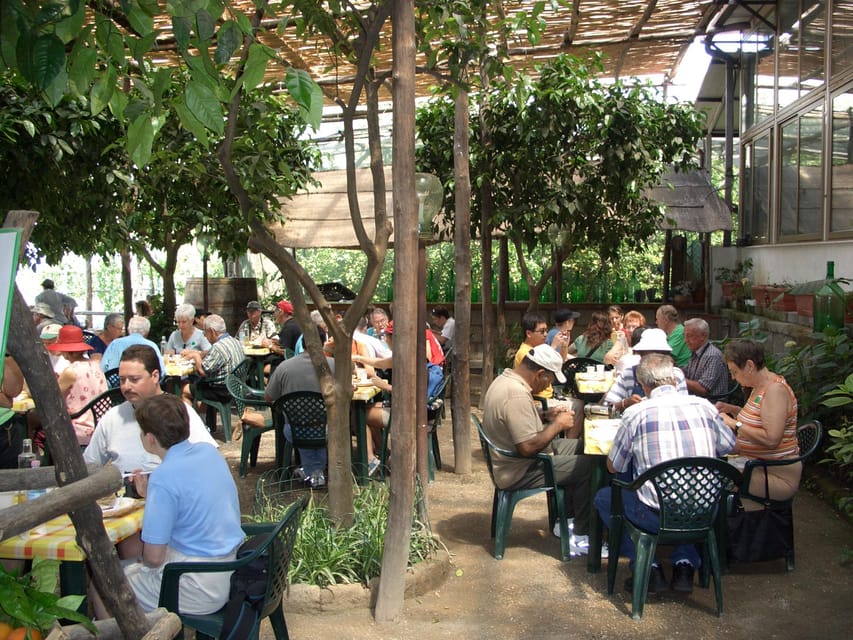
I would recommend this tour to couples, families, and small groups who want a personal introduction to Campania food. It suits you especially well if you enjoy hearing how a family business works and prefer a farm table to a polished tasting room.
It is also a good choice for a slower morning or afternoon between major sightseeing stops. The short ride from town saves you from arranging transport, and the food can replace a separate light meal.
Families with adults and older children should find the cheese demonstration and product tasting easy to enjoy. The experience is less suited to anyone who dislikes walking on muddy ground, has a very tight schedule, or wants a purely lemon-focused activity.
If you are comparing this with a city food tour, think about the setting. A Sorrento street tour gives you more restaurants, shops, and town history. This farm visit gives you trees, production methods, family stories, and a view. The best choice depends on whether you want to understand the source of the food or sample many finished dishes around town.
Should you book the lemon garden tour?
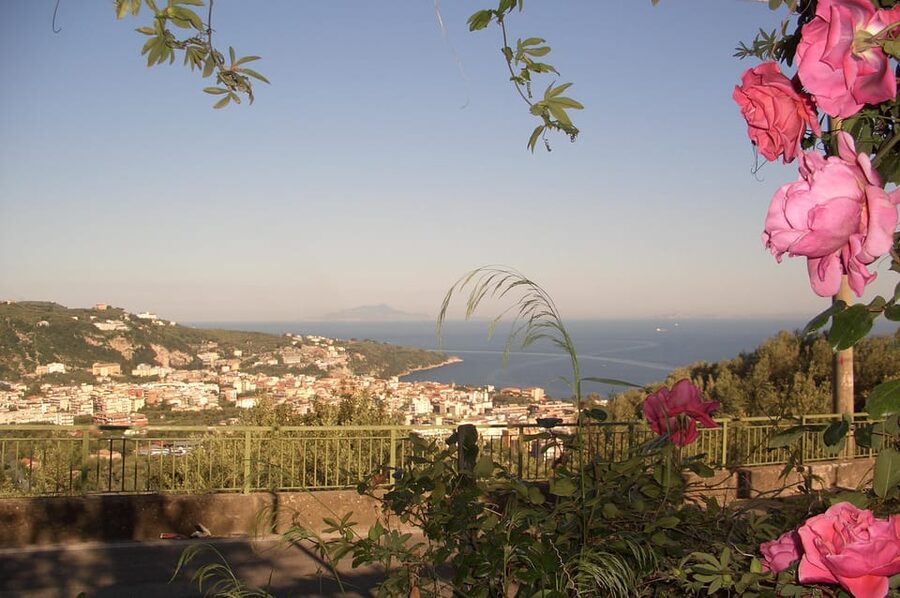
Book it if you want a warm family welcome, real farm products, and a generous tasting meal in the hills above Sorrento. The combination of lemon and olive groves, old mill, mozzarella making, several liqueurs, and Gulf views packs a lot into 90 minutes.
Go with realistic expectations. This is not a long countryside trek, and the olive oil portion may be less extensive than the title suggests on some days. Still, for most visitors, the personal contact and farm-to-table meal make the $81 worthwhile. Wear shoes that can handle mud, arrive hungry, and ask ahead about dietary needs and the exact tasting lineup.
FAQ
Where does the tour begin?
The standard meeting point is Vallone dei Mulini, next to the point you can identify near Hotel Plaza in Sorrento.
How long does the experience last?
The stated duration is 1.5 hours. The walking portion is listed as about 80 minutes, though some private visits have lasted closer to two hours.
Is transportation included?
Pickup and drop-off at the Vallone dei Mulini meeting point are included. Pickup from a custom location can be requested for an extra charge.
Can I drive to the farm?
Yes. You can arrive by car or scooter and park at the entrance of the farm. The property is about five minutes by car from Sorrento center.
What food is included?
The experience includes selected farm cheeses, tomatoes, bruschetta, bread, wine, and water. You also taste olive oil, marmalade, and limoncello.
Is mozzarella made during the tour?
Yes. A member of the family demonstrates mozzarella making, often including the shaping and finishing of several cheeses.
What language is the tour in?
The live guided tour is in English.
What should I wear or bring?
Bring comfortable shoes because the farm paths can be muddy. If you have dietary restrictions, contact the farm before the visit and ask which tasting items are suitable.
Newly planted garden visits around Italy
- Paragliding flight over the Gardens of Ninfa★ 5.0 · 9 reviews
- Print on Lake Como silk & paperXylography + Villa Melzi Gardens★ 5.0 · 2 reviews
- Isola Bella’s palace and gardens with a private local guide★ 5.0 · 6 reviews
- The Renaissance Gardens tour: Palazzo Farnese and more★ 5.0 · 5 reviews
- Private painting class on Lake Como shores Bellagio★ 5.0 · 13 reviews
- Private Clay sculpture class + Villa Melzi Gardens★ 5.0 · 2 reviews
- The place of dreams: the Tarot Garden w/Wine tasting★ 4.0 · 7 reviews
- Timed Entry Ticket to the Boboli Gardens★ 3.5 · 50 reviews
Italy Garden Tours, bed by bed.

Florence: Reserved Entry Ticket to the Boboli Gardens
Read our review →
Rome: Borghese Gallery and Gardens Guided Small-Group Tour
Read our review →
Florence: Pitti Palace and Boboli Gardens Ticket & eBook
Read our review →
Caserta Royal Palace & Gardens Small Group Tour with Shuttle
Read our review →
Florence: Pitti Palace, Boboli Garden, Palatine Gallery Tour
Read our review →
Tremezzina: Villa Carlotta Museum and Garden Entry Ticket
Read our review →
Sorrento: Lemon Garden Tour with Marmalade Tasting
Read our review →
Vatican: Vatican Gardens with Bus Tour & Vatican Museums
Read our review →Lists this garden visit belongs to