

Review · THE USA
San Antonio: Botanical Garden Admission Ticket
The San Antonio Botanical Garden gives you 38 acres of plants, quiet paths, and themed garden rooms in the middle of the city. It feels less like a quick photo stop and more like a place where you can set your own pace, learn about Texas plants, and take a proper break from traffic and concrete.
I like the care given to 35 rare and endangered plant species, and I like the mix of nature with art, architecture, music, and theater. The main drawback is simple: limited free parking, plus limited wheelchair accessibility. One recent visit also found the exhibits closed, so checking current conditions before you go is wise.
Key points to know before you go
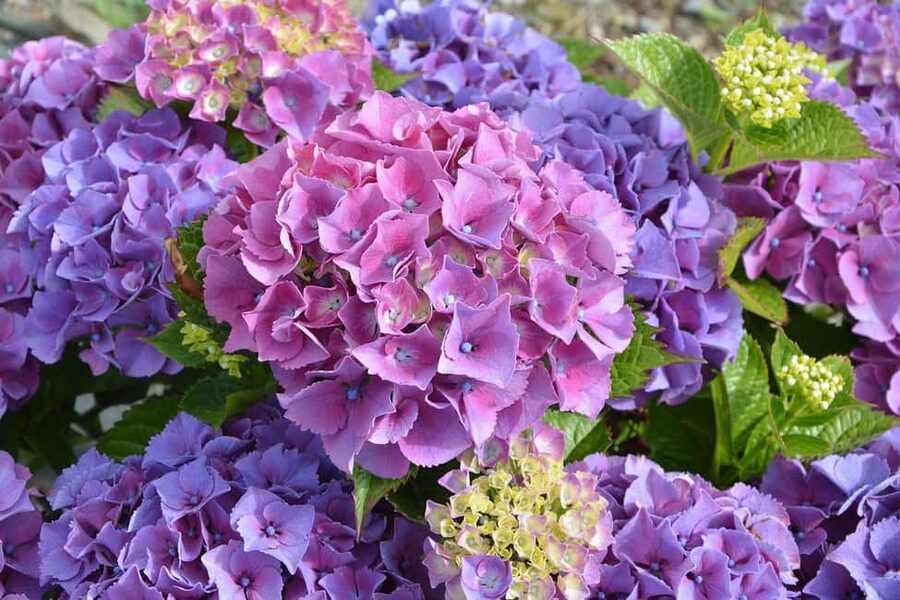
- 38 acres to explore: Plan more than a quick hour if you want to see the formal gardens, native Texas collections, and themed areas without rushing.
- 35 rare and endangered species: The garden gives conservation a visible, practical purpose rather than treating plants as decoration alone.
- $18 admission: The ticket covers general entry and all garden areas for one day, making it a reasonable choice for a relaxed half-day or full-day outing.
- Open from 8 AM to 4 PM: Early hours can help you make the most of the garden’s full opening period.
- Limited free parking: Lot A is closest to the admissions kiosk, entry area, and Garden Gift Shop.
- More than gardens: Educational programs and cultural events add art, architecture, music, and theater to the plant collections.
What your $18 ticket gives you
Admission costs $18 per person and includes access to all garden areas for one day. You are paying for space, time, and variety rather than for a fixed tour with a set route.
That distinction matters. You do not need to follow a guide or keep up with a group. You can walk through the formal gardens, stop to read about native Texas plants, spend time with the rare species collections, and sit quietly when you feel like it.
I consider the price fair for anyone who enjoys gardens and plans to stay several hours. If you only have 30 minutes between other San Antonio activities, the value is weaker. The garden is designed for slow looking, not a rapid checklist.
The ticket does not include meals, drinks, a personal guide, or souvenirs. Those exclusions are normal for a garden admission ticket, but you should plan your day with that in mind. The experience gives you access to the grounds, not a catered outing or a private botanical lesson.
More Botanical Gardens in the USA
- Princeville Botanical Gardens Tour and Chocolate Tasting Ticket
★ 5.0 · 774 reviews - Big Island Waterfalls Tour with Swimming and Botanical Garden
★ 5.0 · 513 reviews - NYC: New York Botanical Garden Pass
★ 4.5 · 359 reviews
Starting at Lot A and the admissions area
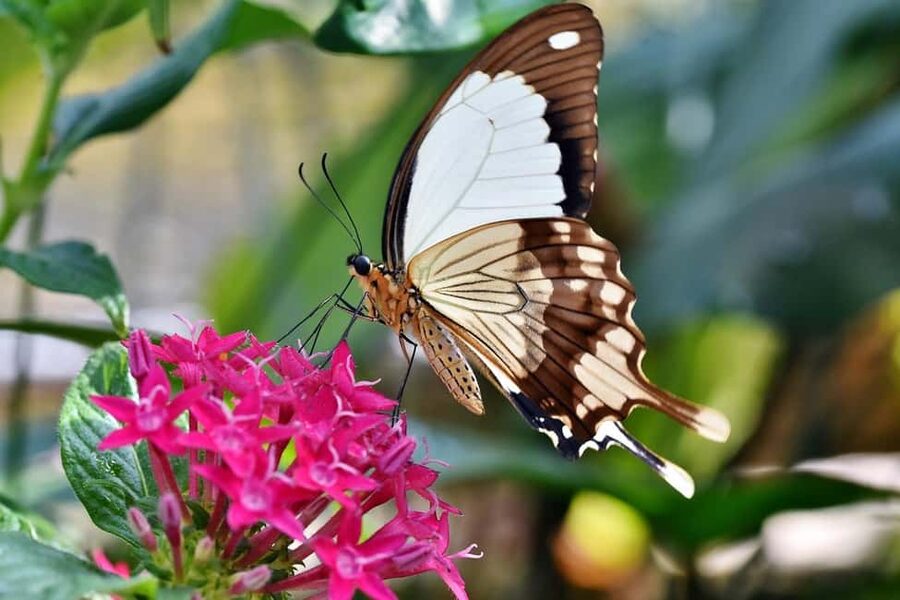
Free parking is limited, so arrive with a practical plan. Lot A is the most useful lot if you want to be close to the admissions kiosk, the entry area, and the Garden Gift Shop.
That location saves unnecessary walking at the beginning and end of your visit. It also makes the first few minutes easier if you need to ask about garden conditions, current events, or available programs.
The garden is open daily from 8 AM to 4 PM. I would allow at least two to three hours for a useful visit, and more if you want to take your time or attend a program. The hours give you room to arrive early, explore several sections, pause for rest, and still see more before closing.
Because parking is limited, the opening period may be the least stressful time to arrive. The provided information does not give a guaranteed parking capacity or a reservation system, so you should not assume a space will always be waiting.
Formal gardens and native Texas plants
Begin with the formal gardens if you want a clear introduction to the site. These areas let you see how plants are arranged for design, structure, and seasonal interest, while the native Texas collections connect the garden to the state around you.
The contrast is useful. Formal beds show planned horticulture. Native plant areas help you understand the kinds of vegetation suited to Texas conditions. Together, they keep the visit from becoming a string of unrelated flower displays.
You might find that the formal areas appeal most to photographers and visitors who enjoy neat lines and planned planting. The native collections may matter more to anyone interested in conservation, regional plant life, or gardening with species suited to local conditions.
The key is to slow down. A garden is easy to skim and easy to forget if you only move from sign to sign. Give yourself time to look closely at leaf shapes, plant groupings, and the way each section has its own purpose.
The rare and endangered plant collection
The garden cares for 35 rare and endangered plant species. That is one of the strongest reasons to visit, especially if you want more than a pleasant walk.
You are seeing conservation work in a public setting. The plants are not only there for decoration. They help show why botanical gardens preserve species, teach the public, and give uncommon plants a place under professional care.
The information provided does not identify all 35 species or promise that every one will be on display in the same condition each day. Plant displays change, and some areas may be affected by seasonal work or special events. Still, the collection gives your visit a clear purpose: you are learning how gardens can help protect plant life that is at risk.
I would make this section a priority if you have an interest in botany, local ecology, or conservation. Families can also use it as a simple lesson in why some plants need special protection. You do not need advanced knowledge to appreciate the idea.
Same season, a different set of beds:
- Seattle: Space Needle & Chihuly Garden and Glass Ticket
★ 4.7 · 1,890 reviews - Space Needle and Chihuly Garden and Glass Combination Ticket
★ 4.5 · 1,551 reviews - National Mall Tour with 10+ Stops, Boat Cruise, Entry Tickets
★ 4.5 · 1,212 reviews - South Maui: Snorkel to Coral Gardens or Molokini Crater
★ 4.3 · 689 reviews
Themed areas and a self-guided pace
The garden includes several themed areas, each with its own horticultural displays and plant groupings. That variety gives the day a natural rhythm. One section may invite close study, while another gives you a calmer place to sit and take in the surroundings.
There is no required sequence described for the visit, and no personal guide is included. That freedom is a plus if you dislike fixed schedules. It is also a small drawback if you want someone to explain every collection as you move through it.
I suggest choosing a simple approach: start with the formal and native plant areas, then continue through the themed sections at a steady pace. Pause when something catches your attention instead of trying to cover every path quickly.
The garden works best for people who enjoy choosing their own route. It may feel less satisfying to anyone expecting a tightly organized sightseeing tour with constant narration. If you prefer structure, an available guided tour or educational program may add more direction, though specific schedules are not provided here.
Education beyond the plants
Educational programs reach more than 28,000 participants each year. That figure tells you the garden is not only a place for casual strolling. Teaching is part of its purpose.
Programs can give context to what you see, especially if you want help understanding plant collections or conservation efforts. The available information does not list program names, instructors, or daily times, so you should check what is scheduled before building your visit around one.
This matters for families, school groups, plant enthusiasts, and anyone who learns better with explanation. A self-guided walk gives you freedom, while a program can help connect individual plants to larger ideas about nature and preservation.
If no program fits your schedule, the garden still works on its own. You can treat the educational material as an optional layer rather than a requirement for enjoying the grounds.
Art, architecture, music, and theater
The garden also hosts art, architecture, music, and theater experiences. These offerings broaden the visit beyond horticulture and may change the feel of the grounds on special-event days.
More than 21,000 people attend special events each year, so these programs are a meaningful part of the garden’s public role. They can give repeat visitors a reason to return, and they offer first-time visitors another way to connect with the site.
The trade-off is that a special event can change your experience. Certain exhibits or areas may be closed, reserved, or operating on a different schedule. One recent visitor found the site largely closed with no exhibits open and requested a refund. That is not enough to define every visit, but it is a useful warning to confirm current opening conditions before setting out.
If your priority is quiet plant viewing, choose a regular day when no major event is scheduled. If you enjoy combining nature with performance or art, a special event may be exactly what makes the visit worthwhile.
How long to spend inside
The ticket is valid for one day, and the garden is open from 8 AM to 4 PM. You do not need to spend all eight hours there, but the long opening window makes it easier to build the garden into a flexible day.
For a quick look, allow about an hour. That will give you a taste of the setting, though you will need to move quickly and skip some quieter areas.
For a more satisfying visit, plan two to four hours. That gives you time for formal gardens, native plants, themed collections, the rare species displays, and several pauses. If you join an educational program or attend a cultural event, add time according to the schedule.
A full day can work for serious garden fans or anyone attending a special program. Just remember that meals and beverages are not included. The supplied information does not confirm dining facilities or food service, so do not count on the admission ticket to provide refreshments.
Accessibility and walking considerations
The garden is described as wheelchair accessible, but accessibility is limited. That wording deserves attention. You should not assume every path, exhibit, or garden area will be equally easy to reach.
If you use a wheelchair, contact the garden before visiting to ask about current route conditions and which areas provide the best access. The information provided does not specify accessible path surfaces, restroom details, loaner equipment, or the location of accessible parking.
Even without mobility concerns, expect a visit based around walking and standing. The size of the grounds makes comfortable shoes sensible. Resting in one of the peaceful spots can help break up the day, especially if you want to spend several hours exploring.
Who will enjoy this garden most
I would recommend the garden to plant lovers, families seeking an educational outdoor activity, photographers, and anyone who wants a quiet pause in San Antonio.
It suits you especially well if you enjoy:
- Choosing your own route
- Looking closely at plants rather than rushing through displays
- Learning about rare and endangered species
- Joining educational or cultural programs
- Spending several hours outdoors at an easy pace
It may not be your best choice if you want a fast, guided attraction with guaranteed open exhibits at every stop. It is also less convenient if limited parking or incomplete wheelchair access would create serious problems.
The strongest praise in the available feedback is simple and consistent: visitors describe the garden as gorgeous, beautiful, and a place where you could spend a lifetime. That enthusiasm makes sense for people who enjoy gardens as places to return to, not just places to photograph once.
Is San Antonio Botanical Garden worth booking?
Book this admission if you want a flexible, peaceful outing with real conservation value. At $18, it is a good buy when you can give the garden at least two hours and make use of its formal gardens, native collections, rare plants, and themed areas.
Before booking, check that exhibits and garden areas will be open on your chosen day. This is especially important if you are visiting during a special event or traveling on a tight schedule.
My call: yes for garden lovers, families, and slow-paced explorers. Be more cautious if you need full wheelchair access, guaranteed exhibit availability, or a guided experience included in the price.
FAQ
How much does admission cost?
Admission costs $18 per person.
How long is the ticket valid?
The ticket is valid for one day.
What does general admission include?
General admission includes access to all garden areas.
What are the opening hours?
The garden is open daily from 8 AM to 4 PM.
Is parking available?
Free parking is limited. Lot A is closest to the admissions kiosk, entry area, and Garden Gift Shop.
Is the garden wheelchair accessible?
The garden is described as wheelchair accessible, but accessibility is limited.
Are meals and beverages included?
No. Meals and beverages are not included in the admission ticket.
Is a personal tour guide included?
No. A personal tour guide is not included.
Can I cancel for a refund?
Yes. You can cancel up to 24 hours in advance for a full refund.
Newly planted garden visits around the USA
- Byodo Temple and Waimea Botanical Garden Tour★ 5.0 · 42 reviews
- Flamingo Gardens’ Garden of Lights★ 3.0 · 22 reviews
- Couples Outdoor Bamboo Garden Massage or Ultimate Candlelight Signature Massage★ 4.0 · 16 reviews
- Luxury Private Van to Pikes Peak Garden of Gods★ 5.0 · 2 reviews
- Private Full DayJeep Tour Garden of Gods Pike’s Peak from Denver★ 5.0 · 39 reviews
- Pikes Peak & Garden of Gods – Private Tour★ 5.0 · 25 reviews
- Texas Discovery Gardens General Admission★ 5.0 · 2 reviews
- Dallas Arboretum and Botanical Gardens Tour★ 5.0 · 3 reviews
Botanical Gardens, bed by bed.

Blanes: Marimurtra Botanical Garden Entry Ticket
Read our review →
Malta: Mdina, Dingli Cliffs and San Anton Botanical Gardens
Read our review →
Princeville Botanical Gardens Tour and Chocolate Tasting Ticket
Read our review →
Icod de los Vinos: Dragon Tree & Botanical Garden Ticket
Read our review →
Maleny Botanic Gardens Bird Aviary Experience Ticket
Read our review →
Big Island Waterfalls Tour with Swimming and Botanical Garden
Read our review →
Lists this garden visit belongs to