
Review · THE UK
Royal Horticultural Society: Hyde Hall Garden Ticket
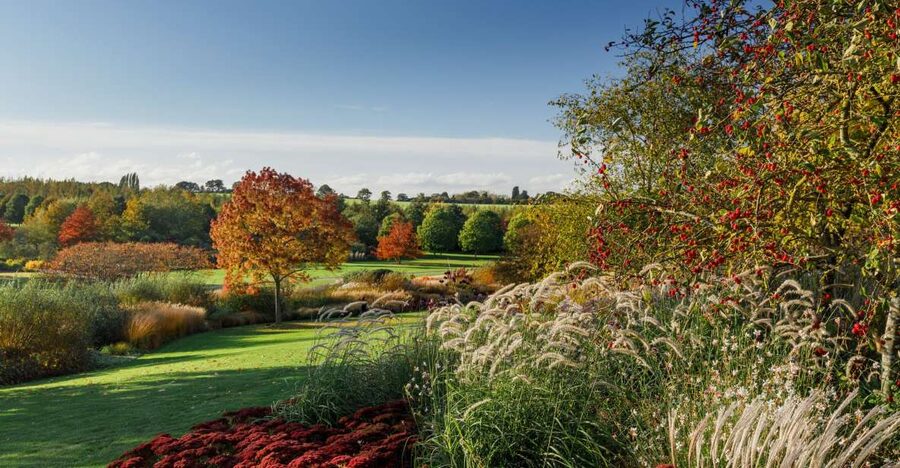
Hyde Hall sits high above the Essex countryside, where open skies and long views give the gardens room to breathe. I like the freedom to wander at your own pace, and I especially like the mix of grand planting, quiet groves, lawns, ponds, and working vegetable beds. The hilltop setting is the star, but the garden rewards slow exploring rather than a quick photo stop.
I also like the seasonal variety. The Rose Garden and Rope Rose Walk bring scent and color, while the Winter Garden, Birch Grove, and top garden offer very different moods. The main drawback is simple: most of the visit is outdoors, so hot summer days can slow you down, and winter visits call for warm clothing.
Key points to know before you go
- Allow two to six hours: Hyde Hall is large enough for a short stroll or a full day out.
- Start with the hilltop views: The high position gives you wide views across Essex and a strong sense of open space.
- Look beyond the flowers: Ponds, groves, lawns, fish, and more than 90 bird species add plenty for nature lovers.
- Save time for the vegetable garden: The Global Growth Vegetable Garden connects ornamental planting with practical food production.
- Plan around the weather: There is little point rushing a garden visit in extreme heat, and winter visitors should wrap up well.
- Bring comfortable shoes and water: There is a refill tap outside the toilets, and the gardens involve plenty of walking.
Why Hyde Hall feels different from a standard garden visit
RHS Garden Hyde Hall is not just a collection of flower beds beside a country house. Its hilltop position gives the place a broad, airy feel. You get gardens, open lawns, wooded areas, ponds, and long walks, with views that remind you this is Essex rather than an enclosed town park.
I like that contrast. One moment you are among carefully planned planting, and the next you are walking through a quieter grove or looking across open farmland. The garden has enough structure to keep your visit interesting, but it does not force you through one narrow route.
At around $17 per person, entry is fair if you plan to stay for several hours. A short visit may feel less convincing value, especially if you are only passing through. But if you use the whole day, bring a picnic or combine lunch with a long walk, the price compares well with many paid attractions.
You should think of this as a flexible day out rather than a guided tour. There is no audio guide included, and you set your own pace. That suits people who prefer to stop for photographs, read plant information, sit quietly, or change direction when a particular garden catches their eye.
Garden entry tickets around the UK:
- London: Kew Gardens Admission Ticket
★ 4.6 · 3,252 reviews - Kew Gardens Entrance Ticket
★ 4.0 · 1,055 reviews - The Alnwick Garden: Entry Ticket
★ 4.3 · 241 reviews
Begin at the main building and plan your walking
The main building is close to the car park, toilets, and garden entrance. That makes the first few minutes easy, especially if you are visiting with children, older family members, or anyone who needs regular access to facilities.
A practical tip is to use the toilets and refill your water bottle before setting off. A tap sits outside the toilet area, so you can top up without buying a drink immediately. This matters on hot days, when the size of the grounds can catch you out.
You will want comfortable shoes. The gardens take between two and six hours to walk around, depending on how many paths, planting areas, and resting places you choose. Do not treat the shorter estimate as a promise that you will see everything quickly. The grounds invite pauses.
The site is wheelchair accessible, with accessible routes throughout the garden. Full access information is available on the RHS website, which is worth checking before you arrive if you need details about particular routes or facilities.
The hilltop views are the natural starting point
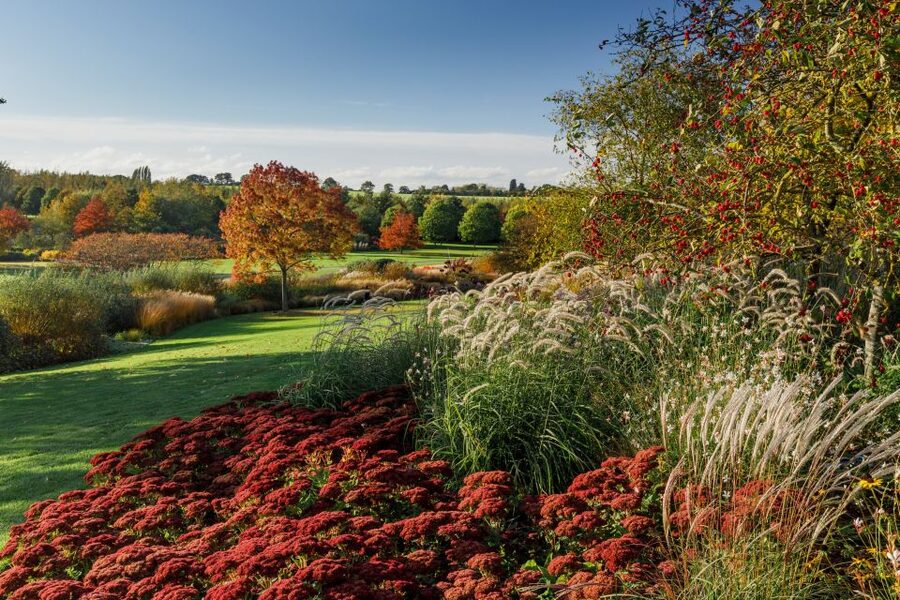
The high position is one of Hyde Hall’s strongest features. From the upper parts of the garden, you get sweeping views and a big sense of sky. This is a good place to pause early in your visit and understand how the garden is arranged.
The top garden also gives you a useful taste of the seasonal planting. In summer, the dahlias can be a highlight, with strong color and dense displays that make the upper section feel especially rewarding. The planting changes through the year, so a second visit in another season will not simply repeat the first.
You will find open lawns here too. They give children space to move and give adults somewhere to sit, but remember that the exposed setting can mean full sun and little shelter. On the hottest days, take the upper areas slowly and use shaded sections when you find them.
The hilltop setting also helps the garden feel less formal than a small ornamental garden. You are not only looking inward at plants. You are constantly aware of the wider Essex countryside.
Follow the Rose Garden and Rope Rose Walk by scent
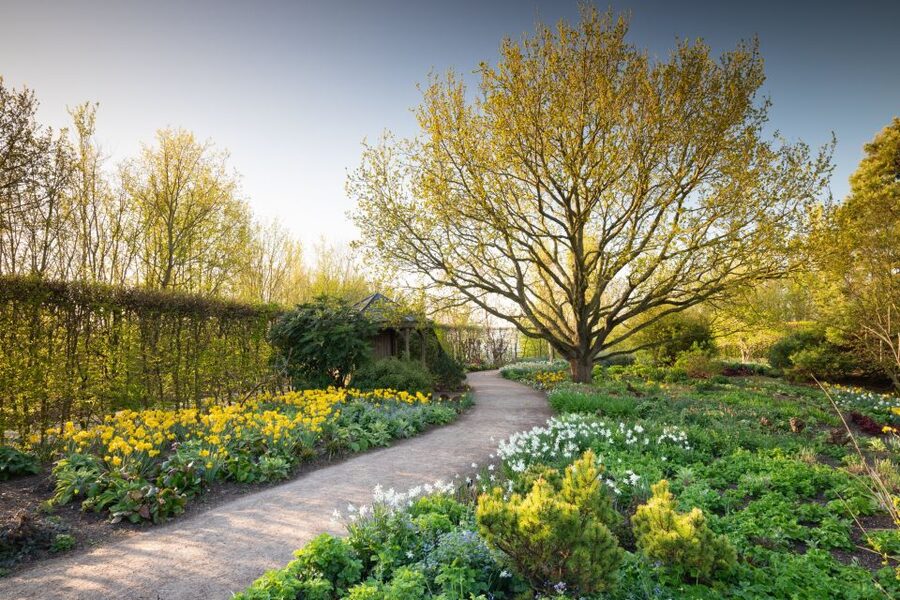
The Rose Garden is one of the places to visit when you want the classic garden experience: color, fragrance, and carefully planned planting. The Rope Rose Walk adds a longer route with the same appeal, giving you a reason to slow down rather than simply glance across a bed.
Timing matters here. Roses are seasonal, so the strongest display depends on when you visit. Even outside peak bloom, the garden remains part of a wider circuit, but you should not expect the same flowers at every time of year.
I like the fact that Hyde Hall offers both visual and scented planting. A garden can look impressive in photographs yet feel flat in person. The rose areas bring another sense into play. Stop rather than hurry through, especially if you have come for plants and garden design rather than a brisk walk.
These paths may also be popular at busy times, so early or later visits can make it easier to enjoy the flowers at your own pace. The grounds are spacious, though, and you have plenty of other areas to explore if one section feels crowded.
More gardens worth a morning in the UK:
- The Kensington Palace Gardens Royal High Tea
★ 4.5 · 934 reviews - London: Kensington Palace Gardens Tour with Royal High Tea
★ 4.6 · 325 reviews - London: Sky Garden Early Access with Pastry and Hot Drink
★ 3.9 · 242 reviews - Birmingham: Winterbourne House and Garden Admission Ticket
★ 4.7 · 199 reviews
Change the mood in the Winter Garden and Birch Grove
The Winter Garden shows why a visit outside summer can still be worthwhile. Its purpose is not only to provide flowers in the warm months. It offers structure, texture, and interest when many traditional borders are quieter.
That makes it a useful stop for anyone interested in garden planning. You can see how foliage, form, and planting shape a garden even when roses and summer color are not at their peak. Winter visitors should dress warmly, but the colder months can bring a different kind of calm.
Birch Grove provides another change of pace. After the open hilltop areas, a grove gives you a more enclosed setting and a break from direct sun. I would include it on a hot day, not just for the trees but for the change in atmosphere.
Together, these areas give Hyde Hall more range than a single formal garden. The visit is not dependent on one famous border. You can move between open views, shaded planting, ornamental displays, and quieter paths.
Look closely at the Global Growth Vegetable Garden
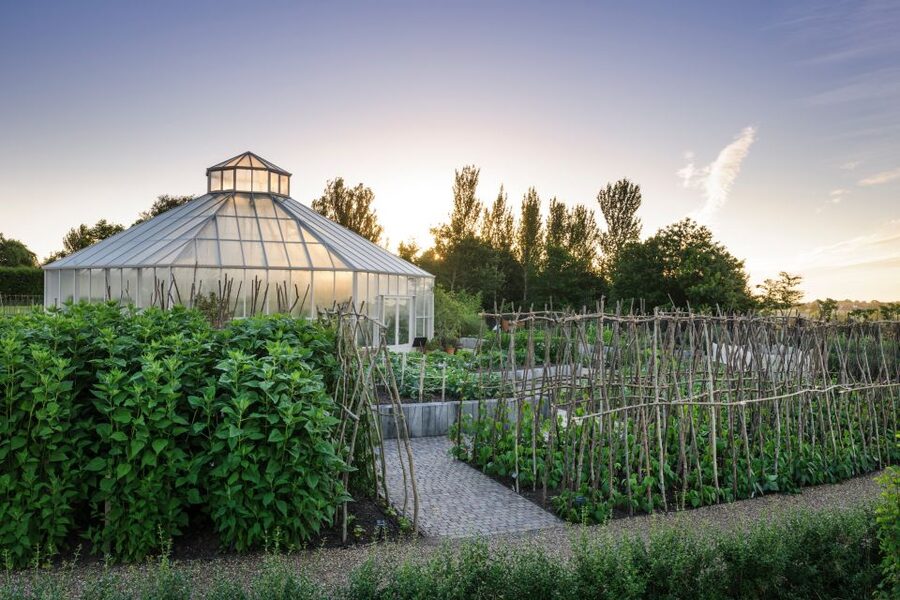
The Global Growth Vegetable Garden adds a useful practical side to the visit. It shows how gardens can produce food as well as flowers, and it gives you something different from the usual ornamental planting.
This is a good stop for families because it gives children a clear connection between soil, plants, and the food people eat. It also suits anyone interested in growing vegetables at home. You can look at the planting as a design feature, but its real value is that it links beauty with usefulness.
The garden’s produce is part of the wider food experience at Hyde Hall. You may find seasonal vegetables reflected in what is served on site, although the information provided does not promise a particular menu. The sensible approach is to enjoy the garden for what it shows, then treat lunch as a separate part of the day.
I would not rush this section simply because it lacks the spectacle of roses or dahlias. It gives the visit more substance and helps explain what makes a horticultural garden worth returning to.
Watch the ponds for birds and fish
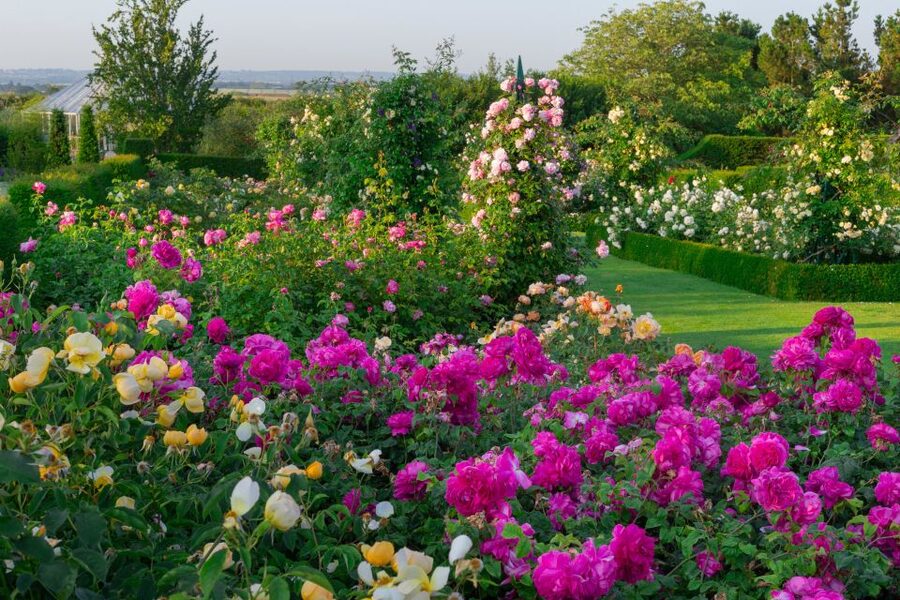
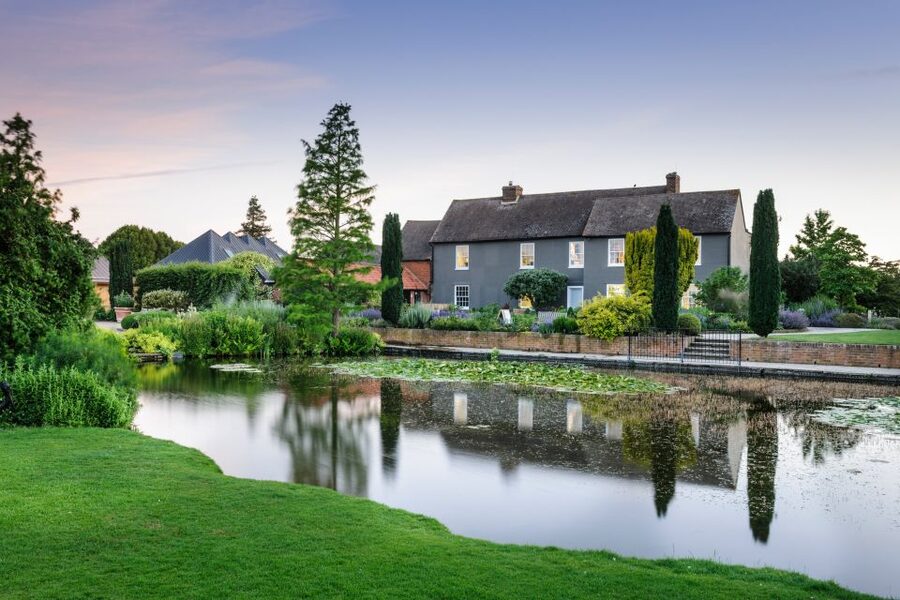
Hyde Hall is home to more than 90 bird species, including swans, tufted ducks, and herons. The ponds also contain fish, so the site offers more than planted displays for nature watchers.
Bring patience. Birds do not follow a timetable, and a quick walk past the water may reveal little. Pause near the ponds and look carefully. The wildlife adds a quiet, less managed side to the day, particularly when you have spent time in formal planting.
This is also one reason the garden works well for mixed groups. One person can focus on flowers, another on birds, and children can look for movement in the ponds. You do not need specialist knowledge to enjoy it.
Do not expect a wildlife reserve with guaranteed sightings. The appeal is the chance to notice nature within a working public garden. The blend of ornamental planting, water, trees, and open ground creates several habitats without turning the visit into a dedicated birding trip.
Use the Clore Learning Center for context
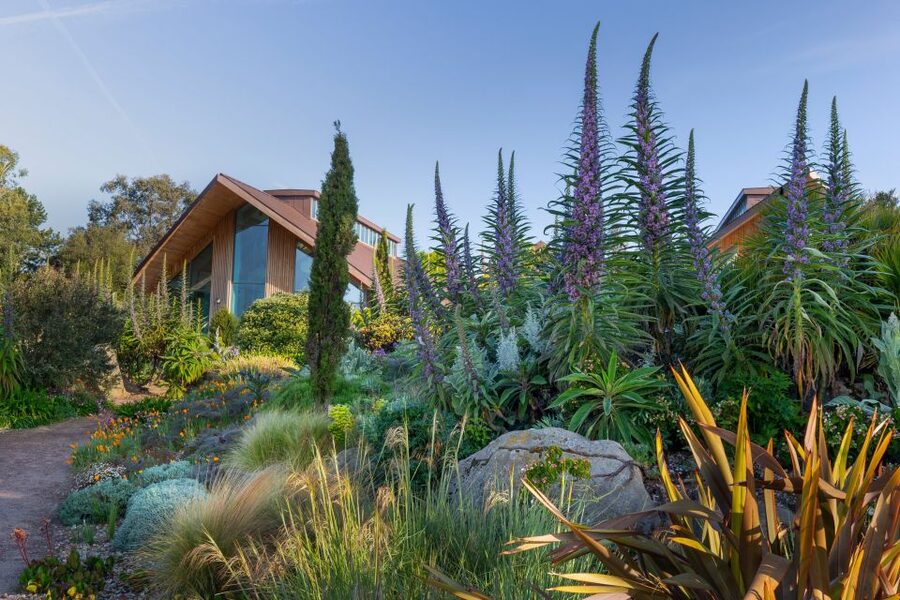
The Clore Learning Center and Garden add an educational layer to the visit. This is where Hyde Hall becomes more than a pleasant place for a walk. You can connect what you see in the grounds with the ideas behind planting, growing, and garden care.
The available information does not specify a regular timetable of talks or named guides, so you should not arrive expecting a guided class. Instead, treat the center and garden as places to learn at your own pace.
I like having this option because it suits different ages and interests. A child may focus on the plants and displays, while an experienced gardener may pay attention to methods and planting choices. It gives the visit some purpose beyond taking photographs.
If you are visiting for peace and quiet, you can spend more time outdoors and keep the learning center brief. If you want a more educational day, give it a proper stop and connect it with the vegetable garden.
Make lunch part of the plan
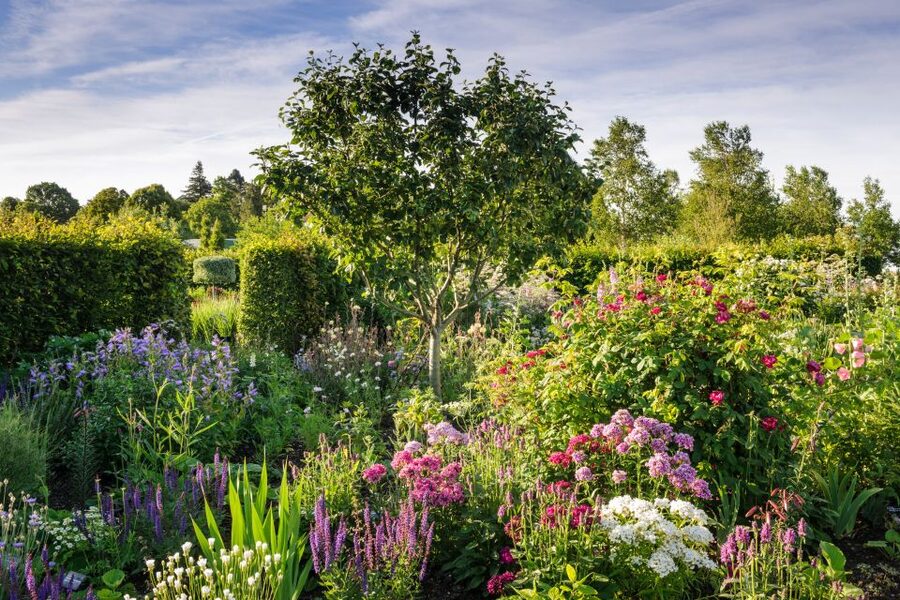
Food and drinks are not included in the entry price, so budget for them separately. The hilltop restaurant is convenient and can turn a garden visit into a full day out, but it is not the cheapest option.
Portions are reported to be generous, and vegan options are available. That makes the restaurant practical for mixed groups, especially when one person needs a plant-based meal. The hilltop position also makes lunch feel like a natural pause after the upper gardens.
You can bring a picnic instead, which gives you more control over cost and timing. One useful routine is to eat at the restaurant for lunch, then keep a picnic or snack for later. That lets you stay longer without needing another full meal.
The gift shop and small garden center are worth allowing a little time for after your walk. You may find plants, gardening items, or souvenirs, but remember that the garden center can add to your spending quickly. The free car park is a helpful saving.
Choose the right season and pace
Hyde Hall changes with the calendar. Summer brings roses, dahlias, long daylight, and strong color, but hot weather can make the two to six hour circuit tiring. On a very warm day, you may need to slow down, drink regularly, and accept that you will not see every section.
Winter has a different appeal. The Winter Garden and structural planting become more important, while the open setting can feel cold. Wear warm layers, since most attractions are outside.
Spring and autumn should offer their own changes in planting, though the available details do not promise specific displays for those seasons. The key point is that the garden is designed to reward repeat visits. A return trip later in the year can show how planting areas change.
Check the closing time before setting out. Last entry is one hour before closing, so a late arrival can cut down your usable time. Since the garden is large, I would arrive with enough time for at least a relaxed two-hour walk.
Who will enjoy Hyde Hall most?
This is a strong choice for couples, families, older visitors, garden enthusiasts, and anyone who enjoys a calm day outdoors. You can make the visit active or restful. Walk for hours, stop often, or focus on just a few sections.
Families benefit from the open lawns, ponds, birds, vegetable garden, and nearby toilets. Couples may prefer the Rose Garden, Rope Rose Walk, and quieter groves. Gardeners will find the seasonal planting and food-growing displays more rewarding than a simple flower show.
It may be less suitable if you want a tightly scheduled attraction with constant indoor shelter. There is no included audio guide, no named tour guide, and no fixed group itinerary. You are responsible for setting your route and pace.
Only registered support dogs are allowed in the garden. Personal drones are prohibited at all RHS gardens. These rules help protect the planting and keep the setting peaceful, but they are important to know before you arrive.
Should you book RHS Garden Hyde Hall?
Book it if you want a flexible day among plants, open views, wildlife, and well-planned gardens. At about $17, it offers good value when you stay several hours, especially if you use the free parking, bring a picnic, and take time with the different sections.
I would be more cautious if you are visiting during extreme heat or poor winter weather and cannot comfortably spend most of the day outside. Check the forecast, wear sensible shoes, and plan your food before you arrive.
For the best experience, give yourself at least half a day. Start with the hilltop views, follow the rose areas, add the Winter Garden and Birch Grove, then make time for the vegetable garden, ponds, and learning center. Hyde Hall works because it gives you both a beautiful walk and plenty of small things to notice along the way.
FAQ
How long does it take to walk around RHS Garden Hyde Hall?
The gardens take between two and six hours to walk around. Your timing depends on how many areas you visit and how often you stop.
What is included in the ticket?
The ticket includes entry to RHS Garden Hyde Hall. Food, drinks, and an audio guide are not included.
Is RHS Garden Hyde Hall wheelchair accessible?
Yes. Accessible routes are available throughout the garden. Full accessibility information is provided on the RHS website.
Can I bring my dog?
Only registered support dogs are allowed in the garden.
Are drones allowed at Hyde Hall?
No. Personal drone use is prohibited at all RHS gardens.
What should I bring?
Bring comfortable shoes. Since most attractions are outdoors, warm clothing is recommended during winter. You can also bring a water bottle, with a refill tap located outside the toilets.
Newly planted garden visits around the UK
- Kensington Palace VIP Garden Tour with Royal High Tea★ 4.5 · 71 reviews
- Visit Kew Gardens & 3 Hour Westminster Walking Tour★ 5.0 · 6 reviews
- Secret Gardens of London Private Tour★ 5.0 · 13 reviews
- Sky Garden Access Ticket + 2 Course Dinner at Larch Restaurant★ 4.0 · 4 reviews
- RHS Garden Hyde Hall★ 4.5 · 3 reviews
- Secret Gardens of the City of London Private Tour★ 5.0 · 40 reviews
- Sky Garden Access Ticket + 2 Course Breakfast at Larch Restaurant★ 3.0 · 11 reviews
- Kent, the Garden of England Independent Full Day Private Tour★ 4.0 · 3 reviews
UK Garden Tours, bed by bed.
London: Sky Garden Early Access with Pastry and Hot Drink
Read our review →
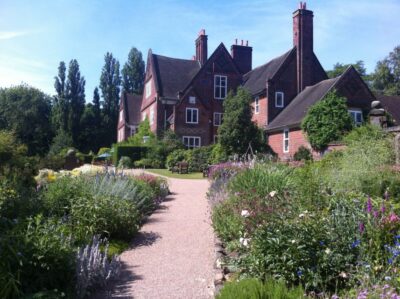
Birmingham: Winterbourne House and Garden Admission Ticket
Read our review →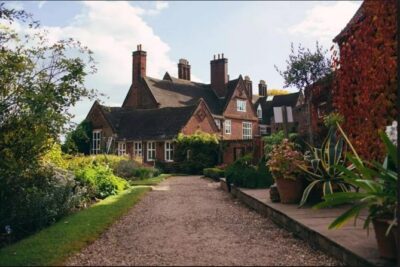
Skip the Line: House and Garden Admission Ticket
Read our review →
VIP Kensington Palace Gardens Tour & Royal Tea Crown Experience
Read our review →Lists this garden visit belongs to