
Review · THE UK
Birmingham: Winterbourne House and Garden Admission Ticket
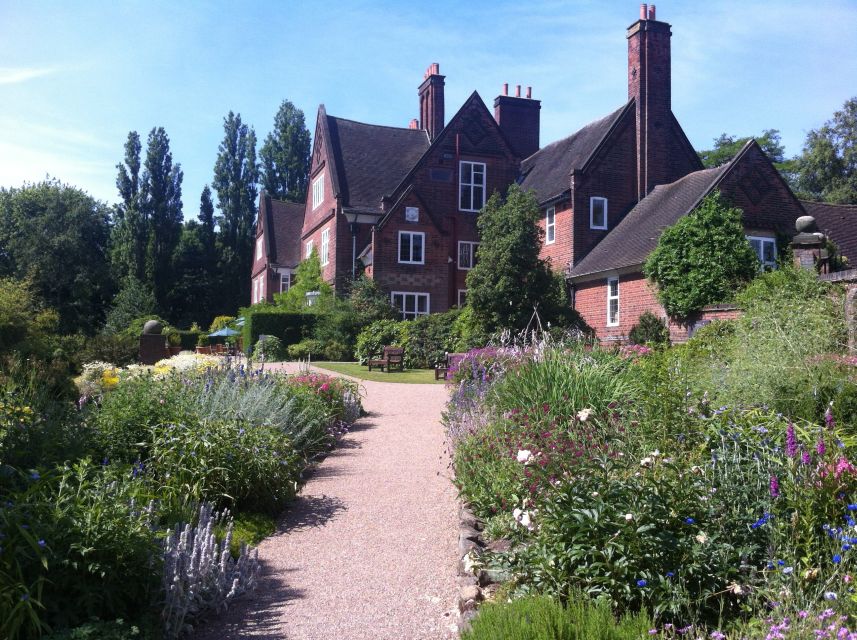
The best thing here is the contrast: an Edwardian family home opens onto seven acres of plant-filled gardens, all just minutes from central Birmingham. I like the original furnishings and the way the rooms explain the Nettlefold family, and I like the gardens for their quiet paths, greenhouses, Japanese section, and broad mix of plants. This feels less like a quick museum stop and more like a proper afternoon out.
The main thing to watch is the house entry system. House visits use timed tickets, and those tickets are limited and available only when you arrive at the site. The gardens remain the safer part of your plan, but arrive early if seeing the house matters to you. A visit can also be less rewarding in poor weather, since much of the appeal lies outdoors.
Key points to know before you go
- Seven acres beside the city: Winterbourne gives you open garden space without a long trip from Birmingham center.
- More than 6,000 plant species: The collection includes unusual plants, greenhouses, woodland areas, Japanese planting, and seasonal displays.
- A lived-in Edwardian house: Original furniture, soft furnishings, and family details make the interior feel personal rather than bare.
- Plan on at least half a day: The house, gardens, tearoom, shop, and nearby Edgbaston Pool can easily fill several hours.
- House entry is time-sensitive: Limited timed tickets are issued on arrival, so do not leave the indoor visit until the end.
- Useful facilities for mixed-age groups: The site has a tearoom, bookshop, shop, lift, and wheelchair access, though the working lift has been important to some visitors with mobility needs.
Why Winterbourne feels far from Birmingham
Winterbourne House and Garden is at 58 Edgbaston Park Road, close to Birmingham city center and the University of Birmingham. That location gives the visit its greatest appeal. You can spend the morning in an urban area, then find yourself among lawns, mature trees, greenhouses, flowers, and quiet seating areas without committing to a full day in the countryside.
I would set aside three to five hours. You can see the main house and take a short garden walk in less time, but that approach misses much of what you pay for. The garden is spread across seven acres, and the plant collection rewards a slower pace. If the weather is kind, bring a little patience and let the place unfold.
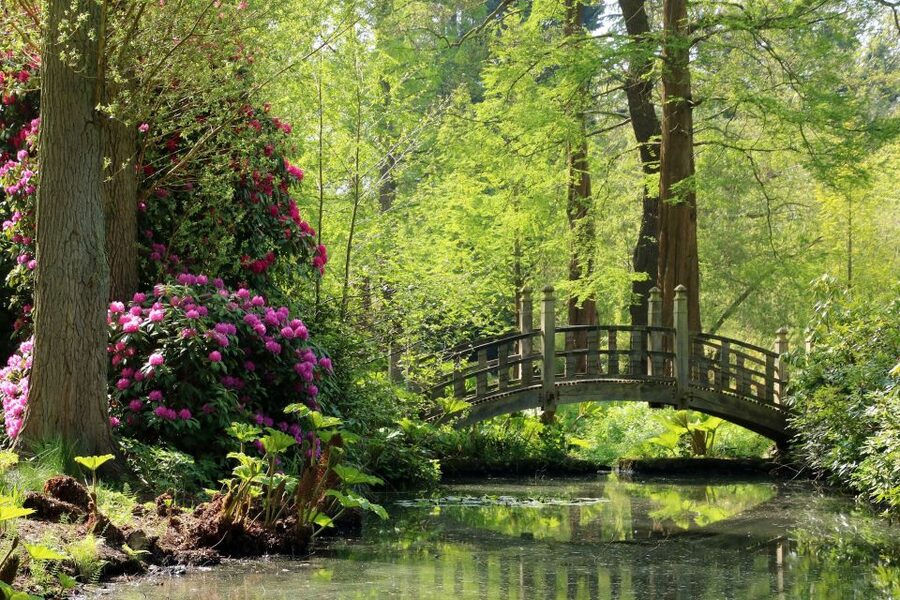
The atmosphere is calm rather than formal. You can pause by the water, sit beneath trees, look into the greenhouses, or take a route through the more structured garden sections. The nearby Edgbaston Pool adds another pleasant extension, with waterfowl and places to stop. Access beyond the garden gate is mentioned as part of the surrounding experience, so check the site conditions before relying on it as a major part of your visit.
Garden entry tickets around the UK:
- London: Kew Gardens Admission Ticket
★ 4.6 · 3,252 reviews - Kew Gardens Entrance Ticket
★ 4.0 · 1,055 reviews - The Alnwick Garden: Entry Ticket
★ 4.3 · 241 reviews
Start with Winterbourne House and its Edwardian rooms
I would begin with the house, mainly because entry is controlled. The house gives you the story of the property and the families who lived there, including the Nettlefold family and their businesses. Displays also connect Winterbourne’s later life with the University of Birmingham.
The interior is not a grand palace. That is part of its strength. Period rooms, antiques, original furniture, and Edwardian soft furnishings create the feel of a real family home. You can look through rooms that still suggest daily life, rather than moving through empty galleries where every object has been removed from context.
The windows are important. Several rooms offer views toward the garden, so the house and grounds keep answering each other. Inside, you learn about the people and the house. Outside, you see the setting that made this property special.
Information panels cover the Nettlefold family and their business interests in a way that is informative without taking over every room. I would read the captions as you go, since they give meaning to furnishings that might otherwise seem merely decorative. The displays also include information connected with GKN and wild flowers, adding useful local and industrial context.
You do not get a named guide with this admission. This is a self-guided visit, so you set the pace. That suits people who want to linger over a room or move quickly through the historical material. It is less suitable if you want a scheduled talk or a guide leading you from room to room.
The seven-acre garden is the main event
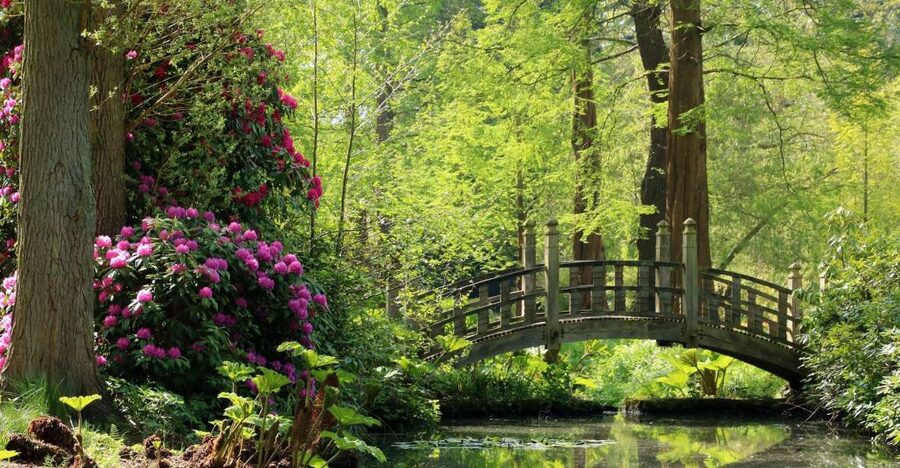
Once outside, give yourself time to explore properly. The gardens contain more than 6,000 different plant species, so this is not simply a lawn around a historic building. You will find a range of planting areas, seasonal color, mature trees, unusual specimens, and quieter corners where the city feels distant.
The Japanese garden is one of the most appealing sections. Its design encourages slower walking and careful looking, especially when seasonal plants are showing well. The woodland area has a different mood, with shade and a more natural feel. Together, these sections give the garden variety instead of one long route with the same view repeated.
The greenhouses are worth making time for. They hold unusual plants and add something useful on a rainy day, though the main garden remains weather-dependent. A seasonal display such as the hyacinth greenhouse can be especially striking, but the precise show changes through the year. This is a place that can feel different in spring, summer, autumn, and winter.
If you enjoy botany, you can spend much longer here than the basic admission time suggests. The plant count is impressive, but you do not need specialist knowledge to enjoy the setting. Labels, varied planting, and the change between formal and woodland spaces give you plenty to notice without turning the visit into a lesson.
There are also plenty of places to sit. That matters if you are visiting with older family members, children, or anyone who needs regular breaks. You can make the outing gentle, stopping often rather than treating the grounds as a route to complete.
Allow time for the pool, tearoom, and bookshop
The tearoom makes Winterbourne easier to treat as a half-day visit. It serves light meals, cakes, and drinks, with lunch choices such as jacket potatoes. The food is useful rather than incidental, since you do not need to leave the site just when the garden is at its most enjoyable.
I would plan a break after the house and the first garden circuit, then return outside. A meal or drink gives you a chance to warm up in cooler weather or rest after walking the grounds. The tearoom is also practical for groups with different interests, since not everyone has to follow the same pace.
The bookshop is another nice extra. It is described as well stocked with second-hand books, and the shop provides a chance to browse for something connected with gardens, history, or Birmingham. These small additions help the visit feel like a local attraction rather than a single ticketed room and a quick walk.
Edgbaston Pool is worth considering if you still have energy. The setting brings waterfowl into the picture and gives you a different kind of walk after the formal garden. Do not treat it as guaranteed wildlife viewing, but water birds are part of the appeal, and the pool offers another quiet place close to the main attraction.
More gardens worth a morning in the UK:
- The Kensington Palace Gardens Royal High Tea
★ 4.5 · 934 reviews - London: Kensington Palace Gardens Tour with Royal High Tea
★ 4.6 · 325 reviews - London: Sky Garden Early Access with Pastry and Hot Drink
★ 3.9 · 242 reviews - Skip the Line: House and Garden Admission Ticket
★ 4.5 · 122 reviews
How long should you stay?
The advertised validity is one day, which gives you plenty of flexibility once inside. In practical terms, I would use this as a half-day outing rather than a short photo stop.
A sensible plan looks like this:
- Start with the house and its timed entry.
- Walk the main garden areas, including the Japanese and woodland sections.
- Visit the greenhouses and look for seasonal displays.
- Stop in the tearoom for lunch, cake, or a drink.
- Browse the bookshop and shop.
- Add Edgbaston Pool if you want more walking.
Three hours is enough for a focused visit. Four or five hours gives you time to sit, eat, browse, and explore without rushing. One visitor with a mixed-age group allowed five to six hours because there was so much to see. You do not need to copy that schedule, but it is a useful warning against squeezing Winterbourne into a tight itinerary.
Price and value at $13
At $13 per person, admission is good value if you use both parts of the property. You are paying for a historic house, seven acres of gardens, a large plant collection, greenhouses, and access to a setting that can occupy much of an afternoon. The value becomes weaker only if you arrive expecting a large country estate or a long guided tour.
The house alone would make this a worthwhile stop for people interested in domestic history and Edwardian interiors. The gardens make the ticket stronger, especially in good weather or during a season when flowers and trees are showing well. Since the same ticket covers the house and garden, you can move between history and nature rather than choosing one.
Do remember that the house has a separate practical limitation: timed tickets are limited and available only on arrival. That means the stated price does not guarantee that you can walk straight into the house at any moment. Arrive with enough time to secure a slot, then use the garden to fill the gap if needed.
Cancellation is available up to 24 hours before the visit for a full refund, and you can reserve now and pay later. Those options help if your Birmingham plans depend on weather or changing schedules. Still, the on-site house ticket rule is the detail I would confirm before setting out.
Access, mobility, and family planning
The attraction is wheelchair accessible, and the house has a lift. A wheelchair can also be borrowed at reception, which is useful if someone in your group can manage only short walks. Pushchair access has also been described as practical.
I would still check the lift is working when you arrive if reaching the first floor is important. A past visit became difficult when the lift was not operating, and companions had to help someone with mobility problems and a walking aid. That does not cancel out the accessibility provision, but it is a sensible reminder to confirm the current situation at reception.
The seven acres mean that distances can add up. The seating areas and tearoom make it possible to take the visit slowly, but anyone with limited stamina should avoid trying to see every path. Focus on the house, the most appealing garden sections, and a comfortable meal.
This is also a good choice for a group with a wide age range. An older visitor can enjoy the house, a plant lover can spend time in the greenhouses, and children can benefit from the open space and garden variety. The attraction works best when everyone accepts that the day will not move at the same speed.
When to visit and what to expect
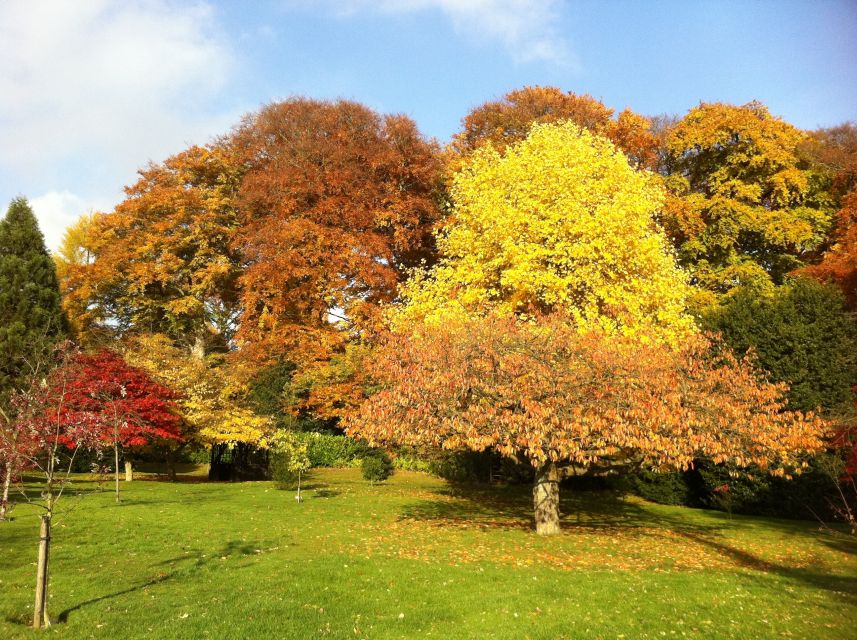
Spring and summer should give you the strongest flower displays, while autumn can bring changing color in the trees and woodland areas. The garden also has something to offer outside peak bloom, especially if you care about unusual plants and greenhouse collections.
Weather matters. One visit was judged a good day out if the weather was favorable, which is fair. You can still see the house and greenhouses in rain, but the seven-acre setting is easier to enjoy when paths, seating, and garden views are comfortable.
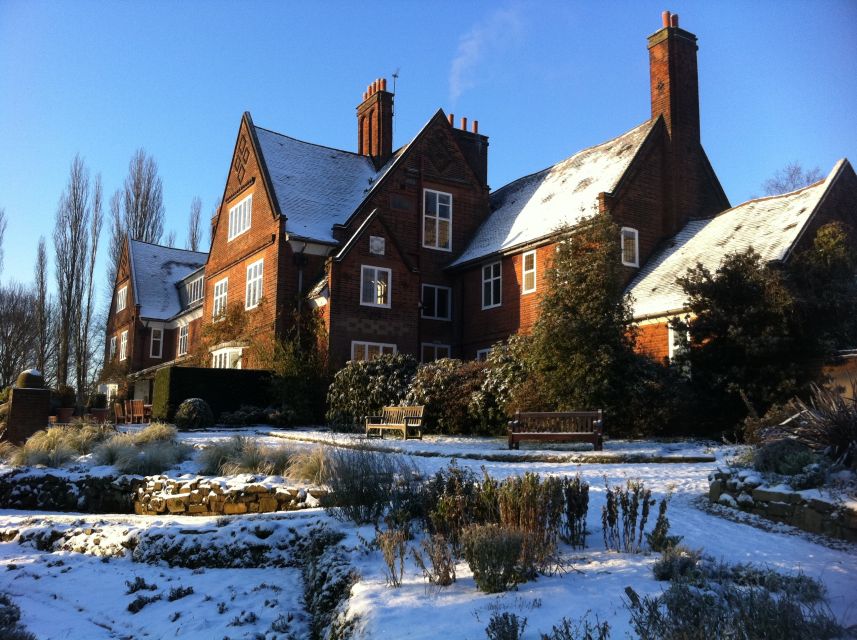
The garden changes through the seasons, so returning is worthwhile if you live nearby. A spring visit will not feel identical to an autumn one. Even the same paths can offer a different view as bulbs, shrubs, trees, and greenhouse displays change.
Do not expect a polished major-city attraction with constant signs pointing you toward every feature. Some sections may require a little exploration, and additional signs could make the route easier to follow. I see that as a minor weakness for independent visitors, but it also leaves room for you to wander.
Who should book Winterbourne House and Garden?
I would recommend it to plant lovers, people who enjoy historic homes, couples wanting a quiet afternoon, families looking for room to walk, and anyone who wants a break from central Birmingham without a long journey. It is also a strong choice for visitors who prefer to set their own pace rather than join a guided group.
It suits repeat visits particularly well. If you are local, the changing garden makes an annual visit sensible. If you have only one day in Birmingham, choose it when you want greenery and calm more than a packed list of major city sights.
I would be less keen to recommend it to someone seeking dramatic architecture, a large collection of art, or a fully guided historical tour. The house is intimate, and the garden is the reason to allow several hours. Also, if the weather is poor and the house ticket is unavailable at a convenient time, the experience may not match your plans.
Should you book it?
Yes, if you can spare half a day and enjoy gardens, historic interiors, or both. At $13, Winterbourne offers unusually good value for a city attraction, with a house, seven acres, greenhouses, a tearoom, and a plant collection of more than 6,000 species.
My practical advice is simple: arrive early enough to arrange your timed house entry, wear comfortable shoes, and leave room in your schedule for lunch and the garden. If you do that, Winterbourne can turn a Birmingham city day into something quieter, greener, and far more personal.
FAQ
Where is Winterbourne House and Garden?
It is at 58 Edgbaston Park Road, Birmingham, B15 2RT, in the West Midlands, United Kingdom.
How much does admission cost?
The listed price is $13 per person.
How long is the ticket valid?
The admission ticket is valid for one day. You can check availability for the available starting times.
Does admission include both the house and garden?
Yes. Admission includes entrance to Winterbourne House and the gardens.
Can I enter the house whenever I arrive?
No. Entry to the house is currently by timed ticket only. House tickets are limited and are available only on arrival at the site.
Is Winterbourne House and Garden wheelchair accessible?
Yes, the attraction is wheelchair accessible, and the house has a lift. A wheelchair may also be borrowed at reception, although checking that the lift is working is sensible if you need first-floor access.
Can I cancel my booking?
Yes. You can cancel up to 24 hours in advance for a full refund. A reserve-now, pay-later option is also available.
Newly planted garden visits around the UK
- Kensington Palace VIP Garden Tour with Royal High Tea★ 4.5 · 71 reviews
- Sky Garden Access Ticket + 2 Course Dinner at Larch Restaurant★ 4.0 · 4 reviews
- Visit Kew Gardens & 3 Hour Westminster Walking Tour★ 5.0 · 6 reviews
- Secret Gardens of London Private Tour★ 5.0 · 13 reviews
- RHS Garden Hyde Hall★ 4.5 · 3 reviews
- Secret Gardens of the City of London Private Tour★ 5.0 · 40 reviews
- Sky Garden Access Ticket + 2 Course Breakfast at Larch Restaurant★ 3.0 · 11 reviews
- Kent, the Garden of England Independent Full Day Private Tour★ 4.0 · 3 reviews
UK Garden Tours, bed by bed.


London: Sky Garden Early Access with Pastry and Hot Drink
Read our review →

Skip the Line: House and Garden Admission Ticket
Read our review →
VIP Kensington Palace Gardens Tour & Royal Tea Crown Experience
Read our review →
Kenilworth Castle and Elizabethan Garden Entry Ticket
Read our review →Lists this garden visit belongs to