
Review · SPAIN
MUCBO | Sóller Botanical Garden – Balearic Museum of Natural Sciences
The Sóller Botanical Garden and Balearic Museum of Natural Sciences give you two different ways to understand Mallorca: through living plants outdoors and through geology, fossils, and wildlife indoors. I like that this is not just a garden with labels, or just a museum behind glass. It links the islands’ natural past with the species growing here today.
I also like the institution’s clear local purpose. It is the only botanical garden and the only natural science museum on Mallorca, with more than 30 years of work in research, conservation, and environmental education. The main caution is condition: some recent visits found dry plants, dead leaves, weeds, and limited variety, so the $10 admission may feel high if you expect a large, finely maintained garden.
Key points to know before you go
- Mallorca’s only botanical garden focuses on plants from the Balearic Islands and other Mediterranean settings.
- Two experiences share one admission: the natural science museum and the outdoor garden.
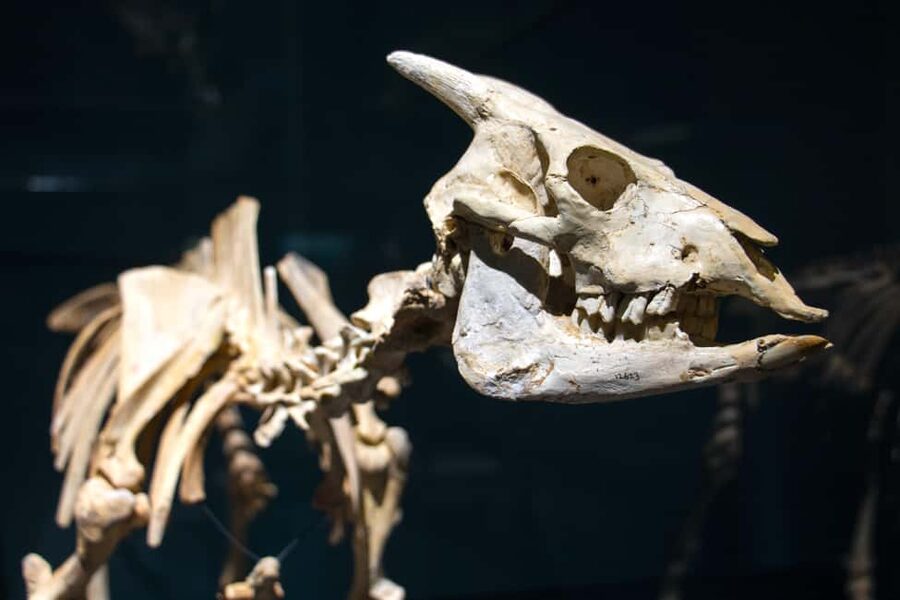
- Indoor displays cover geology, paleontology, and present-day biodiversity.
- The garden supports conservation work through its herbarium and germplasm bank.
- Arrive at opening time if driving, since parking can become difficult around midday.
- Recent condition has been uneven, with complaints about dry vegetation and untidy paths.
What the Sóller visit is really about
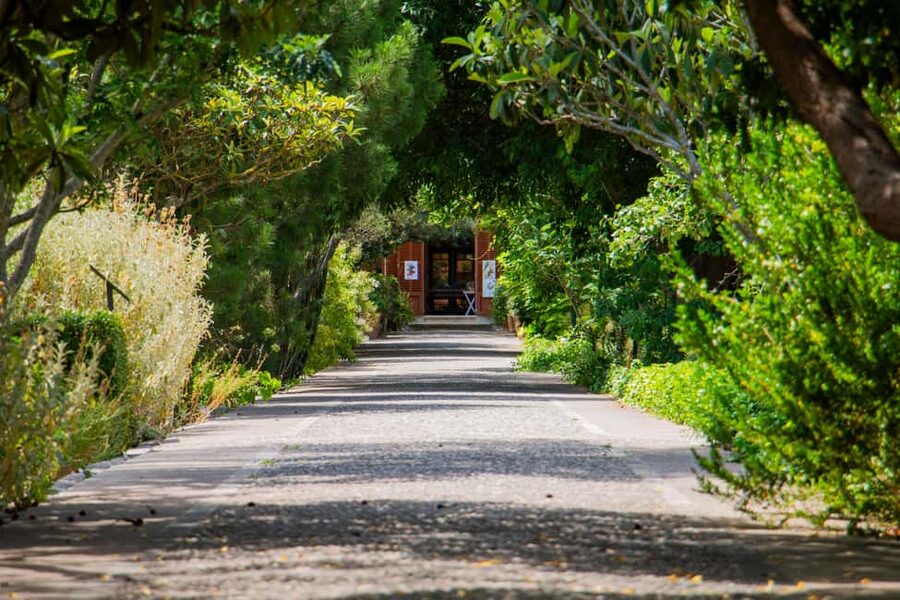
MUCBO, the Sóller Botanical Garden Foundation and Balearic Museum of Natural Sciences, is more than a sightseeing stop. Its work covers research, conservation, public education, and the study of nature in the Balearic Islands.
That purpose matters because island nature is easy to take for granted. A plant growing beside a path may look ordinary, but an island species can have a very limited natural range. The garden gives you a place to see local plant life as part of a wider story about geology, evolution, and conservation.
I would not approach this as a grand European garden in the style of a royal estate. The attraction is smaller and more specialized. You are coming to learn about Balearic nature in Sóller, not to spend an entire day wandering through acres of formal flower beds.
The supplied information gives the experience a one-day validity, but that does not mean you need a full day inside. Your actual visit length is not specified, so plan it around your interest in the exhibits and plants. If you enjoy natural history, you may want to take your time. If you mainly want a quick look at the garden, the visit may be shorter.
More Botanical Gardens in Spain
- Blanes: Marimurtra Botanical Garden Entry Ticket
★ 4.7 · 998 reviews - Icod de los Vinos: Dragon Tree & Botanical Garden Ticket
★ 4.5 · 761 reviews - Las Palmas, Botanical Gardens and Bandama Volcano Tour
★ 4.1 · 113 reviews
Start indoors with Mallorca’s natural history
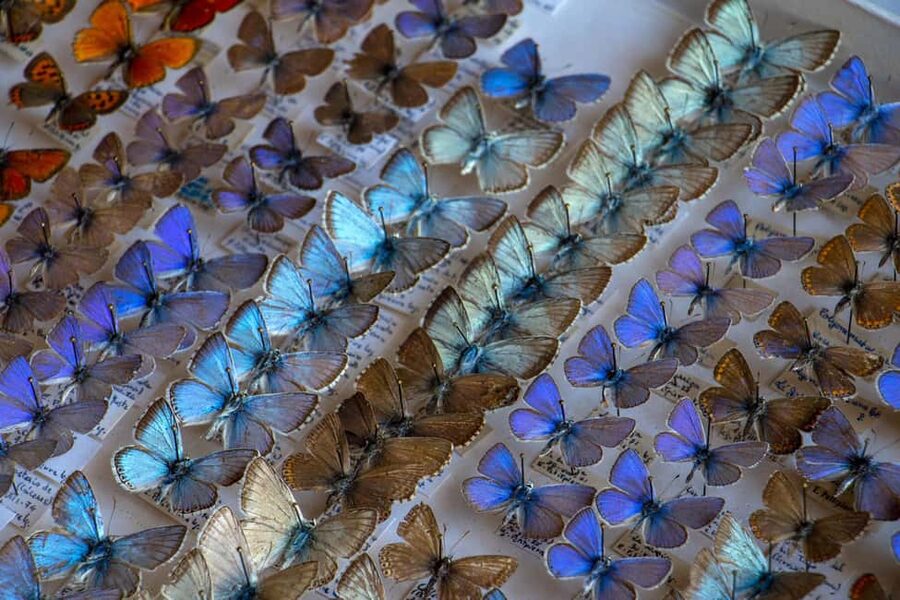
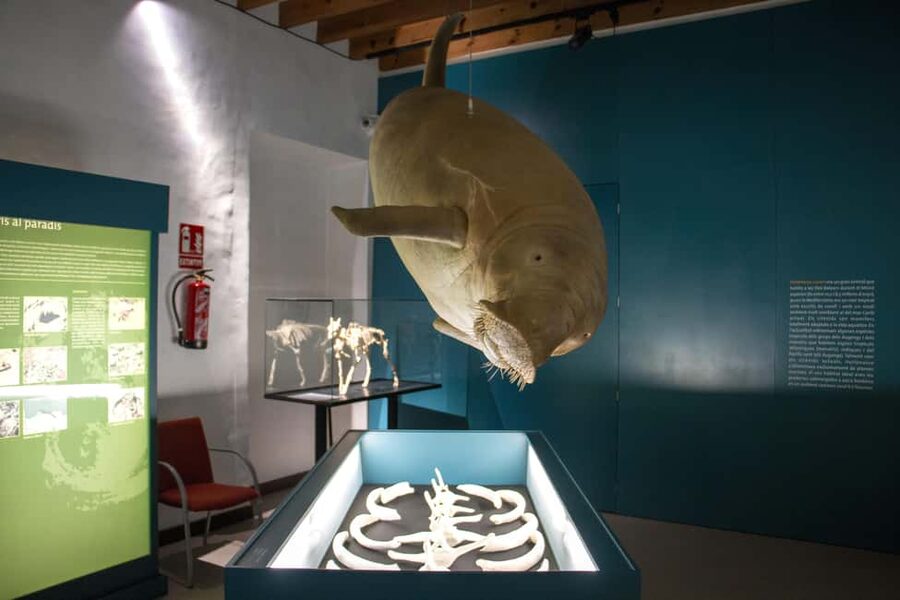
The Balearic Museum of Natural Sciences provides the indoor side of the visit. Its permanent exhibitions cover geology, paleontology, and current biodiversity, giving you three useful steps through the islands’ natural story.
Geology helps explain the physical setting beneath the plants and animals. Paleontology takes you further back, toward the earlier life of the islands. Current biodiversity brings you back to the species and habitats that exist now. Together, those subjects give the visit more depth than a simple plant collection.
You should expect permanent exhibitions rather than a timed guided tour. No guide names or scheduled guiding details are provided, so do not book this expecting a personal tour led by a named expert. Some material is presented in its original language, which is worth keeping in mind if you want every label and explanation in a particular language.
The museum will suit you best if you like context. A child who enjoys fossils, an adult interested in island ecology, or anyone curious about how Mallorca’s natural world developed can get more from these displays than someone looking only for colorful garden views.
Then move outside among living Balearic plants
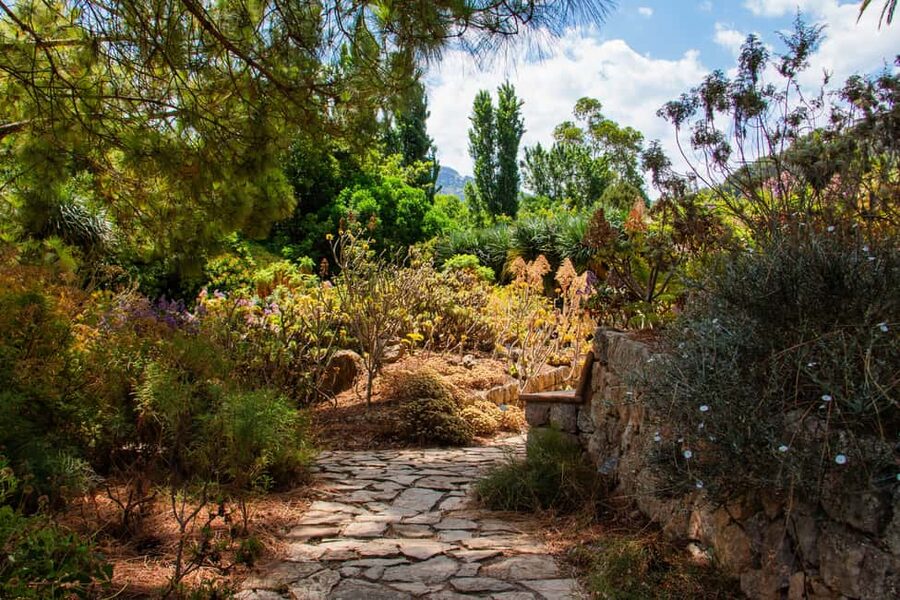
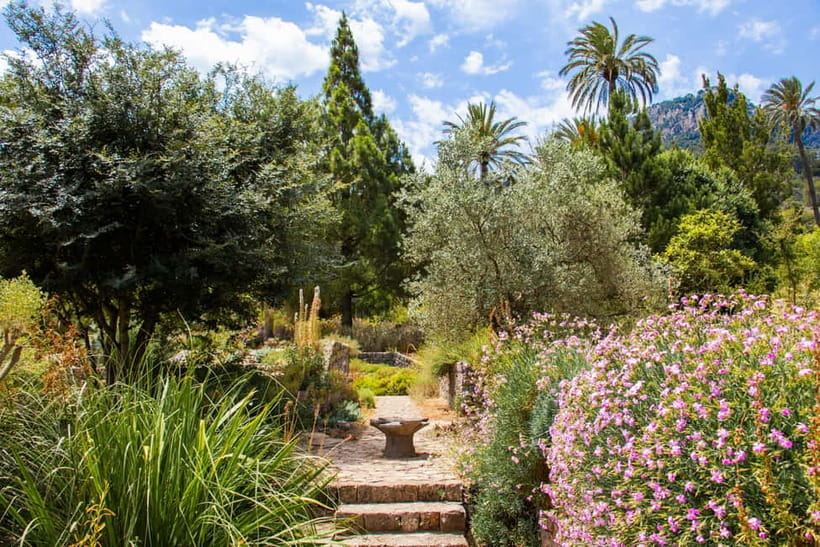
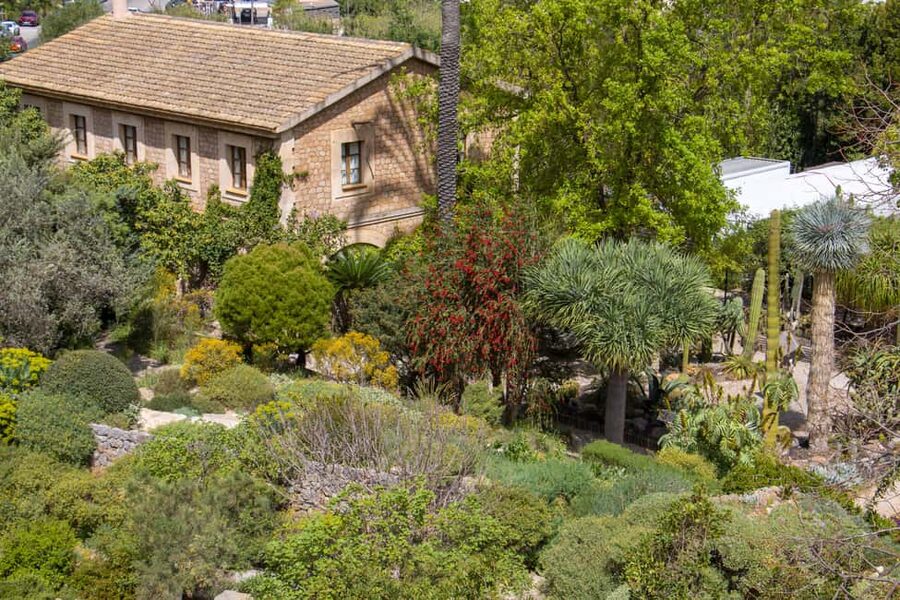
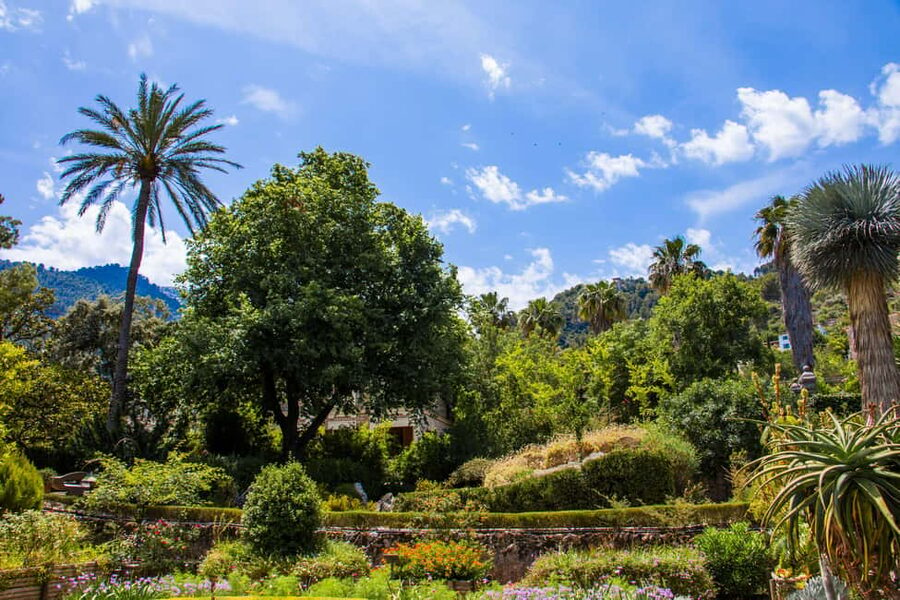
The botanical garden is the living part of the institution. It presents plants from the Balearic Islands, making it a useful place to see local botanical variety in one setting.
The value here is not only visual. A living collection can show how plants grow, how they are grouped, and how conservation works beyond a display case. The garden’s herbarium and germplasm bank add an important research side. An herbarium preserves plant specimens for study, while a germplasm bank helps protect plant genetic material for future conservation work.
You may find the outdoor visit more rewarding if you slow down and look for labels and plant groupings rather than rushing through. The available information does not specify individual species, garden zones, seasonal highlights, or a detailed route, so I would not promise a particular plant display during your visit.
That lack of detail also means expectations matter. If you have visited large botanical gardens with extensive collections, formal beds, shaded walks, and polished presentation, this may feel modest. One recent French visitor described the garden as small, with few varieties and maintenance below expectations. Another visit in June reported water stress, dead leaves, uncut plant parts, and weeds.
Those comments should not erase the garden’s conservation role, but they do affect the sightseeing value. A scientific collection can be important even when the paths are not picture-perfect. At the same time, you are paying for a public attraction, and visible neglect can reasonably shape your judgment of the admission price.
Why the herbarium and germplasm bank matter
The herbarium and germplasm bank are easy to overlook because they are less immediately exciting than flowers or fossils. For me, they are among the most meaningful parts of the institution’s work.
A garden can display plants, but conservation needs more than a pretty outdoor collection. Preserved specimens help researchers identify and compare plants. Stored genetic material can help protect species and support future study. In an island environment, that work has special weight because local plants may face pressure from development, drought, invasive species, or changing conditions.
You may not receive a behind-the-scenes tour of these facilities. The information only confirms that the garden features a herbarium and germplasm bank, not that visitors can enter every working area. Think of them as part of the institution’s purpose rather than guaranteed hands-on exhibits.
This distinction is useful when deciding if the $10 price works for you. If you care about conservation and natural science, you are paying to visit an institution with a research function. If you want a large ornamental garden with constant visual payoff, you may find the admission less convincing.
Same season, a different set of beds:
- Granada: Alhambra & Gardens Tour w/Nasrid Palaces Option
★ 4.2 · 7,022 reviews - Granada: Alhambra Gardens and Generalife Ticket
★ 4.4 · 2,195 reviews - Granada: Alhambra Guided Tour with Nasrid Palaces & Gardens
★ 4.7 · 2,190 reviews - Alhambra &Charles Palace Guided Tour with Optional Nasrid Palaces
★ 4.5 · 2,149 reviews
Give yourself a parking plan in Sóller
Parking is the clearest practical warning. A June 2025 visit described spending 45 minutes circling before giving up because cars kept arriving. The direct advice was to use public transport or arrive at opening time, and to avoid the middle of the day.
I would take that seriously. The supplied information does not provide a parking reservation system, guaranteed spaces, or a specific car park. You should not assume that driving up at noon will be simple, especially during a busy period.
If you are driving, aim for the start of the day. That gives you the best chance of dealing with parking before the area fills. If you plan to combine the garden with other Sóller sights, check your transport plan first rather than leaving this stop until the busiest part of the day.
Public transport is specifically suggested as an alternative, but no route, stop, or timetable is supplied here. Check current local connections before setting out. The key point is simple: treat access as part of the planning, not as an afterthought.
Is the $10 admission good value?
At $10 per person, the ticket is not expensive compared with many major attractions, but value depends heavily on what you want from the visit.
I see three reasons the price can work. You get general admission to both the museum and garden. The institution is unique on Mallorca because it combines the island’s only botanical garden with its only natural science museum. And your ticket supports a center involved in research, conservation, public education, and environmental study.
The price becomes harder to justify if you are judging only the garden’s appearance. A recent visit found too few plant varieties and poor upkeep. Another found widespread signs of water shortage and untidy paths. Those are not minor details for a garden visit. Dry plants and neglected beds reduce the pleasure of the outdoor collection.
The overall rating provided for the experience is 3.2 out of 5 from nine reviews. That points to a mixed experience rather than a clear recommendation for everyone. I would pay the $10 if the subjects appeal to you, especially geology, fossils, island plants, or conservation. I would be more cautious if you want a polished garden for photographs or a long, leisurely outdoor stroll.
Who will get the most from this visit?
This is a good match for you if you enjoy natural history and prefer a focused local institution to a standard sightseeing attraction. Families with children interested in fossils or plants may find the two-part format useful, though the available information does not list child-specific activities.
It also suits visitors who want to understand Mallorca beyond beaches and villages. The displays connect the island’s past and present, while the living collection shows plants in a setting devoted to Balearic nature.
Botany students, gardeners, teachers, and conservation-minded visitors may appreciate the herbarium and germplasm bank more than casual sightseers do. The garden’s scientific purpose adds meaning even if the presentation feels plain.
I would be cautious if your main goal is a large, perfectly maintained botanical park. The recent complaints about upkeep and variety are specific enough to take seriously. I would also avoid making this your only planned activity if you need a full day of guaranteed entertainment.
Accessibility, flexibility, and what is included
General admission covers both the Botanical Garden and the Science Museum. No separate museum or garden ticket is listed.
The site is wheelchair accessible, which makes this a practical choice for visitors who need step-free access. The information does not describe individual path surfaces, slopes, rest areas, or restroom facilities, so you may want to confirm those details directly if they are important for your visit.
You can cancel up to 24 hours in advance for a full refund. A reserve-now, pay-later option is also available, allowing you to hold a place without paying immediately. The ticket is valid for one day, with starting times based on availability.
Some content is shown in its original language. If you need a particular language for museum explanations, check before booking. No guided tour, guide name, group size, or language list is provided, so this should be treated as a general admission visit rather than a language-specific tour.
How I would plan the visit
I would choose an early start, especially if arriving by car. That addresses the strongest practical problem and gives the garden a better chance of looking fresh before the heat of the day.
I would then visit the museum first or second depending on your energy and the weather. The indoor displays offer geology, paleontology, and present-day biodiversity. The garden gives you the living collection, along with the broader conservation story behind the herbarium and germplasm bank.
Allow enough time to read the displays rather than racing through. Since no fixed itinerary or visit duration is provided, you can set your pace. I would not reserve the entire day unless you already know you enjoy detailed natural science visits.
Bring realistic expectations. You may find a thoughtful, useful institution with an important local mission, but you may also encounter dry plants, fallen leaves, weeds, or limited variety. The experience can be worthwhile without looking immaculate, but the condition of the garden will influence how satisfied you feel.
Should you book the Sóller Botanical Garden?
Book it if you want Mallorca’s only botanical garden and natural science museum, and if geology, fossils, Balearic biodiversity, or conservation interest you. The $10 price is reasonable for access to both sections, especially for visitors who value the institution’s scientific work.
Think twice if you want a grand garden, extensive plant variety, or consistently polished maintenance. Arrive early, consider public transport, and avoid the middle of the day if you are driving.
My practical verdict: this is a focused, worthwhile stop for natural history fans, but not an automatic choice for every visitor to Sóller. Your best reason to go is the subject matter and the island-specific conservation work. Your biggest risk is paying for a garden that may look tired when you arrive.
FAQ
Where is the Sóller Botanical Garden and Balearic Museum of Natural Sciences?
It is in Sóller, on the island of Mallorca in Spain’s Balearic Islands.
How much does general admission cost?
The listed price is $10 per person.
What does the admission ticket include?
General admission includes both the Sóller Botanical Garden and the Balearic Museum of Natural Sciences.
What can I see inside the natural science museum?
The permanent exhibitions cover geology, paleontology, and current biodiversity.
What can I see in the botanical garden?
The garden features a living plant collection, along with a herbarium and germplasm bank.
Is this the only botanical garden on Mallorca?
The experience is described as the only botanical garden on the island.
Is this the only natural science museum on Mallorca?
The experience is described as the only natural science museum on the island.
Is the site wheelchair accessible?
Yes, the experience is listed as wheelchair accessible.
Can I cancel my booking for a refund?
Yes. You can cancel up to 24 hours in advance for a full refund.
Museums with gardens around Spain
- Lanzarote Tour: Lagomar Museum, Cactus Garden & La Graciosa
★ 4.5 · 18 reviews - Vienna: Skip-the-Line Sisi Museum, Hofburg and Gardens Tour
★ 4.8 · 5,918 reviews - Marrakech: Majorelle Garden, YSL, and Berber Museum Entry
★ 4.6 · 5,168 reviews - Rome: Borghese Gallery and Gardens Guided Small-Group Tour
★ 4.6 · 2,783 reviews
Newly planted garden visits around Spain
- Lanzarote Tour: Lagomar Museum, Cactus Garden & La Graciosa★ 4.5 · 18 reviews
- Tour to César Manrique Foundation, Cactus Garden and Teguise for cruise passengers★ 4.5 · 8 reviews
- Aromatic Experience in the Medicinal Garden in Ibiza★ 5.0 · 7 reviews
- Tickets included: Alhambra Tour (Gardens, Alcazaba, Generalife)★ 4.5 · 101 reviews
- Alhambra Gardens, Generalife and Alcazaba Tickets & Local Guide★ 3.5 · 5 reviews
- Tickets included: Alhambra (Gardens)★ 4.5 · 8 reviews
- Guided tour of the Alhambra: Generalife and its gardens★ 4.0 · 9 reviews
- Generalife, Gardens and Alcazaba guided tour (without Nasrid Palaces)★ 3.5 · 3 reviews
Botanical Gardens, bed by bed.

Blanes: Marimurtra Botanical Garden Entry Ticket
Read our review →
Malta: Mdina, Dingli Cliffs and San Anton Botanical Gardens
Read our review →
Princeville Botanical Gardens Tour and Chocolate Tasting Ticket
Read our review →
Icod de los Vinos: Dragon Tree & Botanical Garden Ticket
Read our review →
Maleny Botanic Gardens Bird Aviary Experience Ticket
Read our review →
Big Island Waterfalls Tour with Swimming and Botanical Garden
Read our review →
Lists this garden visit belongs to