
Review · GHANA
Accra: Aburi Botanical Garden, Cocoa Farm, and Waterfall …
Ghana’s cocoa story begins in a modest farm near Aburi, and this six-hour trip lets you connect that story with tropical gardens and a cool forest waterfall. The route moves from Accra toward the Eastern Region, where hills and thick greenery replace much of the city’s concrete.
I like the mix of cultural context and outdoor time, and I like that transport, lunch, water, guides, and entry fees are bundled into the $194 price. The main consideration is the amount of driving and walking packed into one day, especially if you want a slow visit at each stop.
Key points
- Aburi Botanical Garden dates to 1890: Explore 160 acres of tropical trees, flowers, and plants, including Kapok trees, an old Strangler Fig, and royal palms.
- Tetteh Quarshie Farm connects cocoa to Ghana: Learn how cocoa arrived from Fernando Po, now Bioko in Equatorial Guinea, and helped shape the country’s economy.
- Fresh cocoa tasting is part of the visit: Crack open a cocoa pod and taste the beans before they become chocolate.
- Asenema Waterfall adds a cool finish: Reach the falls by a short, easy forest walk near Adukrom.
- A private group keeps the day flexible: You travel by car with an English-speaking live guide rather than joining a large shared group.
- The price covers the main costs: Transportation, lunch, water, entrance fees, and guided visits are included.
From Accra to the Eastern Region
The day begins with a drive away from Accra. The city gradually gives way to rolling hills, open views, and thicker plant life. That change is part of the experience, not just a transfer between attractions.
At $194 per person, this is not a budget outing. It is priced as a private, all-inclusive day with a car, guide, lunch, water, and admission to three places. For a solo visitor or couple, that can be a fair trade if you value a private vehicle and direct guidance. For a larger group, the cost may feel easier to justify because the booking is for a private group.
The listed duration is six hours, so expect a well-packed schedule rather than a leisurely countryside day. You will cover three separate stops, and the journey itself takes time. I would choose this trip when I want a clear plan and several different experiences in one day, not when I want to linger for hours in one garden or at the waterfall.
A live English-speaking guide accompanies you. That matters here because the garden, cocoa farm, and waterfall each benefit from explanation. Without context, you would see trees, cocoa pods, and falling water. With a guide, you can connect them to Ghana’s plant life, farming economy, and local geography.
More Botanical Gardens in Ghana:
- Experience Boti Waterfalls, Aburi Botanical Gardens & Tetteh Quarshie Cocoa Farm
★ 5.0 · 38 reviews - Boti Falls, Botanic Gardens, Cocoa Fam, Umbrella Rock Experience
★ 5.0 · 20 reviews - Full Day Tour Waterfalls Quad biking and Aburi Botanical Gardens
★ 5.0 · 12 reviews
Walking beneath the trees at Aburi Botanical Garden
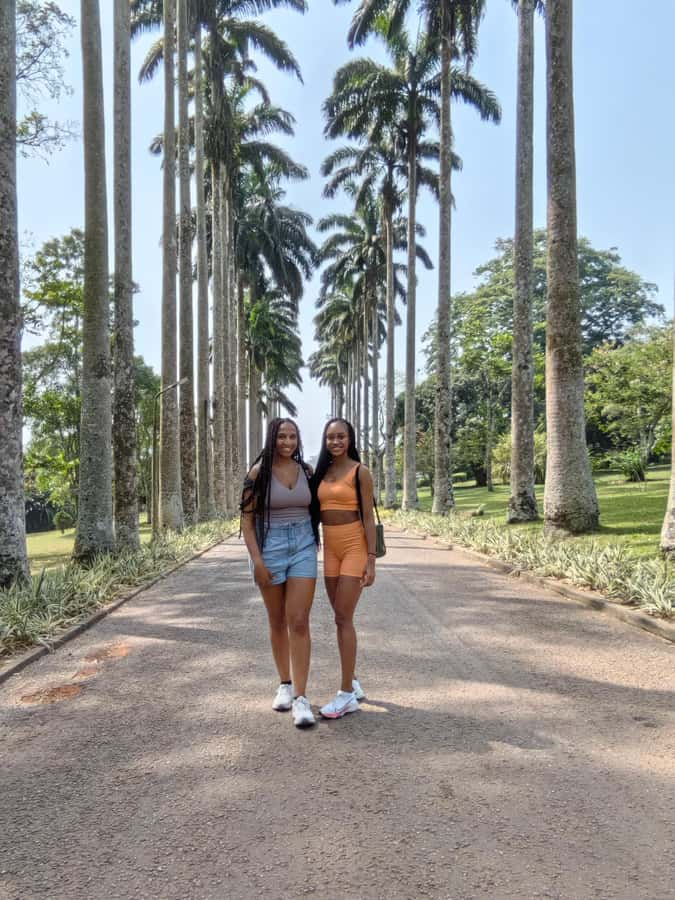
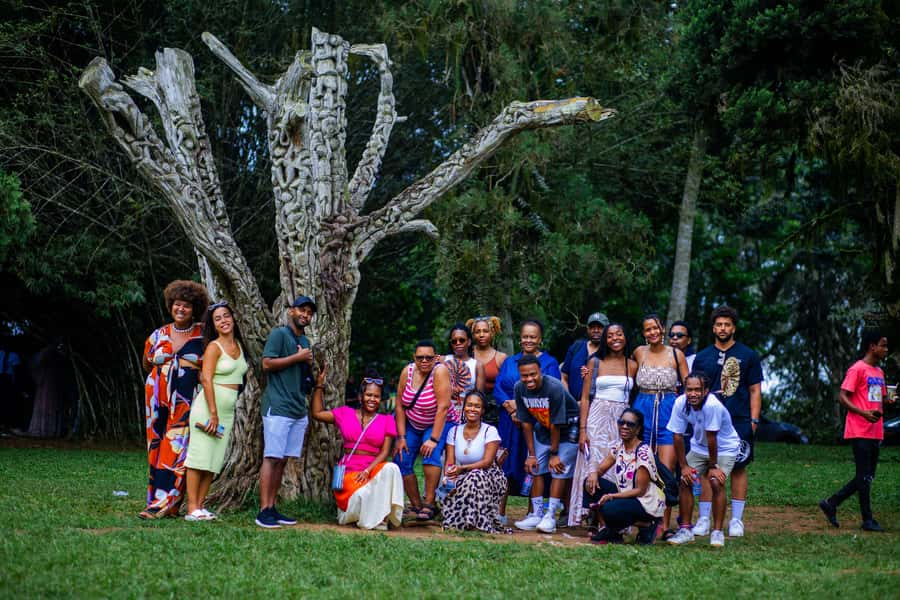
Aburi Botanical Garden was established in 1890 and covers about 160 acres. It is a large, historic garden rather than a small urban park, so the visit gives you room to walk and look around without feeling boxed in.
The garden contains tropical plants, trees, and flowers from across Ghana and beyond. Your guide leads you through its different areas, pointing out features that would be easy to pass without noticing. The scale also gives you a break from the heat and noise of Accra.
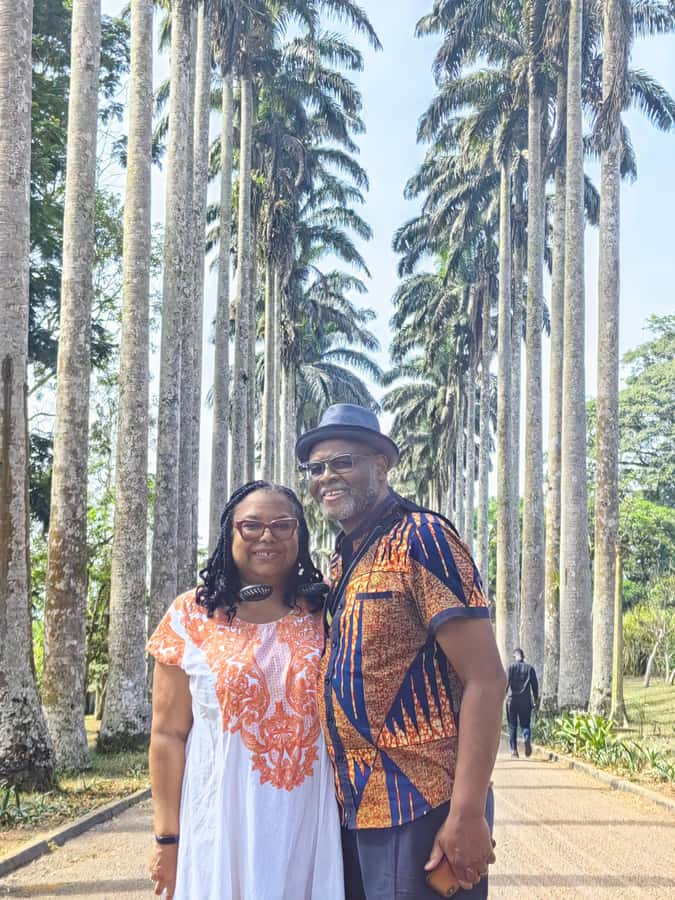
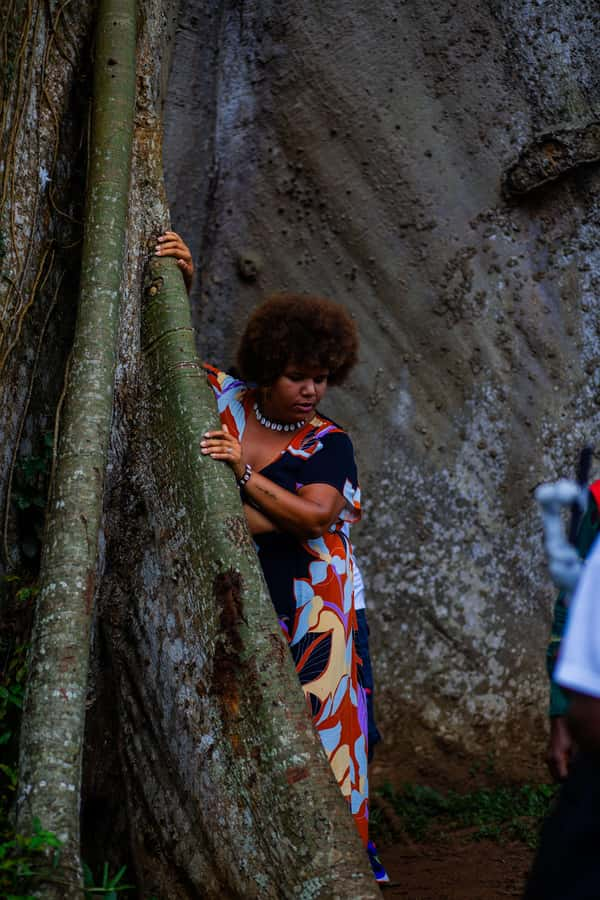
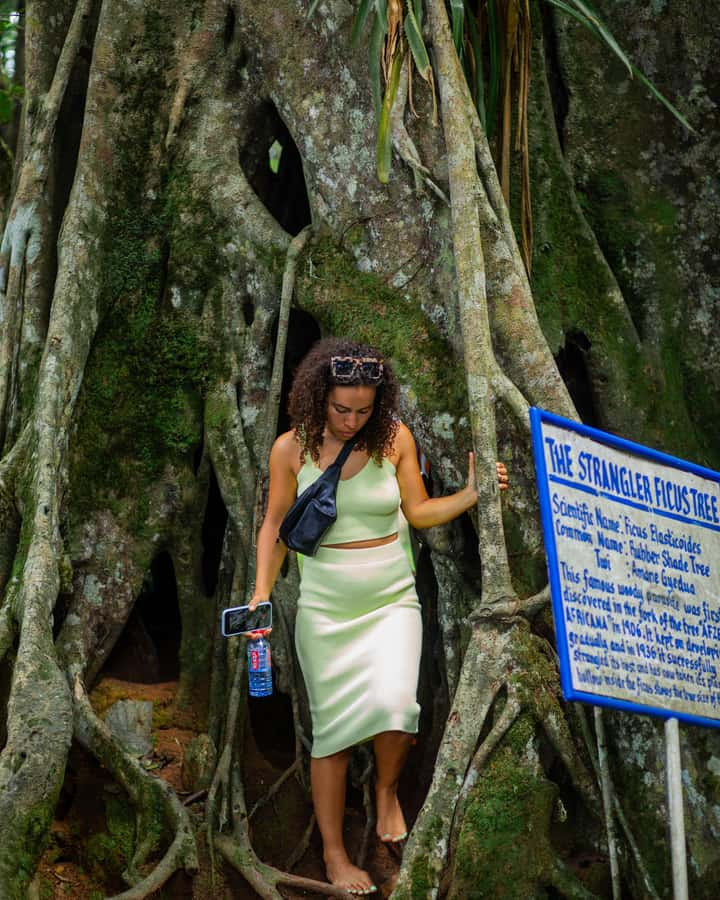
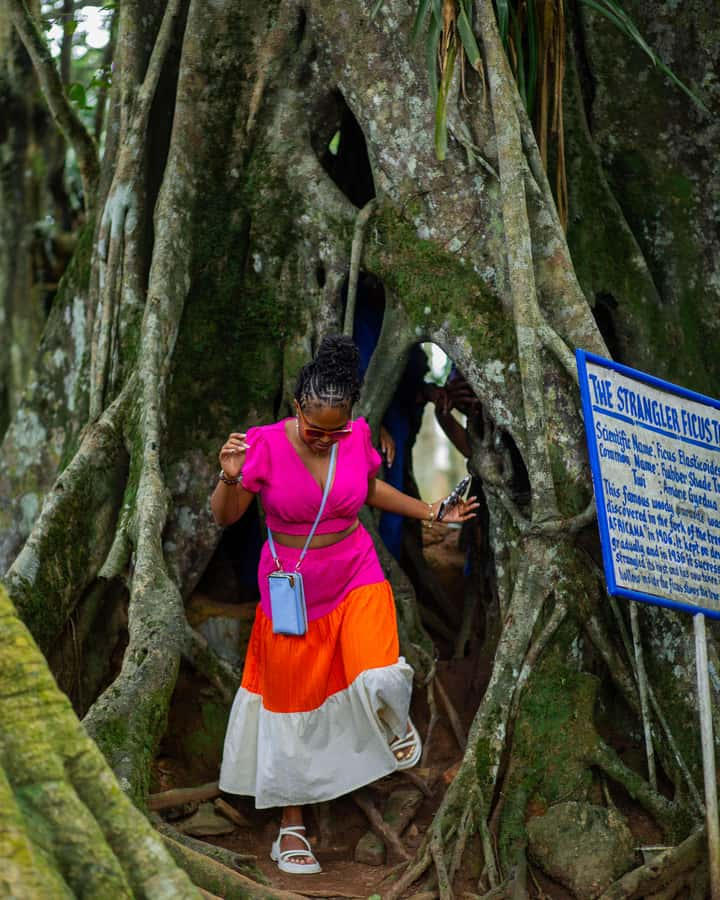
Three sights deserve special attention. Tall Kapok trees show the size and character of tropical growth. An old Strangler Fig gives the garden a more unusual focal point. An avenue lined with royal palms adds a formal, almost grand passage through the grounds.
This stop is best for you if you enjoy plants, shade, and a quiet walk. It also works well as an introduction to the region because you start noticing how much the local climate supports. You are not simply looking at a collection of decorative flowers. You are seeing the plant world that helps define southern Ghana.
Bring a hat and sunscreen, even though portions of the garden may be shaded. Comfortable shoes are important because the day includes a moderate amount of walking. The garden visit is guided, but the information provided does not promise a botanical specialist, so expect a broad and accessible introduction rather than a highly technical plant lecture.
Understanding Ghana’s cocoa story at Tetteh Quarshie Farm
The Tetteh Quarshie Cocoa Farm is the most distinctive stop on the route. It links a real place to one of Ghana’s best-known agricultural stories.
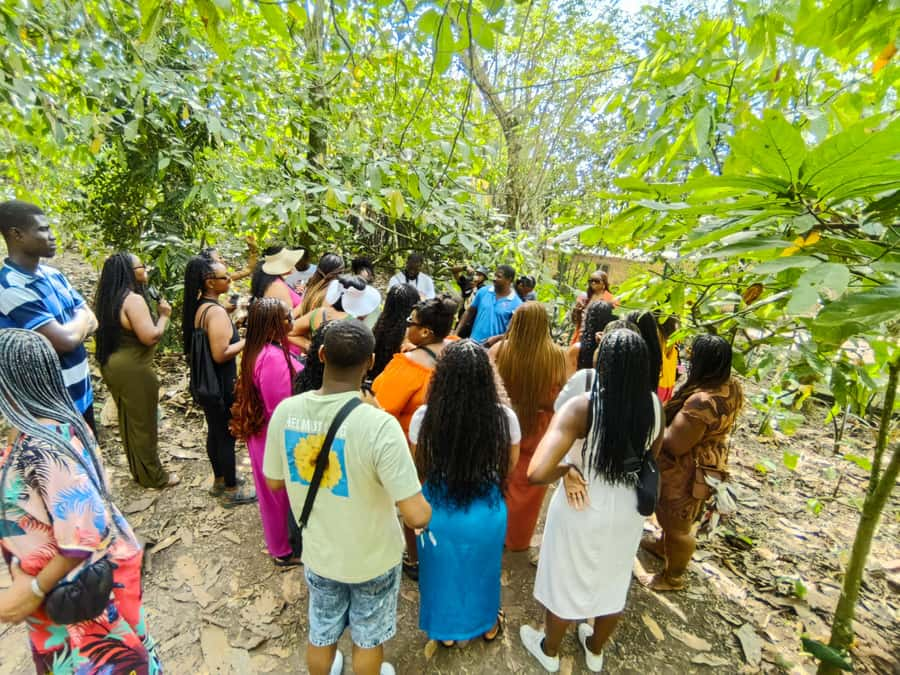
The farm is named for Tetteh Quarshie, a Ghanaian blacksmith who brought the first cocoa beans from Fernando Po, now called Bioko in Equatorial Guinea, during the late 19th century. Cocoa later became central to Ghana’s economy and international identity. At the farm, that story feels more grounded than it would in a museum display because you see the trees and pods in the setting where the crop is grown.
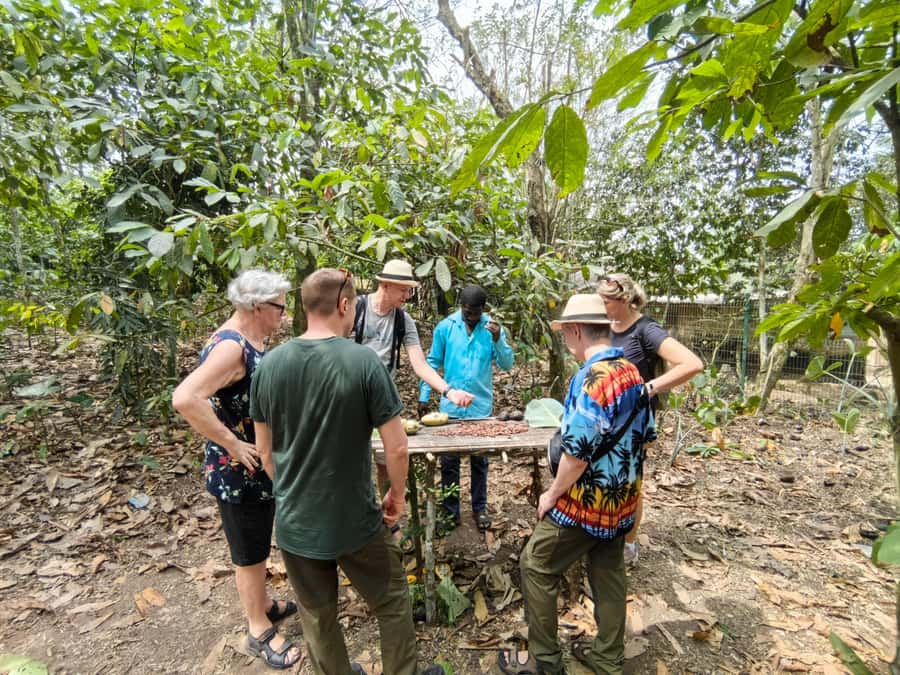
Your guide explains the basic growing cycle. You learn about planting cocoa trees, caring for them, and harvesting the pods. The visit also covers what happens after picking, especially fermentation and drying. Those steps are essential because raw beans do not simply become good chocolate on their own.
The hands-on part is a real plus. You can crack open a cocoa pod and taste the fresh beans. The flavor and texture at this stage are not the same as a finished chocolate bar, which makes the experience useful rather than merely decorative. You get a direct sense of how much processing separates the farm from the sweets sold in shops.
I would give this stop your full attention. It is easy to focus only on the photo of a cocoa pod, but the farming process is the heart of the visit. Ask your guide about the stages from pod to dried bean, and pay attention to how the farm explains the work involved.
The cocoa farm may be less polished than a purpose-built attraction, and that is part of its value. You are visiting a working agricultural site tied to Ghana’s past and economy. If you want an interactive stop with a clear local connection, this is likely the strongest part of the day.
A short walk to Asenema Waterfall
The final stop is Asenema Waterfall near Adukrom. After the garden and cocoa farm, the falls shift the focus from cultivation and history to a simple outdoor pause.
You reach the waterfall by following a short, easy path through forest. The walk is not described as strenuous, but you should still wear shoes with a firm sole. Roots, damp ground, or uneven sections can make even a short trail less comfortable in sandals.
The reward is a rocky cliff with water dropping into a clear pool below. You can take photographs, sit nearby, or dip your feet in the water. The sound of the falls and the shade of the surrounding trees offer a welcome change after time in the sun.
Do not expect a long wilderness hike. This is a brief nature walk leading to a scenic stopping point. That makes it suitable for anyone who wants outdoor scenery without committing to a demanding trek. It also means the waterfall visit may feel short if you are hoping for a full afternoon of swimming or hiking.
The information provided does not confirm that swimming is permitted, so treat the pool as a place to admire and cool your feet unless your guide gives different instructions. Bring your camera, but keep it protected around the water.
More gardens worth a morning in Ghana:
- Boti Falls, Umbrella Rock, Aburi Gardens & Cocoa Farm Tour
★ 4.6 · 72 reviews - Boti Falls, Umbrella Rock, Aburi Gardens & Cocoa Farm Day Tour
★ 5.0 · 32 reviews - Escape Accra City to Aburi Gardens and Tetteh Quarshie Cocoa Farms
★ 4.5 · 32 reviews - Accra Aburi Eco & Cocoa Experience: Gardens Waterfall &Lunch
★ 4.9 · 12 reviews
What the six-hour schedule means
Three attractions in six hours require reasonable pace. Aburi Botanical Garden deserves time for a proper walk, the cocoa farm includes a guided explanation and tasting, and Asenema requires the forest path. Add the drive from Accra and the return journey, and you can see why the schedule is full.
I like this structure because each stop feels different. The garden is broad and calm. The cocoa farm offers the strongest lesson and hands-on activity. The waterfall gives you a quiet natural finish. You do not spend the entire day looking at similar sights.
The tradeoff is that no single stop can become an all-day visit. If you are especially interested in botany, cocoa farming, or photography, you may want more time than this outing allows. If you are visiting Accra for a limited period, however, the combination makes good sense.
The private format helps. You are not tied to the pace of a large group, and your guide can manage the movement between stops. The available information does not provide a guide’s name, so you cannot request a specific guide based on the details here. It does confirm a live guide in English.
What is included for $194

The price includes transportation by car, a guided visit at Aburi Botanical Garden, the Tetteh Quarshie Cocoa Farm visit, the Asenema Waterfall stop, a live English-speaking guide, lunch, water, and entry fees at all destinations.
That list matters. A lower headline price can become less attractive once you add transport, admissions, food, and drinks. Here, the main planned costs are grouped together, which makes budgeting easier.
The value depends on how you travel. For a visitor who would otherwise need to arrange a private car and separate local guides, $194 can be sensible. For someone comfortable using cheaper transport and visiting fewer places, it may feel expensive. The private group format is the main reason to consider it.
Personal expenses are not included. Bring a little money for anything outside the stated package, though no specific optional purchases are listed. Lunch and water are already covered.
You can cancel up to 24 hours before the experience for a full refund, and you can reserve now and pay later. Those terms add flexibility if your Accra plans are still taking shape.
What to wear and carry
Comfortable walking shoes should be your first choice. You will walk through the botanical garden, move around the cocoa farm, and follow a forest path to the waterfall.
A hat and sunscreen are practical even if parts of the route are shaded. The day includes outdoor stops, and the drive between them does not remove the need for sun protection.
Bring a camera for the palm avenue, cocoa pods, forest path, and waterfall. Water is included, but keeping your own small bag organized will make the transitions easier. The supplied information does not list special equipment or a swimsuit as required, so pack for walking and sightseeing rather than a full water activity.
Who should book this Accra day trip
I would recommend this experience to you if you want three types of Ghanaian scenery and culture in one private outing. It suits first-time visitors who want help with transport and context, couples looking for a countryside escape, and small groups that prefer their own car.
It is also a good fit if cocoa interests you. The farm visit goes beyond looking at trees because you see cultivation, harvesting, fermentation, drying, and fresh-bean tasting in one stop.
Families and casual walkers may appreciate the short route to Asenema Waterfall, though everyone should be ready for moderate walking overall. The garden and cocoa farm provide variety for anyone who does not want a full-day hike.
I would think twice if your priority is a very slow day, a long swim, or an intensive botanical study. The six-hour plan is active and neatly arranged, not unhurried. The return drive to Accra also means some of your day is spent in the car.
Should you book it?
Book this trip if you want an efficient, private introduction to the hills and attractions east of Accra. The strongest reasons are the cocoa farm’s hands-on tasting, Aburi’s old trees and wide grounds, and the refreshing finish at Asenema Waterfall.
The $194 price makes the most sense when you value private transport, a live English-speaking guide, included meals and water, and covered entry fees. Skip it if you would rather explore one place slowly or keep your day as inexpensive as possible. For a first visit to the region, though, the mix is unusually practical: plants, cocoa, forest, water, and a clear connection to Ghana’s agricultural story.
FAQ
Where does this experience take place?
The trip travels from Accra into Ghana’s Eastern Region. Stops include Aburi Botanical Garden, Tetteh Quarshie Cocoa Farm, and Asenema Waterfall near Adukrom.
How long does the tour last?
The experience lasts six hours, including the journey between Accra and the attractions.
Is transportation included?
Yes. Transportation by car is included in the price.
Is the experience private?
Yes. It is offered for a private group.
Is a guide included?
Yes. A live English-speaking tour guide is included.
What can I do at Tetteh Quarshie Cocoa Farm?
You can learn about cocoa cultivation, harvesting, fermentation, and drying. You can also open a cocoa pod and taste fresh cocoa beans.
How much walking is involved?
There is a moderate amount of walking. The waterfall requires a short, easy hike through a forested path.
Is lunch included?
Yes. Lunch and water are included.
What should I bring?
Bring comfortable shoes, a hat, sunscreen, and a camera.
Newly planted garden visits around Ghana
- Full Day Tour Waterfalls Quad biking and Aburi Botanical Gardens★ 5.0 · 12 reviews
- Ghana Eastern Explorer – Boti Falls, Aburi Gardens & Tetther Quarshie Cocoa Farm★ 5.0 · 4 reviews
- Explore Aburi Botanical Gardens And Boti Falls★ 5.0 · 4 reviews
- Day Trip Near Accra – Visit Aburi Gardens, Waterfall & Cocoa Farm★ 5.0 · 4 reviews
- Aburi Botanic Gardens, Boti Falls,Umbrella Rock & Cocoa Farm Tour★ 5.0 · 6 reviews
- Boti Waterfalls and Aburi Botanical Gardens Full Day Tour★ 5.0 · 2 reviews
- Aburi Gardens and Tetteh Quarshie Farms★ 5.0 · 4 reviews
- Experience Aburi Botanical Gardens And Boti Water Falls In A Day.★ 5.0 · 3 reviews
Botanical Gardens, bed by bed.

Blanes: Marimurtra Botanical Garden Entry Ticket
Read our review →
Malta: Mdina, Dingli Cliffs and San Anton Botanical Gardens
Read our review →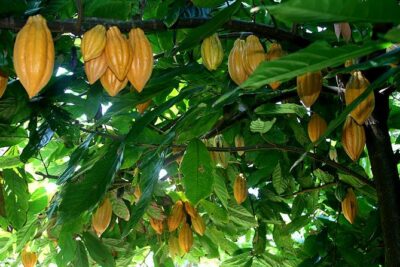
Princeville Botanical Gardens Tour and Chocolate Tasting Ticket
Read our review →
Icod de los Vinos: Dragon Tree & Botanical Garden Ticket
Read our review →
Maleny Botanic Gardens Bird Aviary Experience Ticket
Read our review →
Big Island Waterfalls Tour with Swimming and Botanical Garden
Read our review →
Lists this garden visit belongs to