
Review · INDIA
Mumbai:Dhobi Ghat Laundry,Dharavi Slum & Flower market Tour
Mumbai’s working heart comes into focus on this low-cost tour. You ride a local train to Dhobi Ghat, watch hundreds of clothes being washed and dried, pass through a busy flower market, then walk Dharavi’s narrow lanes with a guide who knows the area from daily life. I like the honest mix of transport, work, and community here. You are not sealed inside a sightseeing bus.
I also like the guides’ local connection, especially Shivam, who explains Dharavi in clear English and knows the area thoroughly. The main consideration is that Dharavi is a real neighborhood, not a staged attraction. Its tight lanes and small homes can feel confronting, so you should arrive with respect and avoid treating residents as scenery.
Key points to know before booking
- The tour begins with a local train ride: Meet your guide inside Churchgate station, near the ticket counter and Wheelers bookstall.
- Dhobi Ghat is a working laundry: You can watch clothes being washed, hung, and dried across one of Mumbai’s best-known industrial sights.
- The flower market adds color and scent: A short taxi ride takes you from the laundry to a busy market that starts the city’s day.
- Dharavi is a place of work as well as residence: The walk can include markets, schools, recycling work, leather production, garments, and pottery.
- Local guides shape the experience: Guides such as Shivam bring personal familiarity with Dharavi and explain its many communities in English.
- The $9 price covers the basics: Your guide, train ticket, taxi fare, and bottled water are included, while snacks and tips are extra.
This is not a polished collection of monuments. It is a close look at the systems that keep Mumbai moving: laundry, flowers, transport, recycling, manufacturing, and small trade. For $9 per person, the tour offers a lot of ground and a useful local perspective.
I would choose it if you want to understand how people work and live in Mumbai, not simply photograph its grand buildings. The three main stops also give the morning a good rhythm. You begin on public transport, move through a place of organized manual labor, pause in a market full of color and smell, and finish with a guided walk through Dharavi.
The tour is conducted in English. Guides still living in slum communities for generations lead the experience, giving the Dharavi portion a personal connection that a distant sightseeing guide may not provide. That local link matters, but it also makes your own behavior important. Listen, ask sensible questions, and keep your camera away when photography would intrude.
Meeting at Churchgate for the Local Train
Your guide meets you inside Churchgate station at the train ticket counter, close to the Wheelers bookstall. This is a practical meeting place, but stations can be confusing, so arrive with enough time to find the counter without rushing.
The train ride is part of the sightseeing, not just a way to get from one stop to another. You see a slice of everyday Mumbai travel and get a sense of the city’s scale. The experience begins in a way that feels connected to local routines rather than arranged entirely for tourists.
Your train ticket is included. That keeps the $9 price especially useful, since you do not need to handle a separate fare for this part of the outing. Wear comfortable shoes, because the day includes station movement and walking through narrow lanes.
The tour information does not provide a set duration or group size. I would ask the operator about both before booking if you have a tight schedule or prefer a very small group. The same applies if you need a particular departure time.
More Flower Markets and Flower Fields in India
- Jaipur Tuk-Tuk Tour with Flower Market Visit
★ 5.0 · 124 reviews - Jaipur Tour by Tuk-Tuk or Car with Flower Market
★ 5.0 · 120 reviews - Jaipur: Half-Day Guided Sightseeing Tour with Flower Market
★ 4.9 · 119 reviews
Dhobi Ghat and the Work of Laundry
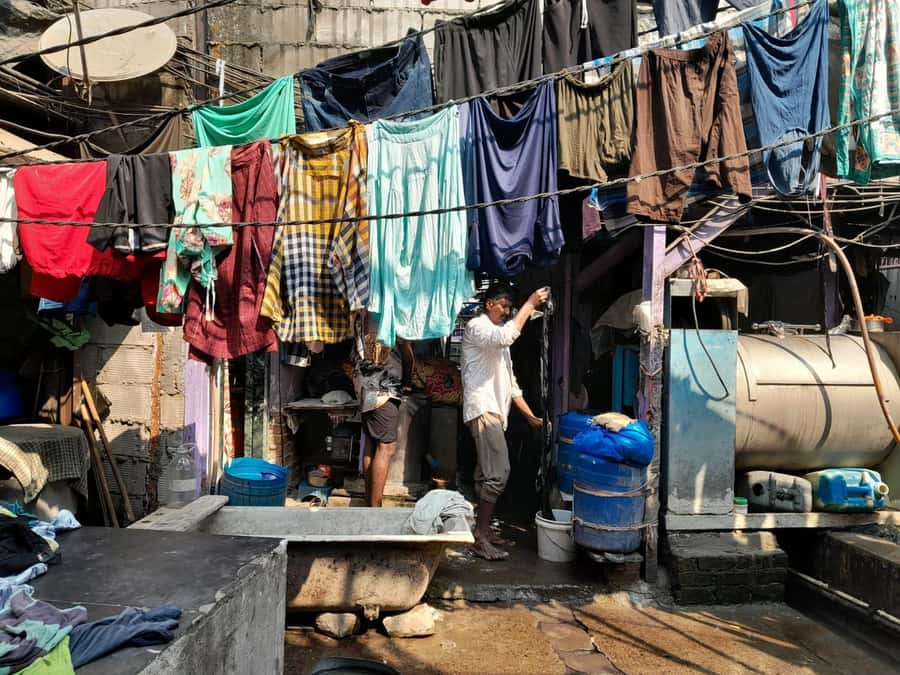
Dhobi Ghat is the tour’s clearest visual stop. It is described as the world’s largest open-air laundry, with hundreds of clothes being washed and dried. Instead of seeing a museum display about old trades, you watch a working laundry system in action.
The appeal is in the coordination. Clothes arrive, are cleaned, and are spread out to dry across a large open-air site. Your guide helps explain what you are seeing, which makes the stop more meaningful than a quick photo from the edge.
I like that this visit begins with work. Mumbai is often presented through film, food, and architecture, but laundry is one of the ordinary services that makes a huge city function. Dhobi Ghat shows the human labor behind a task most people take for granted.
This is also a place where you should follow your guide’s instructions. Do not assume you can walk anywhere or photograph every person at work. The appeal of the stop depends on seeing a real operation without disrupting it.
The Flower Market’s Early-Day Energy
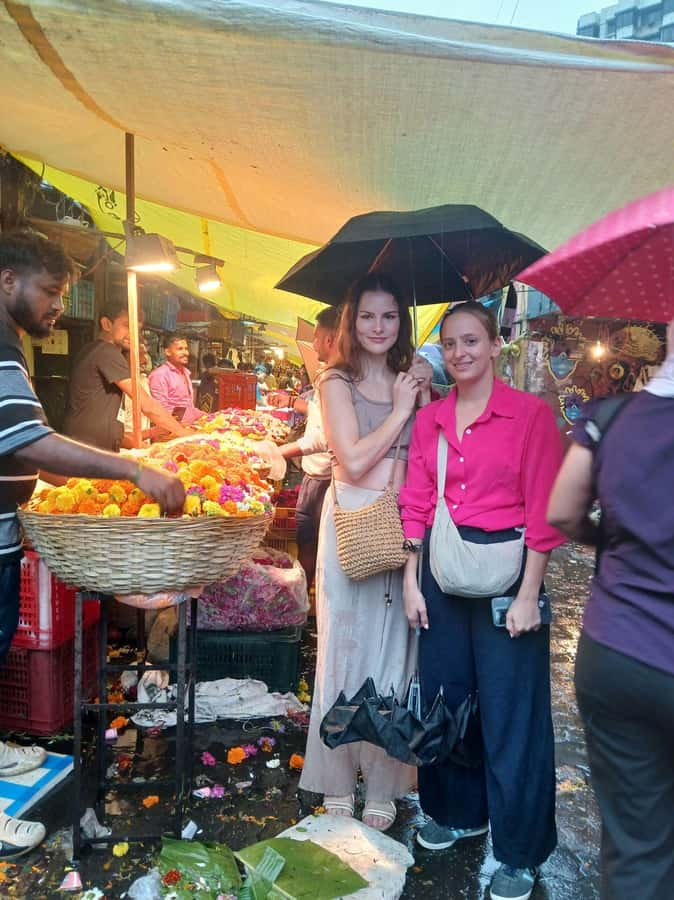
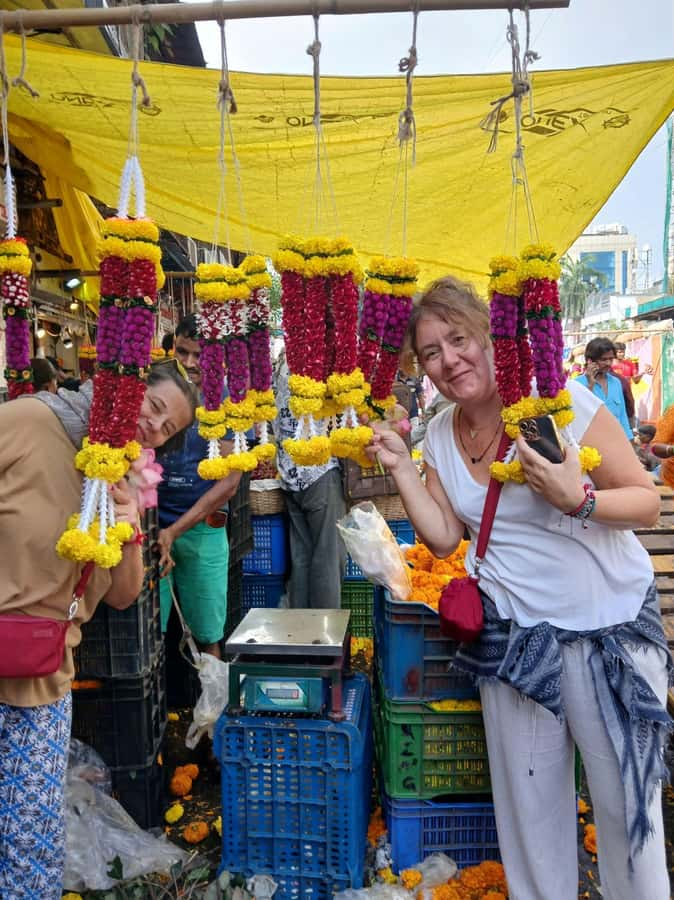
After Dhobi Ghat, a short taxi ride brings you to a colorful flower market. The taxi fare is included, so the change of scene does not add a surprise cost.
The market offers a sharp contrast with the laundry. Instead of rows of washed fabric, you find flowers, sellers, movement, and strong scents. The tour information does not name the market or specify its exact opening time, so you should not expect a guaranteed display of particular flowers or a precise market schedule.
Still, this stop has real value because it shows another part of Mumbai’s working morning. Flowers are not presented as a decorative backdrop alone. They move through a market economy, with people sorting, selling, and carrying them as part of the city’s daily trade.
Bring a camera if you want one, but use it thoughtfully. Markets can be crowded, and not every seller will want a close-up photograph. Your guide can help you understand where to stand and how to observe without getting in the way.
Walking Through Dharavi’s Narrow Lanes
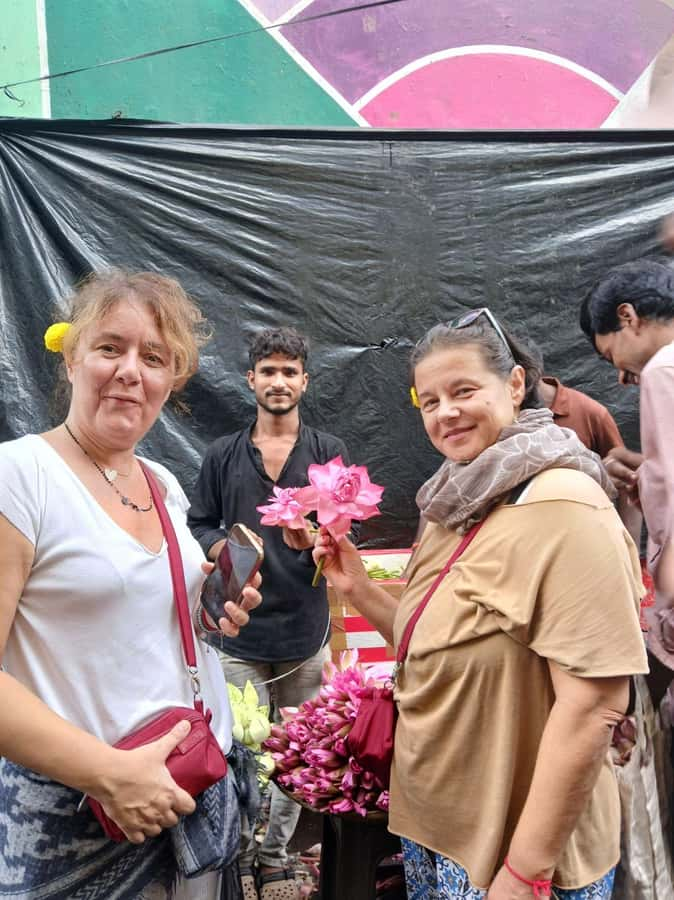
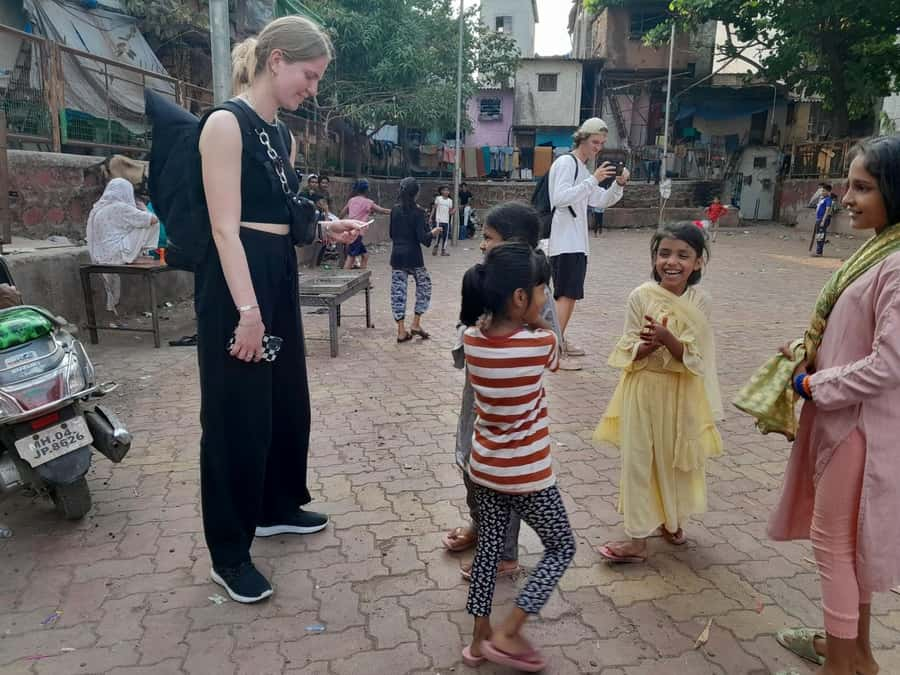
The Dharavi visit is the most substantial part of the experience. You walk through narrow lanes and see small homes, a local market, a school, recycling work, leather production, garment activity, and pottery. The point is not to collect shocking images. It is to understand a neighborhood where homes and businesses operate side by side.
Dharavi is described as generating more than $1 billion each year. That figure is used to show the scale of its enterprise, but it should not reduce the community to a business statistic. People live here, raise families, attend school, and maintain social networks alongside the workshops and trade.
You will see a dense area with many small businesses rather than one single industry. Recycling, leather, garments, and pottery give the walk a practical focus. Your guide can explain how work fits into the neighborhood and why Dharavi has become known for its production and enterprise.
The phrase five-star slum is sometimes used for Dharavi, but I would treat it cautiously. It may point to the area’s economic activity and community strength, yet the word slum can flatten a complicated place into a label. The most useful part of the walk is the chance to see both sides: strong local enterprise and difficult living conditions.
The lanes may be tight, and the smallest homes can be hard to take in. If you expect a normal sightseeing street, this may feel intense. Go slowly, stay with the guide, and remember that residents are carrying out ordinary life around you.
Same season, a different set of beds:
- Private Jaipur Full-Day Tour with Block Printing
★ 5.0 · 206 reviews - Private Custom Full Day Sightseeing Tour of Kolkata
★ 5.0 · 128 reviews - Jaipur: Half or Full Day Sightseeing Tour with Flower Market
★ 5.0 · 94 reviews - Delhi: Yoga in Lodhi Garden
★ 4.9 · 53 reviews
A Community Made Up of Many Parts of India
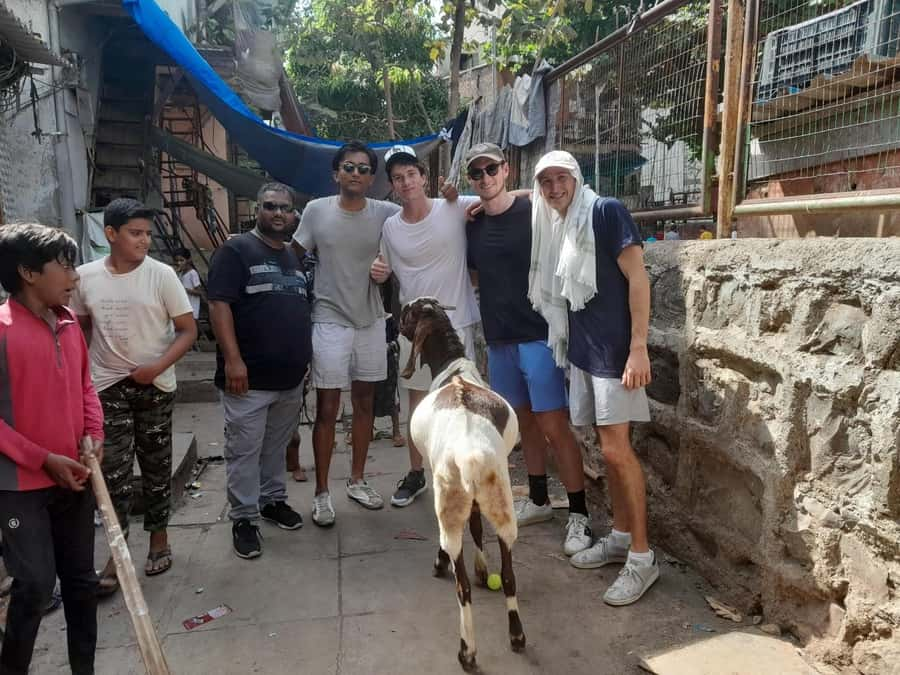
One of the most useful themes is Dharavi’s mix of people. Families from different parts of India live in the area, and several languages are spoken. That variety helps explain why the community cannot be described with one simple cultural label.
A local guide can connect those broad facts to what you see on the walk. The value is not in memorizing statistics. It is in noticing how markets, workshops, homes, and public spaces fit together in a neighborhood shaped by people from many regions.
The guides themselves bring an important perspective. They are described as local, passionate, and connected to slum communities for generations. Shivam is specifically praised for his friendly manner, clear English, and strong knowledge of Dharavi. That combination is useful because the area requires context, not just directions.
I would still remember that personal connection does not make every part of the neighborhood open for inspection. A good visit depends on discretion. Ask before taking close photographs, avoid blocking lanes, and let the guide decide where the group should pause.
What the $9 Price Really Buys You
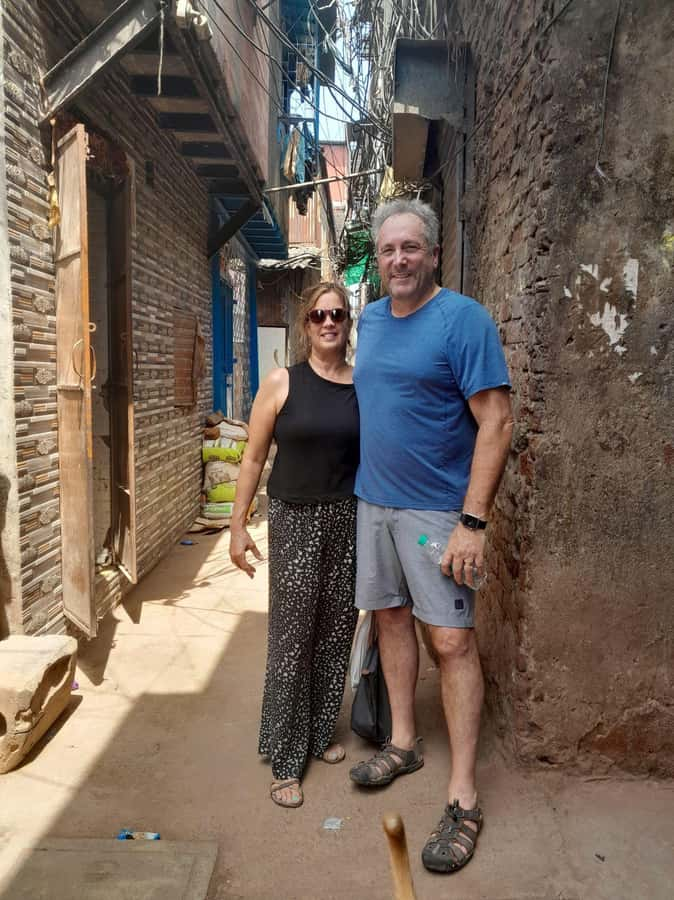
At $9 per person, this is an inexpensive way to see several very different parts of Mumbai. The price includes the guide, train ticket, taxi fare, and bottled water. You only need to budget separately for snacks and a tip.
The strongest value comes from the transport and local interpretation together. You are not paying only for a viewpoint at Dhobi Ghat. You are also getting a train ride, a taxi transfer, a market visit, and a guided walk through Dharavi.
The low price does come with limits. The information does not provide a meal, snacks, hotel pickup, or a private vehicle. It also does not state the tour duration, group size, or exact market name. If those details affect your decision, contact the provider before reserving.
The flexible booking terms are helpful. You can reserve and pay later, and cancellation is allowed up to 24 hours in advance for a full refund. That gives you room to adjust plans, though you should still confirm the booking details and meeting time.
Who Will Get the Most from This Tour
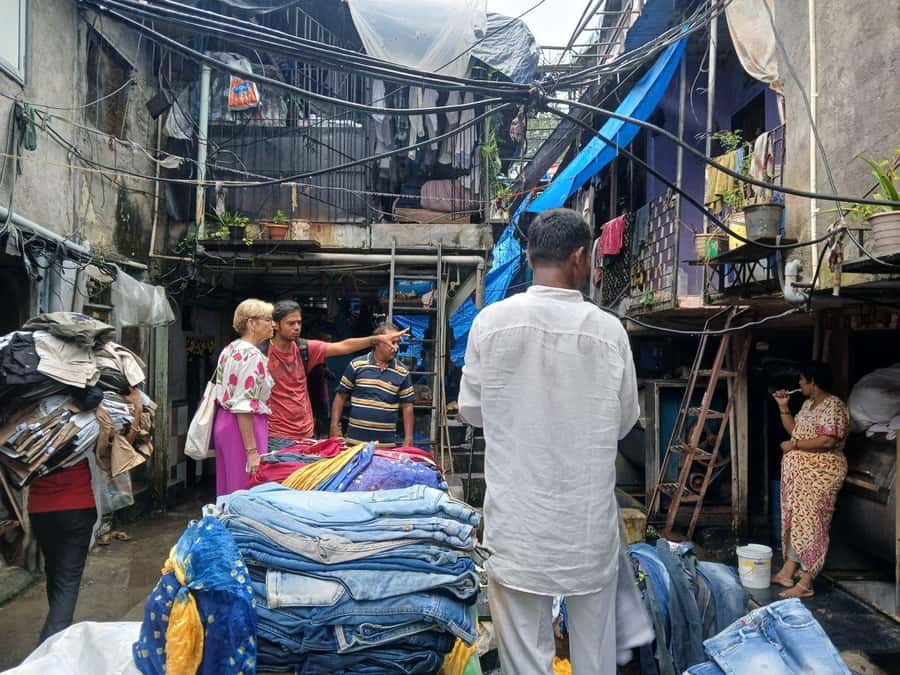
I would recommend this tour to you if you are curious about working Mumbai and comfortable using public transport. It suits people who prefer local context to formal attractions, and anyone who wants to see how a city functions beyond its postcard image.
It is also a good choice for visitors on a small budget. The included train ticket and taxi fare remove two small costs that can otherwise complicate a morning. Bottled water is included, but bring extra water if you need more and carry a snack if you tend to get hungry.
You should think twice if you want a slow, quiet outing or a purely comfortable sightseeing experience. The train, market, and narrow Dharavi lanes are active places. The tour is also not ideal if you want unrestricted photography or a neatly packaged presentation of poverty.
Families and school-age children may find the working industries interesting, but the experience could raise difficult questions about living conditions and inequality. Adults should decide if the children in their group are ready to engage respectfully with that reality.
Practical Tips for a Better Visit
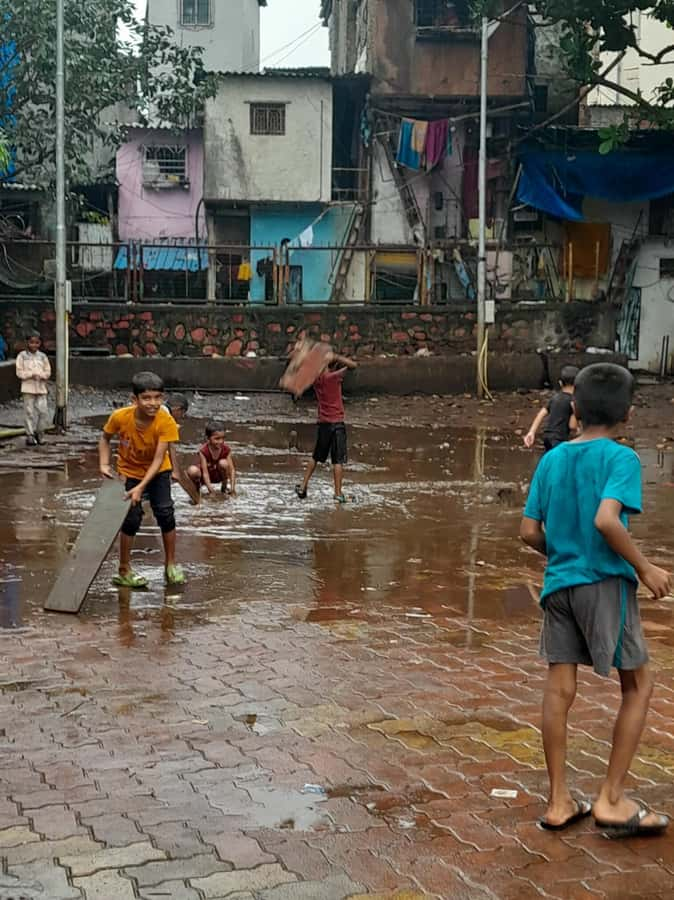
Wear comfortable shoes. The tour includes a train ride, station movement, a market, and walking through narrow lanes, so sandals or formal shoes may be less practical.
Bring a camera and use it carefully. The tour information encourages photography, but permission and discretion still matter, especially around homes, workers, children, and small businesses.
Carry water, even though a bottle is provided. Mumbai’s streets and markets can feel demanding, and water is a simple way to stay comfortable.
Meet inside Churchgate station at the train ticket counter near the Wheelers bookstall. This specific location is more useful than simply being told to meet at Churchgate, but you should still keep the guide’s contact details available in case you need help locating the group.
English is the stated tour language. If you need another language, ask before booking rather than assuming one is available.
Finally, go with the right attitude. Dharavi is not a backdrop for poverty photographs. It is a home and a center of work. You will get more from the visit if you focus on the people’s skill, effort, and organization while also recognizing the hardships visible around you.
Should You Book This Mumbai Tour?
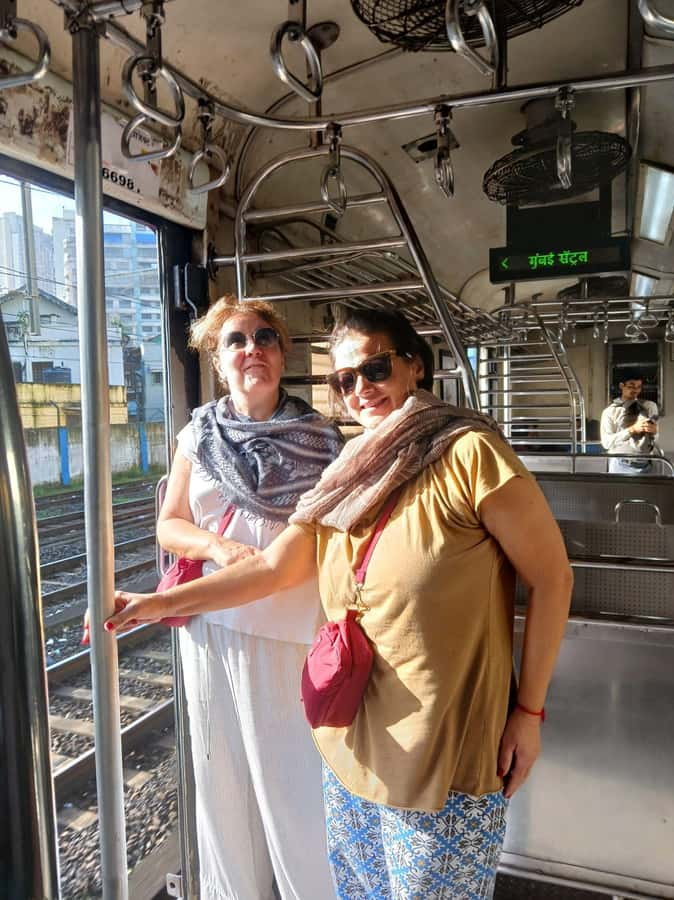
Book it if you want an inexpensive, locally guided look at Mumbai’s working neighborhoods. The combination of train travel, Dhobi Ghat, the flower market, and Dharavi gives you more variety than the price suggests, and guides such as Shivam add useful context in clear English.
Skip it if you need a precise schedule, a private setting, or a gentle sightseeing morning. The tour asks you to accept public transport, tight lanes, real poverty, and the responsibilities that come with visiting a residential community.
For most curious visitors, I would book it, then arrive prepared to observe rather than consume the experience. At $9, it is strong value, provided you understand that the real subject is Mumbai life, not a polished attraction.
FAQ
How much does the Mumbai Dhobi Ghat, Dharavi, and flower market tour cost?
The tour costs $9 per person.
Where does the tour begin?
The guide meets you inside Churchgate station at the train ticket counter, near the Wheelers bookstall.
Where does the tour end?
The activity ends back at the meeting point.
Is the train ticket included?
Yes. The train ticket is included in the tour price.
Is taxi transportation included?
Yes. The taxi fare for the short ride between parts of the tour is included.
What language is the tour offered in?
The tour is offered in English.
Can I cancel or pay later?
You can reserve and pay later, and you can cancel up to 24 hours in advance for a full refund.
Newly planted garden visits around India
- Private Custom Full Day Sightseeing Tour of Kolkata★ 5.0 · 128 reviews
- Kolkata’s Flower Market – Hooghly’s Flower Fest Tour★ 5.0 · 35 reviews
- Flower Market Colors and Ganges Ghat Experience★ 5.0 · 2 reviews
- Mandore Garden Walking Tour★ 4.0 · 2 reviews
- Jaipur Sunrise Tour with Morning Flower Market Walk★ 5.0 · 16 reviews
- Jaipur City Tour with Traditional Flower Market Visit★ 5.0 · 7 reviews
- Jaipur Full-Day Heritage Tour with Guide★ 5.0 · 18 reviews
- Jaipur Half-Day Tour with Flower Market and Block Printing★ 5.0 · 4 reviews
Flower Markets and Flower Fields, bed by bed.

Bangkok: Night Bike Tour with Temples & Flower Market Visit
Read our review →
Keukenhof: Flower Fields Small-Group Cultural Bike Tour
Read our review →
Kolkata’s Flower Market – Hooghly’s Flower Fest Tour
Read our review →
Amsterdam: Half-Day Flower Fields and Keukenhof Bicycle Tour
Read our review →
Flower Market & Floral Art: Multilingual Private Tour [EN/others]
Read our review →
Cebu: City Highlights with Sirao Flower Garden Visit
Read our review →
Bangkok Wat Pho and Flower Market Historical Walking Tour
Read our review →
Lists this garden visit belongs to