
Review · THE NETHERLANDS
Leiden: Hortus botanicus Leiden Entry Ticket
Leiden’s Hortus botanicus is more than a pleasant flower garden. It is a living record of plant collecting, trade, and scientific study, founded in 1590 and famous for growing some of Europe’s first tulips. I like the mix of historic gardens and modern glasshouses, and I like that you can see plants from Southeast Asia alongside rare, endangered, and carnivorous species.
The main drawback is seasonal: winter can leave the outdoor beds quiet, and the garden’s highlights may not all be flowering when you visit. Still, the glasshouses make the experience worthwhile in wet weather, and the peaceful grounds offer a good break from Leiden’s busy streets.
Key points to know before you go
- Oldest botanical garden in the Netherlands: Hortus botanicus Leiden dates to 1590 and has a long connection with plant study and exchange.
- Best indoor shelter in poor weather: The glasshouses hold tropical orchids, carnivorous plants, and other warm-climate collections.
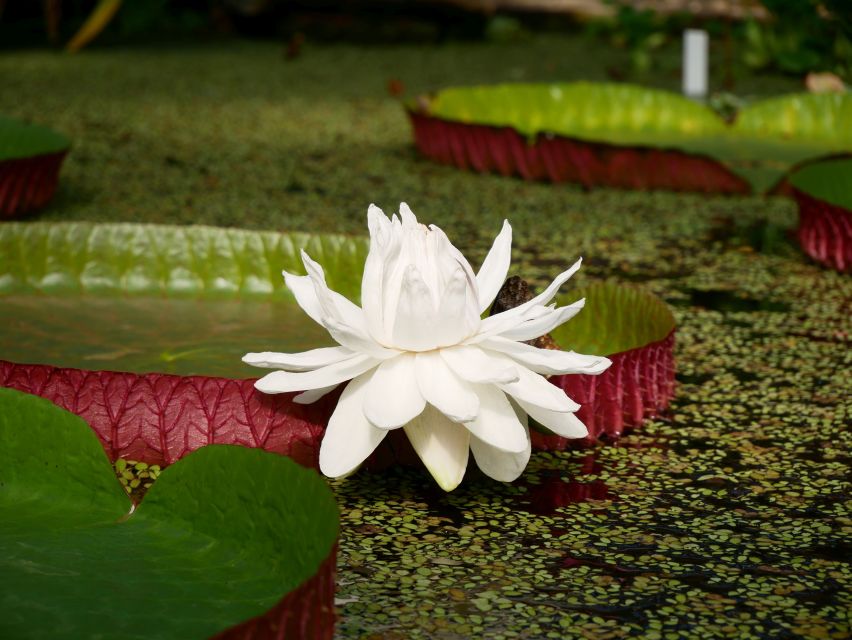
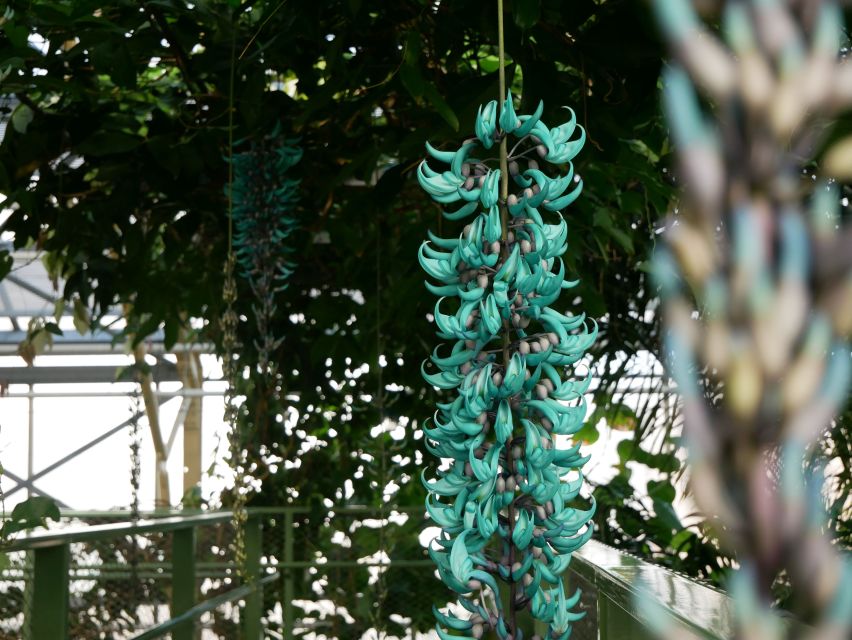
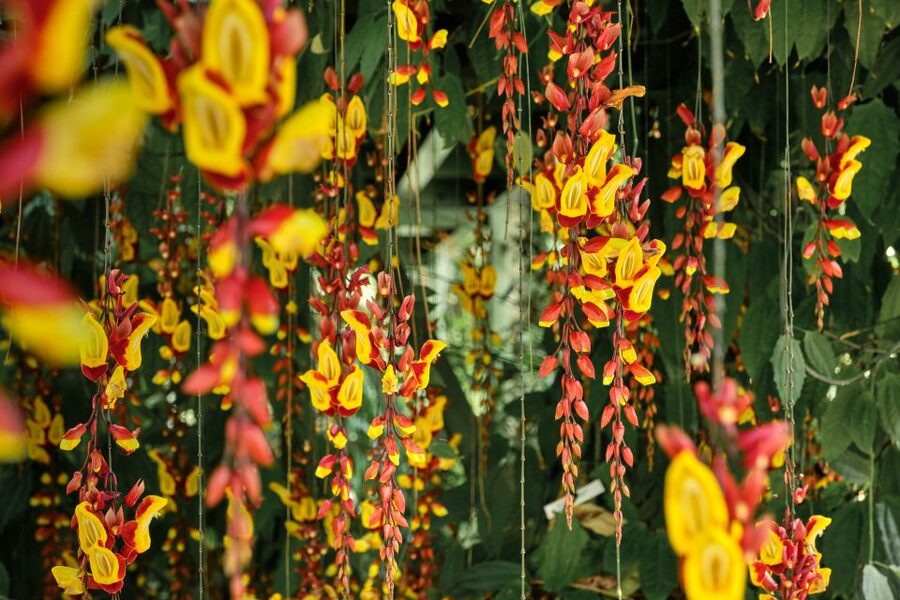
- Seasonal flowers matter: Jade Vine usually flowers from March to April, Victoria amazonica from June to September, and Chinese Lotus in July.
- A good short visit: Plan on about 90 minutes, though your ticket is valid for the full day.
- Ancient trees add character: Nearly 30 trees grow here, with some more than a century old.
- Practical value: The $14 admission includes the gardens but not food or drinks, and cancellation is free up to 24 hours ahead.
Why Hortus botanicus Leiden is worth your time
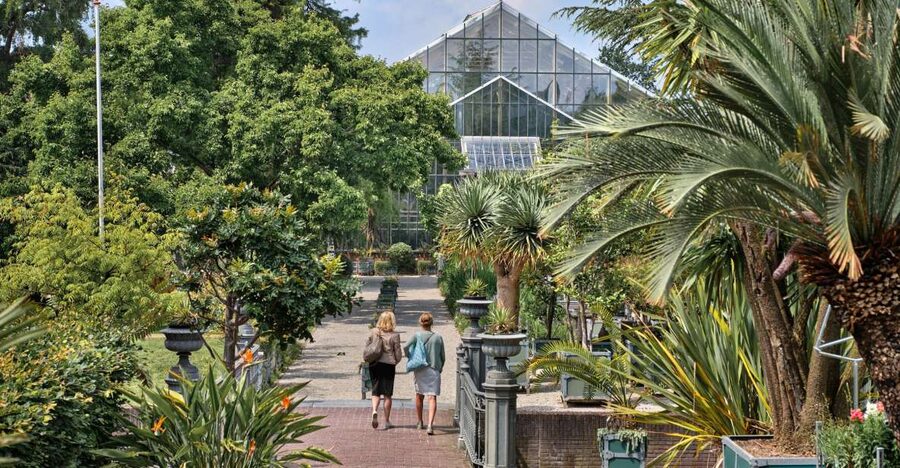
The strongest reason to visit is the range packed into a relatively small outing. In one walk, you can pass from formal outdoor beds to tropical humidity, then from Japanese garden design to a collection of plants that catch insects for food.
I find that variety more interesting than a garden made only for pretty photographs. You are not simply looking at flowers. You are seeing plants grouped by climate, origin, use, and survival strategy. Some are rare. Some are endangered. Some look familiar until you learn how unusual their growth or feeding habits are.
The garden also gives you a direct link to Leiden’s place in European plant history. It was founded in 1590, and the site is associated with the first tulips grown in Europe. That makes the spring bulb displays more than a seasonal show. They connect a familiar Dutch symbol with the scientific garden where plants from faraway places were studied and grown.
At $14 per person, this is a reasonable choice if you appreciate gardens, botany, or quiet cultural stops. It is less compelling if you want a large attraction with hours of entertainment or a guided story at every turn. The ticket covers entry only, so budget separately for anything you buy at the Grand Café or souvenir shop.
More Botanical Gardens in the Netherlands:
- Rotterdam: Trompenburg Botanical Gardens Entry Ticket
★ 4.1 · 77 reviews - Osaka: teamLab Botanical Garden Entry Ticket
★ 4.5 · 1,710 reviews - Blanes: Marimurtra Botanical Garden Entry Ticket
★ 4.7 · 998 reviews
Starting at the Front Garden and glasshouse
After exchanging your ticket at the front gate, you can begin at your own pace. There is no fixed route or required starting time described for the visit, which suits you if you prefer to linger over a favorite plant instead of keeping up with a group.
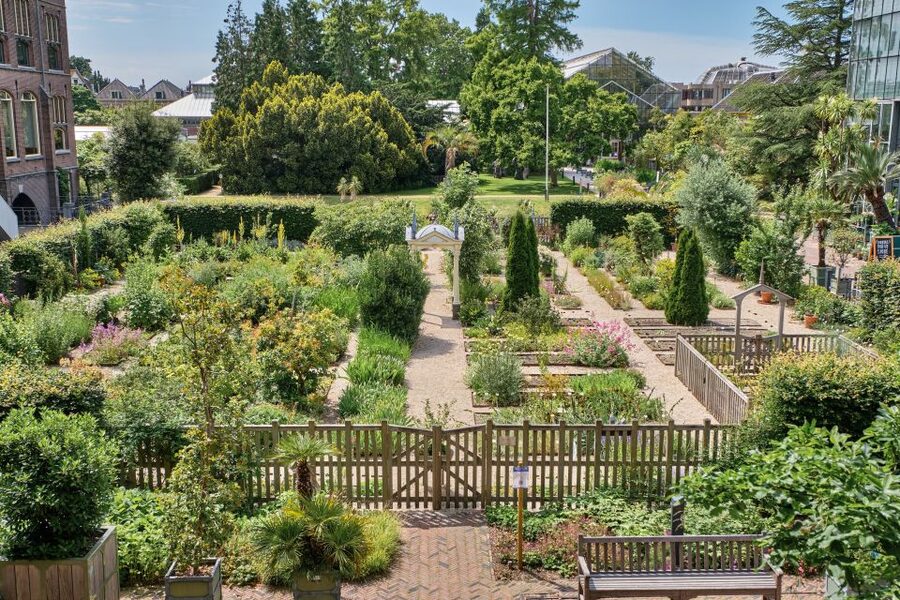
The Front Garden provides an easy introduction. You can get your bearings, look over the outdoor planting areas, and then move toward the recently built glasshouse. This is especially useful when the weather is gray or rainy, since the indoor areas provide shelter as well as the most tropical part of the visit.
A February visit can feel very different from a spring or summer visit. Outdoor beds may have little in flower, and heavy rain can make a garden walk less appealing. The glasshouses help balance that seasonal limitation with greenery, warmth, and plants that do not depend on Dutch weather.
I would begin indoors if the day is wet, then return to the outdoor sections when the rain eases. On a dry day, you can reverse that order and save the warm glasshouses for the middle or end of your walk.
The Clusius Garden and the story of early tulips
The Clusius Garden is one of the key historic sections. It recalls the early period of plant collecting connected with the garden’s foundation and the work of botanists who studied plants arriving from other parts of the world.
Its importance is not only visual. The garden helps explain why botanical gardens were created in the first place: to grow, identify, compare, and preserve plants. You can look at this section as a bridge between Leiden’s past and the living collections elsewhere on the grounds.
Spring is likely the most rewarding time for anyone coming specifically for bulbs. Flowering bulbs add color to the outdoor garden, and the tulip connection gives the season a clear sense of place. If you visit outside spring, you will still find plenty to see, but you should not expect every famous plant or flower to be in bloom.
The Japanese Garden and plant exchange with Japan
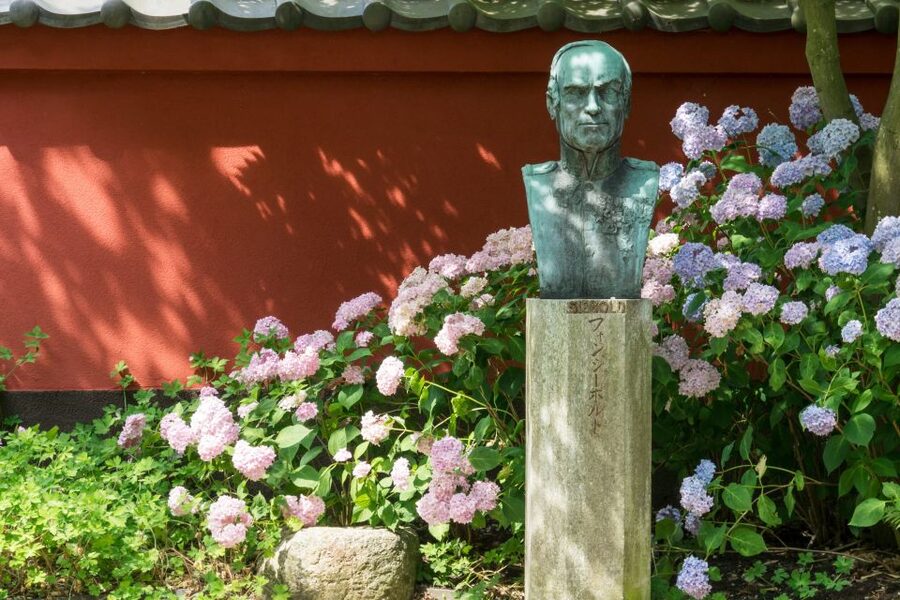
The Japanese Garden offers a quieter change of mood. It reflects the historical exchange of plants between Japan and the Netherlands, giving the garden a cultural layer that goes beyond climate zones and flower types.
I like this part because it asks you to slow down. Tropical glasshouses can feel dense and full of surprises, while a Japanese-style setting gives you room to notice arrangement, spacing, and the way plants work together.
The information provided does not promise a guided explanation at each stop, so you should think of this as a self-paced visit rather than a formal tour. Dutch and English assistance is available at the entrance, but your experience inside will mainly depend on how much time you choose to spend looking and reading.
Garden entry tickets around the Netherlands:
- From Amsterdam: Keukenhof Ticket with Transfer
★ 4.4 · 4,089 reviews - From Amsterdam: Keukenhof Gardens Ticket and Transfer
★ 4.5 · 2,741 reviews - Utrecht: De Haar Castle + Gardens Entry Ticket
★ 4.7 · 1,838 reviews - Lisse: Tulip Experience Ticket with Tulip Garden and Museum
★ 4.6 · 538 reviews
Tropical orchids, carnivorous plants, and Southeast Asia
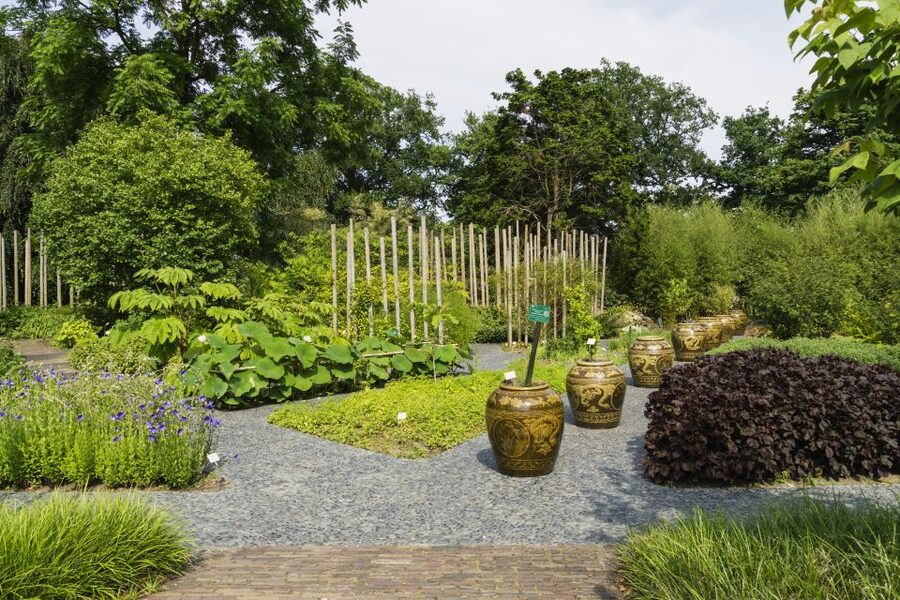
The Southeast Asian collections are among the garden’s most distinctive features. Inside the tropical areas, you might find orchids and other plants that would not survive outdoors in the Netherlands.
The tropical orchids are a natural highlight, especially if you are visiting during a cold or wet month. Their unusual shapes and growing habits make them interesting even when outdoor flower beds are bare. The indoor setting also gives you a sense of how different plant life can be in a hot, humid climate.
The carnivorous plant collection adds a sharper edge. These plants survive by catching insects, which makes them a good stop for children and for anyone who wants something more unusual than standard garden displays. I would give this section extra time instead of rushing past it. The point is not simply that the plants eat insects, but that they have adapted in remarkable ways to obtain what they need.
The garden also highlights rare and endangered plants. That matters because the visit is not only about decoration. Botanical gardens can preserve plants that are threatened in the wild, and seeing them in a carefully maintained collection gives you a clearer idea of what is at stake.
Seasonal stars worth planning around
The timing of your visit can change what you see. Several plants have specific flowering periods:
- The Jade Vine usually flowers from March to April.
- Victoria amazonica usually flowers from June to September.
- The Chinese Lotus usually flowers in July.
These dates are useful, but they should not be treated as a guarantee. Flowering depends on conditions, and the information provided does not promise that every seasonal plant will be in bloom on a particular day.
If one of these plants is your main reason for visiting, check the expected season before booking. If you are simply looking for a good garden stop in Leiden, the permanent collections and glasshouses make the visit worthwhile at other times too.
The Victoria amazonica is especially interesting because it gives a tropical water-plant focus to the visit, while the Chinese Lotus brings a summer display. The Jade Vine provides an early spring reason to visit when outdoor color is beginning to return.
Ancient trees and the quieter outdoor walk
Nearly 30 trees grow within the garden, and some are more than a century old. They give the outdoor areas a sense of age that newer plantings cannot provide.
I especially like the idea of visiting in autumn, when you can walk under the colorful old trees. This is a different experience from the glasshouses. Instead of examining one rare plant at close range, you get a slower walk shaped by shade, canopy, and changing leaves.
The outdoor collection can feel subdued in winter. That is not a flaw so much as a question of timing. If you want flowers, choose spring or summer. If you want ancient trees and autumn color, plan later in the year. If you are visiting during a rainy winter spell, put less weight on the outdoor beds and more on the glasshouses.
How long to stay and what the $14 ticket covers
The suggested visit takes about an hour and a half. That is enough time for a steady walk through the main gardens, glasshouses, Japanese Garden, Clusius Garden, and plant collections without turning the visit into an all-day project.
Your ticket remains valid for one day, giving you more flexibility than a tightly timed attraction. You can take your time, pause at the café, and return to a section if you want another look. The available starting times should be checked when booking, even though the visit itself is self-paced.
At $14, the ticket offers solid value for a focused garden visit. I would call it especially good value if you are already spending time in Leiden and want an attraction that combines history, science, and a calm setting. It is not the best buy for someone who expects food, a guided tour, or a long list of included extras, since food and drinks are separate and there is no stated guide-led program.
The overall rating attached to the experience is 3.6 from 88 reviews, so expectations should stay realistic. This is a specialized botanical garden, not a major amusement attraction. Its appeal depends heavily on your interest in plants and on the season.
Rain, access, and a simple visit plan
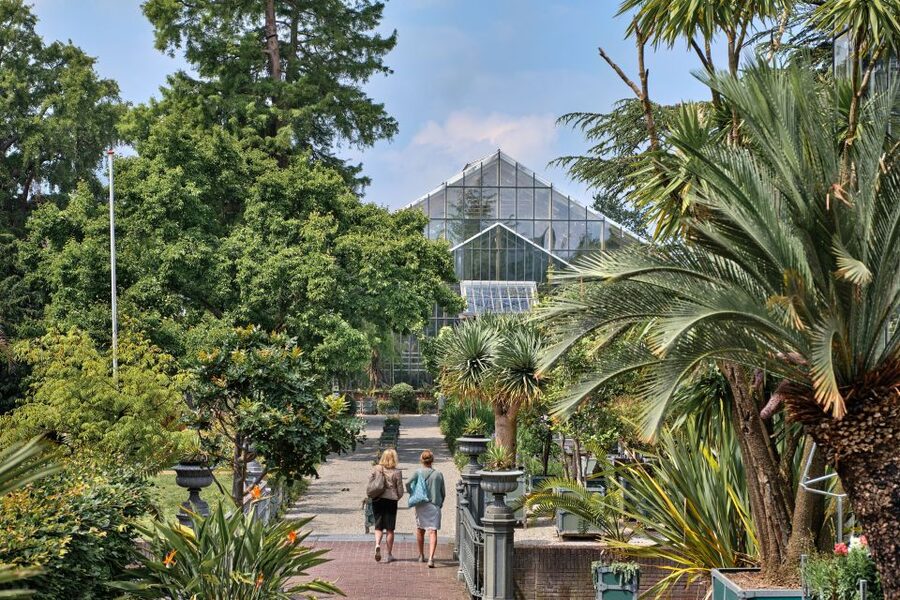
The garden is wheelchair accessible, which makes it easier to include in a broad Leiden itinerary. Dutch and English are available as the listed languages, including host or greeter support at the entrance.
For a practical 90-minute visit, I would use this order:
- Start at the Front Garden and recently built glasshouse.
- Continue through the tropical orchid and carnivorous plant collections.
- Visit the Clusius Garden and Japanese Garden.
- Walk beneath the older trees and inspect the seasonal outdoor beds.
- Finish at the Grand Café and souvenir shop.
This order puts the best rainy-day shelter first and leaves the outdoor walk for later. On a sunny spring or summer day, begin outdoors and save the glasshouses for the warmest contrast.
Food and drinks are not included, but the Grand Café gives you a place to pause before leaving. The souvenir shop is also worth a quick stop if you want a small reminder of the garden rather than another generic Leiden keepsake.
Who should book this garden visit?
I would recommend Hortus botanicus Leiden to you if you enjoy plants, historic institutions, photography, quiet walks, or unusual natural displays. It also works well for a short break between city sights, since you can see a great deal in about 90 minutes.
Families may find the carnivorous plants especially engaging, while adults who enjoy garden design will likely prefer the Japanese Garden, old trees, and seasonal planting. The experience also suits anyone looking for an indoor option on a wet day.
I would think twice if your visit falls in winter and your main goal is outdoor flowers. The garden remains interesting, but the outdoor areas may be sparse, and your enjoyment will depend more on the glasshouses.
You can cancel up to 24 hours in advance for a full refund, and the reserve-now, pay-later option keeps your plans flexible. That is useful if Dutch weather may affect your decision, though you should still check the available starting times before booking.
Should you book Hortus botanicus Leiden?
Book it if you want a calm, focused attraction with real historical depth, tropical plants, ancient trees, and a clear connection to Dutch tulip culture. The $14 price is fair for a self-guided visit that lasts about 90 minutes and can fill a rainy afternoon.
Choose your season with care. Spring suits bulb lovers, March and April may bring the Jade Vine, summer is best for the Victoria amazonica and Chinese Lotus, and autumn gives the old trees their best color. If you visit in winter, treat the glasshouses as the main event.
FAQ
How long does a visit to Hortus botanicus Leiden take?
The suggested visit lasts about an hour and a half. Your ticket is valid for one day, so you can take more time if you wish.
What is included in the admission ticket?
The ticket includes entry to the botanical gardens. Food and drinks are not included.
What plants can I see at the garden?
You can see tropical orchids, carnivorous plants, seasonal flowers, rare and endangered plants, and trees from collections around the world. Many of the plants come from Southeast Asia.
When do the main seasonal plants flower?
The Jade Vine flowers from March to April, Victoria amazonica from June to September, and Chinese Lotus in July. Flowering is seasonal and may vary.
Is Hortus botanicus Leiden wheelchair accessible?
Yes. The activity is listed as wheelchair accessible.
Can I cancel the ticket if my plans change?
Yes. You can cancel up to 24 hours in advance for a full refund.
Newly planted garden visits around the Netherlands
- Amsterdam Private Tour to Keukenhof, Tulip Fields and Windmills★ 5.0 · 28 reviews
- Discover Holland’s Beautiful Tulip Fields with an Expert Guide★ 5.0 · 100 reviews
- Amsterdam TulipFields of Holland Tour★ 5.0 · 44 reviews
- Tulip Paradise: Keukenhof Half-Day Private Tour★ 5.0 · 17 reviews
- Private Guided Keukenhof Gardens and Zaanse Schans Tour★ 5.0 · 7 reviews
- Sightseeing Keukenhof Tulip fields, Giethoorn tour from Amsterdam★ 5.0 · 2 reviews
- Private Tour Tulip Gardens (Keukenhof) and Dutch highlights★ 5.0 · 2 reviews
- Private Day Trip to the Keukenhof Gardens and Giethoorn★ 3.5 · 2 reviews
Botanical Gardens, bed by bed.

Blanes: Marimurtra Botanical Garden Entry Ticket
Read our review →
Malta: Mdina, Dingli Cliffs and San Anton Botanical Gardens
Read our review →
Princeville Botanical Gardens Tour and Chocolate Tasting Ticket
Read our review →
Icod de los Vinos: Dragon Tree & Botanical Garden Ticket
Read our review →
Maleny Botanic Gardens Bird Aviary Experience Ticket
Read our review →
Big Island Waterfalls Tour with Swimming and Botanical Garden
Read our review →
Lists this garden visit belongs to