
Review · SPAIN
Rural Life Experience: Mojo Workshop and botanical Walk
The most memorable part of this La Gomera experience is not simply eating mojo. It is learning where the ingredients grow, picking them from the fields, and grinding them by hand with a mortar and stone. Botanist and gardener Zdenka connects the sauce to the plants, climate, farming, and daily life of La Laja.
I like the four-person limit, which gives you room to ask questions without shouting over a crowd. I also like the mix of a rural walk and hands-on cooking: you see coriander and Canary chilies in the soil, then use them at the table. The main drawback is the setting. The walk can be hot and may not suit anyone with a low level of fitness or a fear of heights.
Key points
- Smallest possible group: With only four participants, you get direct time with Zdenka and plenty of space for questions.
- A real village setting: The walk begins and ends at the bus stop beside La Laja’s Centro Social and plaza.
- Botany tied to daily life: Zdenka explains local plants, farming, climate, and the story of the island.
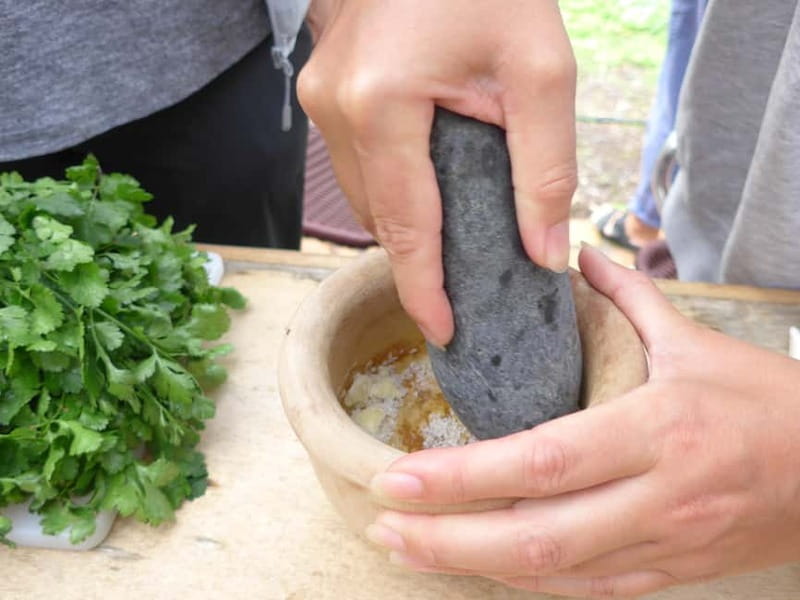
- Hands-on mojo making: You harvest ingredients and grind the sauce in the traditional way with a mortar and stone.
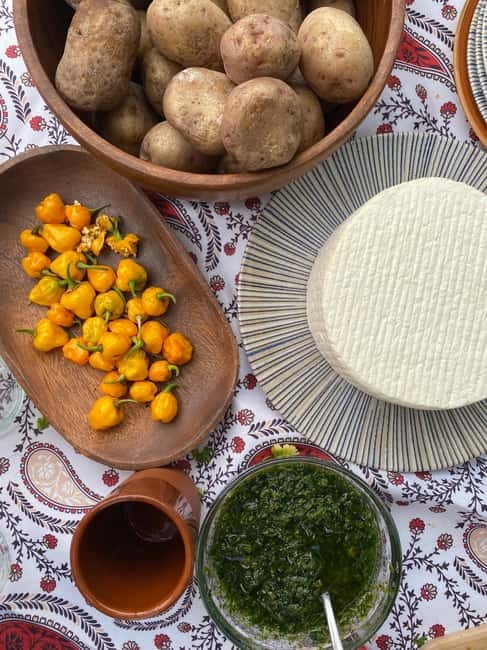
- More than one flavor to try: Mojo is served with local potatoes or bread, along with other versions for comparison.
- Simple but important preparation: Bring a hat, drinks, and sunscreen, since parts of the walk can be hot.
Why La Laja Makes a Good Setting for Mojo
La Laja is a small mountain village in La Gomera’s green valley country. This is not a cooking class set apart from local life. The plants, fields, and village streets are part of the lesson.
That matters because mojo is easy to treat as a restaurant condiment. On this outing, you see the ingredients before they reach the mortar. Coriander and Canary chilies are not abstract items on a recipe card. They are plants growing in the local soil, shaped by the island’s climate and by the work of the people who tend them.
You meet at the central bus stop, next to the Centro Social and Plaza de La Laja. That is a useful meeting point because it gives you a clear place to arrive and return to. The experience does not include transport, so you need to arrange your own way to La Laja before the start time.
The activity lasts 3.5 hours. That is long enough for more than a quick demonstration, but short enough to fit into a day of exploring La Gomera. Check the available start times when booking, since the exact schedule is not fixed in the basic description.
More Botanical Gardens in Spain
- Blanes: Marimurtra Botanical Garden Entry Ticket
★ 4.7 · 998 reviews - Icod de los Vinos: Dragon Tree & Botanical Garden Ticket
★ 4.5 · 761 reviews - Las Palmas, Botanical Gardens and Bandama Volcano Tour
★ 4.1 · 113 reviews
Walking Through La Laja With Zdenka
The first part is a guided walk into the valley. Zdenka, a botanist and gardener, explains the plants you see and the way agriculture fits into village life. She also covers the island’s climate and local history, along with personal observations about everyday life on La Gomera.
I like this format because the walk gives the cooking class a sense of place. You are not only told that an ingredient is local. You see the agricultural setting that produces it, and you can ask about the plant while standing near it.
The small group makes a real difference here. With a maximum of four people, you can stop to ask about a plant, farming practice, or detail of village life without holding up a large party. The available languages are German, Czech, English, and Spanish, so you can choose the language that makes technical explanations easiest to follow.
Expect some uneven or sloping ground in a mountain village environment. The information specifically warns that the activity is not suitable for people with a low level of fitness or for people afraid of heights. That does not mean you need to be an experienced hiker, but you should be comfortable walking in warm conditions and on terrain that may not feel flat or effortless.
What the Botanical Walk Adds
A standard food class can teach you proportions and technique. This one adds the plant and agricultural side. Zdenka explains how the local climate affects what grows, why the valley supports farming, and how plants fit into the wider life of La Gomera.
That makes the walk particularly useful if you like nature but do not want a full-day hike. You get a guided look at local vegetation and cultivation without signing up for a demanding outdoor excursion. The focus remains on everyday rural life, not on covering a long distance.
The walk also gives you a chance to ask questions that would not come up in a restaurant kitchen. You can ask about the plants, the village, agriculture, or how local people use the land. Since the group is so small, the conversation can be shaped by your interests.
There is a practical catch. Bring water or another drink, sunscreen, and a sun hat. The walk can be hot, and the combination of sun and a mountain route may make the outing feel more strenuous than its 3.5-hour length suggests. Start the day prepared rather than assuming the cooking portion will be the only active part.
From the Field to the Mortar
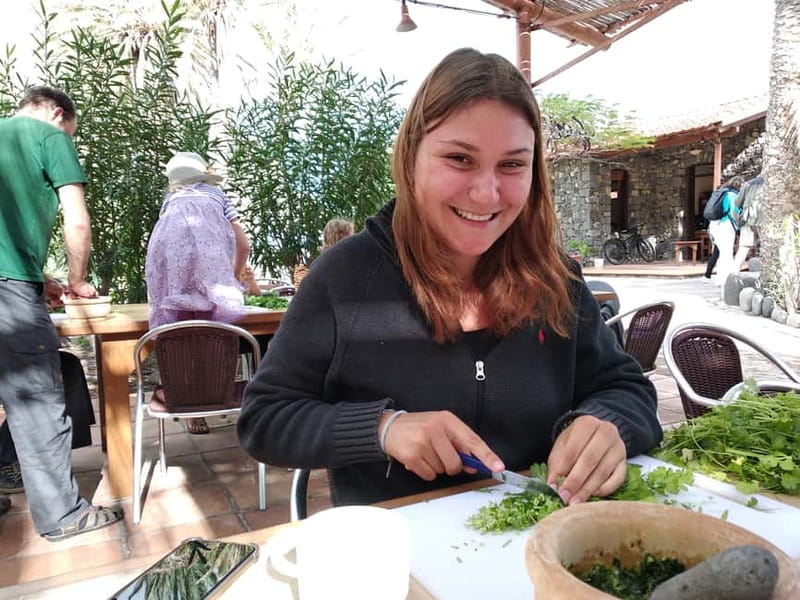
After the walk, you go to the fields and learn how to plant coriander or Canary chilies. You also harvest ingredients for the sauce. This is the point where the activity shifts from observation to participation.
You do not need to be an experienced gardener. The value is in seeing the basic work behind the food you are about to eat. Planting and harvesting give you a better sense of the effort involved in keeping a small agricultural plot productive.
The class then shows you how to make mojo in the traditional way. The method uses a mortar and a stone rather than relying only on a modern blender. That changes the pace. You work more slowly, pay attention to the ingredients, and feel the texture develop under your hand.
I like that the traditional method is treated as part of the experience rather than as a decorative detail. The technique links the finished sauce to older household routines and to the tools available in a rural setting. You are not just watching someone prepare food. You are taking part in a method that requires effort and patience.
The description does not give a fixed recipe, ingredient list, or a choice between specific types of mojo. If you have a food allergy or a strict dietary requirement, ask about the ingredients before you begin. The listed tasting is served with local potatoes or bread, and you have the chance to compare other mojo preparations.
Same season, a different set of beds:
- Granada: Alhambra & Gardens Tour w/Nasrid Palaces Option
★ 4.2 · 7,022 reviews - Granada: Alhambra Gardens and Generalife Ticket
★ 4.4 · 2,195 reviews - Granada: Alhambra Guided Tour with Nasrid Palaces & Gardens
★ 4.7 · 2,190 reviews - Alhambra &Charles Palace Guided Tour with Optional Nasrid Palaces
★ 4.5 · 2,149 reviews
Tasting Mojo With Potatoes and Bread
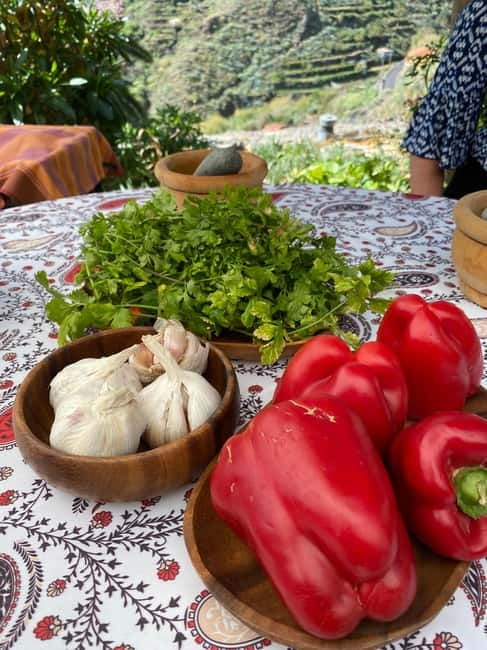
The tasting comes after the walk and workshop, which is the right order. By then, you have seen the plants, handled the ingredients, and helped prepare the sauce. The food becomes a conclusion to the morning rather than a separate snack.
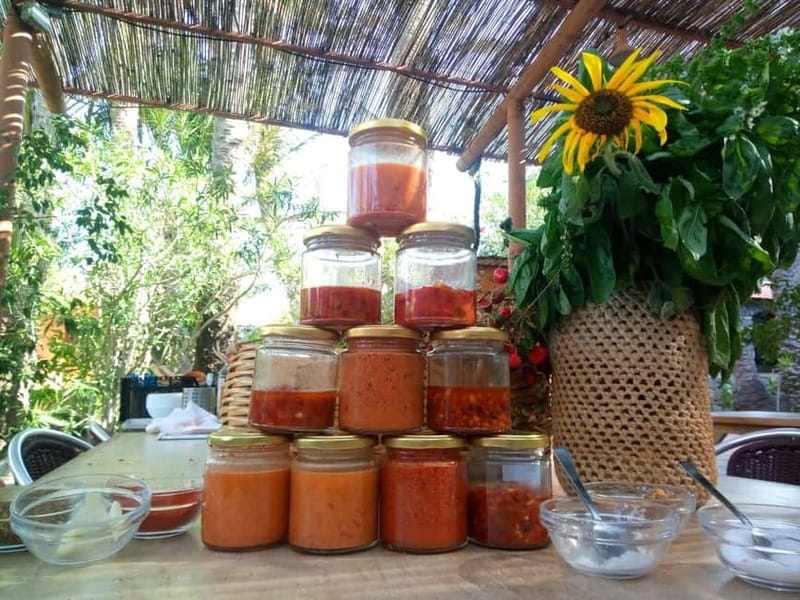
You can taste mojo with local potatoes or bread. You also have the opportunity to try other mojo versions and compare the flavors. That comparison is one of the more useful parts for anyone who normally buys a jar or orders the sauce at a restaurant.
The tasting is simple, but it suits the character of the activity. This is not presented as a formal restaurant meal. You are trying the result of your own work in a rural setting, with the guide available to explain what you are tasting and how it relates to local food.
If you are booking mainly for a large meal, this may not be the right choice. The value is in the full chain from field to sauce. The food tasting is an important part, but it is not the entire three-and-a-half-hour program.
What the Four-Person Limit Means
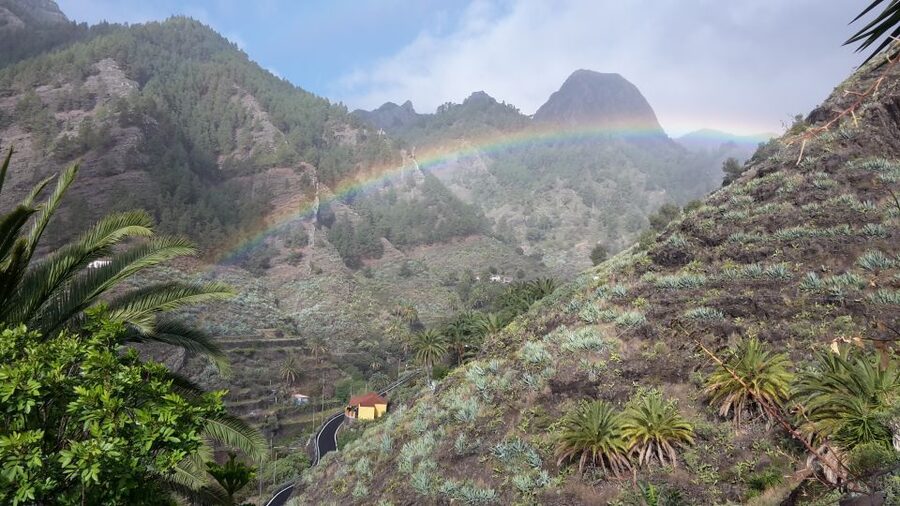
Only four people can join each group. That is unusually small for a paid activity and one of its strongest practical features.
You can ask questions about botany, agriculture, climate, village life, or mojo without waiting for a long line of people to speak. Zdenka can keep the discussion personal, and the walk can move at a pace that works for the group.
A small group also helps with the cooking. Four people can share the mortar and ingredients without the activity turning into a demonstration viewed from several steps away. You get a better chance to plant, harvest, grind, and taste rather than simply watch.
The tradeoff is availability. A four-person limit means spaces can be more limited than on a large group outing. If this experience fits your plans, check dates and starting times early, especially if you are visiting La Gomera for only a short stay.
The languages are German, Czech, English, and Spanish. That range is helpful, particularly during the plant walk, where clear explanations matter as much as the cooking steps.
Is the $74 Price Good Value?
At $74 per person, this is not the cheapest way to taste mojo. You can try the sauce for far less in a restaurant or buy ingredients at a market.
The price makes more sense when you count what is included: a guided walk through traditional agriculture, botanical and gardening explanations, time with a local guide, planting and harvesting, a traditional cooking workshop, and a tasting. You are paying for access to a small-scale experience and for the guide’s time, not just for a plate of food.
The four-person cap also affects the value. A larger group could spread the guide’s attention across many people, but this activity keeps the group small enough for direct conversation. If personal instruction and local context matter to you, $74 is a reasonable price for a half-day experience.
I would not choose it solely for the sauce. I would choose it if I wanted to understand more about how food, plants, and rural life connect on La Gomera. The price is easier to justify for someone who values that setting and the chance to ask questions.
Who Should Book This Experience?
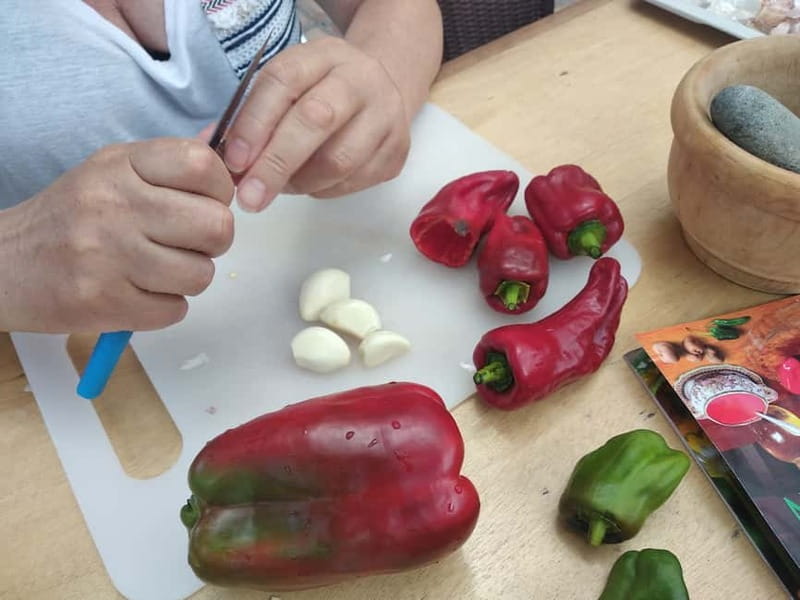
This is a strong fit for you if you enjoy local food but want more than a restaurant meal. It also works well if you like plants, small farms, and quiet village settings, or if you prefer a personal activity over a large organized group.
The experience suits curious beginners. You do not need specialist botanical knowledge or cooking skills. Zdenka provides the explanations, and the hands-on parts give you something concrete to do.
It is also a good choice for people who want a short outdoor activity rather than a long hike. You get a walk and time in the fields, but the focus remains on agriculture and cooking.
Think carefully before booking if you have difficulty walking in heat, a low level of fitness, or a fear of heights. The route is in a mountain village setting, and the activity itself warns about those limits. Bring water, sunscreen, and a hat, and do not treat the outing as an indoor cooking class with a brief stroll attached.
Practical Details Before You Go
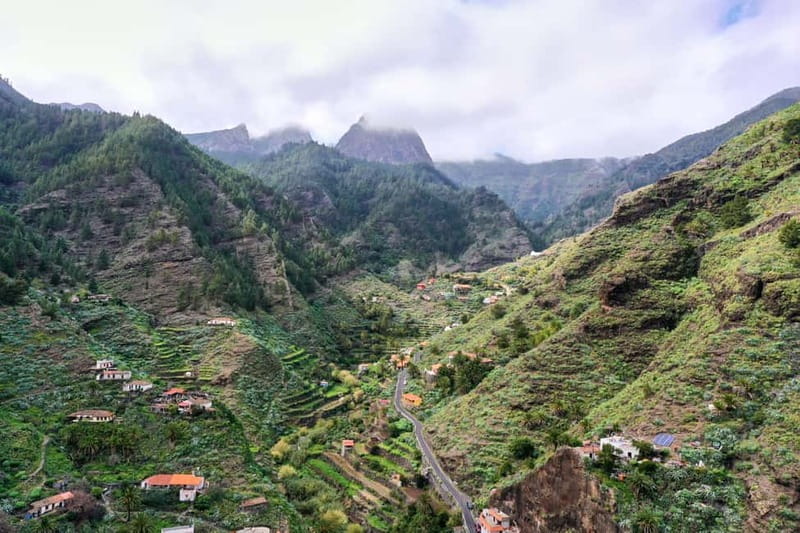
The start and finish point is the central La Laja bus stop beside the Centro Social and Plaza de La Laja. You arrange your own transport there because getting to La Laja is not included.
The activity returns to the same meeting point. That makes planning easier, especially if you are using the bus or arranging a pickup. If you have trouble finding the meeting place, you can call the guide.
Wear clothing and shoes suitable for a warm walk and time around fields. The supplied guidance specifically calls for a sun hat, drinks, and sunscreen. These are not optional extras on a hot day.
The provider offers free cancellation up to 24 hours before the activity for a full refund. You can also reserve and pay later, which helps if your route around La Gomera is still changing.
The experience is provided by Corazón Verde La Gomera. It has a 5 out of 5 rating based on 10 ratings, with particular praise focused on the personal welcome, the interesting walk through botany and village life, and the chance to make mojo. Those strengths match the design of the activity: the guide, the small group, and the hands-on work are more important here than polished production.
Should You Book the Mojo Workshop and Botanical Walk?
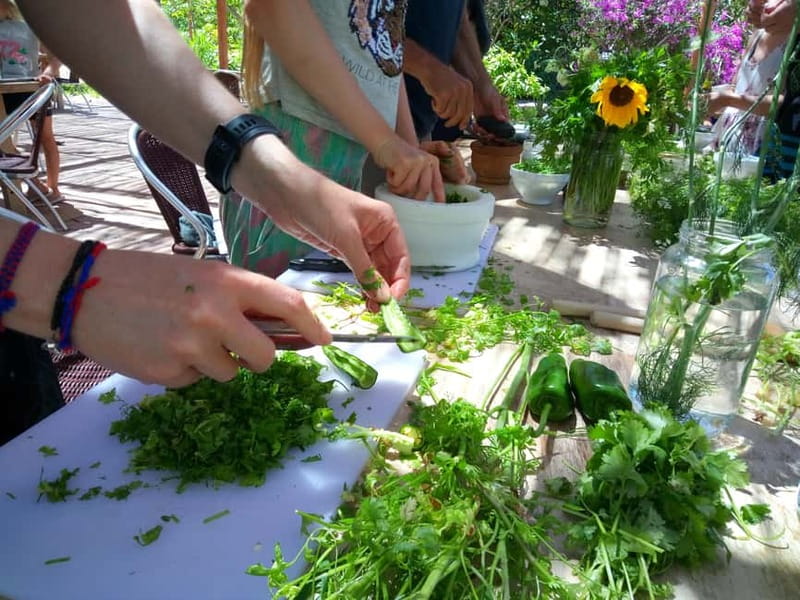
Book this if you want to connect La Gomera’s food with its fields and villages. The strongest reasons are Zdenka’s personal guidance, the four-person group, and the chance to harvest ingredients before making and tasting the sauce.
Skip it if you want a relaxed indoor cooking class, a substantial meal, or an activity with no walking. The heat, slopes, and mountain setting are part of the experience, not minor side notes.
For the right person, the $74 cost buys a thoughtful half-day look at rural La Gomera. You leave with more than a taste of mojo. You gain a clearer sense of where the ingredients grow, how local agriculture works, and why a simple sauce can carry so much of a place’s character.
FAQ
Where does the Mojo Workshop and Botanical Walk begin?
It begins at the central bus stop in La Laja, next to the Centro Social and Plaza de La Laja.
Where does the activity finish?
The activity ends back at the original meeting point in La Laja.
Is transport to La Laja included?
No. You need to arrange your own transport to the meeting point.
How long does the experience last?
The activity lasts 3.5 hours. Starting times depend on availability.
What languages are available?
The activity is offered in German, Czech, English, and Spanish.
What should I bring?
Bring a sun hat, drinks, and sunscreen. The walk can be hot.
Newly planted garden visits around Spain
- Lanzarote Tour: Lagomar Museum, Cactus Garden & La Graciosa★ 4.5 · 18 reviews
- Tour to César Manrique Foundation, Cactus Garden and Teguise for cruise passengers★ 4.5 · 8 reviews
- Aromatic Experience in the Medicinal Garden in Ibiza★ 5.0 · 7 reviews
- Tickets included: Alhambra Tour (Gardens, Alcazaba, Generalife)★ 4.5 · 101 reviews
- Alhambra Gardens, Generalife and Alcazaba Tickets & Local Guide★ 3.5 · 5 reviews
- Tickets included: Alhambra (Gardens)★ 4.5 · 8 reviews
- Guided tour of the Alhambra: Generalife and its gardens★ 4.0 · 9 reviews
- Generalife, Gardens and Alcazaba guided tour (without Nasrid Palaces)★ 3.5 · 3 reviews
Botanical Gardens, bed by bed.

Blanes: Marimurtra Botanical Garden Entry Ticket
Read our review →
Malta: Mdina, Dingli Cliffs and San Anton Botanical Gardens
Read our review →
Princeville Botanical Gardens Tour and Chocolate Tasting Ticket
Read our review →
Icod de los Vinos: Dragon Tree & Botanical Garden Ticket
Read our review →
Maleny Botanic Gardens Bird Aviary Experience Ticket
Read our review →
Big Island Waterfalls Tour with Swimming and Botanical Garden
Read our review →
Lists this garden visit belongs to