
Review · INDONESIA
Anggrek Putih Lombok Cooking Class
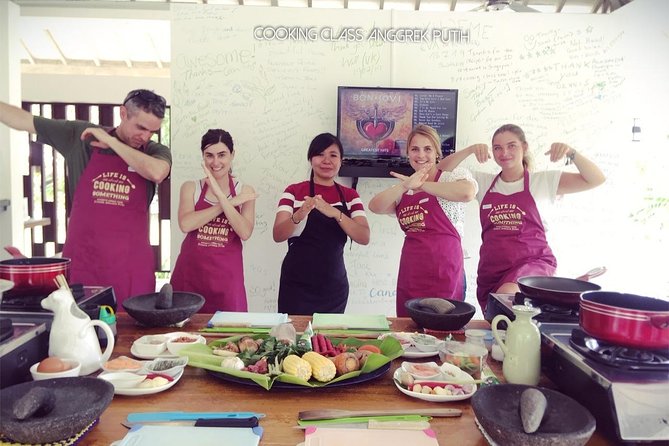
The best part of this Lombok cooking class happens before the stove is lit. You walk through the Little Eden vegetable garden, plant seeds, and get a look at the ingredients that shape Indonesian home cooking. Then you use a stone pestle and mortar to prepare dishes from Lombok, Java, and other parts of Indonesia.
I like the garden visit with seed planting, which gives the class a sense of place rather than making it only a kitchen lesson. I also like that the meal includes dishes such as banana-leaf fish and curry, with vegetarian and allergy accommodations available. The main consideration is that the group-size information is not fully consistent: the experience is described as capped at 10, while the additional details allow up to 12 people.
Key points
- Garden first: Tour the Little Eden vegetable garden and plant seeds before cooking.
- Regional menu: Prepare dishes from Lombok, Java, and other Indonesian areas.
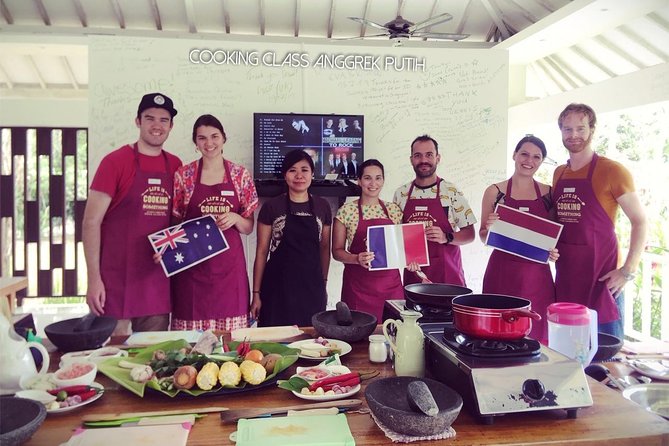
- Traditional tools: Work with a stone pestle and mortar rather than only modern kitchen equipment.
- A full meal included: Sit down for lunch after cooking, with banana-leaf fish, curry, and vegetarian choices noted.
- Useful pickup area: Hotel pickup is offered from Mataram and Senggigi.
- Three-hour format: The 10:30 a.m. start leaves you with a half-day activity and lunch.
A garden visit before the cooking begins
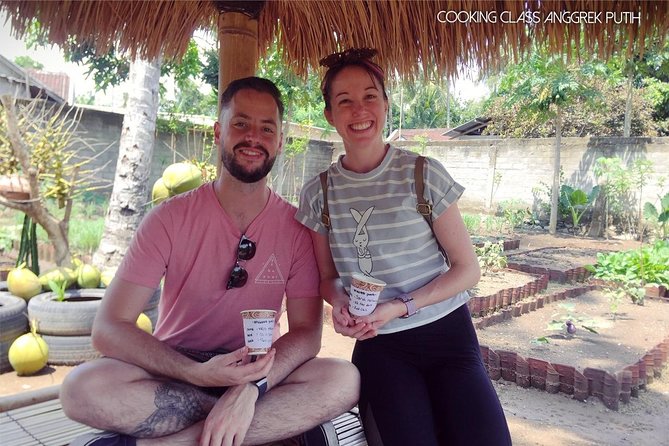
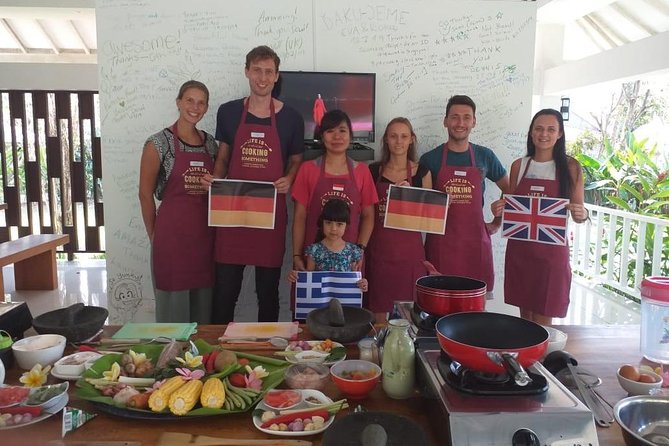
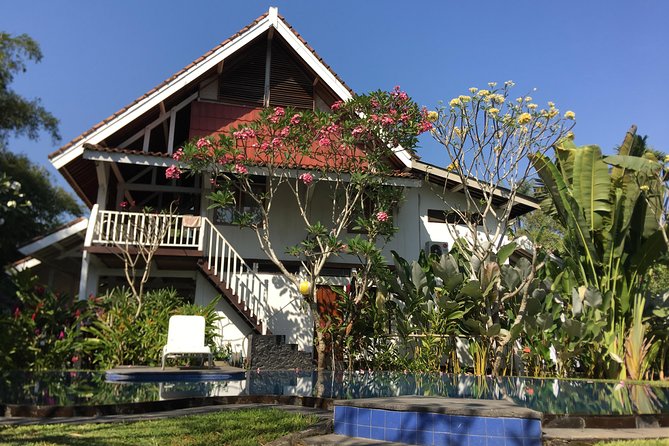
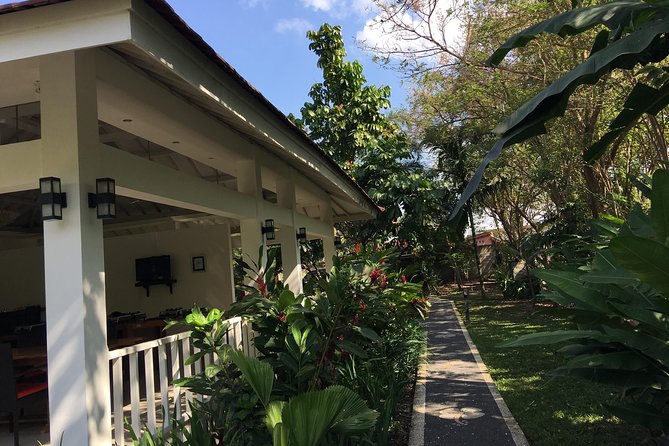
Anggrek Putih Homestay and Cooking Class begins with a meet-and-greet at the property. You register, receive a welcome drink, and then head into the vegetable garden known as Little Eden.
This opening matters. Indonesian cooking can seem like a long list of spices and unfamiliar names when you meet it only on a menu. Seeing a garden first gives you a better sense of how food connects to daily life and local ingredients. You also plant seeds yourself, which is a small activity but a useful one for families and anyone who likes a hands-on start.
A photo session is included during this part of the program. That gives you time to enjoy the garden without treating it as a quick walk-through on the way to the kitchen.
The garden visit is not a farm tour with a long agricultural lecture, at least not from the details provided. Think of it as a short, personal introduction to the setting and ingredients before the cooking starts. If you are mainly interested in advanced culinary technique, this part may feel light. If you want context and a slower start, it adds real value.
Cooking classes with a garden harvest around Indonesia:
- Balinese Vegan Cooking Class with Fresh Harvesting & Garden Tour
★ 5.0 · 86 reviews - From Garden to Table: Indonesian Cooking Class in Yogyakarta
★ 4.9 · 24 reviews - Spice Garden, Jamu & Cooking Class in Bali Village
★ 5.0 · 5 reviews
Cooking with a stone pestle and mortar
The kitchen session introduces dishes from several Indonesian regions, including Lombok and Java. The point is not simply to copy one recipe. You get a wider taste of the country’s food traditions in one sitting.
The use of a stone pestle and mortar is one of the more meaningful details here. Indonesian spice pastes are often built by grinding ingredients together, and that physical work helps you understand the texture and aroma in a way a food processor does not. It may also slow the class down in a good way. You are not just watching a demonstration and rushing to the meal.
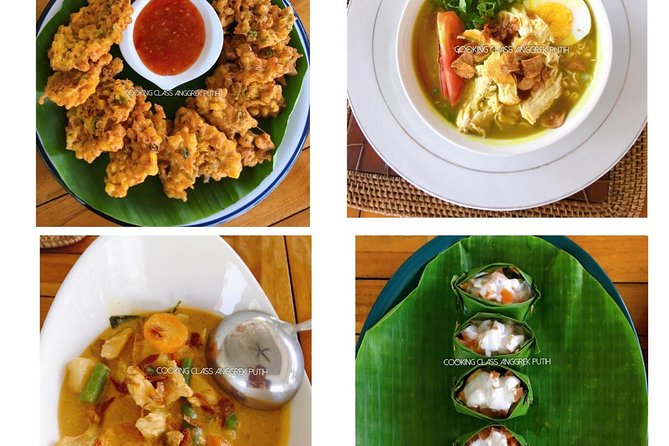
The exact menu can vary, but banana-leaf fish and curry are specifically highlighted. Banana leaves bring both presentation and a familiar Southeast Asian cooking method to the table. Curry, meanwhile, gives you a chance to work with the layered seasoning that appears across many Indonesian regional cuisines.
You should not expect a restaurant kitchen or a formal culinary school setup. This is a homestay-based class, so the appeal is the connection to everyday cooking and shared food. That can mean a more relaxed session, but it may offer less precision than a professional chef-led course designed for serious technique.
From Lombok to Java on one plate
A useful feature of the class is its regional range. Lombok has its own strong food identity, while Java contributes another set of flavors and cooking traditions. Sampling both in a single morning helps you see that Indonesian food is not one uniform cuisine.
The format is especially helpful if you have only a short stay in Lombok. Rather than spending several meals trying to identify dishes on your own, you get an organized introduction and then eat what you have helped prepare.
I would keep your expectations practical. The information names the regions and example dishes, but it does not provide a fixed menu or a dish-by-dish cooking list. If you need to know exactly what will be prepared, ask before booking. This is also the sensible way to confirm the vegetarian or allergy arrangements for your particular group.
The vegetarian option is important because a shared meal can otherwise limit what some people can eat. The class specifically notes vegetarian choices and accommodation for allergies, but you should still communicate your needs clearly in advance. That is good practice for any cooking experience.
Lunch turns the lesson into a shared meal
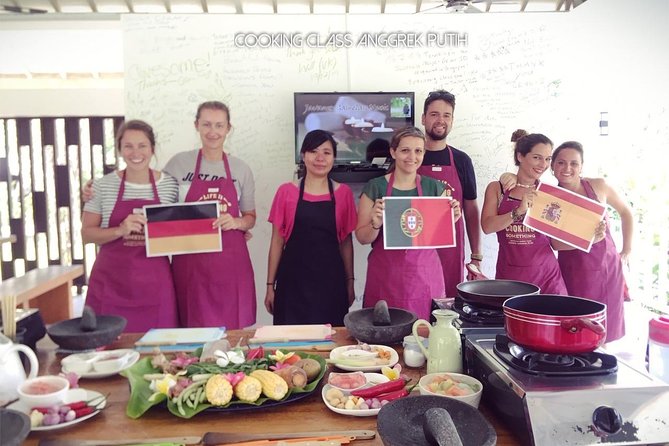
After the cooking, everyone sits down for lunch and conversation. This is more than a final plate of food. It gives you time to taste the results, compare impressions, and enjoy the social side of the class.
The group format is intended to stay small. The experience is described as capped at 10 people, while the additional information lists a maximum of 12. That difference is worth noting, especially if you prefer a very personal class. Even at 12, it remains a modest group, but the number can affect how much direct help you receive at the cooking station.
The lunch also makes the $30 price easier to judge. You are paying for a garden tour, seed planting, a welcome drink, a guided cooking session, the meal, and hotel pickup in the stated areas. That is a reasonable package for a three-hour half-day activity, particularly if you value the food and the setting rather than just a quick cooking demonstration.
The meal is the main test of the experience. If you want to bring home exact recipes and recreate every dish, confirm how recipes are shared before booking. The supplied details promise the cooking and lunch, but they do not state that printed recipes or take-home ingredients are included.
Same season, a different set of beds:
- Jakarta Bogor Botanical Garden, Waterfall and Rice terrace, Lunch
★ 5.0 · 157 reviews - Bogor Botanical Garden & Rainforest Trekking to Hidden Waterfall
★ 5.0 · 58 reviews - Jakarta Bogor Botanical Garden, Waterfall and Rice Terrace
★ 4.8 · 38 reviews - Bali: Secret Garden, Ulun Danu Temple and Waterfall Tour
★ 4.8 · 12 reviews
Pickup from Mataram and Senggigi
Hotel pickup is offered from the Mataram and Senggigi areas, which simplifies the morning. The stated start time is 10:30 a.m., so you do not need to sacrifice your entire day to fit in the class.
Pickup is valuable because local transport can add cost and planning time, especially when you are trying to reach a homestay or garden outside the main hotel strip. The exact pickup instructions are not provided here, so confirm the meeting arrangements after booking.
The activity finishes after lunch and conversation, at roughly three hours. A return to your hotel is included in the overview for Mataram and Senggigi properties. If your accommodation is outside those areas, do not assume transport is included.
The class requires good weather. That makes sense for the garden portion, but it also means you should avoid placing it on the day before an important flight or ferry connection if your schedule is tight. If poor weather causes cancellation, you are offered another date or a full refund.
How the $30 price works for you
At $30 per person, this sits in the affordable range for a food-focused half-day outing. The price is not just for a plate of lunch. It covers the welcome drink, garden visit, planting activity, cooking, meal, and stated pickup service.
The strongest value comes if you want several elements in one outing. You get a little local setting, a little gardening, a practical cooking session, and a prepared meal. Booking each part separately would be harder, even if that comparison is not directly available.
The value is weaker for someone who wants a long professional course. The class lasts about three hours, and the information does not promise advanced knife work, recipe booklets, market shopping, or a large selection of take-home dishes. You are buying a friendly cultural activity with food at its center, not a chef certification.
The experience is booked, on average, 37 days ahead. That does not guarantee it sells out every day, but it suggests you should not leave this until the last moment, especially if you are visiting in a busy period. Confirmation is sent within 48 hours, subject to availability.
One important booking warning: the experience is non-refundable and cannot be changed for any reason after purchase. Since weather can affect the garden portion, read the terms carefully before paying and choose your date with care.
Who will enjoy this class most
I would recommend this to you if food is one of the main ways you get to know a place. The garden and seed planting give the class more personality than a standard kitchen-only lesson, while the regional menu gives you a useful first look at Indonesian cooking beyond one restaurant meal.
It also suits families, couples, and small groups who want an activity with a clear beginning and end. The hands-on format should keep the morning active without requiring a full day of travel.
Vegetarians and people with allergies can consider it because those needs are specifically addressed. Still, you should provide details before the class rather than relying on a last-minute request.
You may want another type of tour if you prefer a market visit, a fixed menu published in advance, or a highly technical cooking course. The available information does not mention market shopping, named chefs, printed recipes, or formal culinary instruction. It is better to choose this for the garden, shared meal, and regional introduction.
Practical tips before you go
Start by confirming your pickup location and the maximum group size. The class is promoted as a group of up to 10, but the additional information says up to 12, so ask if the size matters to you.
Tell the provider about vegetarian requirements or allergies when you book. The class can accommodate these needs, but clear notice gives the kitchen time to prepare properly.
Wear something comfortable for a garden walk and cooking session. The provided details do not specify a dress code, but you will be moving between outdoor and kitchen areas.
Keep the morning free beyond the exact three-hour estimate. The schedule includes lunch and conversation, and transport timing can vary. Do not book a tight connection immediately afterward.
Finally, take the weather rule seriously. Garden activities depend on workable conditions, and a poor-weather cancellation offers a new date or full refund, not necessarily the same-day plan you had imagined.
Should you book Anggrek Putih?
Book it if you want a small-group Indonesian food experience that combines a garden visit, planting, traditional tools, and lunch. The $30 price is fair for the number of pieces included, and the vegetarian option makes it more flexible than many food activities.
Skip it if you want a precise, advanced cooking course or a guaranteed menu with take-home recipes. Also check the group-size detail and pickup area before paying. For most visitors staying in Mataram or Senggigi, this is a practical, personable way to spend a morning with Indonesian food at the center.
FAQ
Where does the cooking class take place?
The experience takes place at Anggrek Putih Homestay and Cooking Class in Lombok, Indonesia.
What time does the class start?
The stated start time is 10:30 a.m.
How long does the experience last?
The class lasts approximately three hours.
Is hotel pickup included?
Pickup is offered from hotels in the Mataram and Senggigi areas.
What will I do before cooking?
You will meet the group, register, receive a welcome drink, tour the Little Eden vegetable garden, plant seeds, and take part in a photo session.
What kind of food will I prepare?
The class covers Indonesian regional dishes from Lombok, Java, and other areas. Banana-leaf fish and curry are among the dishes highlighted.
Are vegetarian options available?
Yes. Vegetarian options are available, and allergy accommodations are noted.
How many people can join the class?
The experience is described as capped at 10 people, while the additional information lists a maximum of 12. Confirm the expected group size when booking.
Newly planted garden visits around Indonesia
- Full Day Bogor Botanical Garden And Puncak Highland Tour★ 3.5 · 3 reviews
- Bogor Botanical Garden, City and Miniature Park in Heritage★ 5.0 · 5 reviews
- Bogor Botanical Garden & Rainforest Trekking to Hidden Waterfall★ 5.0 · 58 reviews
- Spice Garden, Jamu & Cooking Class in Bali Village★ 5.0 · 5 reviews
- Mt. Merapi Majesty: Soft Trek and Botanic Village Tour★ 5.0 · 5 reviews
- Jakarta Bogor Botanical Garden, Waterfall and Rice Terrace★ 4.8 · 38 reviews
- Jakarta: Botanical Garden & Rainforest Trekking to Waterfall★ 4.9 · 7 reviews
- From Jakarta: Bogor Botanical Garden, Ricefield, & Waterfall★ 5.0 · 3 reviews
Indonesia Garden Tours, bed by bed.
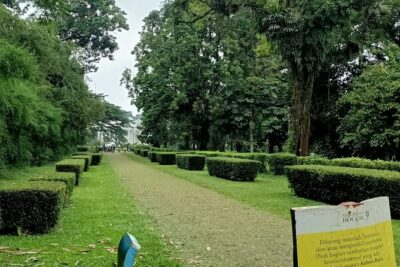
Jakarta Bogor Botanical Garden, Waterfall and Rice terrace, Lunch
Read our review →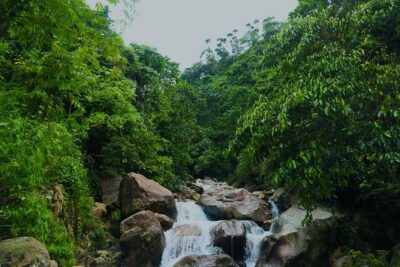
Bogor Botanical Garden & Rainforest Trekking to Hidden Waterfall
Read our review →
Bali: Secret Garden, Ulun Danu Temple and Waterfall Tour
Read our review →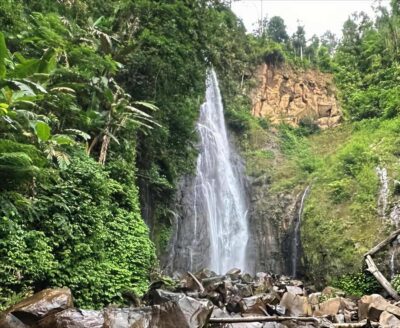
Jakarta: Botanical Garden & Rainforest Trekking to Waterfall
Read our review →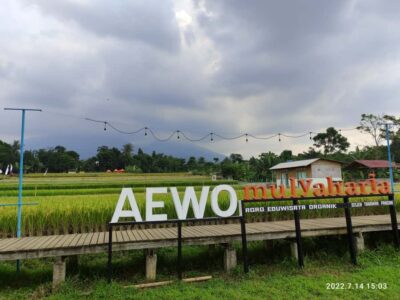
Jakarta : Botanical Garden, Waterfalls, and Rice Fields Tour
Read our review →
Mt. Merapi Majesty: Soft Trek and Botanic Village Tour
Read our review →
Bogor Botanical Garden, City and Miniature Park in Heritage
Read our review →
Lists this garden visit belongs to