
Review · THE USA
General Admission to Denver Botanic Gardens Ticket
Denver Botanic Gardens gives you an unusual change of scene: within minutes, you can move from Colorado’s dry high-desert planting to gardens inspired by Asia, Patagonia, South Africa, and the Middle East. The 24-acre York Street setting feels far removed from the city, even though it sits near Capitol Hill.
I like the way the gardens show plants chosen for Colorado’s semi-arid climate, rather than simply copying a wetter region. I also like the practical extras: cafés, art exhibitions, a gift shop, and a children’s garden make this more than a quick flower stop.
The main drawback is timing. A one-hour visit is possible, but it will feel rushed, and seasonal displays change sharply. General admission also does not cover specially ticketed events, and some visitors have found evening admission details unclear.
Key points to know before you go
- Colorado-friendly planting: See drought-resistant plants and native species that can handle the state’s dry climate.
- A world tour in one city: Garden areas draw on Asia, Patagonia, Africa, the Middle East, South and Central America, and other regions.
- Allow more than an hour: The official visit length is about one to three hours, but a relaxed visit with lunch can fill half a day.
- Good family facilities: The seasonal three-acre Mordecai Children’s Garden offers hands-on play and plant education.
- More than plants: Art exhibitions, films, a Science Pyramid exhibition, cafés, and a shop add useful variety.
- Plan around the calendar: Flowers, outdoor displays, children’s features, and special events change with the season.
Why Denver Botanic Gardens feels different
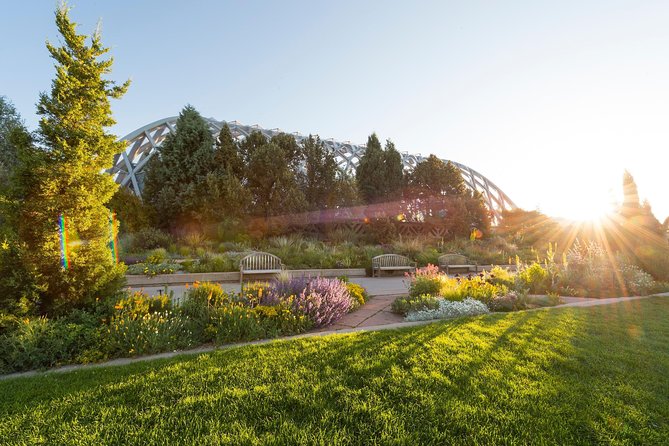
Many botanical gardens are pleasant places to walk. Denver Botanic Gardens has a stronger sense of purpose because it must make plants work in a semi-arid climate. You are not only looking at attractive beds. You are seeing ideas for shade, water use, plant selection, and garden design that make sense in Colorado.
The York Street site began in 1951 and now covers 24 acres near Capitol Hill. Its living collections range from tropical plants to species suited to tundra conditions. That range gives you plenty of contrast, but the gardens still feel tied to their location.
I especially like the balance between local and international planting. Colorado native plants receive plenty of attention, while sections inspired by Asia, Patagonia, South Africa, the Middle East, and the Americas give the visit a wider reach. You can make a small world tour without leaving central Denver.
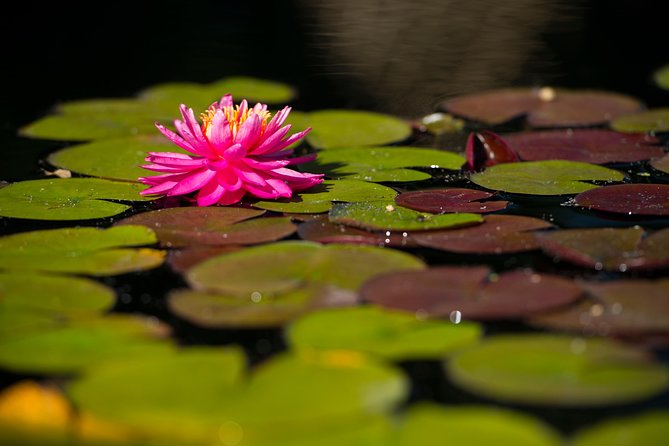
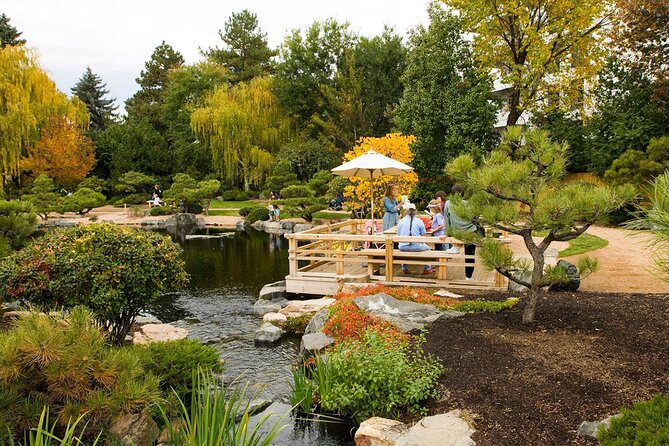
The grounds also have a calm, residential feel. Ponds, fountains, lily pads, shade trees, grassy areas, and tucked-away places to sit give you reasons to slow down. If you enjoy quiet walks, reading outdoors, sketching, or simply listening to birds, this is not a place you need to rush through.
More Botanical Gardens in the USA
- Princeville Botanical Gardens Tour and Chocolate Tasting Ticket
★ 5.0 · 774 reviews - Big Island Waterfalls Tour with Swimming and Botanical Garden
★ 5.0 · 513 reviews - NYC: New York Botanical Garden Pass
★ 4.5 · 359 reviews
Exploring the 24-acre York Street gardens
Begin with a general walk rather than trying to chase every named area. The gardens are large enough that a loose plan works better than a checklist. You will find clearly labeled plants, water features, art, paths, and seating areas spread across the site.
The Colorado-focused sections are especially useful if you want to understand local gardening. Drought-resistant plants show how a good garden can remain attractive without behaving like an English park. You will find plant choices suited to dry conditions, along with native species that help explain the character of the region.
The international gardens change the mood. Plantings inspired by Asia, Patagonia, Africa, the Middle East, South America, and Central America provide a useful contrast in form, texture, and color. The point is not simply to collect plants from faraway places. It is to show how different regions organize plant life and how those ideas can be adapted in Denver.
Water adds much of the pleasure. Ponds, fountains, and lily pads soften the dry-climate setting and give the gardens a cooler feel. On a warm day, these areas make natural rest stops. On an overcast or drizzly day, the paths and foliage still provide plenty to see, though you should dress for changing conditions.
Nearly all of the York Street site is accessible to wheelchairs and strollers. A few gravel paths and stairs remain, but alternate routes are available. If you use a walker or need a smoother route, allow extra time and ask staff for the best path through the areas you most want to see.
The Mordecai Children’s Garden and family time
Families have a useful reason to visit beyond the flower beds. The three-acre Mordecai Children’s Garden sits on top of the parking structure and offers hands-on plant education and play from spring through fall.
It is seasonal, so check that it is open on your chosen date. When operating, it gives children a place to engage with plants rather than simply being told not to touch them. That can make the rest of the garden easier for adults to enjoy.
The garden also works well for mixed-age groups. One person can spend time with educational displays, while another takes a slower walk or finds a seat nearby. The grounds include a children’s section in the gift shop as well, with books, toys, and educational items.
Do not expect every family feature to operate year-round. The children’s garden is specifically seasonal, and some greenhouse or evening features may have separate arrangements. General admission is best treated as access to the main garden experience, not as a pass to every program on the calendar.
Art, films, and the Science Pyramid
Plants are the main attraction, but the additional indoor and cultural features help on a cooler day. Denver Botanic Gardens presents art exhibitions throughout the year, and the grounds can feel like an outdoor gallery as you move between plant collections.
The Sturm Family Auditorium offers films for public viewing during the day. That gives you a short break from walking and adds a little context to the visit. You can also explore Welcome Home: Meet Your Habitat in the Science Pyramid, an exhibition designed around the relationship between people and their surroundings.
These features matter because the weather may not match your ideal garden day. The experience operates in all weather conditions, so bring clothing suitable for sun, wind, cold, or rain. A gray afternoon can still work well if you combine outdoor paths with the auditorium, Science Pyramid, cafés, and indoor displays that are open.
Special events require care when planning. Blossoms of Light, for example, is not included with this general admission ticket. Evening admission can also follow different rules from a daytime visit, so read the date and time details closely before paying for a separate event.
Same season, a different set of beds:
- Seattle: Space Needle & Chihuly Garden and Glass Ticket
★ 4.7 · 1,890 reviews - Space Needle and Chihuly Garden and Glass Combination Ticket
★ 4.5 · 1,551 reviews - National Mall Tour with 10+ Stops, Boat Cruise, Entry Tickets
★ 4.5 · 1,212 reviews - South Maui: Snorkel to Coral Gardens or Molokini Crater
★ 4.3 · 689 reviews
Cafés, lunch, and the garden shop
You can make this a simple morning walk or a longer outing with food. Offshoots Café operates year-round and offers meals, snacks, and drinks. The Hive Garden Bistro operates for three seasons and provides another place for a proper break when open.
Food is not included in the $16.50 admission price. That is worth remembering if you are comparing this with a short park visit. Still, the cafés add value because you do not need to leave the grounds when you want coffee, lunch, or a cold drink.
The café has become part of the appeal for many types of visits, from a casual afternoon to a date. Coffee, croissants, aguas frescas, and sandwiches fit easily into a garden schedule. I would plan your meal around the garden rather than treating it as an afterthought, especially if you intend to stay several hours.
The Shop at the Gardens is also worth a look. It carries gardening tools, books, décor, tabletop goods, accessories, bath and body items, and locally made home goods. Children have their own selection of books, toys, and educational material.
If you enjoy gardening, the shop can turn the visit into a practical source of ideas. You may leave with a book or plant-related gift rather than another generic souvenir. Purchases also support the garden, which gives the stop a useful local connection.
How long to stay and what $16.50 buys you
The listed visit length is about one to three hours, and that works for a focused walk. You can see a good portion of the grounds in that time if you keep moving and skip lunch.
I would allow at least two hours for a first visit. Add time if you want to read plant labels, pause by the ponds, visit exhibitions, eat at a café, browse the shop, or let children use the seasonal garden. Some visitors have comfortably spent around five hours there, which shows how much the pace changes when you stop treating the gardens as a quick attraction.
At $16.50 per person, the value is strongest if you like unhurried outdoor visits. You receive access to a substantial urban garden, art displays, the Science Pyramid exhibition, and public films at the Sturm Family Auditorium. Food, drinks, and special events cost extra, so the final price depends on how much more you add.
The ticket works less well for someone who wants a guaranteed flower peak on a particular date. Outdoor displays change with the seasons, and late autumn visits may have fewer flowers even though the garden remains attractive. Spring tulips, summer planting, and fall color offer different experiences, while winter can provide a quieter walk and an indoor escape.
Parking, mobile tickets, and practical planning
The gardens offer limited complimentary parking in a public parking complex. Because spaces are limited, do not assume parking will always be effortless at busy times. A mobile ticket makes entry simple in principle, but check the entrance and operating hours shown for your date.
Operating hours can change by day or event. This is one of the most important details to confirm before setting out. A visitor has reported trying several times during a Denver stay and finding the garden unavailable, so you should not rely on a general assumption that the site follows the same schedule every day.
A separate issue is evening programming. General admission does not include events such as Blossoms of Light, and the ticket needed for an evening event may not be the same as a daytime ticket. Read the full date and time information, especially if you are building the visit around a birthday, dinner, or another fixed plan.
The activity can accommodate up to 30 people, though the gardens themselves give you room to spread out. You do not need a guide for the standard visit. Plant labels, exhibitions, and staff assistance provide orientation, while guided tours and special programs take place at selected times during the year.
The gardens operate in all weather conditions, and the cancellation terms note that poor weather can lead to a new date or full refund. Bring sun protection, water, and suitable layers. Shade trees help, but some paths and open areas receive strong Colorado sun.
Who will enjoy this garden most
I would recommend this experience to couples looking for a relaxed date, families wanting more than a playground, solo visitors who enjoy quiet walks, and anyone interested in garden design. It also suits people who want a flexible Denver activity that does not depend on a tightly timed tour.
Gardeners will find practical ideas in the drought-resistant planting and clearly labeled collections. Art lovers get extra displays to break up the walk. Families can combine the main grounds with the seasonal children’s garden, café, and shop.
It is less suitable if you want a fast, fully guided attraction with a fixed sequence. You need to choose your own pace and accept that some sections, flowers, or special features may be seasonal. Visitors hoping for a particular greenhouse or evening event should check access before booking.
The site is mostly wheelchair and stroller accessible, with a few gravel paths and stairs. Alternative routes are available, but the size of the grounds means a moderate level of physical fitness is recommended.
Should you book Denver Botanic Gardens?
Book it if you want a peaceful half-day option with strong plant variety, useful amenities, and an authentic sense of Colorado gardening. The $16.50 price is fair when you stay long enough to enjoy the ponds, art, café, exhibitions, and international collections, not just the first few flower beds.
I would choose a spring or summer visit for the fullest outdoor display, though fall can be lovely and winter offers a quieter escape. Check the hours, confirm whether seasonal areas are open, and keep special evening events separate from general admission.
Skip it only if your schedule allows less than an hour or you need a guaranteed peak bloom. For most people with time to stroll, this is one of Denver’s easiest ways to trade city streets for plants, water, shade, and a little breathing room.
FAQ
How much does general admission to Denver Botanic Gardens cost?
General admission costs $16.50 per person.
How long does a visit usually take?
The expected visit lasts about one to three hours. You can stay longer if you explore slowly, eat at a café, visit exhibitions, browse the shop, or spend time in the children’s garden.
Is food included with admission?
No. Food and drinks are not included, but Offshoots Café operates year-round and The Hive Garden Bistro operates for three seasons.
Does the ticket include Blossoms of Light?
No. Specially ticketed events such as Blossoms of Light require separate admission.
Is the garden suitable for wheelchairs and strollers?
Nearly all of the York Street location is wheelchair and stroller accessible. A few gravel paths and stairs are present, but alternate routes can be used.
Is parking available?
The gardens offer limited complimentary parking in a public parking complex.
Does the ticket include the children’s garden?
The three-acre Mordecai Children’s Garden is part of the garden experience when it is open. It operates seasonally from spring through fall.
Can I cancel for a refund?
Yes. You can cancel at least 24 hours before the experience start time for a full refund. Cancellations or changes made less than 24 hours before the start time are not refunded, and poor weather may result in a different date or a full refund.
Newly planted garden visits around the USA
- Byodo Temple and Waimea Botanical Garden Tour★ 5.0 · 42 reviews
- Flamingo Gardens’ Garden of Lights★ 3.0 · 22 reviews
- Couples Outdoor Bamboo Garden Massage or Ultimate Candlelight Signature Massage★ 4.0 · 16 reviews
- Luxury Private Van to Pikes Peak Garden of Gods★ 5.0 · 2 reviews
- Private Full DayJeep Tour Garden of Gods Pike’s Peak from Denver★ 5.0 · 39 reviews
- Pikes Peak & Garden of Gods – Private Tour★ 5.0 · 25 reviews
- Texas Discovery Gardens General Admission★ 5.0 · 2 reviews
- Dallas Arboretum and Botanical Gardens Tour★ 5.0 · 3 reviews
Botanical Gardens, bed by bed.
Blanes: Marimurtra Botanical Garden Entry Ticket
Read our review →
Malta: Mdina, Dingli Cliffs and San Anton Botanical Gardens
Read our review →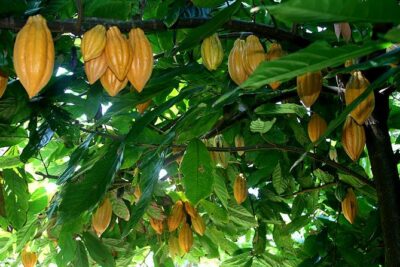
Princeville Botanical Gardens Tour and Chocolate Tasting Ticket
Read our review →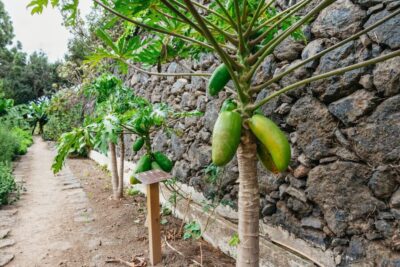
Icod de los Vinos: Dragon Tree & Botanical Garden Ticket
Read our review →
Maleny Botanic Gardens Bird Aviary Experience Ticket
Read our review →
Big Island Waterfalls Tour with Swimming and Botanical Garden
Read our review →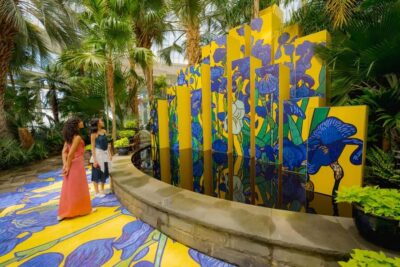
Lists this garden visit belongs to