
Review · MALTA
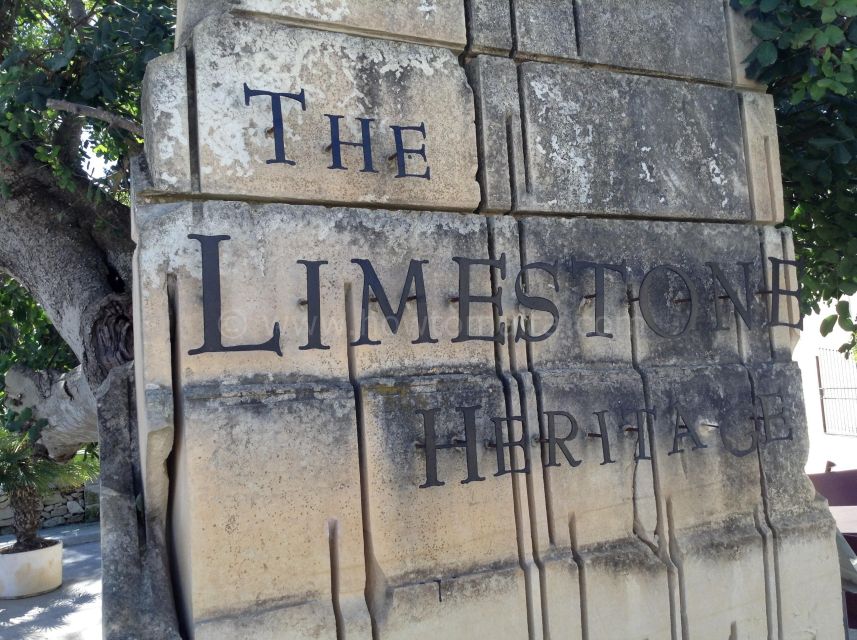
The Limestone Heritage Park and Gardens (Entry Ticket)
Malta’s story is written in limestone, and this family-run park in Siġġiewi lets you see that story in a compact, hands-on setting. The visit combines a 17-language audio tour with geology displays, a museum, a Punic tomb dating to 400 B.C., gardens, animals, and live stonework.
I like the easy, self-paced format and the chance to see stone being shaped rather than only reading about it. I also like that the attraction works well for families, with citrus gardens and a small animal park to break up the history. The main drawback is its size: one recent visitor found it smaller than expected, so you should not treat it as an all-day museum.
Key points
- A 7,000-year story in one compact park: See how Malta’s limestone connects geology, building, craft, and archaeology.
- Audio support in 17 languages: Choose from Maltese, English, French, German, Italian, Dutch, Russian, Spanish, Greek, Portuguese, Swedish, Danish, Finnish, Norwegian, Polish, Chinese, or Japanese.
- A genuine 400 B.C. Punic tomb: The tomb adds an archaeological stop to what could otherwise feel like a craft-focused visit.
- Live stonework demonstrations: Watch the local material being shaped and learn why limestone matters so much in Malta.
- A small family-friendly animal area: The farm and citrus garden give children a change of pace.
- Optional limestone crafting: You can create your own limestone piece for €5, according to a recent booking experience.
Malta’s limestone story starts in Siġġiewi
The Limestone Heritage Park and Gardens is built around a simple idea: to explain Malta through the stone used across the islands. Limestone is not just a building material here. It appears in churches, village walls, homes, monuments, and traditional craftwork.
That makes this attraction useful early in a Malta visit. After seeing pale stone everywhere, you get a clearer sense of why it looks the way it does and how local people worked with it. The park does not attempt to replace Malta’s larger museums or archaeological sites. Instead, it gathers several connected subjects in one manageable place.
The setting in the traditional village of Siġġiewi gives the visit a countryside feel. You are not being rushed from one sight to the next, and the ticket is valid for one entry at any time during the booked day’s opening hours. That flexibility helps if you are fitting the park around other stops in southern Malta.
The attraction is open Monday through Friday from 9:00 a.m. to 4:00 p.m. On Saturday, it closes at noon. It is closed Sundays and public holidays, and last entry is 30 minutes before closing. Those short Saturday hours matter, so check the schedule before setting out.
Historic gardens and their stories around the world:
- Aboriginal Heritage Walk – Royal Botanic Gardens Victoria, Melbourne Gardens
★ 5.0 · 314 reviews - Beijing Historical Tour II including Summer Palace, Lama Temple & Panda Garden
★ 4.0 · 187 reviews - Authentic Amalfi Lemon Tour & Tasting in the Historical Garden
★ 5.0 · 52 reviews
The audio-visual presentation sets the stage
Your visit begins with an audio-visual presentation about Malta’s past and the part limestone has played in it. This is a useful introduction because it gives the rest of the park a clear purpose. Instead of viewing separate objects with no connection, you can watch for the links between the island’s geology, old settlements, burial practices, buildings, and stonecraft.
The presentation is available in 17 languages, including English, Maltese, French, German, Italian, Spanish, Portuguese, Dutch, Russian, Greek, Swedish, Danish, Finnish, Norwegian, Polish, Chinese, and Japanese. That is a real benefit for mixed-language families and groups.
Do not expect a long cinema production. The attraction is designed as a practical overview before the outdoor and museum sections. I would treat it as an orientation, not the main event. It helps you know what to notice when you move on to the displays and walking route.
The host or greeter speaks English, but the audio content gives you more choice. Since there is no live guide included, the audio material carries much of the explanation. That suits people who prefer to move at their own pace, though visitors who want constant conversation with a historian may find the format limited.
Following the audio-guided walkthrough
The walking section takes you through the park with an audio guide in the same 17 languages. This makes the experience less formal than a scheduled group tour. You can stop, listen, look around, and continue when ready.
The strength of this approach is control. Families can spend more time at the parts that hold their attention, while adults who want the historical explanation can listen without waiting for a group. The weakness is that the visit depends on your own attention. There is no guide beside you to answer every question or add stories beyond the recorded material.
The site is described as accessible to wheelchair users. Still, the attraction includes outdoor areas, gardens, a farm animal park, and a tomb, so you may want to confirm current conditions directly if someone in your party has specific mobility needs. Accessibility is listed, but detailed information about every surface and route is not provided.
Plan for a relaxed visit rather than a tightly timed tour. The ticket is valid for the day, but it allows only one entry, so do not leave expecting to return later. The venue is smaller than some people imagine, yet that can be a virtue if you want a focused stop without spending half a day inside a large museum.
Geology explains the stone beneath your feet

The geology section gives the natural foundation for the rest of the park. Here you can connect Malta’s limestone to the material used in local buildings and sculpture. The value is not only scientific. It helps you read the island as you continue your trip.
Once you know the stone has a story of its own, the pale walls and traditional structures around Malta become less anonymous. You begin to notice the color, texture, and practical use of the local material.
This section will likely appeal most to adults and older children who enjoy understanding how places are formed. Younger children may move through it quickly, which is fine. The farm and gardens offer a change of pace later.
Because the park is compact, you can spend as much time as you want with the geology displays without feeling that you are committing to a full museum day. That is part of the attraction’s value at about $11 per person. The ticket gives you several types of activity, not just one exhibition room.
Garden entry tickets around the world:
- Paris: Versailles Palace and Gardens Full Access Ticket
★ 4.6 · 41,579 reviews - Marrakesh: Majorelle Garden Entry Tickets
★ 4.5 · 9,651 reviews - Florence: Reserved Entry Ticket to the Boboli Gardens
★ 4.4 · 5,275 reviews - From Amsterdam: Keukenhof Ticket with Transfer
★ 4.4 · 4,089 reviews
The museum hall brings Malta’s past indoors
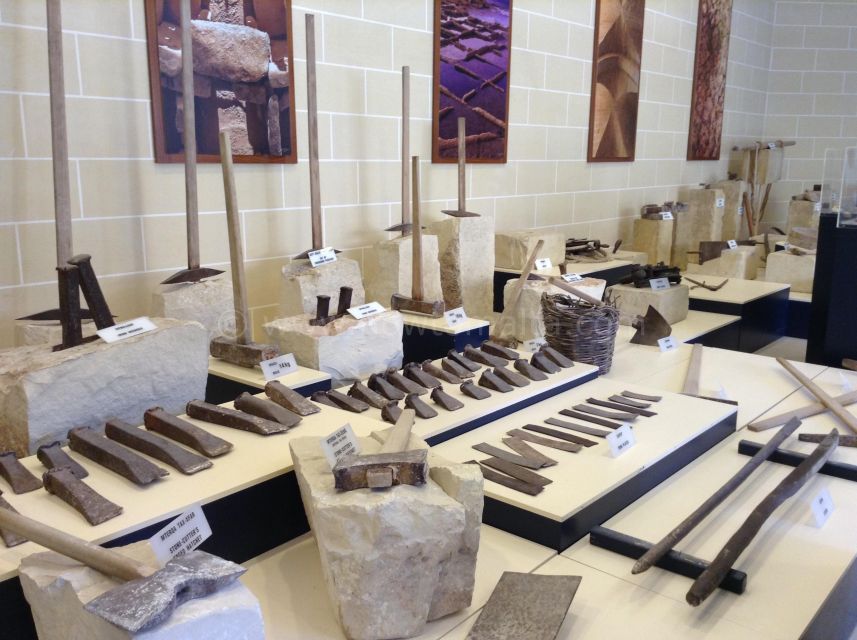
The museum hall adds objects and interpretation to the outdoor route. It provides a quieter stop where you can connect the broad historical overview with material evidence and local traditions.
The attraction presents Malta’s story across roughly 7,000 years. That is a large span for a small venue, so the treatment is necessarily selective. You will get an overview rather than a specialist study of every period. If you have already visited major archaeological sites and museums, some information may feel familiar. If this is your first introduction to Malta’s past, the museum gives useful context.
I like this kind of small-scale presentation because it can make a complicated subject easier to grasp. You are not facing dozens of rooms with labels competing for your attention. The drawback is that people seeking extensive collections or detailed academic interpretation may finish sooner than expected.
A 400 B.C. Punic tomb adds real archaeology
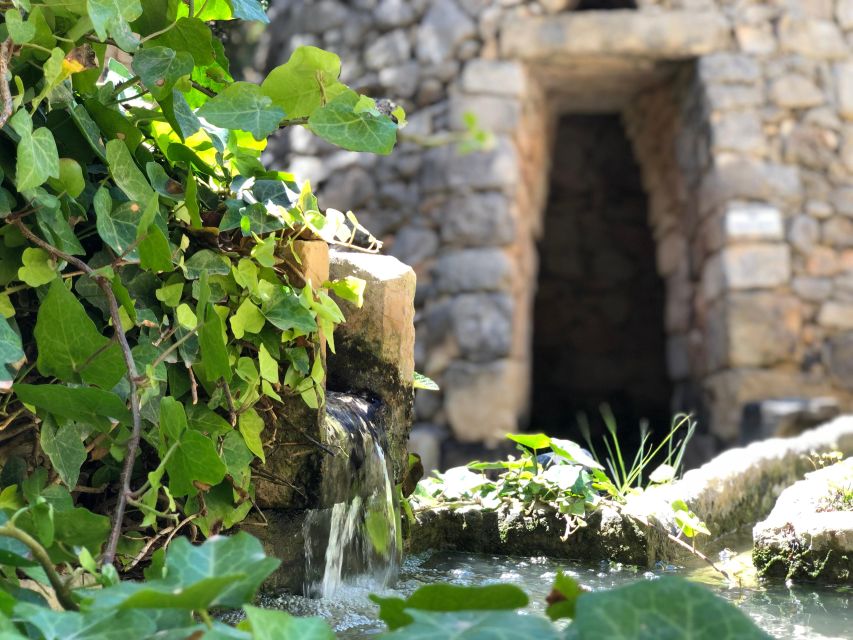
The Punic tomb is one of the more distinctive parts of the visit. Dating to about 400 B.C., it gives you a direct connection to Malta’s ancient past. The tomb is not simply a display about archaeology. It is an actual historic feature included in the route.
That makes it especially valuable for families. Children can move from an audio explanation to a physical place that shows how people once buried their dead. Adults get a clearer sense of Malta’s position in the ancient Mediterranean world.
Keep your expectations sensible. This is one tomb within a wider park, not a major underground complex. Its importance comes from its age and context, not from size. The audio guide should help explain what you are seeing, but the attraction does not include a personal archaeologist or live specialist guide.
Live stonework shows a working tradition
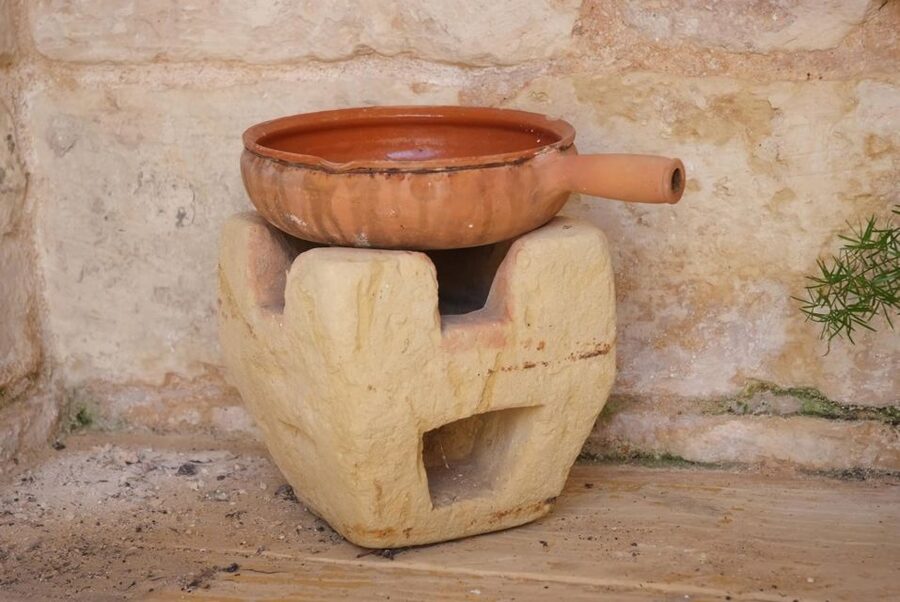
The live stonework demonstration is one of the park’s strongest features. You can watch a craftsperson shape limestone and see the material change under hand tools. That small moment gives practical meaning to the many historic buildings and monuments you see elsewhere in Malta.
A demonstration also makes the visit more memorable than a series of static displays. Stone stops being an abstract subject and becomes a skill requiring patience and control. It is a good stop for children, photographers, and anyone curious about traditional work.
You may also have the option to create your own limestone piece for an additional €5. A recent booking experience described this as an activity where you can take your time and keep working until the piece feels right. It is not included in the entry price, so budget separately if you want to try it.
This optional craft is a useful reason to allow extra time. The park itself may be smaller than expected, but hands-on work can turn a short visit into a more personal one. I would ask on arrival about availability and current pricing, since the supplied information confirms the €5 figure from one recent experience but does not describe the exact format or schedule.
Citrus gardens and farm animals soften the history lesson

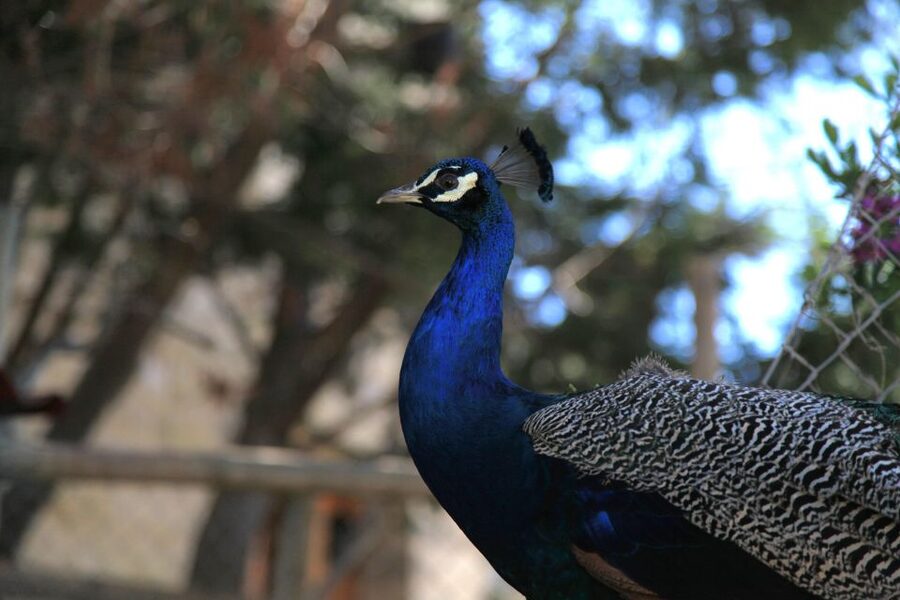
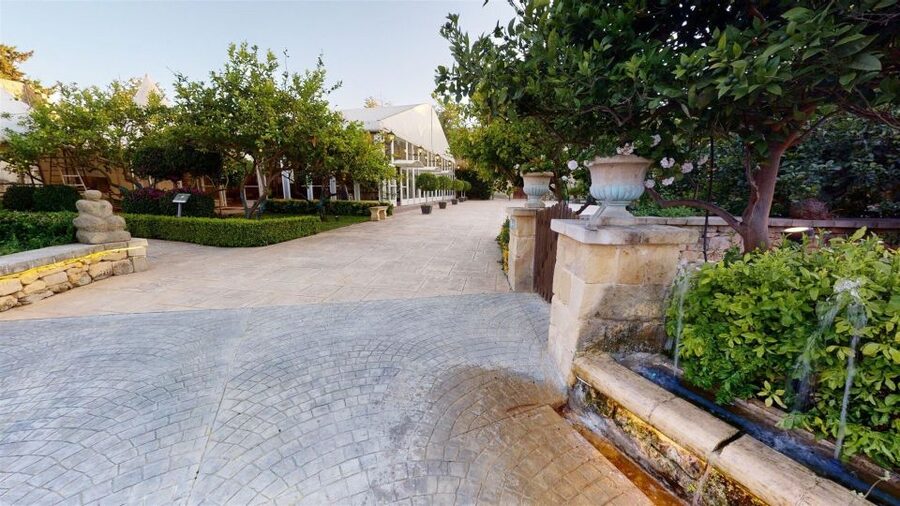
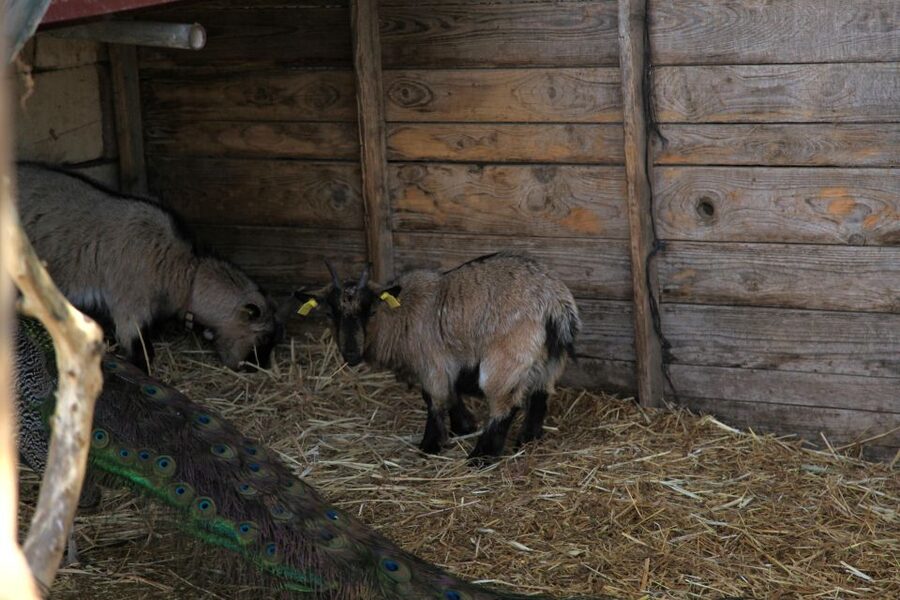
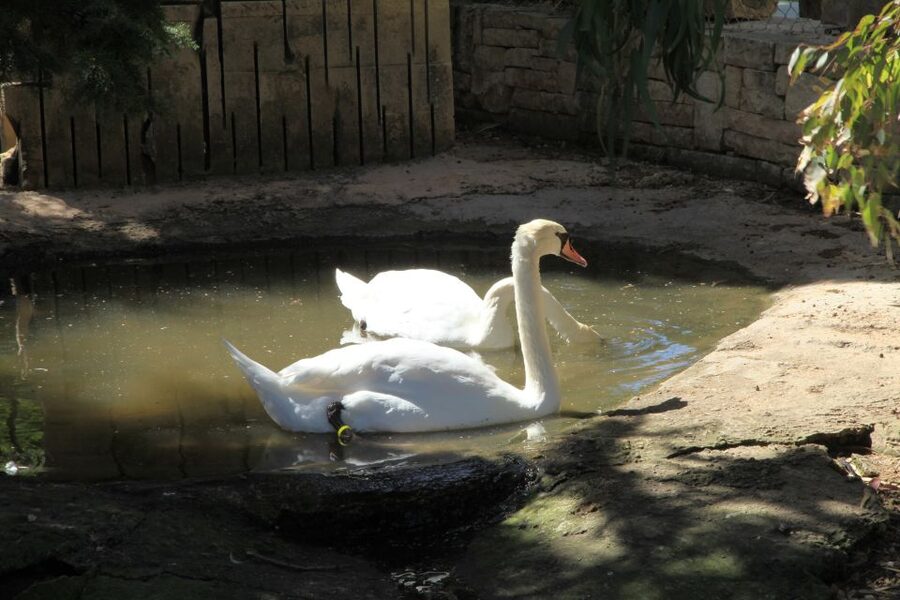
After the historical sections, the citrus garden gives you an open-air pause. The farm animal park offers another change of rhythm, especially for younger children who may not want to listen to an audio track for long.
These areas are not the main reason to buy the ticket, but they make the attraction more balanced. You can move from geology to archaeology, then from stonecraft to plants and animals. That variety is why the park works better for families than a purely historical site might.
Do not expect a large zoo or a major botanical garden. The wording describes a farm animal park and citrus gardens, not an extensive wildlife or horticultural collection. Think of these as pleasant additions that help you stay longer and keep the visit relaxed.
The outdoor setting also makes the experience feel less demanding. You can pause, enjoy the surroundings, and decide how much more of the audio route you want to hear. Food and drinks are not included, but the on-site café area serves tea, coffee, a Maltese platter, Maltese tuna ftira, and other snacks.
Maltese food and local goods add optional extras
The café is useful if you want to make a break of the visit. A Maltese platter gives you a chance to try local flavors, while tuna ftira offers a more filling snack. These purchases cost extra, so include them in your budget if you plan to eat on site.
The peaceful countryside setting makes a drink or snack appealing, especially during a morning visit. Still, you should not book the attraction mainly for the meal. The food is an optional part of the stop, and the central value comes from the exhibits, tomb, gardens, animals, and demonstrations.
The shop sells genuine Maltese goods and stone souvenirs. It is a convenient place to look for a small reminder of the visit, particularly if you try the optional limestone craft. There is no obligation to buy, which keeps the shopping portion low pressure.
Is $11 a fair price for the day?
At about $11 per person, the ticket offers good value if you use several parts of the park. You receive the audio-visual presentation, audio-guided route, museum hall, geology section, Punic tomb, citrus garden, animal area, and live stonework demonstration.
The value is strongest for families and first-time visitors who want a broad introduction without paying for several separate attractions. The many language choices also make the ticket more useful for international groups.
The calculation changes if you want only a large museum or a long guided tour. The park is compact, and one recent booking experience described it as smaller than expected. You may complete the core visit fairly quickly if you move straight through the displays and do not add the limestone activity, café stop, or garden time.
I would allow a flexible morning or afternoon rather than promising yourself a full day. The ticket is valid for one day, but that does not mean you need to spend all day there. The attraction works best as a focused stop with time for the demonstration, animals, and a drink.
Who will enjoy this Siġġiewi attraction?
I would recommend the park to families, first-time visitors to Malta, and anyone curious about local building traditions. The audio options make it easy for international parties, while the animals and hands-on stonework help keep children involved.
It also suits visitors who prefer a self-guided format. You can listen in your chosen language and move at your own speed instead of following a fixed group. The wheelchair-accessible listing is another practical advantage, though detailed route information should be confirmed if you need it.
I would be more cautious if your main goal is a large archaeological collection, a long guided lecture, or a full-day museum experience. You may find the venue too small for that purpose. Its appeal comes from variety and direct contact with the material, not from scale.
Book on a weekday if possible, since Saturday hours end at noon and Sundays are closed. Check public holiday dates and confirm opening times before you go, as schedules can change. The attraction offers free cancellation up to 24 hours before the visit and reserve-now, pay-later booking, which is useful when your Malta plans are still moving.
Should you book the Limestone Heritage Park?
Book it if you want a clear, family-friendly introduction to Malta’s stone, archaeology, and craft traditions. The Punic tomb and live stonework give the visit more substance than a simple garden stop, while the farm and citrus area keep it from feeling like a formal museum lesson.
Skip it if you want a major historic complex or a packed full-day attraction. The park is smaller than some people expect, but that also makes it easy to fit into a wider Malta itinerary. At $11, it is a sensible choice when you value several short, connected experiences and the freedom to set your own pace.
FAQ
Where is the Limestone Heritage Park and Gardens located?
The park is located in Siġġiewi, a traditional Maltese village in Malta.
How much does entry cost?
The listed price is $11 per person.
How long is the ticket valid?
The entry ticket is valid for one day, during the venue’s opening hours. It permits one entry only, with no re-entry.
What are the opening hours?
The park is open Monday through Friday from 9:00 a.m. to 4:00 p.m. On Saturday, it is open from 9:00 a.m. to noon. It is closed on Sundays and public holidays.
Is there an audio guide?
Yes. An audio-visual presentation and an audio-guided walkthrough are included. Both are available in 17 languages.
Which languages are available for the audio content?
The languages are Maltese, English, French, German, Italian, Dutch, Russian, Spanish, Greek, Portuguese, Swedish, Danish, Finnish, Norwegian, Polish, Chinese, and Japanese.
Is food included in the ticket?
No. Food and drinks cost extra. The venue serves tea, coffee, a Maltese platter, Maltese tuna ftira, and other snacks.
Is the park wheelchair accessible?
Yes, the activity is listed as wheelchair accessible.
Can I cancel the booking?
Yes. You can cancel up to 24 hours in advance for a full refund. Reserve-now, pay-later booking is also available.
Newly planted garden visits around the world
- Sunday Market and Gardens Tour★ 4.0 · 10 reviews
- Botanical Trails of Madeira. Mountain biking Trail Experience★ 5.0 · 42 reviews
- Monte Tropical Garden & Toboggans private Tuk-Tuk tour★ 5.0 · 25 reviews
- Funchal Old Town & Palheiro Gardens Private Tuk Tuk Tour★ 5.0 · 8 reviews
- Kensington Palace VIP Garden Tour with Royal High Tea★ 4.5 · 71 reviews
- Private Half-Day Tour to Monet’s Garden in Paris★ 5.0 · 3 reviews
- Madeira Botanical Gardens and Old Town Tuk Tuk Tour by MadTuk★ 4.5 · 7 reviews
- Secret Gardens of London Private Tour★ 5.0 · 13 reviews
Malta Garden Tours, bed by bed.

Malta: Mdina, Dingli Cliffs and San Anton Botanical Gardens
Read our review →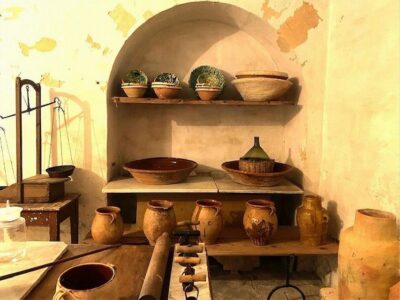
Valletta: Monastery and Secret Garden Entry Ticket
Read our review →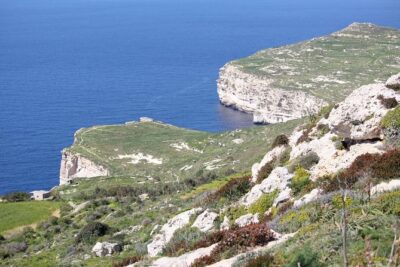
Mdina, Rabat, Dingli cliffs, San Anton gardens, Ta’ Qali & Mosta guided tour
Read our review →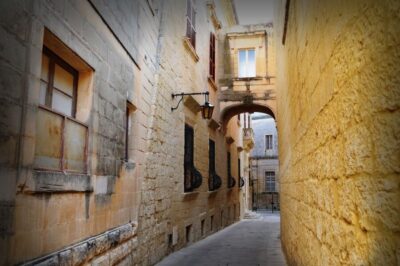
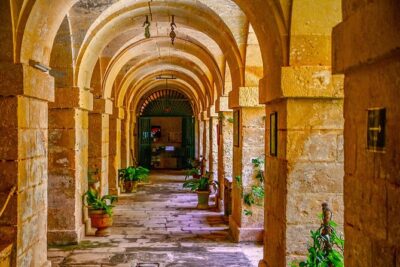
Mysterium Fidei Monastery & Secret Garden in Valletta
Read our review →
Malta: Dingli Cliffs & Buskett Gardens Segway Tour
Read our review →
Scenic Tour by Vintage Bus to Buskett Garden & Dingli Cliffs
Read our review →Lists this garden visit belongs to