

Review · GERMANY
Stuttgart: Wilhelma Zoological-Botanical Garden Ticket
Wilhelma is not simply a zoo with a few flower beds added on. It is Germany’s only zoological-botanical garden, set among 19th-century Moorish buildings, greenhouses, ponds, and themed animal habitats. I like the unusual mix of architecture and wildlife, and I especially like that your ticket supports conservation with a built-in €1 contribution.
I also like the rare animals here, including koalas and Europe’s only quokkas, plus the chance to move from tropical plants to African giraffes in one visit. The main drawback is time: an afternoon is not enough if you want the botanical gardens, animal houses, and aquarium-style exhibits all at an easy pace.
Key points to know before you go

- More than 11,000 animals: Wilhelma keeps about 1,200 species from every continent.
- A zoo inside a historic park: Moorish architecture, subtropical terraces, and the Historical Greenhouse Row give the visit a setting unlike a standard modern zoo.
- Rare Australian wildlife: Terra Australis includes koalas, nocturnal species, and quokkas, which are kept nowhere else in Europe.
- Plan for most of a day: A practical visit takes around three to four hours at a brisk pace, while families who want to see everything should allow a full day.
- All major areas are included: The ticket covers the animal exhibits and botanical gardens, with no personal guide required.
- A small conservation contribution is included: Most ticket types include €1 for wildlife projects around the world.
Why Wilhelma feels different from an ordinary zoo

The first thing you notice at Wilhelma is the setting. Instead of entering a plain collection of animal pens, you move through a historic park shaped by 19th-century design. Moorish-style buildings, formal gardens, glasshouses, and lush planting give the visit a sense of place before you even reach the first major animal habitat.
That setting matters because it changes the pace. You are not only moving from one enclosure to the next. You are also passing through seasonal flower displays, subtropical terraces, and old greenhouse spaces filled with plants from warm climates. On a good day, the gardens are as much a reason to visit as the animals.
Wilhelma houses more than 11,000 animals across roughly 1,200 species. That is a large collection, but the experience is not built around rushing from one famous animal to another. The themed areas group wildlife by region or habitat, making it easier to connect the animals with the plants and environments around them.
The zoo also has an educational and conservation role. Interactive exhibits explain ecosystems and wildlife protection, while the €1 Conservation Euro included with most tickets goes toward projects supporting endangered animals and their habitats. Children may enjoy the animals first, but the displays give adults useful context too.
More Botanical Gardens in Germany:
- E-ticket to Berlin Botanical Garden with Audio Tour
★ 5.0 · 2 reviews - Osaka: teamLab Botanical Garden Entry Ticket
★ 4.5 · 1,710 reviews - Blanes: Marimurtra Botanical Garden Entry Ticket
★ 4.7 · 998 reviews
Start with the Moorish Garden and historic greenhouses
Begin in the Moorish Garden, where Wilhelma’s historic character is most visible. The architecture gives you a pleasant orientation point, and the formal layout helps you understand that this place began as a designed park, not as a typical modern zoo.
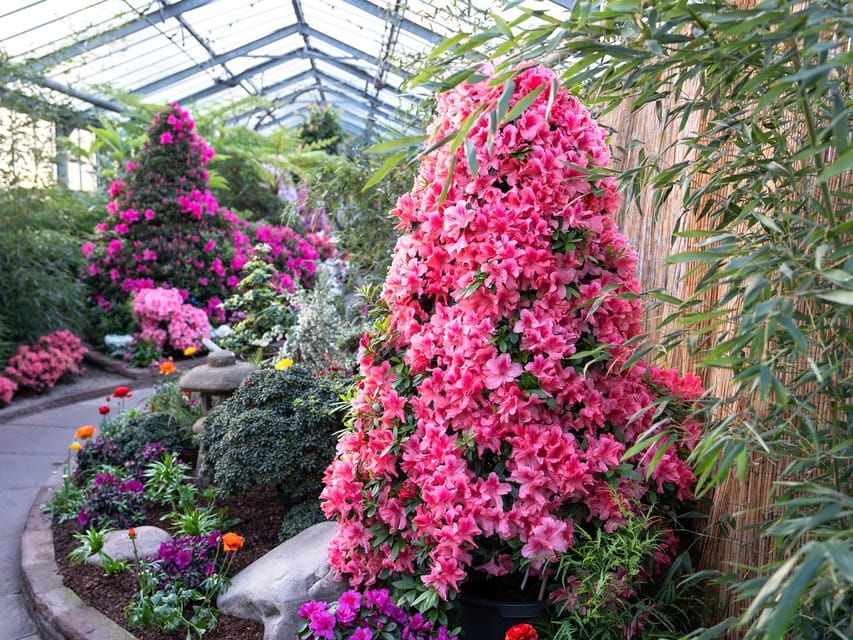
The gardens are particularly rewarding in spring, when flowers add strong color and the planting is at its freshest. Seasonal displays change the feel of the grounds during the year, so the same route can look quite different depending on when you visit.
Next, allow time for the Historical Greenhouse Row. This is where Wilhelma’s botanical side becomes the main attraction. You can see orchids, palms, and other exotic plants in controlled indoor settings, making this section useful on a cool or wet day as well as in fine weather.
I would not treat the greenhouses as a quick passage between animal areas. The unusual plants and old structures provide some of the calmest moments of the visit. They also give you a break from the noise and movement that can build up around popular animal enclosures.
If you arrive late in the day, make a plan before wandering. One afternoon visit may leave you with enough time for the animals but not the botanical garden and aquarium exhibits. A routed map is available, and following it can help you see the main attractions in a sensible order.
Terra Australis: koalas, quokkas, and nocturnal wildlife
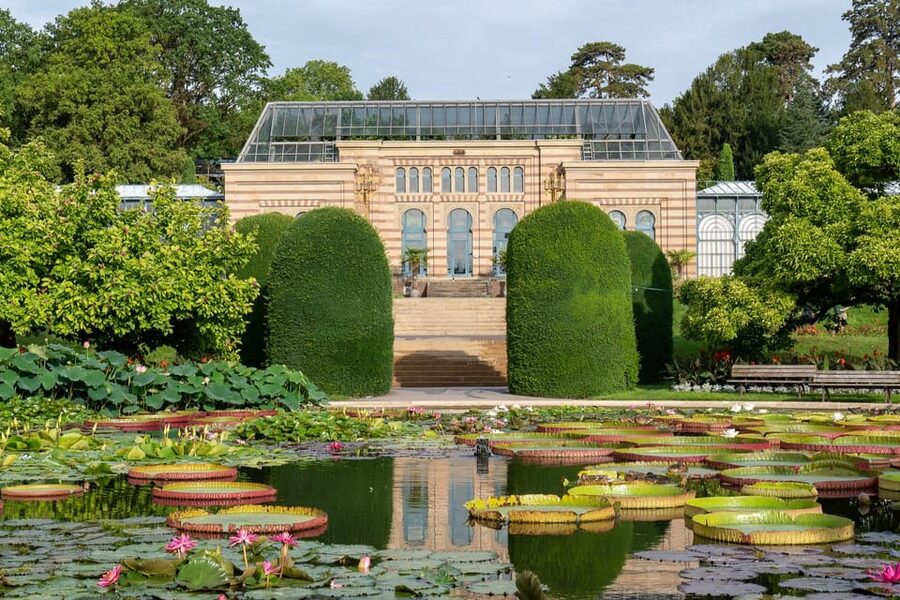
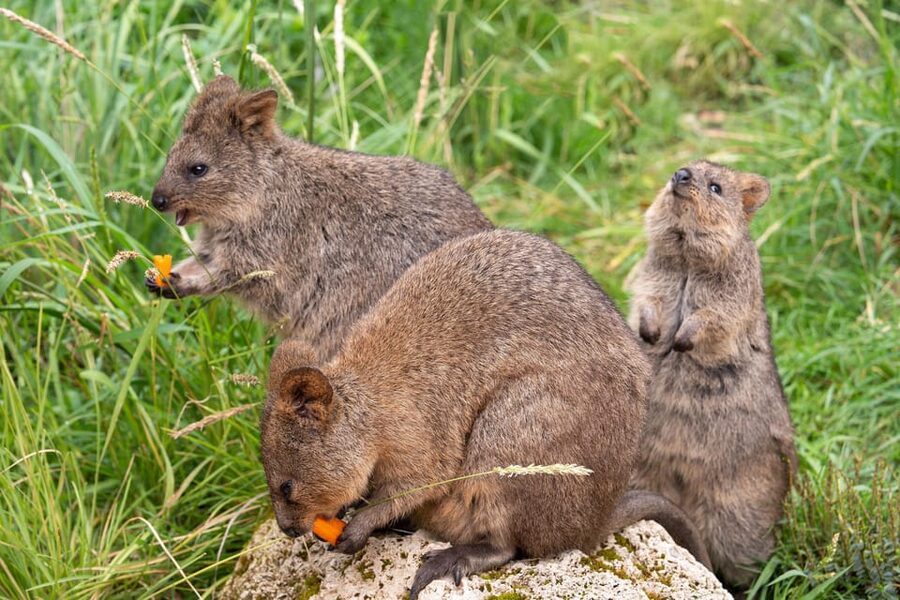
Terra Australis is one of Wilhelma’s strongest sections. It presents animals from Australia in a modern, naturalistic setting, with attention to species that are less familiar than the usual zoo favorites.
The koalas are a major draw. Wilhelma is one of only a small number of German zoos that keep them, with koalas held at just three other zoos in the country. Their presence gives this section a clear reason to seek out, especially for families or anyone interested in Australian wildlife.
The quokka is an even rarer sight. Wilhelma is the only place in Europe where this animal is kept. That makes Terra Australis more than a general Australian exhibit. It gives you the chance to see a species that you are unlikely to encounter elsewhere on a European city break.
The section also includes nocturnal animals. These creatures often receive less attention than koalas, but the darker, quieter setting can make them especially interesting. Take your time here, since nocturnal animals may be less obvious at first glance.
The facility is described as one of Europe’s most modern homes for Australian wildlife. The value for you is not just the list of species. The themed setting helps explain how animals from the same broad region can have very different habits, activity patterns, and needs.
African giraffes and animals from every continent
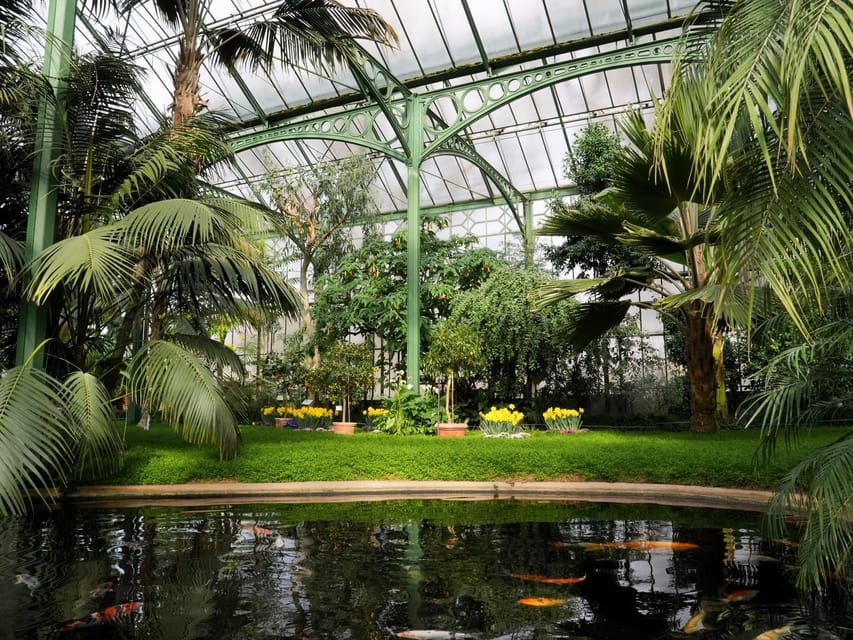
Wilhelma’s collection reaches well beyond Australia. You can see African giraffes and encounter animals from all continents through themed habitats designed around different regions.
The appeal of this arrangement is variety. In one part of the day, you might be looking at a tall African mammal, then moving into a warmer indoor area filled with tropical plants. The changes keep the visit moving and make Wilhelma a good choice for mixed-interest groups, since one person can focus on animals while another pays closer attention to the gardens.
The themed habitats also add an educational layer. Instead of seeing animals as isolated displays, you get repeated reminders that wildlife belongs to larger ecosystems. Interactive exhibits and conservation information build on that idea.
Do not expect every section to have the same impact. Some animal areas will be major highlights, while others may appeal more to children or to visitors with a particular interest in zoology. That is normal for a collection this large. The strength of Wilhelma is the overall range rather than one single headline exhibit.
Garden entry tickets around Germany:
- Erfurt: Egapark garden Entrance Ticket
★ 4.6 · 16 reviews - Berlin: Charlottenburg Palace & Gardens Ticket & Audio Tour
★ 4.2 · 9 reviews - Paris: Versailles Palace and Gardens Full Access Ticket
★ 4.6 · 41,579 reviews - Marrakesh: Majorelle Garden Entry Tickets
★ 4.5 · 9,651 reviews
Amazonia, Mountain Worlds, and the botanical connection
Themed areas such as Amazonia and Mountain Worlds continue the regional approach. Each presents its own mix of flora and fauna, giving the visit a clear structure even though Wilhelma covers a great deal of ground.
Amazonia connects naturally with the tropical plant displays. Lush growth, warm-climate species, and animals associated with South American habitats create a more complete picture than an animal enclosure alone. If you enjoy botanical gardens, this is one of the sections where the two sides of Wilhelma work best together.
Mountain Worlds offers a different setting and a change in mood. The name points you toward wildlife and plant life associated with higher regions, so it helps broaden the visit beyond tropical and lowland habitats.
The botanical collections deserve equal billing. Orchids provide delicate detail, while palms and subtropical planting create a larger sense of scale. Seasonal displays bring a changing element to the grounds, with spring especially attractive for flowers.
I would keep your route flexible enough to stop in the plant areas even if your main goal is animals. Many zoo visits become a checklist of species. Wilhelma works better when you treat the gardens, greenhouses, and architecture as part of the main experience.
How long should you allow?
A brisk visit can take about three to four hours. That is enough to see a good share of the zoo and botanical garden, particularly if you follow the routed map and keep moving.
For a family, a full day makes more sense. Children tend to need extra time at popular enclosures, and the large site offers enough variety to fill the day without repeating the same type of attraction. A full day also gives you a better chance of seeing Terra Australis, the greenhouse row, Amazonia, Mountain Worlds, and the aquarium exhibits.
An afternoon arrival is possible, but it forces choices. You may see the animals and miss much of the botanical collection, or spend time in the gardens and leave some animal areas for another visit. If both sides matter to you, arrive early enough to avoid turning the visit into a race.
There is no need to book a guided tour to make the most of Wilhelma. Your admission includes access to all animal exhibits and the botanical gardens, while interactive displays provide information along the way. If you prefer moving at your own pace, this ticket suits you well.
Is the $26 ticket good value?
At about $26 per person, the ticket is good value if you use it as a substantial day out rather than a short stop between Stuttgart attractions. You are paying for access to a large animal collection, several themed worlds, historic buildings, greenhouses, and outdoor gardens in one place.
The price makes less sense if you only have an hour or two. Wilhelma’s value comes from its breadth, and a rushed visit leaves some of the best features unseen. The botanical gardens alone can justify extra time, particularly in spring or during seasonal displays.
The included €1 Conservation Euro adds a small but worthwhile benefit. It is built into ticket types other than Kids and Youth and supports wildlife conservation projects worldwide. You are not being asked to make a separate donation at the gate, but your visit still helps fund work for endangered species and habitats.
Meals, drinks, and souvenirs are not included. That is standard for a garden and zoo ticket, but plan for those costs if you are spending the whole day there. The important point is that the admission itself covers the main experience rather than charging separately for each themed area.
Practical details that affect your visit
The ticket is valid for one day, and you should check the available entry times when booking. It includes skip-the-ticket-line access, which can be useful when you arrive during a busy period.
Wilhelma is wheelchair accessible. Visitors with disabilities receive free admission with valid identification. Assistance dogs are allowed, but ordinary pets are not.
Private photography is welcome. Commercial photography requires permission, so casual visitors can take pictures of the architecture, plants, and animals without arranging special approval.
Leave bicycles, skateboards, and similar vehicles at home or outside the garden. You must not touch or feed the animals, and you should take care around the plants, buildings, and facilities. These rules are simple, but they matter in a place where historic structures and living collections share the same grounds.
Since no personal tour guide is included, you control the pace. That is a benefit if your group has different interests, though families may want to agree on a route before entering. The map helps prevent the common problem of reaching closing time with whole sections still unseen.
Who will enjoy Wilhelma most?
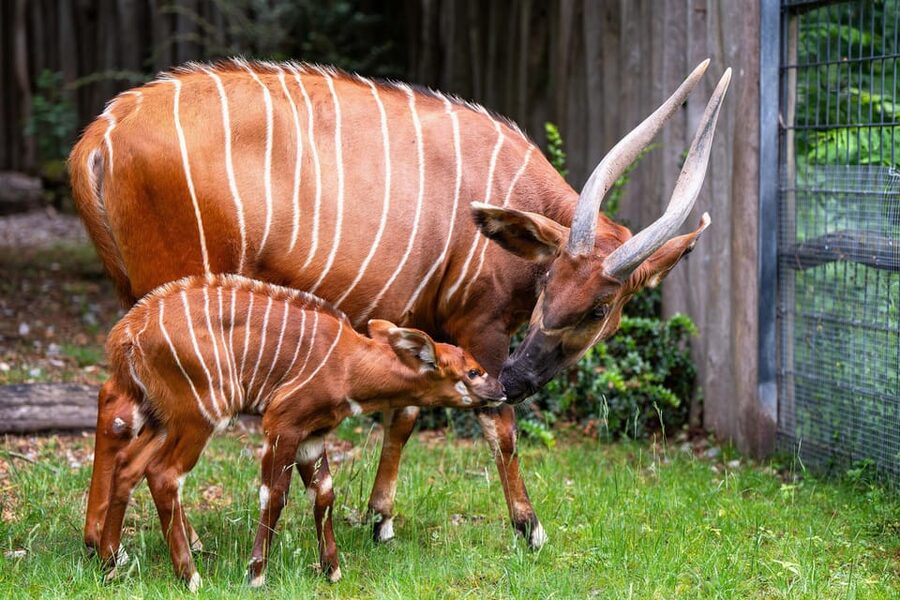
Wilhelma suits families especially well. Children get familiar favorites such as giraffes and koalas, while the themed areas, interactive exhibits, and unusual species give adults more than a simple animal-viewing outing.
It also works for plant lovers. Orchids, palms, subtropical terraces, seasonal flowers, and greenhouse displays give the garden real weight. You do not need to be a dedicated gardener to appreciate the contrast between the animal habitats and the carefully planned plant collections.
The site is a good choice for anyone who likes architecture and parks as much as wildlife. The Moorish Garden and 19th-century setting make it feel more distinctive than a standard zoo.
You may want to skip it if you have very limited time in Stuttgart or if you dislike large attractions that require several hours of walking and decision-making. The ticket is best for people prepared to spend at least half a day, and ideally most of a day, exploring at a comfortable pace.
Should you book the Wilhelma ticket?
Book it if you want a full, flexible day combining animals, plants, architecture, and conservation. The rare quokkas, koalas, modern Terra Australis facility, historic greenhouses, and seasonal gardens give Wilhelma plenty of character beyond its size.
If you can spare only an afternoon, choose your priorities before you arrive. If you have a full day, the $26 admission is a sensible Stuttgart outing, particularly for families and anyone who wants more than a standard zoo visit.
FAQ
What does the Wilhelma ticket include?
The ticket includes entry to Wilhelma Zoological-Botanical Garden, access to all animal exhibits, and access to the botanical gardens.
How long is the ticket valid?
The ticket is valid for one day. Check availability for the available starting times.
How many animals are at Wilhelma?
Wilhelma is home to more than 11,000 animals across about 1,200 species.
What makes Wilhelma different from a regular zoo?
Wilhelma combines a zoo with extensive botanical gardens in a historic 19th-century park. It is described as Germany’s only zoological-botanical garden.
Can I see koalas at Wilhelma?
Yes. Wilhelma keeps koalas in its Terra Australis area.
Where can I see quokkas in Europe?
Wilhelma is the only place in Europe where quokkas are kept.
Is Wilhelma wheelchair accessible?
Yes, Wilhelma is wheelchair accessible. Visitors with disabilities receive free admission with valid identification.
Are pets allowed inside Wilhelma?
Pets are not allowed. Assistance dogs are permitted.
Can I cancel my booking?
Yes. You can cancel up to 24 hours in advance for a full refund. The reserve now and pay later option also lets you book without paying immediately.
Newly planted garden visits around Germany
- Amazing Schwetzingen Garden Tour★ 4.5 · 4 reviews
- E-ticket to Berlin Botanical Garden with Audio Tour★ 5.0 · 2 reviews
- Berlin: Potsdam & Sanssouci Gardens Private Tour With Jacob★ 4.8 · 8 reviews
- Cologne-Nippes: Summer wine party in the frenchstyle garden★ 4.7 · 3 reviews
- Heidelberg: Heidelberg Castle Garden & Outside Private Tour★ 4.9 · 18 reviews
- Hanover: Royal Gardens of Herrenhausen Guided Tour★ 4.6 · 78 reviews
- From Berlin: Gardens & Palaces of Potsdam Bike Tour★ 5.0 · 61 reviews
- Erfurt: Egapark garden Entrance Ticket★ 4.6 · 16 reviews
Botanical Gardens, bed by bed.
Blanes: Marimurtra Botanical Garden Entry Ticket
Read our review →
Malta: Mdina, Dingli Cliffs and San Anton Botanical Gardens
Read our review →
Princeville Botanical Gardens Tour and Chocolate Tasting Ticket
Read our review →
Icod de los Vinos: Dragon Tree & Botanical Garden Ticket
Read our review →
Maleny Botanic Gardens Bird Aviary Experience Ticket
Read our review →
Big Island Waterfalls Tour with Swimming and Botanical Garden
Read our review →
Lists this garden visit belongs to