
Review · VERSAILLES
Versailles, Gardens & Hamlet: Full-Day Guided Small-Group Tour
The best part of this Versailles tour is that it treats the estate as more than a palace full of gold. You spend much of the day outside, following the grand axis from the palace through André Le Nôtre’s gardens, fountains, groves, and the Grand Canal before reaching Marie Antoinette’s pastoral retreat. The gardens tell the story of power just as clearly as the royal rooms do.
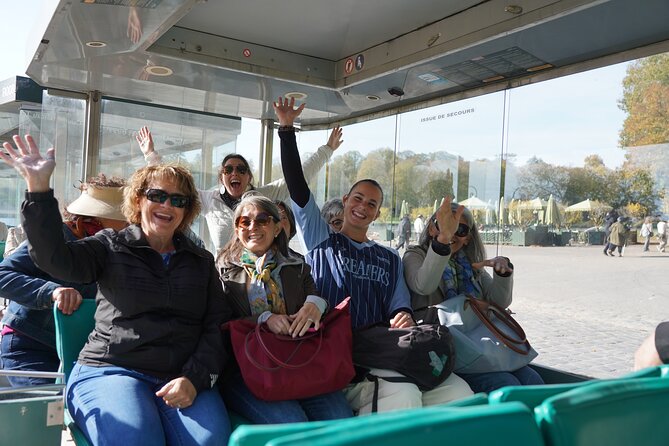
I like the small group of no more than 10 and the guide, Alistair Douglas, who gives the gardens a human story rather than simply naming statues and fountains. I also like the included estate train ride and timed palace ticket, which save your legs and reduce queue time. The catch is simple: this is a long, active day with about 1.5 miles of downhill walking, and lunch is not included.
Key points to know before booking
- Alistair Douglas leads in English, using stories about Louis XIV, Marie Antoinette, politics, fashion, religion, and the road toward revolution.
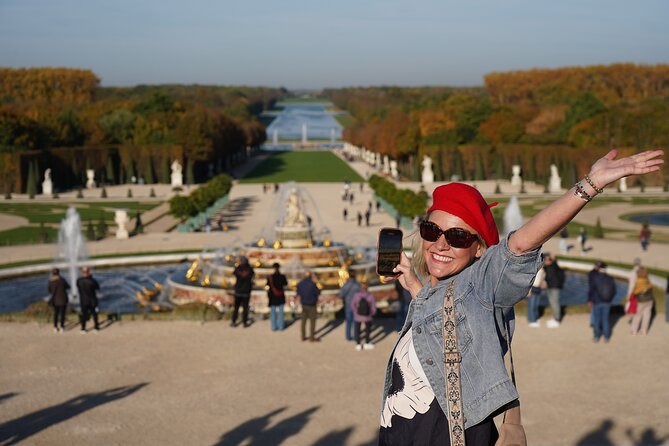
- The gardens receive serious attention, including the Orangery, Latona Fountain, Grand Canal, bosquets, Apollo Fountain, and Colonnade Grove.
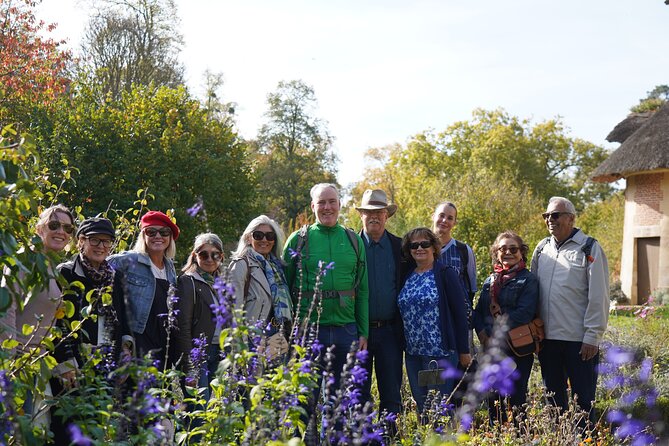
- Marie Antoinette’s Hamlet is included, along with the Petit Trianon and a guided visit.
- The Palace of Versailles is self-guided, after Alistair explains the key rooms and gives you your timed entry ticket.
- A small group keeps the tour personal, making it easier to hear, ask questions, and keep a steady pace.
- You arrange your own transport to Versailles, meeting at 9:30 a.m. at 2 Place Léon Gambetta.
Why the gardens are the heart of this Versailles tour
Versailles can overwhelm you. The palace is enormous, the gardens stretch far beyond what you can see from the terrace, and the estate’s most interesting corners are not always the first places you find. This tour solves that problem by putting the gardens first and using the palace as the final grand chapter.
You begin at the Grille d’Honneur, where the scale of Louis XIV’s project becomes clear. Versailles started as a hunting lodge, then grew into the grand stage of the Sun King’s rule. Construction began in 1661 and continued for more than 50 years. Every long view, clipped hedge, fountain, and straight path helped present the king as the center of an ordered world.
Alistair’s approach is especially useful here. He connects the design to royal authority, court life, fashion, religion, and politics. That makes the gardens easier to read. You are not just looking at a pretty formal park. You are seeing a royal machine built to impress, control movement, and reinforce the image of Louis XIV as a near-divine ruler.
The day starts at 9:30 a.m. and lasts roughly six to seven hours. That sounds generous because it is. You have time to stop for a drink, use the facilities, ask questions, and look around without being hurried from one point to the next.
More Palace and Castle Gardens in France
- Paris: Versailles Palace and Gardens Full Access Ticket
★ 4.6 · 41,579 reviews - Versailles: Skip-the-Line Tour of Palace and Gardens Access
★ 4.7 · 10,429 reviews - From Paris: Versailles Palace & Gardens with Transportation
★ 4.6 · 6,222 reviews
From the Orangery to the Latona Fountain
The first major garden stop is the Orangery, a handsome structure built to protect exotic citrus trees from cold weather. Its thick walls show the practical side of Louis XIV’s grand ambitions. The king wanted rare plants, formal gardens, and year-round spectacle, so architecture had to serve horticulture.
From there, the route continues to the Latona Fountain. This is one of the clearest places to understand how art worked as royal messaging. The fountain draws on mythology to support the idea of Louis XIV’s divine right to rule. Alistair explains the symbolism in plain terms, helping you connect the sculpture and water display to the politics of the monarchy.
The Grand Canal offers one of the day’s broadest views. From the palace side, the gardens unfold in a precise line, with water, trees, paths, and architecture arranged around a central axis. The order is deliberate. Versailles was designed to make nature appear obedient to the king.
The stop itself is listed as brief, but the view gives you a useful pause. It also helps you grasp the estate’s size before the tour turns into the smaller, more enclosed garden groves.
The bosquets: Versailles gets more intimate
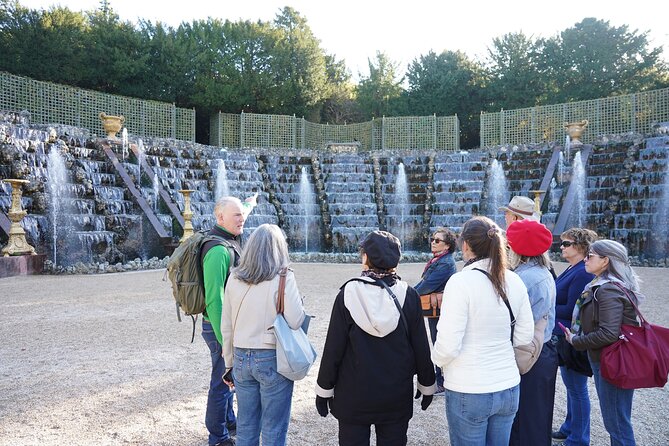
The formal avenues are impressive, but I find the bosquets more surprising. These enclosed garden rooms were designed as places for entertainment, music, dancing, conversation, and royal display. They feel different from the huge open perspective of the Grand Canal.
At the Ballroom Grove, or La Salle de Bal, a fountain and carefully arranged planting created a stage for court performances. Louis XIV famously appeared as Apollo, the sun god, turning royal entertainment into political theater. The king did not merely attend performances. He often made himself part of the show.
The Bassin du Miroir provides a quieter pause. Its rectangular water surface reflects the sky, trees, and nearby design. It is a good example of how Versailles uses water not only for fountains but also for visual balance.
The Colonnade Grove is more architectural. Classical columns circle the space, with fountains and plantings completing the setting. This was a retreat from the formal pressure of court life, though even relaxation at Versailles took place inside a carefully designed royal environment.
The Apollo Fountain brings the symbolism back into full view. Apollo emerges in a chariot pulled by four horses, surrounded by sea creatures and allegorical figures. The image links the sun god to Louis XIV, the Sun King, and turns a garden fountain into a portrait of royal power.
You also visit the Bosquet d’Encelade, where Greek mythology tells a story of order defeating chaos. The dramatic sculpture of the defeated giant Enceladus gives the grove a darker mood than the open gardens. These smaller spaces reward a guide who can explain what you are seeing, since many of their meanings are not obvious at first glance.
A useful break at Petite Venise
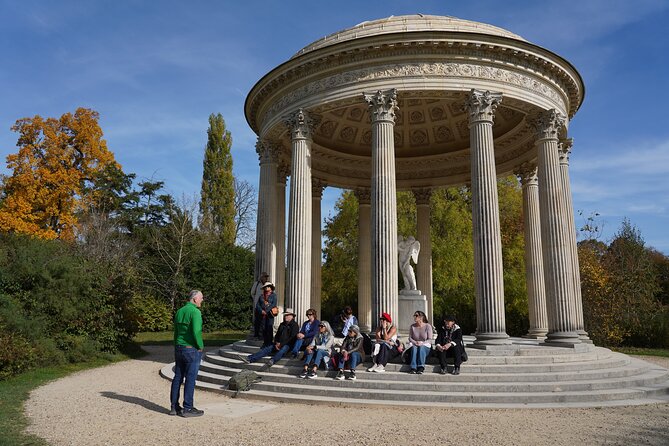
After several hours on foot, the stop at Les Terrasses de la Petite Venise comes at the right time. This café offers pastries, coffee, sandwiches, outdoor seating, and nearby restrooms. Food is not included, so plan to buy something here or bring a snack.
The pause matters because Versailles is physically demanding. The garden walk is downhill, and the day continues to the Trianon estate before the palace interior. A short rest can make the difference between enjoying the final hours and simply trying to get through them.
The hop-on hop-off train is included. It provides transport toward the Trianon area and later back toward the main palace. Alistair organizes the tickets. The train is not just a novelty. It helps cover a huge estate without adding every connecting stretch to your walking distance.
Grand Trianon is the first train stop. It was built as a retreat for Louis XIV and offers a different royal mood from the main palace. The tour information gives it a short mention rather than a full guided visit, so your main focus here is the Petit Trianon and the hamlet.
Same season, a different set of beds:
- From Paris: Versailles Palace Guided Tour & Gardens Access
★ 4.7 · 3,574 reviews - Versailles Palace and Gardens Tour from Paris
★ 4.5 · 3,390 reviews - From Paris: Giverny, Monet’s Home & Gardens Half-Day Trip
★ 4.5 · 2,887 reviews - Nice: Gorges of Verdon and Fields of Lavender Tour
★ 4.5 · 2,707 reviews
Petit Trianon and Marie Antoinette’s Hamlet
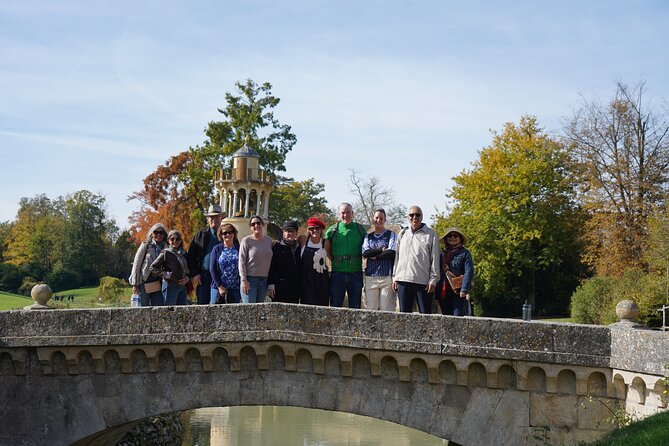
The Petit Trianon is one of the most appealing parts of the day because it shows a royal desire for privacy. Marie Antoinette used it as an escape from the rigid routines and public expectations of court life.
She reshaped the surrounding grounds into a pastoral retreat, including a hamlet with rustic buildings, a farm, and a village-like setting. It can feel almost theatrical, but that is part of its interest. Marie Antoinette wanted a simpler life, yet this version of rural life required a royal estate, gardeners, staff, and carefully made rustic buildings.
The hour spent here is valuable because the hamlet complicates the usual image of Marie Antoinette. It shows her taste for privacy and nature, while also revealing the distance between aristocratic fantasy and ordinary rural life. Alistair’s stories help you hold both ideas at once without reducing the place to a simple caricature.
This section is guided, unlike the palace interior later in the day. That is a real benefit. The hamlet’s buildings and gardens can look charming without explaining why they were created or what they meant to the queen.
The estate train makes the transition easier, but you should still expect plenty of walking. The tour is not designed for strollers, and children should be at least seven years old. Babies are allowed only if parents carry them in a baby carrier.
Entering the Palace of Versailles
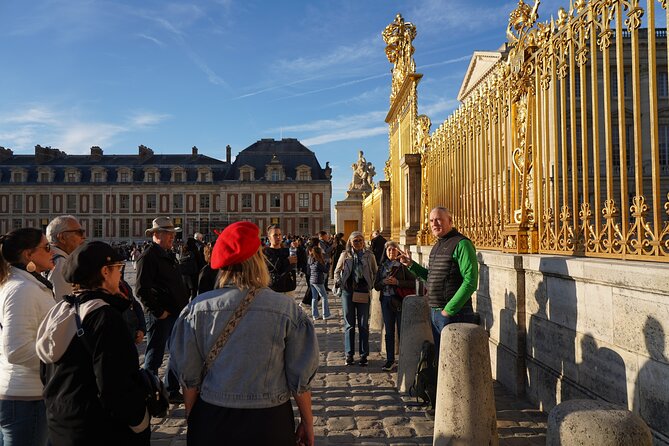
The tour ends at the main palace, where Alistair gives you an overview before you begin your self-guided visit. He points out the Royal Chapel, Marie Antoinette’s bedchamber, the State Apartments, and the Hall of Mirrors.
That structure works well. The outdoor portion needs a guide because the gardens are spread out and their symbolism is easy to miss. Inside the palace, you can move at your own pace, stop for details that interest you, and spend more time in rooms that catch your eye.
Your timed entry ticket helps avoid the longest queues, though the palace itself may still feel crowded. That is normal for Versailles, especially in its most famous rooms. The Hall of Mirrors is grand and busy, so do not expect a quiet, private viewing.
The self-guided format is also a useful check on the tour’s pace. After a full morning outdoors, you may want to move quickly through some rooms. Or you may want to linger over the royal apartments, the chapel, or the decorative details. You get that choice.
The palace visit lasts about an hour and 15 minutes within the stated tour duration, though the experience finishes at the palace and you may have the option to remain longer on your own. The key point is that Alistair does not follow you through every interior room. If you want a room-by-room guided palace tour, this is not that format.
What Alistair adds to the day
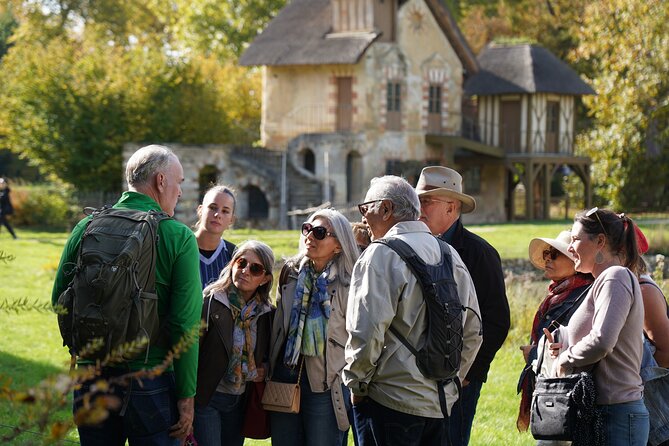
The guide is the strongest part of this experience. Alistair Douglas is described as funny, warm, clear, and deeply engaged with French history. His strength is storytelling, especially when he explains why people acted as they did rather than simply listing dates.
He brings in subjects that many palace tours skip, including men’s fashion, religious ideas, court behavior, economic pressures, and the political forces that eventually helped bring about the French Revolution. Those connections make the estate more understandable.
He also adjusts to the day’s conditions. If an area such as the Orangery is open, he can add it to the route. That flexibility matters at a large historic site where access and garden features can change.
The group size is capped at 10 people. That gives you a reasonable chance to hear the guide clearly and ask questions without turning the tour into a private booking. It also helps the group keep a comfortable pace through paths and palace entry points.
Price, walking, and practical value
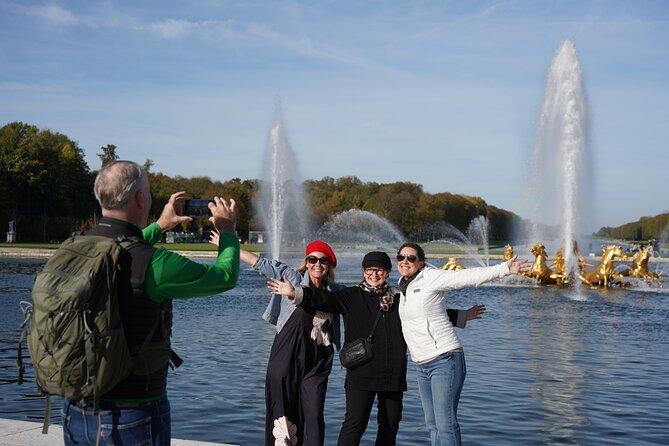
At $131.87 per person, this is not the cheapest way to see Versailles. You can buy estate admission separately and walk around without a guide. The price makes more sense if you want help finding the major garden features, understanding the symbolism, visiting the hamlet, using the train, and getting timed palace entry.
You also avoid the work of designing a route across an enormous estate. That has real value at Versailles. Without a plan, you can spend much of the day on the main axis and miss the smaller groves and Trianon area.
The main tradeoff is the physical effort. Wear comfortable walking shoes. The route covers gardens, bosquets, the Trianon estate, and the palace. The stated 1.5-mile walk is downhill, but the total movement during a full day can still feel substantial.
Bring water and money for lunch or snacks. Rain jackets are not provided, so check the forecast and dress for exposed paths. Your own phone number, including country code, is required so the operator can contact you directly if you arrive late or need ticket help.
You must arrange your own transport to Versailles. The meeting point is 2 Place Léon Gambetta, 78000 Versailles, and the tour ends at the Palace of Versailles on Place d’Armes. Check the meeting location carefully, since it is not a central Paris meeting point.
Free cancellation is available up to 24 hours before the start time. Changes or cancellations inside that window are not accepted for a refund.
Who should book this Versailles experience?
I would choose this tour if you are visiting Versailles for the first time and want the estate to make sense as a whole. It is also a strong fit if gardens interest you as much as royal rooms, or if you prefer stories and context to a fast checklist of famous sights.
Families with older children can benefit from Alistair’s lively style, but the walking and minimum age guidance matter. It is not a good match for a stroller, a very young child who cannot be carried, or anyone who needs a low-effort visit.
You may prefer another format if you want a fully guided palace interior tour, a private group, or a shorter visit focused only on the Hall of Mirrors. You should also think twice if bad weather would spoil a long day outdoors.
Should you book it?
Book this tour if you want to understand why Versailles was built, not just photograph the gold rooms. The gardens, fountains, bosquets, Petit Trianon, and hamlet receive enough time to feel like essential parts of the estate, not add-ons.
The strongest reasons to book are Alistair’s engaging historical storytelling, the small group, the included train, and the chance to see corners you might otherwise skip. Just arrive ready to walk, bring weather protection and food money, and remember that the palace portion is self-guided.
FAQ
How long does the Versailles tour last?
The experience lasts approximately six to seven hours, beginning at 9:30 a.m.
What language is the tour offered in?
The guided tour is offered in English, led by native English-speaking guide Alistair Douglas.
Is the Palace of Versailles guided?
The palace portion is self-guided. Alistair provides an overview of the Royal Chapel, Marie Antoinette’s bedchamber, the State Apartments, and the Hall of Mirrors before you enter with your timed ticket.
Is Marie Antoinette’s Hamlet included?
Yes. The tour includes admission and a guided visit to the Petit Trianon and Marie Antoinette’s Hamlet.
Is the Versailles estate train included?
Yes. A hop-on hop-off train ticket is included, and the guide organizes the tickets. The train helps connect the main palace area with the Trianon section.
Where does the tour meet and end?
You meet at 2 Place Léon Gambetta in Versailles at 9:30 a.m. The tour ends at the Palace of Versailles, Place d’Armes.
Is this tour suitable for strollers and small children?
No strollers are permitted inside the Palace, and the 1.5-mile downhill walk is not suitable for strollers or small children. Children should be at least seven years old. Babies are welcome only if parents carry them in a baby carrier.
Full days in the gardens around France
- Versailles Full Day Bike Tour with Palace, Gardens, & Picnic
★ 5.0 · 2,217 reviews - Giverny Monet’s Garden & Auvers-sur-Oise with Van Gogh House Full Day From Paris
★ 5.0 · 369 reviews - From Marseille: Valensole Lavender Full-Day tour
★ 4.7 · 259 reviews - From Aix-en-Provence: Valensole Lavender Full-Day Tour
★ 4.7 · 222 reviews
Newly planted garden visits around France
- Private Half-Day Tour to Monet’s Garden in Paris★ 5.0 · 3 reviews
- Guided tour Monet’s house and gardens/small group★ 4.5 · 68 reviews
- Giverny: Monet’s House & Gardens Private Guided Walking Tour★ 5.0 · 5 reviews
- Monet’s House and Garden & Giverny Village★ 4.5 · 39 reviews
- Visit of the Extraordinary Garden in La Roche sur Yon★ 4.5 · 12 reviews
- Lavender in Sault Small Group Half-Day Trip★ 4.0 · 8 reviews
- Half Day Lavender Road in Sault from Avignon★ 4.0 · 35 reviews
- Lavender Discovery Private Tour in Provence★ 5.0 · 3 reviews
Palace and Castle Gardens, bed by bed.
Paris: Versailles Palace and Gardens Full Access Ticket
Read our review →Versailles: Skip-the-Line Tour of Palace and Gardens Access
Read our review →
Vienna: Schönbrunn Palace & Gardens Skip-the-Line Tour
Read our review →
Granada: Alhambra & Gardens Tour w/Nasrid Palaces Option
Read our review →
From Paris: Versailles Palace & Gardens with Transportation
Read our review →
Florence: Reserved Entry Ticket to the Boboli Gardens
Read our review →
From Paris: Versailles Palace Guided Tour & Gardens Access
Read our review →Versailles Palace and Gardens Tour from Paris
Read our review →Lists this garden visit belongs to