
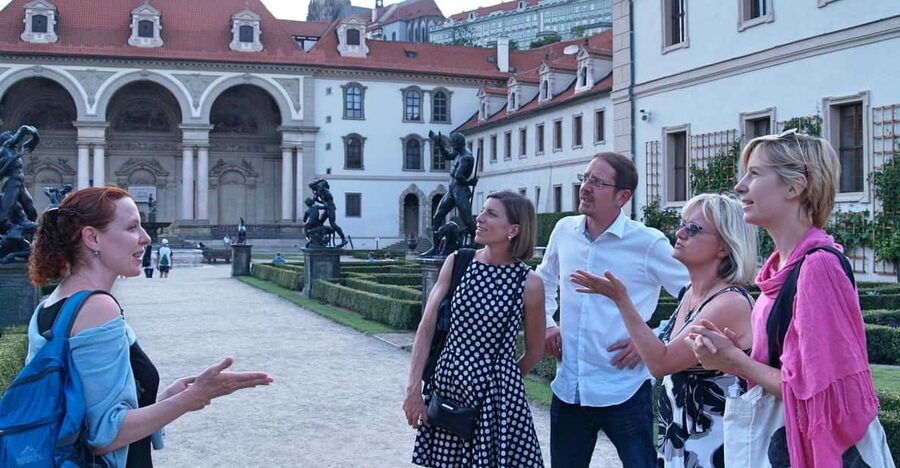
Review · CZECH REPUBLIC
Prague Renaissance and Baroque Gardens Walking Tour
Prague’s palace gardens tell the city’s story in living form. On this three-hour walk, you’ll follow the Italian ideas brought north by Emperor Ferdinand I, hear how exotic plants reached Central Europe, and finish with sweeping views from Vrtba Garden.
I like the mix of famous sights and quieter corners, especially the Singing Fountain, the Fig House, and Wallenstein’s albino peacocks. I also like the human stories behind the gardens, from Ferdinand’s gift to Queen Anne to Albrecht von Wallenstein’s grand ambitions. The main catch is the route: expect steep and narrow stairs, with admission to the Castle Gardens and Vrtba Garden paid separately.
Key points to know before you book
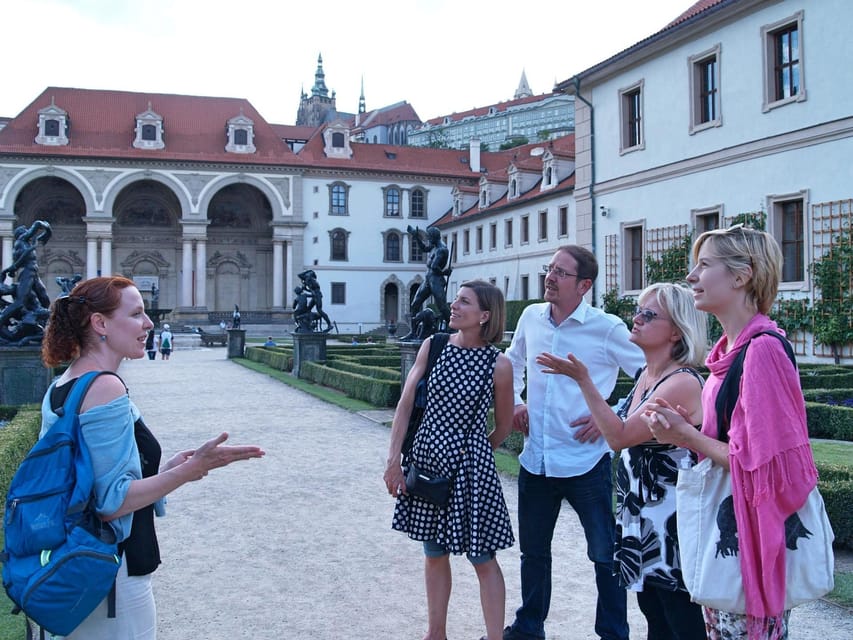
- Italian design in Prague: Learn how Ferdinand I hired Italian gardeners and architects to reshape royal Prague in the 1500s.
- Rare plant history: See the Fig House and Orangery, linked with the first cultivation of figs, almonds, oranges, and lemons in Central Europe.
- Wallenstein’s theatrical garden: Look for albino peacocks, Mannerist statues, mythical fountains, and a grotto wall.
- Vrtba Garden views: Climb through the Baroque garden’s terraces to a marine-themed grotto and broad views across Prague.
- A stair-heavy route: The walk includes narrow and sometimes steep stairs, so a private tour may suit you better if mobility is limited.
- Relaxed guiding style: Miriam has earned especially warm praise for making the history informative without making the walk feel stiff.
Why Prague’s gardens are worth your time
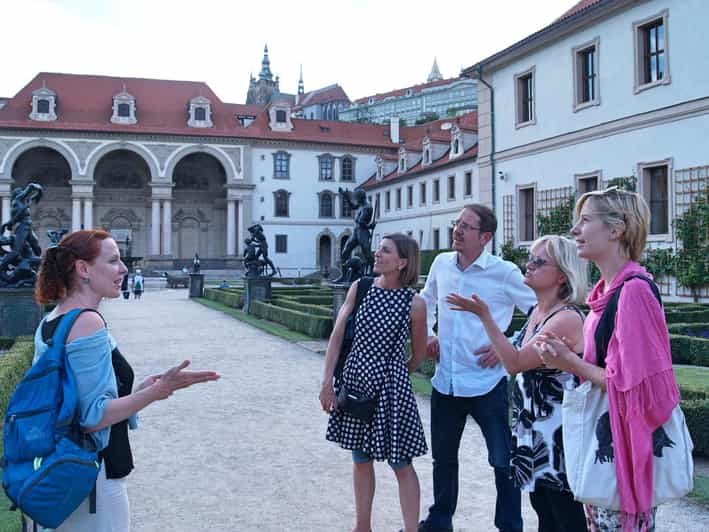
Prague can seem like a city of churches, bridges, and grand squares. Its gardens add another layer. They show how rulers used plants, fountains, terraces, sculpture, and views to express money, power, faith, and taste.
The oldest gardens in the area were practical places. Medieval communities grew herbs for cooking and medicine, with some traces preserved around Gothic cloisters. Vineyards on Prague’s hills also reach back before the reign of Charles IV.
The grand palace garden arrived later. Emperor Ferdinand I brought Italian Renaissance ideas to Bohemia in the 16th century, along with gardeners and architects who knew how to shape formal spaces around symmetry, water, sculpture, and controlled views.
That background makes this more than a pleasant walk among flowers. You learn why the gardens look the way they do, and how each period changed the relationship between a palace and its surroundings.
More gardens worth a morning in the world:
- Paris: Versailles Palace and Gardens Full Access Ticket
★ 4.6 · 41,579 reviews - Amsterdam: Keukenhof Entry & Shuttlebus with Flexible Return
★ 4.7 · 11,891 reviews - Versailles: Skip-the-Line Tour of Palace and Gardens Access
★ 4.7 · 10,429 reviews
Belvedere and the Royal Gardens
The walk begins at the Royal Gardens below Prague Castle, reached from the meeting point at the door of Bagel Lounge Malostranska. Your guide explains Ferdinand I’s role in bringing Italian classicism north of the Alps.
The star here is the Belvedere Summer Palace, commissioned by Ferdinand as a present for his wife, Queen Anne. She died before its completion, which gives the building a poignant edge beneath its graceful Renaissance lines.
The palace is often described as the finest Renaissance structure outside Italy. That is a large claim, but the building’s proportions and detailed decoration make clear why it has such a strong reputation.
One relief shows Ferdinand presenting his wife with a flower from the Royal Gardens. It is a small but telling image. The garden was not simply a place for growing plants. It was also a setting for courtly display and royal affection.
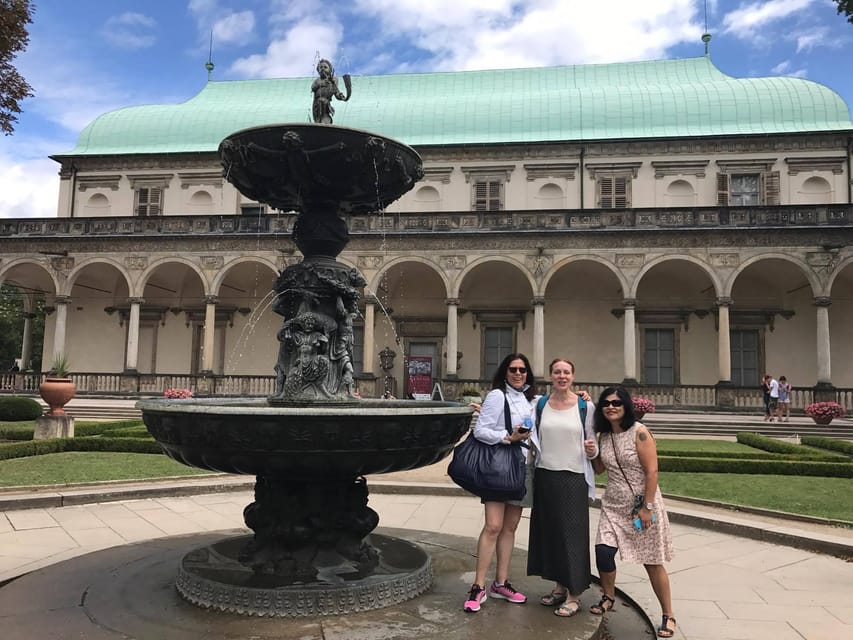
In front of the Belvedere is a small formal garden, or Giardinetto. Here you’ll see the Singing Fountain, cast in 1564 from bell bronze. Water drops into its basin and creates a resonant sound, giving the fountain its memorable name.
This is one of the tour’s best stops because it brings several themes together in one place: Italian design, royal symbolism, skilled metalwork, and the Renaissance delight in combining art with natural movement.
The Fig House, Orangery, and exotic plants
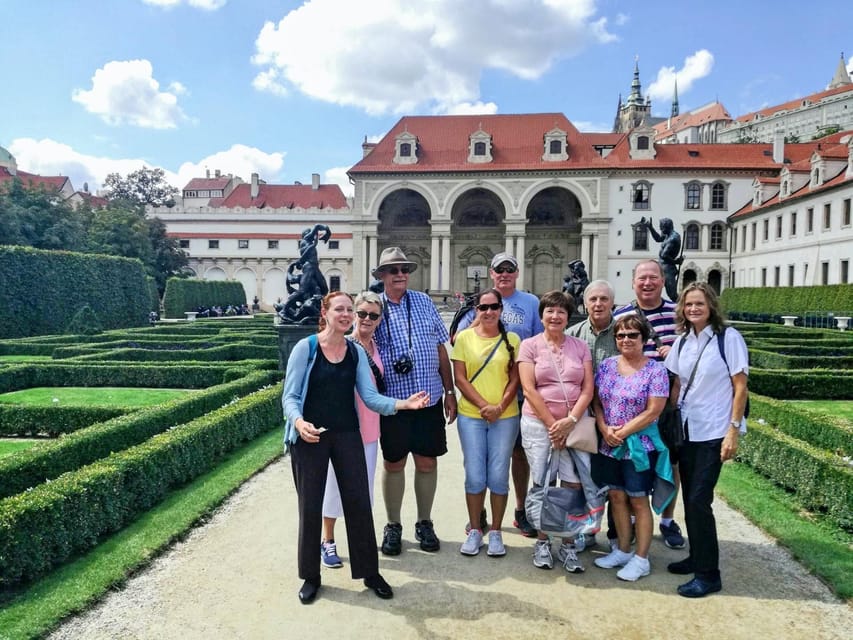
Your route continues to the Fig House and Orangery. These buildings were designed for plants that could not simply be left outdoors in Prague’s climate.
Figs, almonds, oranges, and lemons were grown here for the first time in Central Europe. That detail helps you picture the garden as a working experiment, not only as a polished court setting. Rare plants were signs of wealth, access, and scientific interest.
The story of the tulip adds another memorable note. Tulips were unknown in Europe before they reached royal gardens as an exotic gift from the Sultan of Constantinople. Your guide uses this detail to show how plants moved along diplomatic and cultural routes long before modern tourism made international exchange easy.
You do not come here for a vast plant collection or a modern botanical display. The value is historical. The buildings and stories explain how royal gardens helped introduce new foods, flowers, and growing methods to this part of Europe.
Crossing the castle grounds to the South Gardens
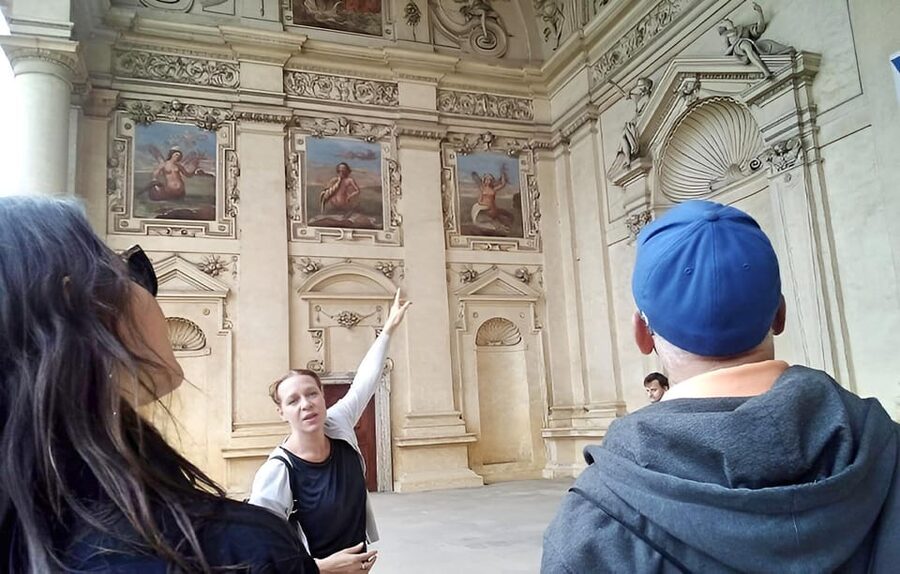
After the Royal Gardens, the route takes you past the stag moat and through a castle courtyard. You then descend the Bull Stairs toward the South Gardens.
This part of the walk links the separate garden spaces together. Instead of treating each garden as an isolated stop, the guide can show how Prague’s castle complex sits above the Lesser Town and how terraces make use of the slope.
The South Gardens include the Garden of Paradise and the Garden on the Bulwark. Their names suggest pleasure and defense, and their position helps explain both purposes. These were places to enjoy air, views, and plants, but they were also shaped by the castle’s walls and military past.
The stairs matter here. They can be narrow and steep, and the route includes walking up and down at several points. If you have difficulty with stairs, book a private version and discuss your limits with the guide. The route can then be adjusted, with some sites left out and more time given to others.
A private format can also help if you prefer a slower pace for photography or historical questions. Small groups should suit most people who are comfortable walking at a steady pace.
Same season, a different set of beds:
- Marrakesh: Majorelle Garden Entry Tickets
★ 4.5 · 9,651 reviews - Vienna: Schönbrunn Palace & Gardens Skip-the-Line Tour
★ 4.7 · 7,739 reviews - Granada: Alhambra & Gardens Tour w/Nasrid Palaces Option
★ 4.2 · 7,022 reviews - From Paris: Versailles Palace & Gardens with Transportation
★ 4.6 · 6,222 reviews
Wallenstein Garden and the drama of power
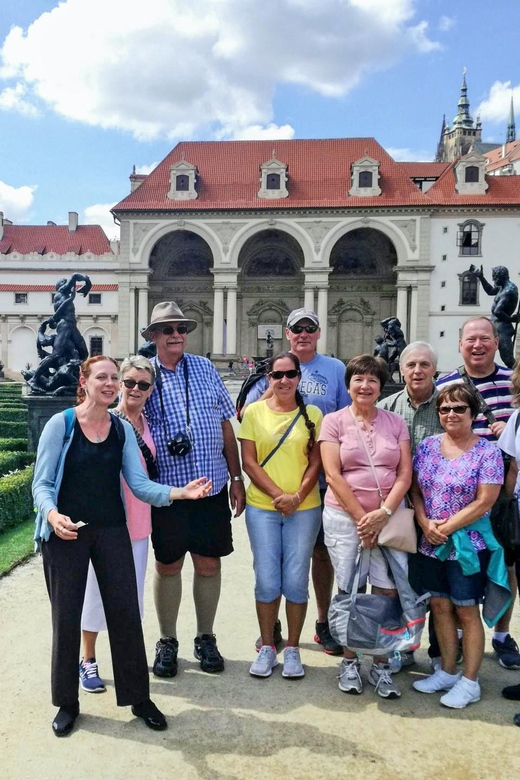
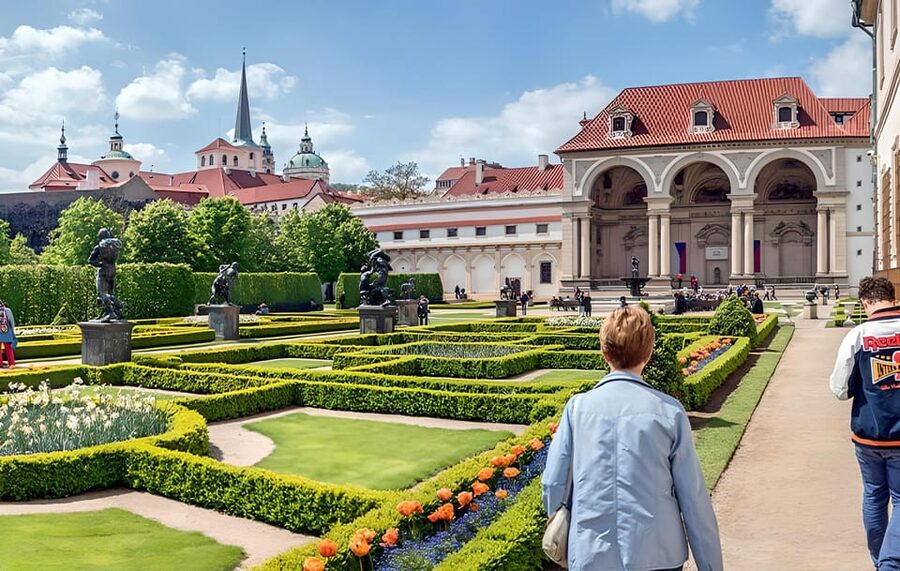
At the foot of the hill, the mood changes sharply. Wallenstein Garden is grander, more theatrical, and more deliberately dramatic than the earlier Renaissance spaces.
Albrecht von Wallenstein commissioned the garden during a period when Baroque ideas were replacing Renaissance restraint. Your guide explains both the artistic change and the demanding life of the man behind the project.
The garden includes Mannerist statues, mythical fountains, and a grotto wall. These features do not aim for quiet simplicity. They create surprise and spectacle, using mythological figures, water, stone, and unusual textures to entertain and impress.
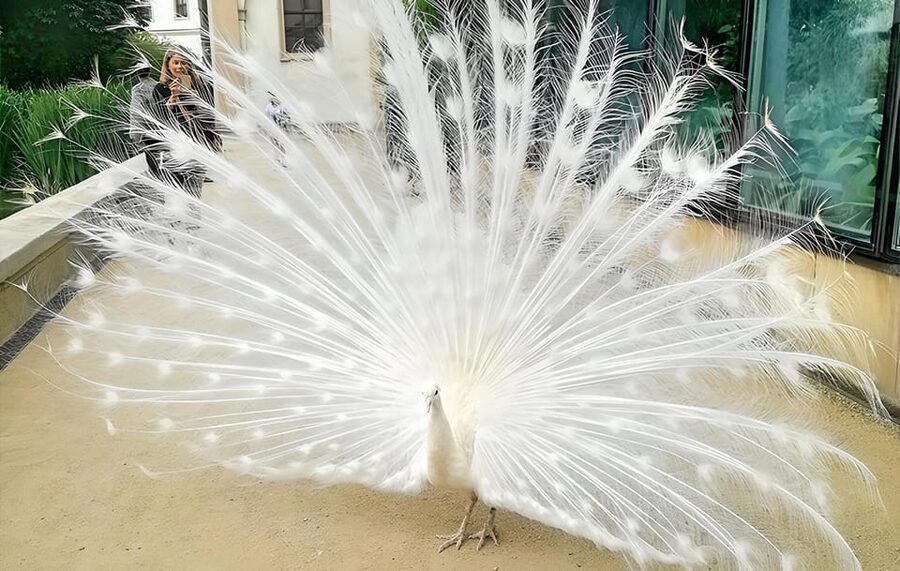
The albino peacocks are another memorable detail. They add a touch of pageantry to a space already designed to attract attention.
Wallenstein Garden is especially useful for understanding the shift from Renaissance classicism to Baroque style. Renaissance design often favors order, balance, and classical control. Baroque gardens push harder toward movement, theatrical effects, illusion, and emotional impact.
The garden also makes power visible. Wallenstein was not a modest figure, and his surroundings were built to reflect his position. The scale and decoration tell you something about ambition before your guide even explains the politics.
Vrtba Garden and the final city view
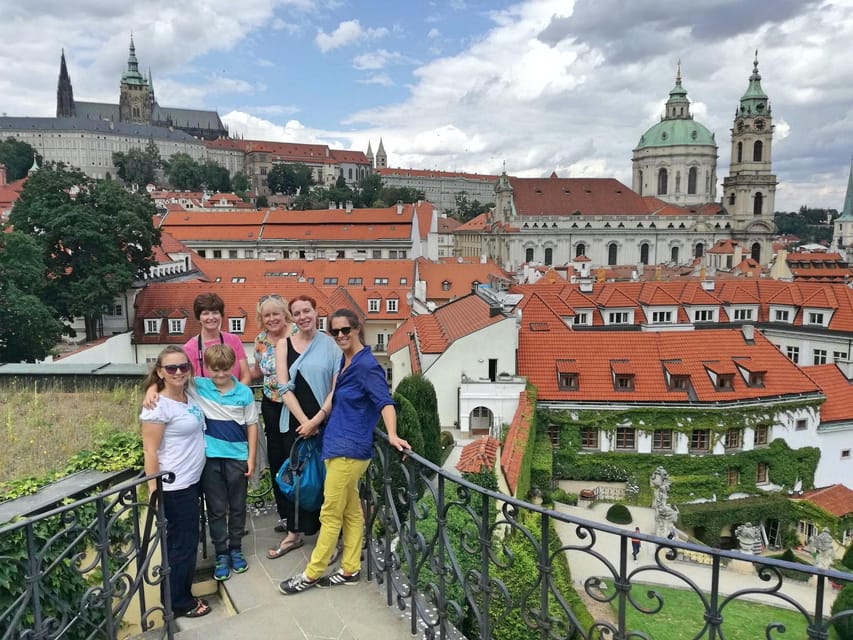
The final stop is Vrtba Garden in Mala Strana, a walled Baroque garden dating from 1720. It is rarely included in a first visit to Prague, which is precisely why it adds value to this route.
Vrtba is smaller than the Royal Gardens and Wallenstein Garden, but its compact design is part of its charm. You move upward through terraces rather than across a broad open park. The arrangement lets you see how an 18th-century noble household could turn a confined urban site into a carefully staged outdoor world.
The garden gives you a glimpse of noble life and Baroque taste. Sculpture, planted terraces, walls, and changing viewpoints work together as you climb.
At the top courtyard, you’ll find a marine-themed grotto. The design brings an element of fantasy into the garden, just as the fountains and grotto wall do at Wallenstein Garden.
The reward is the view. From the upper level, Prague opens out below you, with the city’s roofs and landmarks arranged across the scene. The exact view depends on conditions and access, but the garden is specifically valued for its city outlook.
Vrtba requires a separate admission fee, so remember to add that to the tour price. Even so, it is the kind of stop that can justify the extra cost if you enjoy architecture, garden design, and less obvious corners of Prague.
What the $123 price means
The price is $123 per person for three hours. That is not a bargain walking tour, especially because admission to the gardens below Prague Castle and Vrtba Garden is not included.
The value comes from the specialist focus. You are not simply being led from one pretty courtyard to another. The walk connects gardening, royal politics, architecture, trade, religion, and changing artistic taste.
A historian guide is included, and that matters here. Without explanation, the Singing Fountain is an attractive object, the Orangery is an old building, and Wallenstein Garden is a pleasant park. With the right context, each becomes part of a larger story about Prague and its rulers.
I would consider the price reasonable if you are especially interested in architecture, horticulture, or Prague’s court history. It is less compelling if you want a general introduction to the city or prefer to explore gardens at your own speed.
The ability to reserve now and pay later adds some planning flexibility. You can also cancel up to 24 hours before the activity for a full refund, according to the stated booking terms.
Who will enjoy this walk most
This tour suits you if you like:
- Renaissance and Baroque architecture
- Garden design and historic plants
- Small, focused walking tours
- Political and social stories behind famous buildings
- Quiet courtyards and less familiar Prague sights
- City views reached by climbing through old garden terraces
It is a strong choice for a second or third day in Prague, after you have seen the major central sights and want a more specialized experience.
It may not suit you if stairs are difficult, if you want a slow botanical tour, or if you dislike paying separate entrance fees. The route is not described as wheelchair-friendly, and the narrow stairways can be a real issue for anyone with mobility limits.
The tour is offered in English, with private and small-group options. If you want the guide to adjust the pace or remove difficult sections, choose private rather than relying on the regular route.
Guide quality and the feel of the experience
A garden tour can easily become a dry lecture about dates and names. The best version keeps the facts connected to things you can see, such as a fountain that sings, a relief showing a royal gift, or a plant that arrived as a diplomatic offering.
Miriam receives particularly strong praise for an informative and relaxed style. That combination matters on a three-hour walk. You want enough detail to understand what you are seeing, but not so much formal commentary that you stop noticing the gardens themselves.
Other guide feedback highlights Bonita Rhoads as an excellent guide. Since guide assignments can vary, you should not assume a particular person will lead your departure, but the experience is designed around a live English-speaking historian rather than an audio guide or printed route.
The tone should suit you if you like asking questions and making connections between places. The subject is specialized, but the walk is not only for garden experts.
Practical advice for making the most of it
Wear shoes with good grip. The tour includes slopes, stairs, and narrow passages, and the castle gardens sit on a hillside above Mala Strana.
Allow room in your budget for the two separate admission fees. The advertised $123 covers the three-hour guided history walk, but not entry to the gardens under Prague Castle or Vrtba Garden.
Check the start time when booking, since availability varies. Arrive at the door of Bagel Lounge Malostranska, the stated meeting point, and make sure you have enough time to get there without rushing.
If you want photographs, a small group or private tour may be more comfortable than a larger departure. The listed format allows private or small-group bookings, and a private guide can tailor the route for mobility needs and personal pace.
Should you book the Prague garden tour?
Book it if you want to see Prague through its gardens rather than only through churches, bridges, and squares. The route gives you several distinct settings, from Ferdinand’s Renaissance Royal Gardens to Wallenstein’s theatrical Baroque design and Vrtba’s compact terraces.
I especially recommend it for repeat visitors, architecture fans, and anyone curious about how plants and gardens reflect power. The separate admission charges and steep stairs are the main drawbacks, but the focused storytelling and uncommon stops help explain the $123 cost.
If you need an easier route, choose the private option and ask the guide to adapt it. If you want a general city walk, spend your money elsewhere. If you want the stories behind Prague’s palace gardens, this is a thoughtful and worthwhile choice.
FAQ
How long is the Prague Renaissance and Baroque Gardens Walking Tour?
The tour lasts three hours.
What language is the tour offered in?
The live tour guide speaks English.
Where does the tour meet?
Meet at the door of Bagel Lounge Malostranska.
Is admission to the gardens included?
No. Admission to the gardens under Prague Castle and Vrtba Garden is not included in the tour price.
What is included in the price?
The price includes a three-hour guided history walk and a historian guide.
How much does the tour cost?
The stated price is $123 per person.
Is the tour private or shared?
Private and small-group options are available.
Are there stairs on the route?
Yes. The regular route includes stairs that can be narrow or steep, with walking up and down hills and through the castle gardens.
Can the tour be changed for someone with mobility difficulties?
A private tour can be tailored to your limits and pace. Some sites may be left out, with more attention given to other parts of the route.
Newly planted garden visits around the world
- Sunday Market and Gardens Tour★ 4.0 · 10 reviews
- Botanical Trails of Madeira. Mountain biking Trail Experience★ 5.0 · 42 reviews
- Monte Tropical Garden & Toboggans private Tuk-Tuk tour★ 5.0 · 25 reviews
- Funchal Old Town & Palheiro Gardens Private Tuk Tuk Tour★ 5.0 · 8 reviews
- Private Half-Day Tour to Monet’s Garden in Paris★ 5.0 · 3 reviews
- Madeira Botanical Gardens and Old Town Tuk Tuk Tour by MadTuk★ 4.5 · 7 reviews
- Kensington Palace VIP Garden Tour with Royal High Tea★ 4.5 · 71 reviews
- Secret Gardens of London Private Tour★ 5.0 · 13 reviews