
Review · AUSTRALIA
Kalbarri Wildflower Tour with Local Guide
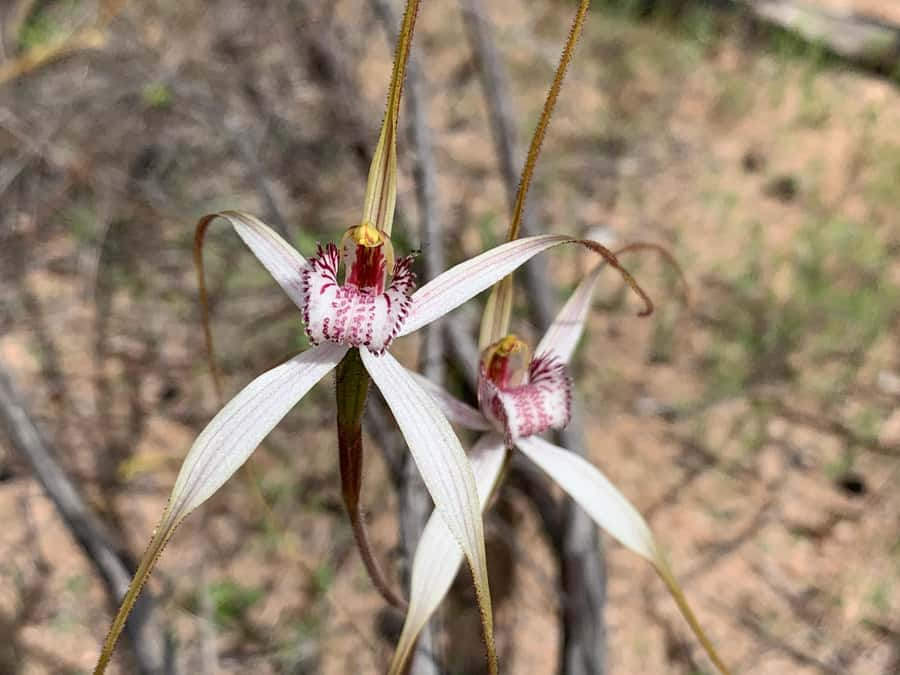
Kalbarri’s spring wildflowers are not just pretty roadside color. They are a seasonal show of more than 12,000 species, with up to 60 percent found only in Western Australia. I like that this tour takes you beyond the easy-to-find flowers, and that guides such as Christina and Guy know where to look. I also like the small-group format, capped at 10 people, which makes it easier to stop, ask questions, and keep the pace personal.
The main thing to consider is timing. The flowers are seasonal, with the best chance usually from late July to early October, and the exact display changes from year to year. You also need comfortable walking shoes, sun protection, and enough mobility for outdoor stops. This tour is not suitable for wheelchair users or people with mobility impairments.
Key points to know before booking
- Search up to 100 km from Kalbarri: The best flowers may be well outside town, and the air-conditioned vehicle makes the long outing easier.
- Look for species found nowhere else: Up to 60 percent of Western Australia’s wildflowers are endemic to the region.
- Travel in a small group: The tour accepts no more than 10 people, with some departures operating with only six.
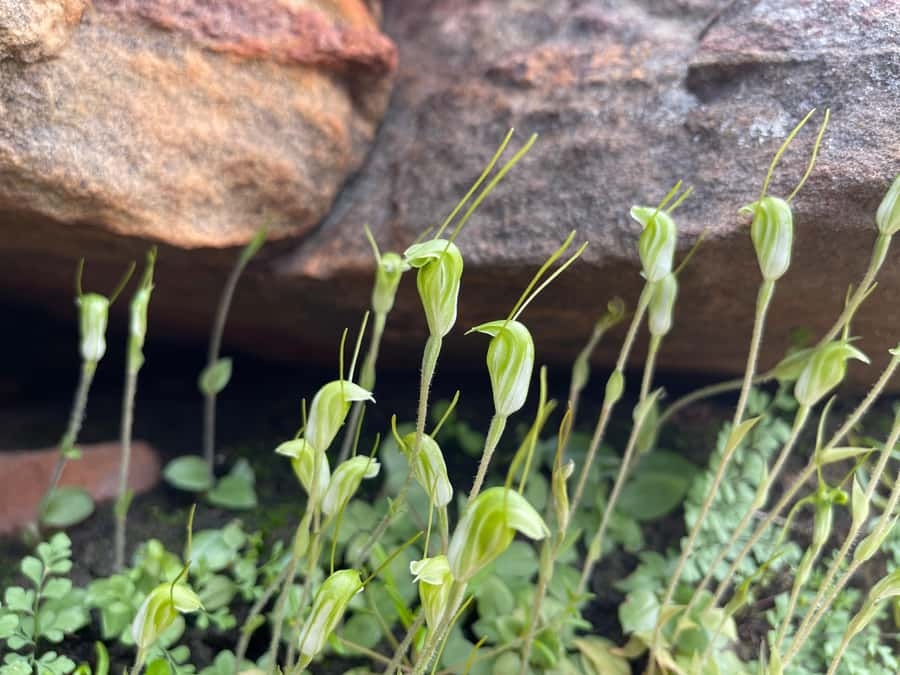
- Expect more than a flower checklist: Guides explain colors, scents, growing places, and which plants you must not touch.
- Z Bend may be part of the outing: One tour route included this well-known national park sight alongside the wildflower search.
- Your $120 covers useful extras: Hotel pickup and drop-off, a national park pass, morning tea, bottled water, transport, and a four-hour guided trip are included.
Why Kalbarri’s spring flowers are worth a special outing
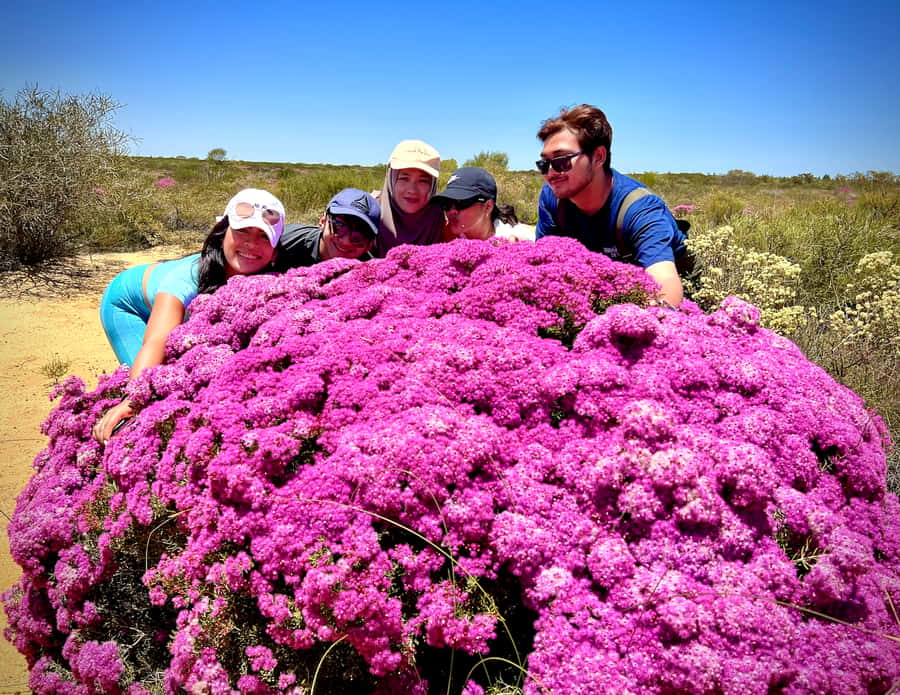
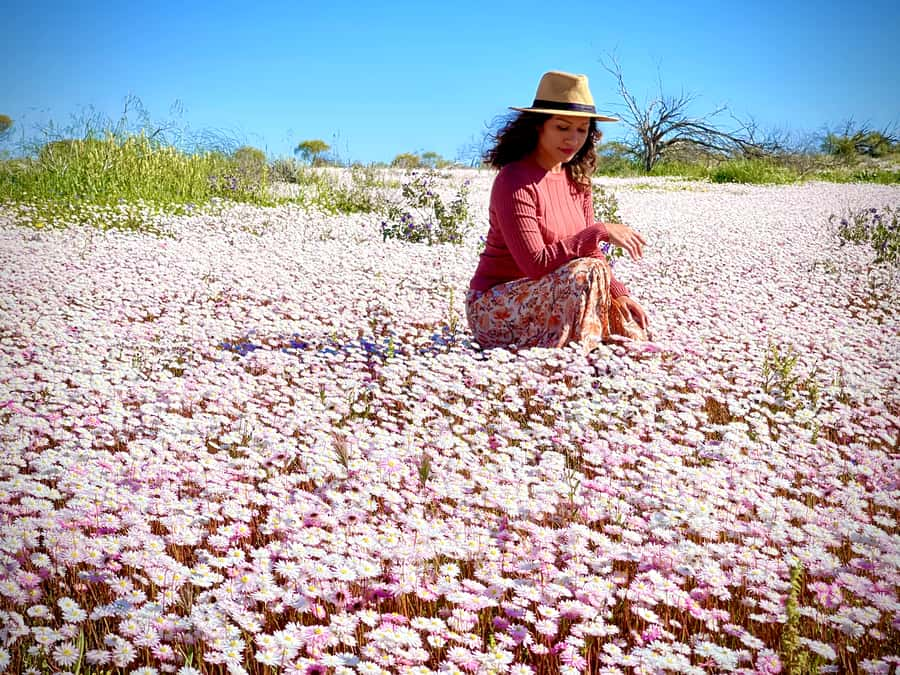
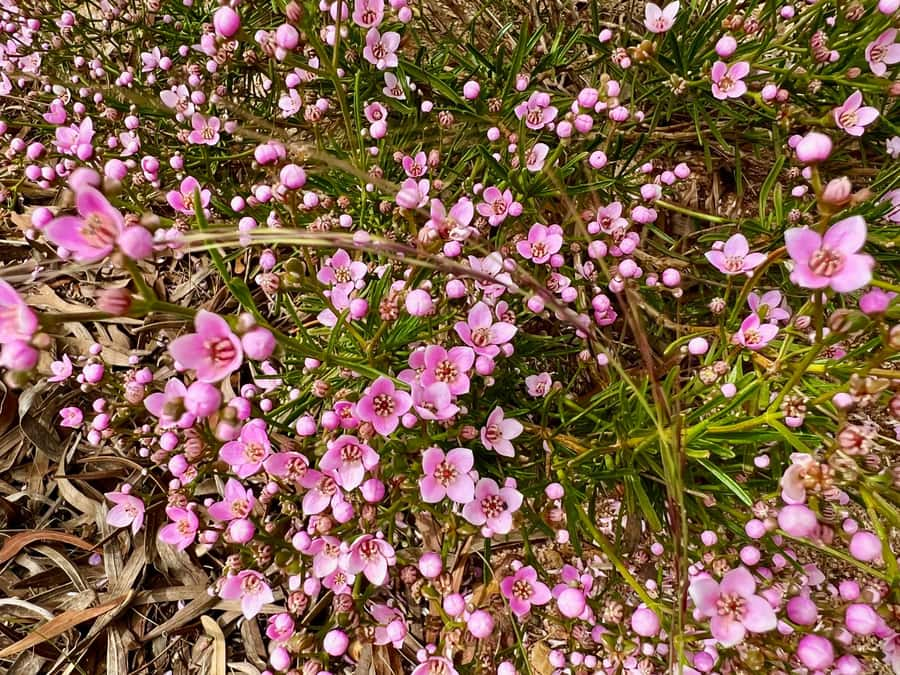
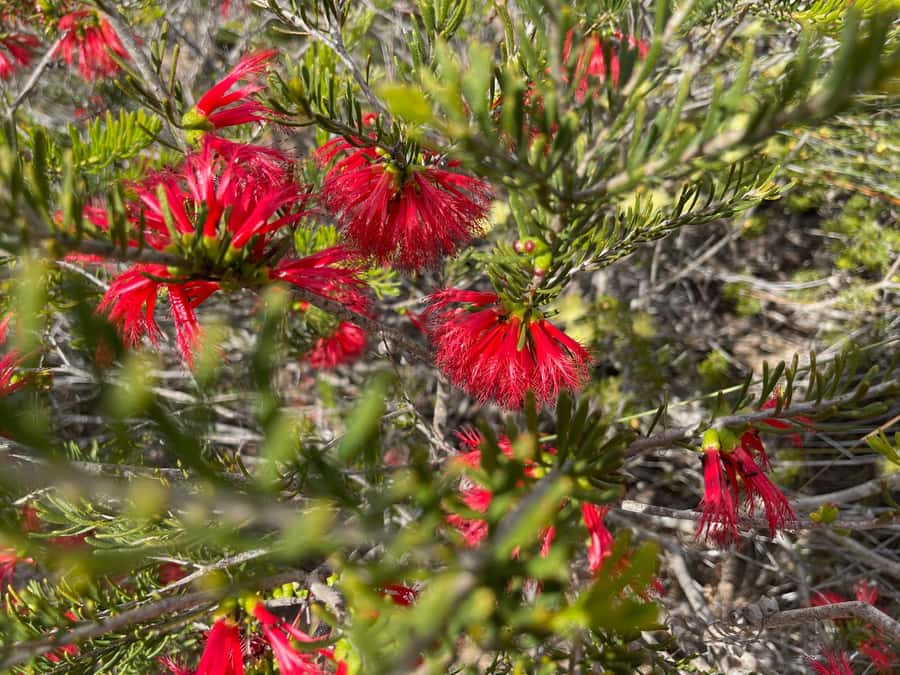
Kalbarri is a good place to see wildflowers because the display is spread across a large area rather than concentrated in one formal garden. During spring, the ground around the Mid West fills with flowers in many colors and forms. Some are familiar at a glance, while others are easy to miss unless someone points them out.
That is where the guide matters. You are not simply driven to a field, given ten minutes for photos, and sent back to town. The purpose is to help you notice the details: the scent of a plant, the shape of a bloom, the difference between a flower that is safe to handle and one you should leave alone.
The scale is impressive. More than 12,000 wildflower species grow across Western Australia, and up to 60 percent occur nowhere else in the world. That does not mean you will see all of them in four hours. It does mean the guide can introduce you to a local plant world that is far more varied than a quick roadside stop suggests.
I especially like the fact that the tour is tied to a short natural season. The flowers are not a permanent attraction, so your timing becomes part of the trip. If you visit at the right point between late July and early October, the outing can add something very specific to a Kalbarri stay.
More Flower Markets and Flower Fields in Australia:
- Bangkok: Night Bike Tour with Temples & Flower Market Visit
★ 4.8 · 751 reviews - Keukenhof: Flower Fields Small-Group Cultural Bike Tour
★ 4.8 · 254 reviews - Bangkok: Night Bike Tour with Temples & Flower Market Visit
★ 5.0 · 223 reviews
The four-hour route from Kalbarri
The tour begins with pickup from your accommodation in Kalbarri. This saves you from finding the meeting point and lets you start the morning without worrying about driving directions. Pickup times vary, so you need to check availability when booking.
From town, you ride in an air-conditioned vehicle toward flower areas that can be as far as 100 km away. That distance is important. The best blooms are not necessarily beside Kalbarri’s main streets or at the first scenic stop, and a local operator can adjust the route according to conditions and flower locations.
The vehicle also makes practical sense in spring. Western Australia can be sunny and warm, and four hours outdoors can become tiring if you are driving yourself between stops. Air conditioning gives you a break between walks. Bottled water and morning tea are included, although you should still bring your own water bottle because hydration is your responsibility.
The tour can include a national park visit, with Z Bend included on one reported outing. Z Bend adds a major scenic stop to the flower search, giving you more than a series of small plant encounters. Still, this is best viewed as a wildflower tour first. If you want a full day focused on every major Kalbarri sight, you will need additional plans.
What the guide adds to the flower search
A flower tour can be frustrating without someone who knows what is in season and where to look. Many small blooms are easy to pass without noticing. The guides on this outing use local experience to direct your attention to the right places and explain what you are seeing.
Christina led one outing and showed the group many flowers after they had already visited the area on their own. That detail tells you something useful: a self-guided stop may give you good scenery, but it can leave plenty unseen. A guide can help you find plants that do not announce themselves from the roadside.
Guy led another small group and focused on the plants’ scents, colors, and safety. One flower was described as smelling like smelly socks, a memorable detail that helps turn a list of species into a real sense of place. He also pointed out flowers that should not be touched.
You should follow that rule closely. Do not pick flowers, touch plants, or step into areas simply to improve a photograph. The flowers are a limited seasonal resource, and careful behavior helps protect the display for the next person. The tour also asks you not to litter, smoke in the vehicle, or bring alcohol, drugs, pets, or sharp objects.
The guide’s role is also practical. Guy helped when walking became difficult for older members of the group. That does not make the tour suitable for people with mobility impairments, but it does suggest that guides can offer considerate assistance within the limits of the outing.
A small group makes the morning more personal
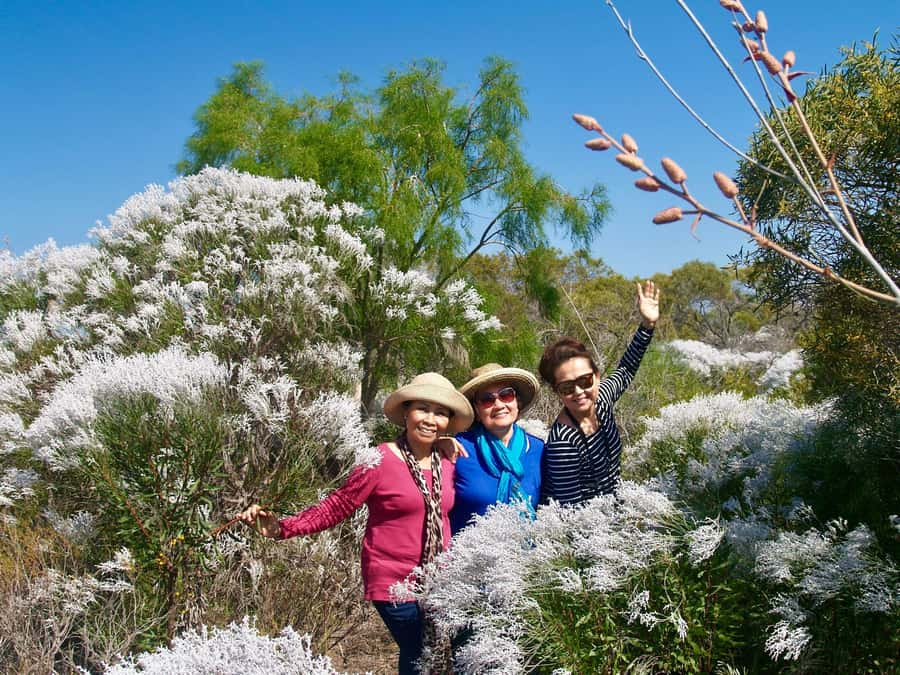
The maximum group size is 10 people. That is a useful limit for this kind of trip. You can hear the guide when discussing a small plant, ask about a scent or color, and avoid the detached feel of a large coach excursion.
One outing had six people, including one couple and another small group. A group of that size is especially helpful when the guide is searching for flowers rather than following a fixed museum route. The pace can adjust more easily, and the guide has a better chance to notice what interests you.
Small does not mean private. You may still share the vehicle and walking stops with other people, and the exact group size depends on bookings. If you want a completely private outing, that is not promised here. But a limit of 10 is a good compromise between company and personal attention.
The languages offered are English, French, and Indonesian. That gives you a useful choice when arranging the tour, though you should confirm the language available for your departure.
More gardens worth a morning in Australia:
- Maleny Botanic Gardens Bird Aviary Experience Ticket
★ 4.5 · 579 reviews - Aboriginal Heritage Walk – Royal Botanic Gardens Victoria, Melbourne Gardens
★ 5.0 · 314 reviews - The Explorer – Melbourne Gardens
★ 5.0 · 224 reviews - Melbourne: 1-Hour Gardens and Sporting Precinct River Cruise
★ 4.1 · 196 reviews
What the $120 price includes
At $120 per person, this is not the cheapest way to look at roadside flowers. The value depends on how much you would otherwise arrange yourself.
The price includes:
- Four hours of guided touring
- An expert local guide
- Pickup and drop-off at your Kalbarri accommodation
- Air-conditioned transport
- National park admission
- Morning tea
- Bottled water
- A small-group setting
The national park pass and hotel pickup add real convenience. If you rented a car, you would still need to plan a route, find the flower areas, pay any relevant park fee, and identify the plants yourself. You might see plenty, but you could also miss the smaller species that make the region special.
The tour is a stronger value if you have only one morning available, do not want to drive up to 100 km outside town, or care about learning what you are seeing. It is less compelling if you prefer to stop alone, photograph at your own pace, or spend a full day in the park.
Morning tea is a welcome extra, but it should not be the reason you book. The real value is local guidance, transport, and access to places where the flowers may be better than those close to town.
Timing your visit for the best chance of flowers
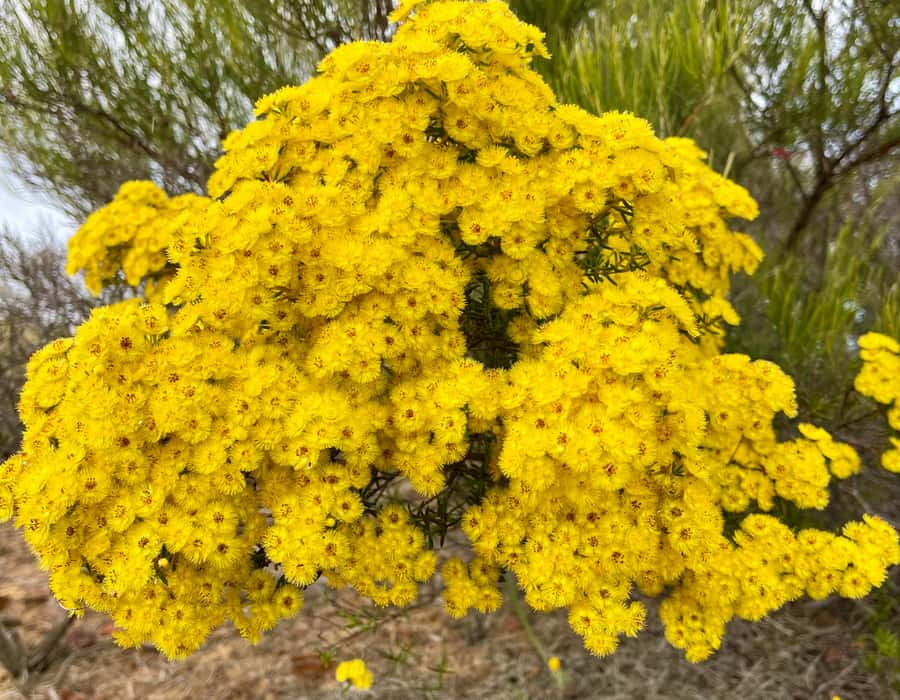
The usual season runs from late July to early October. That is a broad window, not a guarantee of peak flowers on every date. The display depends on the season, so ask about current conditions when you reserve.
September and early October can be attractive dates based on the recent departures, but you should not treat any single week as certain. One October outing showed a group many flowers they had missed the previous day, which suggests that timing and location both matter.
Book this tour as part of a flexible Kalbarri plan. If the flowers are your main reason for visiting, give yourself more than one possible day when you can. The tour offers free cancellation up to 24 hours before departure and lets you reserve now and pay later, which helps if your schedule or weather plans are still moving.
Bring a camera, but keep your attention on the ground as well as the scenery. A good flower stop can be easy to miss when you are focused only on larger views.
Walking conditions and what to bring
You need comfortable walking shoes. The rules specifically exclude high heels, sandals, flip flops, open-toed shoes, and bare feet, so choose closed shoes with a secure fit.
Pack:
- A hat
- Sunscreen
- Your own water bottle
- A camera
- Comfortable walking shoes
The tour provides bottled water, but bringing your own bottle remains important. You may spend time walking and waiting outdoors in the sun, and there is no reason to rely on one small serving of water.
Wear clothing suited to a sunny spring morning, but do not assume the entire outing is a long hike. The supplied information does not give a walking distance or trail grade. The honest advice is to expect outdoor walking at several stops and to ask the provider if you have concerns about your ability to manage uneven ground.
The tour is not suitable for wheelchair users or people with mobility impairments. Older participants may receive helpful support from the guide, as Guy demonstrated, but that is different from having an accessible route or vehicle.
Who will get the most from this tour
I would recommend it most strongly to anyone who wants context, not just photographs. If you cannot tell one Western Australian flower from another, the guide gives you a way into the subject without requiring specialist knowledge.
It also suits people without their own vehicle, visitors who do not want to navigate the national park, and photographers who want help finding better flower areas. The small group keeps the morning manageable, while the air-conditioned ride removes much of the strain of a long drive.
Families should check the age rules before booking. Unaccompanied minors are not allowed, and children must not be left without an adult. The activity also bans pets, so do not plan to bring a dog.
This is not the right choice for someone seeking a strenuous hike, a private vehicle, or a guaranteed peak bloom. It is also not ideal if you dislike planned stops or prefer to spend four hours moving at your own pace.
Simple rules that protect the flowers
The most important rule is not to touch or pick the plants. Wildflowers can look sturdy, but many are delicate, and a single careless step can damage a patch that took a season to grow.
You also need to avoid climbing, making fires, littering, or bringing alcohol into the vehicle. Smoking in the vehicle is not allowed, and intoxication is prohibited. These rules are ordinary but important in a dry natural area and a small enclosed vehicle.
Bring your camera instead of taking a souvenir. The best memory from the morning is likely to be a close photograph, a strange scent, or the name of a flower you would otherwise have walked past.
Should you book the Kalbarri Wildflower Tour?
Book it if you are in Kalbarri during the flower season and want a guide to take you beyond the obvious roadside stops. The combination of local flower knowledge, transport, national park access, and a small group makes the $120 price reasonable for many visitors.
I would be especially inclined to book if you do not have a car, have only one morning, or already know that you tend to miss small plants when exploring alone. Christina’s ability to reveal flowers missed the day before, and Guy’s attention to scents, colors, and walking support, show the practical benefit of having the right guide.
Skip it if your mobility is limited, you want a private trip, or your visit falls outside the usual late July to early October season. For everyone else, this is a focused and worthwhile way to see why Kalbarri’s spring flowers deserve more than a quick photo from the roadside.
FAQ
Where does the Kalbarri Wildflower Tour take place?
The tour begins with pickup from your accommodation in Kalbarri and travels to wildflower areas around the town, sometimes up to 100 km away. A national park stop such as Z Bend may also be included.
How long does the tour last?
The tour lasts four hours.
How much does the tour cost?
The price is $120 per person.
What is included in the price?
The price includes an expert local guide, hotel pickup and drop-off, morning tea, bottled water, air-conditioned transport, and a national park pass.
When is wildflower season in Kalbarri?
The usual wildflower season is between late July and early October, although the exact timing varies.
How many people can join the tour?
The tour is limited to 10 participants. Some departures may be smaller, with one recent group consisting of six people.
Which languages are available?
The tour is offered with live guides in English, French, and Indonesian.
Do I need to bring water?
Yes. Bottled water is included, but you should also bring your own bottle to stay hydrated during the outdoor stops.
What shoes should I wear?
Wear comfortable closed walking shoes. High heels, sandals, flip flops, open-toed shoes, and bare feet are not allowed.
Is the tour suitable for wheelchair users?
No. The tour is not suitable for wheelchair users or people with mobility impairments.
Newly planted garden visits around Australia
- Port Arthur, Richmond and Lavender Active Day Tour★ 4.5 · 61 reviews
- Walk the Darwin Botanic Gardens★ 5.0 · 11 reviews
- Kuranda Koala Gardens General Entry Ticket★ 4.0 · 90 reviews
- Photography and Nature in Cairns Botanic Gardens Let’s Go Buggin★ 5.0 · 19 reviews
- Kuranda Koala Gardens and Birdworld Admission Tickets★ 4.0 · 99 reviews
- Near Gold Coast: Crystal Castle Admission Ticket★ 4.5 · 116 reviews
- Sovereign Hill, Botanical Gardens and Melbourne Skydeck Bus Tour★ 3.0 · 5 reviews
- Perth: Kings Park Botanicals & Beyond Guided Hike★ 4.7 · 2 reviews
Flower Markets and Flower Fields, bed by bed.
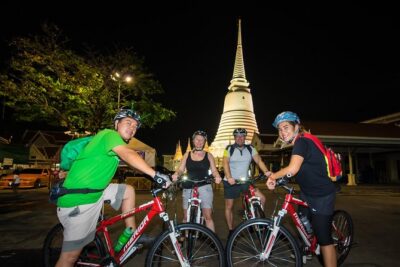
Bangkok: Night Bike Tour with Temples & Flower Market Visit
Read our review →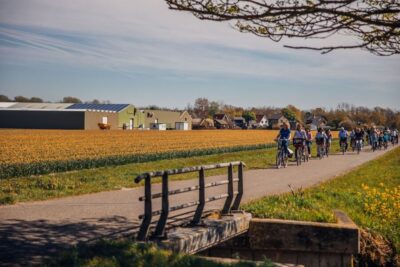
Keukenhof: Flower Fields Small-Group Cultural Bike Tour
Read our review →
Kolkata’s Flower Market – Hooghly’s Flower Fest Tour
Read our review →
Amsterdam: Half-Day Flower Fields and Keukenhof Bicycle Tour
Read our review →
Flower Market & Floral Art: Multilingual Private Tour [EN/others]
Read our review →
Cebu: City Highlights with Sirao Flower Garden Visit
Read our review →
Bangkok Wat Pho and Flower Market Historical Walking Tour
Read our review →
Lists this garden visit belongs to