
Review · SRI LANKA
Ella: Nine Arch Spice Garden Tour with Traditional Lunch
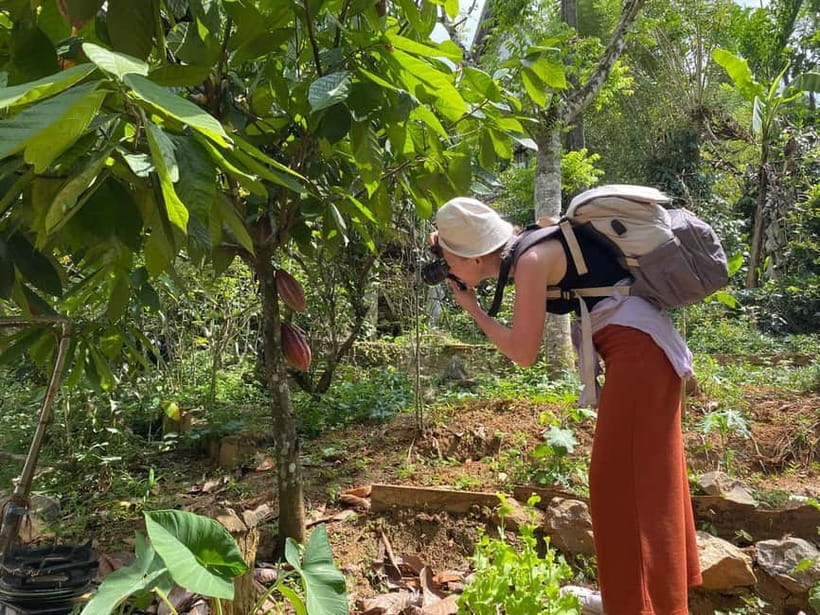
The best part of this Ella outing is the chance to see everyday Sri Lankan cooking ingredients growing in the ground, not sitting in labeled jars. In 2.5 acres of garden, you wander among vanilla, cocoa, cinnamon, clove, nutmeg, curry leaves, and garcinia before sitting down to a six-curry lunch.
I like the small group of up to eight, which gives you room to ask questions, and I like that the meal is part of the learning rather than an afterthought. Sam and the team also bring a friendly touch to the visit. The main consideration is simple: this is a short garden and food experience, not a full-day farm tour, so anyone wanting a long walk or a broad Ella sightseeing program should pair it with another activity.
Key points at a glance
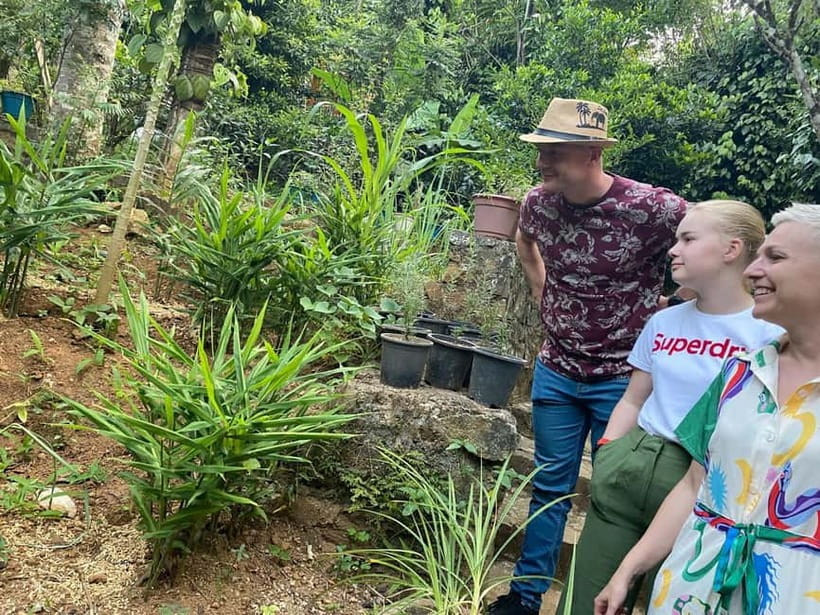
- A 2.5-acre working spice garden: See vanilla, cocoa, cinnamon, clove, nutmeg, garcinia, and curry leaves growing in one peaceful setting.
- Six Sri Lankan curries at lunch: The meal shows how several spices come together across a traditional spread.
- An interactive food lesson: You do more than eat. You learn about spice-infused cooking and take part in a cooking class.
- A small group capped at eight: This makes it easier to hear the English-speaking guide and ask practical questions.
- A spice sales room at the end: Buy spices to take home, though you should treat this as an optional extra rather than part of the core value.
- A $20, 2.5-hour outing: The price covers garden access, guidance, lunch with dessert, and the cooking activity.
Why the spice garden is worth your time in Ella
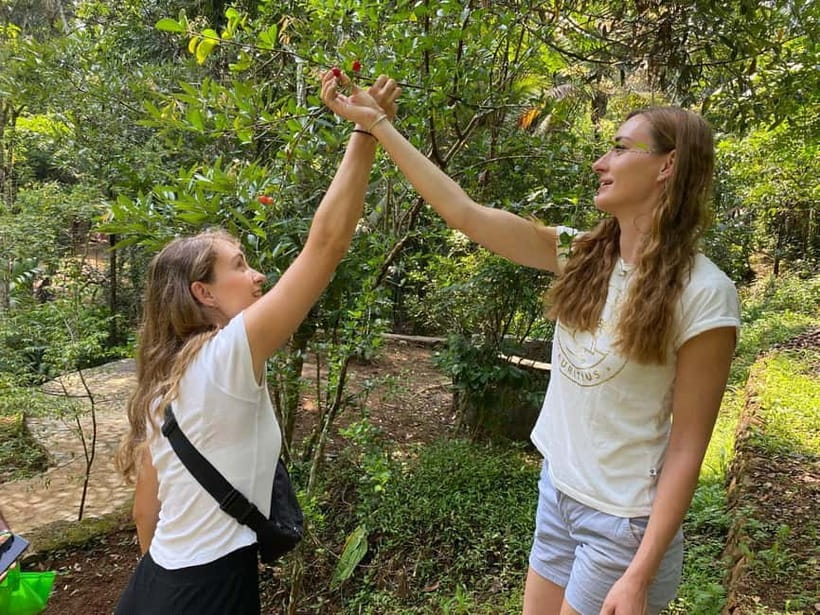
Ella is known for mountain scenery and outdoor stops, but this garden offers a different view of the area. Instead of rushing between viewpoints, you spend time with the plants that shape Sri Lankan food. That change of pace is the real appeal.
The garden covers 2.5 acres, enough space to make the walk feel like a proper visit rather than a quick stop beside a restaurant. You move through fragrant groves and see a wide selection of plants, including garcinia, vanilla, cocoa, curry leaves, nutmeg, clove, and cinnamon.
I find this useful because many spices are familiar only in dried, ground form. Seeing them as living plants gives the cooking lesson more meaning. It connects the leaves, bark, pods, and fruit in the garden with the flavors you taste later at lunch.
The setting is described as serene and picturesque. You can expect a quiet, sensory-focused visit, with the main interest coming from the plants and the explanations rather than entertainment or elaborate staging. If you enjoy food, gardening, or local produce, the garden should hold your attention. If you prefer fast-paced sightseeing, the calm rhythm may feel slow.
More Spice and Herb Gardens in the world:
- Ella : Cooking class with amazing Spice Garden Tour
★ 5.0 · 239 reviews - Alcamo Farm Animals and Aromatic Garden
★ 4.0 · 45 reviews - Day Tour to Elephant Orphanage / spice garden
★ 5.0 · 20 reviews
Walking among vanilla, cocoa, cinnamon, and clove
The garden walk is the foundation of the outing. Your English-speaking guide introduces the plants and explains their place in Sri Lankan cooking. The exact walking route is not specified, so you should think of this as a guided visit through the cultivated grounds rather than a fixed hike with named stops.
Several plants make the walk especially interesting. Vanilla and cocoa are familiar around the world, but many people rarely see either plant growing. Cinnamon and clove offer a useful reminder that spices can come from very different parts of a plant. Curry leaves bring the focus back to the fresh ingredients used in local kitchens.
Garcinia, nutmeg, and other herbs and spices add to the variety. The point is not simply to count plants. It is to understand how a small collection of ingredients can build the flavor of a meal.
Bring your curiosity and ask questions as you walk. With no more than eight people, this is a good setting for practical questions about aroma, cooking use, or how the plants are handled. The available information does not promise that you will taste every plant or participate in harvesting, so do not book expecting a hands-on farm-work session.
The garden is also a sensible choice if you want a cultural activity that does not demand a major physical effort. It is wheelchair accessible, although the information does not describe the exact paths or ground surface. If access is important to you, confirm the route details before booking.
A cooking lesson that leads into lunch
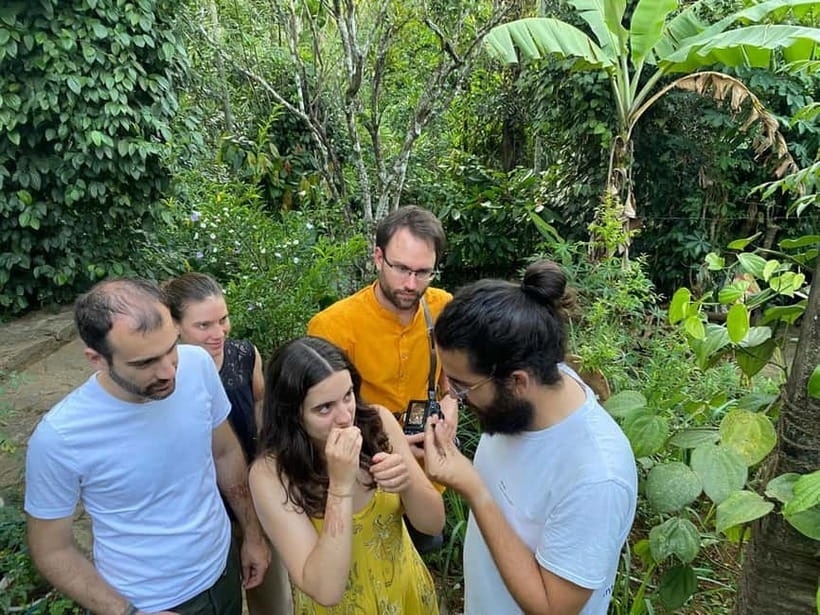
After the garden visit, the focus shifts from growing spices to using them. The traditional lunch includes six Sri Lankan curries and dessert, and the cooking class lets you learn how a spice-based meal comes together.
That six-curry spread matters. You are not getting one generic dish with a little seasoning on the side. Several curries allow you to notice how the same kitchen can produce different flavors, colors, and textures from a range of ingredients.
The activity is described as interactive, so you should expect more than a demonstration followed by a plate of food. You take part in learning how to cook Sri Lankan curry, with the guide explaining the process. The available details do not specify the exact dishes, recipes, or cooking tasks, so I would not book this expecting a named menu or a take-home recipe booklet.
The dessert is included as part of the meal. That gives the lunch a proper finish, rather than making it feel like a quick tasting between activities. You also get to see the connection between the garden and the table: ingredients introduced during the walk become part of the food lesson.
I especially like this format for people who want to remember Sri Lanka through taste, not only photographs. A cooking class gives you something you can carry into your own kitchen. Even if you never recreate the full meal, you will have a clearer idea of how Sri Lankan curry uses several components together.
What the meal means for your budget
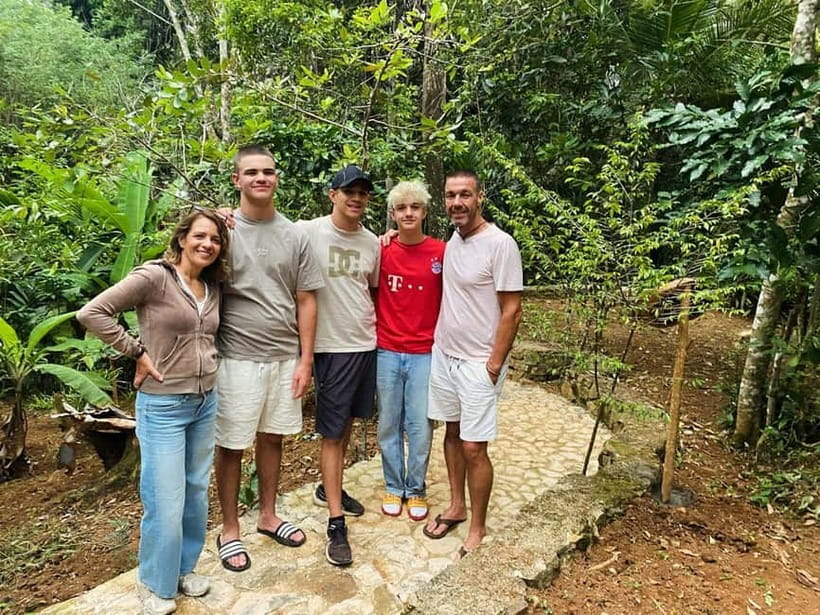
At $20 per person, the price is strong for a 2.5-hour activity that includes garden admission, an English-speaking guide, a cooking lesson, six curries, dessert, and access to the spice sales room. You are paying for both instruction and lunch, not just entry to a garden.
The value depends on how much you enjoy the food side of travel. If you would happily pay for a Sri Lankan meal and are curious about ingredients, the combined format makes sense. The garden visit adds context, while the cooking class gives the meal a purpose.
If you are mainly looking for a cheap lunch, you may find the guided garden portion less important. Likewise, if you want a serious cooking school with a long lesson and detailed recipes, the 2.5-hour schedule may feel limited.
The small group improves the value. With a maximum of eight participants, the guide can keep the discussion personal, and you have a better chance of hearing explanations clearly. That matters during a cooking class, where a crowded room can turn a useful lesson into a distant demonstration.
More gardens worth a morning in the world:
- Paris: Versailles Palace and Gardens Full Access Ticket
★ 4.6 · 41,579 reviews - Amsterdam: Keukenhof Entry & Shuttlebus with Flexible Return
★ 4.7 · 11,891 reviews - Versailles: Skip-the-Line Tour of Palace and Gardens Access
★ 4.7 · 10,429 reviews - Marrakesh: Majorelle Garden Entry Tickets
★ 4.5 · 9,651 reviews
The Sam and team touch
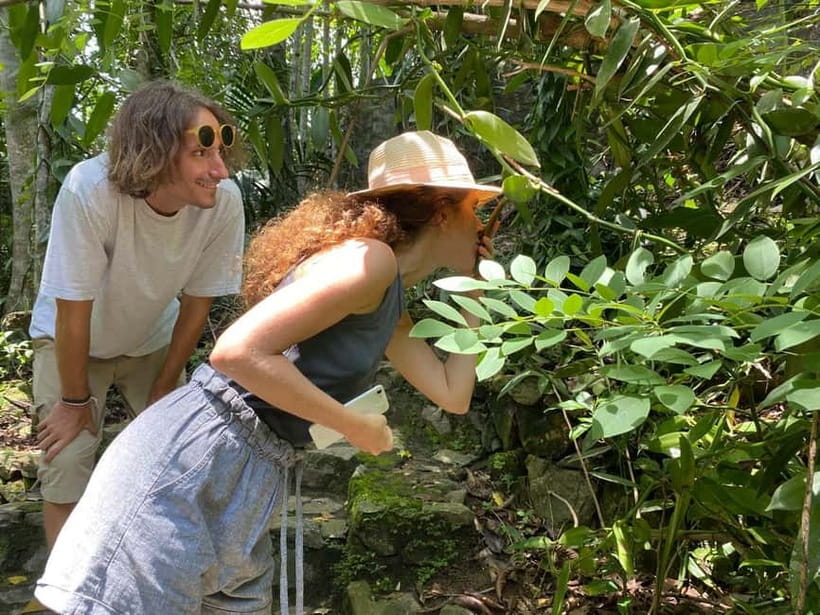
Sam and the team are part of the welcoming side of the experience. The available feedback gives special attention to Sam and describes the welcome as warm and personal. That is worth noting because a garden tour depends heavily on the person explaining what you see.
You should expect guidance in English. The activity is not presented as a self-guided visit, so the explanations are an important part of what you are buying. A good guide can turn a row of plants into a story about ingredients, cooking, and daily food traditions.
Since only one written review is available, I would keep expectations measured. The feedback praises the garden explanations, the cooking class, and the food, but there is not enough information to judge how every guide handles different interests or how detailed the botanical information becomes.
Still, the format gives the guide plenty to work with. You can ask about the plants during the walk, then see their cooking role at lunch. That kind of continuity is more useful than a garden talk with no connection to a meal.
The spice sales room: useful, but keep your wallet ready
The final stop is the spice sales room, where you can buy spices to take home. This is a convenient way to extend the experience after the garden and lunch are finished.
I treat sales rooms as optional. The tour should make sense because of the garden, guide, cooking lesson, and meal. You should not feel that buying something is required to justify the visit.
That said, spices are practical souvenirs. They take up little luggage space and connect directly to what you learned. If you enjoy cooking, this is a better souvenir choice than a random trinket because you can use it later.
The information does not list prices, products, packaging, or payment methods in the sales room. Plan to inspect the choices and costs yourself. The room is included as part of the visit, but purchases are not listed as included in the $20 price.
Who will enjoy this two-and-a-half-hour outing
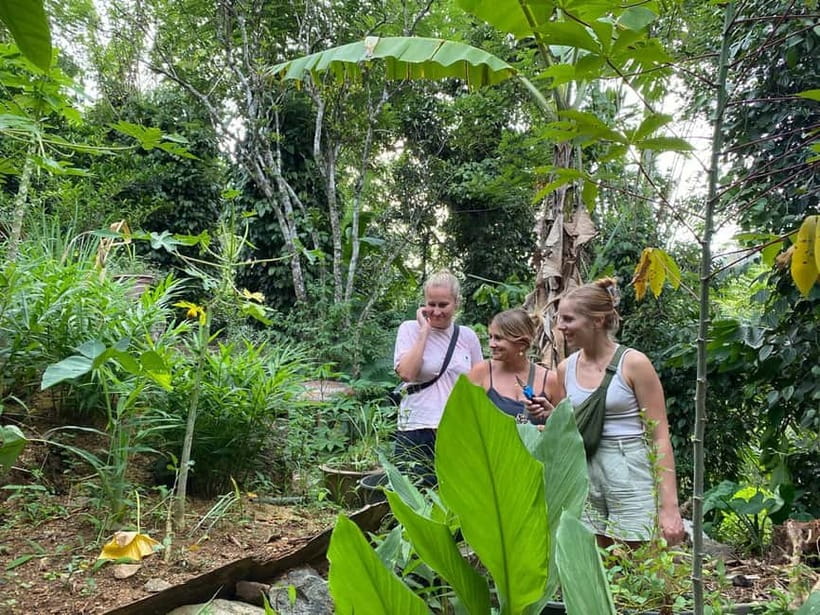
This is a good match for you if you like food, plants, and relaxed cultural activities. Families, couples, solo visitors, and small groups can all find something here, especially if everyone enjoys trying local dishes and asking questions.
It is also a practical pick for a shorter day in Ella. The 2.5-hour duration leaves room for other plans, while still giving you a proper activity with several parts. You get a garden walk, food instruction, lunch, dessert, and time to browse spices without committing most of the day.
Food-focused visitors should place this high on their list. The six curries give you more range than a single dish, and the cooking class helps you understand the meal rather than simply consuming it.
You may want to choose another activity if your priority is dramatic scenery, strenuous walking, or a long technical cooking course. This experience is gentle, compact, and centered on ingredients and lunch.
The wheelchair-accessible designation is helpful, but details about the garden paths are not provided. If you use a wheelchair, contact the provider before booking to ask about surfaces, slopes, and access between the garden and dining areas.
Timing, group size, and booking flexibility
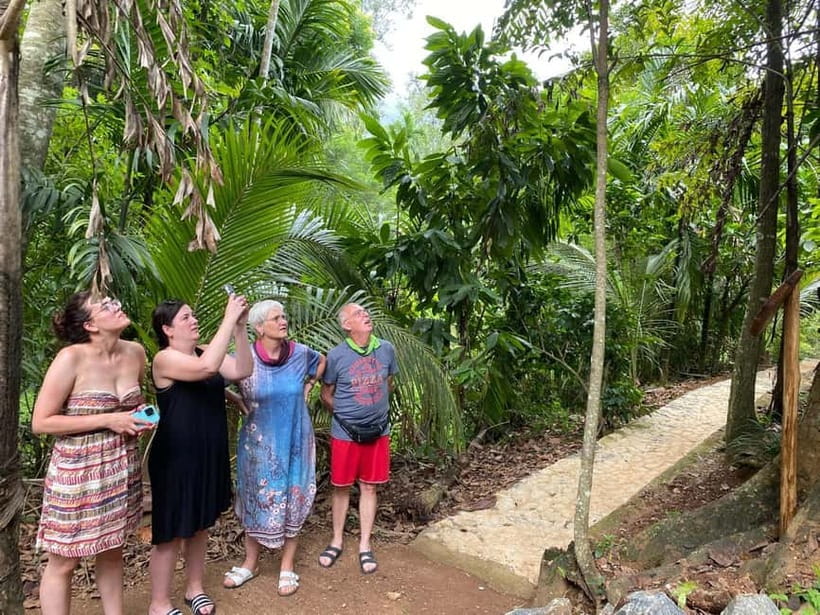
The activity lasts 2.5 hours, with starting times depending on availability. Since the schedule is short, arrive ready to begin rather than treating it as a loose drop-in visit.
The group limit is eight people. That is small enough for a more personal lesson and large enough to retain a little social energy. You will not be part of a large coach group moving through the garden in a line.
The tour offers free cancellation up to 24 hours before the activity for a full refund. You can also reserve now and pay later, which helps if your Ella plans are still changing. These terms make the activity easier to fit into a trip with uncertain weather or shifting day plans.
English is the listed language for both the guide and the activity. If someone in your party needs another language, the available details do not confirm that one is offered, so check before booking.
Should you book the Ella Nine Arch Spice Garden Tour?
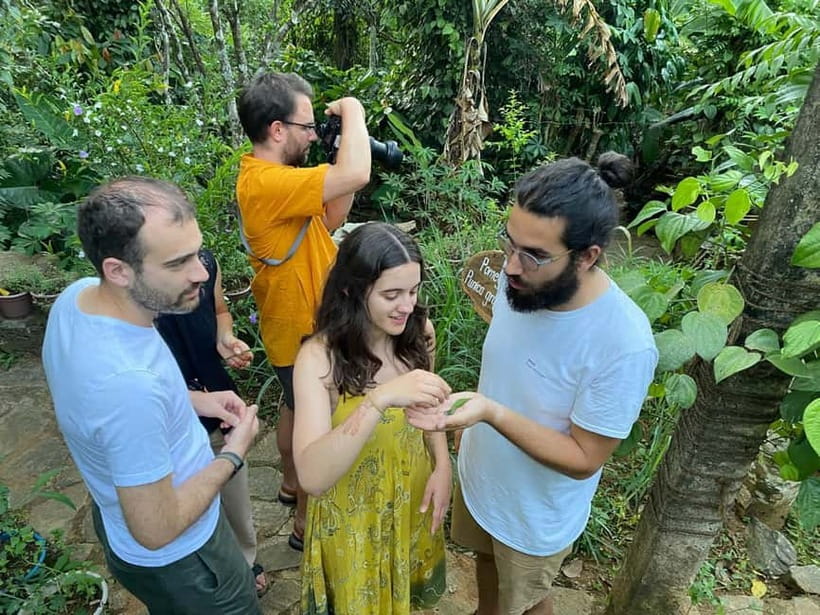
Book it if you want a small, affordable food experience that connects Sri Lankan ingredients with a real meal. The strongest reasons are the broad plant selection, the six-curry lunch, the interactive cooking class, and the personal scale of the group.
At $20, it offers good value for a half-day-sized activity without taking up half your itinerary. I would especially recommend it to food lovers, curious gardeners, and anyone who wants a quieter alternative to another viewpoint or walk.
Skip it if you want a major outdoor adventure, a long cooking course, or a detailed botanical expedition. For most visitors with two and a half hours to spare, though, this is a thoughtful way to understand Sri Lankan food from garden to plate.
FAQ
How long does the Ella Nine Arch Spice Garden Tour last?
The activity lasts 2.5 hours.
How much does the tour cost?
The listed price is $20 per person.
What does the lunch include?
Lunch includes six Sri Lankan curries and dessert.
Is a cooking class included?
Yes. The experience includes an interactive traditional lunch and a cooking class focused on Sri Lankan curry.
What plants can I see in the spice garden?
The garden includes garcinia, vanilla, cocoa, curry leaves, nutmeg, clove, cinnamon, and other spices, herbs, and plants.
Is the tour conducted in English?
Yes. The activity includes a live English-speaking guide.
How large is the group?
The group is limited to eight participants.
Newly planted garden visits around the world
- Sunday Market and Gardens Tour★ 4.0 · 10 reviews
- Botanical Trails of Madeira. Mountain biking Trail Experience★ 5.0 · 42 reviews
- Monte Tropical Garden & Toboggans private Tuk-Tuk tour★ 5.0 · 25 reviews
- Funchal Old Town & Palheiro Gardens Private Tuk Tuk Tour★ 5.0 · 8 reviews
- Kensington Palace VIP Garden Tour with Royal High Tea★ 4.5 · 71 reviews
- Private Half-Day Tour to Monet’s Garden in Paris★ 5.0 · 3 reviews
- Madeira Botanical Gardens and Old Town Tuk Tuk Tour by MadTuk★ 4.5 · 7 reviews
- Secret Gardens of London Private Tour★ 5.0 · 13 reviews
Spice and Herb Gardens, bed by bed.



Penang Round Island Tour With Tropical Spice Garden & Entopia Butterfly Farm
Read our review →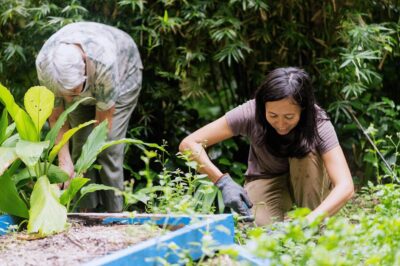
Penang: Tropical Spice Garden Entrance Ticket & Guided Tours
Read our review →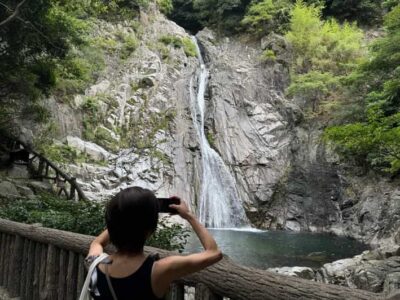
Kobe: Guided Tour of Nunobiki Waterfalls and Herb Garden
Read our review →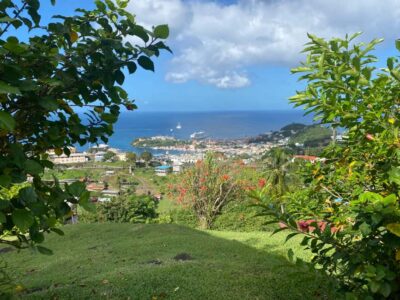
Grenada: Spice and Herb Garden Tour with Beach Visit
Read our review →
Aromatic Experience in the Medicinal Garden in Ibiza
Read our review →
Sri Lanka: Ceylon Cinnamon Experience & Spice Garden Tour
Read our review →Lists this garden visit belongs to