
Review · FRANCE
Lavender picking & distillation between Nîmes–Arles
The best part of this experience is that you do not simply look at lavender fields and take a few photos. You cut the flowers yourself, then help turn them into essential oil and floral water. Gaël, the farmer, shows you how to use the traditional picker’s sickle, and the hands-on work gives the visit a real sense of place.
I like two things especially: the activity keeps the price to $35 per person, and you take home your own bottles of hydrolat and essential oil. A possible drawback is the timing and access. The visit lasts 150 minutes, and public transport from Arles still leaves you with a 30-minute walk.
Key points at a glance
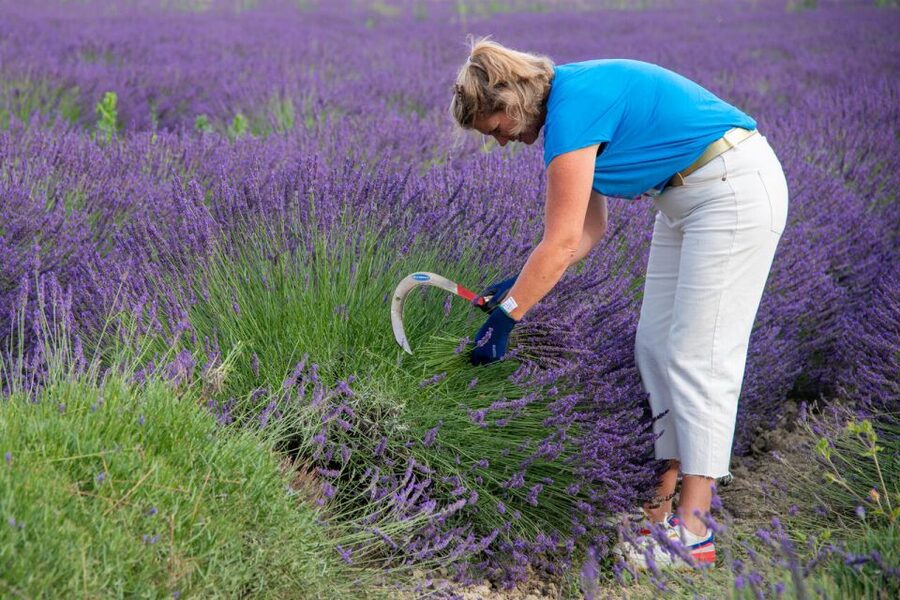
- Cut lavender with a traditional sickle: Learn the basic technique directly in the field with farmer Gaël.
- Help load the steam still: You place your freshly picked plants into the vessel and help compact them.
- Make your own local products: Extract organic essential oil and floral water to take home.
- Learn more than flower names: The guide explains cultivation, plant traits, food uses, cosmetics, and health uses.
- A small-group-feeling activity without a luxury price: At $35, the practical workshop adds real value to a simple field visit.
- Plan your transport carefully: The distillery is 15 minutes from Arles and 20 minutes from Nîmes by car.
Why this lavender visit feels different
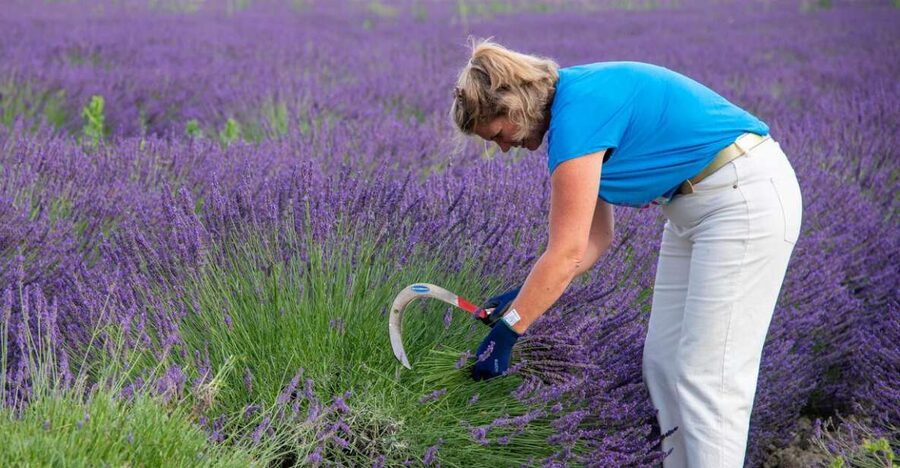
Many Provence outings stop at the pretty part: rows of purple flowers, a quick explanation, and time for pictures. This experience goes further. You learn how aromatic plants are grown, how lavender is harvested, and how the flowers become useful oils and floral water.
That change from field to bottle is the heart of the visit. You are not just hearing about distillation as an abstract process. You help prepare the plants, put them into the still, and follow the extraction of your own products. I like that the activity connects farming with the finished item you carry home.
The setting between Nîmes and Arles also makes this a useful choice if you are touring both cities. The distillery is about 15 minutes from Arles by car and 20 minutes from Nîmes. It is close enough to fit into a half-day plan, but not so central that you can treat it like a quick city-center stop.
The tour is offered in French and English. That matters here, since the visit depends on understanding the harvesting method and the steps of steam distillation. You should be able to follow the process in either language rather than relying on a few translated labels.
More Lavender Field Tours in France
- Nice: Gorges of Verdon and Fields of Lavender Tour
★ 4.5 · 2,707 reviews - Aix-en-Provence: Lavender Fields Visit
★ 4.1 · 421 reviews - Nice: Gorges of Verdon and Fields of Lavender Tour
★ 4.0 · 342 reviews
In the lavender field with Gaël
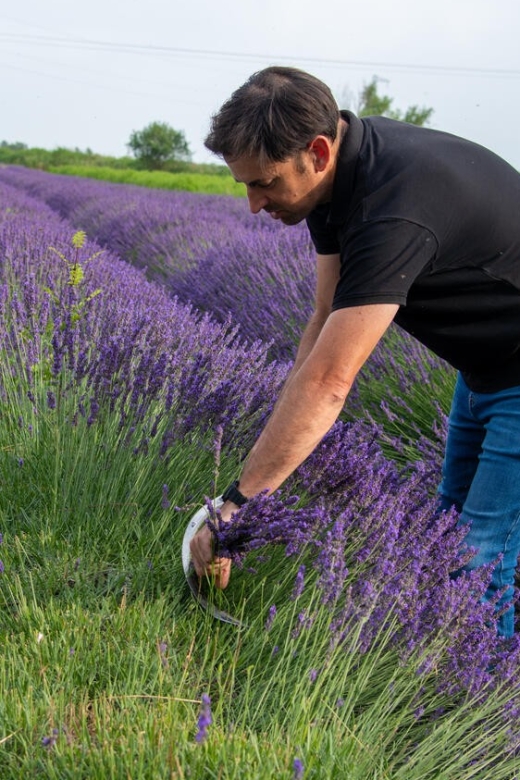
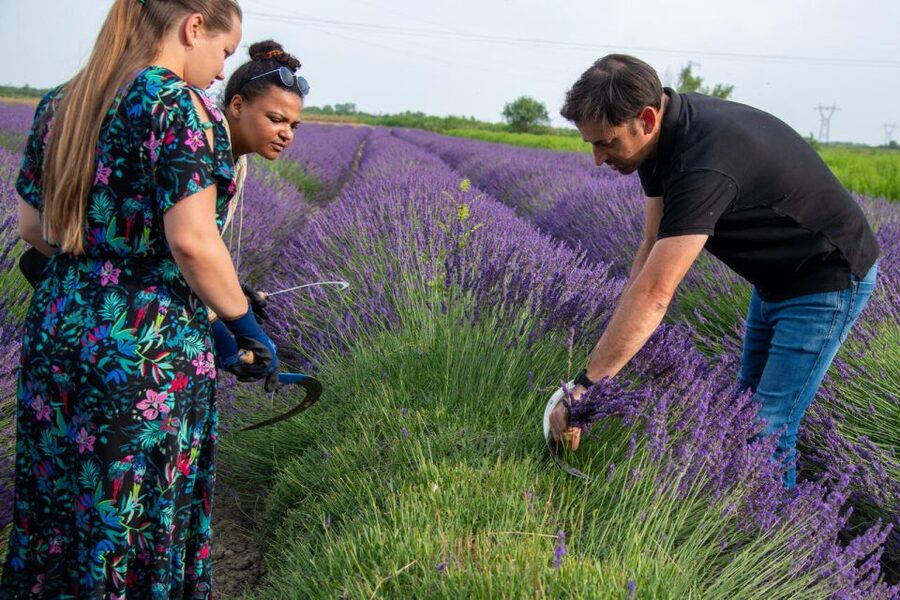
The visit begins outdoors, with a walk through the lavender fields and an introduction to the cultivation of aromatic plants in Provence. Gaël explains the main characteristics of the lavender flower and gives context for the work that happens before distillation.
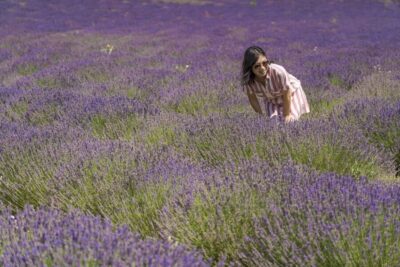
You then receive a traditional picker’s knife, or sickle, and learn how to cut the lavender correctly. This is a small but valuable detail. Holding the tool and using it under instruction turns the field from a backdrop into a working farm.
Expect the activity to be practical rather than passive. You will be asked to pick flowers, so comfortable shoes are important. Sunscreen is also a must, since part of the 150-minute visit takes place outdoors.
The field portion is likely to appeal most to people who enjoy learning by doing. You get a clearer sense of the labor behind the finished oil, and the traditional tool adds a connection to older farming methods. It is also a good option for photographers who want more than a photo stop, though the focus is the work and the plant, not a formal photo session.
Children under 10 are not permitted. For older children and adults, the sickle work and distillery steps give the visit a clear purpose, but anyone expecting a relaxed sightseeing walk should know that participation is part of the plan.
From freshly cut plants to the steam still
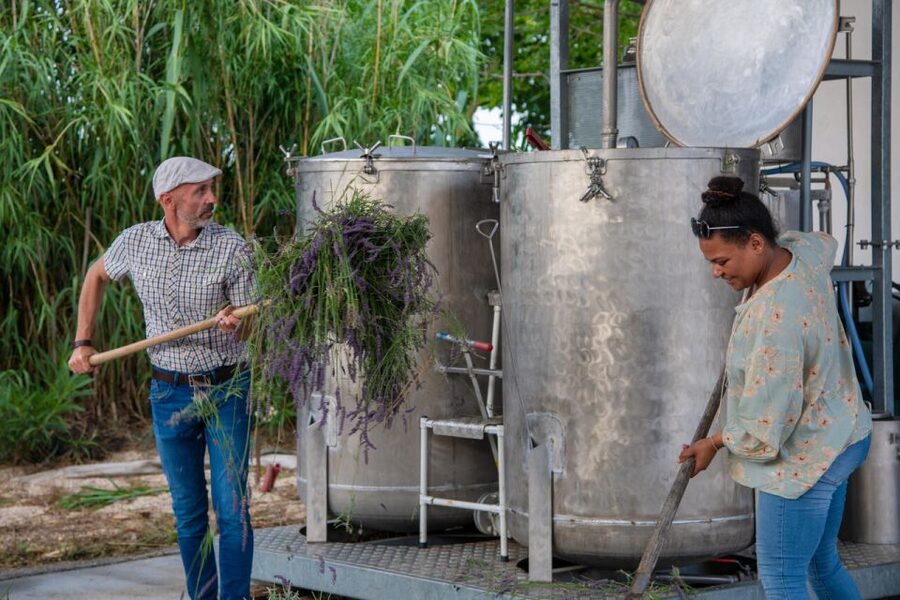
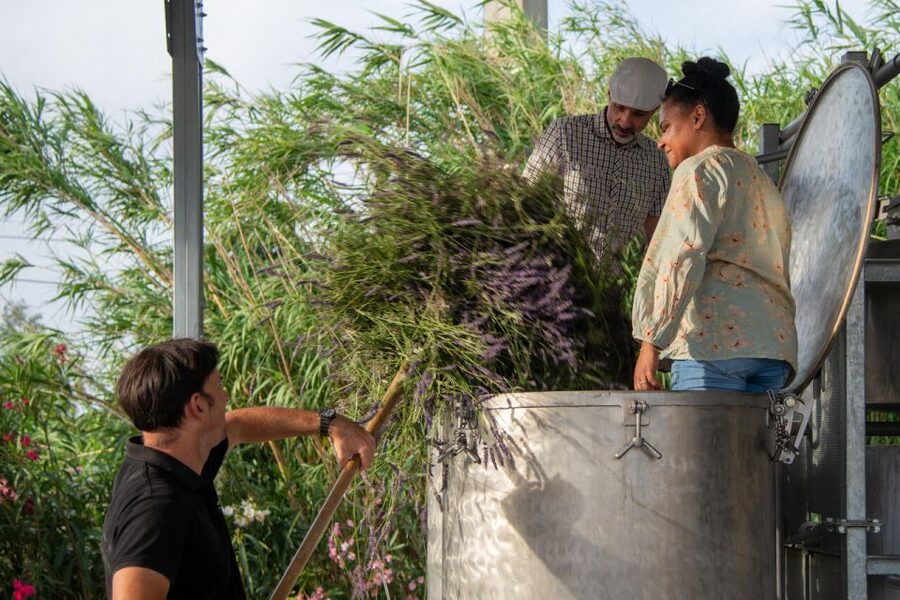
After the field, you move to the artisanal distillery. Here, the guide explains how steam is used to extract the useful parts of the plant. You put your lavender into the still and compact the flowers so the equipment can process them properly.
The description of jumping in the still is playful language for a hands-on packing step. You do not simply watch someone else load the equipment. You help press the plant material into place, which makes the process easier to understand.
This is the most unusual part of the tour. Field walks are common in Provence, but taking part in the preparation of a still gives you a better idea of how much plant material is needed and how the flowers change from a crop into a distilled product.
The process also helps explain why essential oil is so concentrated. Lavender flowers contain aromatic compounds, but extracting them requires heat, steam, and careful handling. The tour introduces that process in a direct way without turning the visit into a technical class.
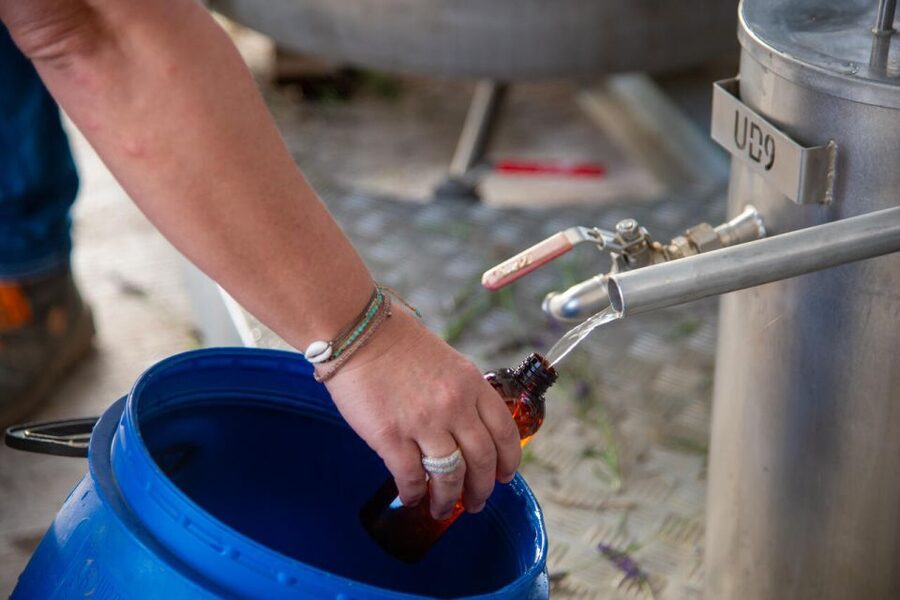
You will also learn about the difference between essential oil and hydrolat, or floral water. The essential oil is the concentrated aromatic product. The hydrolat is the fragrant water created during the same general extraction process. Both come from the plant, but they have different forms and uses.
Taking home your own oil and hydrolat
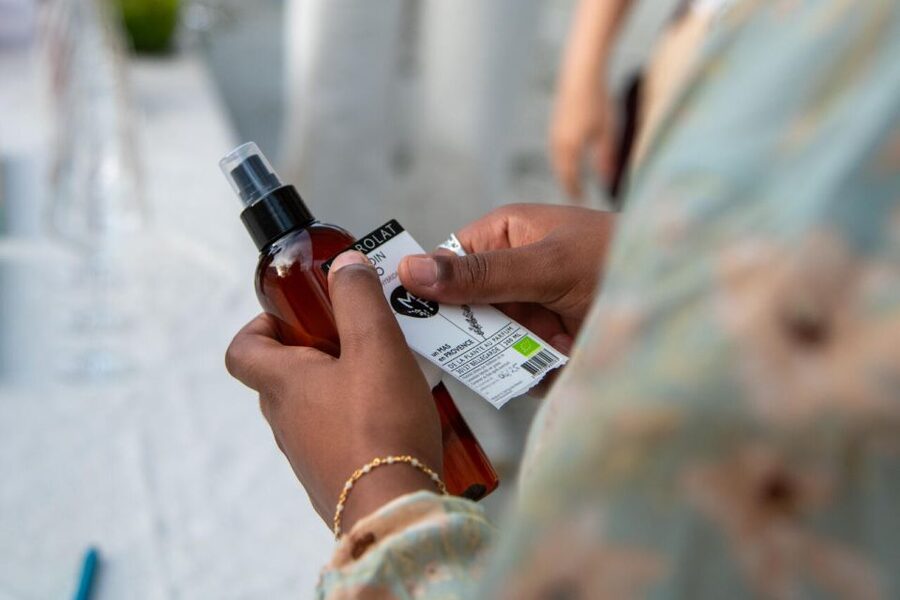
The strongest practical benefit is the included souvenir. You keep your own extracted bottle of hydrolat and your own essential oil. These are not just shop purchases added at the end. They come from the extraction activity you have just followed.
That makes the $35 price easier to justify. You receive a guided field walk, instruction with a traditional tool, a tour of the distillery, an explanation of organic extraction, and two small take-home products. If you only want to see lavender, cheaper or free photo stops may be enough. If you want an activity with something tangible at the end, this offers better value.
You also learn about the uses of organic plants in food, cosmetics, and health. The wording is broad, so do not expect a medical consultation or a full cosmetics workshop. The value is in seeing how one plant can move from agriculture into several everyday uses.
Use care with essential oils. The experience teaches you about extraction, but the supplied information does not state specific rules for applying or consuming the oil. Follow the guide’s directions and do not assume that a natural product is automatically suitable for every use.
Same season, a different set of beds:
- Paris: Versailles Palace and Gardens Full Access Ticket
★ 4.6 · 41,579 reviews - Versailles: Skip-the-Line Tour of Palace and Gardens Access
★ 4.7 · 10,429 reviews - From Paris: Versailles Palace & Gardens with Transportation
★ 4.6 · 6,222 reviews - From Paris: Versailles Palace Guided Tour & Gardens Access
★ 4.7 · 3,574 reviews
A snack and a little Provençal hospitality
One especially nice touch is the simple refreshment during the visit. You receive a bottle of water and a piece of cake. That may sound minor, but outdoor activities in summer are more comfortable when water is provided, and a small snack helps break up the field and distillery work.
It also gives the visit a more personal farm-visit feel. The cake is not the reason to book, but it is a welcome addition at this price. I would still arrive prepared with sunscreen and comfortable shoes, since the snack does not replace basic outdoor planning.
The activity lasts 150 minutes, or two and a half hours. That is long enough to cover both the field and the distillery without making the visit an all-day commitment. If you are planning time in Arles or Nîmes, allow extra time for driving, parking, or the walk from the bus stop.
How to reach the distillery from Arles or Nîmes
By car, the location is about 15 minutes from Arles and 20 minutes from Nîmes. That makes driving the simplest option and allows you to combine the experience with other stops in the region.
Public transport takes more planning. Bus line Lio number 130 leaves from the bus station at Arles in the direction of Nîmes and stops in Bellegarde at the Magnolias bus stop. The fare is listed as €1.50, but from the stop you still face a 30-minute walk to the MAS.
That walk is the key practical issue. You should not treat the bus as a door-to-door connection. Check the timing carefully, especially for the return journey, and wear shoes suited to walking. The provided information does not give a pickup service, so plan on making your own way to the distillery.
If you have a car, this experience becomes much easier to fit into a day. If you rely on the bus, the low fare is attractive, but the walking time and schedule deserve attention before you reserve.
Is $35 a good value?
For a 150-minute activity, $35 is a fair price. The value comes from the combination of instruction and participation. You are not paying only for access to a field. You get the field walk, the sickle lesson, the distillery visit, the extraction demonstration, your own involvement with the still, and bottles of hydrolat and essential oil.
The price also compares well with the souvenir value. A shop-bought bottle would not give you the same connection to the crop or the process. Here, the item you take home serves as a reminder of what you did, not just what you saw.
Still, value depends on your interests. If lavender is not a priority, or if you prefer a quick sightseeing stop, two and a half hours may feel like too much time. The experience asks you to participate, listen, and spend time outdoors.
The booking terms reduce the risk. You can cancel up to 24 hours before the activity for a full refund, and you can reserve now while paying later. Check the available start times before committing, since the exact schedule is not fixed in the information provided.
Who should book this experience?
I would recommend it to adults, couples, families with children aged 10 and up, and anyone interested in farming, natural products, or hands-on regional activities. It is especially useful if you have a car and are already moving between Arles and Nîmes.
It also suits visitors who want a small souvenir with a story behind it. The bottles of oil and hydrolat are compact, practical reminders of the day, and the extraction process gives you something specific to explain when you use them or give them as gifts.
I would be more cautious if you have limited mobility, because the activity includes a walk through fields and may involve standing and working with plants. The supplied information does not provide accessibility details, so ask the provider before booking if that is important for you.
The language choice is another advantage. With French and English guides, you can choose the version that lets you follow the farming and distillation explanations comfortably.
Should you book the lavender distillation visit?
Book it if you want to do more than photograph Provence. The field work with Gaël, the traditional sickle, and the chance to help load the steam still make this a proper activity rather than a quick lavender stop.
At $35, the price is sensible, especially with the two take-home products, water, and cake included. I would plan it by car whenever possible. If you use the bus from Arles, allow for the 30-minute walk from Bellegarde and check the timetable before you go.
Skip it if you dislike outdoor work, cannot manage the field walk, or have less than three hours available once transport is added. For everyone else, this is a practical, friendly way to understand how Provence lavender moves from field to bottle.
FAQ
Where is the lavender distillation experience located?
The distillery is in the South of France between Nîmes and Arles. It is about 15 minutes from Arles and 20 minutes from Nîmes by car.
How long does the activity last?
The activity lasts 150 minutes, or two and a half hours.
How much does the experience cost?
The listed price is $35 per person.
Is the tour offered in English?
Yes. The live tour guide is available in French and English.
Can I pick the lavender myself?
Yes. You learn how to use a traditional picker’s sickle and pick lavender in the field with Gaël, the farmer.
What do I take home?
You keep your own extracted bottle of hydrolat and your own essential oil.
Is transportation included?
Transportation is not listed as included. By bus, Lio line 130 runs from the bus station at Arles toward Nîmes and stops at Bellegarde, at the Magnolias stop. The stop is a 30-minute walk from the MAS.
What should I bring?
Bring sunscreen and comfortable shoes.
Can children join the activity?
Children under 10 are not permitted. The available information does not specify a maximum age.
Newly planted garden visits around France
- Private Half-Day Tour to Monet’s Garden in Paris★ 5.0 · 3 reviews
- Guided tour Monet’s house and gardens/small group★ 4.5 · 68 reviews
- Giverny: Monet’s House & Gardens Private Guided Walking Tour★ 5.0 · 5 reviews
- Monet’s House and Garden & Giverny Village★ 4.5 · 39 reviews
- Visit of the Extraordinary Garden in La Roche sur Yon★ 4.5 · 12 reviews
- Lavender in Sault Small Group Half-Day Trip★ 4.0 · 8 reviews
- Lavender Discovery Private Tour in Provence★ 5.0 · 3 reviews
- Half Day Lavender Road in Sault from Avignon★ 4.0 · 35 reviews
Lavender Field Tours, bed by bed.

Nice: Gorges of Verdon and Fields of Lavender Tour
Read our review →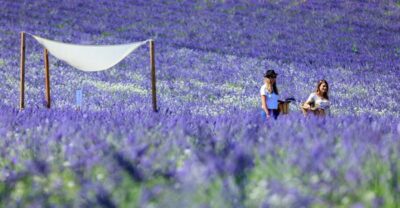
From Marseille: Valensole Lavender Full-Day tour
Read our review →
Provence Lavender Fields Tour from Aix-en-Provence
Read our review →
From Avignon: Half-Day Lavender Tour of Luberon
Read our review →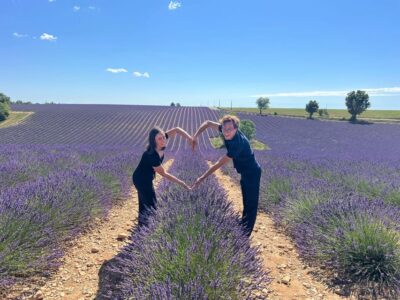
From Aix-en-Provence: Valensole Lavender Full-Day Tour
Read our review →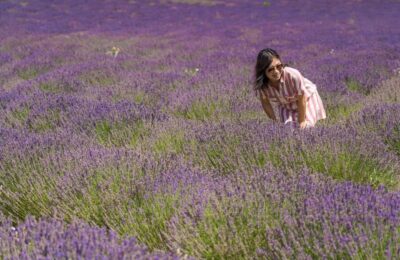
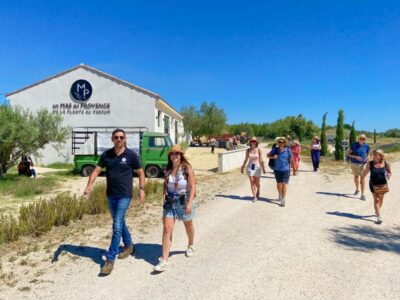
Lavender Field & Distillery Tour between Nimes & Arles
Read our review →Lists this garden visit belongs to