
Review · IRELAND
Kildare: Irish National Stud & Gardens
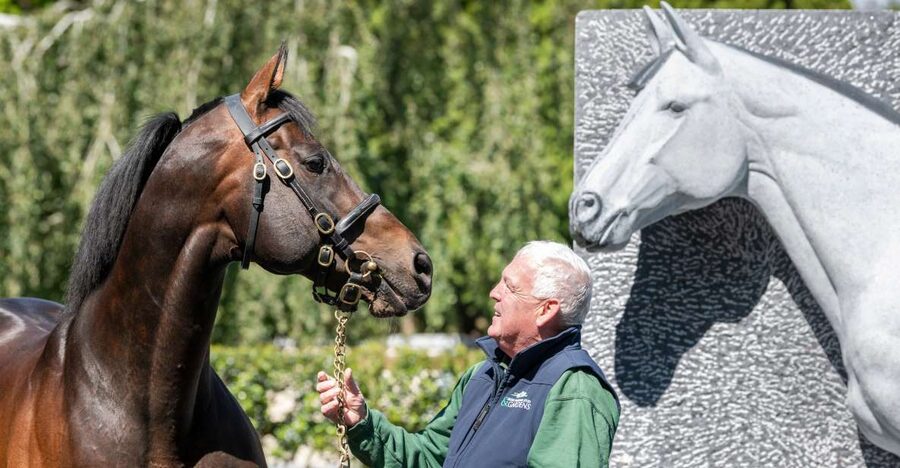
The Irish National Stud combines working horse farm, quiet garden, and hands-on museum in one attractive County Kildare visit. The best part is seeing stallions, mares, and foals in real paddocks, then meeting retired champions such as Hurricane Fly, Beef, Salmon, and Faugheen.
I like the Japanese Gardens for their calm, carefully planned walk, and I like the Irish Racehorse Experience for showing what happens between a foal’s birth and race day. The main drawback is timing: the public tours and interactive exhibition run on set schedules, and the stud has fewer horses on site from October onward.
Key points to know before you go
- Allow most of a day: You need time for the public tour, gardens, Living Legends, and the interactive racehorse exhibition.
- Tour times change by season: Public tours run more often in summer, while October schedules are limited to 11 a.m. and 2 p.m.
- The horses are the main event: You can see breeding stallions, protective mares, lively foals, and retired racing champions.
- The Japanese Gardens deserve unhurried time: Their Life of Man route gives the garden a clear story, not just a series of pretty views.
- Children under seven need an adult: This rule applies to the Irish Racehorse Experience.
- The best months are February through September: From October, the stud begins to wind down and stock on the grounds is limited.
Why the Irish National Stud is worth the trip from Dublin

About 40 minutes outside Dublin, the Irish National Stud gives you a look at an important part of Irish sporting and rural life. This is not only a display farm. It is one of the few thoroughbred breeding farms open to the public, set across 850 acres of green rolling hills.
You can see the working side of the operation, learn how future racehorses are selected, and then step into a garden designed for quiet reflection. That mix gives the visit more range than a standard museum or garden ticket.
At $22 per person, the price is reasonable if you use the full admission. You receive entry to the stud, gardens, and Irish Racehorse Experience, plus a public tour. If you only walk around the gardens, the value is less striking. If you attend a tour and spend time with the interactive displays, the ticket covers several distinct parts of the site.
I would plan on several hours rather than treating this as a quick stop. The full experience can easily fill a half day, and you can spend longer if you enjoy gardens, horses, or racing.
More gardens worth a morning in the world:
- Paris: Versailles Palace and Gardens Full Access Ticket
★ 4.6 · 41,579 reviews - Amsterdam: Keukenhof Entry & Shuttlebus with Flexible Return
★ 4.7 · 11,891 reviews - Versailles: Skip-the-Line Tour of Palace and Gardens Access
★ 4.7 · 10,429 reviews
Begin with the public tour and the breeding farm
The public tour is the clearest way to understand what you are seeing. It takes you through the stallion area and then toward the mares and foals, with an explanation of how the stud works and earns income.
Tour guides can make a real difference here. Sue has been praised for an informative tour, while Amanda is known for a lively talk about the horses and the stud’s work. Guide schedules are not fixed in the information provided, so you should check the current tour time when booking.
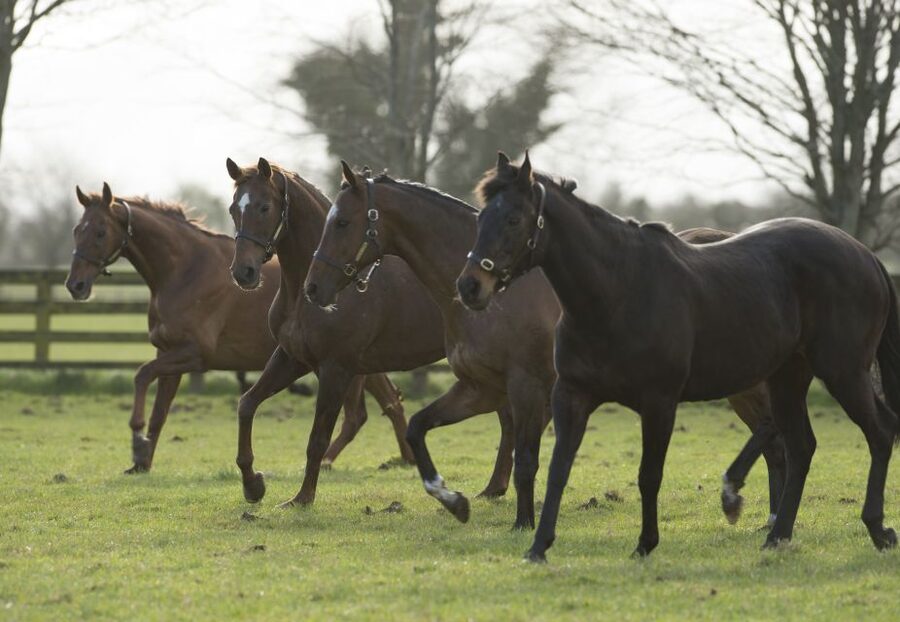
The stallions are carefully bred animals, and seeing them in their paddocks puts the business of thoroughbred racing into physical form. You are not looking at racehorses only as photographs, trophies, or names in a program. You are seeing the powerful animals that may shape future racing bloodlines.
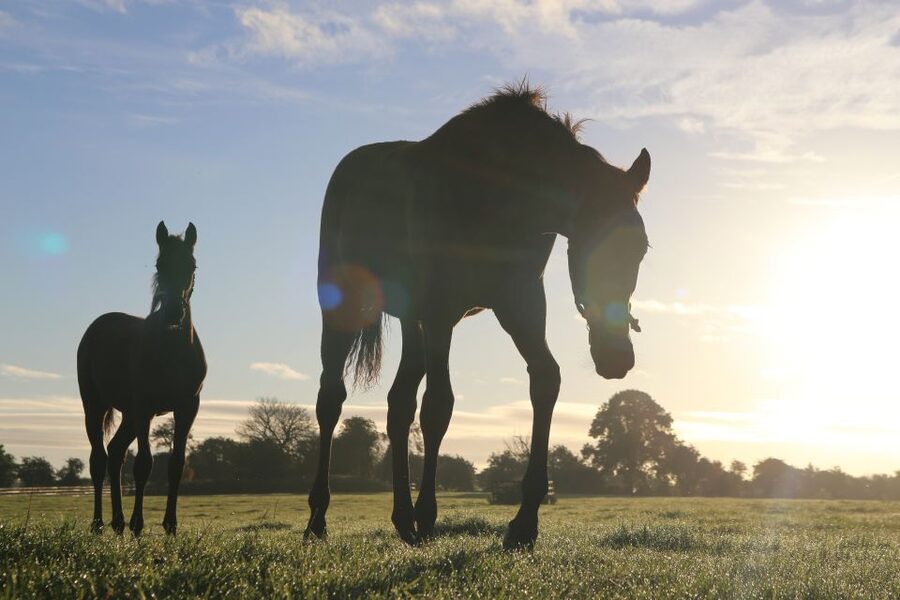
The mare and foal area has a different mood. Protective mares stay close to their young, while the foals provide the more playful scenes. This is one of the strongest parts of the visit for families, horse lovers, and anyone who wants to see the early stage of a racehorse’s life.
The public tour lasts just over an hour according to the supplied experience details. It is worth protecting that time. One practical tip is to avoid starting the racehorse exhibition too close to your tour, since you may need about 40 minutes for the interactive section and could find yourself rushing out before finishing it.
Meet the retired champions in Living Legends
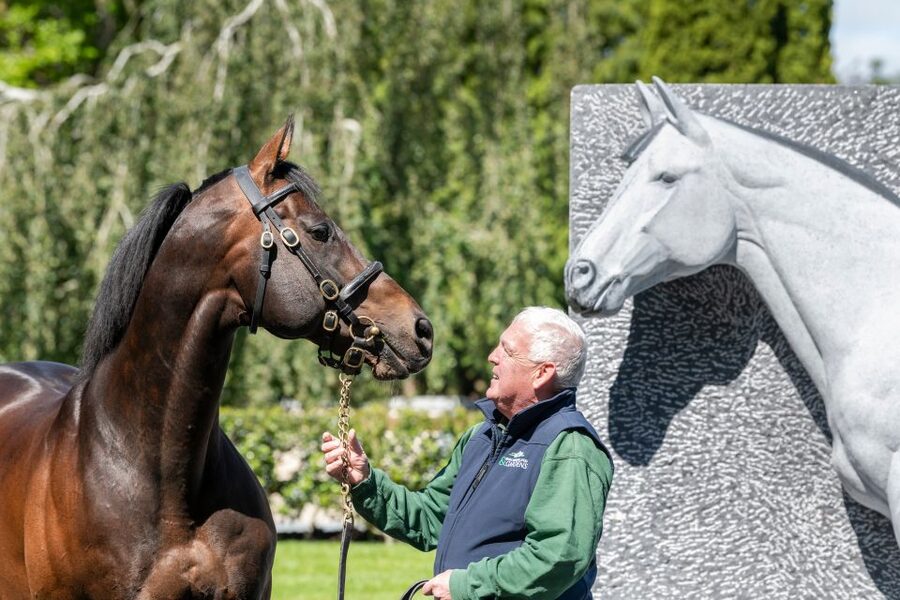
The Living Legends area gives you a chance to see retired racing stars, including Hurricane Fly, Beef, Salmon, and Faugheen. The horses graze in paddocks beside a room with large windows, so you can watch them without disturbing their space.
This section adds emotional weight to the visit. Racing often presents horses through famous wins, breeding records, and short bursts of speed. Here, you also see what comes after the track. The Living Legends room explains retirement and traces the worldwide connections of famous horses and racing figures.
I like this part because it slows the pace. After the noise and motion of the interactive exhibition, you can sit or stand by the windows and watch the horses at rest. It also helps you understand that a racehorse’s story does not end when its racing career does.
Do not expect every famous horse associated with Irish racing to be present. The experience specifically identifies several retired champions, but the animals on the grounds can vary. Their presence is one reason the February to September period is recommended.
Follow a racehorse from foal to finish line
The Irish Racehorse Experience is the most theatrical part of the visit. It follows a racehorse from birth through its early years, sale, training, race day, and retirement.
You receive a horse box that lets you take part in the story as if you own a racehorse. The exhibition then moves you through an interactive auction, where you can purchase an unbroken yearling. This gives the process a practical shape: you make a choice, follow the horse’s development, and see how that investment performs.
The exhibition includes rooms about foaling, the thoroughbred, training, racecourses, jockeys, and the anatomy and physiology of racehorses. You also get a sense of the surrounding racing culture, including fashion, betting, and animated race commentary.
The race day section lets you watch your chosen horse compete. You can even ride in a simulated race to see how your investment works. This is especially useful if you know little about racing, since it turns unfamiliar terms and decisions into a simple story.
The exhibition is open from 11 a.m. to 4 p.m. It is not available to children under seven unless they are accompanied by an adult. You should allow around 40 minutes, and I would not try to squeeze it in between two tightly spaced activities.
The display is interactive, but it is not a replacement for the live horses outside. I see it as a strong companion to the tour. The exhibition explains the system, while the paddocks show you the animals themselves.
Same season, a different set of beds:
- Marrakesh: Majorelle Garden Entry Tickets
★ 4.5 · 9,651 reviews - Vienna: Schönbrunn Palace & Gardens Skip-the-Line Tour
★ 4.7 · 7,739 reviews - Granada: Alhambra & Gardens Tour w/Nasrid Palaces Option
★ 4.2 · 7,022 reviews - From Paris: Versailles Palace & Gardens with Transportation
★ 4.6 · 6,222 reviews
Walk the Japanese Gardens and the Life of Man route

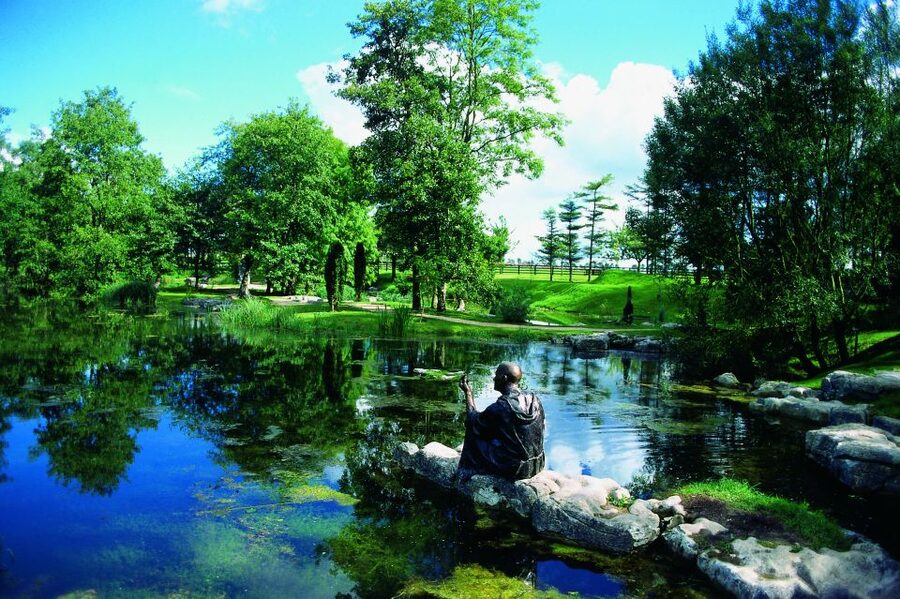
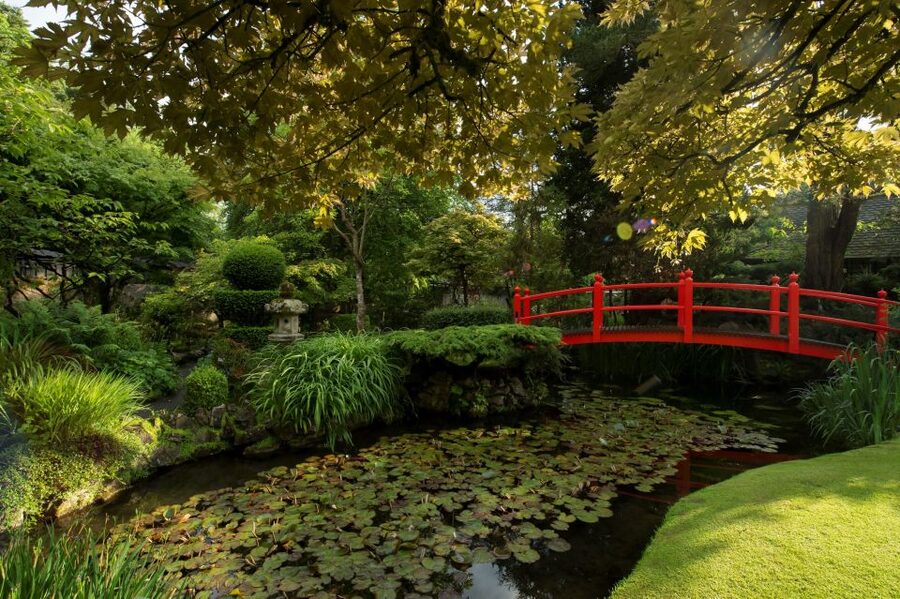
The Japanese Gardens are one of the site’s main attractions, even for people who are not especially interested in horse racing. The paths lead through a carefully arranged garden designed around the passage of a soul from birth to death and beyond.
That idea gives the walk a quiet structure. You are not simply moving from one attractive planting to another. The route asks you to notice changes in mood, form, and setting as you progress.
Give yourself enough time here. The gardens reward slow walking and pauses, especially after the more active racehorse exhibition. They are also a sensible part of the visit in mixed weather, since the garden remains worthwhile even when the day is not perfect.
The grounds are kept clean and orderly, and the Japanese Gardens can be reached as part of a wider walk through the stud. If rain comes and goes, as it often can in Ireland, bring suitable footwear and a waterproof layer. The experience continues outdoors for much of the day.
Find the Irish character of St Fiachra’s Garden
St Fiachra’s Garden offers a different style from the Japanese Gardens. It is described as an Irish garden that represents the strength of the Irish countryside, with native species and local wildlife.
The change in mood is useful. The Japanese Gardens are shaped by a symbolic life journey, while St Fiachra’s focuses more on Ireland’s own plants, wildlife, and natural character.
You should not rush through this section on the way back to the entrance. Look for native species and signs of wildlife, then compare the garden’s looser Irish character with the more formal feeling of the Japanese design.
Together, the two gardens make the ticket more valuable. You are not paying only for access to horse paddocks. You are also getting two distinct garden experiences that appeal to people with very different interests.
Plan your day around the changing tour times

The schedule matters more here than at a simple garden attraction. Standard public tour times are 10:30 a.m., noon, 2 p.m., and 4 p.m. During summer, extra tours are added at 1 p.m. and 3 p.m.
From October, the public tours are limited to 11 a.m. and 2 p.m. The Irish Racehorse Experience runs from 11 a.m. to 4 p.m., while the last entry to the site is 5 p.m.
A sensible order is:
- Start with the Irish Racehorse Experience if it is open.
- Join the public tour at a time that allows about an hour.
- Walk through the stallions, mares, and foals.
- Visit Living Legends.
- Finish with the Japanese and St Fiachra’s gardens.
You can reverse that order if your tour starts early. The key is to check the current times before setting out, especially outside summer.
The site is wheelchair accessible. The activity includes a live guide, and free cancellation is available up to 24 hours before the visit. You can also reserve now and pay later, which helps if your Dublin plans are still shifting.
Food, weather, and practical comfort
A restaurant is available at the gardens, and it can make the visit easier to manage. If you plan to stay for several hours, having lunch on site avoids breaking up the day with another trip by car.
This is an outdoor experience, so the weather can shape your enjoyment. You will move between paddocks, gardens, and indoor exhibition rooms. Comfortable shoes and a rain layer are sensible choices, even when the forecast looks promising.
The tour itself is guided, but the gardens and exhibition give you room to set your own pace. That balance works well. You can listen closely during the horse and breeding explanations, then slow down or pause when you reach the gardens.
The grounds are broad, and the attraction is spread across a large site. Anyone with limited walking ability should allow extra time and use the accessibility information when planning.
Who will enjoy the Irish National Stud most
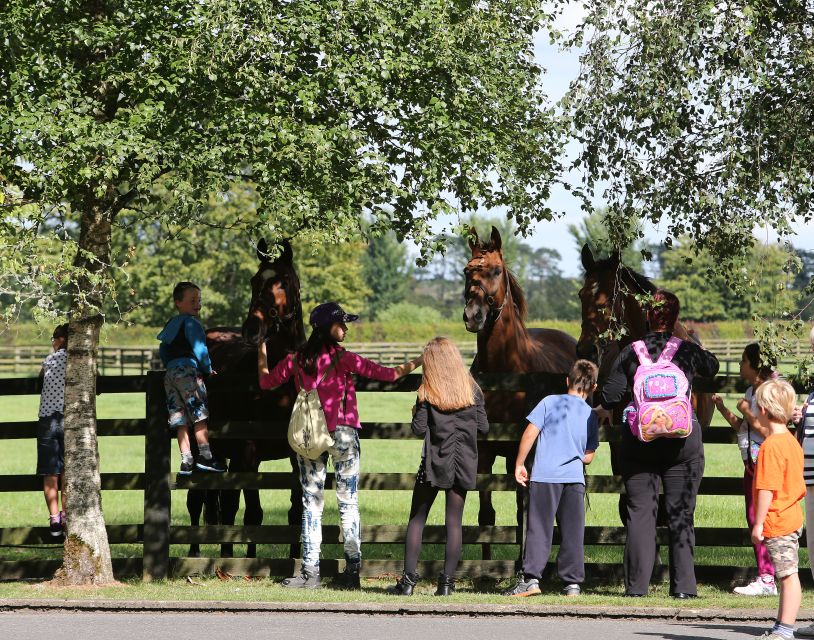
I would recommend this experience to anyone who likes horses, gardens, Irish countryside, or the culture of racing. It also works well for families because the foals and interactive racehorse sections give children something concrete to watch and do.
Horse enthusiasts will get the most from the breeding explanations and Living Legends. Garden lovers may care less about bloodlines but still find the Japanese Gardens and St Fiachra’s Garden worth the trip.
It is also a good choice for a repeat visitor to Dublin who wants something outside the city. The 40-minute distance makes it a manageable day trip, though you should not treat it as a quick photo stop.
I would be more cautious if you have only a few hours in Ireland, dislike outdoor walking, or plan to visit after September mainly to see a large number of horses. The stud winds down from October, and fewer animals may be on the grounds.
Should you book the Irish National Stud and Gardens?
Book it if you want more than a horse-themed museum. The combination of a working thoroughbred stud, live tour, retired champions, two gardens, and an interactive race day gives the $22 ticket solid value.
Choose a summer date if your priority is flexible tour timing and more activity on the grounds. Choose February through September if seeing horses is central to your plans. Before booking, check the public tour schedule and make sure the racehorse exhibition fits into your day.
I would especially recommend it for families with children over seven, garden lovers, and anyone curious about how a racehorse’s life begins and ends. If you prefer a short, city-center attraction, this visit may take more time and planning than you want. For a full County Kildare outing, though, it is a well-balanced choice.
FAQ
Where is the Irish National Stud and Gardens?
The attraction is in County Kildare, about 40 minutes outside Dublin.
What does the $22 ticket include?
Admission includes the Irish National Stud, the gardens, the Irish Racehorse Experience, and a public tour.
How long does the visit take?
The ticket is valid for a one-day visit. You should allow several hours to cover the tour, horses, gardens, Living Legends, and interactive exhibition.
What are the public tour times?
Public tours generally run at 10:30 a.m., noon, 2 p.m., and 4 p.m. Summer adds tours at 1 p.m. and 3 p.m. From October, tours run at 11 a.m. and 2 p.m.
When is the Irish Racehorse Experience open?
The Irish Racehorse Experience is open from 11 a.m. to 4 p.m.
Can children take part in the Irish Racehorse Experience?
Children under seven cannot take part unless accompanied by an adult.
Is the Irish National Stud wheelchair accessible?
Yes, the activity is wheelchair accessible.
When is the best time to visit?
February through September is the best period if you want to see more horses on the grounds. From October onward, the stud begins to wind down and stock is limited.
Newly planted garden visits around the world
- Sunday Market and Gardens Tour★ 4.0 · 10 reviews
- Botanical Trails of Madeira. Mountain biking Trail Experience★ 5.0 · 42 reviews
- Monte Tropical Garden & Toboggans private Tuk-Tuk tour★ 5.0 · 25 reviews
- Funchal Old Town & Palheiro Gardens Private Tuk Tuk Tour★ 5.0 · 8 reviews
- Kensington Palace VIP Garden Tour with Royal High Tea★ 4.5 · 71 reviews
- Private Half-Day Tour to Monet’s Garden in Paris★ 5.0 · 3 reviews
- Madeira Botanical Gardens and Old Town Tuk Tuk Tour by MadTuk★ 4.5 · 7 reviews
- Secret Gardens of London Private Tour★ 5.0 · 13 reviews
Ireland Garden Tours, bed by bed.

Self-Guided Bike Tour of Killarney National Park, Muckross Gardens & Waterfall
Read our review →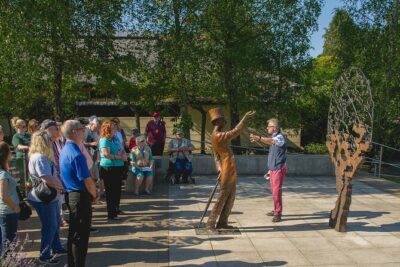
Irish National Stud & Gardens Skip the line Entrance
Read our review →
Easy Access Blarney Stone and Castle Gardens Tour
Read our review →
Fota House, Arboretum & Gardens Admission Ticket
Read our review →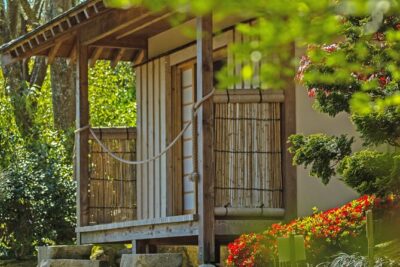
Lafcadio Hearn Japanese Gardens Admission Adult Ticket
Read our review →

Private Tour of Glendalough and Powerscourt Gardens, (1-7 ppl)
Read our review →Lists this garden visit belongs to